
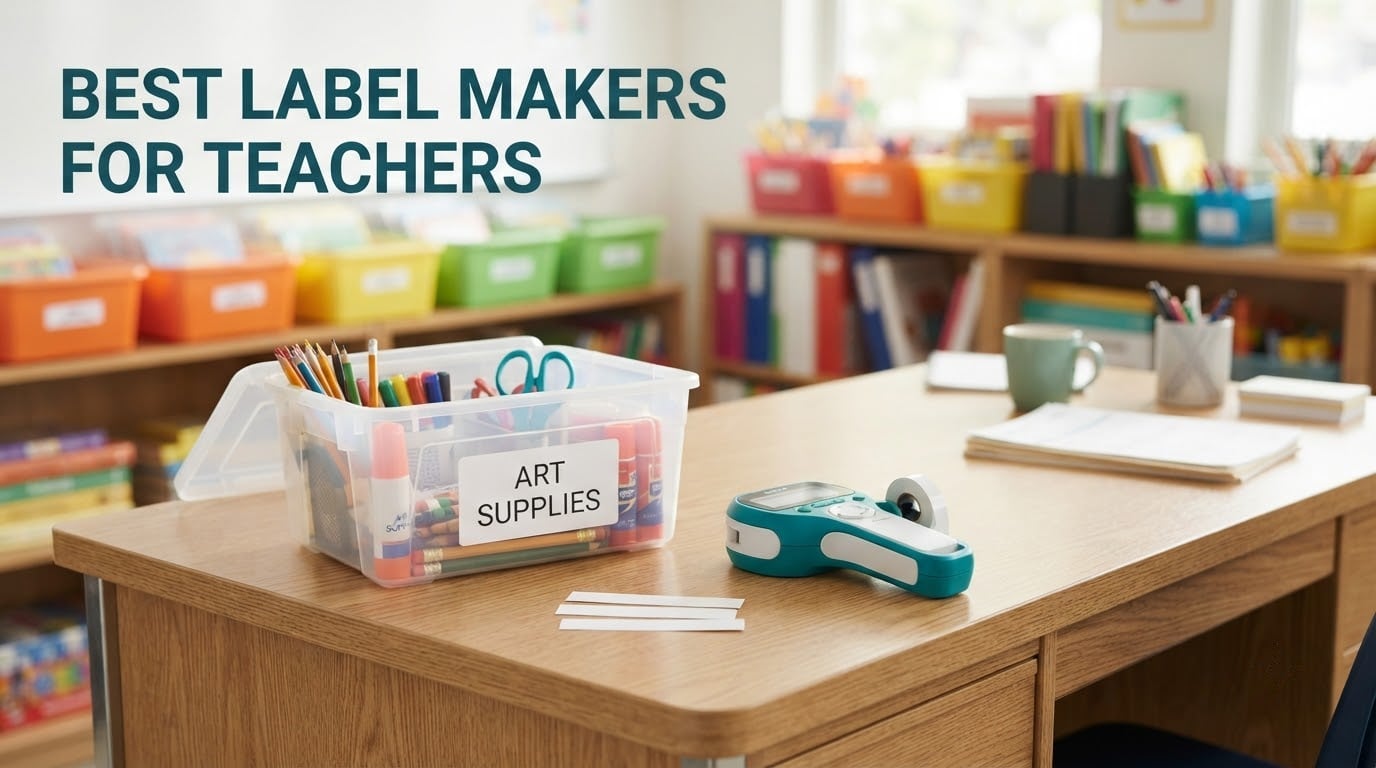
If you only buy one label maker for your classroom, get the DYMO LabelManager 160. It has the highest rating in our roundup at 4.6 out of 5 across more than 23,000 reviews, a real QWERTY keyboard so you never need your phone, and D1 laminated tape that survives the wipe-down schedule in a primary classroom. That combination of reliability, refill availability and low fuss is why it has stayed in service in so many classrooms for so long.
We spend a lot of our week labeling. Bins, supply tubs, book spines, desk tags, center rotation cards, Chromebook chargers. Every label we skip printing is another interruption during a lesson, and every label that peels off a bin in October is a label we print again in November. So we pulled 12 of the most-reviewed classroom label makers on the market and compared them on the things that actually decide whether a label is still readable at the end of the year: tape durability, tape width, input style, refill cost and how the machine behaves when you are labeling at the carpet with twenty kindergartners waiting.
This guide covers handheld label makers with a physical keyboard, pocket Bluetooth labelers that run off your phone, and the wider desktop thermal printers that schools use for name tags and library book spines. Details and offers change, so use the buttons below rather than any figure you might find in a search result. For non-teacher labeling needs, our guide to the best label makers for home organization covers the same machines from a different angle.
Top 3 Best Label Makers for Teachers in 2026
These three cover the majority of classroom needs. The DYMO is the dependable default, the Nelko is the cheapest way into Bluetooth labeling, and the Phomemo is the one to buy when you have a spreadsheet of 40 name tags to get through during a planning period.

DYMO LabelManager 160
- QWERTY keyboard
- 1/2 inch D1 laminated tape
- Side cut-to-length button

Phomemo D30
- Continuous and fixed-length tape
- Print Master app with Excel import
- German thermal print head
Quick Comparison of the Best Label Makers for Teachers in 2026
Every machine below prints monochrome text with no ink or toner. The meaningful differences are input style, tape width, and how much tape each design wastes between labels.
| Product | Specifications | Action |
|---|---|---|
| DYMO LabelManager 160 |
|
Check Latest Price |
| Nelko P21 |
|
Check Latest Price |
| Phomemo D30 |
|
Check Latest Price |
 SUPVAN E10 SUPVAN E10 |
|
Check Latest Price |
 NIIMBOT B1 NIIMBOT B1 |
|
Check Latest Price |
 SUPVAN T50M Pro SUPVAN T50M Pro |
|
Check Latest Price |
 Brother P-Touch PTD220 Brother P-Touch PTD220 |
|
Check Latest Price |
 DYMO LabelManager 280 DYMO LabelManager 280 |
|
Check Latest Price |
 SUPVAN E11 SUPVAN E11 |
|
Check Latest Price |
 Brother P-Touch PT-M95 Brother P-Touch PT-M95 |
|
Check Latest Price |
 Phomemo M110 Phomemo M110 |
|
Check Latest Price |
 ORGSTA S001 ORGSTA S001 |
|
Check Latest Price |
1. DYMO LabelManager 160 – Best Overall for Daily Classroom Labeling
DYMO Label Maker LabelManager 160 Portable Label Maker, Easy-to-Use, One-Touch Smart Keys, QWERTY Keyboard, Large Display, for Home & Office Organization, Black
QWERTY keyboard
LCD screen
1/2 inch D1 laminated tape
300 dpi thermal
Side cut-to-length button
Pros
- Holds 4.6 stars the highest rating in the roundup with durable laminated D1 output
- Cut-to-length side button wastes far less tape than manual cutting
- Weighs just 21.82 g so it moves between rooms easily
- 20+ formatting options and 200+ symbols and clip art
Cons
- Styling options are basic with one Arial-style font
- Prints one label at a time so batches use more tape
- Instructions are thin so cassette loading is self-taught
This is the machine we hand to anyone who asks us what to buy first. The LabelManager 160 weighs 21.82 g and measures 4.65 by 10 by 1.93 inches, which means it lives in the front pocket of a tote bag and does not vanish into a drawer at the end of August. The keyboard is a genuine QWERTY layout, not an ABC one, and that single detail saves you several seconds on every label when you are typing “Pencils – Sharpened” for the fourteenth time this year.
The side cut-to-length button is the feature other reviewers mention most often, and it is the reason the 160 uses less tape than comparable machines. Instead of feeding out a fixed block and cutting it yourself, you trim exactly what you need. On a continuous cartridge that adds up quickly across a year of labeling.
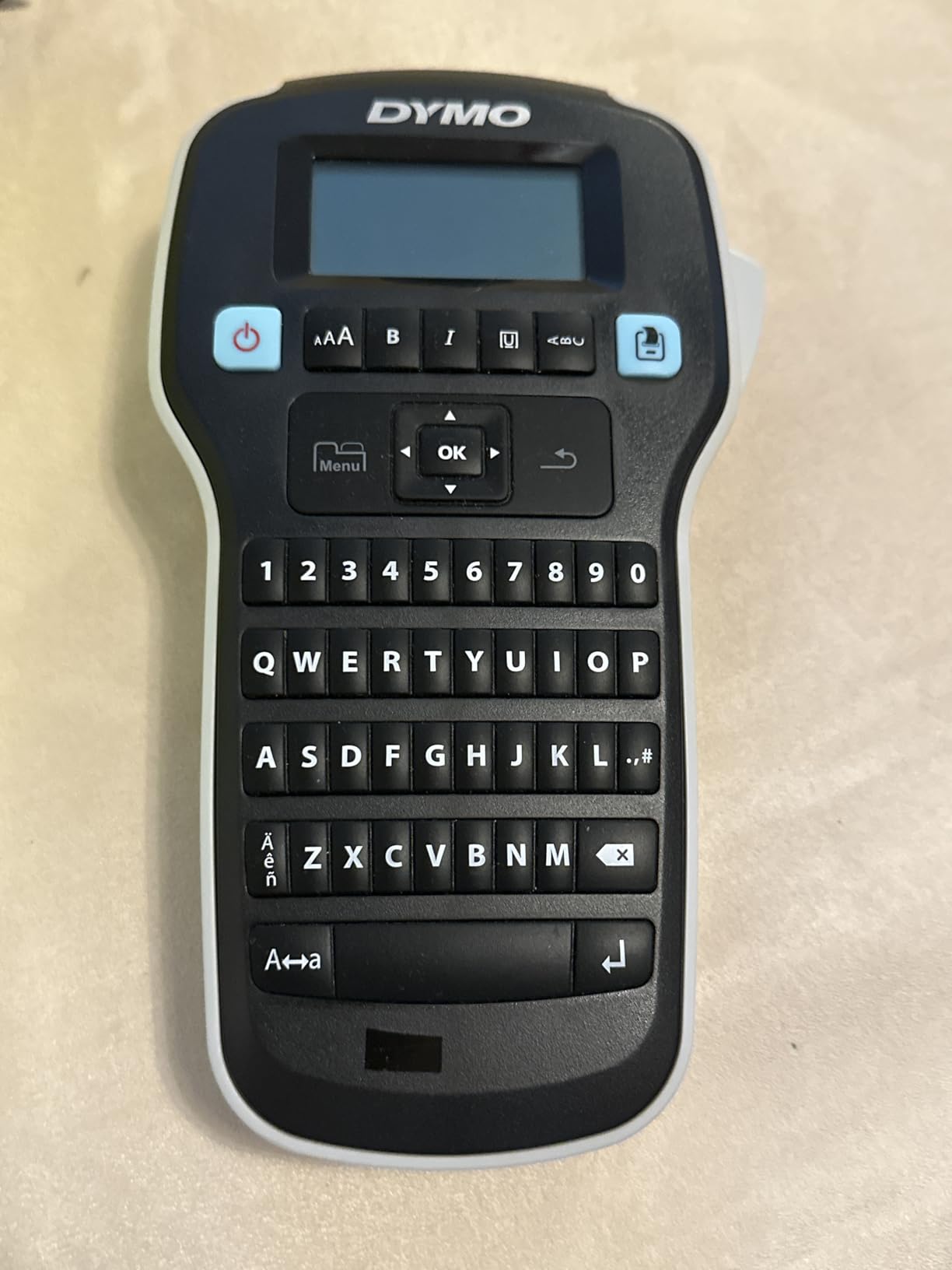
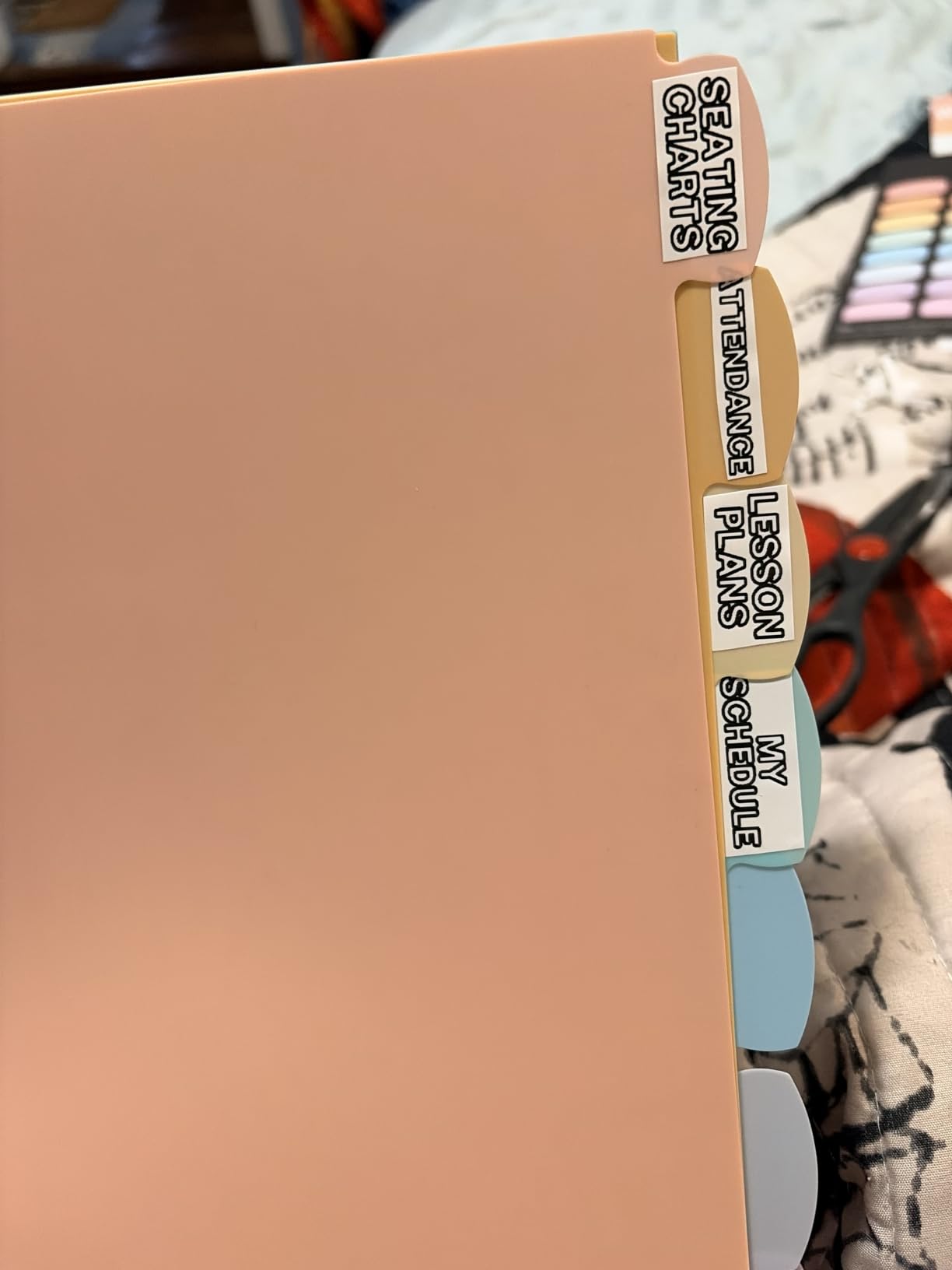
The D1 tapes are available in 1/4 inch, 3/8 inch and 1/2 inch widths, and the 1/2 inch laminated version is what we would use on anything a student touches. Owners of the Brother and DYMO machines describe them as the ones that keep working year after year, and for our money the D1 refills are the easiest to find locally when a cartridge runs dry mid-week.
What we like about the cut-to-length button
Continuous tape machines waste a fixed margin on every print, and the 160 reduces that to almost nothing. It is the single feature that changes your yearly tape consumption, and it costs nothing extra.
The one-touch smart formatting keys also mean most labels need no menu diving. Type, press the size key, print. That matters when the machine is being handed around the room.
Where the 160 falls short
The styling library is thin. There is one Arial-style font with limited sizes, so if you want decorative headers on your center boards, the app-driven machines give you more. There is also no memory storage for saved labels, so recurring labels get retyped.
Batching is not its strength. It prints one label at a time, which means a run of 30 desk tags is 30 separate print jobs. That is fine at five labels and slow at fifty.
2. Nelko P21 – Best Value Bluetooth Labeler for Teachers on a Budget
Nelko P21 Label Maker Machine with Tape, Bluetooth Label Printer, White
203 DPI direct thermal
Bluetooth app control
11.52 oz
15x30 mm to 14x75 mm label sizes
Pros
- Half the size and weight of a traditional label maker
- 203 DPI BPA-free thermal output with no ink costs
- Huge app library with icons borders materials and templates
- Supports text QR codes barcodes and images
- Built-in rechargeable battery
Cons
- Needs a phone and does not work with computers
- Not compatible with Android 14 phones
- Label length is fixed to supported sizes with no continuous rolls
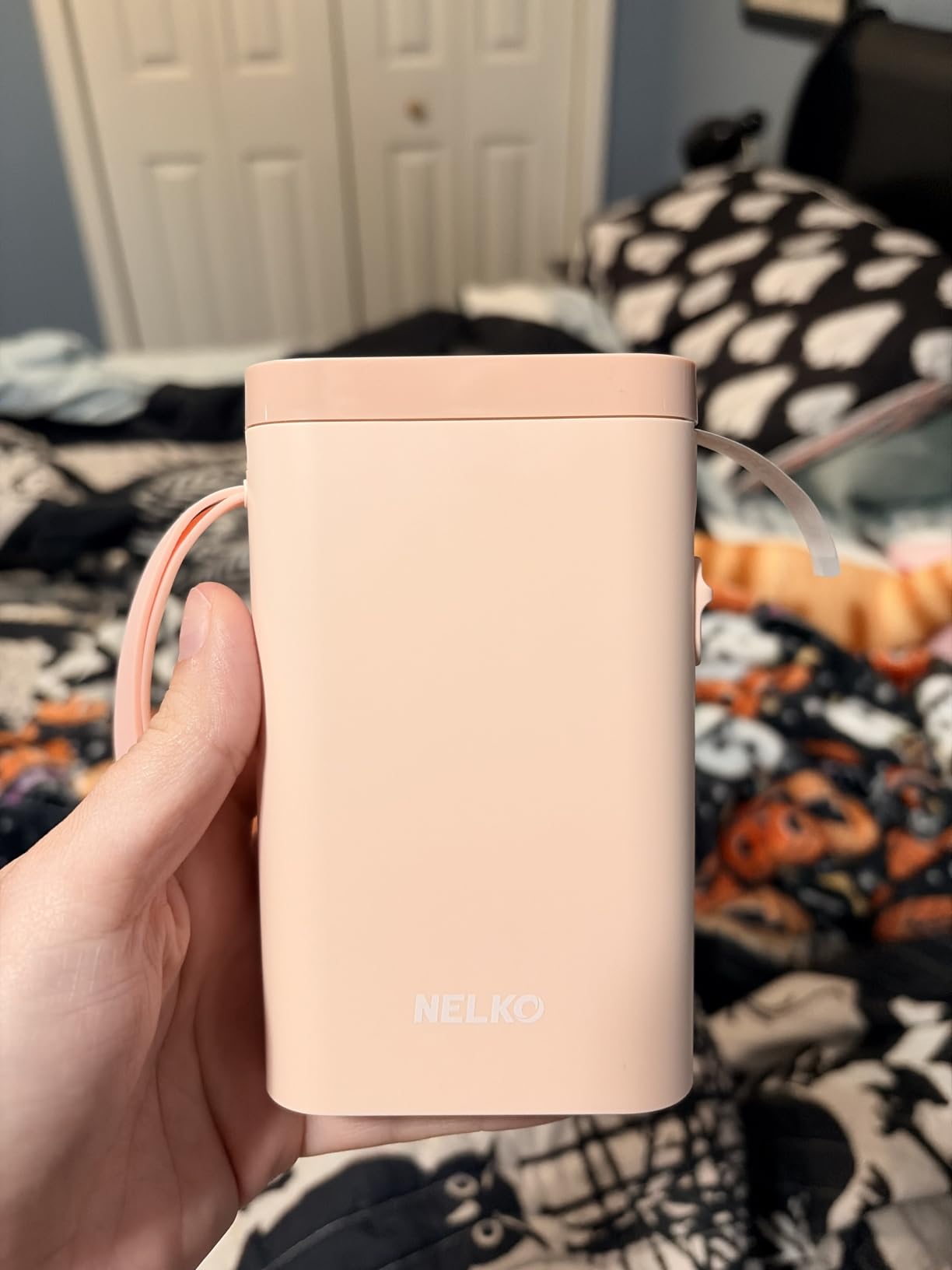
The Nelko P21 is the answer when a department budget covers exactly one purchase and the rest has to come from you. At 11.52 ounces and 6.65 by 4.5 by 1.9 inches, it is roughly half the bulk of a keyboard model, and it prints at 203 DPI monochrome with no ink, toner or running cost beyond the tape itself.
Everything is designed in the Nelko app. The library is genuinely enormous: 3600 or more icons, 700 or more borders, 5500 or more materials and 750 or more templates. For a teacher building color-coded subject labels or a set of illustrated bin stickers, that library is the whole value proposition. QR and barcode support is built in, which is useful if you are tagging student devices rather than just supplies.
It runs up to 30 pages per minute and handles five die-cut sizes from 15×30 mm up to 14×75 mm, which suits desk tags and small supply tubs where one of those sizes is exactly right anyway. The rechargeable battery runs long enough to cover a day of intermittent labeling, and it shuts down on its own so it does not drain overnight in your bag.
When the P21 beats a keyboard model
The P21 wins on size and on design assets. If your labels need icons, photos, QR codes or colour blocking, the app library does in seconds what a keyboard machine cannot do at all. It is also the one to hand to a student helper or a parent volunteer.
What to check before you commit
There is no standalone mode. Without a phone there is no printing, which means a dead battery and a dead phone equals no labels. It also does not support continuous rolls, so long phrases must fit inside one of the fixed die-cut sizes.
Check your phone first. The P21 is listed as not compatible with Android 14, and the charging adapter is not in the box. Also note that the supported phones are smartphones only, so an iPad or Chromebook will not drive it.
3. Phomemo D30 – Best for Batch Labeling and Continuous Tape
Phomemo D30 Label Maker Machine with Tape, Bluetooth Mini Label Printer
Continuous and fixed-length tape
203 DPI
160 g rechargeable
Print Master app
Pros
- Accepts both continuous rolls and die-cut labels
- Half the size of a traditional label maker at 160 g
- App includes Excel batch import OCR and voice input
- 1000 or more templates with 600 or more fonts
- German thermal print head
Cons
- Black text only
- Needs a smartphone or tablet rather than standalone typing
- Design options depend entirely on app templates
When we sit down with a list of every student in the class, the D30 is the machine we reach for. It is the most-reviewed product in this roundup at more than 27,000 ratings, and the reason is the combination of continuous tape support with a genuinely deep editing app.
Continuous tape means you are not locked into a fixed label length, so “Small Group – Blue Tub – Tuesday” fits on one strip instead of wrapping awkwardly. The app goes further than most competitors: Excel batch import lets you paste a column of names and print them in one run, OCR pulls text back out of a photo in about four seconds, and voice input lets you name a label out loud when your hands are full of books.
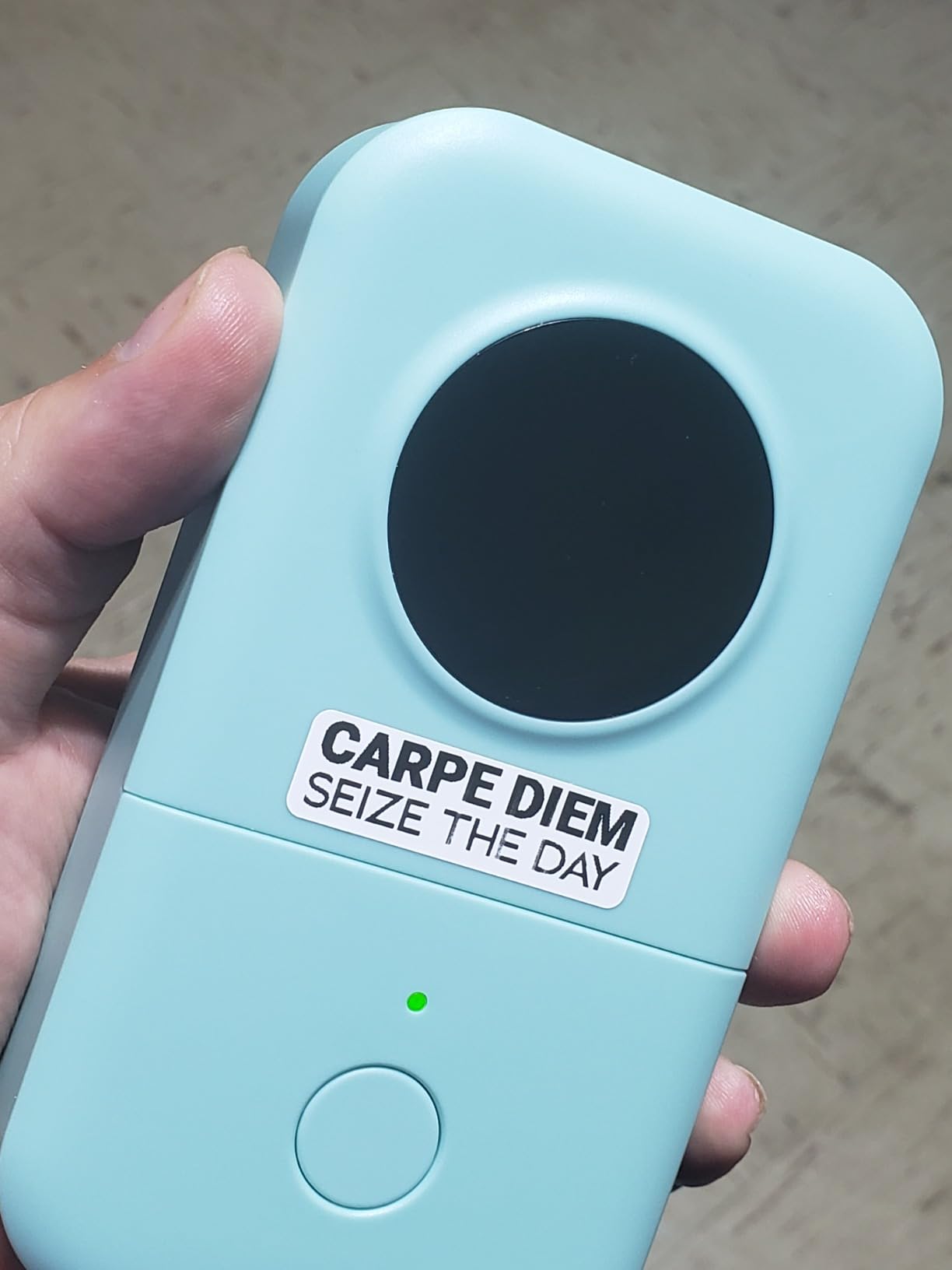
It is 5.17 inches tall and weighs 160 g, which is small enough for a tote bag. The body is green, which matters not at all but gets it back from the supply cupboard more often than a black one.
Why batch capability matters in a classroom
A single name tag takes about fifteen seconds to design and print by hand. Forty of them takes ten minutes of a planning period you did not have. Excel import turns that into a two-minute job, which is the difference between labeling your class once a year and never getting around to it.
The same import works for book spines. One column of call numbers, one run, and the library cart is sorted before lunch.
Where the D30 asks too much
It prints black text only, so any colour effect has to come from patterned background tapes. It also has no keyboard. Every label starts with unlocking your phone and opening the app, which is fine for a batch job and slow for the one label you need mid-lesson.
Content is monochrome only, and the design output is bounded by what the app exposes. If you want full colour or photographic tags, you are looking at a different category of machine entirely.
4. SUPVAN E10 – Best for Adhesive That Outlasts the School Year
SUPVAN E10 Bluetooth Label Maker Machine with 3 Tapes, Green Bundle
Continuous and die-cut tape
203 DPI
167 g
Built-in cutter
Pros
- Waterproof oil-proof scratch and heat-resistant laminated tape
- Center-split backing makes labels easy to peel and reposition with no residue
- App requires no fees and no registration
- Battery lasts roughly a month per charge
- Print preview warns when text will be cut off
Cons
- Does not cut between prints so scissors are needed for batches
- Some users report text fading after a couple of months
- Adhesion struggles on curved surfaces such as bottles
- Default print density can leave white streaks
Peeling labels off plastic bins is the single most common complaint we hear about classroom labeling. Teachers describe labels lasting one season before peeling, even with clear tape laid over the top, and that failure mode is where tape quality shows up. The E10 is the machine in this roundup whose specification addresses a wash cycle head on.
The laminated tape is described as waterproof, oil-proof, anti-scratch and heat-resistant. More practically for a classroom, it uses a center-split backing liner, so you peel one strip and the label releases cleanly, then you can reposition it once without adhesive residue or a sticky bin.
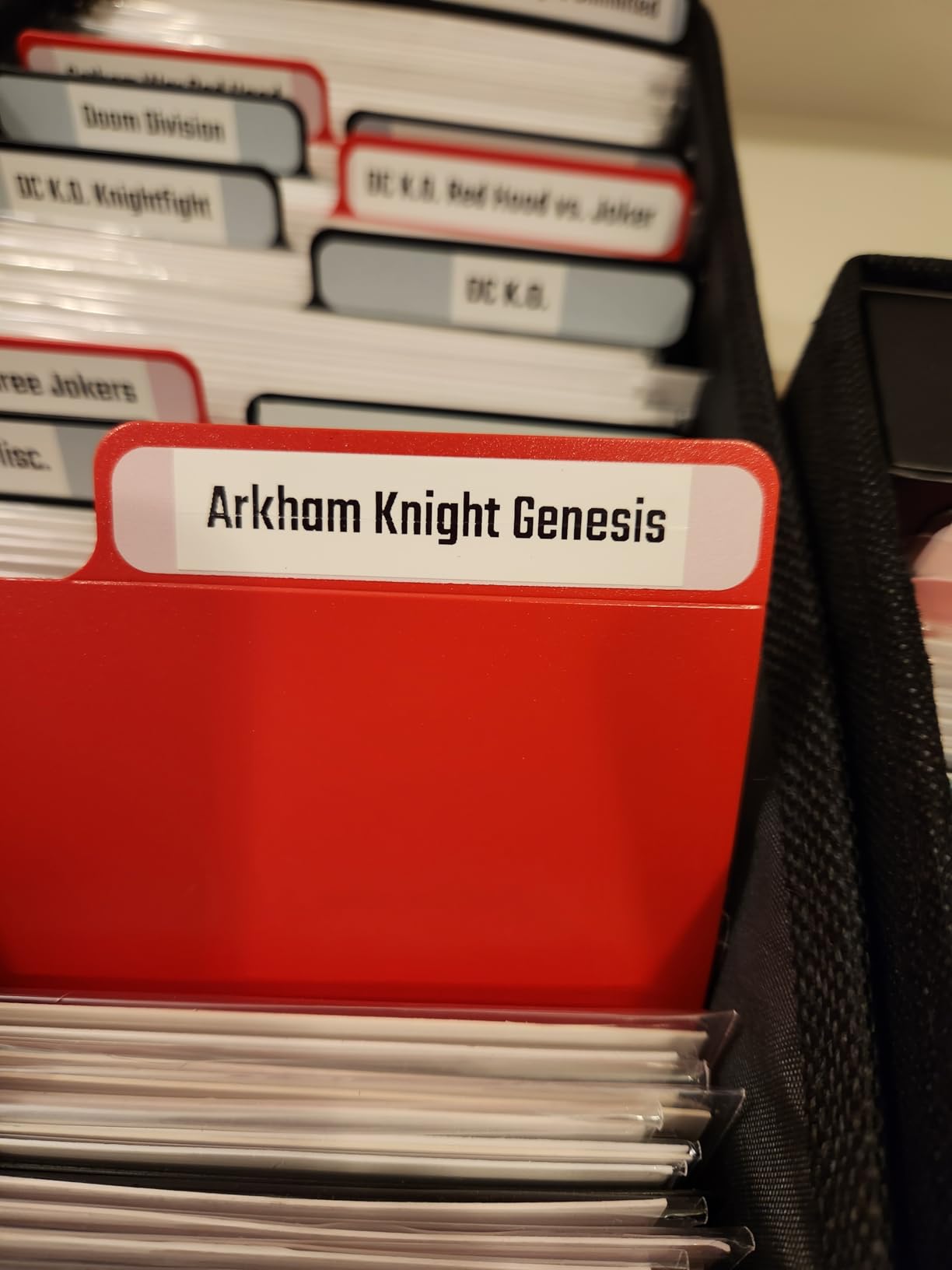
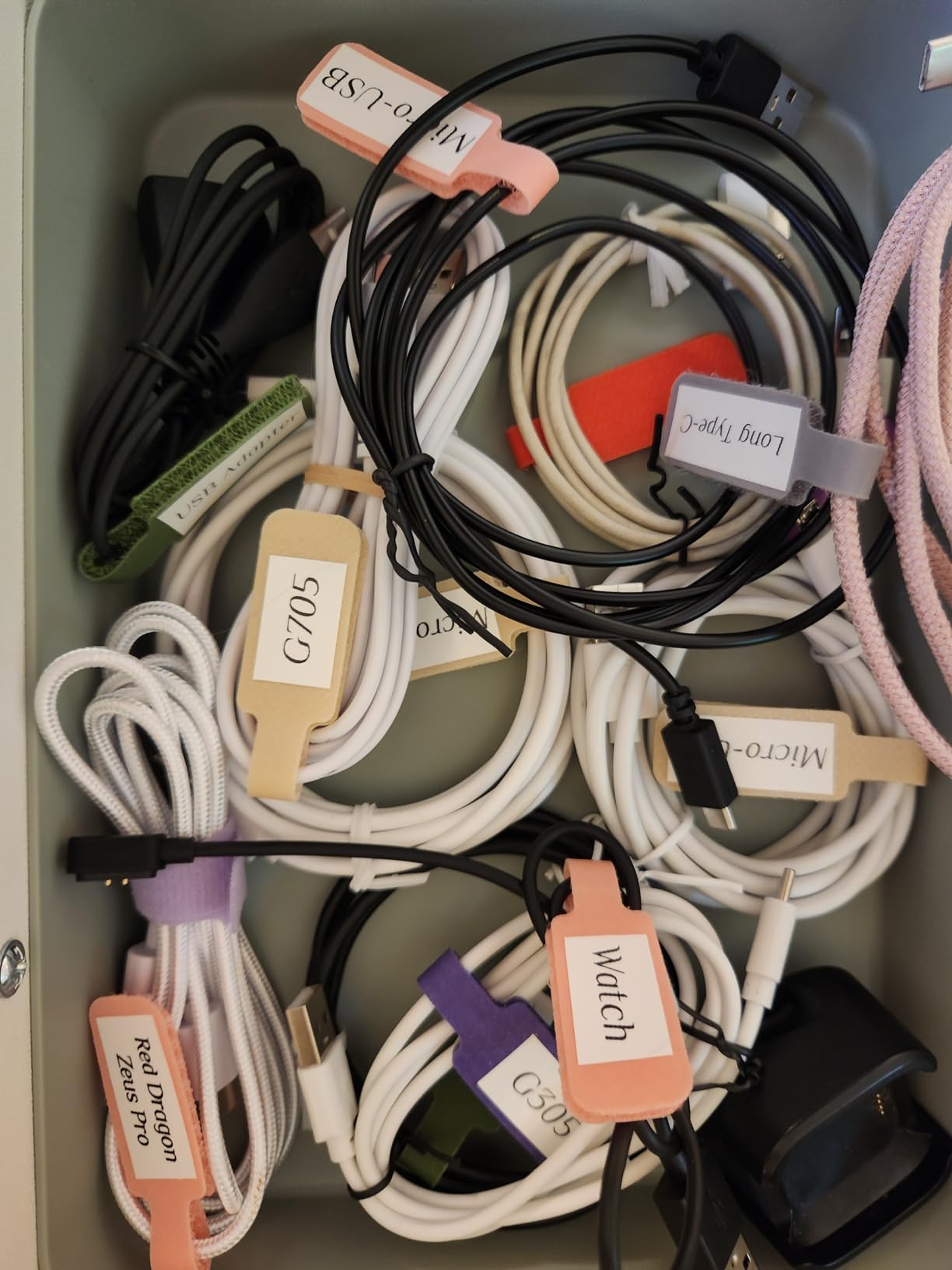
The app has no subscription and no account, which matters when your school’s device policy makes app registration a paperwork problem. You get 40 fonts, 30 frames and more than 450 icons, all free. The print preview warns you when text will run past the label edge, which quietly saves you a reprint and a wasted strip of tape.
Check the print density setting first
Out of the box the default density can leave white streaks through the middle of characters. Raise it one or two notches and the output is clean and dark. It is a two-tap adjustment once you know it exists, and it explains most of the fading complaints attached to this machine.
Where it will not work
There is no cut between prints. If you are running a stack of name tags, you print the run and then cut it up with scissors, which adds real time to a batch job. Curved surfaces like water bottles are also a weak point, since the label bridges a curve the adhesive cannot follow.
Buy the laminated tape, not the standard rolls. If you are labeling bins that will be washed weekly, the cheaper standard tape is the wrong purchase.
5. NIIMBOT B1 – Best for Wide 2 Inch Bin and Desk Labels
NIIMBOT B1 Label Maker, 2Inch Bluetooth Label Printer for Home, Blue
2 inch label width
203 DPI
293 g rechargeable
App with auto size detection
Pros
- Wider label format gives far more room for text than mini labelers
- App auto-detects label size and removes manual setup
- 30 or more fonts 100 or more borders and 1500 or more symbols
- Rechargeable battery auto-shuts off after 15 minutes
- Two 1.18 inch white rolls included in the box
Cons
- Not compatible with iPad or tablets
- Heavy and bulky next to pocket models
- Bluetooth pairing problems can require support contact
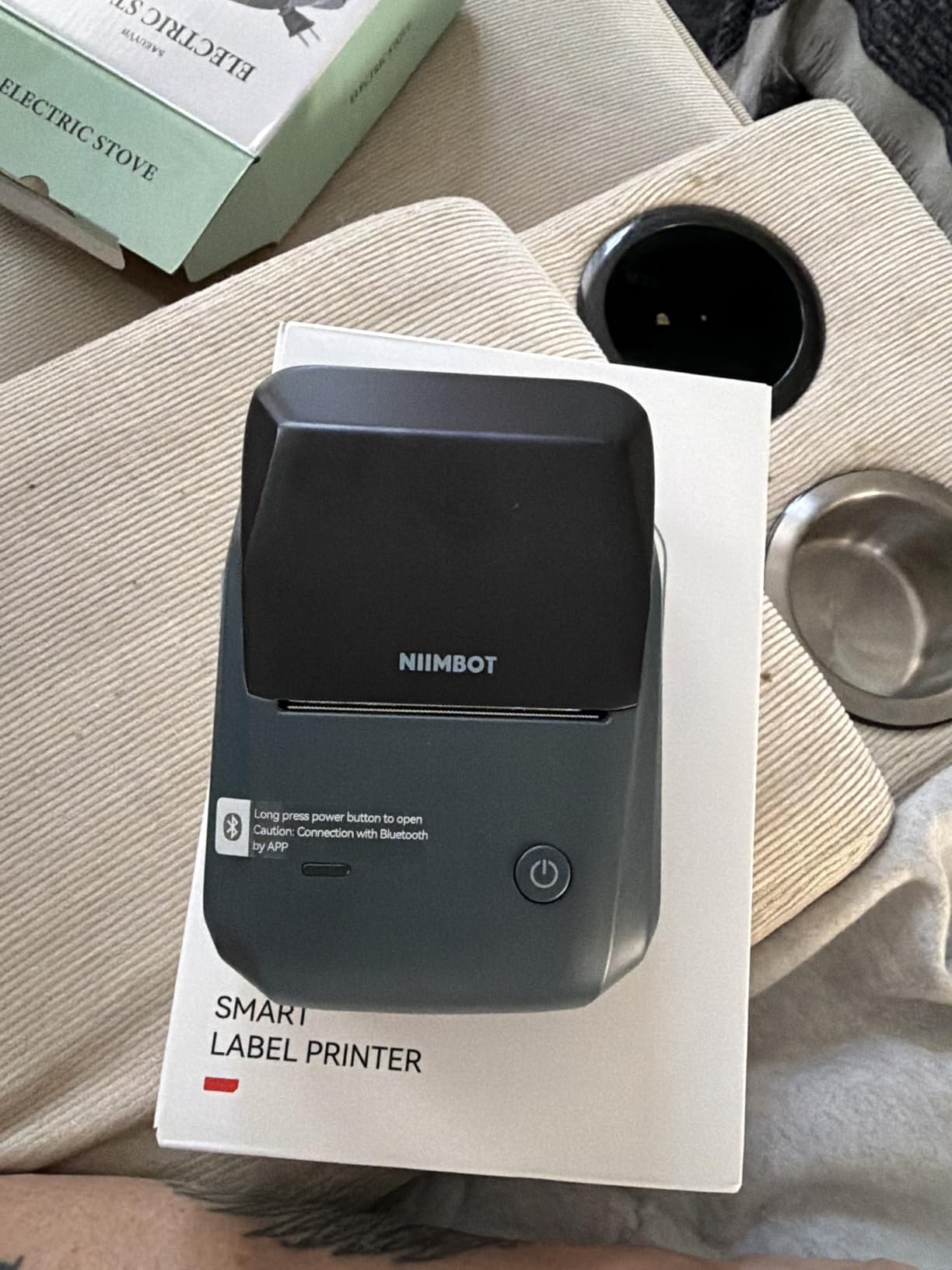
Most classroom labelers print 12 mm or 15 mm strips, which is fine for a supply tub and too narrow for a bin front, a desk name card or a reading group header. The NIIMBOT B1 solves that by taking 2 inch wide stock, so a full phrase fits across a single label without splitting into three lines.
At 203 DPI the text is crisp enough for a desk plate a parent reads from across the room. The app auto-detects which roll is loaded, which sounds minor until you have relabelled an entire class and the machine is guessing the size every single time.
Saved templates make repeat runs a single tap, so a monthly rotation set is built once and reprinted each time the stations change. The rechargeable battery shuts itself down after 15 minutes of inactivity, and two rolls of 1.18 inch white tape are included to get you started.
Where the extra width changes the job
Desk name plates, reading group headers, center rotation signage and device charging cart labels all stop being compromised fits. You can put a subject and a group name on one line instead of picking which word to drop.
Two rolls in the box also means you are not waiting on a delivery before your first session. For a new classroom setup in August, that is a real advantage.
What to watch for
At 293 g it is one of the heavier machines here, so it lives on a desk rather than in a bag. It will not connect to tablets, which rules it out for iPad-based classrooms and Chromebook touchscreen setups, and it can also be driven from a laptop over USB with a downloadable driver.
There is one setup quirk: charge it fully before the first power-on. Some devices behave oddly if tested on a partial charge.
6. SUPVAN T50M Pro – Best for Wide Format Printing Without Ink
SUPVAN T50M Pro Bluetooth Label Maker Machine with Tape, Black
3/4 inch to 2 inch widths
203 DPI
433 g
USB-C and app control
Pros
- Prints labels from 3/4 inch up to 2 inch wide
- Free app with no registration and automatic label size recognition
- 30 or more fonts 50 or more frames and 660 or more icons
- Image import from phone tablet or PC with enhanced processing
- First print in about one second
Cons
- Heavy to carry at 433 g
- App-based design needed for most formatting options
- Not built to be carried between rooms
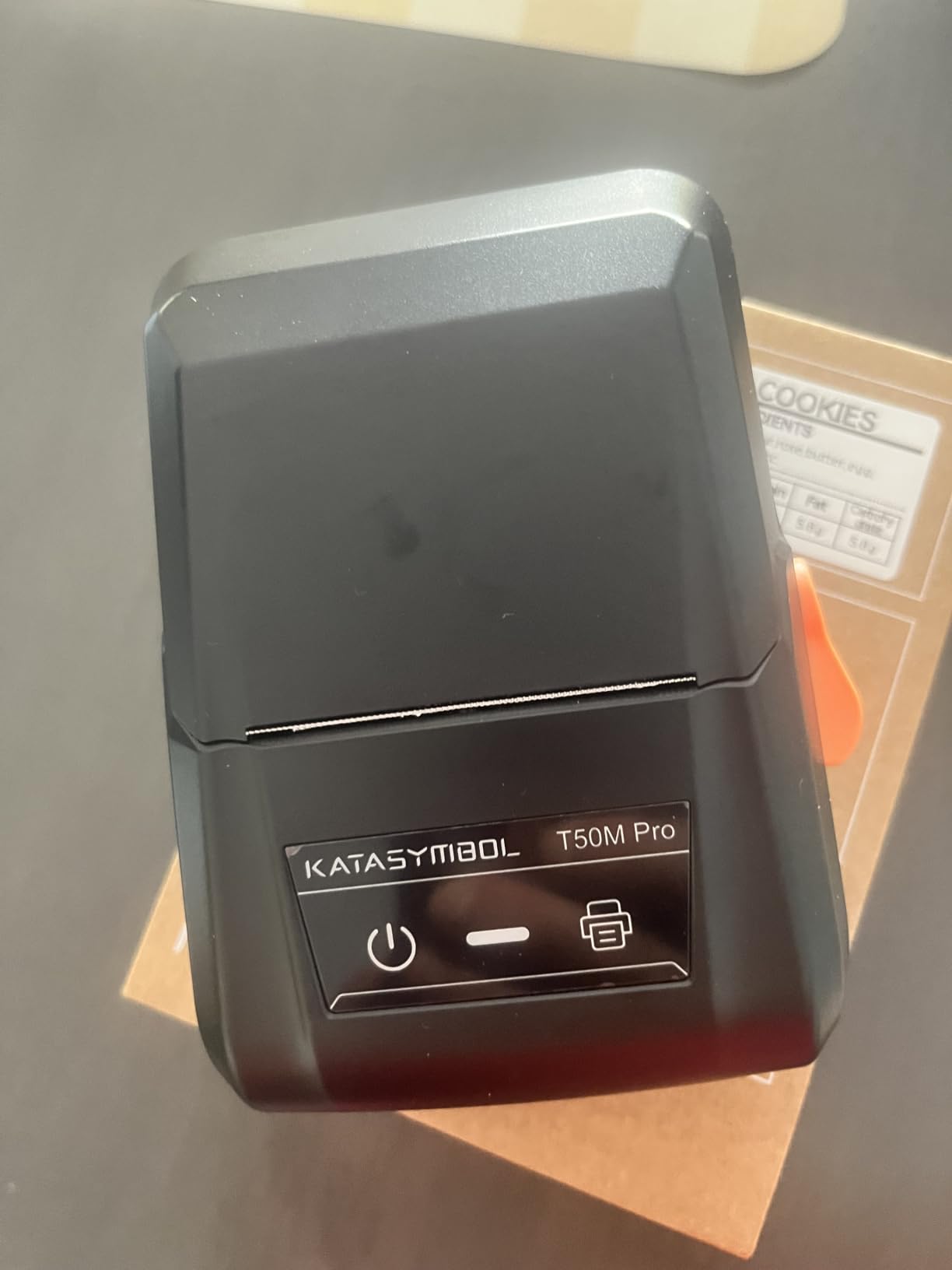
The T50M Pro handles the widest range of tape widths here, and it is the one we would put on a table at the back of the room when relabelling a whole set of storage bins. It runs from 3/4 inch to 2 inch, and it is compatible with square, round, address, cable, jewelry and file style labels, which means the same machine covers bin fronts and unusual supply shapes.
Print speed is its quiet strength. First print lands in about a second, and the rated throughput is 60 pages per minute, so a bin reorganisation does not eat an entire planning period. It works with laptops, PCs, smartphones and tablets, which gives you more device options than most of the mini labelers, and the width range makes it the pick for large bin fronts where a 12 mm strip looks lost.
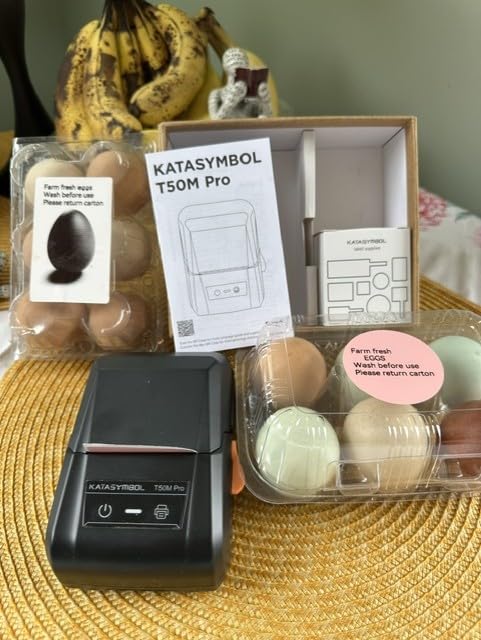
Like the other app-driven units, the editing software is free with no registration step, and it offers 30 or more fonts, 50 or more frames and 660 or more icons. Label size is recognised automatically, so switching between a round jar label and a wide bin label is a matter of changing the roll.
When a fixed desk machine beats a portable one
If your labeling is concentrated in one room, a 433 g desktop unit that stays on one shelf is easier to live with than a portable machine you keep misplacing.
Where it is the wrong choice
This is not a portable unit and was not designed as one. Carrying it room to room is a two-handed job. Most formatting also requires the app, so there is no quick standalone button for the one label you need in a hurry.
It prints monochrome. If your system depends on colour-coded subjects, colour has to come from the tape rather than the print.
7. Brother P-Touch PTD220 – Best Standalone Label Maker with No App
Brother P-Touch PTD220 Home/Office Everyday Label Maker | Prints TZe Label Tapes up to ~1/2 inch White
QWERTY keyboard
LCD screen
12 mm laminated TZe tape
30 label memory
Pros
- 14 fonts 11 font styles 99 designer frames and 600 or more symbols built in
- Stores up to 30 frequently used labels for one-touch reprints
- 25 preset templates for common classroom and office tasks
- Cuts cleanly after each print to save tape
- Runs on 6 AAA batteries or an optional AC adapter
Cons
- Limited to roughly 1/2 inch TZe tape so long text needs two lines
- No Bluetooth and no app connection
- AC adapter sold separately and the first label in a batch wastes tape
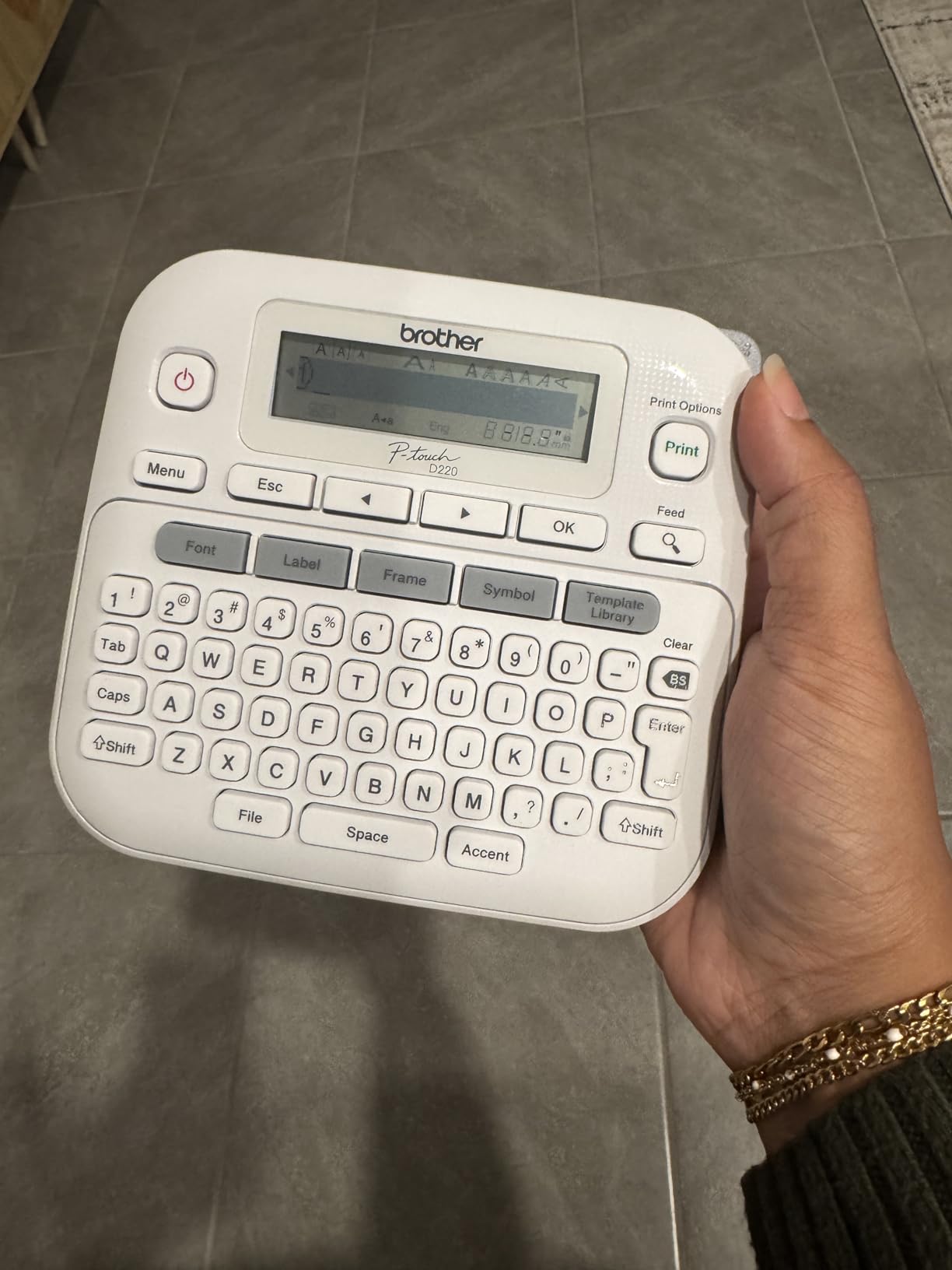
If your school’s device policy makes app-driven machines awkward, or you simply do not want to unlock a phone to print a bin label, the PTD220 is the answer. Everything happens on the device: a QWERTY keyboard, an LCD screen, and a built-in library of 14 fonts, 11 font styles, 99 designer frames and more than 600 symbols.
The feature we would not give up is the memory. It stores up to 30 frequently used labels, so “Line-Up – Blue / Line-Up – Green / Line-Up – Red” is designed once and reprinted every time you rearrange. Combined with 25 preset templates for common classroom jobs, that removes almost all retyping.
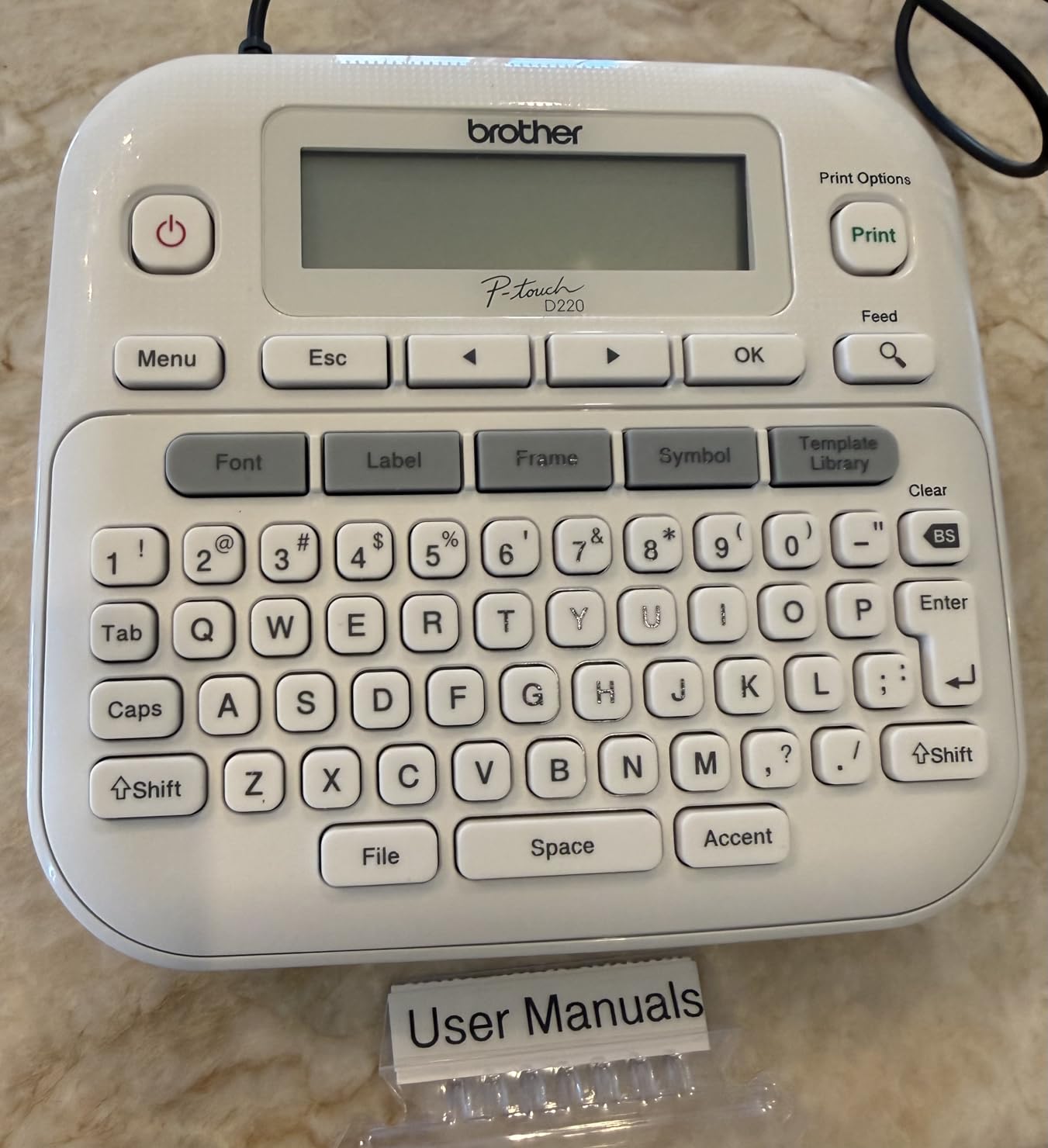
It runs at 180 dpi, which is lower than the 203 dpi of the Bluetooth units, but laminated TZe tape at 12 mm is easy to peel and hard wearing on bins that get handled. Owners of the Brother P-Touch line describe the machines as reliably dependable, which matches the 4.5 star rating on both Brother models here.
Why no app is an advantage in a classroom
No app means no pairing, no firmware updates during lesson time, and no phone in the label workflow. It works the same way every single day, which is the reliability argument teachers make most often when they defend a machine that is objectively less capable on paper.
The 30 label memory also pays for itself if you run the same rotation all year.
What the tape width costs you
12 mm laminated tape is the ceiling here. Anything longer has to break across two lines, which is why a bin label with a long phrase looks cramped next to one from the 2 inch machines.
There is no wireless connectivity at all, and the first label in any batch wastes tape because the last one has to be fed through before the cut. The AC adapter is a separate purchase, so plan on 6 AAA batteries for a portable setup.
8. DYMO LabelManager 280 – Best for Desktop Fonts and Rechargeable Power
DYMO Label Maker LabelManager 280 Rechargeable Portable Label Maker Easy-to-Use One-Touch Smart Keys QWERTY Keyboard PC and Mac Connectivity For Home & Office Organization
Rechargeable battery
USB to PC or Mac
QWERTY keyboard
1/4, 3/8 and 1/2 inch D1 tape
Pros
- Rechargeable battery so you can label away from a desk or outlet
- PC and Mac cable unlocks desktop fonts graphics and barcodes
- QWERTY keyboard with one-touch formatting keys
- 20 or more formatting options and 200 or more symbols
- Uses the same widely available D1 tapes as the LabelManager 160
Cons
- Cable connectivity is dated next to Bluetooth
- Label widths limited to D1 sizes
- Resolution is modest against the newer models
The LabelManager 280 is the step up from the 160 in one specific way: the included cable connects to a PC or Mac and unlocks desktop fonts, graphics and barcodes. If your classroom labels need a proper typeface or a barcode that your typing skills cannot produce, this is where you get it.
It keeps everything else you liked about the 160. The QWERTY keyboard is the same familiar layout with one-touch fast-formatting keys, there are 20 or more ways to format text and 200 or more symbols and clip art, and critically it uses the same widely available DYMO D1 tapes in 1/4 inch, 3/8 inch and 1/2 inch widths. Any cartridge on your shelf works in either machine.
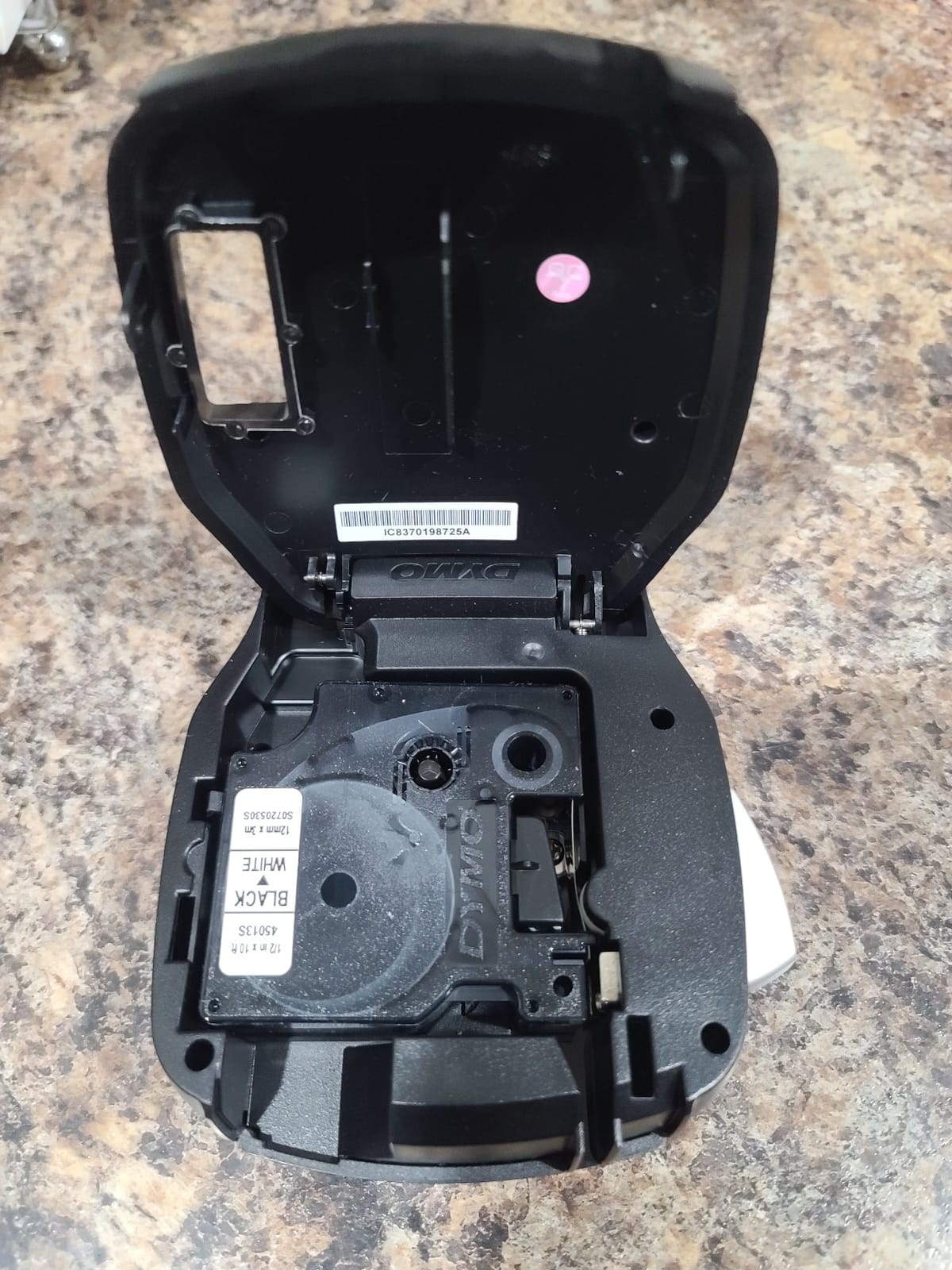
The rechargeable battery is the practical win over the 160, which takes batteries. For a teacher labeling in a corner of the room with no outlet nearby, that removes a low-battery mid-job failure point. Auto power off handles the rest.
When desktop fonts are worth paying for
Barcode and inventory labels are the clearest case. If you are tagging shared equipment that leaves the room, a scannable code generated by desktop software beats anything you can hand-type on a 300 dpi handheld.
It is also the better machine if your district standardises on one label look across rooms, since you can match fonts from a template on a computer.
Where it does not earn its extra cost
This costs more than any other machine here, and the resolution advantage over the 160 is not dramatic. If you are only printing supply bin labels in plain text, you are paying for connectivity you will not use.
The cable-based connection is dated next to Bluetooth. Anyone whose devices are phone-first should weigh the Nelko or Phomemo instead.
9. SUPVAN E11 – Best Hybrid Keyboard and Bluetooth Label Maker
SUPVAN E11 Keyboard & Bluetooth Label Maker Machine with 4 Tapes
Keyboard and Bluetooth
0.2 inch margin
203 DPI
8 ounces and 1200 mAh
Pros
- Prints from the built-in keyboard with no phone needed
- Bluetooth app adds QR codes barcodes and image designs
- 0.2 inch margin is about a fifth the size of competitors
- 1200 mAh battery gives up to a month per charge
- Only 8 ounces and compact for a keyboard model
- Works with continuous and die-cut labels
Cons
- Keyboard-only output is monochrome text
- Phone needed for the full design feature set
- Small LCD limits on-device editing
The E11 solves the problem that splits most teachers. Some labeling needs to happen fast with no phone in sight; some needs designed graphics. This machine does both.
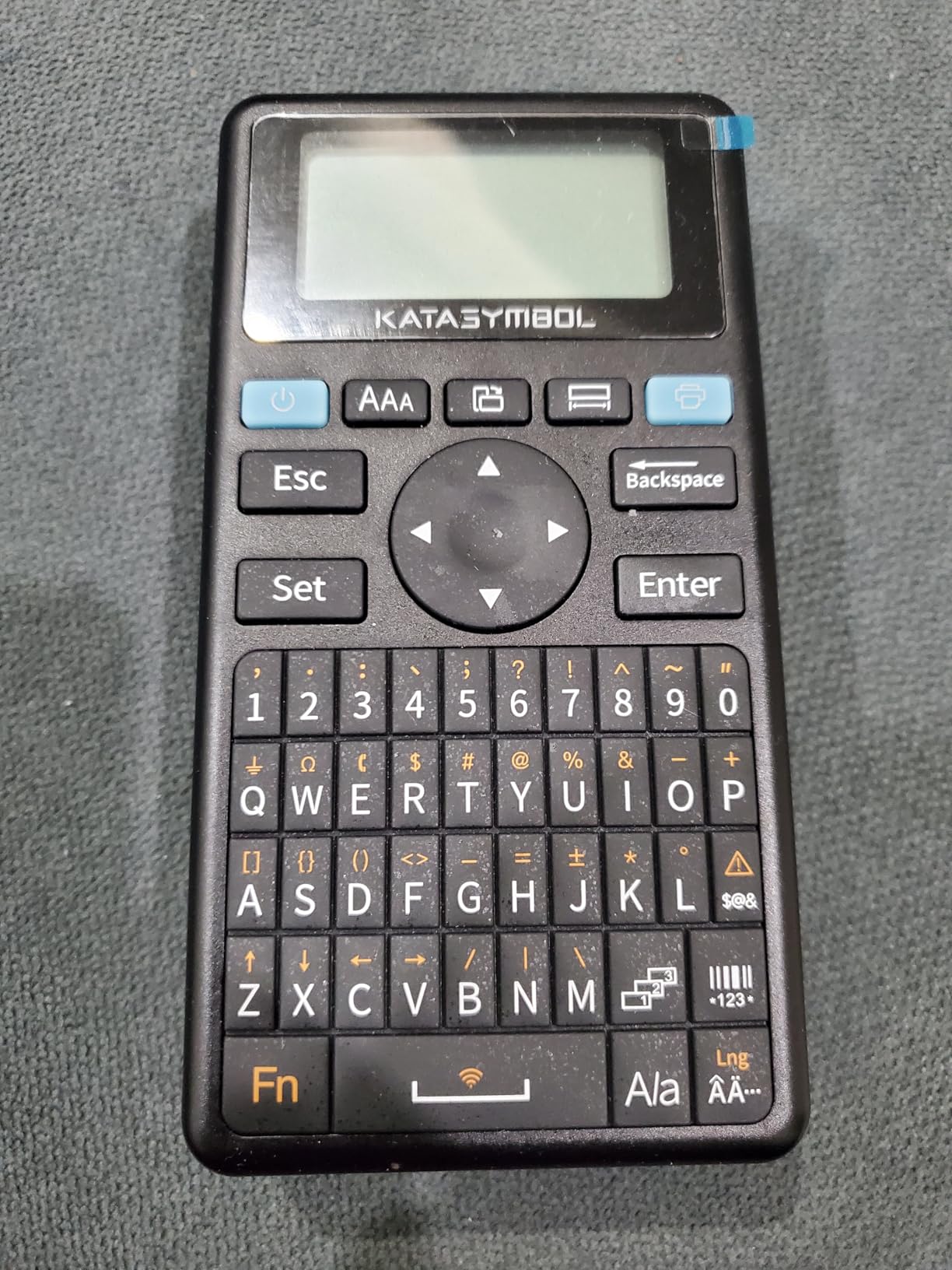
The built-in keyboard prints monochrome text standalone, so a bin label is a type-and-print with no unlocking. When you want QR codes, barcodes or image designs, you switch to the app over Bluetooth. The app is free with 30 or more fonts, 50 or more frames, 660 or more icons and 17 built-in languages.
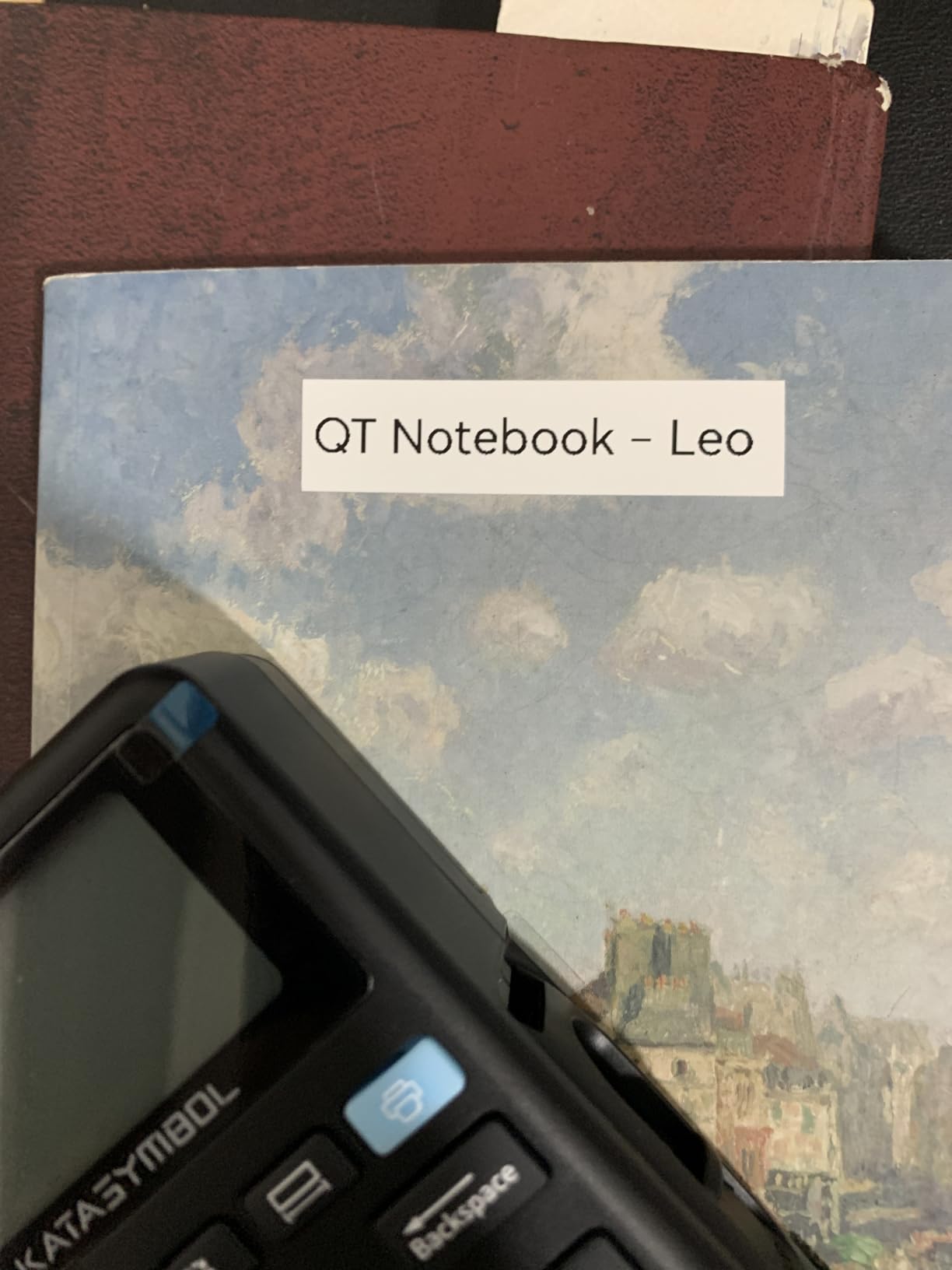
The 0.2 inch margin is the number we would point a maths co-ordinator at. Manufacturers often quote a minimum margin on continuous tape, and this one is roughly a fifth of what competitors use, which means meaningfully less tape thrown away per label across a school year of labeling. The 1200 mAh battery is rated for up to a month per charge.
Why a small margin matters more than it sounds
If your machine wastes a third of an inch on every print and you do 600 labels a year, that is real tape thrown into the bin. Shrink the margin to 0.2 inch and the same workload consumes far less material. It is a boring specification that quietly pays for itself.
It also fits continuous rolls for long content and die-cut stock for batch work.
What you give up for the hybrid
On-keyboard output is plain monochrome text. Any graphic, frame or QR code requires the phone, so the app is not optional for design work. The LCD is small, which limits editing on the device itself to short labels.
At 8 ounces it is one of the lighter keyboard machines, but the body is still chunkier than a pocket Bluetooth unit.
10. Brother P-Touch PT-M95 – Best Bundle for New Teachers
Brother PT-M95 P-Touch Monochrome Label Maker Bundle (4 Label Tapes Included),White
QWERTY keyboard
Easy-view display
9 mm and 12 mm M tapes
Four tapes included
Pros
- Bundle includes one sample plus three full-length 12 mm tapes
- No phone or app required
- Preview function scrolls text and shows tape length before printing
- Stores up to 3 label files
- Only 9.12 ounces so it is genuinely portable
- Prints one or two lines with 8 Deco patterns and 9 type styles
Cons
- Only two font sizes natively
- M tape loading needs exact positioning and can be finicky
- Included tapes are non-laminated so they are less water-resistant
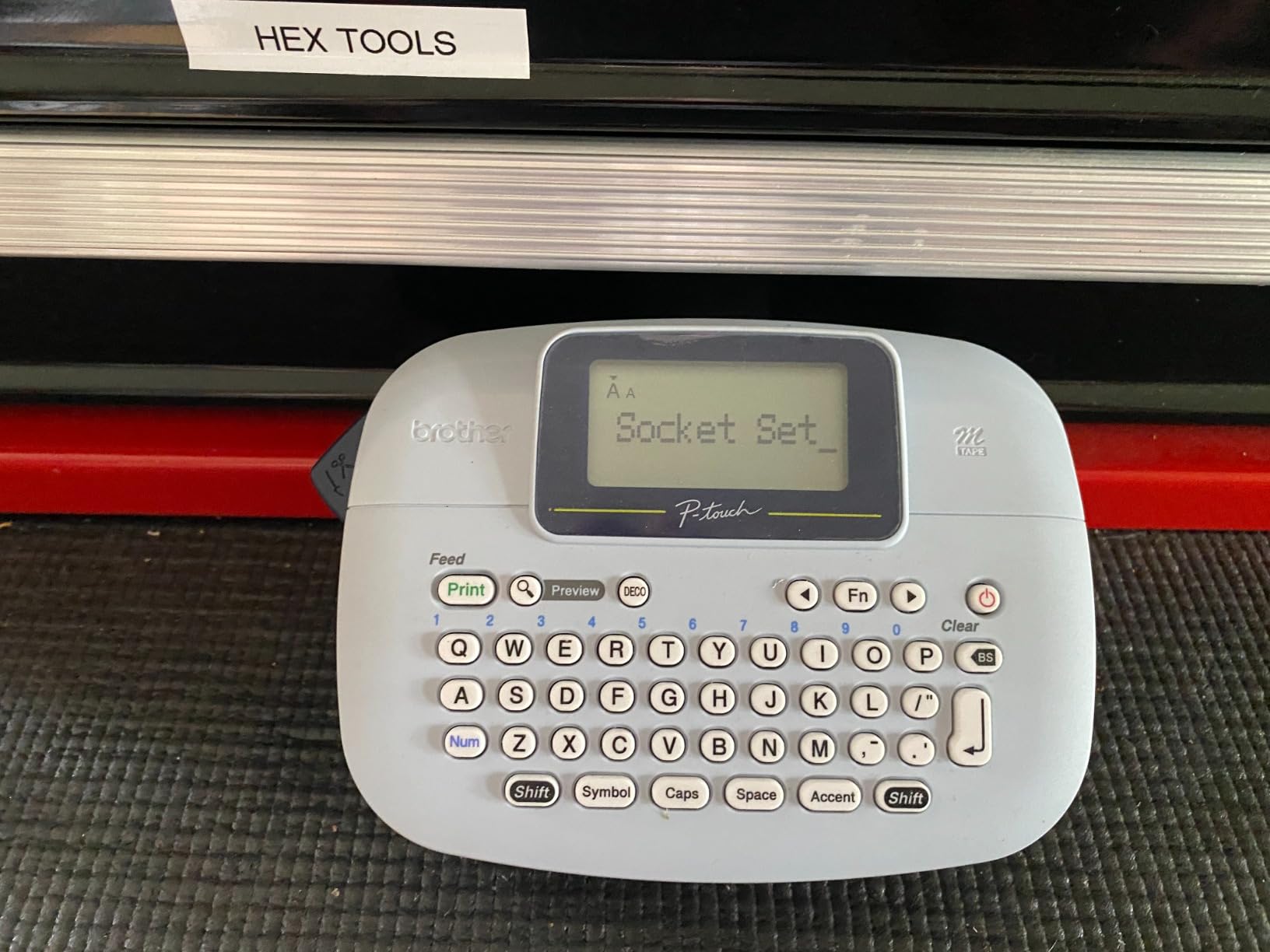
If you are setting up a classroom from scratch, the tape question is as important as the machine. The PT-M95 bundle ships with one sample tape plus three full-length 12 mm black-on-white rolls, which is enough to label an entire room before you need to buy anything else. That is the main reason to pick it.
The rest is a compact Brother P-touch: QWERTY keyboard, an easy-view display, and no app or phone requirement at all. The preview function scrolls your text and shows the tape length before printing, which is a small thing that stops the single most common waste of a small tape supply, printing a long label and discovering it needs more tape than you have loaded.
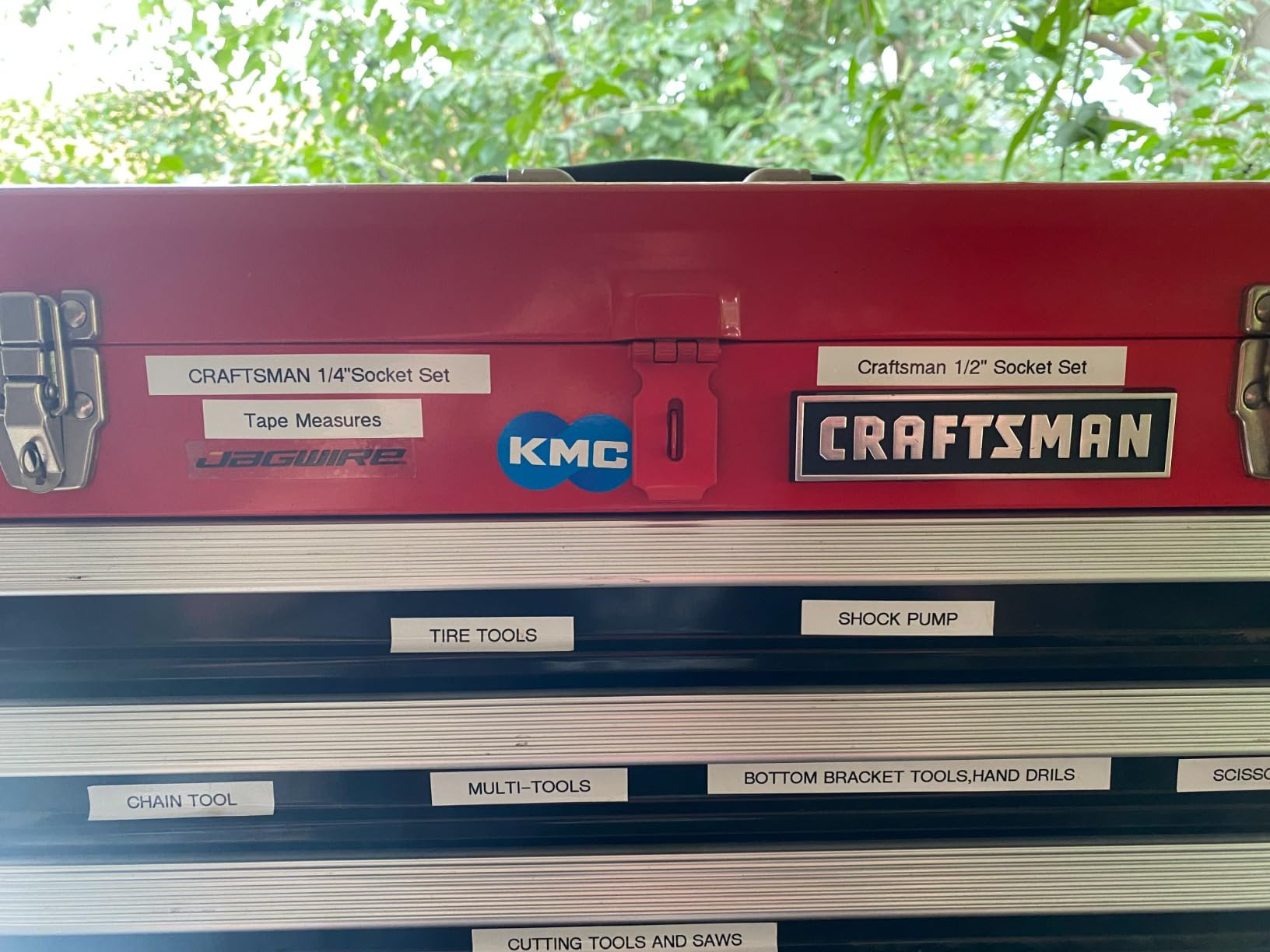
At 9.12 ounces it moves between rooms easily. It prints one or two lines with 8 Deco Mode patterns, 9 type styles and symbols, and stores up to three label files. M tapes are available in 9 mm and 12 mm widths across several colours.
Best for a first classroom setup
Three full rolls plus a sample is enough for bins, tubs and a set of desk tags, and the tape is available in several colours if you want subject coding.
Storage for three label files is modest, so this suits a small set of recurring labels rather than a large rotation system.
Before you buy, know the limitations
Only two native font sizes, and larger text needs the half-width or double-width workaround. M tapes need accurate positioning when loading and are the finickiest cartridges in the Brother range to insert. There is no AC adapter option, so it runs on batteries only.
The included tapes are non-laminated, so they are less water-resistant than TZe. For bins that get wiped down, buy laminated tape instead.
11. Phomemo M110 – Best for Excel Batch Printing and Wider Tape
Phomemo M110 Label Makers, Portable Bluetooth Thermal Printer with Display
20 mm to 50 mm labels
203 DPI
222.8 g
Bluetooth and USB
Pros
- Wide 20 mm to 50 mm label range suits school and price tags
- Print Master app supports Excel batch printing and templates
- OCR reads text from an image in about four seconds
- Bluetooth 4.0 connects in about two seconds with a range up to 33 feet
- Works with laptops PCs smartphones and tablets
- Test roll and USB-C cable included
Cons
- Monochrome thermal printing only
- Some app templates and icons are paid members only
- Needs full charging before first power-on
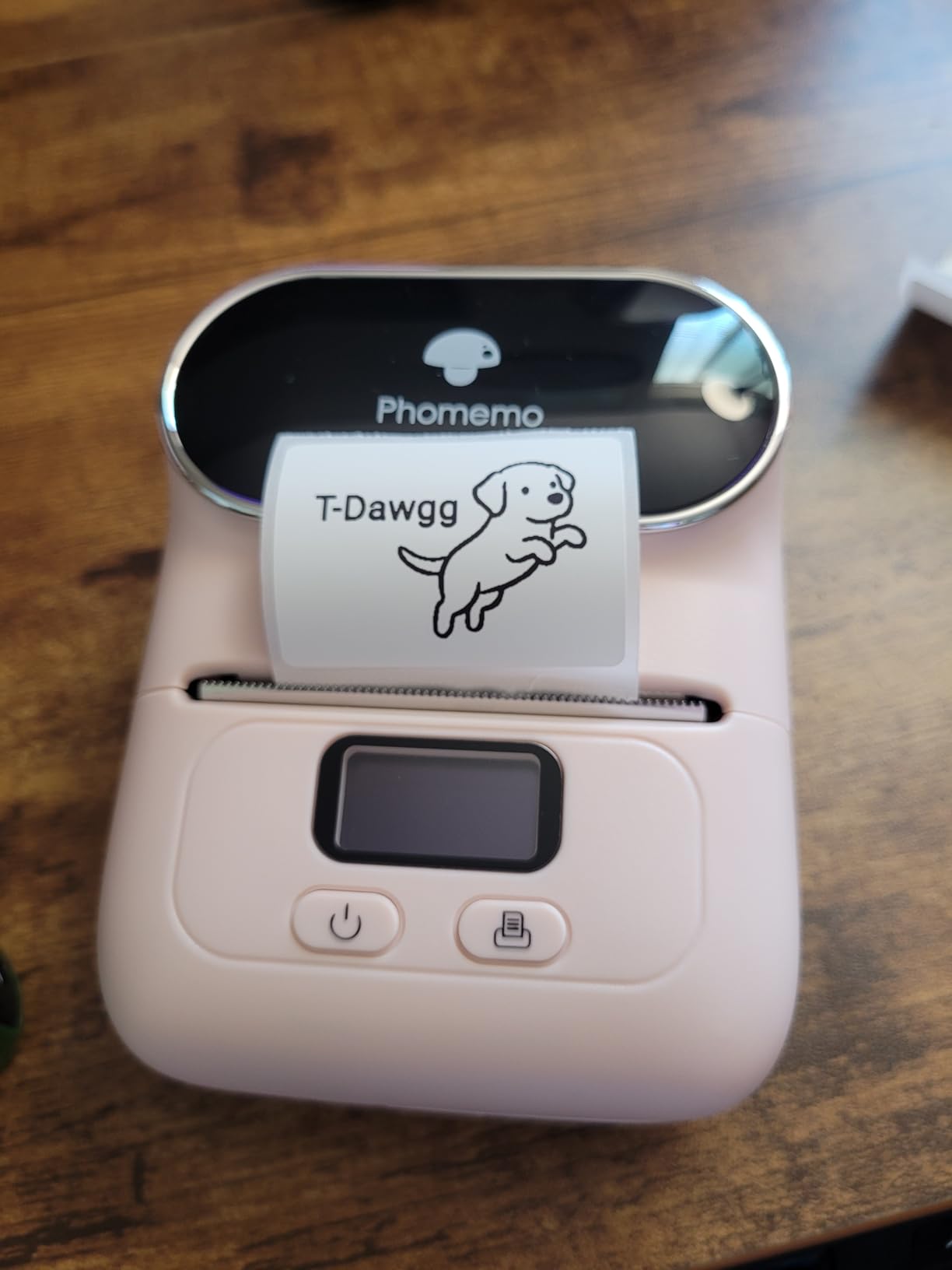
The M110 sits between a pocket labeler and a desktop printer. Its 20 mm to 50 mm label range gives you far more room than a 15 mm strip, and at 222.8 g it still fits in a bag. It also works with laptops and tablets, which rules out several of the phone-only machines on this list.
The Excel batch printing in the Print Master app is the feature that sets it apart. Paste a column of student names or call numbers, print the run. Paired with OCR, which reads text out of a photo in about four seconds, you can re-label a whole class from a picture of the seating chart.
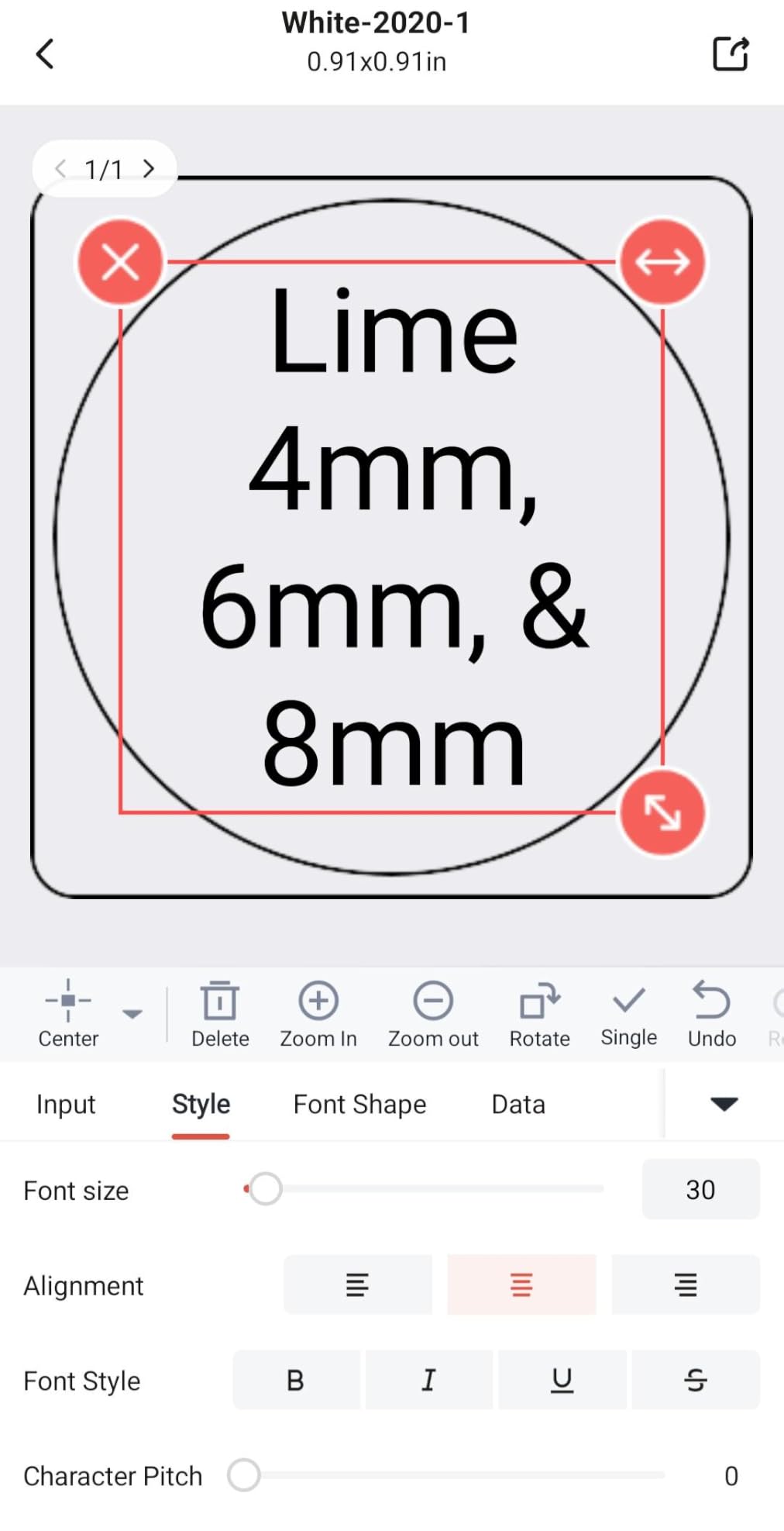
Bluetooth 4.0 connects in roughly two seconds with a range up to 33 feet, so the printer can sit on the shelf while your phone stays in your pocket. Print speed is listed at 30 pages per minute, and a test roll plus a USB-C cable are in the box.
Best for name tags and desk plates
The 50 mm ceiling gives you a name tag with a surname, a reading group and a table number on one label. For a class set of 30, Excel import is the difference between ten minutes and one.
It also handles the mixed-format jobs, like pricing tags for a school market and cable-style labels for shared equipment, in one machine.
Where the app costs you
Some templates, icons and fonts in Print Master are marked as paid-member content, so the full library is not free even though the printer is. Output is monochrome only.
It is built for name tags, desk plates and price tags rather than large packing labels, and it needs a full charge before the first power-on or it may behave oddly when tested.
12. ORGSTA S001 – Best Pocket Label Maker for Labeling on the Go
ORGSTA S001 Label Maker Machine with Tape, Portable Bluetooth Label Maker
203 DPI direct thermal
35 inches per minute
2000 mAh battery
Attached metal ring
Pros
- Pocket-sized body with an attached metal ring for hanging on a bag
- Prints up to 35 inches of label per minute
- 2000 mAh rechargeable battery with long standby time
- Laminated labels are waterproof oil-proof and scratch-resistant
- Handles continuous and fixed-size tape with a built-in cutter
- Snap and Tag app includes QR codes barcodes images and borders
Cons
- Needs a smartphone with no standalone keyboard
- Labels print small so there is limited room for text
- Only white labels available rather than clear
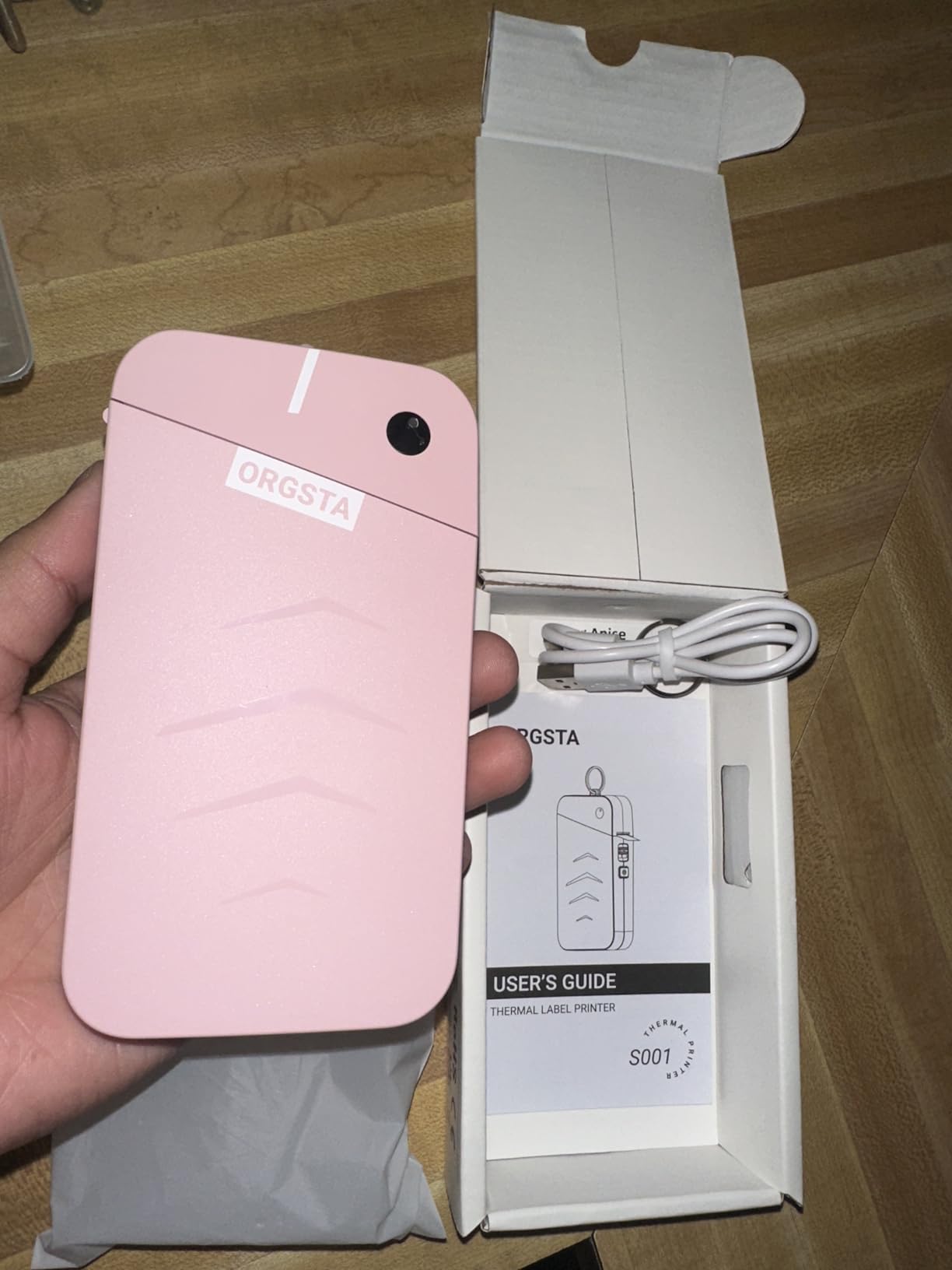
The S001 is the machine we recommend when labeling happens away from a desk. It is 1.1 by 2.9 by 5.3 inches and weighs 0.28 kg, with an attached metal ring so you can clip it to a bag strap or a lanyard and stop losing it in the supply cupboard.
It prints up to 35 inches per minute on 203 DPI direct thermal. The laminated tape is described as waterproof, oil-proof and scratch-resistant, and it tears cleanly with no residue, so a bin can be re-labelled without scraping adhesive off plastic first.
The Snap and Tag app covers text, QR codes, barcodes, materials, images, time and borders, and it handles both continuous rolls for custom lengths and fixed-size stock for batches, with a built-in cutter doing the trimming.
Built for walking rounds
Two label machines never helped anyone sitting still. This one is for tasks where you are moving: checking out a reading group, tagging chairs mid-lesson, marking kits on a cart in the hallway.
At 35 inches per minute it is fast enough to keep up with a walking pace, and the 2000 mAh battery is the largest claimed capacity among the pocket units here.
Where you will feel the compromise
It needs a smartphone and has no keyboard, so there is no standalone fallback. Labels print small, which limits the length of text, and only white tape is offered, so no colour or clear labels.
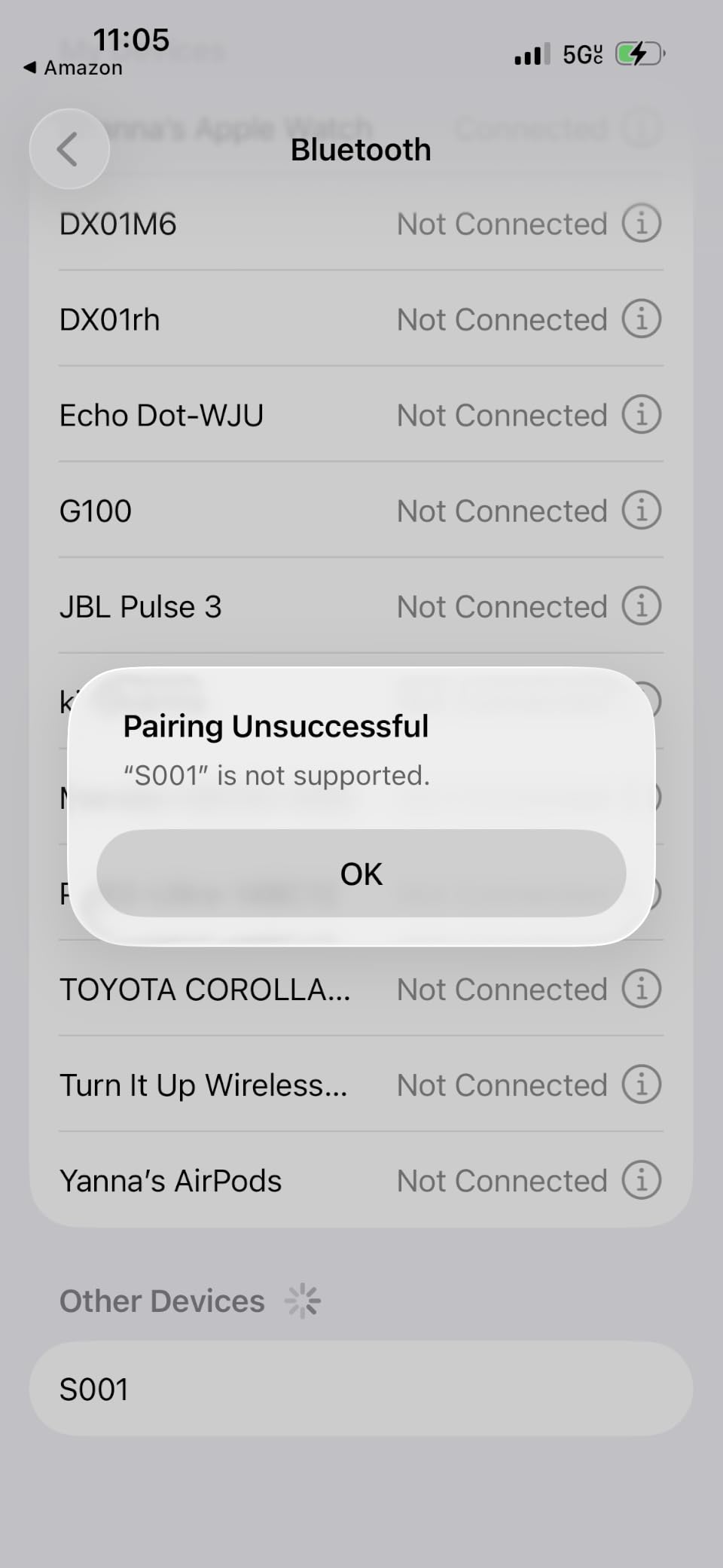
Two app annoyances come up repeatedly: the device has to be reselected from the Bluetooth list each time the app opens, and saving occasionally times out with slow loading of saved labels. Both are workarounds, not dealbreakers, but they are the reason it sits at number twelve.
How to Choose a Label Maker for Your Classroom
Tape durability beats every other feature
Ask what happens in March. A label that survives a wiped-down bin, a daily sanitising spray and a week in a book bag is worth more than a machine with two hundred extra clip art symbols. Laminated tape is the answer for anything a student touches, and it is the one specification we would not compromise on.
Non-laminated tape is fine for indoor shelving, filing and anything behind a desk. It is not fine for water bottles, art supplies or anything that gets washed. A single season with a lifting label edge is the outcome most teachers are trying to avoid.
Match tape width to the job
Six millimetres suits desk tags and small tub lids. Twelve millimetres, about half an inch, is the workhorse width for bin fronts and supply labels. Fifteen millimetres handles longer phrases in one line. Anything above two inches is for bin panels, chart titles and equipment plates rather than everyday classroom labeling.
Width also decides how much text you can fit. A 12 mm strip with a long phrase breaks across two lines, which reads worse than the same phrase on a wider label. Decide the width before you buy the machine, not after.
Choose keyboard or app based on your device policy
Keyboard models are more reliable and faster for one-off labels. They never need a phone, never need pairing and never lose a Bluetooth connection mid-lesson. The PTD220 and the LabelManager 160 are the strongest examples here.
App-driven models win on design. QR codes, barcodes, photos, icons and colour backgrounds are simply not available on a handheld keyboard. The Nelko, Phomemo and SUPVAN machines fall into this group. If your school restricts third-party apps on managed devices, test the pairing before you buy, because several of these will not work with an iPad or a Chromebook touchscreen at all.
Work out the tape cost, not just the machine
Tape is a consumable, and the cost per roll varies enormously between widths and brands. A teacher labeling 600 items a year on 12 mm tape should compare the cost per roll for the cartridges their machine takes before committing, because a cheaper machine with harder-to-find refills can cost more over two school years.
Availability matters as much as unit cost, and teachers frequently raise it as the reason their current machine survived. Buying a machine whose cartridges only come from one website is a real risk if you have a labelling deadline on Friday.
Portability and batching
Portability is a weight question. The Brother PT-M95 at 9.12 ounces and the SUPVAN E11 at 8 ounces are the two lightest keyboard machines here, and the DYMO LabelManager 160 at 21.82 g is the lightest of all. Units from 160 g up are fine in a tote bag but are no longer pocket devices.
Batching is separate. If you print 30 or more name tags at once, you want continuous tape or Excel import, not a machine that cuts one label at a time. Phomemo D30 and M110 handle that workflow properly; the DYMO 160 and the Brother PTD220 will get there, just slowly.
Users of Dymo machines in particular describe third-party refills as poor quality against the same hardware, and the generic, no-name refills rarely match the quality a machine is advertised with. Stick with the cartridges your printer is built for, and test a roll on one bin before committing to a term of labeling.
Brother vs DYMO: Which Label Maker Lasts Longer in a Classroom
This is the most common question in teacher forums, and the honest answer is that both brands last. The difference is what you are optimising for. The DYMO LabelManager 160 weighs 21.82 g, prints at 300 dpi and cuts to the exact length you need, which makes it the quickest machine in this roundup for a single bin label. Its D1 tape comes in three widths and the refills are easy to find locally.
The Brother P-Touch machines win on built-in design. The PTD220 carries 14 fonts, 11 styles, 99 frames and more than 600 symbols on the device, stores 30 labels for reprinting and cuts after each print, and it runs on 6 AAA batteries.
Users of the Brother P-Touch line single it out as reliably dependable, which matches the 4.5 star rating on both models here.
The catch on the Brother is tape loading. M tapes need accurate positioning and can be awkward to insert, and the tapes included with the PT-M95 bundle are not laminated. If your bins get wiped down, buy TZe laminated tape and put the PTD220 ahead of the PT-M95 for that job.
One DYMO edge worth knowing: owners frequently praise how easily the backing peels away after printing, which sounds minor until you have applied four hundred labels in an evening.
Thermal Printers vs Label Makers: Which One Prints Name Tags With Photos
A handheld label maker prints text and simple graphics. A thermal label printer prints photographs. If your requirement is name tags with student photos, or barcodes and full colour on library book spines, you are in a different category, and it is worth being clear about the difference before you buy.
The desktop thermal printers in that class, which includes the MUNBYN and Rollo models, Phomemo and Niimbot units, Epson LabelWorks models and Brady industrial printers, run larger rolls and produce much wider labels. Teachers who buy into that end of the market tend to name Brady for durability and tape range, while owners of the Brother and DYMO lines report both lasting indefinitely, with the recurring caveat that generic refills are often poor quality.
For most classrooms the handheld machines are the right call because of tape cost and simplicity. A desktop thermal printer is worth it when you have a real photo name tag requirement, a library with several hundred books to call-number, or colour-coded subject labels that need to look deliberate. One teacher described exactly this switch, moving away from a Brady cloth-label printer to a Brother P-Touch because the cloth labels were built for cable wraps rather than classroom surfaces.
The middle ground is the Phomemo M110 or the 2 inch NIIMBOT B1, both of which accept image import and give you wider stock than a handheld without the running complexity of a desktop unit.
How to Make Labels Stick to Plastic Bins and Desks
Adhesion failure is rarely the tape’s fault. It is almost always the surface. Four steps make a noticeable difference, and none of them take more than a few minutes across a set of bins.
First, wipe the surface with an alcohol pad and let it dry fully. Dust, marker residue and the factory coating on new plastic all prevent a bond. Second, round or sand the sharp outer edge of a plastic bin before you label it, because a label that wraps over a hard corner lifts at the corner first. Third, press each label down firmly for about ten seconds across the whole surface rather than one spot. Fourth, wait 24 hours before washing, which lets the adhesive fully set.
Two more habits help. Keep the label away from the rim or hinge where hands grab the bin, and use laminated tape on anything in a wash cycle. If you have to move a label later, peel it slowly at a low angle rather than straight up.
You might also like our picks for the best chess sets for teachers if you run a club, or our music teacher gift guide for the end of year.
Frequently Asked Questions
What is the best label maker for teachers?
The DYMO LabelManager 160 is the best overall label maker for teachers. It rates 4.6 out of 5 across more than 23,000 reviews, has a QWERTY keyboard so no phone is needed, prints durable laminated D1 tape in widths up to half an inch, and its cut-to-length button wastes less tape than machines that feed out a fixed block.
Is Dymo or Brother better for a classroom?
Both last. DYMO prints at 300 dpi, weighs 21.82 g and cuts to the exact length you need, which is fastest for single bin labels. Brother P-Touch machines put 14 fonts, 99 frames and 600 or more symbols on the device and store up to 30 labels for reprinting, which is better for repeated labels and design. Choose DYMO for speed and Brother for built-in styling and memory.
Are Bluetooth label makers better than ones with a keyboard?
Neither is better for everyone. Keyboard models such as the DYMO LabelManager 160 and Brother PTD220 are faster and more reliable for one-off labels because they need no phone or pairing. Bluetooth models such as the Nelko P21 and Phomemo D30 win on design, with icons, QR codes, barcodes and image import, plus Excel batch printing for name tags.
What size labels should I use for storage bins?
Use 12 mm, which is about half an inch, for most bin fronts and supply labels. Six millimetres suits desk tags and small tub lids, while 15 mm handles longer phrases on one line. Choose 2 inch wide stock only for bin panels, chart titles and equipment plates rather than everyday labeling.
How do I stop labels peeling off plastic bins?
Clean the surface with an alcohol pad and let it dry fully, round or sand the sharp outer edge of the bin before labelling, press the label down firmly for about ten seconds, and wait 24 hours before washing. Use laminated stock on anything in a wash cycle and keep labels away from the rim or hinge where hands grab.
Which label maker tape lasts longest in a classroom?
Laminated tape on a well-prepared surface lasts longest. Labels on non-laminated tape fade and lift within a single season in a busy classroom, and teachers report labels peeling even with clear tape laid over the top. The DYMO D1 and Brother TZe ranges are laminated, and the SUPVAN E10 and ORGSTA S001 use laminated tape rated as waterproof, oil-proof and scratch-resistant.
Our Final Picks for the Best Label Makers for Teachers in 2026
Buy the DYMO LabelManager 160 for daily classroom labeling. It is the highest rated machine in this roundup, it works without a phone, and the D1 refills are easy to get hold of when a cassette runs out mid-term. If your budget is tight, the Nelko P21 gives you app design, QR codes and a machine half the size of a keyboard model. If you are facing a batch job rather than a single label, the Phomemo D30 and its Excel import will save you a planning period.
Whichever you choose, buy laminated tape and prepare the surface before you print. That is where the difference between labels lasting one term and labels lasting a full year actually comes from.