
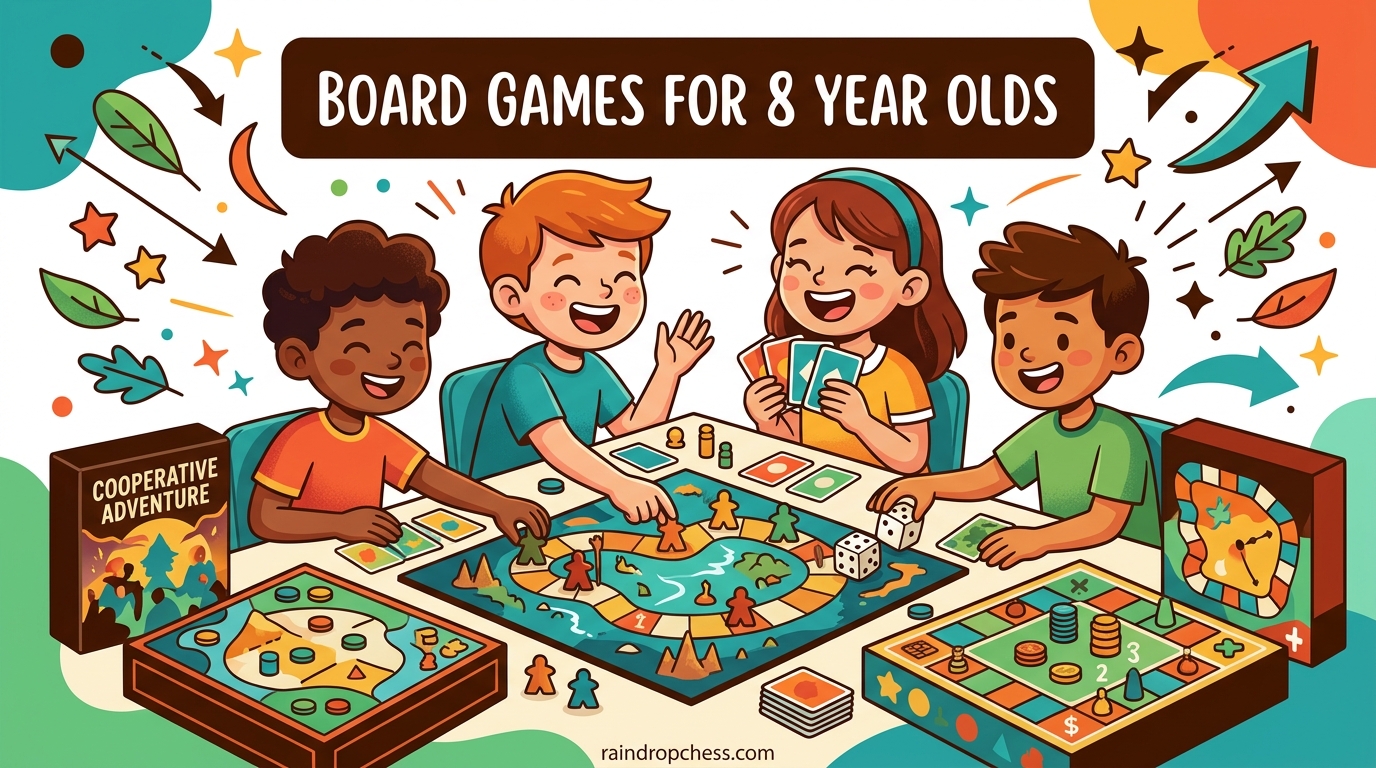
Finding the right board games for 8 year olds can feel like searching for a needle in a haystack. At this age, kids are ready for real strategy, real decisions, and real fun but they still need rules that make sense and themes that spark their imagination. We have spent months testing games with our own kids, nieces, nephews, and friends to find the ones that truly deliver.
Eight is a sweet spot for board gaming. Children this age can read independently, handle multi-step rules, and think several turns ahead. They want games that respect their growing intelligence. Meanwhile, parents want games that are actually fun for adults too, because nobody wants to suffer through another round of Candy Land. If you are looking for broader options, check out our guide to family board games for adults and kids.
This guide covers the best board games for 8 year olds in 2026, from quick card games to deep strategy experiences. We tested each game for engagement, replay value, learning potential, and most importantly, whether both kids and parents actually wanted to play again. Whether you need a birthday gift, a family game night staple, or a travel-friendly option, you will find your match below.
Table of Contents
Top 3 Picks for 8 Year Olds

These three games stood out above the rest during our testing. Gravity Maze delivers solo puzzle brilliance, Azul brings gorgeous strategy that works for the whole family, and Forbidden Island offers cooperative adventure that builds teamwork. Any one of these would be an instant hit.
Best Board Games for 8 Year Olds in 2026
| Product | Specifications | Action |
|---|---|---|
 Ticket to Ride First Journey Ticket to Ride First Journey |
|
Check Latest Price |
 Battleship Classic Battleship Classic |
|
Check Latest Price |
| ThinkFun Gravity Maze |
|
Check Latest Price |
 CATAN Junior CATAN Junior |
|
Check Latest Price |
 Azul Board Game Azul Board Game |
|
Check Latest Price |
 Ravensburger Labyrinth Ravensburger Labyrinth |
|
Check Latest Price |
 Mattel Blokus Mattel Blokus |
|
Check Latest Price |
 Monopoly Token Vote Edition Monopoly Token Vote Edition |
|
Check Latest Price |
 Clue Reimagined Clue Reimagined |
|
Check Latest Price |
 Hasbro Scrabble Hasbro Scrabble |
|
Check Latest Price |
 SEQUENCE Original SEQUENCE Original |
|
Check Latest Price |
 Taco Cat Goat Cheese Pizza Taco Cat Goat Cheese Pizza |
|
Check Latest Price |
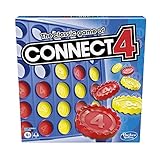 Connect 4 Classic Grid Connect 4 Classic Grid |
|
Check Latest Price |
 Guess Who People and Pets Guess Who People and Pets |
|
Check Latest Price |
 Forbidden Island Forbidden Island |
|
Check Latest Price |
1. ThinkFun Gravity Maze – STEM Logic Puzzle for Curious Minds
ThinkFun Gravity Maze – Falling Marble Logic Game – Challenging STEM Toy for Kids 8-12 – Gravity Marble Maze – Brain-Building Fun – Educational Gift – Boosts Critical Thinking & Problem Solving
60 Challenge Cards
9 Towers
3 Marbles
Solo Play
Ages 8+
Pros
- Progressive difficulty from beginner to expert
- Builds critical thinking and spatial reasoning
- Satisfying marble drop mechanic
- Durable components that last
Cons
- Can frustrate younger kids under 8
- Advanced players may outgrow patterns
I brought Gravity Maze home expecting my 8-year-old to play it once and move on. Instead, she spent an entire rainy Saturday working through challenge cards, jumping up and cheering every time the marble found its target. The look on her face when she cracked an expert-level puzzle was pure joy.
What makes this game special is how it grows with your child. The 60 challenge cards range from beginner to expert, so there is always a new mountain to climb. My daughter started on the easy cards and worked her way up, building confidence with each success. It is one of the few games she will happily play solo for 30 minutes straight.

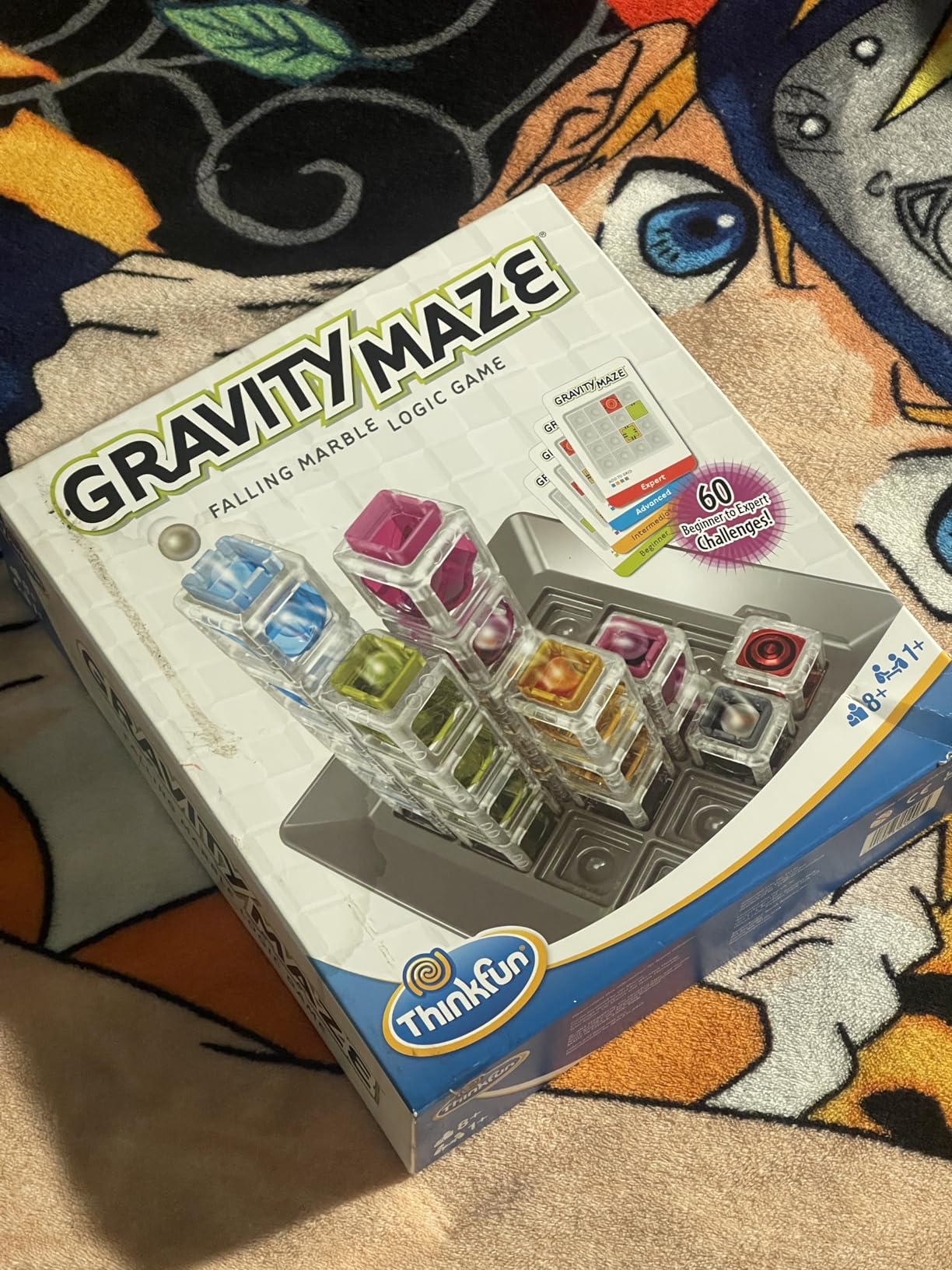
The mechanics are deceptively simple. You arrange transparent towers on a grid following the challenge card, then drop a marble and hope it reaches the target. But figuring out the right tower arrangement requires real spatial reasoning and planning ahead. It is a STEM toy that actually feels like a game rather than homework.
As a parent, I appreciate that Gravity Maze builds skills without kids noticing. My daughter is learning physics concepts, spatial logic, and persistence while thinking she is just having fun. The components are sturdy plastic that has survived dozens of drops onto our hardwood floor without a crack.
Best for kids who love puzzles and building
This game shines brightest for children who enjoy LEGOs, marble runs, or any hands-on building activity. If your 8-year-old likes figuring out how things work, Gravity Maze will keep them engaged for hours. It is also perfect for car trips and restaurant waits since it is compact and self-contained.
The solo play aspect is a huge bonus for parents who need a break. Your child can work through challenges independently while you cook dinner or help another kid with homework.
What to watch out for
The expert-level challenges are genuinely difficult. Some 8-year-olds may get frustrated and need adult help on the harder cards. If your child gives up easily when things get tough, you may want to play together for the advanced puzzles.
Also, once a pattern-savvy kid learns the solving tricks, they may burn through all 60 challenges faster than you expect. Consider it an investment in a few months of focused play rather than years.
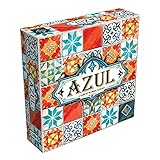
2. Azul – Award-Winning Tile Placement Strategy
Azul Mosaic Tile-Placement Strategy Board Game, 2-4 Players, 30-45 Min
2018 Spiel des Jahres
100 Resin Tiles
2-4 Players
30-45 Min
Ages 8+
Pros
- Gorgeous components with weighted tiles
- Easy rules but deep strategy
- Perfect for 2 players and scales well
- Quick game sessions
Cons
- Rule book could be clearer
- Some tile colors lack patterns
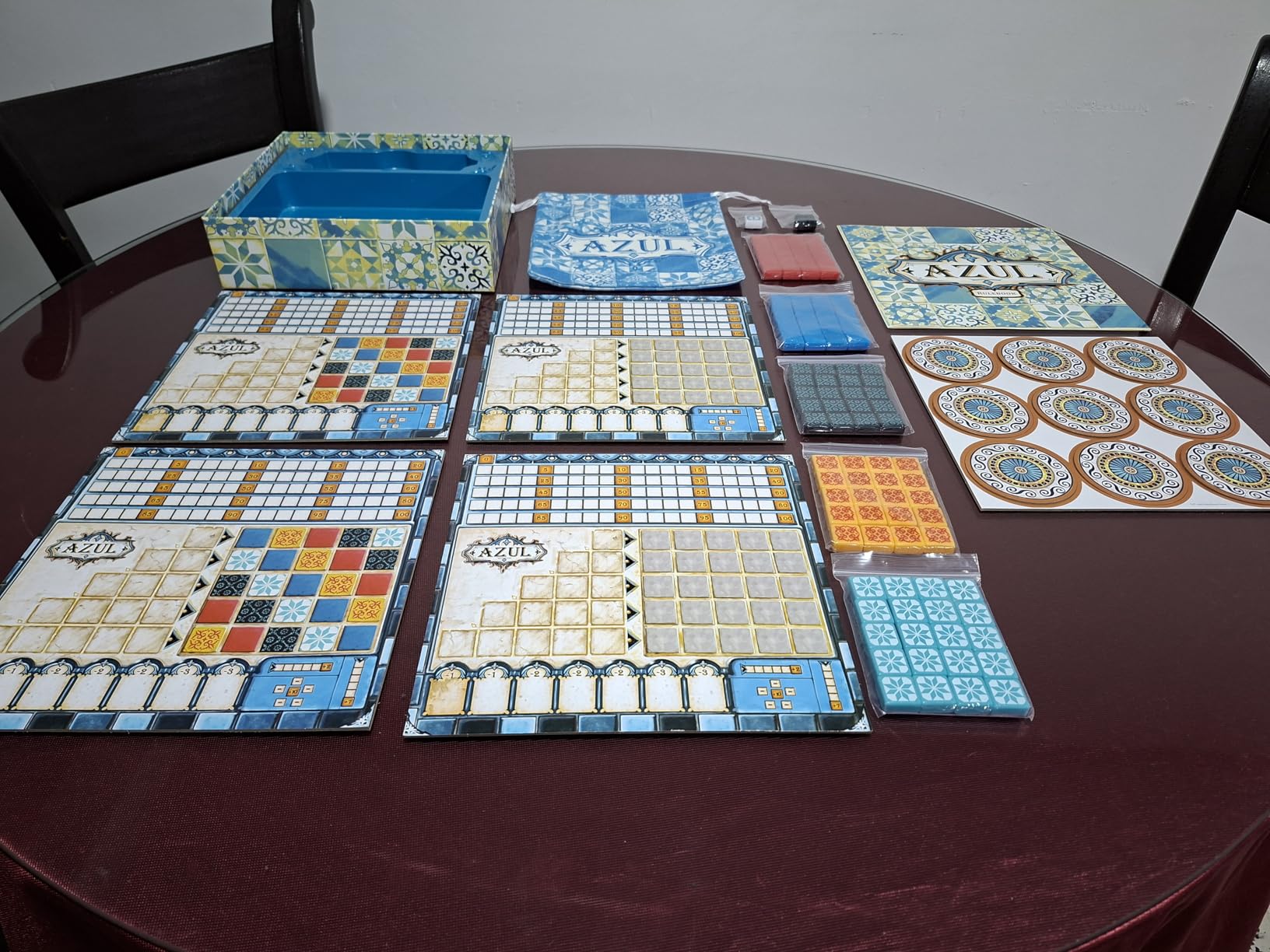
Azul is the game I bring out when I want to impress visiting family. The resin tiles have a satisfying weight, the colors pop on the table, and everyone who plays immediately wants to go again. My 8-year-old picked up the rules in about five minutes and was competing with adults on equal footing by his third game.
The concept is simple enough for an 8-year-old to grasp. You draft tiles from factory displays and arrange them on your player board to create mosaic patterns. But the strategy underneath is rich. Do you grab the tiles you need, or take tiles just to block your opponent? My son figured out the blocking strategy on his own and now cackles every time he ruins my plans.
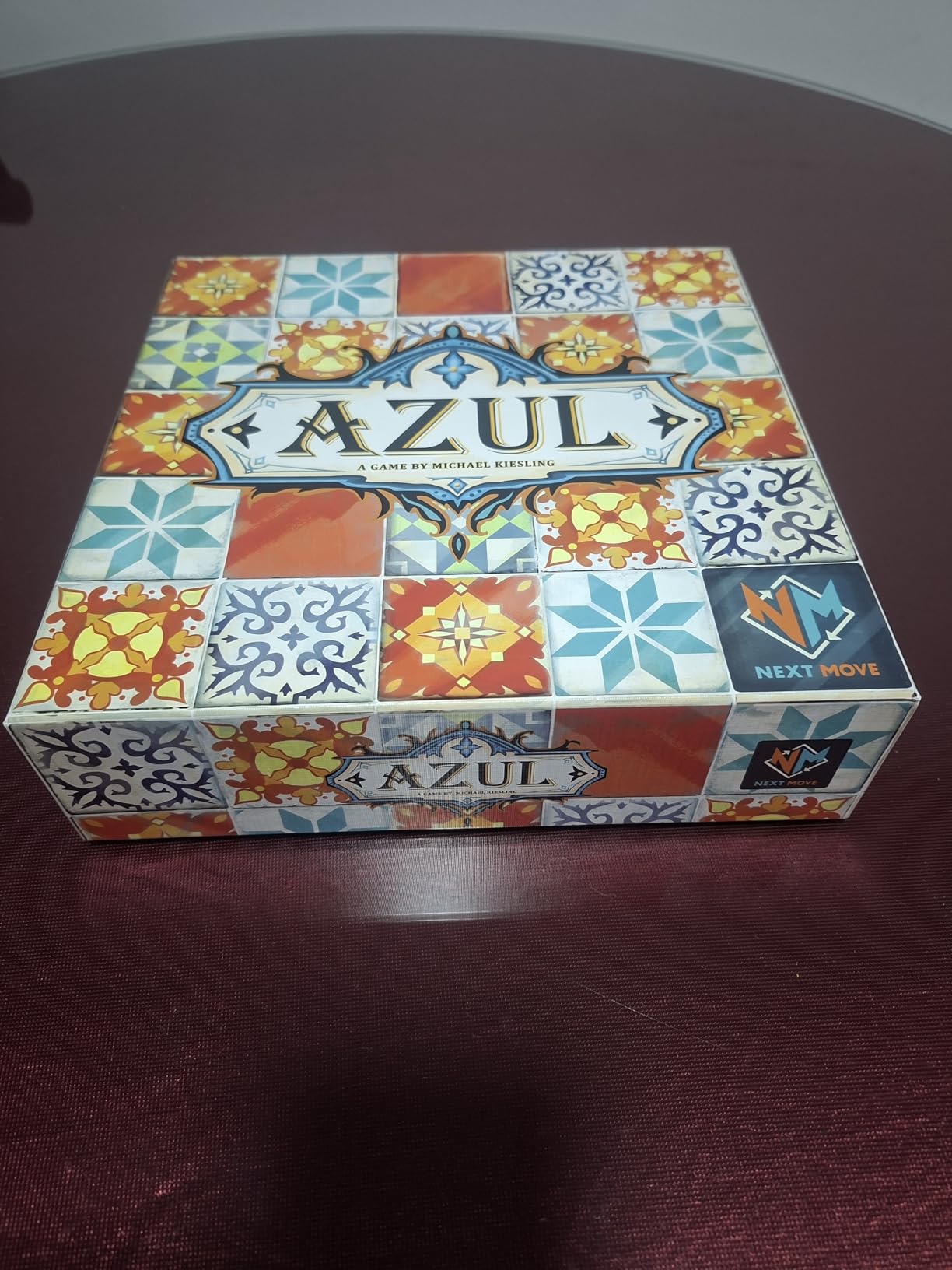
Games run 30 to 45 minutes, which is perfect for a weeknight after dinner. We have played easily 50 times and every session feels different because the tile selection changes each round. The replay value is outstanding for the price.
The 2018 Spiel des Jahres award is not just a sticker on the box. It signals that game experts tested this design and found it exceptional. After dozens of plays, I completely agree. The balance between accessibility and depth is remarkable.
Best for families wanting a game that adults love too
Azul is the rare game that works equally well as a 2-player duel between parent and child or a 4-player family free-for-all. Adults genuinely enjoy the strategic decisions, so you will never feel like you are dumbing down your play to let a kid win.
This is also one of the best gateway games for kids who are ready to move beyond mass-market board games. It teaches drafting mechanics, pattern building, and forward planning without feeling educational.
What to watch out for
The rule book leaves some edge cases unclear, so you may need to look up a quick tutorial video online for the first play. Once you see the rules in action, they click instantly.
Two of the five tile colors are solid without patterns, which some players find visually less interesting. It is a minor aesthetic complaint that does not affect gameplay at all.
3. Forbidden Island – Cooperative Adventure Strategy
Gamewright Forbidden Island, 1st Edition Board Game, 2-4 Players, Ages 14+
Cooperative Survival
Mensa Winner
2-4 Players
30 Min
Ages 10+
Pros
- Cooperative gameplay builds teamwork
- Beautiful artwork and theme
- Multiple difficulty levels
- Teaches strategic planning
Cons
- Can be easy for experienced gamers
- Small pieces may get lost
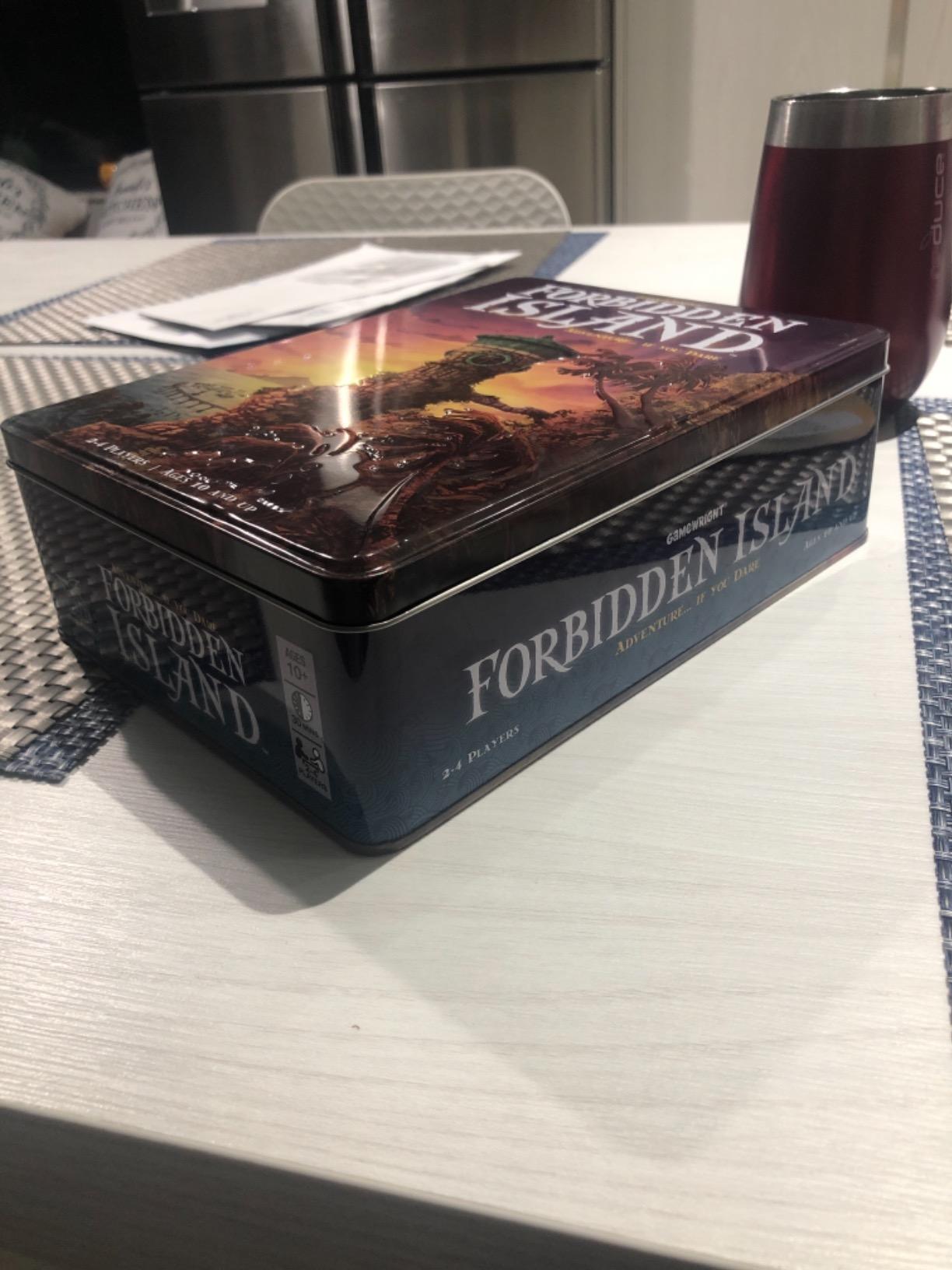
Forbidden Island is the cooperative game that made my family stop fighting over who won. Everyone works together to collect four sacred treasures and escape before the island sinks beneath the waves. My 8-year-old loves being the pilot who can fly across the board, while I usually play the engineer who can shore up flooded tiles.
The cooperative nature means you are talking through decisions together, which creates amazing teaching moments. I watch my daughter think through risk versus reward as we decide whether to grab a treasure or save a drowning tile. These are real strategic thinking skills disguised as a fun adventure.

The sinking island mechanic is brilliant. Tiles literally disappear from the board as water rises, creating real tension and urgency. Every game feels different because tiles flood in random patterns. We have played at least 40 times and still get nervous when the waters rise.
Although the box says ages 10 and up, my 8-year-old handles it perfectly. The rules are straightforward and the cooperative format means adults can guide younger players without taking over. If you want more cooperative board games for families, this is the perfect starting point.
Best for families who want to play together, not against each other
If your kids get upset when they lose competitive games, Forbidden Island is the answer. Everyone wins or loses as a team, which removes the tears and tantrums from game night. It also teaches communication and collaboration skills that competitive games simply cannot build.
The game scales beautifully with difficulty levels, so you can start easy and crank up the challenge as your family gets better.
What to watch out for
Experienced adult gamers may find the normal difficulty too easy. Start on the higher difficulty levels if your family plays a lot of strategy games. The included cards and tiles are small, so be careful not to lose pieces during cleanup.
The game recommends ages 10 and up, but in our experience most 8-year-olds handle it well with an adult playing alongside.
4. Ticket to Ride First Journey – Route Building Strategy
Ticket to Ride First Journey Kids Train Game, 2-4 Players, 15-30 Min
Route Building
2-4 Players
15-30 Min
Ages 6+
Junior Edition
Pros
- Teaches geography and planning
- Quick games for young attention spans
- Sturdy colorful components
- Perfect intro to strategy games
Cons
- Rules take a first read to grasp
- Only 2-4 players
Ticket to Ride First Journey was the first real strategy game my 8-year-old fell in love with. He would carry the box around the house asking everyone to play. The junior edition simplifies the classic train game into something an 8-year-old can master in minutes while still making meaningful strategic choices.
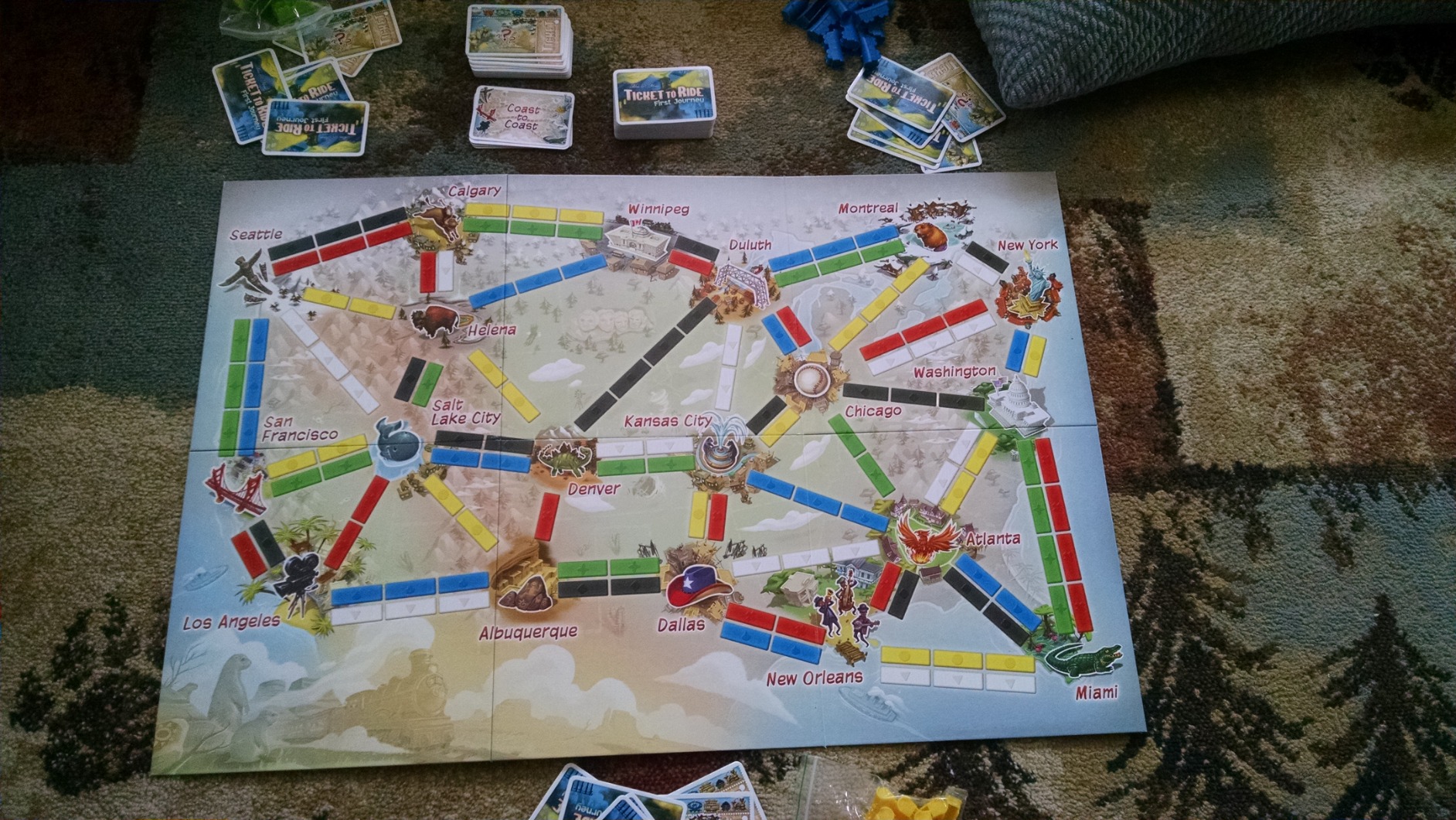
The game teaches geography without kids realizing it. My son started recognizing cities on the US map and talking about where places were relative to each other. He would casually mention that New York is close to Miami because he had built a train route between them last game.
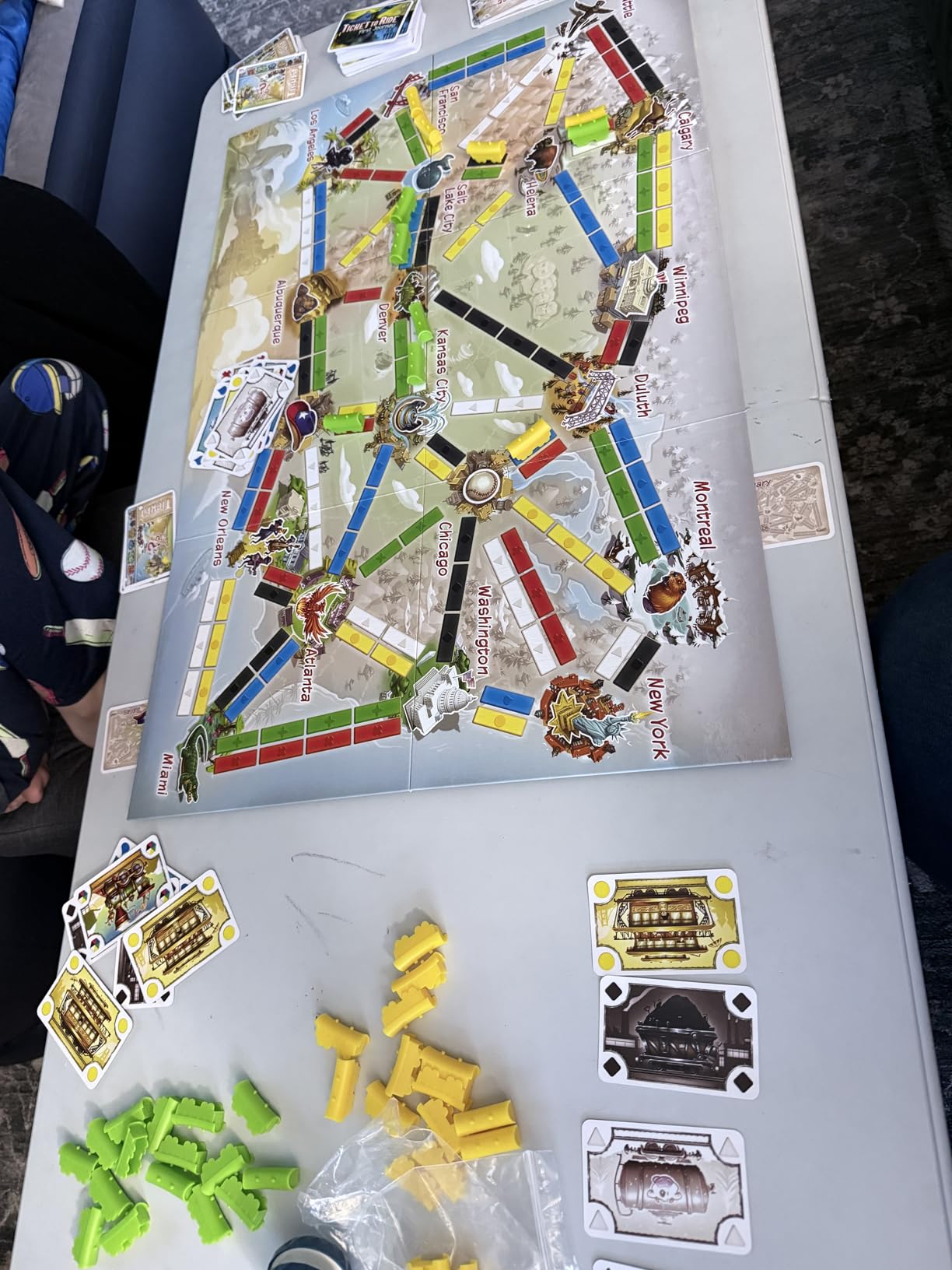
Games last only 15 to 30 minutes, which is perfect for the attention span of an 8-year-old. You can play two rounds before bedtime and still have time for brushing teeth. The plastic train pieces are durable and colorful, and the board has held up to dozens of play sessions.
The Golden Ticket mechanic adds a fun goal. Kids race to complete six destination tickets, and whoever grabs the Golden Ticket gets a bonus. My daughter treats that Golden Ticket like a trophy and talks about winning it for days afterward.
Best for kids ready to graduate from simple games
If your 8-year-old has outgrown basic children’s games but is not ready for full adult strategy games, First Journey is the perfect bridge. It introduces hand management and route planning in a way that feels natural and fun.
This is also an excellent stepping stone to the full version of Ticket to Ride. Kids who learn the junior edition transition smoothly to the parent game when they are a few years older.
What to watch out for
The rules can take one read-through to fully grasp the first time. We recommend watching a quick tutorial video before your first game to get everyone up to speed fast. After that, setup and play become routine.
The game only supports 2 to 4 players, so if you have a larger family, someone may need to sit out or play in teams.
5. CATAN Junior – Pirate Adventure Resource Management
CATAN Junior Board Game – Swashbuckling Adventure for Young Pirates! Strategy Game, Fun Family Game for Kids and Adults, Ages 6+, 2-4 Players, 30 Minute Playtime, Made by CATAN Studio
Pirate Theme
Resource Management
2-4 Players
30 Min
Ages 6+
Pros
- Perfect CATAN introduction for kids
- Engaging pirate theme
- Quick 30-minute playtime
- Players stay involved every turn
Cons
- Some pieces feel flimsy
- Box insert not great for storage
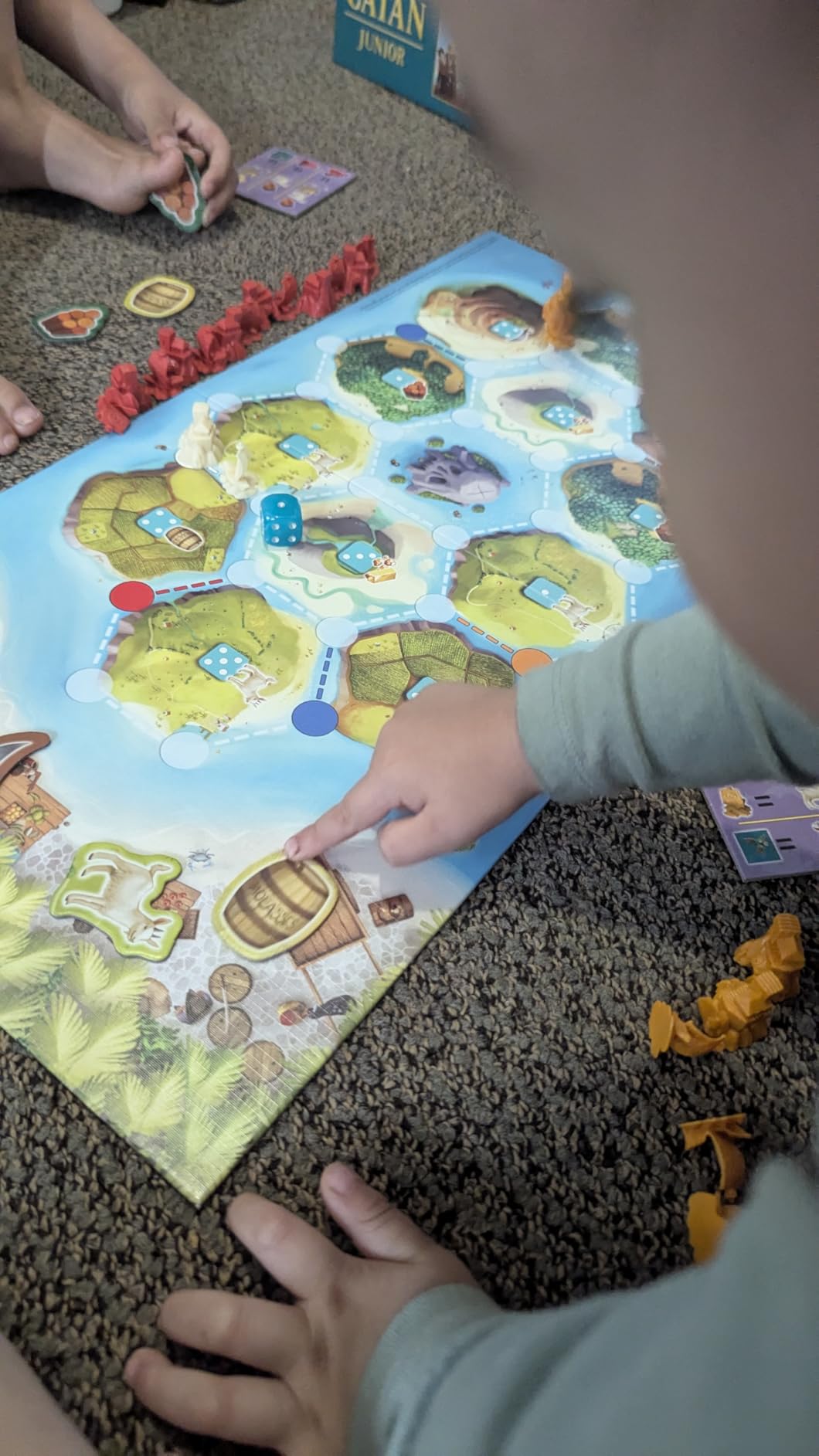
CATAN Junior turned my living room into a pirate negotiation zone. My 8-year-old son trades resources with the enthusiasm of a Wall Street broker, offering wood for goats and demanding cutlasses for molasses. The pirate theme makes resource management feel like an adventure rather than math homework.
What impressed me most is how CATAN Junior captures the feeling of the adult game while remaining accessible. Every player stays involved on every turn because resources are produced for everyone based on the die roll. No more waiting 10 minutes for your turn while other players monopolize the action.
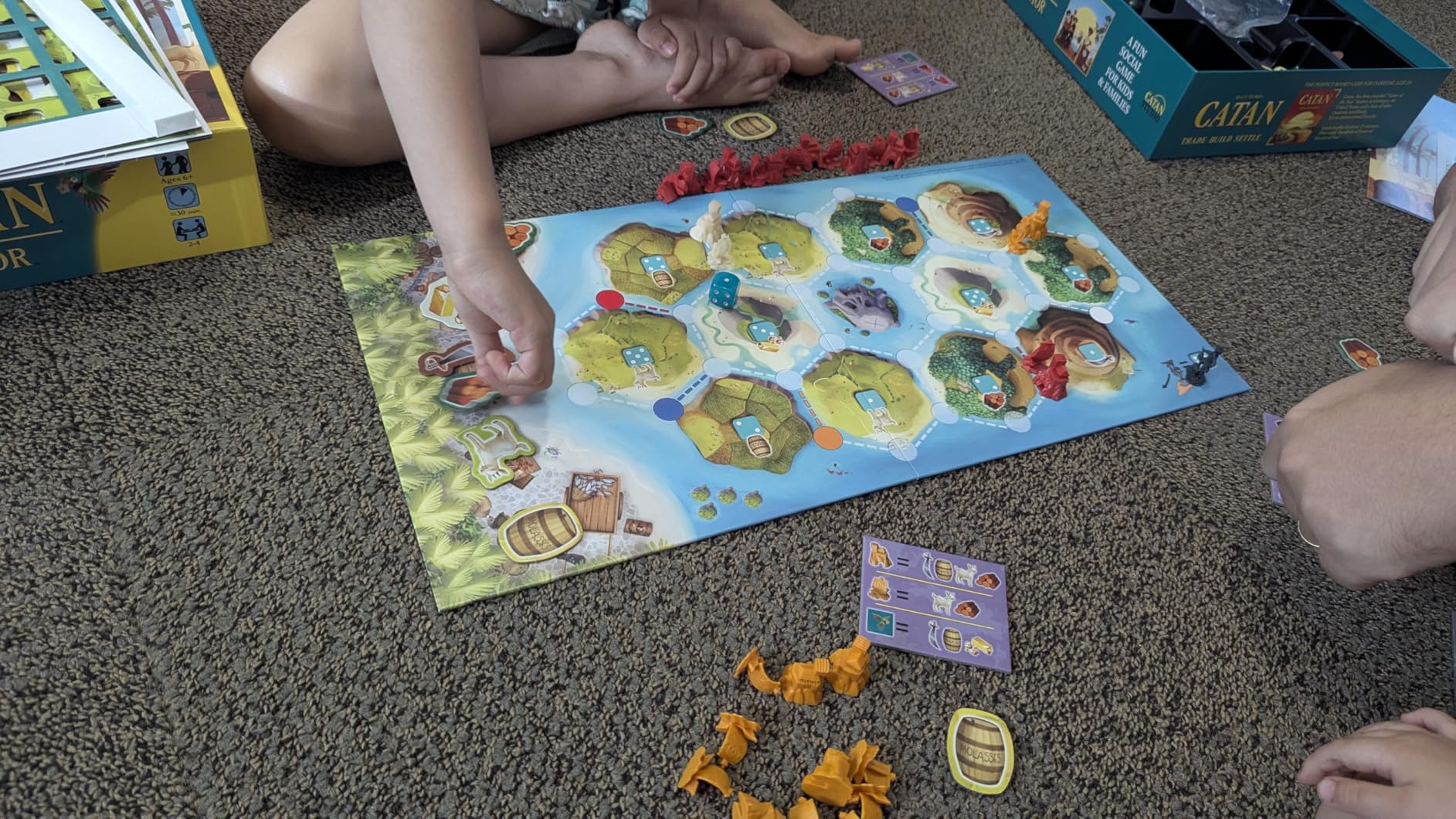
The ghost pirate Captain Hook adds a fun take-that element. Kids love moving the ghost pirate to block their opponents’ ships. It creates playful rivalry without being mean-spirited, and my kids laugh every time someone gets blocked.
Games wrap up in about 30 minutes, which keeps the pace moving. My son has asked to play three games in a row before, which tells me the engagement level is high. This is a genuine gateway to the full CATAN experience when they are older.
Best for future strategy gamers
If you love CATAN and want to share that experience with your 8-year-old, Junior is the answer. It teaches the same core mechanics of resource management and trading in a kid-friendly pirate package. Kids who learn Junior will be ready for full CATAN by age 10 or 11.
The trading mechanic also builds social and negotiation skills that competitive games cannot teach.
What to watch out for
The plastic building pieces feel a bit flimsy compared to the wooden components in the adult CATAN. They work fine but do not have the same premium feel. The box insert also does a poor job of organizing pieces, so you may want baggies for storage.
The strategy depth is intentionally lighter than adult CATAN. Hardcore gaming families may find it too simple, but for most 8-year-olds it hits the sweet spot.
6. Ravensburger Labyrinth – Shifting Maze Treasure Hunt
Ravensburger Labyrinth Board Game – A Strategic Maze Challenge for Family Nights – Find Treasures & Block Opponents – MESH Accredited – Great Birthday Gift – 2-4 Players – Kids Ages 7-10 and Older
Shifting Maze
2-4 Players
20 Min
Ages 7+
MESH Accredited
Pros
- Ever-changing maze creates unique games
- Easy to learn with strategic depth
- High-quality durable components
- Short engaging playtime
Cons
- Tiles can stick if misaligned
- Not deeply challenging for gamers
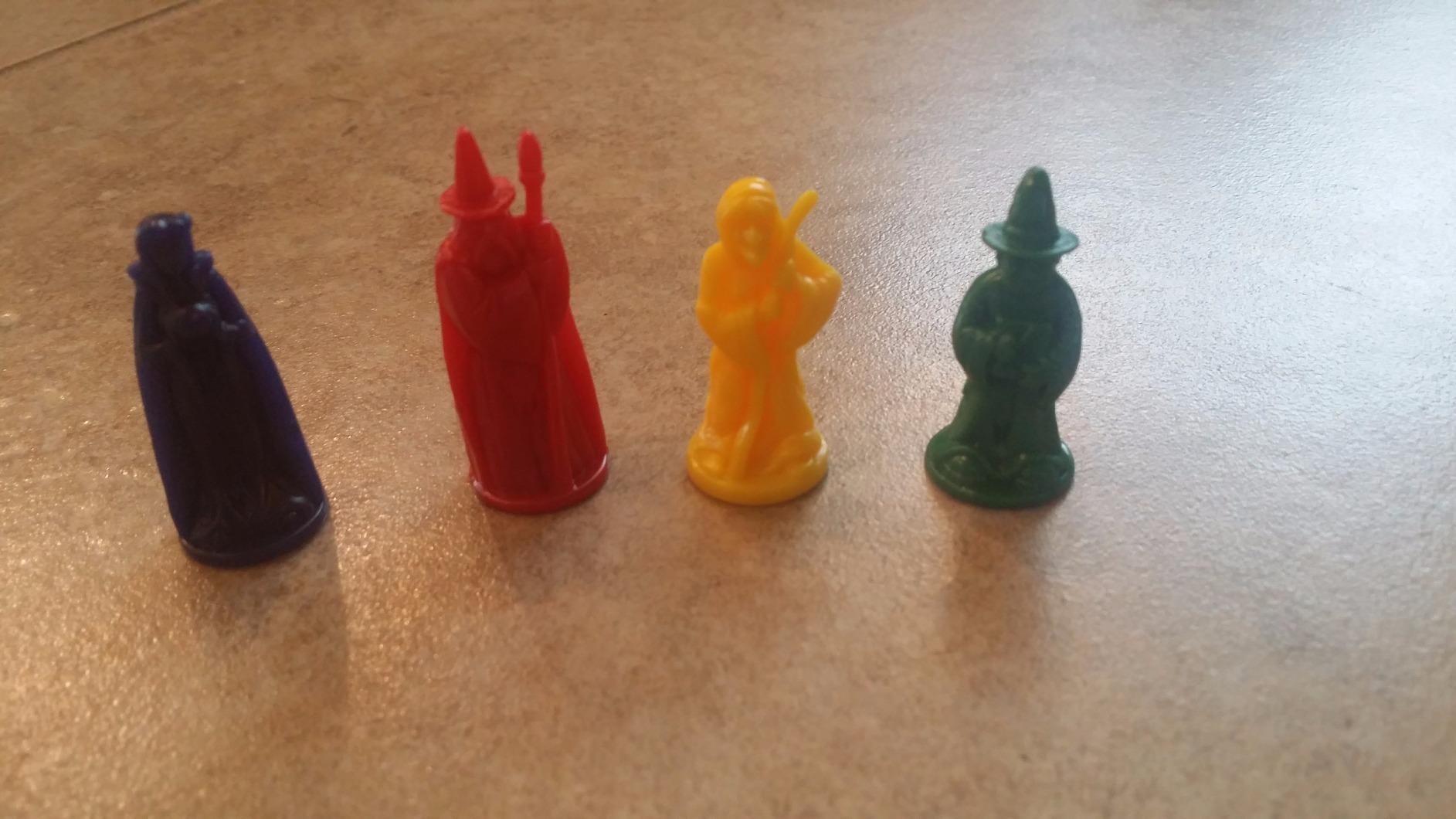
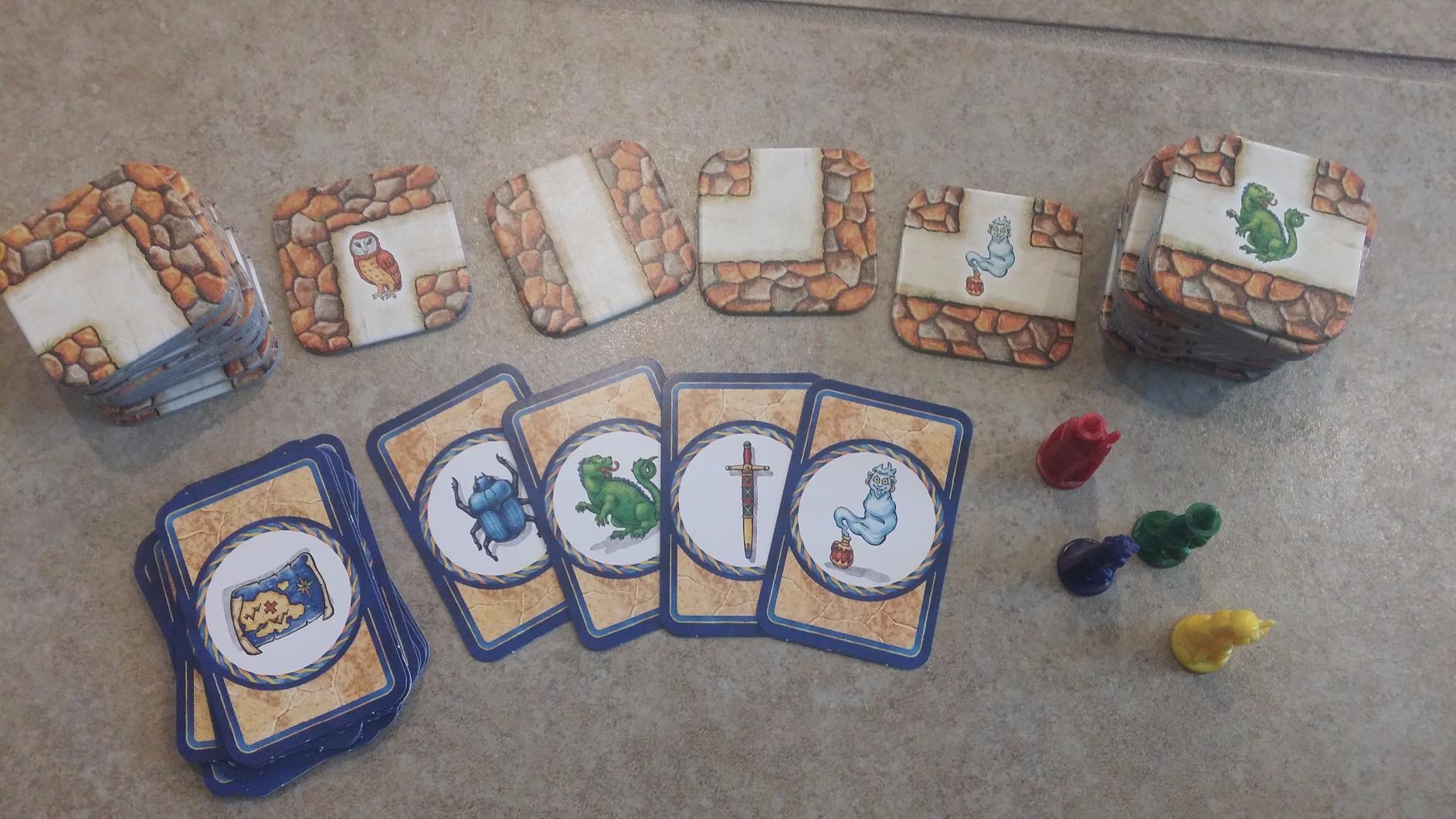
Ravensburger Labyrinth messes with your head in the best possible way. Every turn, you slide a maze tile that reshapes the entire board. My 8-year-old daughter cackles when she shifts a wall to block my path, then gasps when she realizes she accidentally opened a route for me. The shifting mechanics create constant surprises.
The goal is simple. Collect treasure cards by navigating through the maze. But the maze changes every single turn, so your planned route might disappear before your next move. This forces kids to think flexibly and adapt, which is a fantastic cognitive skill to develop through play.
Games last only 20 minutes, making Labyrinth one of the quickest strategy games on this list. We can squeeze in a game before school or play a quick round while dinner is in the oven. The short playtime means nobody gets bored or frustrated.
The build quality is excellent, as expected from Ravensburger. The board and tiles are thick cardboard that has survived months of enthusiastic sliding by kids. The MESH Accreditation means it supports mental, emotional, and social health, which is a nice bonus.
Best for kids who love mazes and spatial puzzles
If your child enjoys mazes, puzzle books, or spatial reasoning challenges, Labyrinth will be an instant favorite. The shifting mechanic teaches them to plan ahead while staying flexible when plans change. It is strategy gaming distilled to its most accessible form.
The game also works beautifully across age ranges. A 7-year-old and a grandparent can play together and both have a good time.
What to watch out for
The maze tiles can stick if they are not perfectly aligned on the board. Younger kids may need help pushing the tiles smoothly at first. Once everyone gets the hang of the sliding motion, it becomes second nature.
Hardcore strategy gamers may find the depth limited compared to games like Azul or CATAN. But for family fun with an 8-year-old, the balance is perfect.
7. Mattel Blokus – One Rule, Endless Strategy
Mattel Games Blokus Strategy Board Game for Kids & Families with Color Blind Accessible Pieces & Just One Rule
One Rule Strategy
Color Blind Accessible
2-4 Players
30 Min
Ages 7+
Pros
- Less than a minute to learn
- Color blind accessible design
- Deep strategy from simple rules
- Great for mixed age groups
Cons
- Small pieces tricky for young hands
- Strategy needs initial guidance
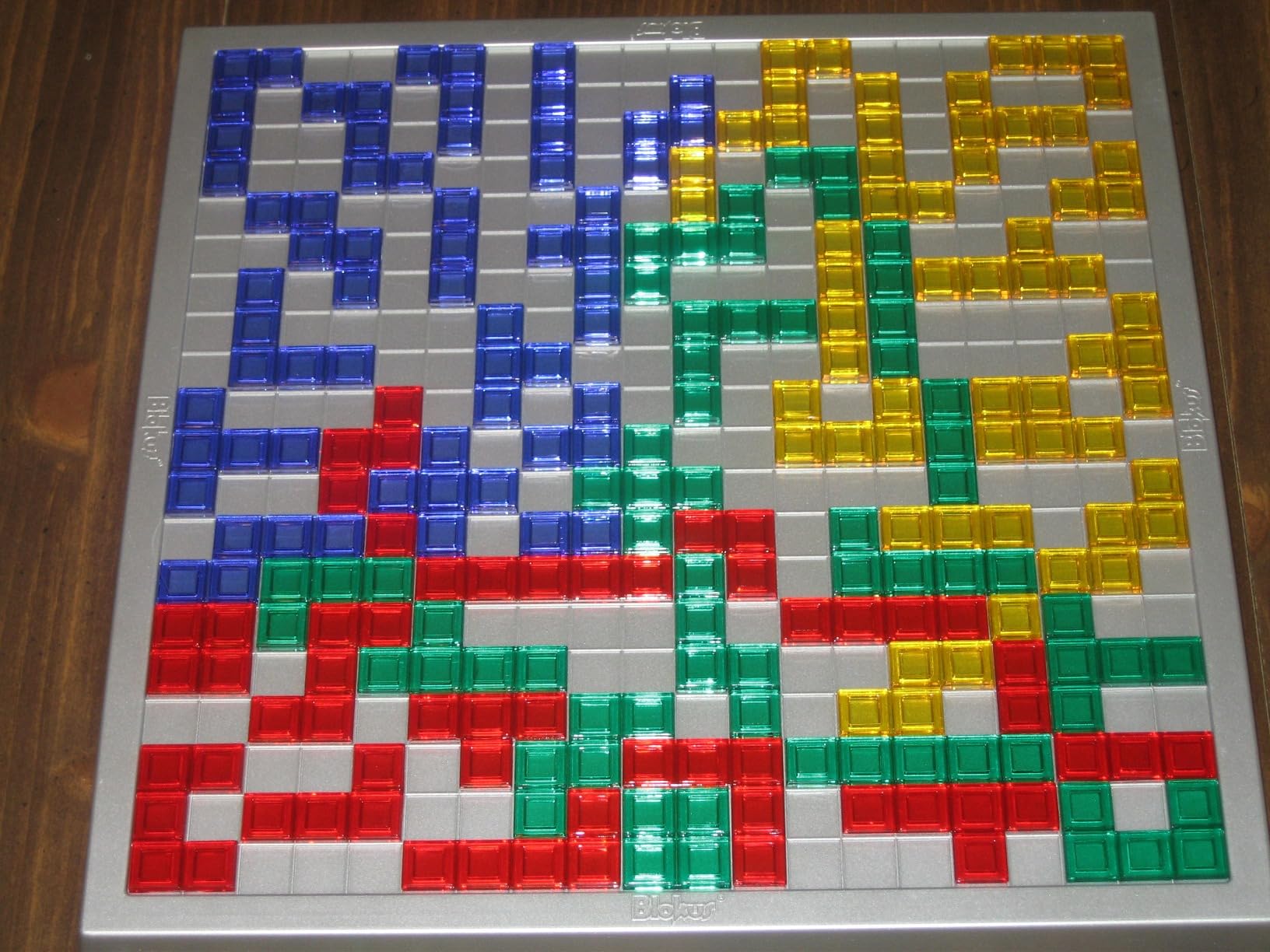
Blokus has exactly one rule. Your pieces can only touch at the corners, never along the edges. That is it. From that single rule emerges a strategy game so deep that my 8-year-old and I have been finding new tactics after 100 plays. It is the definition of easy to learn, hard to master.
The color blind accessible design is thoughtful and inclusive. Each color has a unique pattern, so everyone can play regardless of color perception. My nephew who struggles with red-green distinction played without any issues, and that meant the world to him.
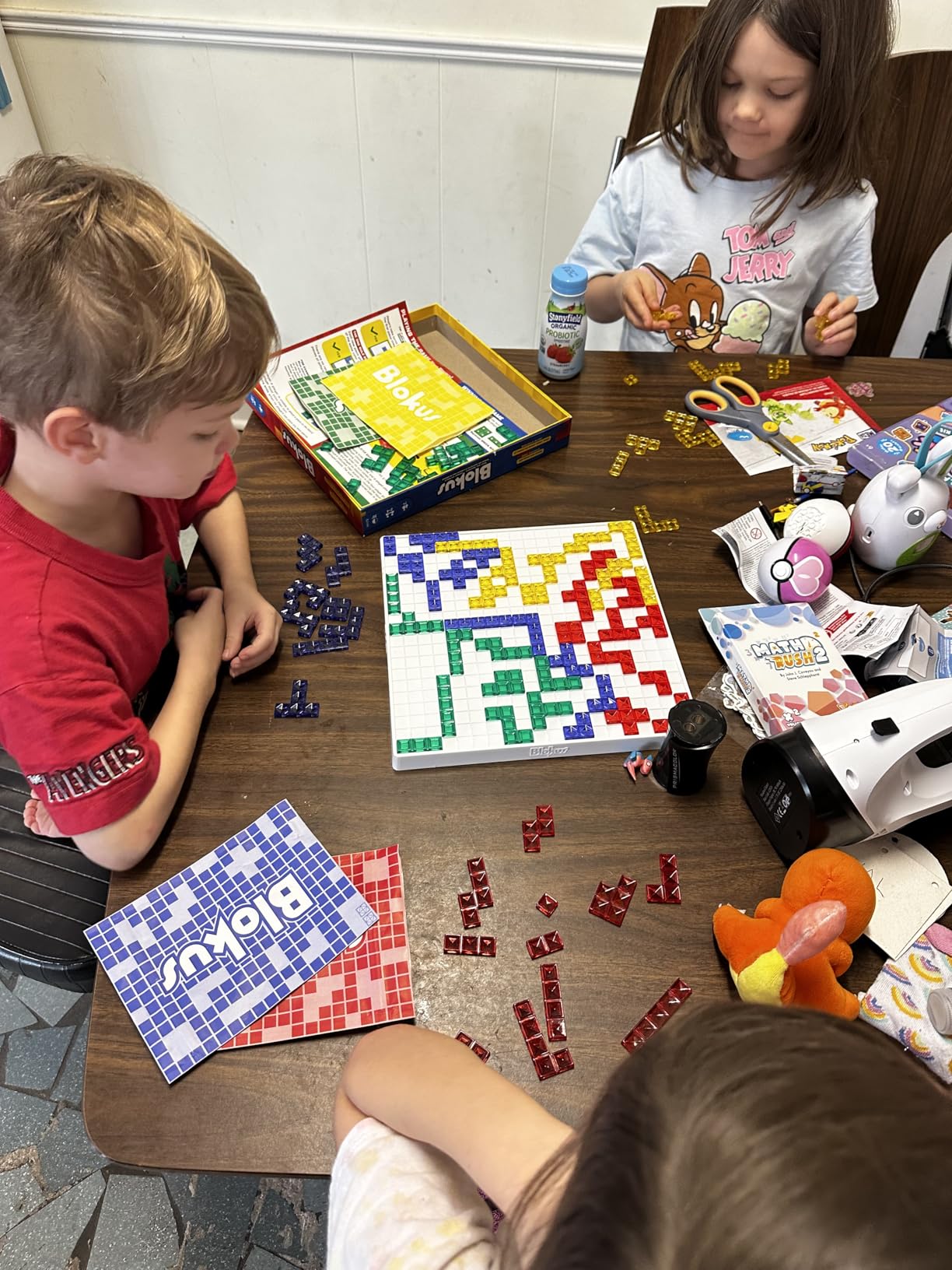
Games run about 30 minutes and every player is engaged the whole time because you are constantly reacting to what others place. My daughter loves the blocking strategy, placing her pieces to trap mine in corners. The look of triumph on her face when she cuts off my territory is priceless.
For families looking for the best family board games that do not take hours to learn, Blokus is hard to beat. The spatial awareness and planning skills it builds are a genuine bonus on top of the fun.
Best for families who want maximum strategy with minimal rules
Blokus proves you do not need a thick rulebook to create deep gameplay. One rule, bright colors, and plastic pieces that snap together satisfyingly. This is the game I recommend to parents who say their kids get overwhelmed by complex instructions.
It also plays differently with 2, 3, or 4 players. The board fills up faster with more players, creating tighter, more competitive games.
What to watch out for
The pieces are relatively small and can be tricky for very young children to place precisely. An 8-year-old should be fine, but younger siblings may struggle. The strategy also takes a game or two to click, so adults may need to guide the first session.
Some kids try to place pieces without thinking ahead and get frustrated when they run out of room. Encourage them to plan their placement before committing.
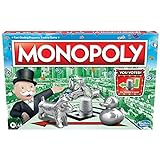
8. Monopoly Token Vote Edition – Classic Property Trading
Monopoly Game, Family Board Games for 2 to 6 Players & Kids Ages 8 and Up, Includes 8 Tokens (Token Vote Edition)
Property Trading
2-6 Players
120 Min
Ages 8+
Token Vote Edition
Pros
- Teaches money management and negotiation
- Classic gameplay everyone recognizes
- Metal tokens and solid board
- Strategy and social skills
Cons
- Games can run long
- Paper money can be fragile
Monopoly is the game my 8-year-old asks for when he wants the full evening experience. He handles the money, makes trades, and develops strategies for which properties to buy. The financial literacy skills are real. He now understands concepts like rent, mortgages, and investment returns because of this game.
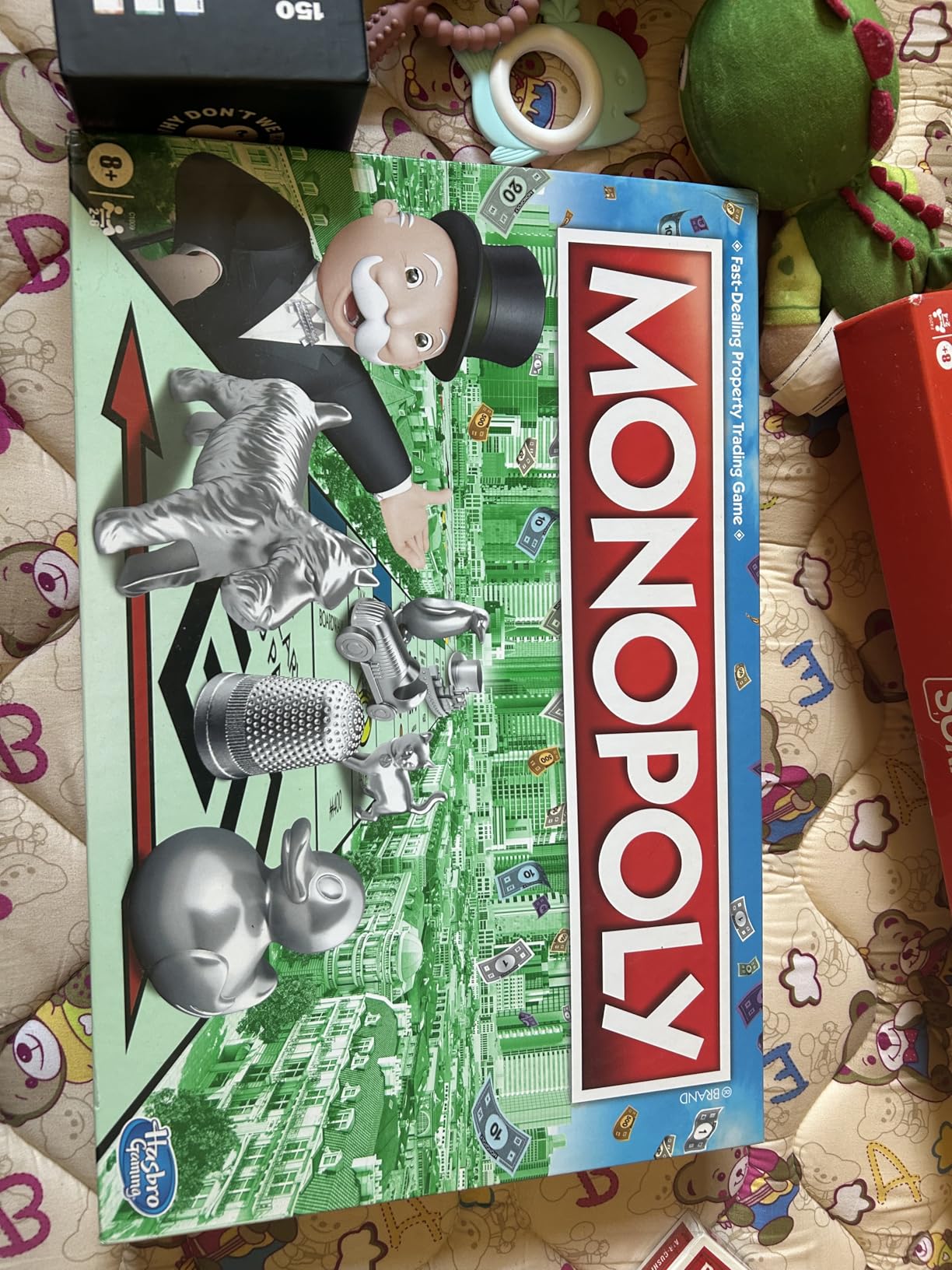
The Token Vote Edition adds a fun twist with 8 collectible tokens including the Top Hat, Rubber Ducky, and Race Car. My kids each have a favorite token and will fight over who gets the Penguin. The metal tokens have a satisfying weight and quality feel.
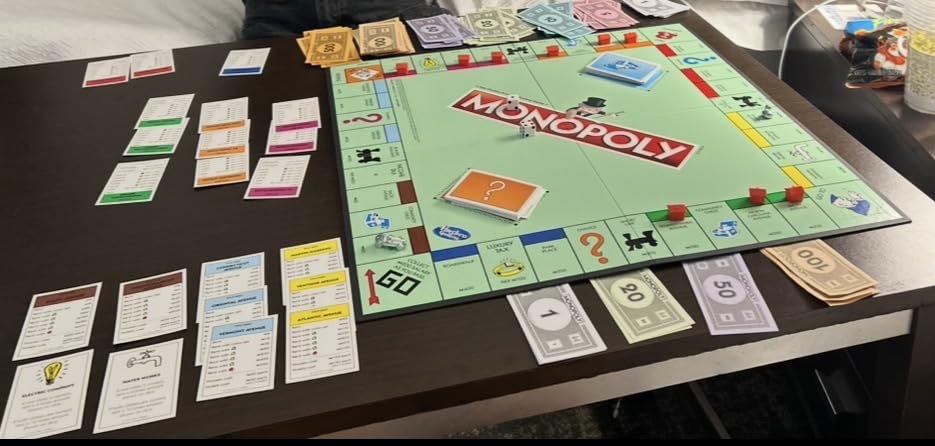
The negotiation aspect is where Monopoly truly shines for 8-year-olds. Watching my son offer a trade that benefits him while trying to convince his sister it helps her too is a masterclass in persuasion. These social skills transfer directly to real life situations.
I will be honest that Monopoly can drag. A full game can take two hours, which tests the patience of younger kids. We have started using a timer variant where we agree to end at a set time and whoever has the most assets wins. This keeps games to a manageable 45 minutes.
Best for teaching money skills and negotiation
If you want your 8-year-old to learn financial literacy in a hands-on way, Monopoly is unmatched. Making change, budgeting for properties, and deciding whether to invest in houses are real economic decisions wrapped in a fun package.
The game also accommodates up to 6 players, making it perfect for larger families or playdates. For even bigger gatherings, check out our best board games for large groups.
What to watch out for
The paper money is thin and can tear with enthusiastic handling. Consider laminating the bills or being extra careful during banking. The game length is the biggest concern. Set expectations upfront about how long you will play.
Some 8-year-olds may get upset when they go bankrupt. Talk beforehand about how losing is part of the game and that the fun is in playing, not just winning.
9. Clue Reimagined – Mystery Deduction Game
Clue Board Game for Ages 8 and Up, Reimagined Clue Game for 2-6 Players, Mystery, Detective, Family Games for Kids and Adults
Mystery Deduction
2-6 Players
45 Min
Ages 8+
Reimagined Edition
Pros
- Updated storyline with rich characters
- Gold-plated weapon tokens
- Teaches logical deduction
- Engaging for kids and adults
Cons
- Low stock availability
- Some quality concerns noted
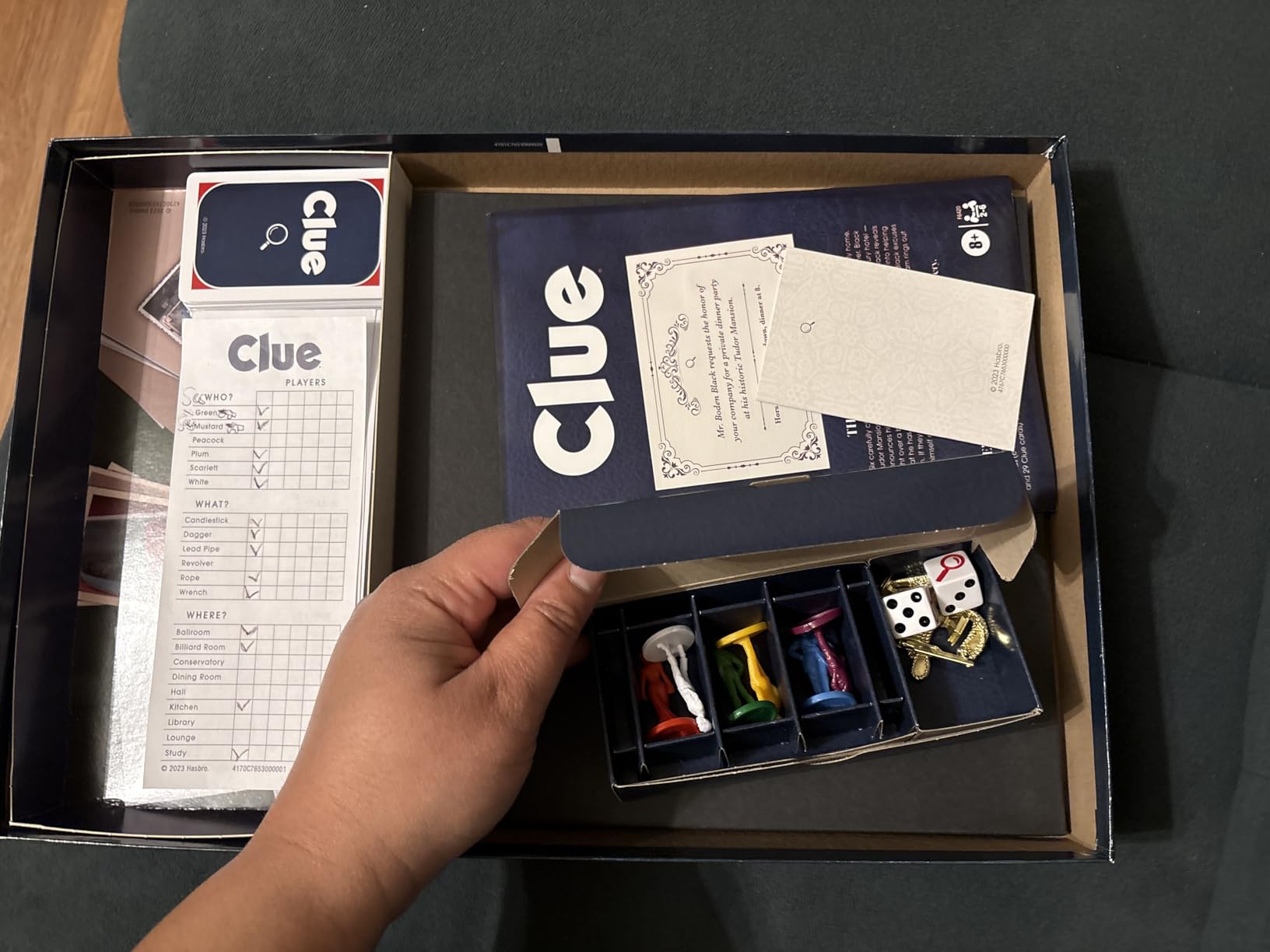
The reimagined Clue brought my family together for a murder mystery night that had everyone on the edge of their seats. My 8-year-old daughter took notes like a real detective, crossing off suspects and weapons on her notepad. When she finally made her accusation and got it right, the celebration was enormous.
The updated version adds fresh backstories for each suspect, making the characters feel more alive. My kids now have favorite suspects and will defend their innocence with theatrical passion. The gold-plated zinc weapon tokens add a premium feel that makes the game feel special.
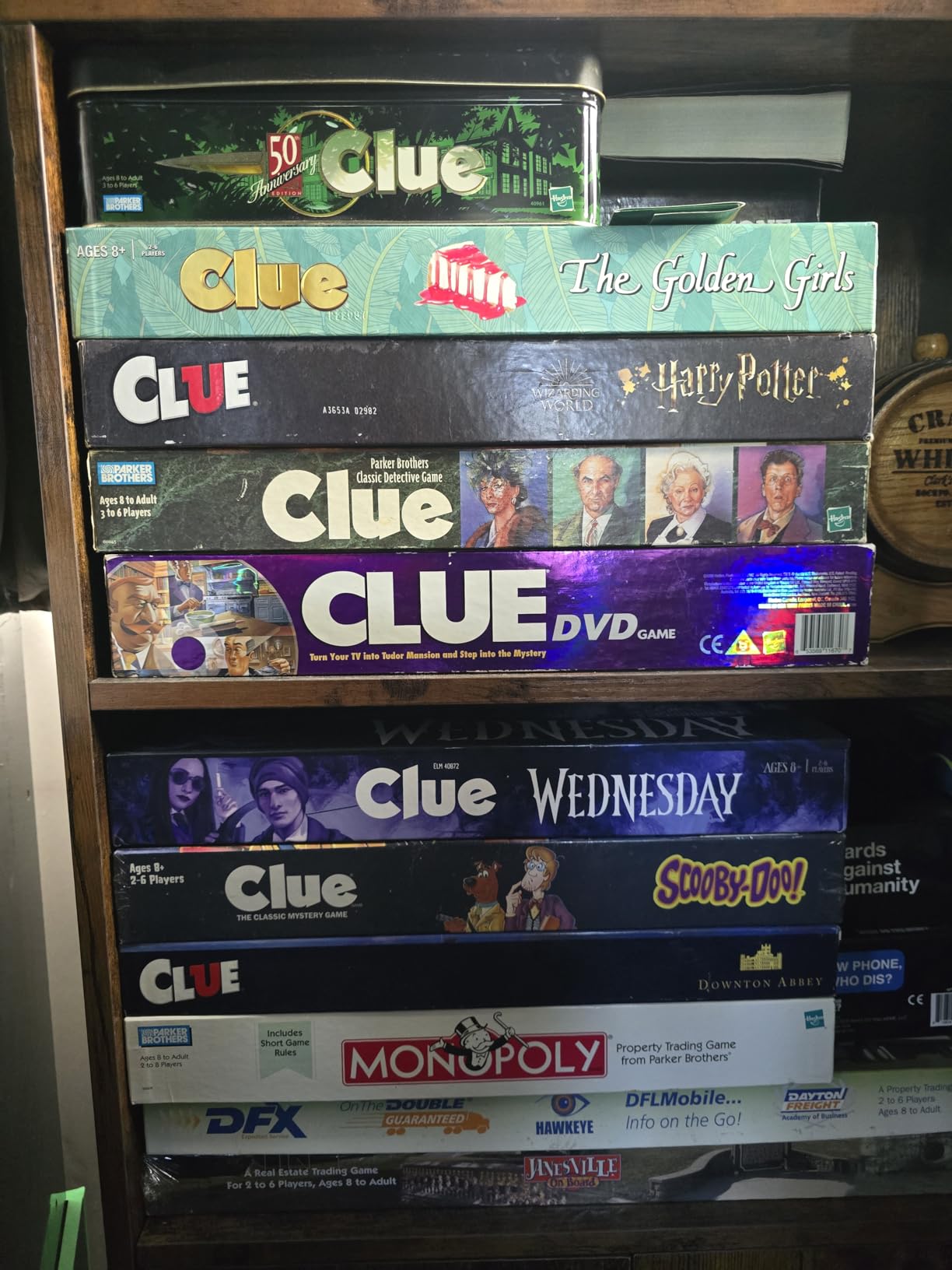
Clue teaches deductive reasoning in a way that feels like solving a real puzzle. Players must track what cards others have shown, eliminate possibilities, and draw logical conclusions. My son’s ability to reason through elimination scenarios has noticeably improved since we started playing.
Games take about 45 minutes, which is the sweet spot for an 8-year-old’s attention span. Long enough to feel substantial, short enough to finish before restlessness sets in.
Best for kids who love mysteries and detective stories
If your child devours mystery books or loves playing detective, Clue is the perfect game. The deduction mechanics teach logical thinking while the murder mystery theme keeps things exciting. It is educational disguised as entertainment.
The game works well with 2 players as a cooperative deduction exercise or with up to 6 for a full party experience.
What to watch out for
Stock availability has been inconsistent for this reimagined edition. If you see it available, grab it quickly. Some reviewers have noted minor quality concerns with the cards, though our copy has held up fine.
The murder mystery theme involves discussing a killing, which some parents may want to contextualize for younger or more sensitive children.
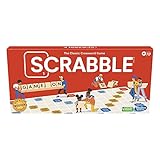
10. Hasbro Scrabble – Classic Word Building Game
Hasbro Gaming Scrabble Board Game, Classic Word Games for Kids Ages 8 and Up, Fun Family Game for 2-4 Players, The Classic Crossword Game
Word Building
100 Wooden Tiles
2-4 Players
40 Min
Ages 8+
Pros
- High quality wooden tiles and racks
- Builds vocabulary and spelling
- Sturdy textured gameboard
- Excellent educational value
Cons
- Not Prime eligible
- Medium size board
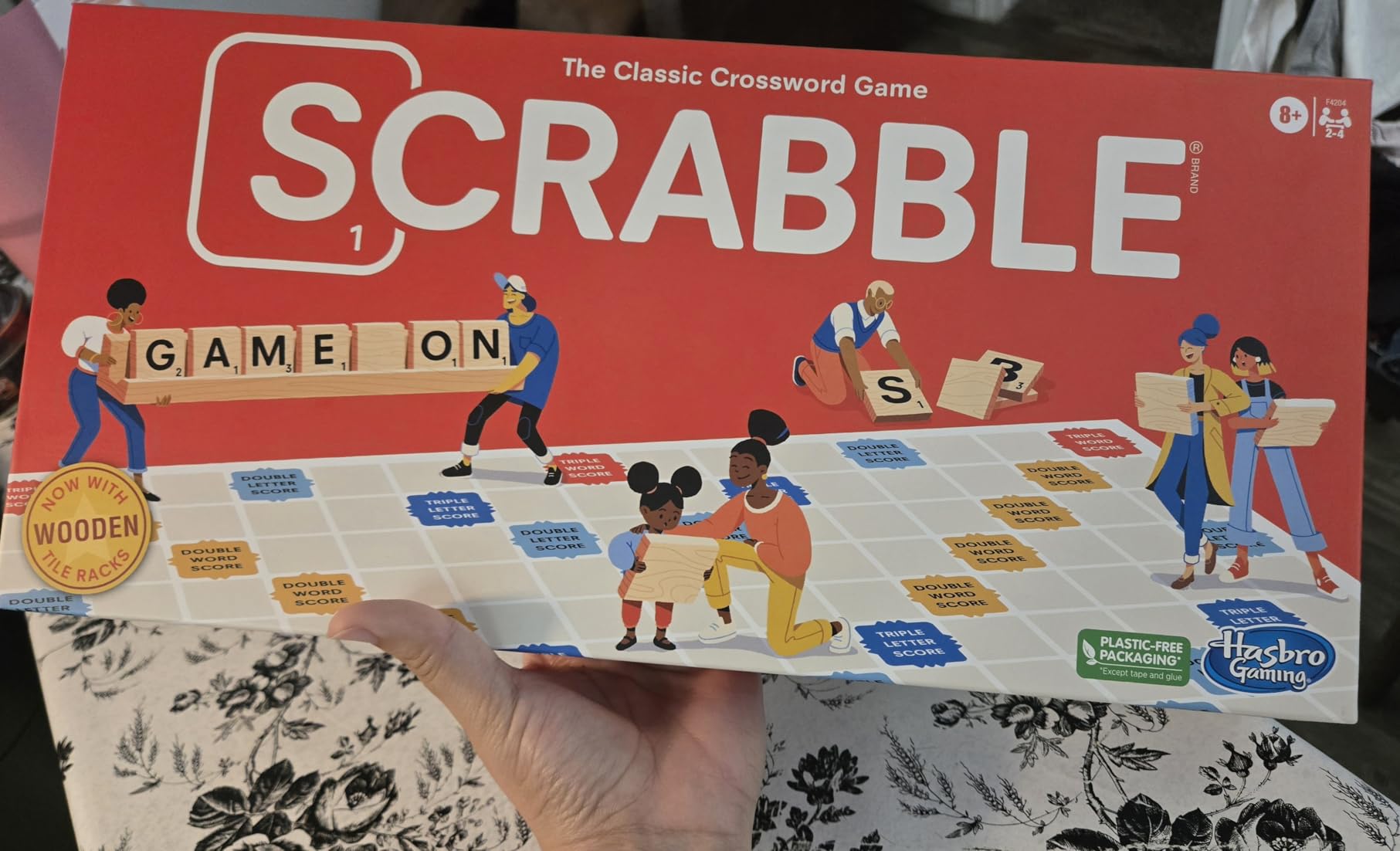
Scrabble is the game I pull out when I want my 8-year-old to practice spelling without complaining. He gets so focused on finding the perfect word for triple word score that he forgets he is learning. Last week he played QUARTZ for 42 points and talked about it for three days straight.
The 100 wooden tiles have a tactile quality that plastic simply cannot match. My daughter loves sorting them, feeling their weight, and arranging them on her wooden rack. The craftsmanship makes the game feel like a treasured family heirloom rather than disposable plastic.
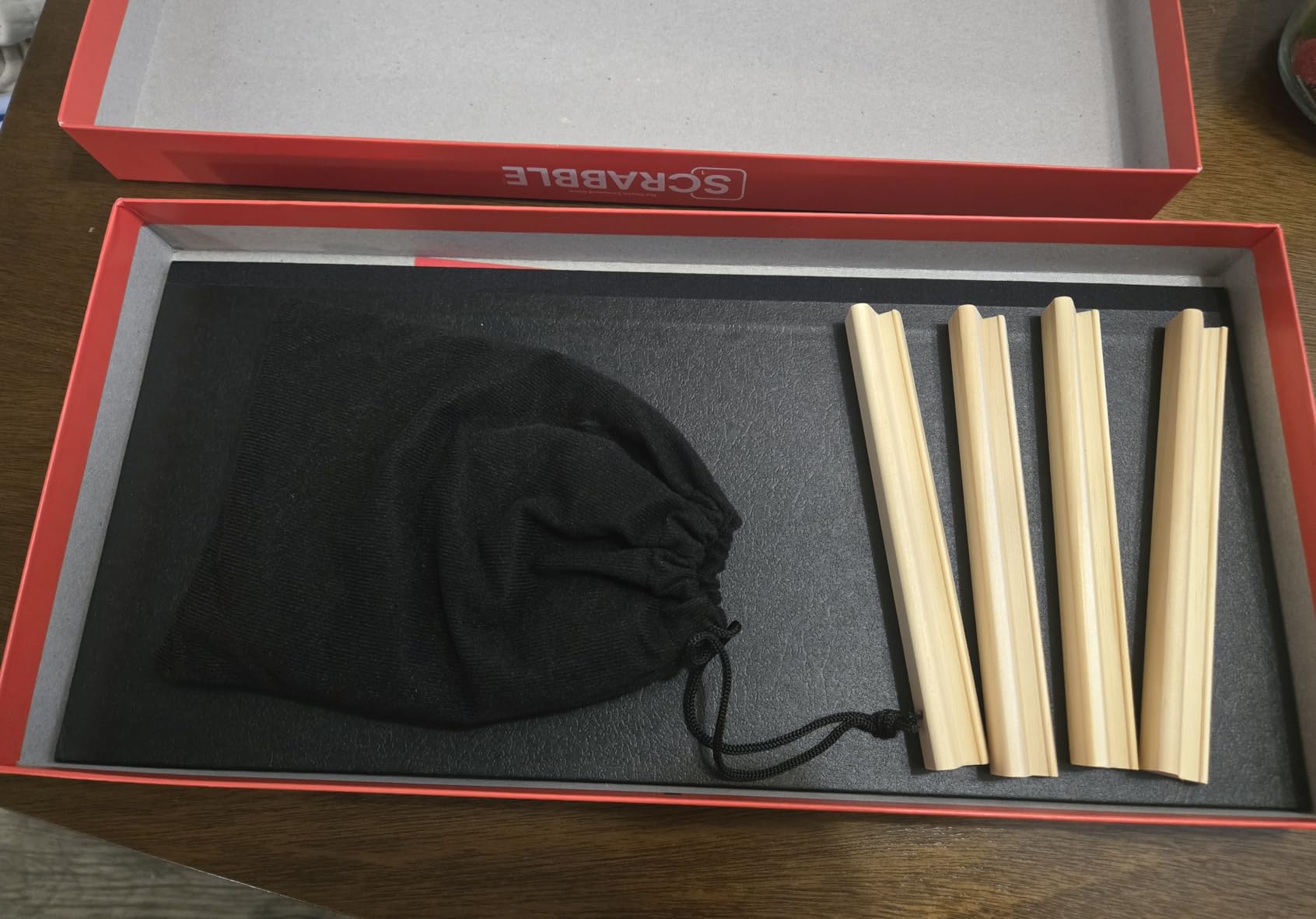
The premium squares on the board multiply scores and create strategic decisions. Do you save your best letters for a triple word score, or play them now for quick points? My son has started thinking strategically about letter placement, which shows real growth in his planning skills.
Scrabble is one of the best educational board games for 8 year olds because it builds vocabulary, spelling, math (for scoring), and strategic thinking simultaneously. The learning happens naturally through gameplay.
Best for building vocabulary and spelling skills
If your 8-year-old needs reading or spelling support, Scrabble makes practice feel like play rather than work. Kids encounter new words, learn letter patterns, and practice mental math for scoring. The game grows with them as their vocabulary expands.
It also works beautifully for parent-child one-on-one time as a 2-player game.
What to watch out for
This particular edition is not Prime eligible, so shipping may take longer than expected. Plan ahead if you need it for a birthday or holiday gift.
The board is medium-sized, which some families find slightly small. The textured surface does help tiles stay in place during play, which is a nice touch.
11. SEQUENCE Original – Card and Chip Strategy
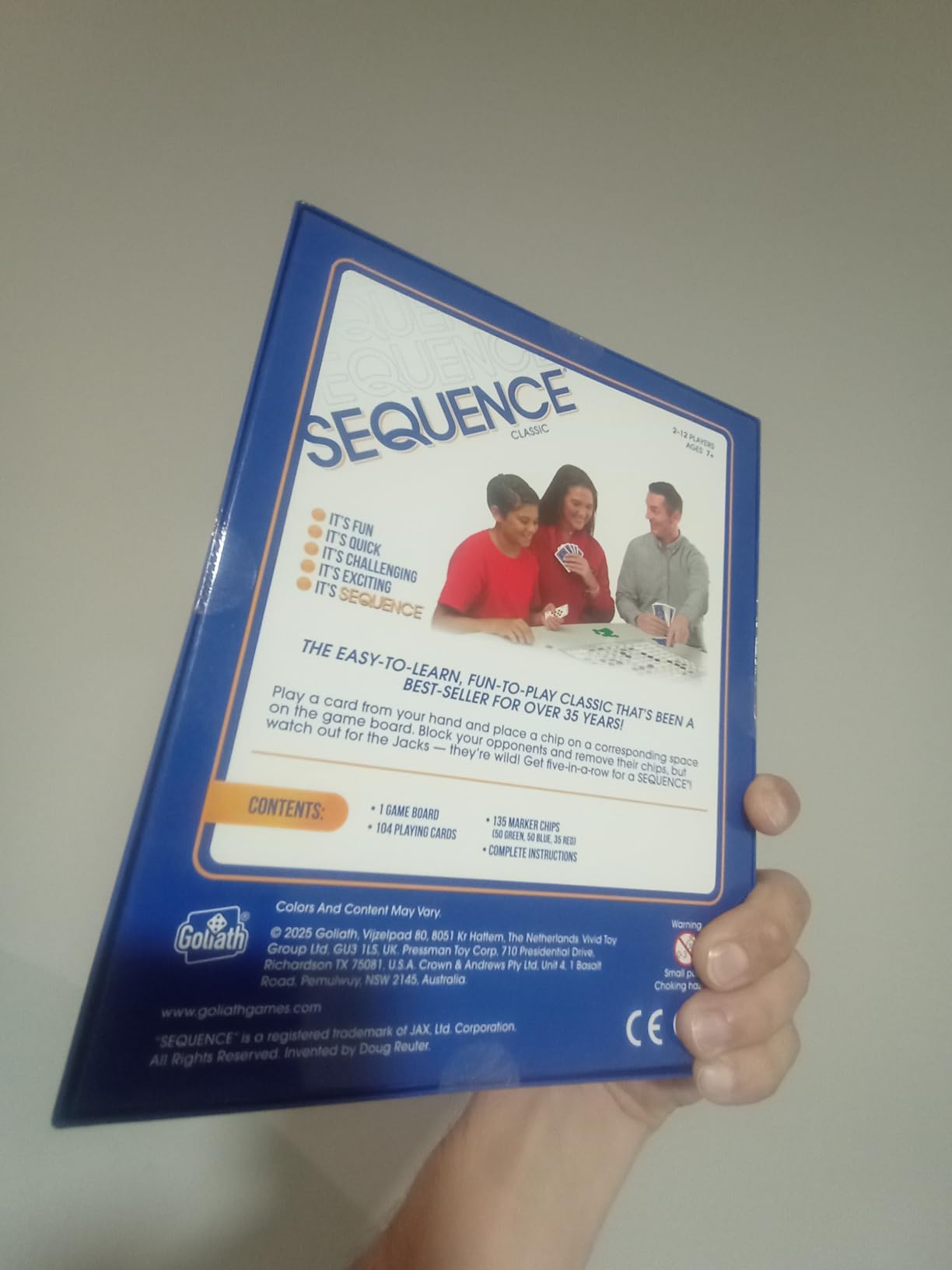
SEQUENCE- Original SEQUENCE Game with Folding Board, Cards and Chips by Jax ( Packaging may Vary ) White, 10.3″ x 8.1″ x 2.31″
Card and Chip Strategy
2-12 Players
Ages 7+
Folding Board
Pros
- Plays up to 12 people
- Easy enough for kids
- Strategic dead-eye jack cards
- Folding board for storage
Cons
- Packaging may vary
- Missing chips reported occasionally
SEQUENCE is the game that saved my family reunion. With 10 people ranging from age 7 to 75, finding a game everyone could play seemed impossible. SEQUENCE handled it beautifully. My 8-year-old nephew played on a team with his grandmother and they nearly won the whole tournament.
The concept is beautifully simple. Play a card from your hand, place a chip on the matching board space, and try to get five in a row. But the strategy comes from blocking opponents, managing your cards, and timing your moves. The dead-eye jacks that remove opponent chips create delicious moments of revenge.
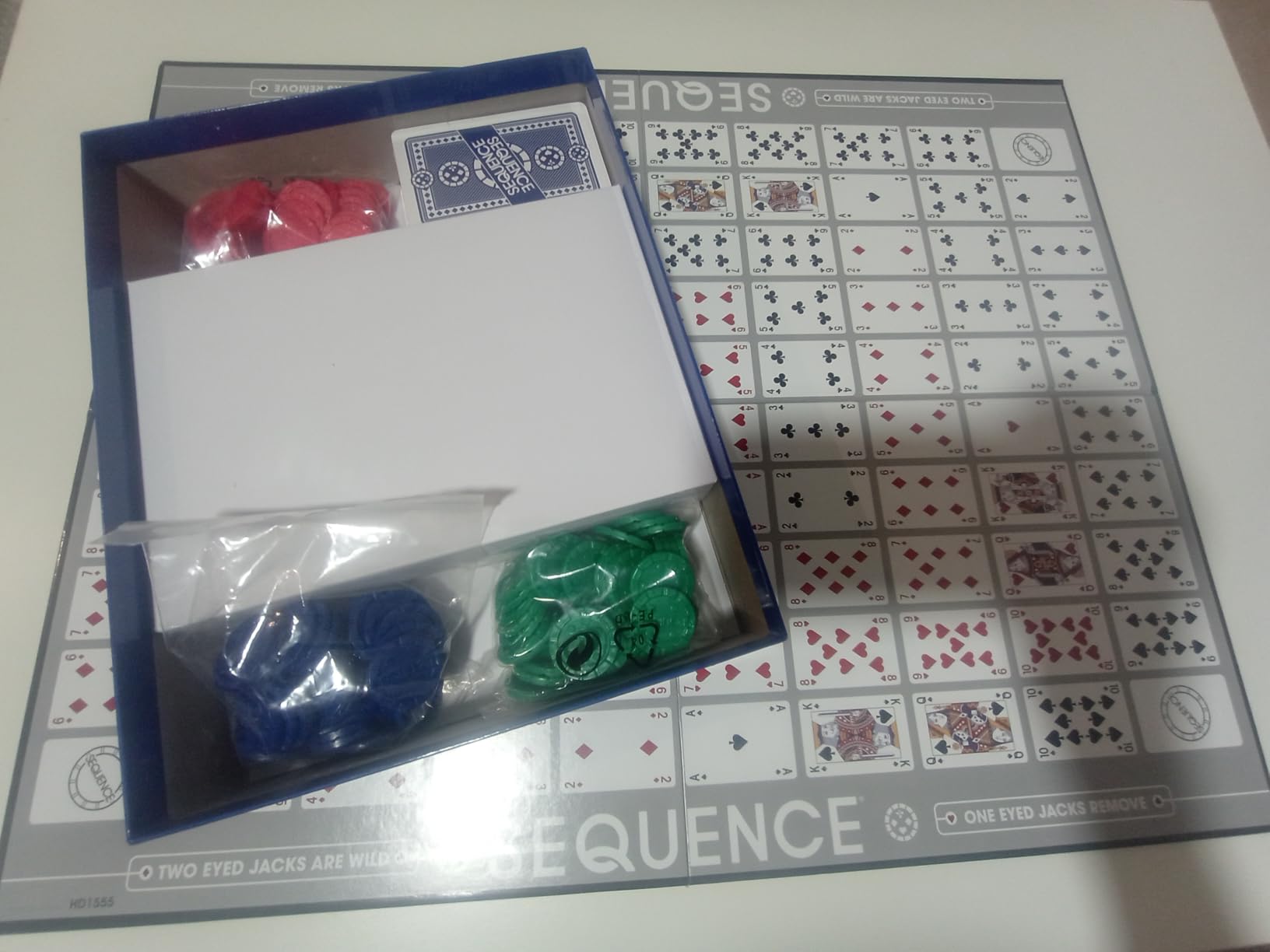
With 45,000-plus reviews and a 4.8 rating, SEQUENCE has clearly struck a chord with families everywhere. The massive review count tells you this game has staying power. It is not a flash in the pan. Families have been playing and loving it for years.
The folding board makes storage easy, and the chips are substantial enough to feel satisfying when placed. Everything packs neatly into the box for a game that travels well to grandparents’ houses or vacation rentals.
Best for large families and group gatherings
SEQUENCE is the champion of big group games. Supporting 2 to 12 players, it handles family gatherings better than almost any other game on this list. The team play option means kids can partner with adults for a balanced experience.
The simplicity means even non-gamers can join in immediately without a lengthy rules explanation.
What to watch out for
Packaging may vary, so the box design you receive might look different from what is pictured. More importantly, some users have reported missing chips in certain colors. Count your pieces when you open the box.
The game can create competitive tension when someone blocks your sequence. Remind kids that blocking is part of the strategy, not a personal attack.
12. Taco Cat Goat Cheese Pizza – Fast Hilarious Card Game
Taco Cat Goat Cheese Pizza Card Game by Taco Cat Games, Age 7+, 2-8 Players
Fast Card Game
2-8 Players
10-15 Min
Ages 5+
Portable
Pros
- Learn in under a minute
- Hilarious slap gameplay
- Incredibly portable
- Perfect for mixed ages
Cons
- Can get chaotic with young players
- Hands may tire from slapping
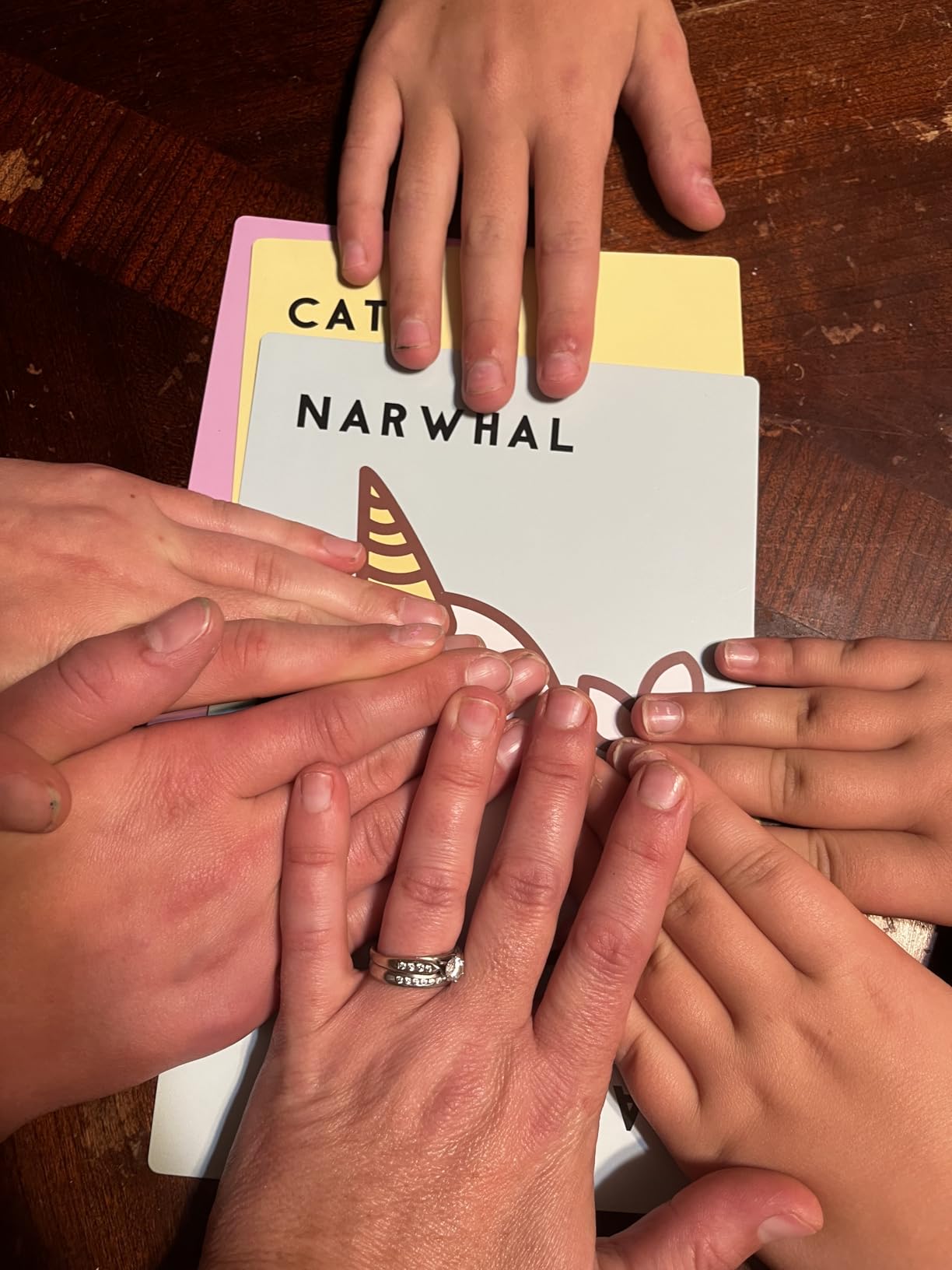
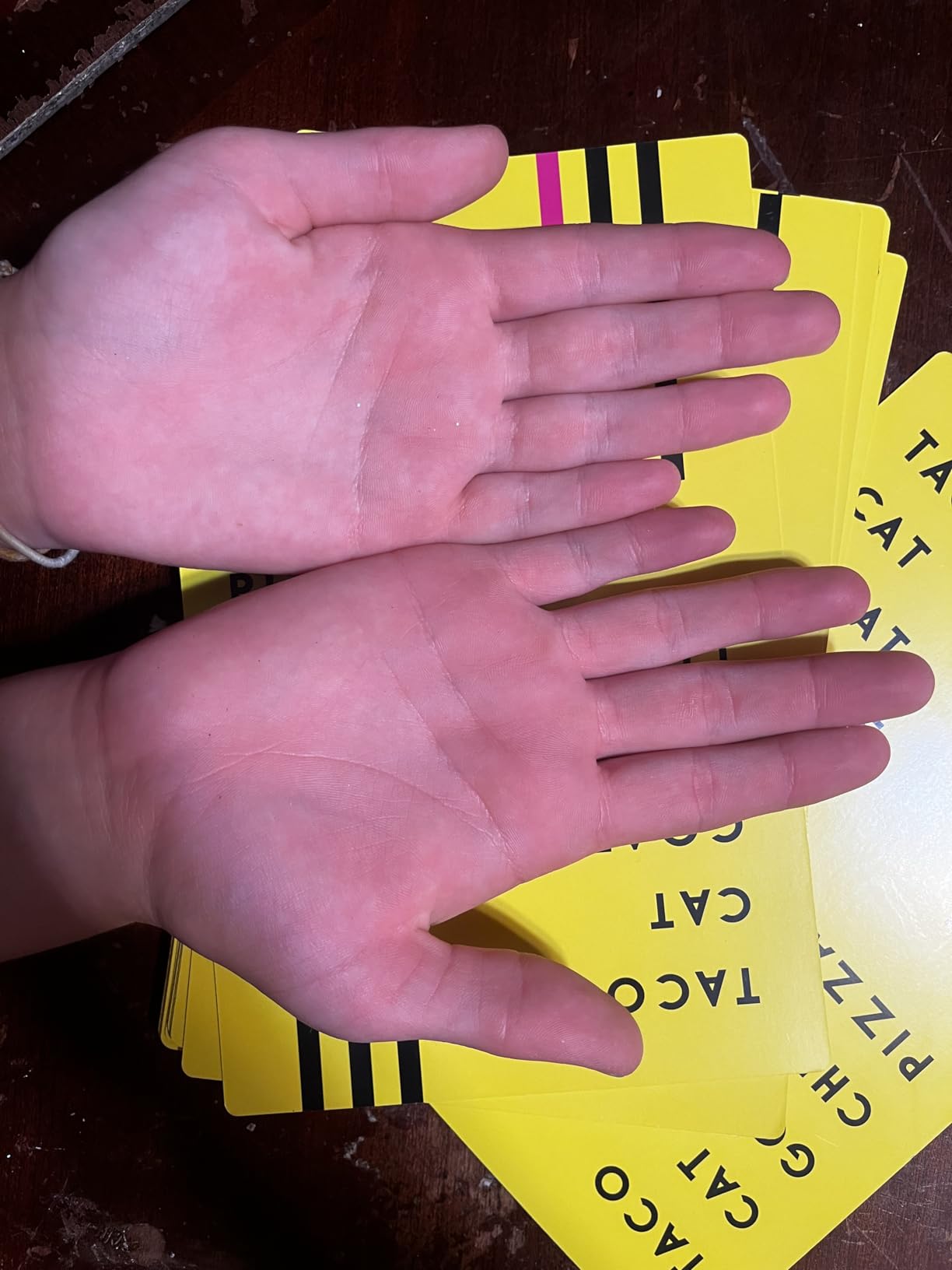
Taco Cat Goat Cheese Pizza is the game that made my family laugh until we cried. The rules are absurdly simple. Flip a card, say the next word in the sequence taco, cat, goat, cheese, pizza, and slap the pile when the word matches the card. When it matches, everyone slaps and the last person takes the pile.
My 8-year-old daughter is terrifyingly fast at this game. She slaps before I even register the match. The special cards like gorilla, narwhal, and groundhog add physical comedy as everyone has to do a gesture before slapping. Watching grandpa try to do the groundhog move is worth the price of admission alone.
Games last 10 to 15 minutes, making this perfect as a warm-up game before something longer or a quick energy burst between activities. The small box fits in a purse or backpack, so we take it to restaurants and play while waiting for food.
With over 53,000 reviews, this is one of the most popular card games on the planet. The appeal spans ages from 5 to adult. It is one of the few games where the 8-year-old and the teenager genuinely enjoy playing together.
Best for quick laughs and high-energy fun
If you need a game that gets everyone laughing within 60 seconds, Taco Cat Goat Cheese Pizza delivers. No strategy, no deep thinking, just pure reaction-time fun. It is the perfect icebreaker for playdates or family gatherings where energy is low.
The portability means you always have entertainment ready. It takes up less space than a smartphone.
What to watch out for
Things get physical when players slap for the pile. Younger kids may get their hands slapped or feel overwhelmed by the chaos. Set ground rules about gentle slapping before you start.
Extended play can make hands sore from all the slapping. Take breaks between rounds. Also, competitive kids may get frustrated when they keep being last to slap.
13. Connect 4 Classic Grid – Drop Disc Strategy
Hasbro Gaming Connect 4 Classic Grid, 4 in a Row Game, Strategy Board Games for Kids, 2 Players for Family and Kids, Easter Gifts for Boys and Girls, Ages 6+
Drop Disc Strategy
2 Players
3 Ways to Play
Ages 6+
Classic Grid
Pros
- Classic timeless gameplay
- Three game modes including pop-out
- Durable plastic construction
- Incredible value
Cons
- Assembly required
- Discs may be small for toddlers
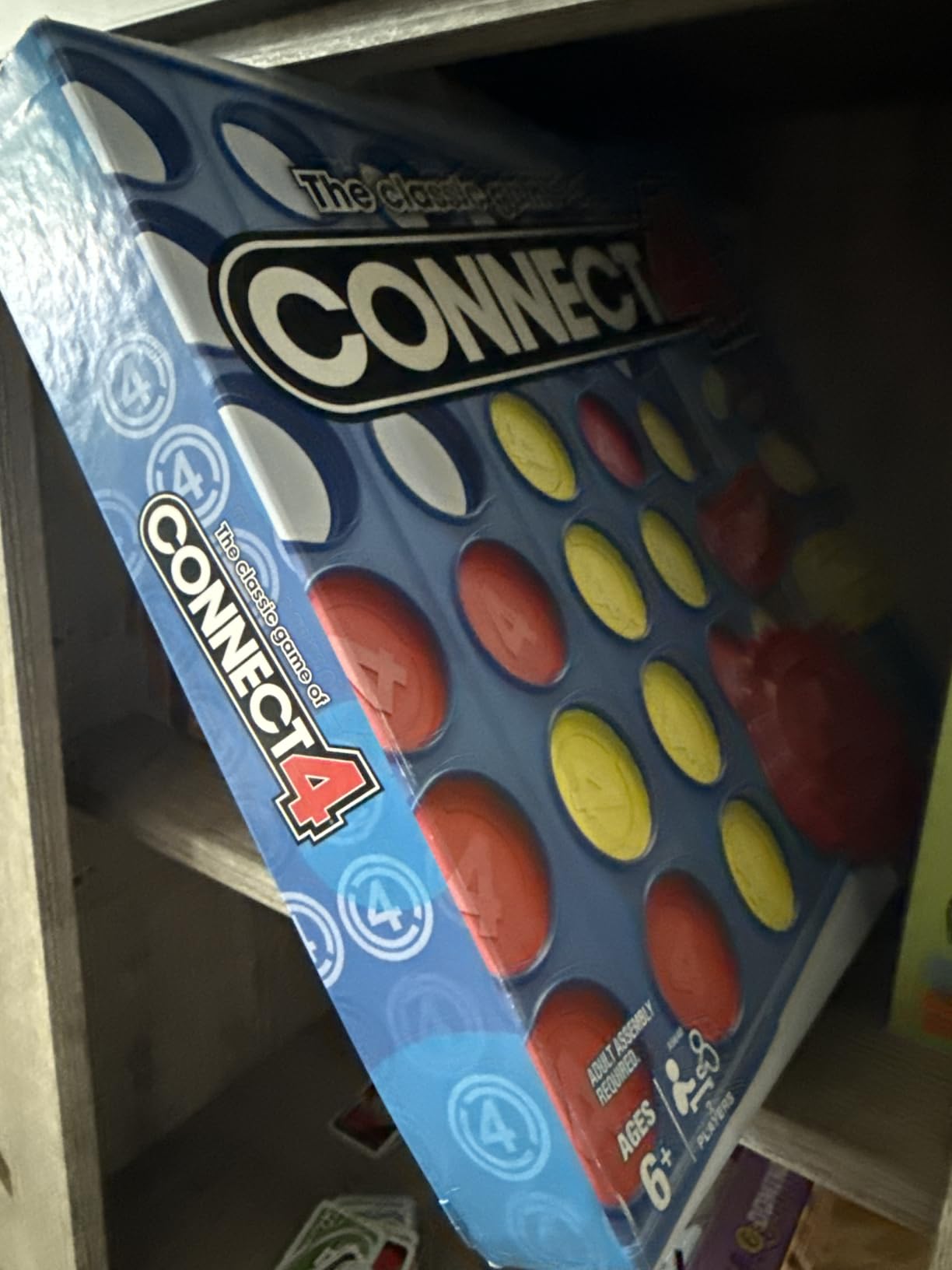
Connect 4 is the game my 8-year-old plays when he wants a quick head-to-head battle. Games last under 10 minutes, and the best-of-five tournaments we run get surprisingly intense. He has started thinking multiple moves ahead, setting traps and blocking my columns with genuine strategic awareness.
The Classic Grid edition includes three ways to play. Traditional Connect 4 is the standard, but the pop-out feature adds a new dimension. You can remove a disc from the bottom of the grid, which shifts everything above it. This creates mind-bending strategic possibilities that keep the game fresh.
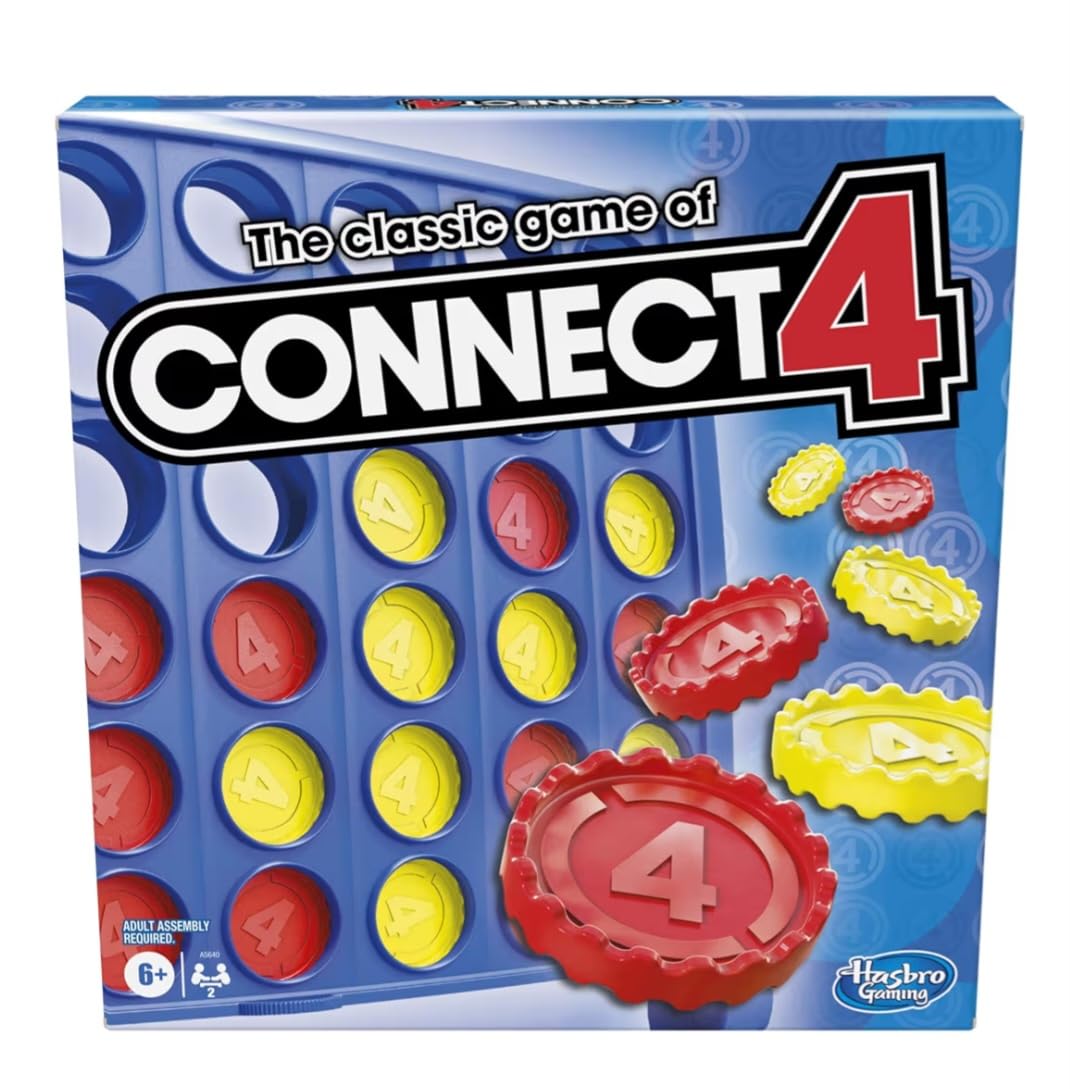
With over 81,000 reviews, Connect 4 has one of the largest review counts of any game on Amazon. That massive popularity speaks to its enduring appeal across generations. My parents played it as kids, I played it as a kid, and now my kids play it.
The durable plastic construction has survived being knocked off tables, stepped on, and left outside overnight. The discs click satisfyingly into the grid, and the slider bar releases all the pieces at once for quick cleanup between rounds.
Best for quick two-player strategy battles
Connect 4 is the ideal game for parent-child one-on-one time or sibling competition. It teaches pattern recognition, offensive and defensive thinking, and spatial planning. All this from a game that costs less than a movie ticket.
The short game time means you can play multiple rounds, which is great for kids who need to redeem themselves after a loss.
What to watch out for
The grid requires assembly each time you set it up, which takes about 30 seconds. It is not difficult but can be slightly fiddly for younger kids. The legs and slider bar need to be attached before each session.
The game is strictly 2 players, so it does not work for larger groups. It is best as a quick duel rather than a family activity.
14. Guess Who People and Pets – Deduction Card Game
Hasbro Gaming Guess Who? Plus Board Game with People & Pet Cards
Deduction Game
People and Pets
2 Players
Ages 6+
Amazon Exclusive
Pros
- Includes both people and pets cards
- Develops deduction and communication
- Nostalgic for adult players
- Updated modern design
Cons
- Cards may fall from holders
- Card switching can be finicky
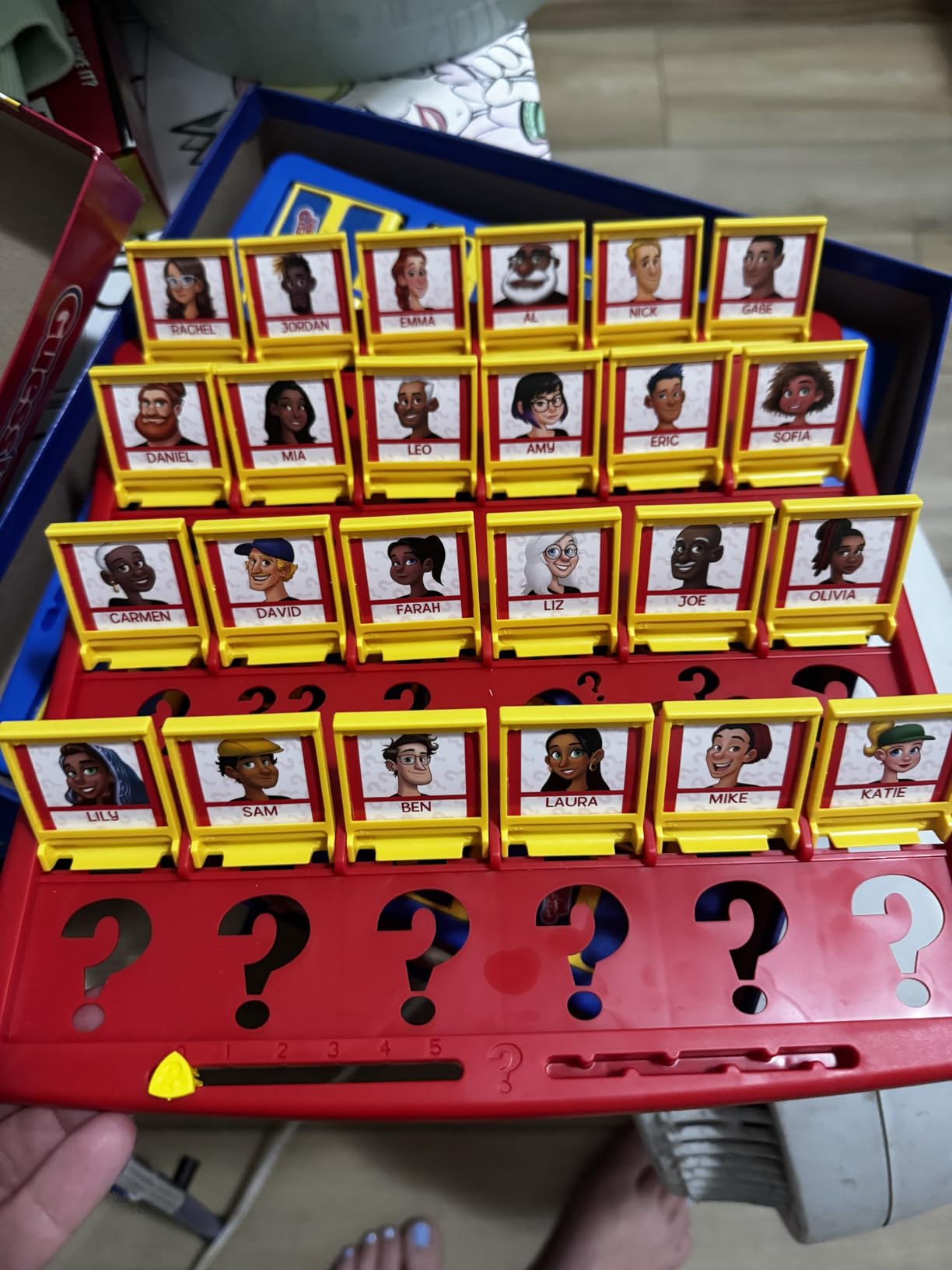
Guess Who was the first deduction game my 8-year-old truly understood. She learned to narrow down possibilities by asking smart questions. Does your person wear glasses? Is your person bald? Watching her eliminate faces one by one and zero in on the answer taught her real logical reasoning.
This Amazon Exclusive edition includes both the classic people cards and new pets cards, doubling the variety. My son prefers the pets version because he loves animals, while my daughter sticks with the people. Having both options in one box is a great value.
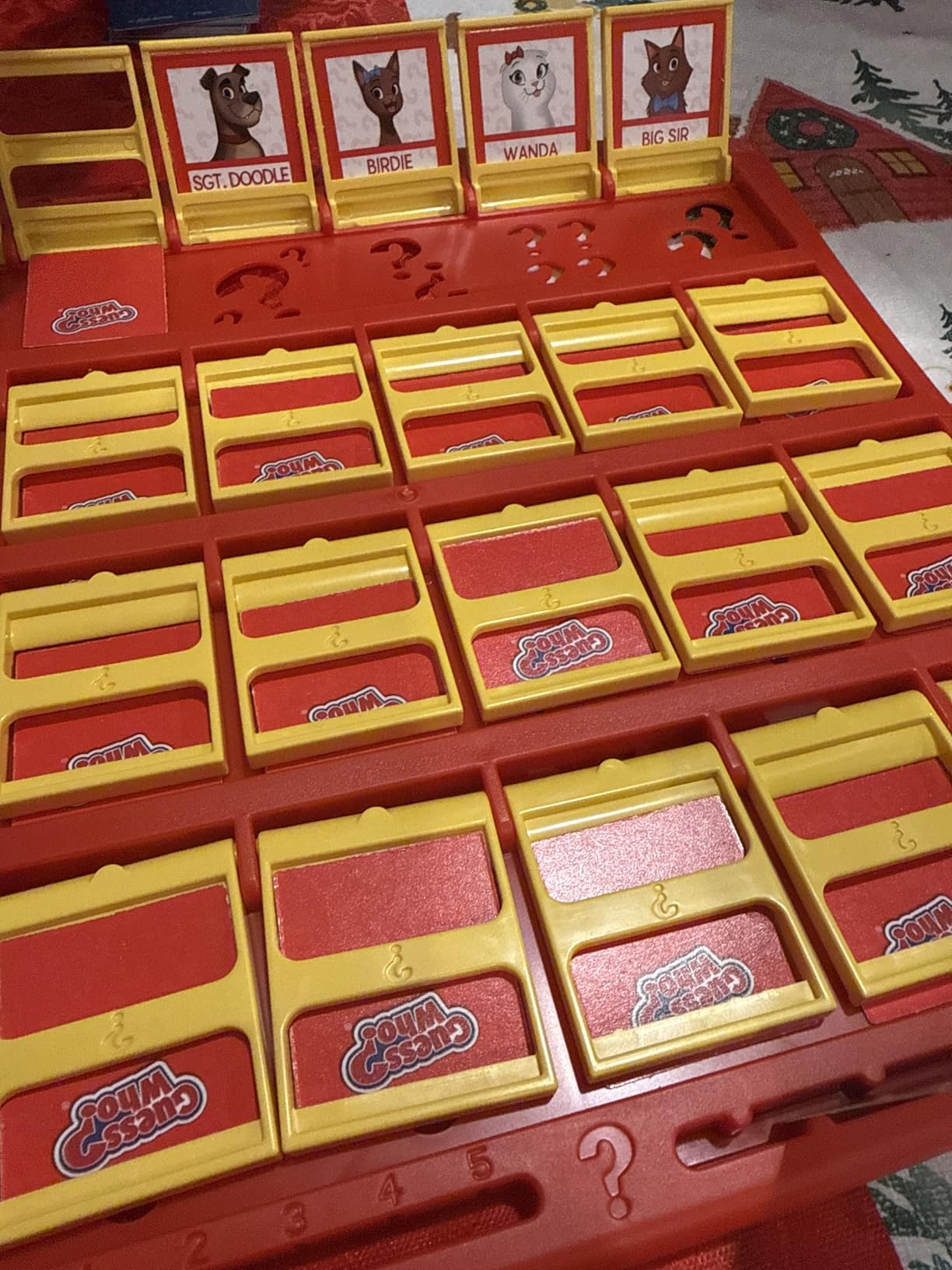
The game moves quickly, with most rounds lasting under 15 minutes. This makes it perfect for best-of-three or best-of-five tournaments. The deduction skills it builds transfer directly to games like Clue and even academic skills like process of elimination in math.
For adults who played Guess Who as children, this version brings back warm nostalgia while updating the character designs for a new generation. The faces are more diverse and inclusive, which is a welcome improvement.
Best for teaching deductive reasoning
Guess Who is the gentlest introduction to deductive logic available. Kids learn to form yes-or-no questions, track information, and eliminate possibilities systematically. These are foundational critical thinking skills disguised as a simple guessing game.
The 2-player format makes it perfect for parent-child bonding sessions or sibling play.
What to watch out for
The card holders can be finicky. Cards sometimes fall out of the slots during enthusiastic play, which interrupts the game. You may need to help younger kids keep their cards seated properly.
The card switching mechanism between rounds can also stick occasionally. Be gentle when flipping cards to avoid bending them.
15. Battleship Classic – Naval Combat Deduction
Hasbro Gaming Battleship Classic Board Game | Strategy Games for Kids and Adults | Ages 7+ | 2 Players | Fun Kids Games | Family Games
Naval Deduction
2 Players
30 Min
Ages 7+
Portable Cases
Pros
- Classic search and destroy gameplay
- Portable battle cases with storage
- Teaches strategy and logical thinking
- Salvo mode for advanced play
Cons
- Small pegs easy to misplace
- Pegs may fall from slots
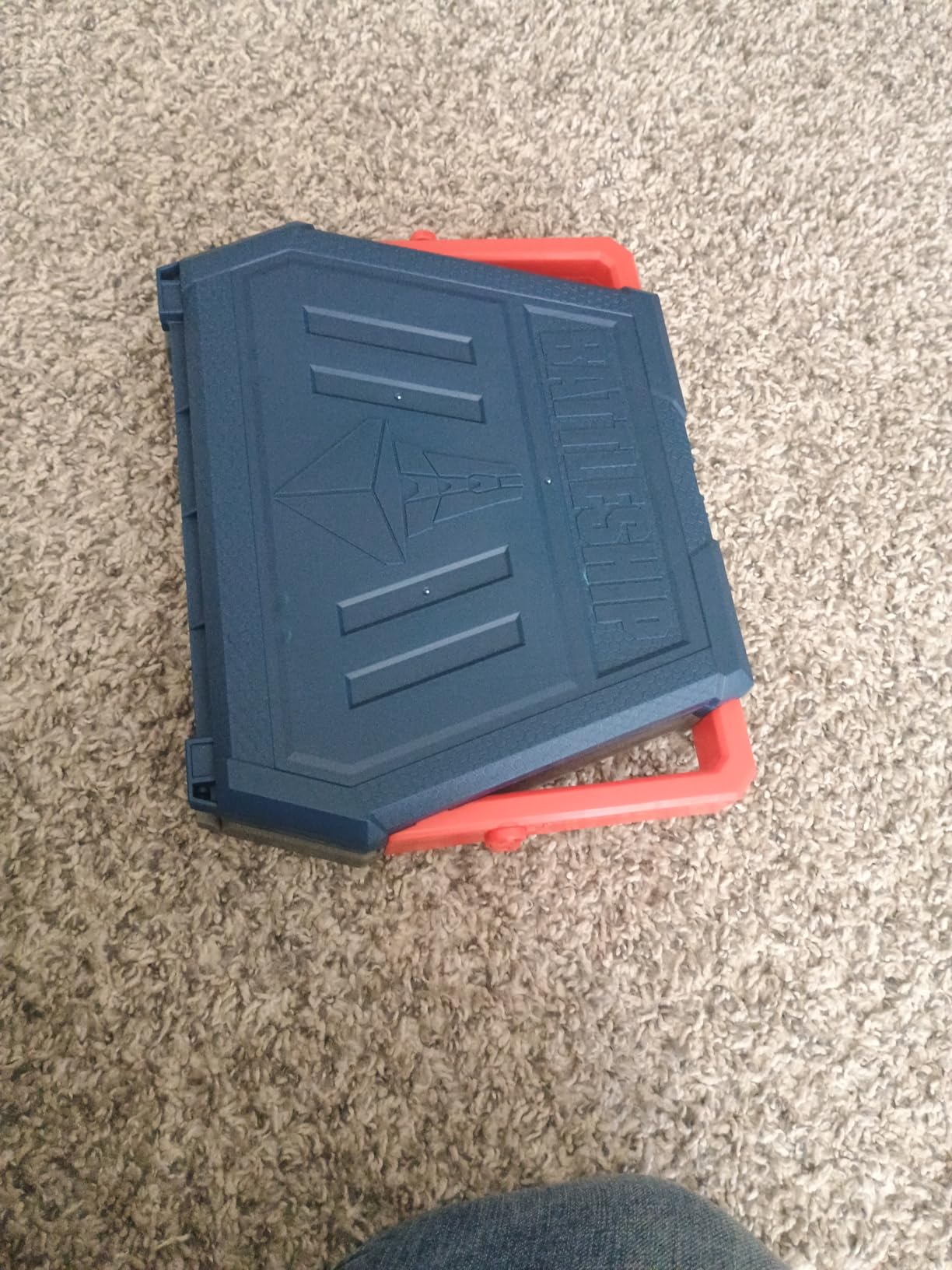
Battleship is the game my 8-year-old plays with his grandfather over video calls. They each set up their boards on opposite ends of the screen and call out coordinates. You sunk my battleship has become a catchphrase in our house, shouted with dramatic flair every time a ship goes down.
The deduction element is excellent for developing logical thinking. Kids learn to track hits and misses, identify patterns in ship placement, and use elimination to find hidden vessels. My son has started using a checkerboard search pattern rather than random guessing, which shows real strategic development.
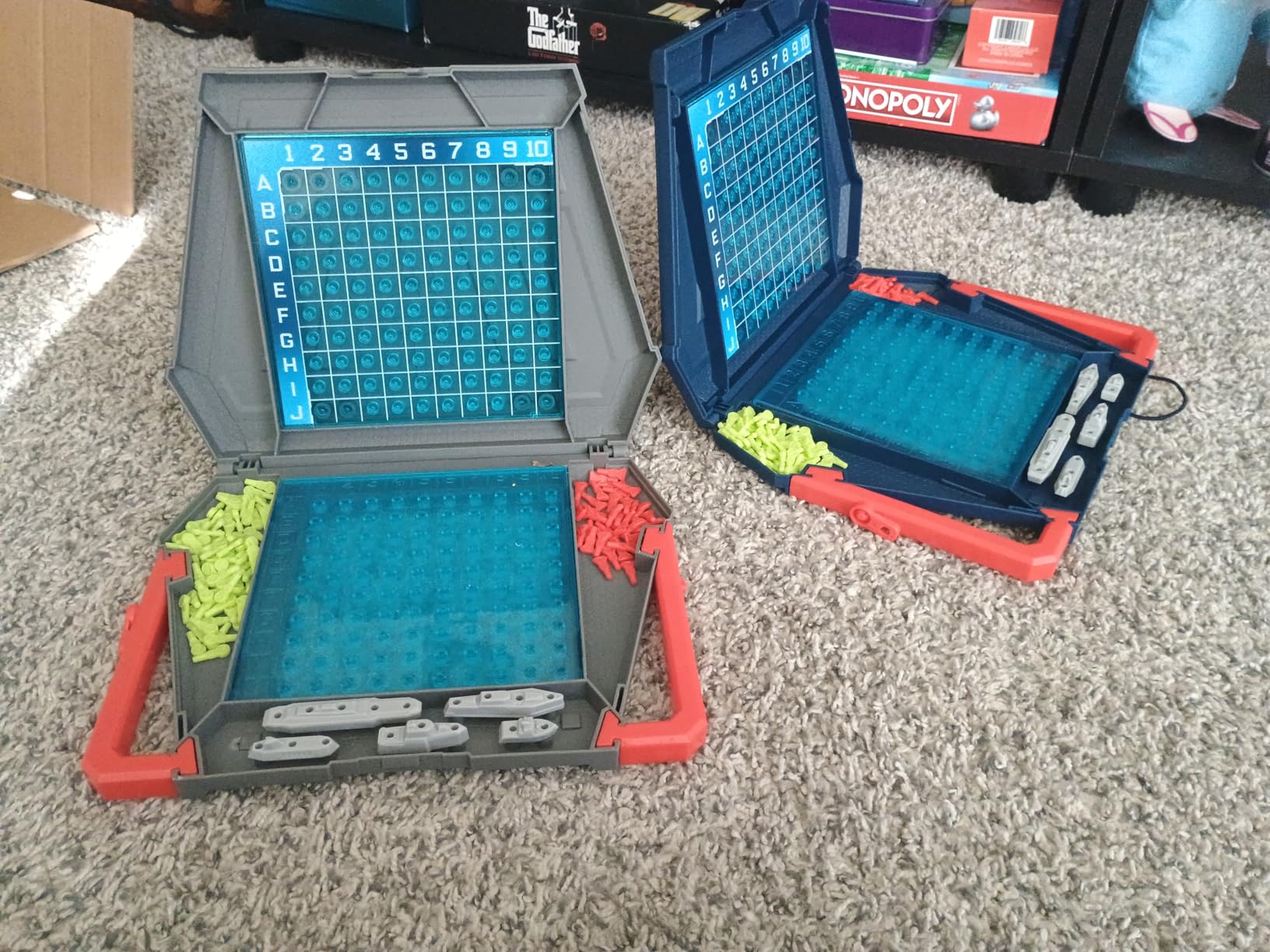
The portable battle cases are genius for travel and storage. Everything snaps closed into two compact units that fit in a backpack. We have played Battleship on airplanes, in hotel rooms, and at campsites. The self-contained design means no lost pieces during transport.
The Salvo feature adds depth for advanced players. Instead of calling one shot per turn, experienced players fire as many shots as they have ships remaining. This creates more strategic decisions about target priority and risk management.
Best for two-player head-to-head strategy
Battleship is the quintessential 2-player strategy game for kids. It teaches logical deduction, patience, and strategic thinking in a format that feels like a real military operation. The anticipation of calling a coordinate and waiting to hear hit or miss creates genuine tension.
The portable design also makes it the best travel game on this list. Take it anywhere and play anywhere.
What to watch out for
The red and white pegs are tiny and easy to misplace. Count them after each game and store them carefully in the battle cases. Some users report pegs falling out of their slots during play, which can be frustrating.
The game is limited to 2 players only. If you have multiple kids, they will need to take turns or play in teams.
How to Choose the Best Board Games for 8 Year Olds
Choosing the right game for an 8-year-old means matching the game complexity to the child’s developmental stage. At eight, children can handle multi-step rules, read cards independently, and think several turns ahead. But they still need themes that excite them and playtimes that respect their attention spans.
We learned through testing that the best games for this age share certain characteristics. They balance accessibility with depth, keep all players engaged, and create moments that make kids want to play again. Here are the key factors to consider.
Complexity and Rules Overhead
Eight-year-olds can handle more complex rules than younger children, but they still need games that can be explained in under 10 minutes. Games like Blokus with one simple rule or Azul with straightforward tile drafting work better than games with 20-page rulebooks. Look for games that teach through play rather than through reading.
A good test is whether an 8-year-old can explain the rules to another child after playing once or twice. If yes, the complexity level is appropriate.
Cooperative Versus Competitive Play
Some kids thrive on competition while others crumble when they lose. Cooperative games like Forbidden Island remove the win-lose dynamic entirely, which can be a relief for sensitive children. Competitive games like Blokus and Connect 4 teach sportsmanship and resilience.
Many families benefit from having both types. Cooperative games for tense days, competitive games when everyone is feeling playful. This is one of the best board games for 8 year olds decisions you can make based on your child’s temperament.
Playtime and Attention Span
Most 8-year-olds can focus on a game for 20 to 45 minutes comfortably. Games like Taco Cat Goat Cheese Pizza at 10 minutes work for quick sessions, while Monopoly at 2 hours pushes the limit. Match the game length to your available time and your child’s energy level.
Shorter games also allow for multiple rounds, which gives kids a chance to recover from a loss and try again.
Replayability and Long-Term Value
The best games grow with your child. Gravity Maze offers 60 challenges of increasing difficulty. Azul plays differently every time because tile selections are random. Games with fixed solutions or limited variability will lose appeal faster than games with emergent gameplay.
Consider whether a game will still be interesting in two years. Games like Ticket to Ride First Journey serve as stepping stones to more complex versions, extending their lifespan.
Player Count and Family Size
Check the player count before buying. If you have a large family, games like SEQUENCE that support up to 12 players are invaluable. If you mostly play one-on-one, 2-player games like Battleship and Connect 4 are perfect. Games that scale across player counts offer the most flexibility.
Also consider whether the game works well for solo play. Gravity Maze is excellent for independent play when you need a break.
Storage and Budget Considerations
Board game collections grow fast, and storage becomes a real issue. Compact games like Taco Cat Goat Cheese Pizza take minimal shelf space. Box inserts matter too, as poorly designed inserts like CATAN Junior’s make cleanup frustrating. Think about where the game will live when not in use.
On budget, the games on this list range from under $10 to around $40. Even the most affordable options like Connect 4 deliver enormous entertainment value per dollar.
Frequently Asked Questions
What is a good game for an 8 year old?
Great games for 8 year olds include ThinkFun Gravity Maze for solo puzzle play, Azul for tile-placement strategy, and Forbidden Island for cooperative adventure. At this age, children can handle multi-step rules and strategic thinking, so look for games that balance accessibility with real depth.
What are the top 10 board games for kids?
Our top 10 board games for kids include ThinkFun Gravity Maze, Azul, Forbidden Island, Ticket to Ride First Journey, CATAN Junior, Ravensburger Labyrinth, Mattel Blokus, SEQUENCE, Taco Cat Goat Cheese Pizza, and Connect 4. These games offer a mix of strategy, cooperation, education, and pure fun.
Which game is best for an 8 year old boy?
For 8 year old boys who love action and strategy, CATAN Junior offers pirate-themed resource management, Battleship delivers head-to-head naval combat, and ThinkFun Gravity Maze provides STEM puzzle challenges. The best choice depends on whether he prefers competitive play, cooperative adventures, or solo puzzles.
What are the top 5 most popular board games?
The five most popular board games on our list based on review counts are Connect 4 with over 81,000 reviews, Taco Cat Goat Cheese Pizza with over 53,000 reviews, SEQUENCE with over 45,000 reviews, ThinkFun Gravity Maze with over 37,000 reviews, and Azul with over 16,000 reviews. These games have massive fan bases for good reason.
Are board games educational for 8 year olds?
Yes, board games are highly educational for 8 year olds. Games like Scrabble build vocabulary and spelling, Gravity Maze develops spatial reasoning, Monopoly teaches financial literacy, and Blokus strengthens strategic thinking. The best educational games teach skills through play without kids realizing they are learning.
Final Thoughts on the Best Board Games for 8 Year Olds
Finding the best board games for 8 year olds in 2026 comes down to matching games to your child’s interests and your family’s play style. For solo puzzle brilliance, ThinkFun Gravity Maze is unmatched. Azul delivers the best blend of beauty and strategy. And Forbidden Island creates cooperative memories that last long after the island sinks.
The games on this list have been tested by real kids and real parents. Each one earned its place through genuine engagement, replay value, and that magical quality that makes kids ask to play just one more time. Pick the ones that fit your family and start building game night memories that will last for years.