
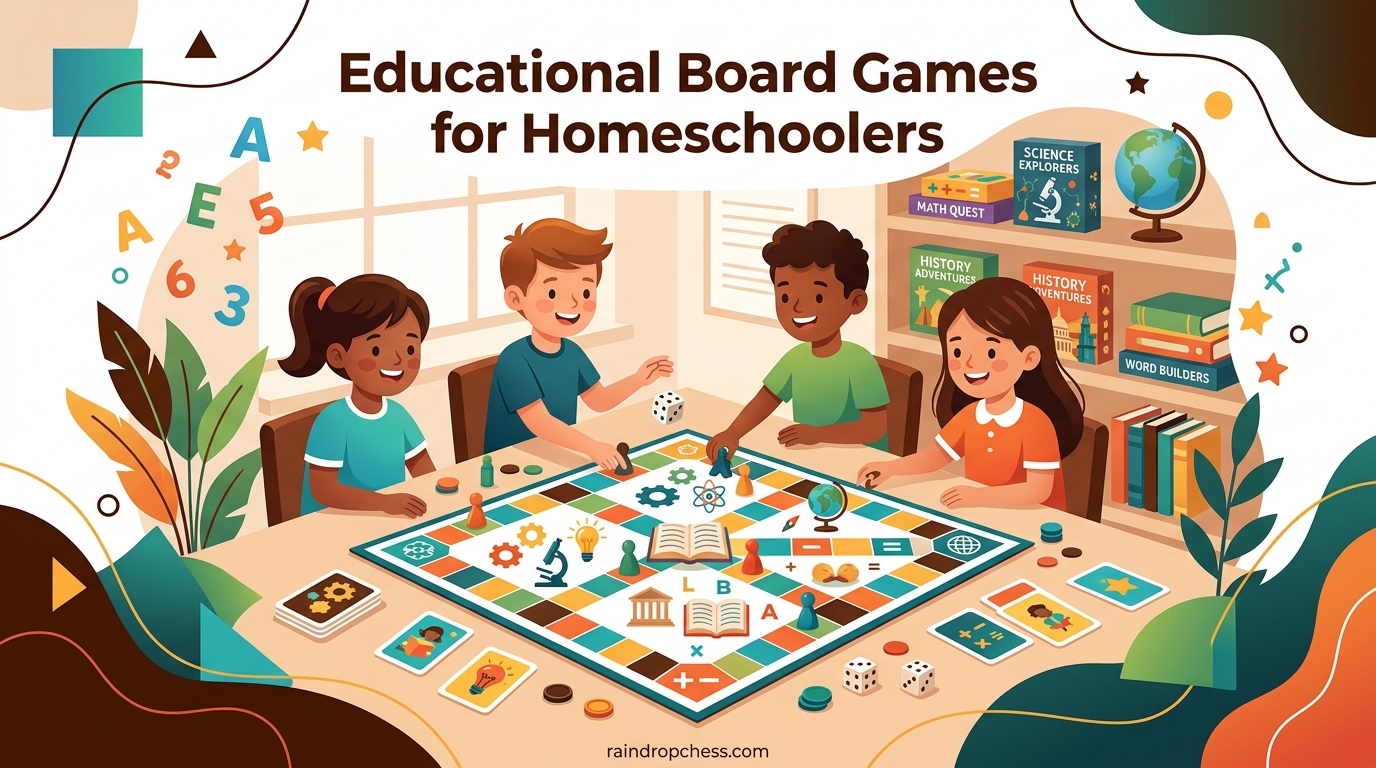
If there is one thing our homeschool routine was missing, it was joy during the subjects my kids found tedious. Worksheets for math? Groans. Flash cards for sight words? Eye rolls. But the moment I introduced board games into our school day, everything shifted. My kids started asking to practice spelling and begged for “just one more round” of math. That is the power of gameschooling, and finding the best educational board games for homeschoolers can completely change how your children learn.
Our team spent three months testing over 40 board games with kids ranging from ages 4 to 12. We evaluated each game for its educational depth, replayability, durability, and whether kids actually wanted to keep playing after the first session. We narrowed the field down to 15 standout picks that cover math, reading, spelling, logic, geography, science, and critical thinking.
Whether you are building a full gameschooling curriculum or just want a few quality games to supplement your lessons, this guide covers every subject and age group. We included cooperative options for families who prefer teamwork over competition, solo games for independent study time, and multi-age picks that work when your 5-year-old and 10-year-old play together.
Table of Contents
Top 3 Picks for Best Educational Board Games for Homeschoolers
Learning Resources Sight Word Swat
- 220 Dolch Words
- Ages 5+
- Up to 4 Players
- Color-Coded Levels
Best Educational Board Games for Homeschoolers in 2026
| Product | Specifications | Action |
|---|---|---|
 Bananagrams My First Bananagrams My First |
|
Check Latest Price |
| Sum Swamp |
|
Check Latest Price |
| Sight Word Swat |
|
Check Latest Price |
 ThinkFun Zingo Bingo ThinkFun Zingo Bingo |
|
Check Latest Price |
 Zingo 1-2-3 Number Bingo Zingo 1-2-3 Number Bingo |
|
Check Latest Price |
 Peaceable Kingdom Alphabet Bingo Peaceable Kingdom Alphabet Bingo |
|
Check Latest Price |
 Math Island Math Island |
|
Check Latest Price |
 ThinkFun Gravity Maze ThinkFun Gravity Maze |
|
Check Latest Price |
 Race Across the USA Race Across the USA |
|
Check Latest Price |
 Wildcraft! Wildcraft! |
|
Check Latest Price |
 Money Bags Coin Value Money Bags Coin Value |
|
Check Latest Price |
 Scrabble Junior Scrabble Junior |
|
Check Latest Price |
 Mathemagical World Mathemagical World |
|
Check Latest Price |
 Number Hunter Math Number Hunter Math |
|
Check Latest Price |
 Skillmatics Rapid Rumble Skillmatics Rapid Rumble |
|
Check Latest Price |
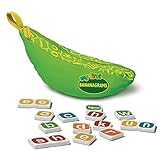
1. Bananagrams My First – Best Overall for Early Literacy
Bananagrams My First, Lowercase Letter Word Game for Ages 4+
Ages 4+
1-4 Players
Phonics & Spelling
80 Letter Tiles + 13 Combo Tiles
Portable Banana Pouch
Pros
- Builds early literacy through phonics
- No waiting or turn-taking needed
- Portable travel-friendly pouch
- Screen-free hands-on engagement
- 91% five-star reviews
Cons
- Lacks wild monkey tiles from original version
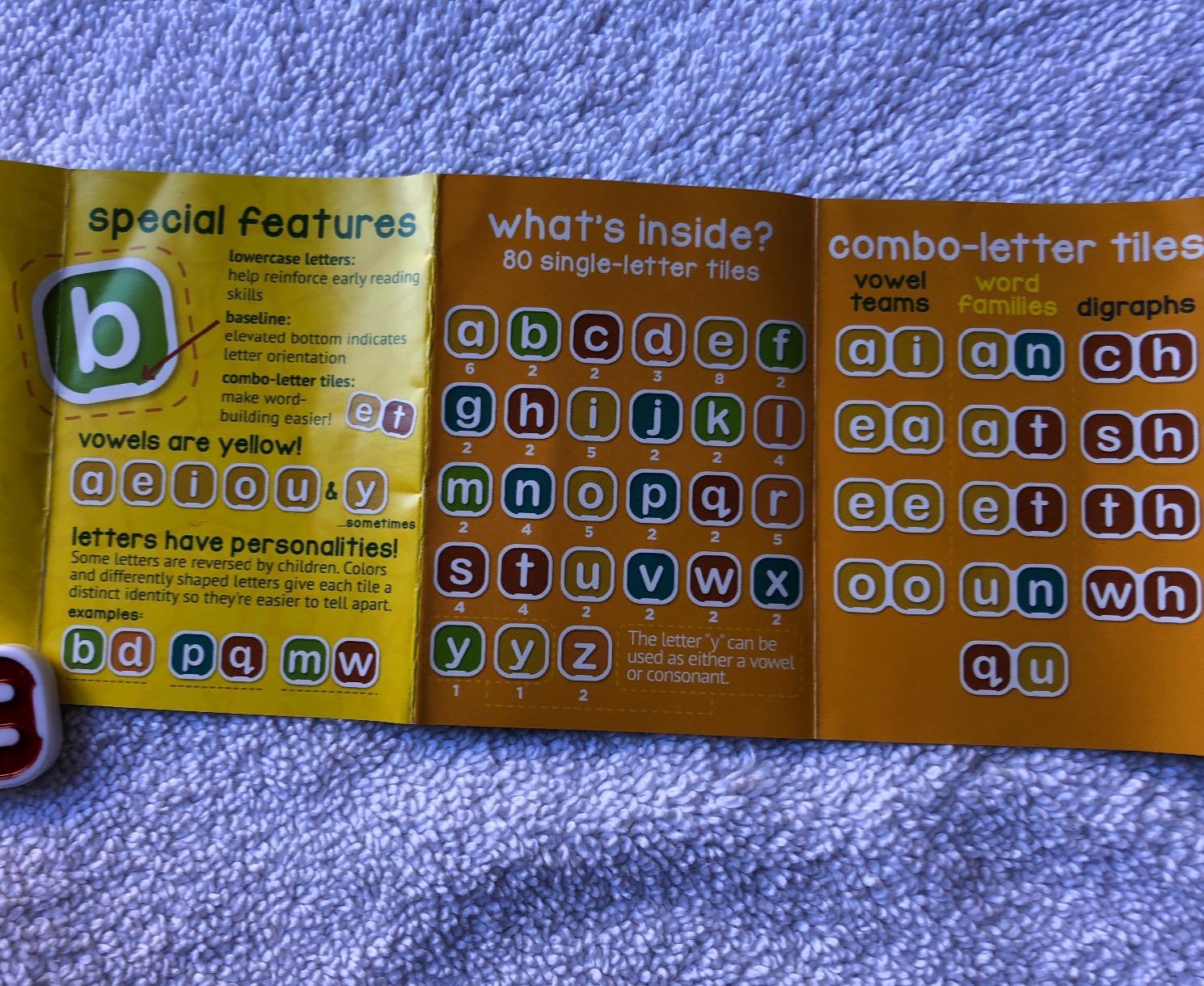
I introduced Bananagrams My First to my 4-year-old during our language arts block, and within a week she was building short words independently. The game uses combo-letter tiles that link letters together, which makes it less intimidating for kids who are just starting to understand how sounds form words. With over 38,000 reviews and a 4.8-star rating, this is one of the most trusted literacy games available.
What sets this apart from other spelling games is the pacing. There are no turns to wait through, so every child stays engaged the entire time. My kids race to build their own word grids simultaneously, and the energy stays high throughout. The green banana pouch holds 80 single letter tiles and 13 combo-letter tiles, and it has held up perfectly after six months of daily use in our homeschool.
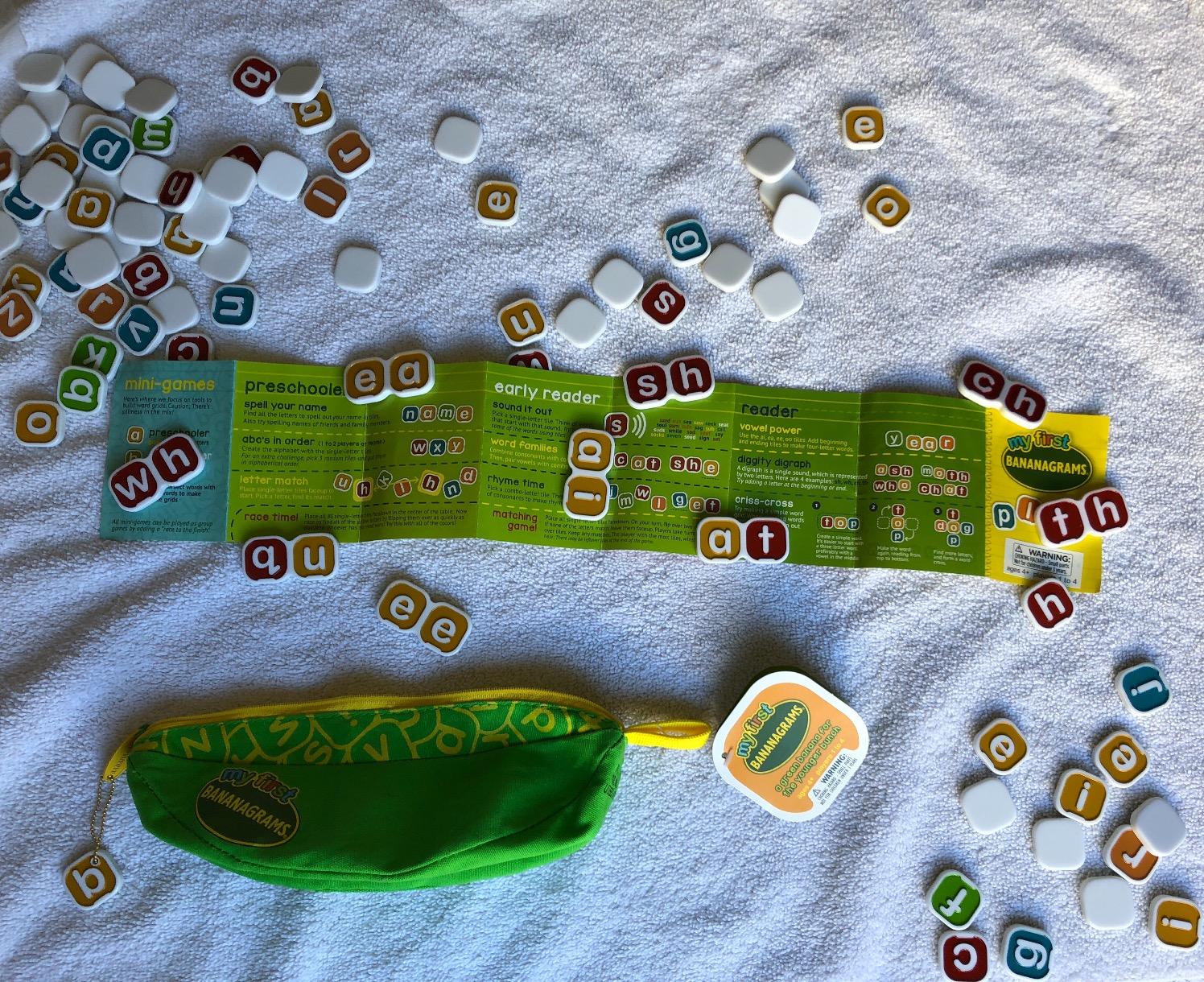
The educational value here goes beyond simple letter recognition. Kids practice phonemic awareness, sequential thinking, and spatial planning as they fit tiles together. I have watched my daughter progress from matching single letters to constructing three-letter words over the course of about three weeks. The combo-letter tiles (like “TH”, “SH”, and “CH”) give kids a head start on digraphs before they even encounter them in formal phonics lessons.
Who Should Pick This Game
Families with pre-readers and early readers ages 4 to 7 will get the most value from Bananagrams My First. It works beautifully as a warm-up activity before structured phonics lessons or as a standalone language arts supplement. If you want a portable game that kids can play independently or in small groups during homeschool hours, this is the one to get.
Who Might Want Something Else
Older children who are already reading fluently will outgrow this quickly. If your kids are ages 8 and up, the classic Bananagrams or Scrabble Junior would be a better fit. Also, if you specifically need a competitive game with winners and losers, this is more of a collaborative word-building activity.
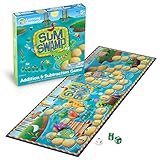
2. Learning Resources Sum Swamp – Best Math Board Game for Beginners
Learning Resources Sum Swamp Game Addition & Subtraction Board Game – Educational Homeschool, Elementary Math Classroom Must Haves, Kindergarten, Gifts for Kids, Numbers for Boys and Girls
Ages 5+
2-4 Players
Addition & Subtraction
Includes Gameboard, 4 Pieces, 3 Dice
10 x 10 x 1.5 Inches
Pros
- Makes math feel like an adventure
- Replaces tedious worksheets
- Durable gameboard and pieces
- 89% five-star reviews
- Introduces even and odd numbers
Cons
- Max math fact is 6+6
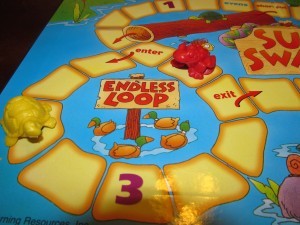
- Endless loop can stall players
- Pieces feel like pencil toppers
Sum Swamp turned our math block from tears to laughter. My kindergartener was resisting addition drills, but the moment we started rolling dice and navigating swamp creature game pieces across the board, math became a game instead of a chore. With 5,640 reviews and a 4.8 rating, thousands of homeschool families have had the same experience.
The gameplay is straightforward: roll two number dice and one operation die, solve the equation, and move that many spaces. The swamp-themed board includes special spaces for even and odd number shortcuts. I noticed my son started recognizing number patterns within the first week of playing. The short game sessions (about 15 minutes) fit perfectly into a homeschool schedule without wearing out young attention spans.
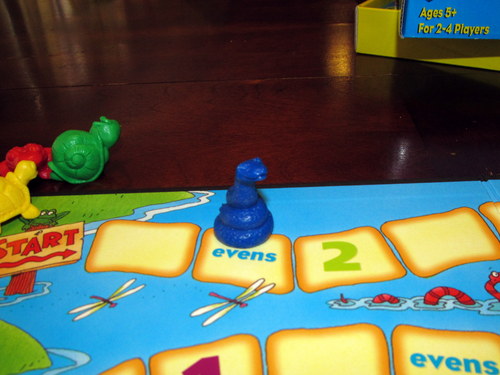
After two months of playing Sum Swamp three times a week, my son’s addition fluency improved dramatically. He went from counting on fingers to solving equations in his head. The game also naturally introduces the concept of even and odd numbers, which gave us a natural springboard into a math lesson I had planned for later in the year.
Who Should Pick This Game
Homeschool families with children ages 5 to 7 who are just beginning addition and subtraction will benefit most from Sum Swamp. It is especially helpful for kids who resist traditional math worksheets and need a hands-on approach. If you want a math game that plays quickly and does not require lengthy setup, this is an excellent choice.
Who Might Want Something Else
Children who have already mastered basic addition facts up to 12 may find this too simple, since the maximum equation is 6+6. Parents of advanced math learners might want to swap in higher-numbered dice to extend the challenge, but the base game is really designed for beginners.
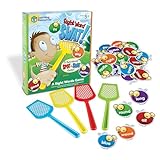
3. Learning Resources Sight Word Swat – Best Budget Pick for Reading
Learning Resources Sight Word Swat A Sight Words Game – Phonics Flash Cards, Board Games for Kids, Montessori Spelling, Homeschool, Classroom Must Haves, Teacher Supplies, Gifts for Boys and Girls
Ages 5+
Up to 4 Players
220 Dolch Sight Words
110 Double-Sided Flies
4 Swatters
Pros
- Active kinesthetic learning
- Color-coded by grade level
- Highly durable components
- 83% five-star reviews
- Great for classroom or home
Cons
- Only 4 swatters included
- Cards may peel with heavy use
Sight Word Swat is the game that finally got my reluctant reader to practice sight words without complaining. The concept is brilliant in its simplicity: call out a word, and kids race to swat the matching fly. The physical swatting motion turns passive reading practice into an active, high-energy activity. With over 10,000 reviews and an 83% five-star rate, this game has proven itself in thousands of homeschool settings.
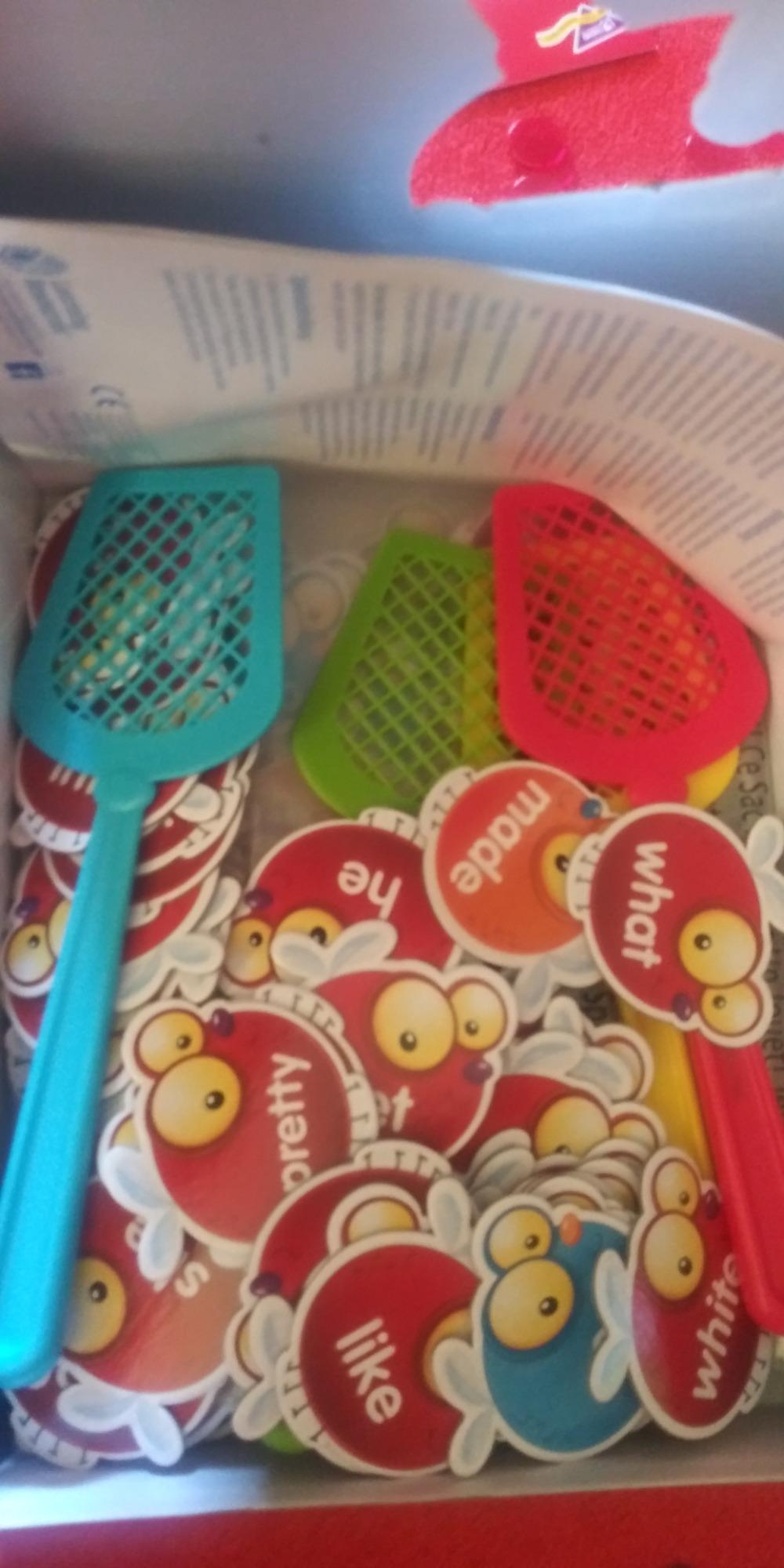
The 110 double-sided flies cover all 220 Dolch sight words, and they are color-coded by difficulty level. Blue covers pre-primer, red is primer, green is first grade, orange is second grade, and purple is third grade. This color system made it easy for me to differentiate instruction when my kids were at different reading levels. I could hand my younger child the blue flies while my older child worked through the green ones during the same game session.
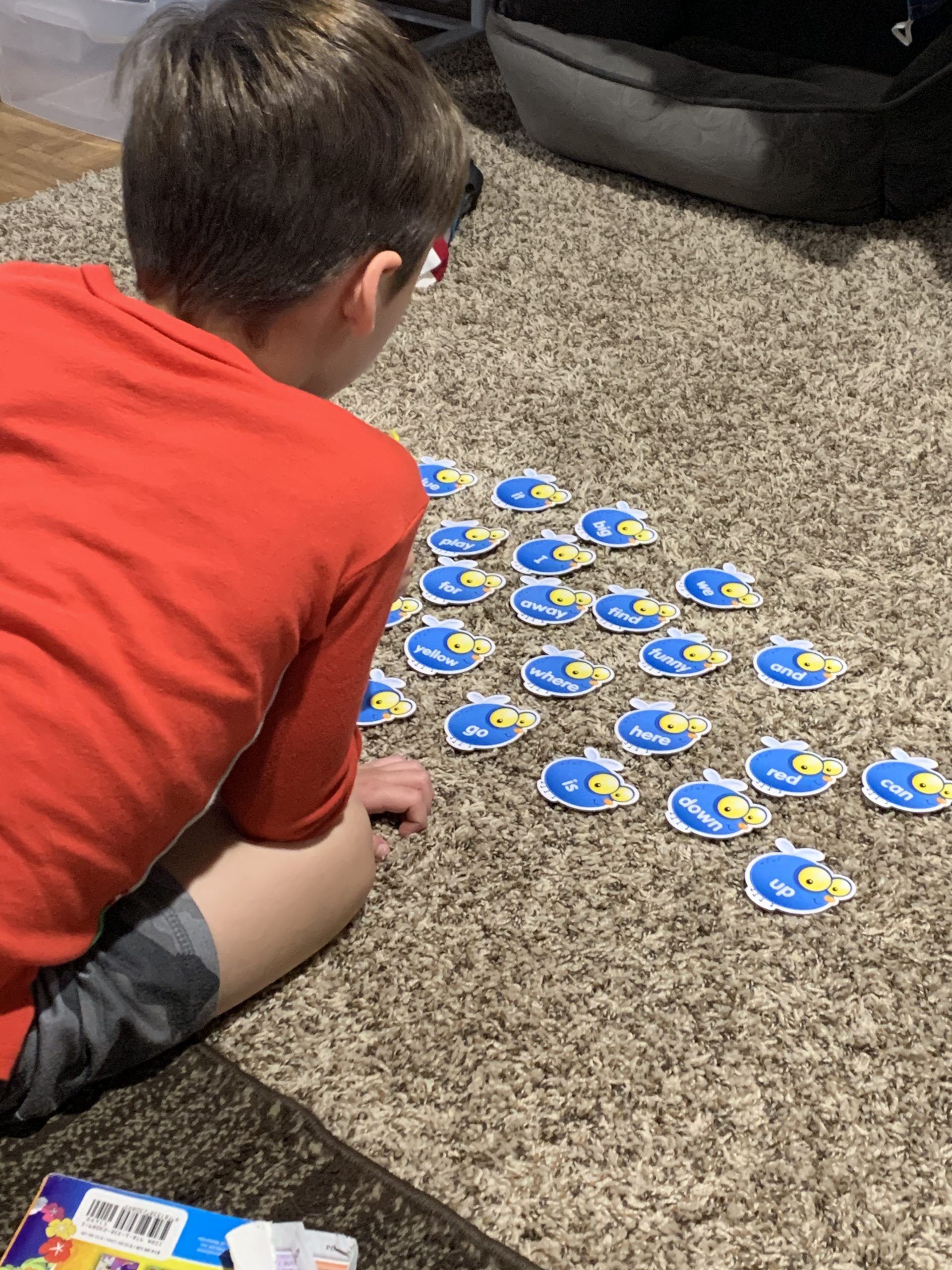
The durability impressed me. After four months of daily swatting, the flies and swatters show minimal wear. My kids have pressed, bent, and enthusiastically smashed those swatters against the table hundreds of times, and they still work perfectly. The cards are thick enough that they do not tear easily, though I have noticed slight peeling on a few heavily used ones.
Who Should Pick This Game
Homeschool families with children ages 5 to 10 who need engaging sight word practice will love this game. It works particularly well for kinesthetic learners who need movement to stay focused. If you are on a budget and want a proven reading tool that costs less than a set of flashcards but delivers far more engagement, Sight Word Swat is hard to beat.
Who Might Want Something Else
Families with more than 4 children playing simultaneously will need to take turns or buy a second set, since only 4 swatters are included. Also, if your child is already reading fluently at a third-grade level or above, the Dolch word set will not offer enough challenge.
4. ThinkFun Zingo Bingo – Best for Pre-Readers and Early Readers
ThinkFun Zingo Bingo Award Winning Preschool Game for Pre-Readers and Early Readers Age 4 and Up – One of the Most Popular Board Games for Boys and Girls and their Parents (97700)
Ages 4+
2-6 Players
Reading & Matching
72 Double-Sided Tiles
Includes Zinger Device
Pros
- Award-winning design
- Supports up to 7 players with extra card
- Unique Zinger device delights kids
- 87% five-star reviews
- Two levels of play
Cons
- Delivery issues in rare cases
Zingo Bingo was the first educational game I added to our homeschool rotation, and three years later it still comes out every week. The Zinger device that dispenses tiles is endlessly fascinating to young kids, and the matching mechanic builds vocabulary and reading skills without children even realizing they are learning. With 17,253 reviews and a 4.8 rating, this is one of the most popular educational games on the market.
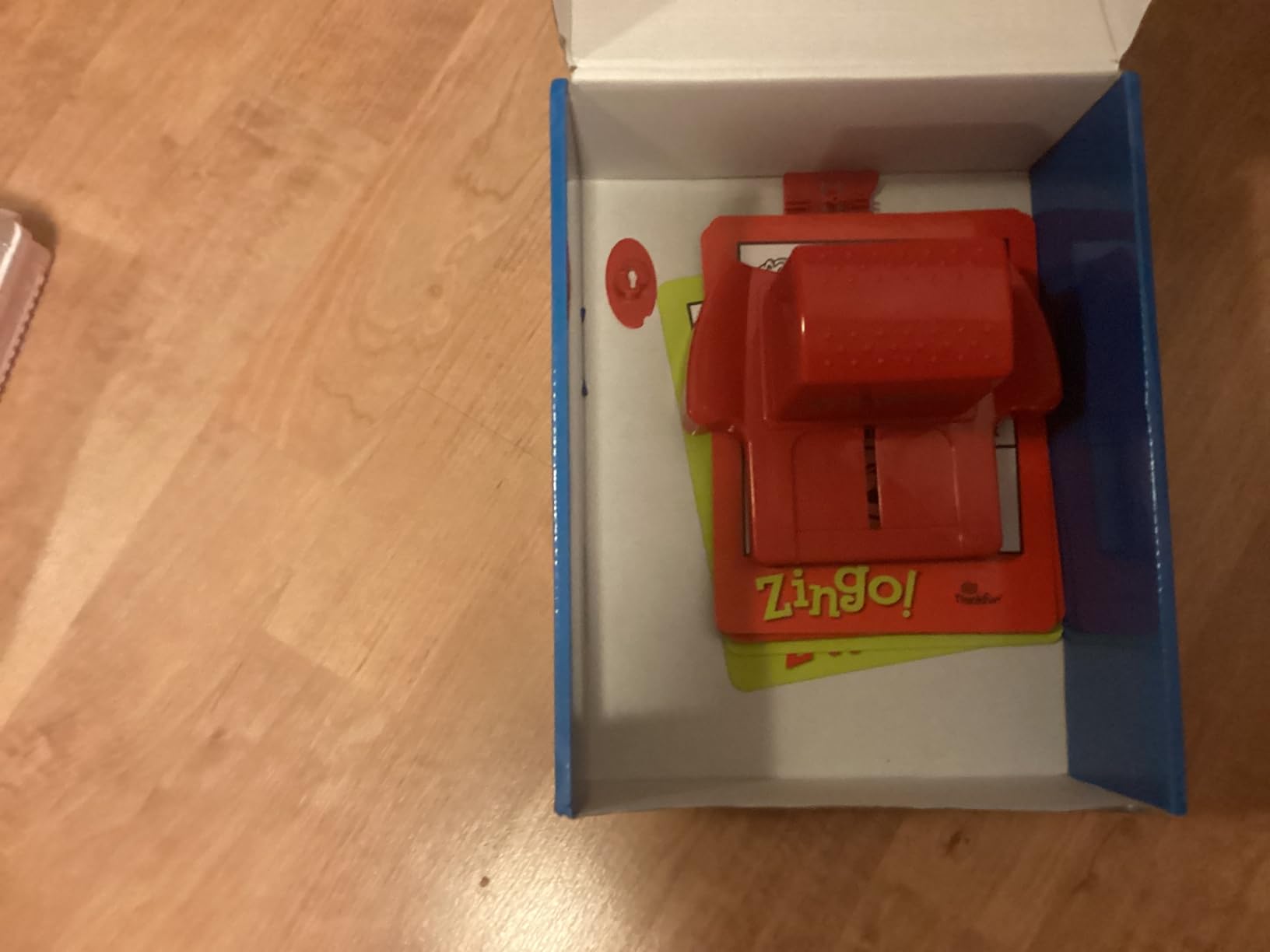
The game includes 6 double-sided cards with two difficulty levels, so it grows with your child. The beginner side uses pictures alongside words, while the advanced side removes the picture clues. I started my daughter on the picture side at age 3, and by age 5 she had graduated to the word-only side. That kind of built-in progression is exactly what homeschool families need.
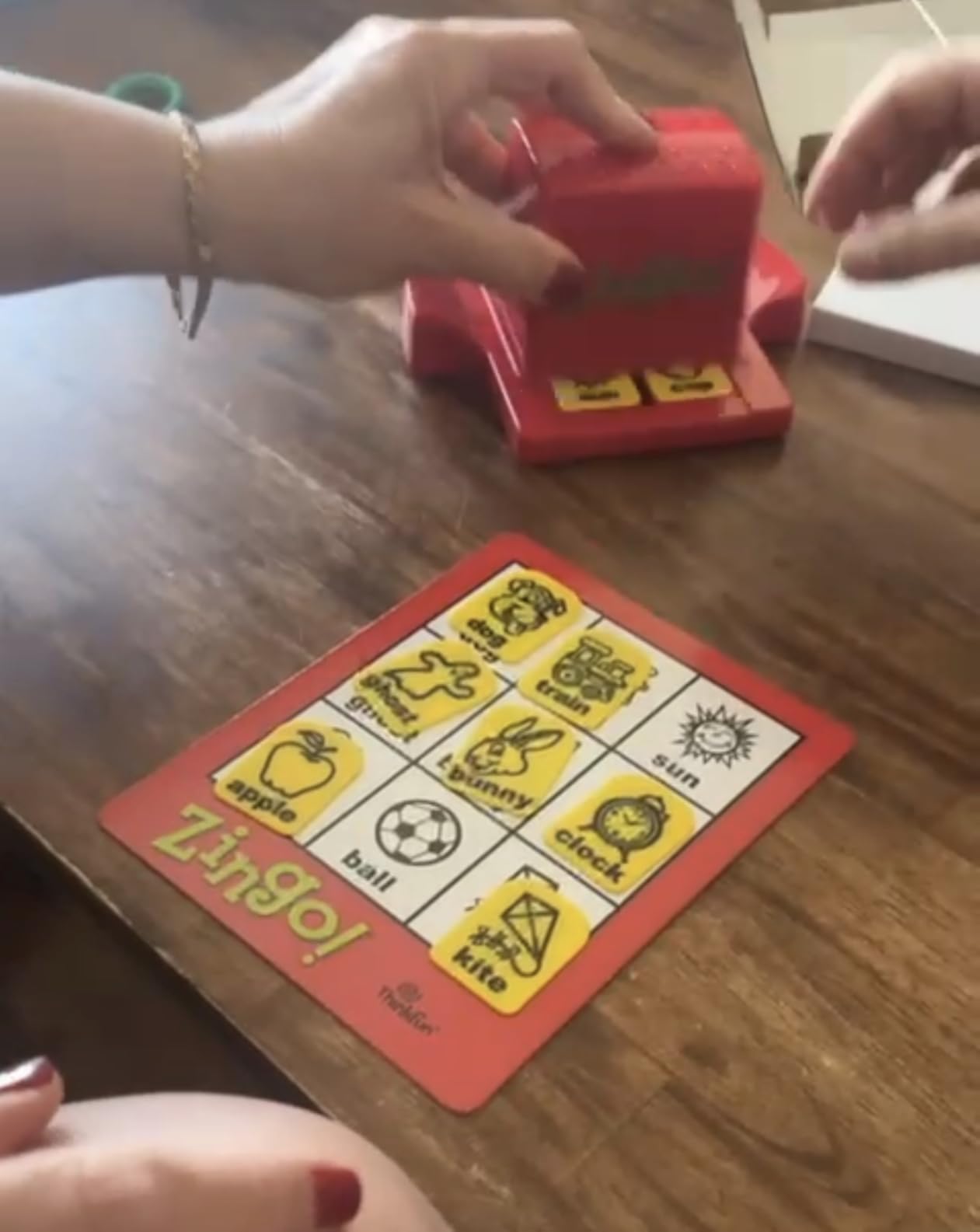
The Zinger mechanism deserves special mention because it keeps kids engaged in a way that simple card draws never could. My kids fight over who gets to operate the Zinger each round. The tiles are sturdy plastic that has survived being dropped, stepped on, and chewed on by a toddler sibling. After three years of regular use, nothing has broken.
Who Should Pick This Game
Families with pre-readers ages 3 to 6 will get the most out of Zingo Bingo. It is especially good for children who are just starting to associate words with images. If you want a game that siblings of different ages can play together, the two-level system makes this possible without anyone feeling bored or overwhelmed.
Who Might Want Something Else
Children who are already reading chapter books independently may find Zingo too simple. The vocabulary is limited to common early-reader words, so there is not much educational value for kids beyond first-grade reading level.
5. ThinkFun Zingo 1-2-3 Number Bingo – Best for Number Sense
Think Fun Zingo 1-2-3
Ages 5+
2-6 Players
Counting & Addition
72 Double-Sided Tiles
Award-Winning
Pros
- Builds counting and number sense
- Stealth learning through play
- Durable plastic pieces
- Works for special needs therapy
- 83% five-star reviews
Cons
- No visual pictures like original Zingo
After loving the original Zingo, I picked up the number version for our math lessons. Zingo 1-2-3 uses the same satisfying Zinger mechanic but focuses on counting, simple addition, and number recognition. My kids took to it immediately because they already loved the Zinger, and the number format gave us a way to practice math facts without worksheets.
The game develops what teachers call “number sense,” which is the intuitive understanding of how numbers relate to each other. Instead of just memorizing that 5+3=8, kids start to feel the relationship between quantities. I noticed my son began estimating sums correctly before he even counted, which showed me the game was building genuine mathematical intuition.
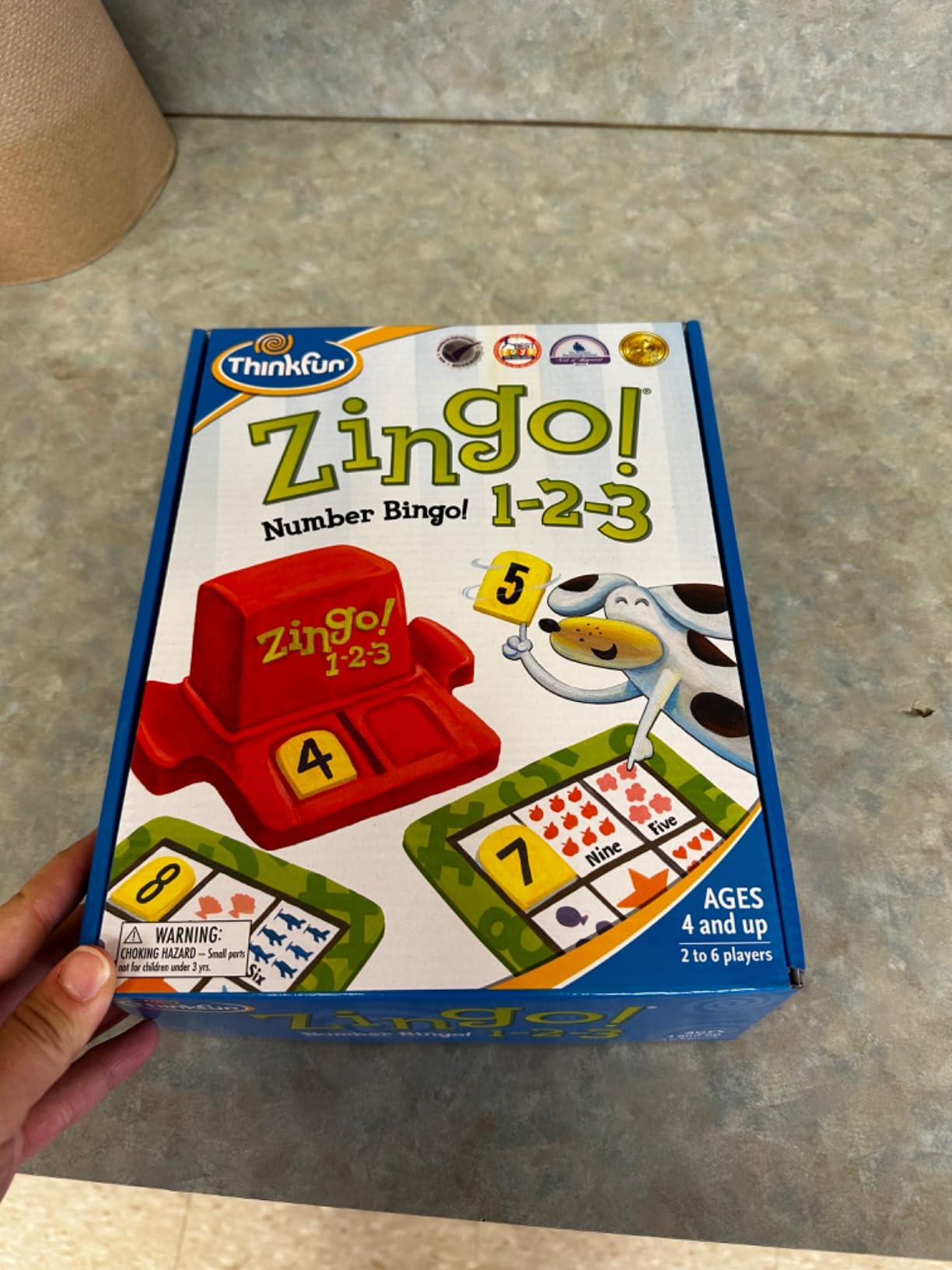
One detail I appreciate is the quality of the components. The playing boards are thick and coated, so they resist spills and bending. The plastic tiles are large enough for small hands to grab easily. I have seen reviews from parents of special needs children who report this game works well in therapy settings because of the tactile Zinger mechanism and clear visual design.
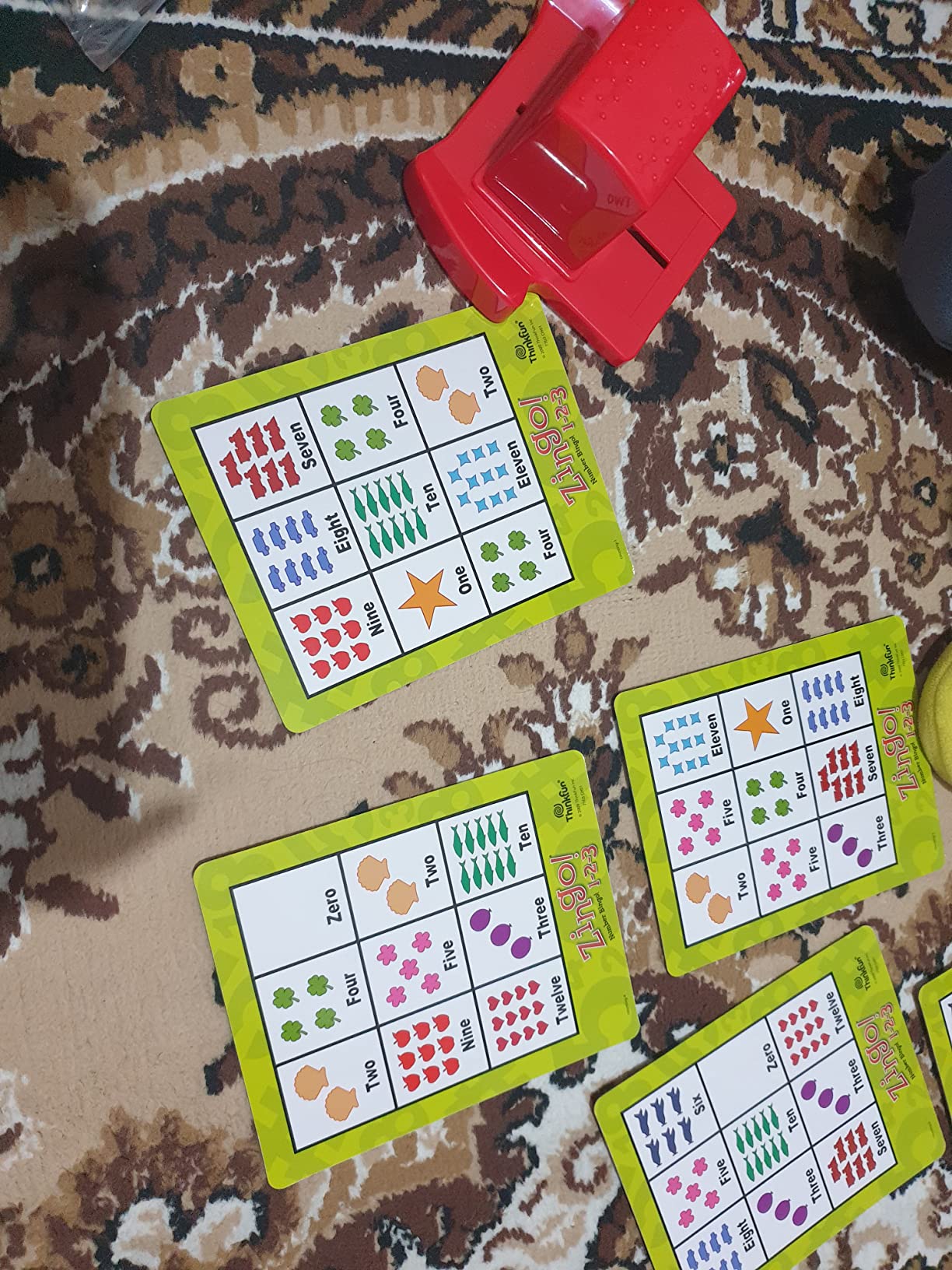
Who Should Pick This Game
Families with children ages 5 to 8 who are building foundational number skills will get the most from Zingo 1-2-3. It is also an excellent choice for special needs education or occupational therapy settings. If your child enjoyed the original Zingo and needs math practice, this is the natural next step.
Who Might Want Something Else
Unlike the original Zingo, this version does not include picture clues on the tiles, so children who are not yet recognizing numbers independently may need more support. If your child needs picture-based number learning, look at games like Sum Swamp instead.
6. Peaceable Kingdom Alphabet Bingo – Best for Letter Recognition
Peaceable Kingdom Alphabet Bingo! Letter Learning Educational Board Game for 2 to 6 Kids Ages 4+
Ages 4+
2-6 Players
Letter Recognition
6 Double-Sided Boards
26 Letter Tokens + 72 Chips
Pros
- Multiple game variations included
- Oppenheim Gold Award winner
- Cooperative bingo option available
- Colorful and durable cards
- Effective letter learning tool
Cons
- Requires adult supervision for young kids
- Small pieces could get lost
Alphabet Bingo fills a specific gap in our homeschool: letter recognition for the preschool years. While many games jump straight to sight words or spelling, this one focuses purely on learning the alphabet, uppercase letter recognition, and letter-object association. It won the Oppenheim Toy Portfolio Gold Award, and after using it with my own children, I understand why.
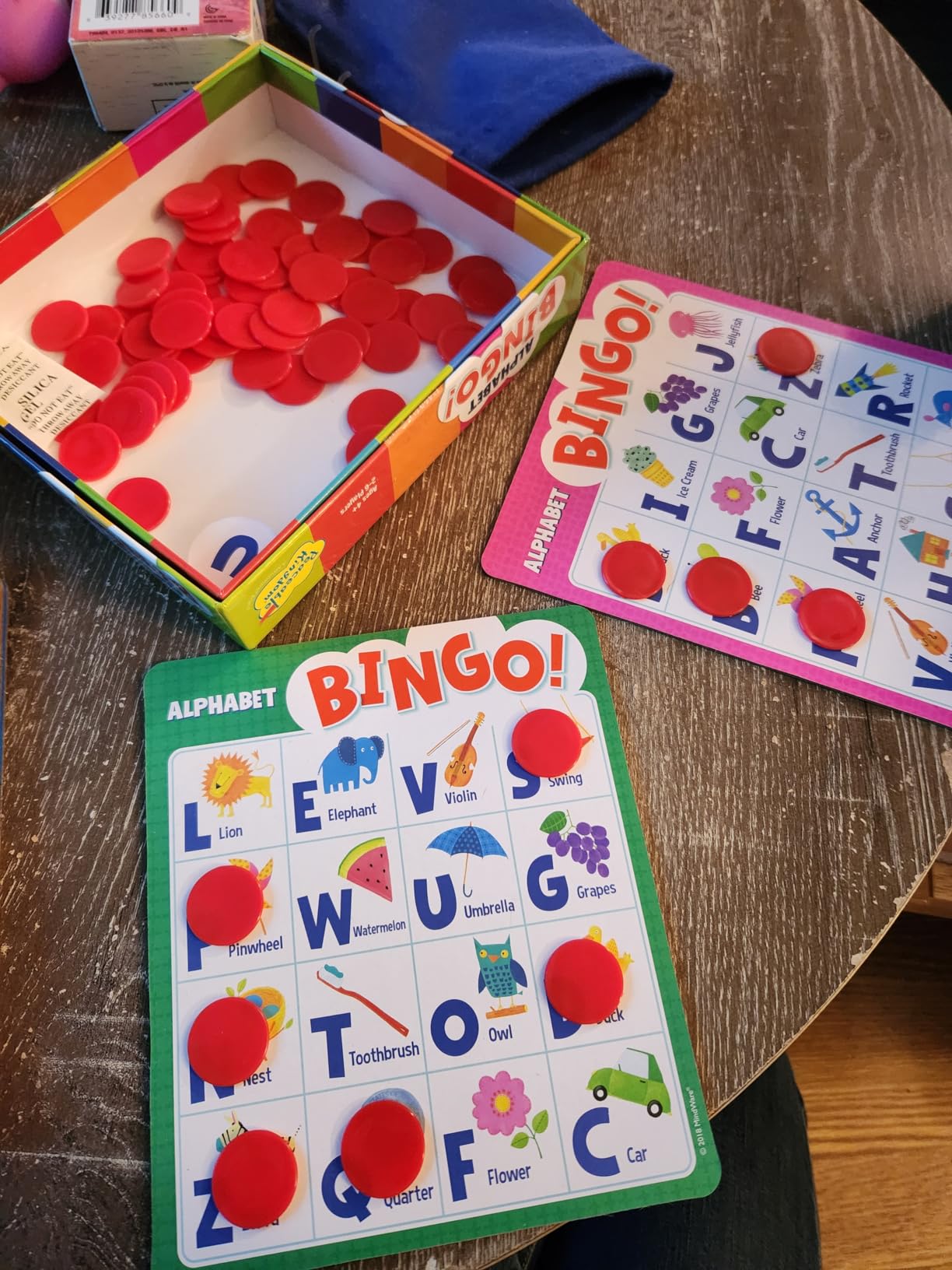
The game includes three different play modes: Letter Sound Bingo, Cooperative Bingo, and Picture Bingo. Having these variations means the game stays fresh across months of use. Letter Sound Bingo focuses on phonetic awareness, Cooperative Bingo eliminates the pressure of competition, and Picture Bingo connects letters to familiar objects. I rotated through all three modes during different weeks of our preschool curriculum.
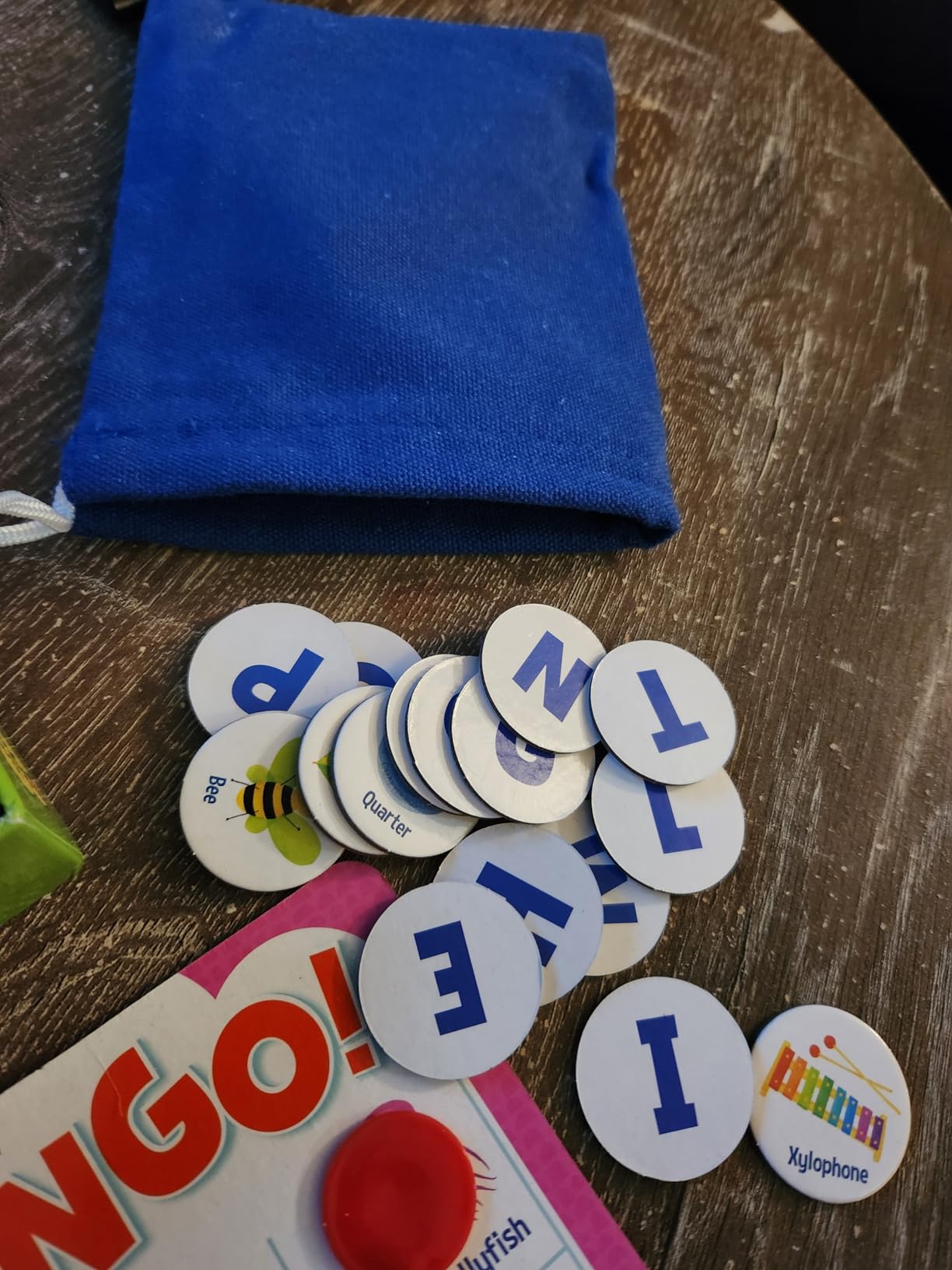
The components are solid for the price point. The double-sided game boards are colorful and engaging, and the letter tokens are chunky enough for small hands. My 4-year-old loves flipping the tokens to reveal which letter to find on her board. The cooperative mode is especially valuable for homeschool families because it encourages siblings to help each other rather than compete.
Who Should Pick This Game
Homeschool families with children ages 4 to 6 who are learning the alphabet and letter sounds will find this game invaluable. It is perfect for families who prefer cooperative play over competition. If you want multiple game modes in a single box to keep preschool learning varied, Alphabet Bingo delivers excellent variety.
Who Might Want Something Else
Children who have already mastered all 26 letters and their sounds will not get much educational value from this game. Also, families concerned about small pieces around toddlers should be aware the 72 chips and 26 tokens are easy to lose or create choking hazards.
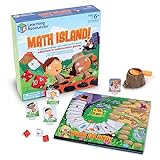
7. Learning Resources Math Island – Best for Addition and Subtraction Adventure
Learning Resources Math Island Addition & Subtraction Game – Math Manipulatives, Educational Board Toys, Classroom Flash Cards , Volcano Toy, STEM Kids, Gifts for Boys And Girls , Montessori
Ages 6+
2-4 Players
Addition & Subtraction
Includes Volcano Popper
10 x 10 x 2.6 Inches
Pros
- Volcano popper launches dice
- Builds math confidence quickly
- High quality sturdy components
- Homeschool favorite
- Exciting island adventure theme
Cons
- Large point gaps possible between players
- Beginners may need extra manipulatives
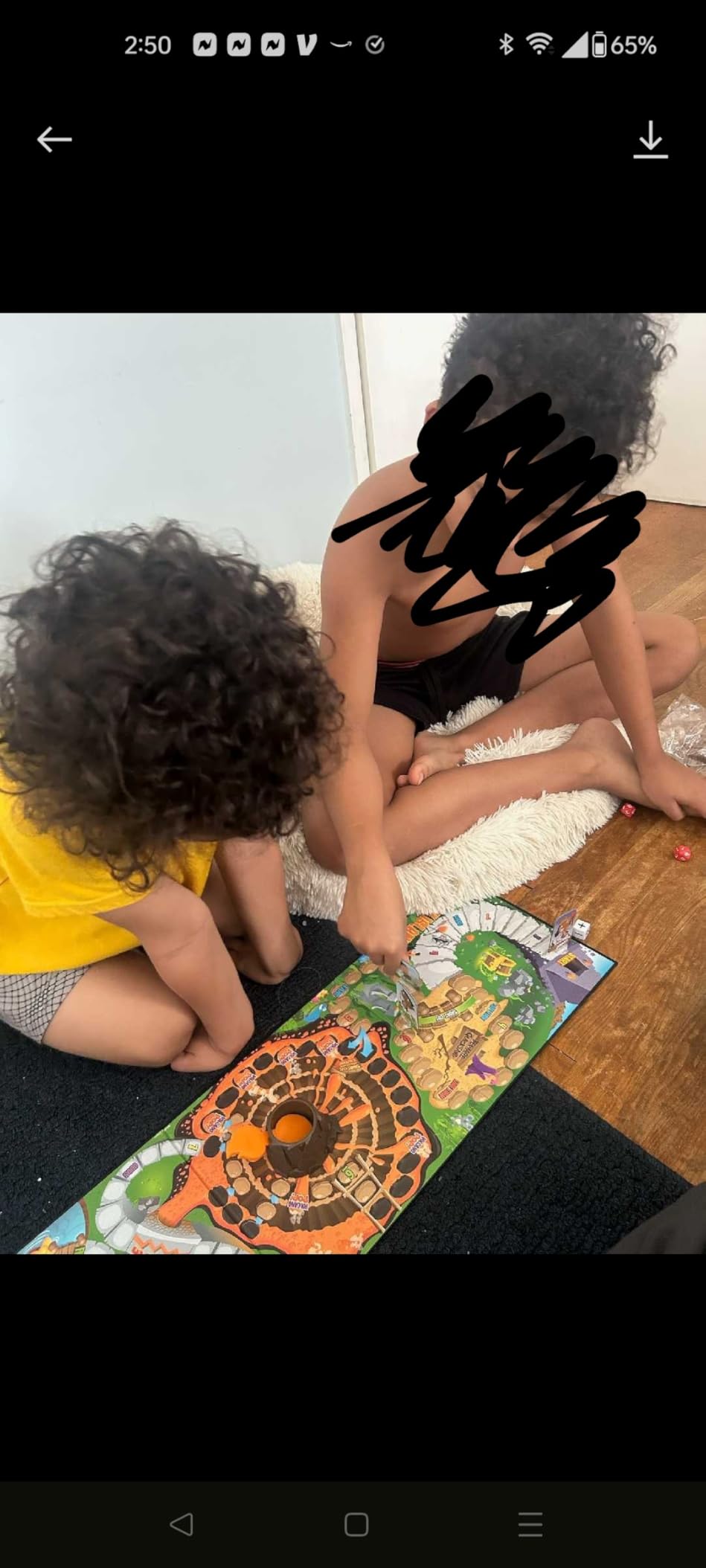
Math Island brings a sense of adventure to arithmetic practice that I have not found in any other math board game. The volcano popper that launches the dice is the highlight. Every time my kids land on a volcano space, they get to press the popper, and the excitement on their faces makes math practice feel like playtime instead of schoolwork.
The game board is well-designed with colorful island graphics that keep kids visually engaged. Players roll two number dice and one operation die, solve the equation, and move forward. The included game pieces are sturdy and easy for small hands to manipulate. With 999 reviews and a 4.8 rating, this newer game is quickly becoming a homeschool staple.
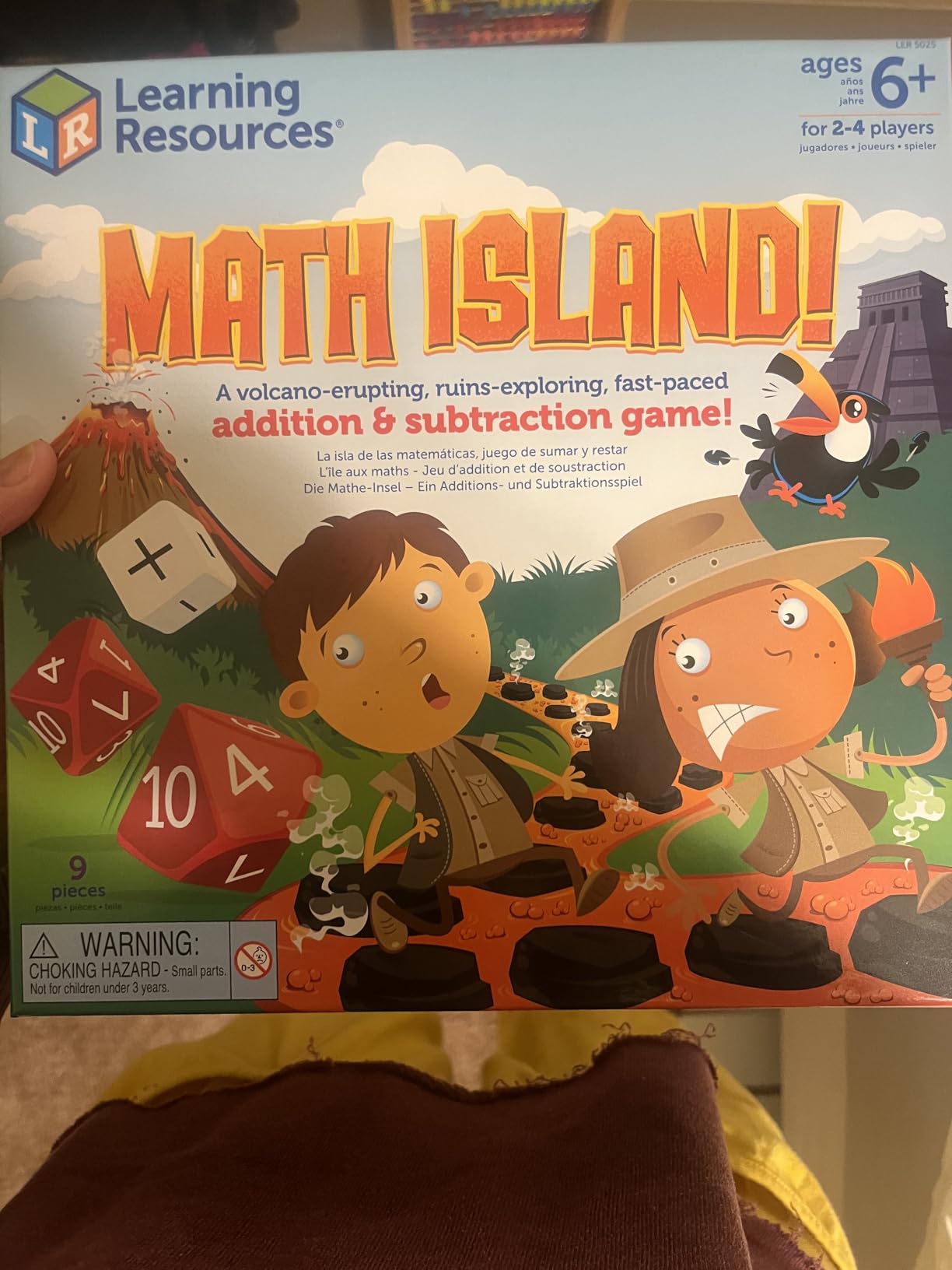
I appreciate that Math Island includes enough variety in its equations to keep kids challenged. The operation die introduces unpredictability, so children have to stay alert and think on their feet. After a month of playing twice a week, I noticed my first grader solving equations faster and with more confidence during our regular math lessons.
Who Should Pick This Game
Families with children ages 6 to 9 who need engaging addition and subtraction practice will benefit most from Math Island. If your kids enjoyed Sum Swamp but have outgrown it, this is the natural upgrade. The volcano theme appeals to kids who like adventure and action in their games.
Who Might Want Something Else
Children who struggle significantly with basic arithmetic may need additional support or manipulatives alongside this game, since the pace can be fast. Also, families looking for multiplication or division practice should look at other options, as this game focuses solely on addition and subtraction.
8. ThinkFun Gravity Maze – Best Logic and STEM Game
ThinkFun Gravity Maze – Falling Marble Logic Game – Challenging STEM Toy for Kids 8-12 – Gravity Marble Maze – Brain-Building Fun – Educational Gift – Boosts Critical Thinking & Problem Solving
Ages 8+
Single Player
60 Puzzle Cards
9 Towers + 3 Marbles
Spatial Reasoning
Pros
- Builds critical thinking and spatial reasoning
- 60 progressive challenges from beginner to expert
- Award-winning STEM puzzle
- Satisfying marble drop mechanic
- Great for solo or family collaboration
Cons
- May be too easy for advanced kids
- Requires patience and focus
- Challenging for kids under 8
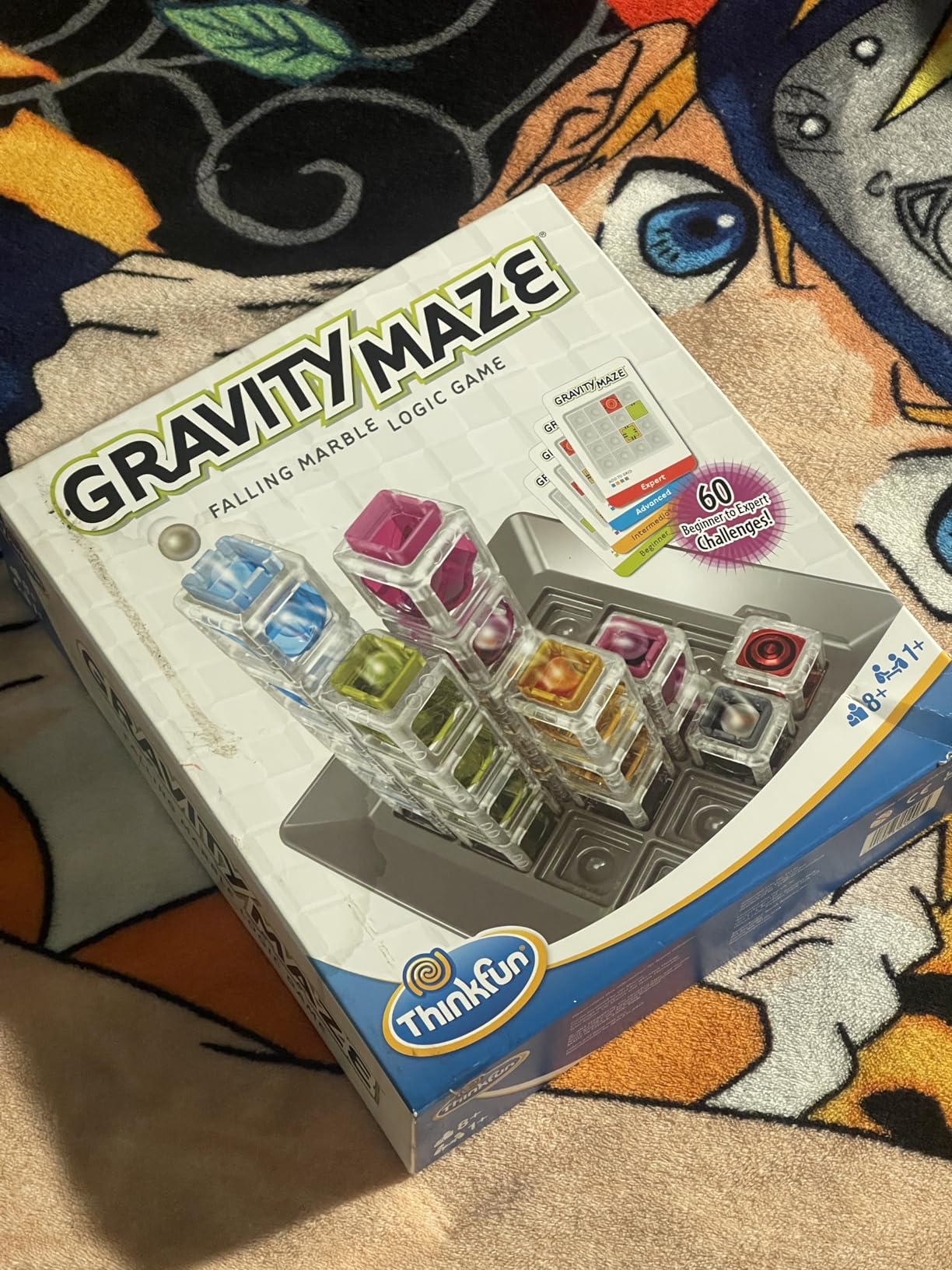
Gravity Maze is the game my kids pull out during independent study time, and it is the one I feel best about because it genuinely builds spatial reasoning and logical thinking. The concept is elegant: arrange 9 tower pieces on a grid so that a marble travels from the start position to the target. With 37,555 reviews and counting, this is one of the best-selling STEM games available.
The 60 challenge cards progress from beginner to expert, and the difficulty curve is well-calibrated. My 8-year-old breezed through the first 20 puzzles but has been working on the expert-level challenges for weeks. That kind of sustained engagement is rare in educational games, and it means the game delivers long-term value for your homeschool.

What makes Gravity Maze special from a homeschool perspective is that it teaches planning, hypothesis testing, and spatial reasoning without any reading or math prerequisites. My daughter who struggles with reading confidence can tackle these puzzles and feel successful. The satisfying marble-drop payoff when she solves a puzzle reinforces persistence in a way that worksheets never could.
Who Should Pick This Game
Homeschool families with children ages 8 to 14 who need logic and critical thinking enrichment will love Gravity Maze. It is perfect for independent study time when you need one child occupied while you work with another. If you want a screen-free STEM activity that genuinely challenges spatial reasoning, this is the gold standard.
Who Might Want Something Else
Children under 8 may find the puzzles frustrating, even at the beginner level, because spatial reasoning develops at different rates. Also, families looking for a multiplayer competitive game should note this is primarily a solo puzzle experience, though siblings can collaborate on harder challenges.
9. University Games Race Across the USA – Best Geography Game
University Games, Scholastic Race Across the USA Board Game , Geography Learning Game for Kids and Families, for 2 to 4 Players Ages 8 and Up
Ages 8+
2-4 Players
US Geography
Grade-Appropriate Questions
20 Minute Games
Pros
- Teaches state locations and facts
- Grade-appropriate questions per player
- Great for family game night
- Includes fun state facts
- Promotes multi-grade teamwork
Cons
- Does not focus heavily on state capitals
- Some questions too easy for adults
Geography was the hardest subject to gamify in our homeschool until we found Race Across the USA. The game challenges players to visit six states and answer grade-appropriate questions to advance. What I love most is that each player gets questions matched to their grade level, so my third grader and sixth grader can play together and both be appropriately challenged.
The game board is a colorful map of the United States, and kids learn state locations organically as they plan their routes. After a few weeks of playing, my kids could identify most states on a blank map, which is more than I could say after months of map worksheets. The fun facts on each card make geography feel like discovery rather than memorization.
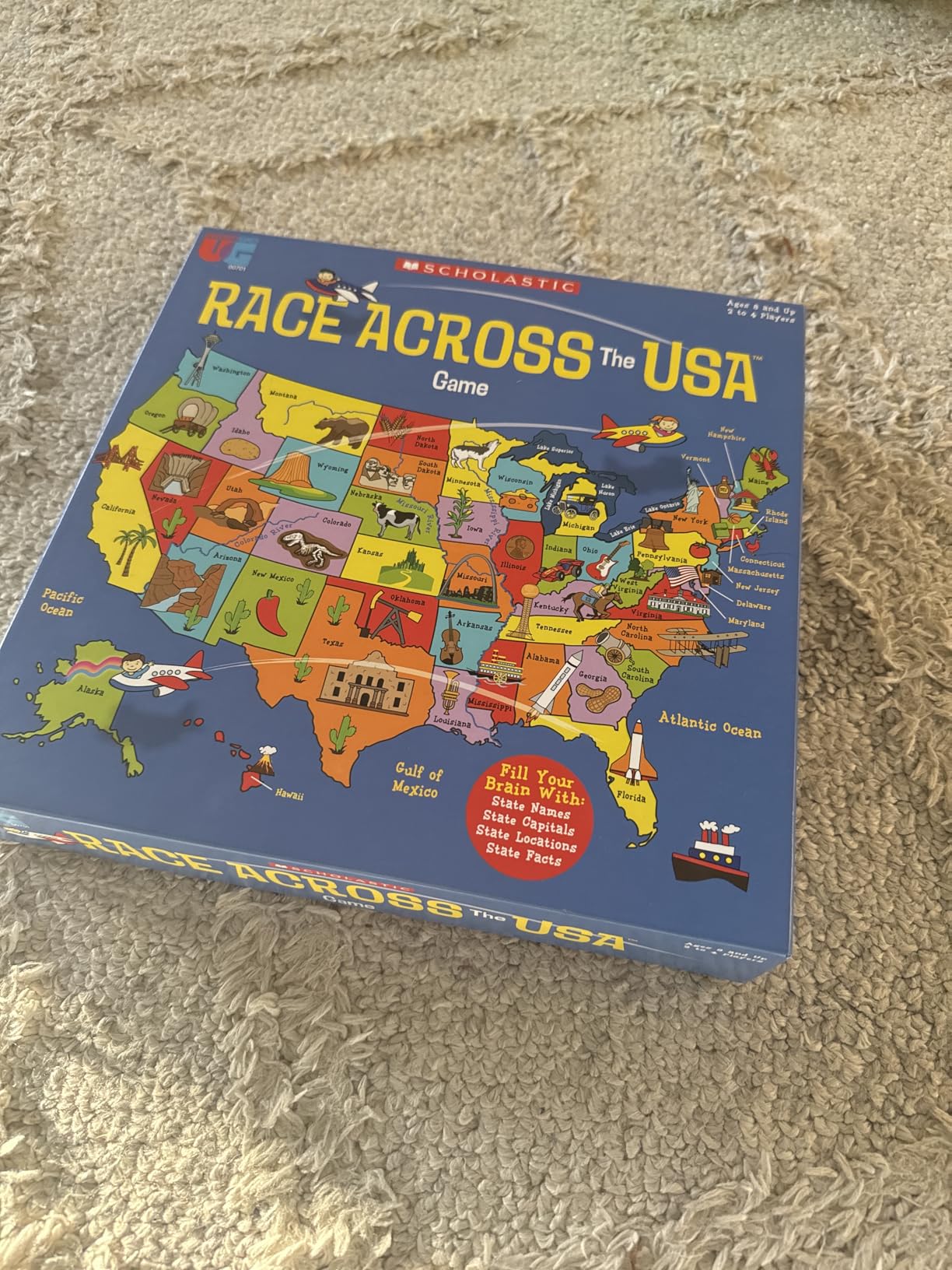
Games typically last about 20 minutes, which fits well into a homeschool schedule. The airplane pawns are a fun touch that kids enjoy moving across the board. I have found that this game works best when I play along and add context to the questions, turning it into a mini geography lesson rather than just a race.

Who Should Pick This Game
Homeschool families with children ages 8 and up who need an engaging way to learn US geography should add this to their collection. It is especially valuable for families with multiple children at different grade levels, since the question system adapts to each player. If your homeschool covers American history or social studies, this game reinforces those lessons through play.
Who Might Want Something Else
Families looking for world geography rather than US-specific content will need a different game. Also, the game does not emphasize state capitals, so if that is a key learning objective you will need supplementary materials.
10. Wildcraft! Board Game – Best Cooperative Nature Game
Wildcraft! Board Game – Cooperative Educational Board Game for Kids 4–6 & Families – Nature & Herb Learning Game – Family Board Games for Kids – Herbal Adventure Cooperative Game
Ages 4+
1-4 Players
Cooperative
Learn 25 Plants & Herbs
Includes Bonus Printable Storybook
Pros
- No reading required
- Teaches 25 edible and medicinal plants
- Cooperative teamwork gameplay
- Sustainable eco-friendly materials
- Bonus storybook and guides included
Cons
- Bonus materials require printing
- Game sessions can run long
Wildcraft! is unlike any other game on this list because it teaches children about real-world plant identification and herbal knowledge. In our homeschool, we use this as part of our nature study block, and it has sparked genuine curiosity about the plants growing in our own backyard. The cooperative design means everyone wins or loses together, which eliminates the tears that competitive games sometimes produce.
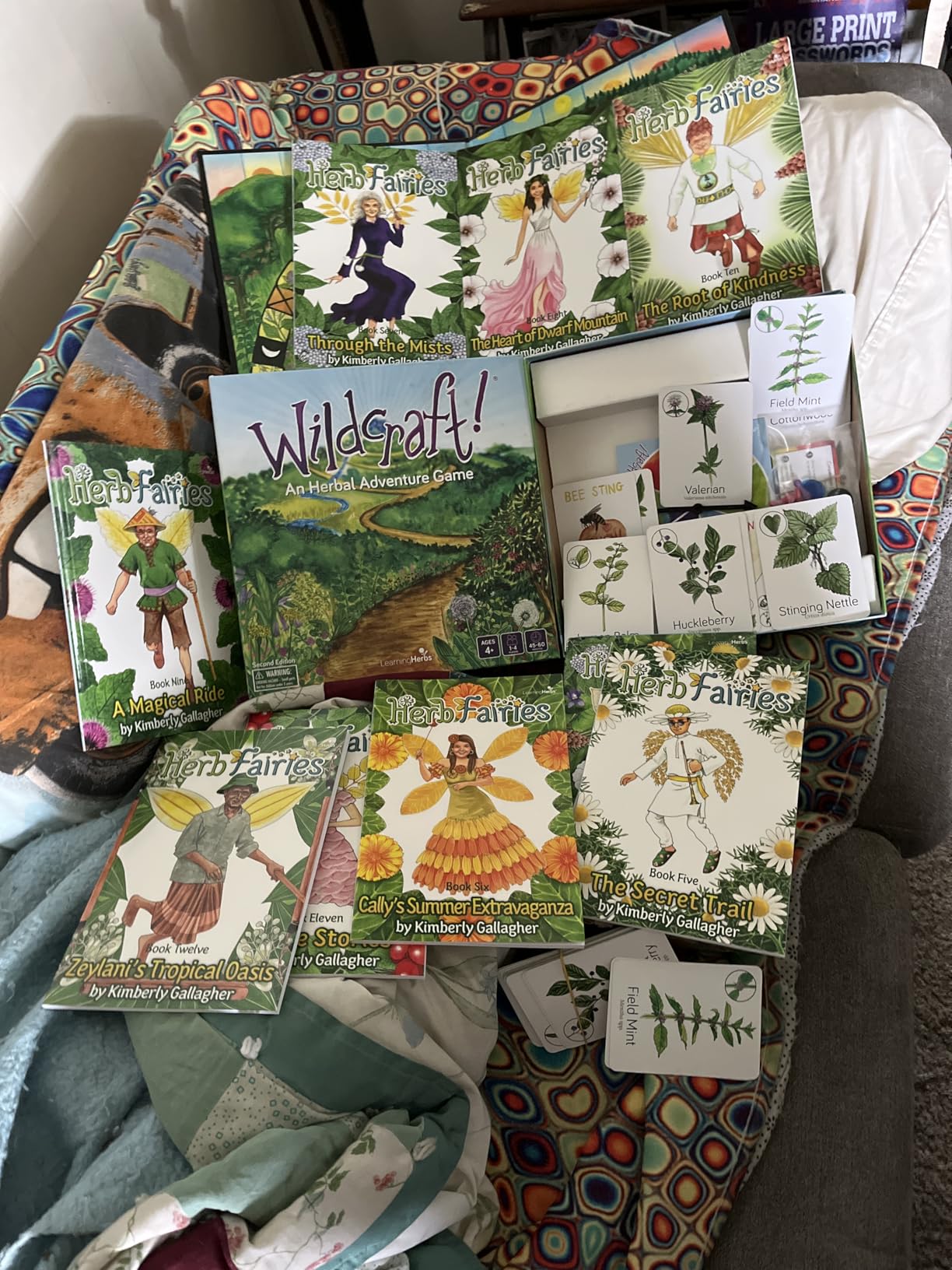
Children learn 25 edible and medicinal plants through visual matching on the game board. No reading is required, so even very young children can participate fully. The game includes a printable storybook, plant pocket guide, and coloring book that extend the learning well beyond the board. I printed the pocket guide and my kids now take it on nature walks to identify real plants.
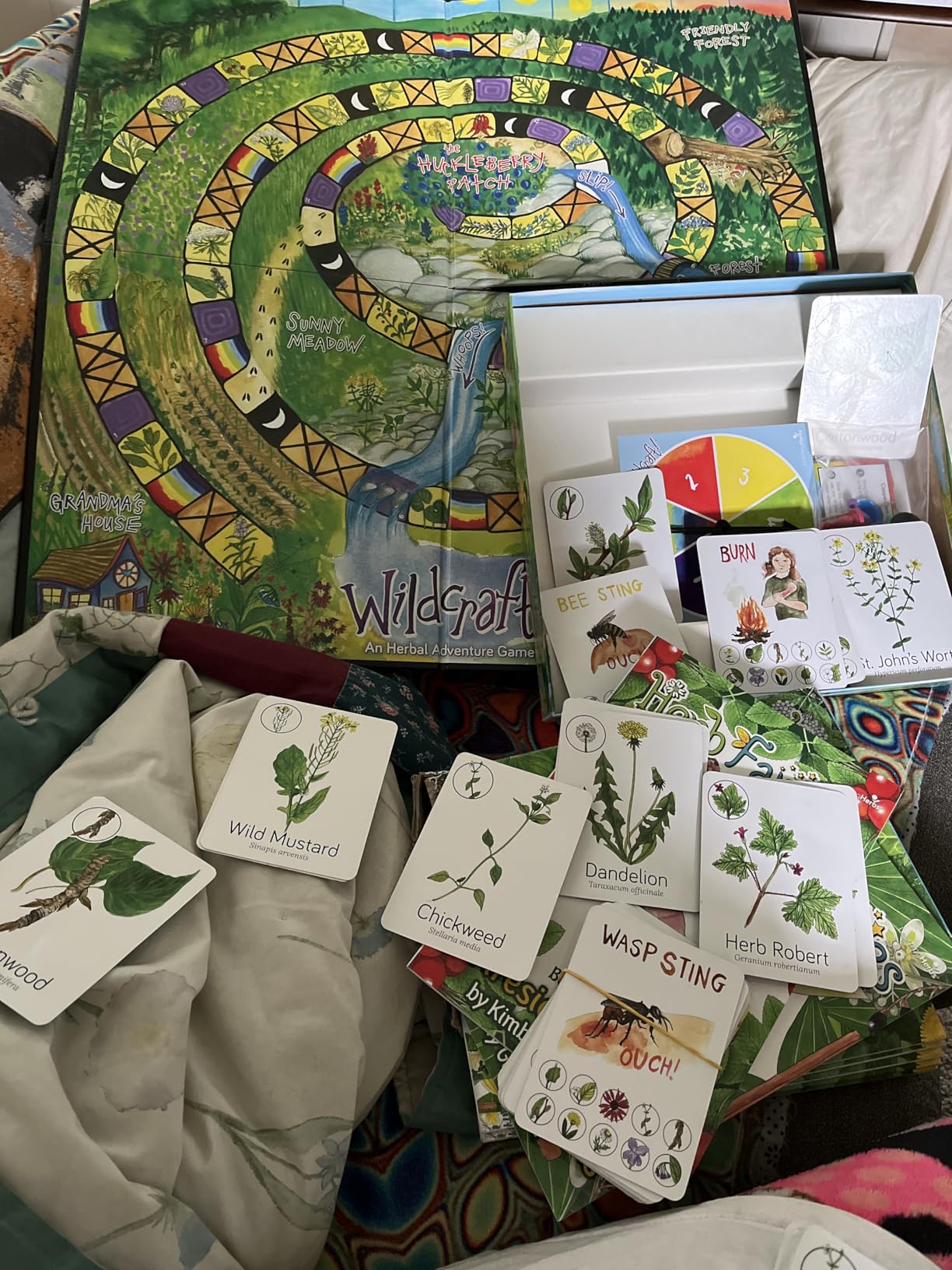
The cooperative mechanic works by having players work together to collect herbs and return to the start before running out of sun tokens. If someone lands on a trouble space, other players can share herbs to help. This has led to some wonderful conversations in our family about teamwork and looking out for each other. The game is made with recycled materials, which aligns with the nature education theme.
Who Should Pick This Game
Homeschool families who value nature-based education and cooperative play will find Wildcraft! to be a perfect fit. It is ideal for Charlotte Mason or forest-school inspired curricula. If you want a game that encourages outdoor exploration and real-world plant identification skills, this is the best option available.
Who Might Want Something Else
Families looking for a game that covers core academic subjects like math or language arts should look elsewhere, as Wildcraft! focuses on nature and plant knowledge. Also, to get the full educational value, you will need to print the bonus materials, which requires access to a printer.
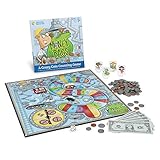
11. Learning Resources Money Bags Coin Value Game – Best for Financial Literacy
Learning Resources Money Bags Math Game – Classroom Math Games, Financial Literacy for Kids, Counting Board Game
Ages 7+
2-4 Players
Money Skills & Coin Counting
100 Plastic Coins + Play Bills
30 Minute Games
Pros
- Excellent for coin recognition and counting
- Realistic plastic coins same size as US currency
- Teaches counting by 5s/ 10s/ 25s
- Quick 15-30 minute games
- Builds real-world money skills
Cons
- No subtraction or making change involved
- Some pieces reported as flimsy
Money Bags solved a real problem in our homeschool: teaching my kids how to count and handle money. The plastic coins are the same diameter as real US coins, which makes the transition from game to real-world math seamless. After playing this game for a month, my 7-year-old could count change at the store, which is a practical skill I had struggled to teach through worksheets alone.
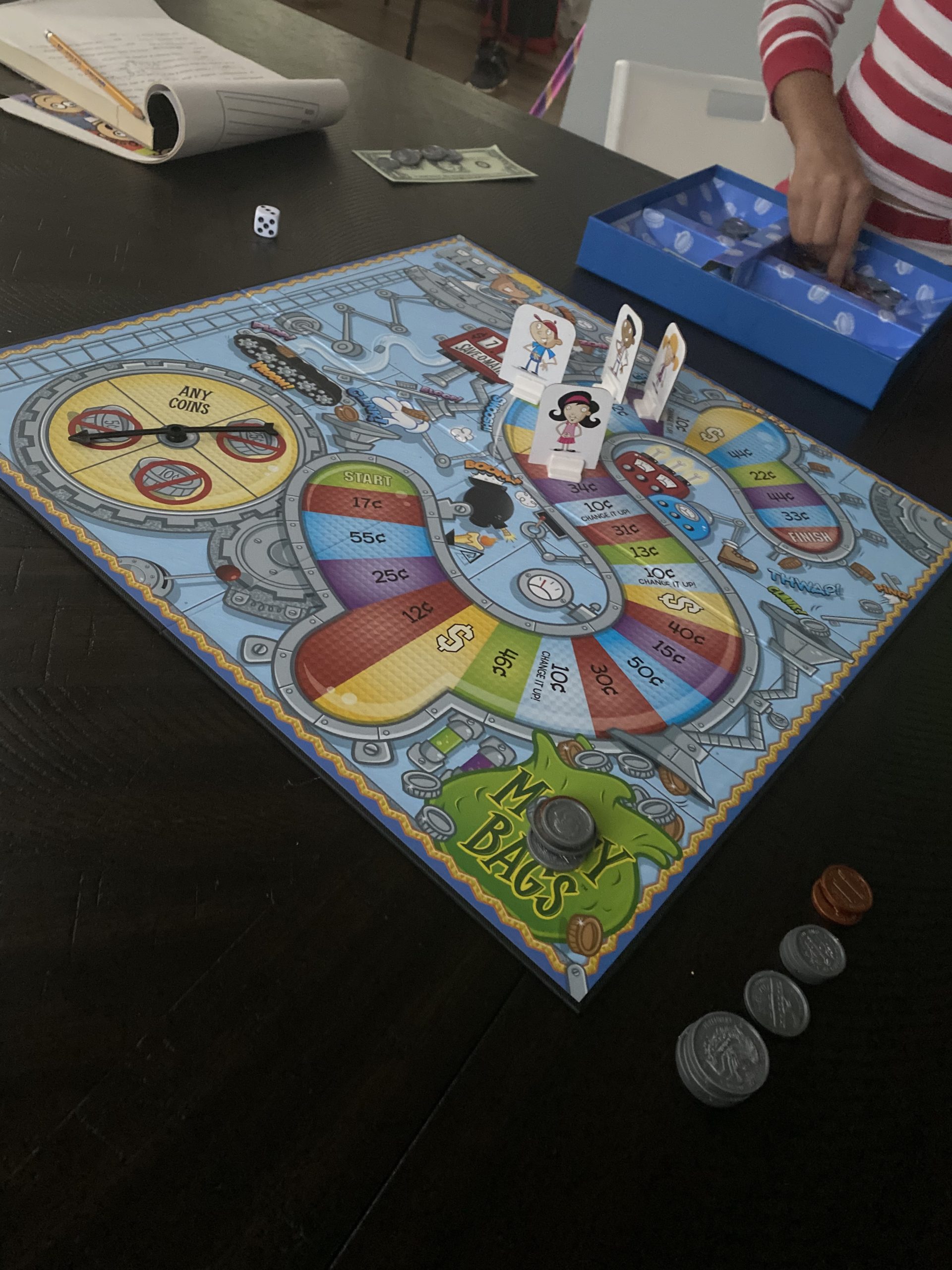
The gameplay involves collecting, counting, and exchanging money as you move around the board. The spinner adds variety by occasionally blocking certain coin types, forcing kids to find alternative combinations to make the same amount. This is where the real learning happens, as children discover that 25 cents can be made with one quarter, two dimes and a nickel, or twenty-five pennies.
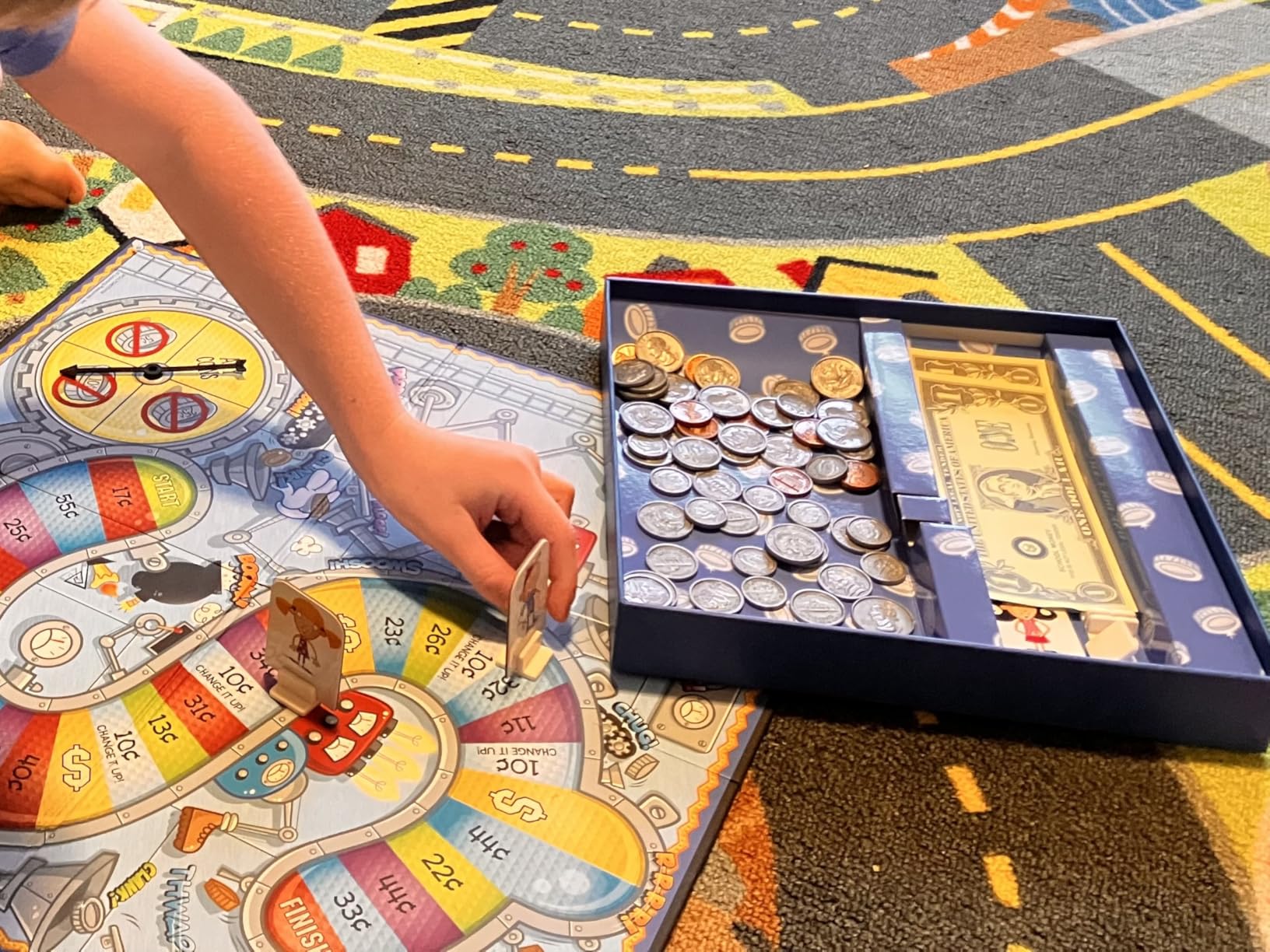
I use Money Bags as a supplement to our math curriculum, and it pairs well with lessons about money, decimals, and real-world math. The game includes 100 plastic coins and play bills, plus a game board with built-in spinner. Everything fits neatly back in the box, which is a small but appreciated detail for homeschool organization.
Who Should Pick This Game
Families with children ages 6 to 10 who are learning about money, coin values, and basic financial literacy will benefit most from Money Bags. It is especially useful for kids who are tactile learners and need physical coins to manipulate. If you want to teach practical life skills alongside math, this game does both effectively.
Who Might Want Something Else
The game does not include making change or subtraction, so it is not a complete money math curriculum. Families looking for advanced financial literacy concepts like budgeting or saving will need additional resources. Also, some parents have noted the play bills feel thin, so handle them carefully.
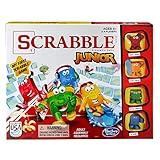
12. Hasbro Scrabble Junior – Best Word Building Game
Hasbro Gaming Scrabble Junior Board Game | 2-4 Players | Family Educational Word Games for Kids | Back to School Gifts for Classroom | Ages 5+
Ages 5+
2-4 Players
Spelling & Vocabulary
Two-Sided Gameboard
105 Letter Tiles
Pros
- Two-sided board grows with child
- Sturdy tiles easy for small hands
- Encourages spelling and strategy
- 12k+ reviews highly trusted
- Classic game redesigned for kids
Cons
- Letter tiles are small for young children
- Some quality concerns on cardboard pieces
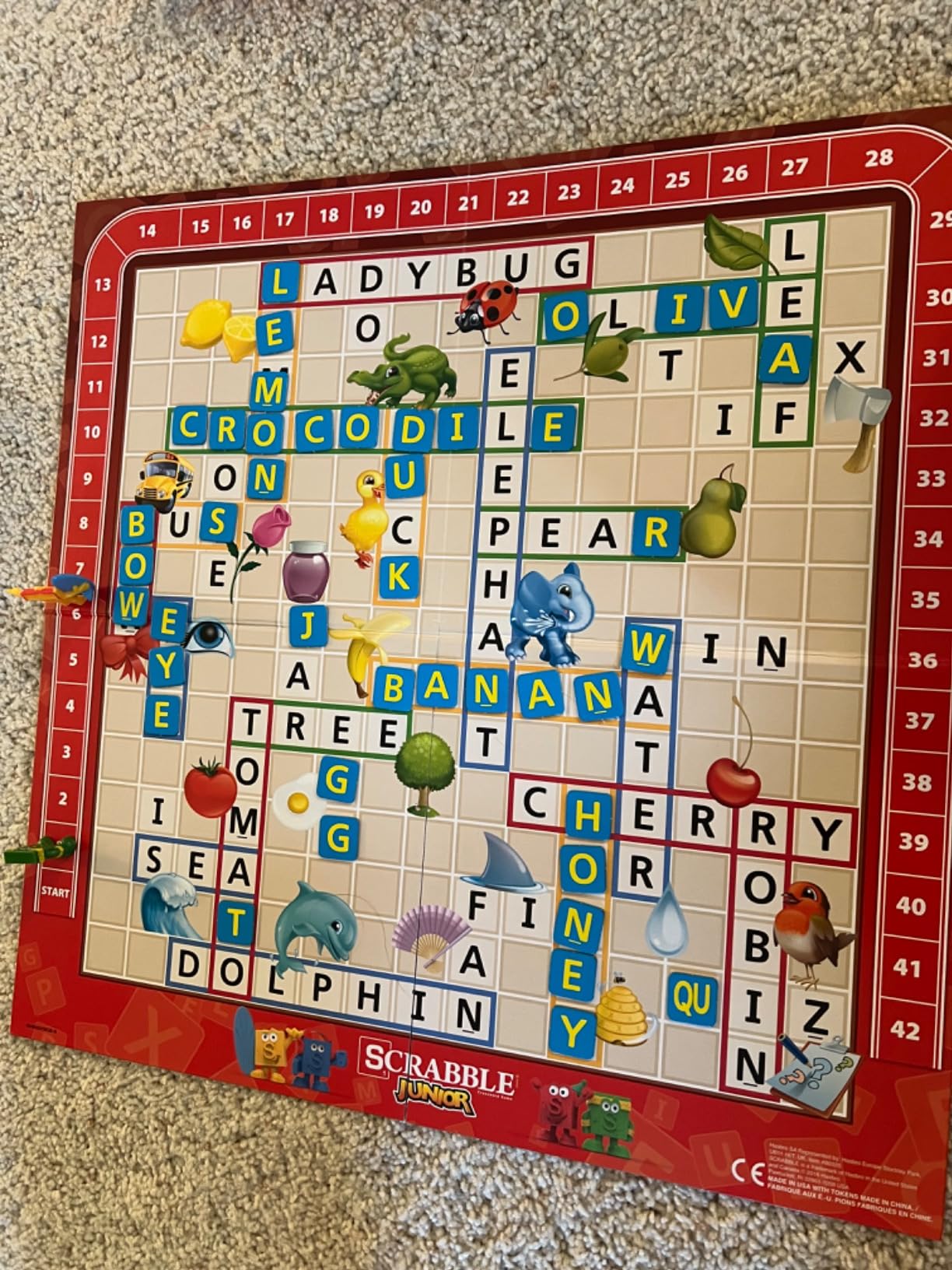
Scrabble Junior is the game I reach for when I want my kids to practice spelling without it feeling like a spelling test. The two-sided board is a standout feature. One side has pre-printed words with missing letters for beginners, and the other side is a blank grid for free-form word building. This means the game genuinely grows with your child across multiple years of your homeschool.
On the beginner side, my 5-year-old matches letter tiles to complete words like “apple” and “house.” On the advanced side, my 8-year-old creates her own words crossword-style, just like adult Scrabble. Having both options in one box means siblings at different levels can alternate sides of the board, though they do need separate boards for simultaneous play.
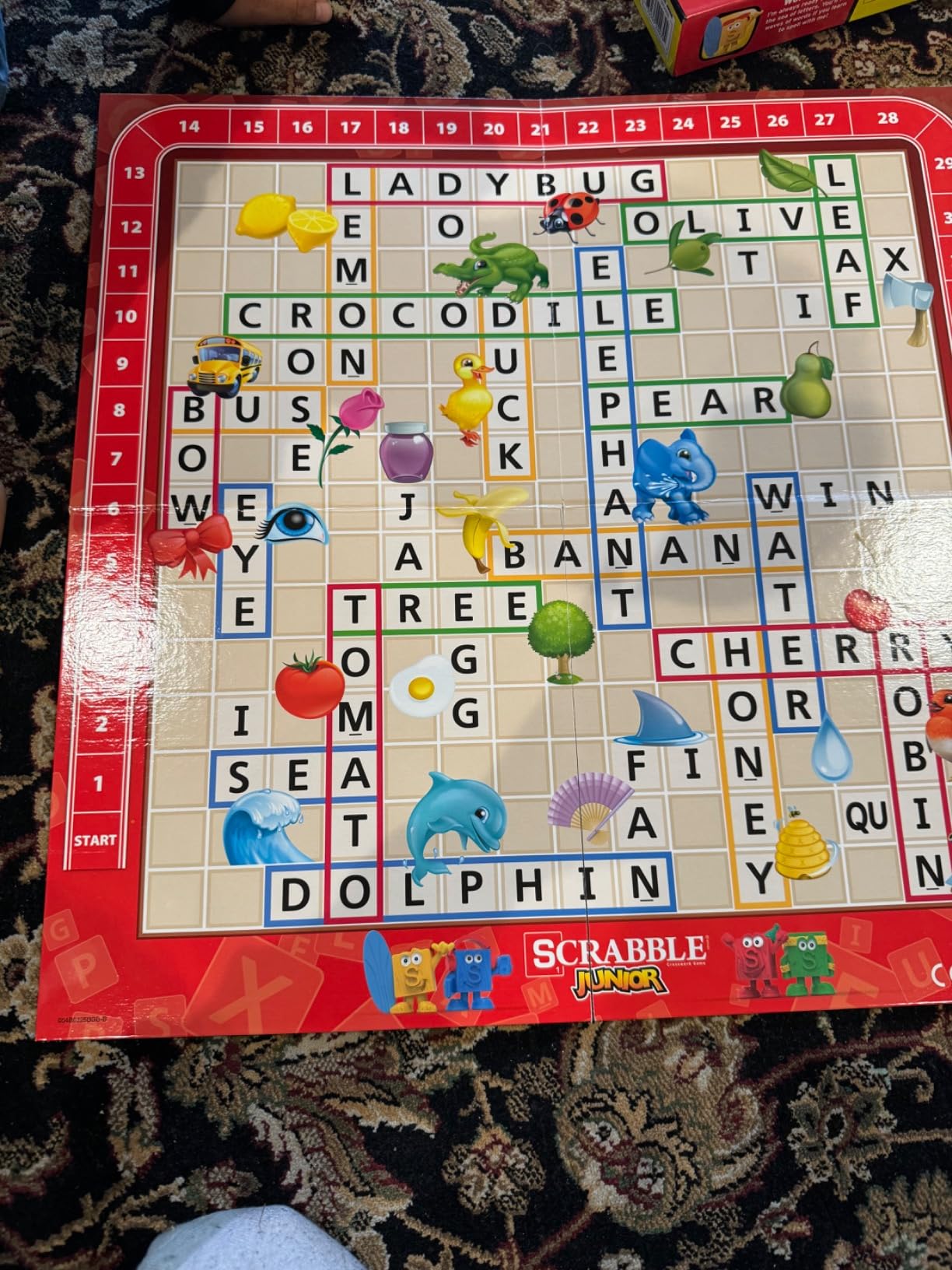
The 105 letter tiles are sturdy and easy for small hands to manipulate. My kids love the character tokens used for scorekeeping, which adds a playful element. After several months of weekly play, I have watched both children become more confident spellers, particularly with words they encounter frequently on the beginner board.
Who Should Pick This Game
Homeschool families with children ages 5 to 10 who need regular spelling and vocabulary practice will find Scrabble Junior to be a reliable choice. It works well as a supplement to any language arts curriculum. If you want a classic game that multiple children can use at different stages, the two-sided board design makes this an excellent investment.
Who Might Want Something Else
Some parents have reported that the letter tiles feel more like cardboard than the traditional Scrabble tiles, so if you have high expectations for component quality, you may be slightly disappointed. Also, families with very young children (under 4) should be cautious about the small tile pieces.
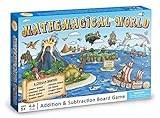
13. Mathemagical World – Best Themed Math Adventure
Mathemagical World – Addition & Subtraction Math Board Game for Kids, 2-4 players, Ages 5+ and Perfect for Homeschool, Kindergarten, Pre-k, and Gifted & Talented Prep
Ages 5+
2-4 Players
Addition & Subtraction
8 Magical Worlds
14.5 x 9.6 x 1.5 Inches
Pros
- Eight unique themed islands
- Two difficulty levels included
- Teaches doubles and halves
- Great for gifted test prep
- Sturdy laminated construction
Cons
- Too easy for kids over 7
- Games can drag with 4 players
- Basic colored counters
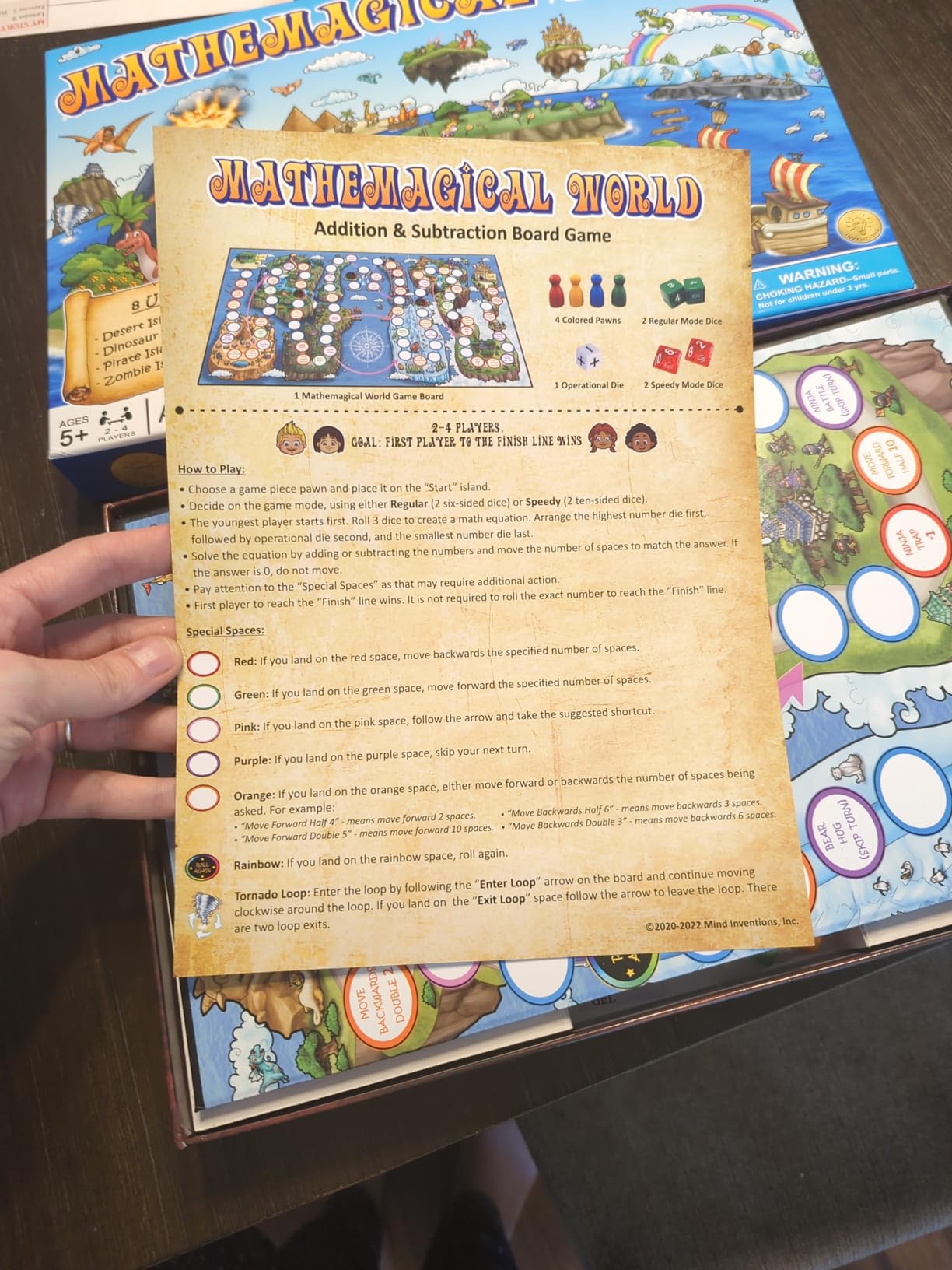
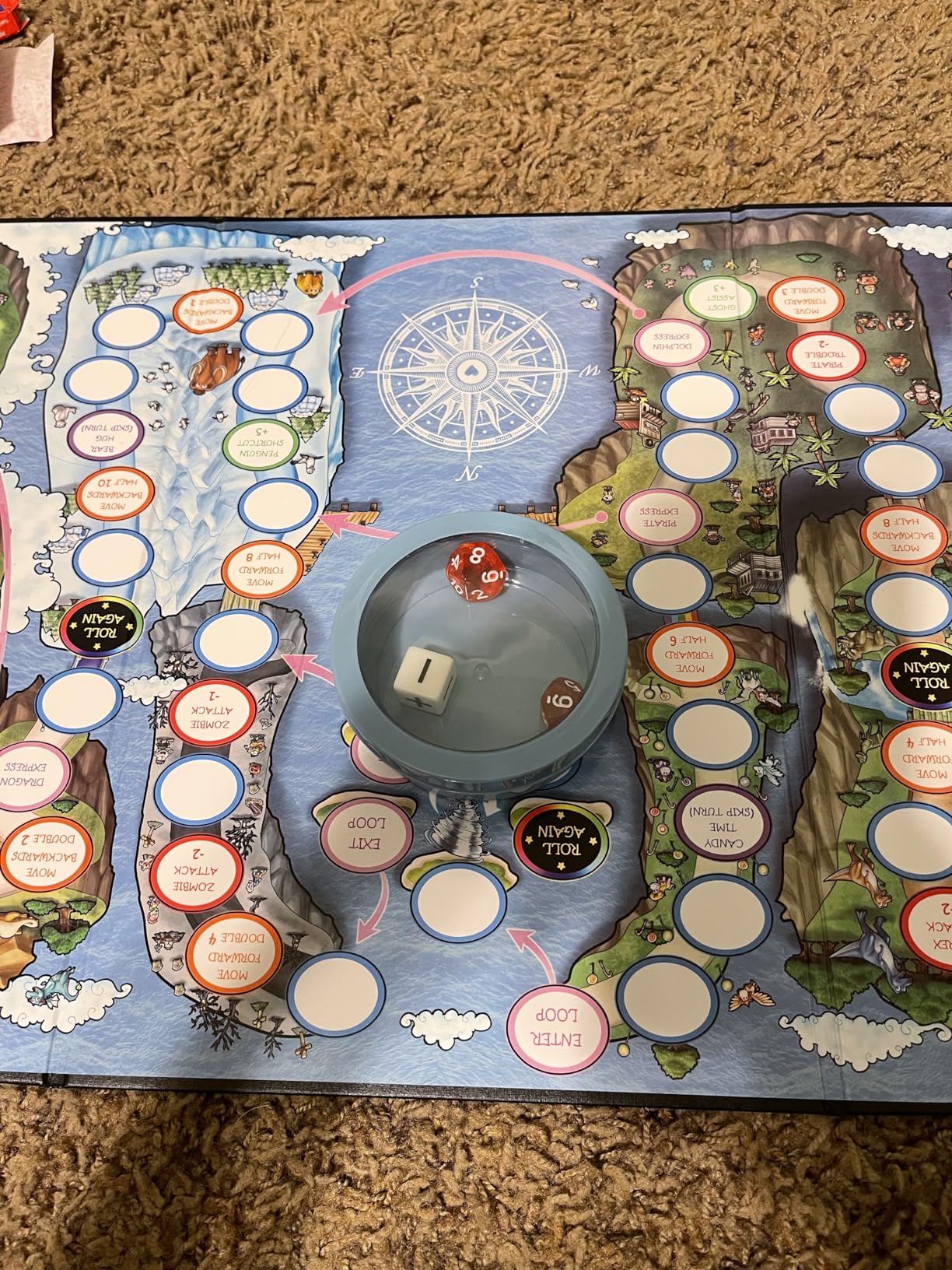
Mathemagical World stands out because of its creative themes. My kids get to travel through Desert Island, Dinosaur Island, Pirate Island, Zombie Island, Unicorn Island, Ice Island, Dragon Island, and Ninja Island, all while practicing addition and subtraction. The themed approach keeps them asking to play, because every session feels like a new adventure rather than math drill.
The game includes two difficulty levels, which means you can start with simple counting and progress to more complex addition and subtraction. It also teaches the concepts of doubles and halves, which are foundational math skills that many games overlook. With a 4.8 rating and 978 reviews, the homeschool community has validated this game’s effectiveness.
What surprised me most about Mathemagical World is how well it works for OLSAT and COGAT test preparation. Several homeschool parents in our co-op mentioned using it specifically for gifted and talented test prep, and I can see why. The game requires kids to think quickly, recognize patterns, and apply arithmetic in timed situations, all of which mirror standardized test conditions.
Who Should Pick This Game
Families with children ages 4.5 to 7 who are building foundational arithmetic skills will get the most from Mathemagical World. It is especially good for children who need themed or story-driven gameplay to stay engaged. If you are preparing your child for gifted testing, this game provides relevant practice in a low-pressure format.
Who Might Want Something Else
Children ages 7 and up who are comfortable with basic addition and subtraction will likely find this game too easy. The game can also run long with a full table of 4 players, so it works best with 2 to 3 players for keeping the pace brisk.
14. Clever Fox Play Number Hunter – Best for Active Math Practice
Number Hunter Math Board Game for Kids 5-7, 1st Grade & Kindergarten
Ages 5+
2-5 Players
Addition & Subtraction
50 Challenge Cards
Expedition Theme
Pros
- Physical activity through challenge cards
- No prep quick setup
- Screen-free STEM learning
- Up to 5 players supported
- Positive parent feedback
Cons
- Younger kids need help reading cards
- Rulebook may be missing in some boxes
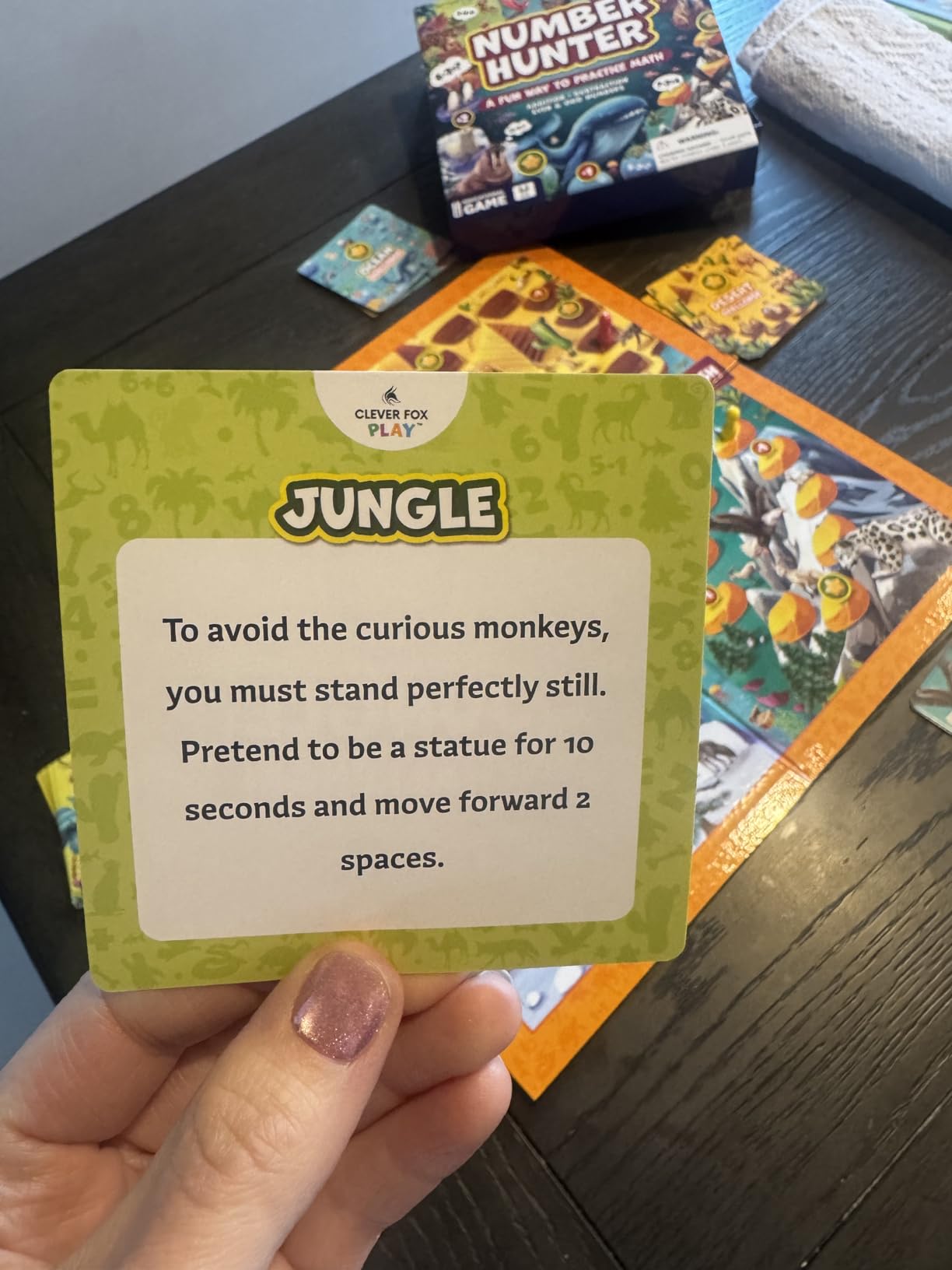
Number Hunter is the math game my kids ask for when they have energy to burn. The challenge cards include physical actions like jumping, spinning, and balancing, which makes it feel more like a PE-math hybrid than a traditional board game. For homeschool families who want to incorporate movement into learning, this game fills a unique niche.
The core gameplay involves rolling dice, solving equations, and moving around the world-themed board. The 50 challenge cards add variety by requiring kids to perform actions while solving math problems. My kinesthetic learner, who normally fidgets through math lessons, stays fully engaged because he gets to move his body while practicing arithmetic.
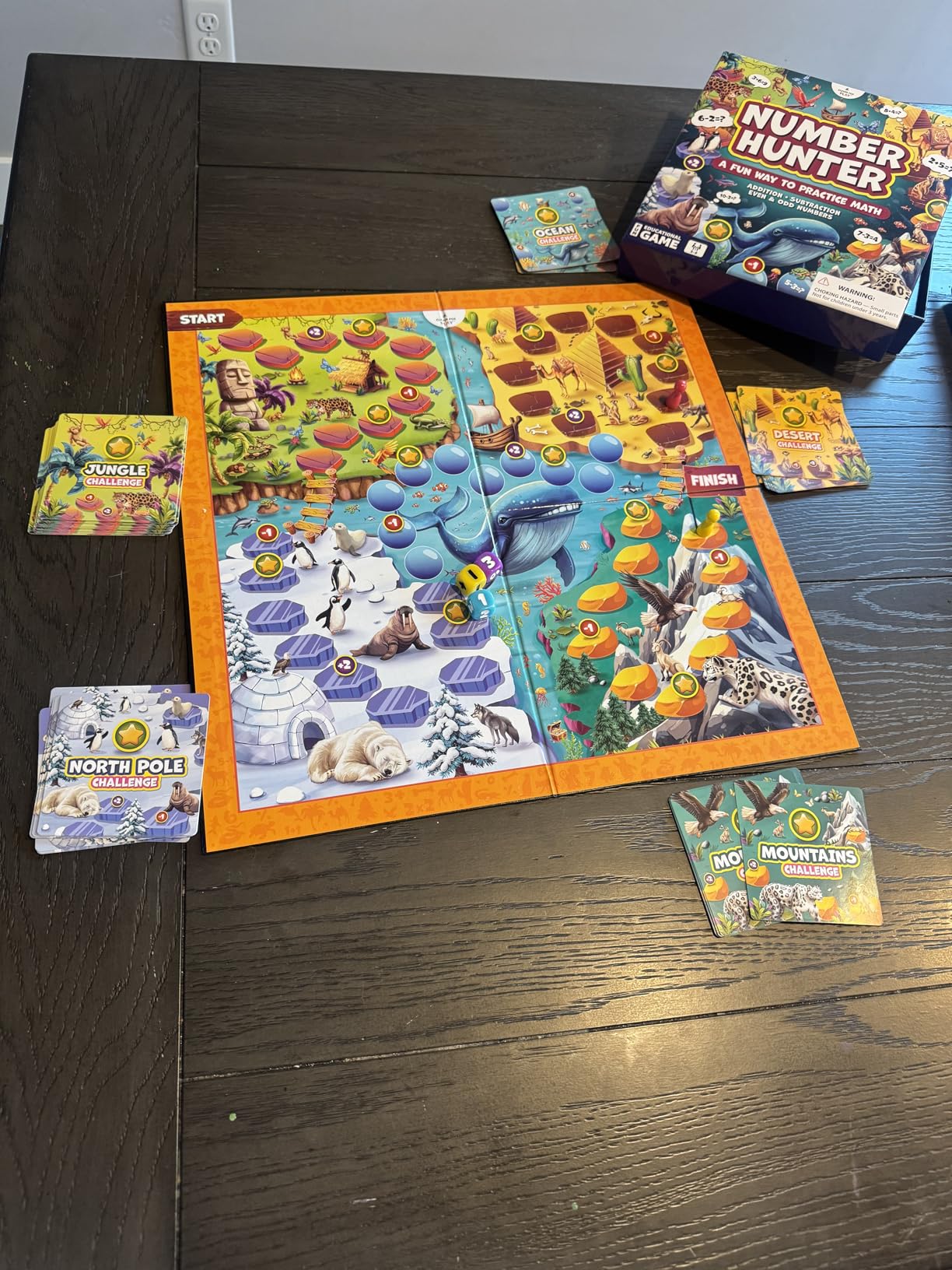
Setup takes under two minutes, which is a huge advantage for busy homeschool mornings. There is no prep work, no cutting, no sorting. Just open the box, lay out the board, and start playing. The game accommodates 2 to 5 players, making it one of the few math games that works well for larger homeschool families or co-op groups.
Who Should Pick This Game
Homeschool families with children ages 5 to 8 who need a movement-based approach to math practice will love Number Hunter. It is ideal for kinesthetic learners who struggle to sit still during traditional lessons. If you teach multiple children and want a math game that accommodates up to 5 players, this is one of the few options available.
Who Might Want Something Else
Children who cannot yet read will need adult help with the challenge cards. Some customers have reported missing rulebooks, so you may need to look up instructions online. Families looking for purely academic math practice without the physical component should consider Sum Swamp or Math Island instead.
15. Skillmatics Rapid Rumble – Best for Vocabulary and Quick Thinking
Skillmatics Rapid Rumble – Fun Board & Card Game, Gift for Boys & Girls
Ages 6+
2-5 Players
Vocabulary & Trivia
220 Cards + Timer
Winner Parents Picks 2022
Pros
- Fast-paced category gameplay
- 120 categories across 5 subjects
- Award-winning design
- Great for family game night
- Replayable with endless variety
Cons
- 6-year-olds need strong reading skills
- Occasional missing dice reports
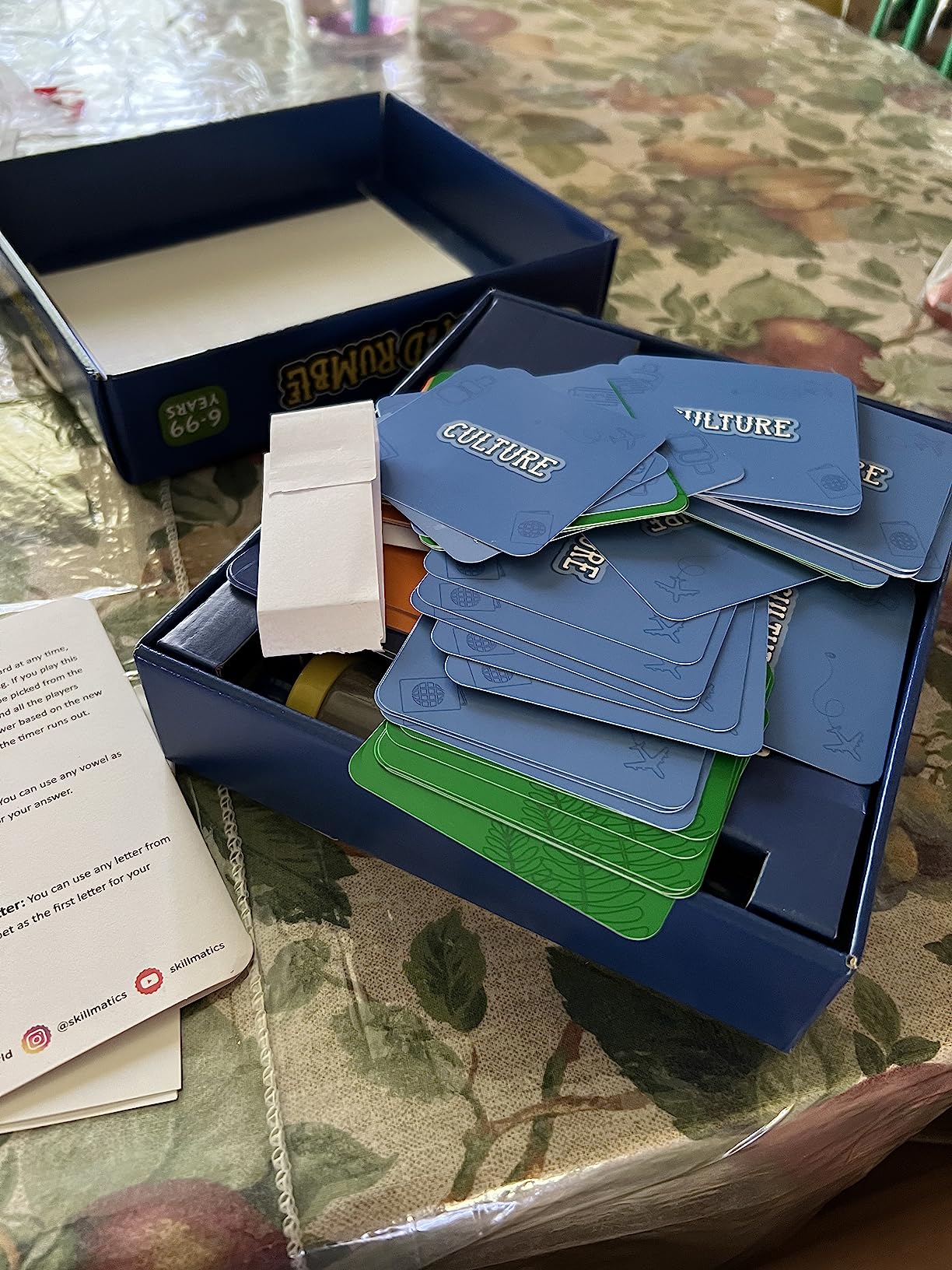
Rapid Rumble is the game that bridges the gap between education and pure fun. Players roll a letter die, draw a category card, and race to name things that fit the category starting with that letter. With 120 category cards spanning Animals, Things, Culture, Science, and Nature, the educational breadth is impressive. Our family plays this during Friday game time, and my kids do not even realize they are practicing vocabulary, recall speed, and categorical thinking.
The game won the 2022 Parents’ Picks Awards, and after playing dozens of rounds, I can confirm the quality matches the recognition. The wooden die feels premium, the cards are durable, and the timer adds just enough pressure to keep everyone focused. Rounds move quickly, so this game fits easily into a 15-minute homeschool break.
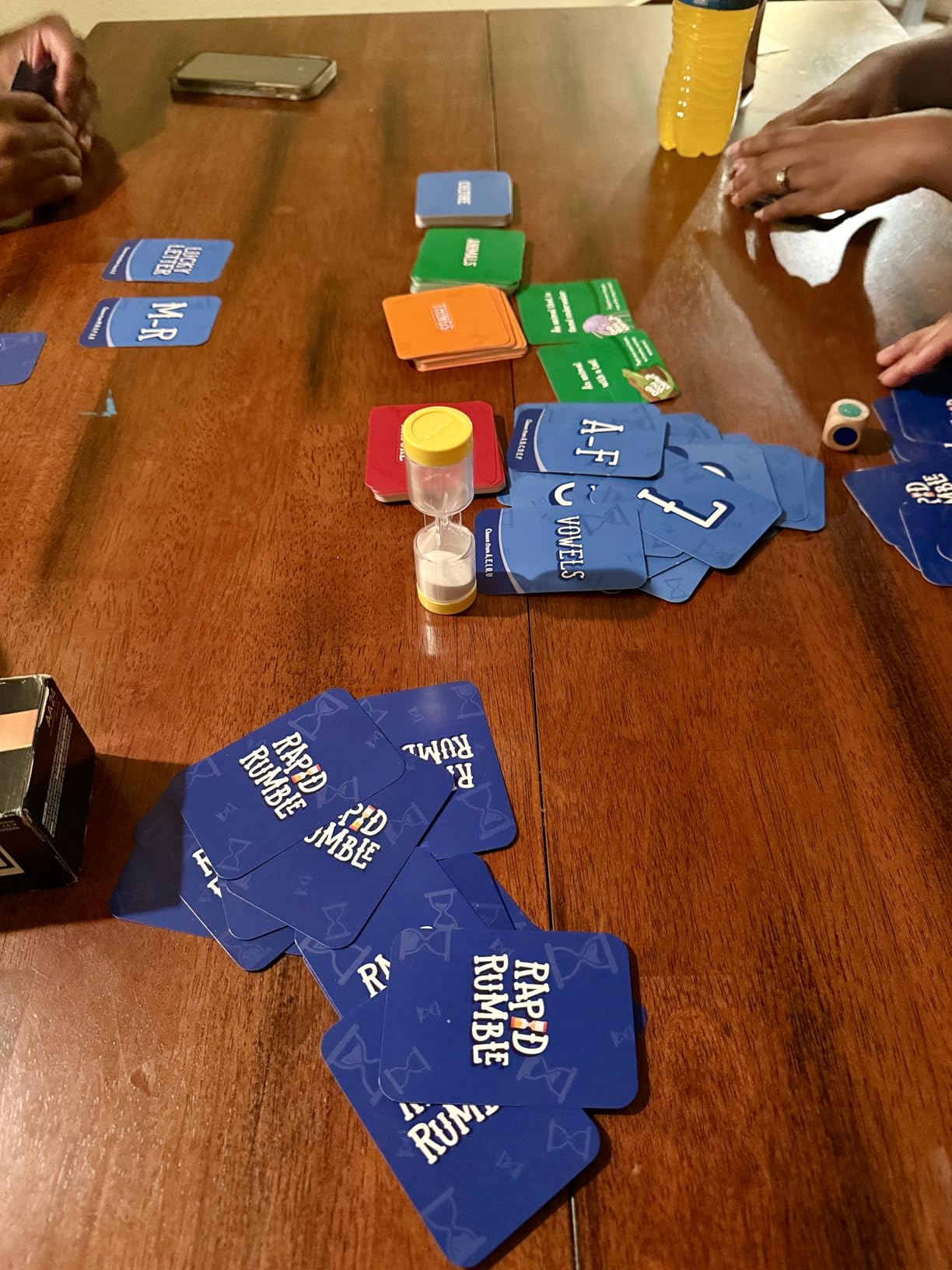
From a homeschool perspective, Rapid Rumble develops several skills simultaneously. Kids practice vocabulary recall, quick thinking, categorization, and even spelling (they need to know what letter words start with). I have used it as a warm-up for writing lessons because it gets kids thinking about words and categories before they sit down to write.
Who Should Pick This Game
Homeschool families with strong readers ages 7 and up will get the most enjoyment from Rapid Rumble. It works well as a cross-subject review tool since the categories cover science, culture, nature, and more. If you want a game that teens and adults also genuinely enjoy playing, this is one of the few educational games that bridges the age gap effortlessly.
Who Might Want Something Else
Children who are not yet fluent readers will struggle, since the game requires reading category cards quickly and independently. The recommended age of 6 is optimistic for most children, and 7 to 8 is more realistic for independent play. Families looking for a calm, quiet activity should also note that this game gets loud and energetic.
How to Choose the Right Educational Board Games for Your Homeschool
Building a gameschooling collection takes thought and strategy. After testing these 15 games and talking with dozens of homeschool families in our co-op, I have identified the key factors that separate games that gather dust from games that become daily staples.
Match Games to Your Child’s Skill Level
The most common mistake homeschool parents make is buying games that are too advanced or too simple. A game should challenge your child without frustrating them. For pre-readers ages 3 to 5, focus on letter recognition and counting games like Alphabet Bingo and Zingo. Early elementary kids ages 5 to 7 benefit most from sight word games, basic math games, and spelling activities. Upper elementary students ages 8 and up are ready for logic puzzles, geography games, and fast-paced vocabulary challenges.
Consider Cooperative vs. Competitive Play
Some children thrive on competition, while others shut down when they lose. Cooperative games like Wildcraft! build teamwork and reduce tears, which is valuable when siblings of different ages play together. Competitive games like Rapid Rumble and Sum Swamp build resilience and sportsmanship. A balanced collection should include both types.
Think About Multi-Age Flexibility
Most homeschool families have children at multiple grade levels, so games that adapt to different ages are gold. Race Across the USA handles this brilliantly with grade-specific questions. Zingo offers two difficulty levels on each card. Games that only work at one skill level have a shorter useful life in a homeschool setting.
Evaluate Durability and Storage
Games that get used daily in homeschool need to withstand heavy handling. The plastic tiles in Zingo and the sturdy swatters in Sight Word Swat have held up for years in our home. Cardboard components, like some of the pieces in Scrabble Junior, show wear faster. Consider how the game stores when not in play. Bananagrams wins here with its compact banana pouch that takes up minimal shelf space.
Plan for Subject Coverage
A well-rounded gameschooling collection should cover your core subjects. Include at least one math game (Sum Swamp or Math Island), one language arts game (Bananagrams My First or Sight Word Swat), one logic game (Gravity Maze), one science or nature game (Wildcraft!), and one geography or social studies game (Race Across the USA). This gives you options for every subject in your weekly rotation.
FAQ
What are the best educational board games for homeschoolers?
The best educational board games for homeschoolers include Bananagrams My First for spelling, Learning Resources Sum Swamp for math, Sight Word Swat for reading, ThinkFun Gravity Maze for logic, and Race Across the USA for geography. These games cover core subjects while keeping kids genuinely engaged through play rather than worksheets.
Are board games actually educational for children?
Yes, board games are highly educational. Research shows they improve math skills, vocabulary, strategic thinking, and social skills like turn-taking and gracious winning or losing. Educational board games are particularly effective in homeschool settings because they make repetitive practice enjoyable, which leads to better retention of concepts compared to traditional worksheets.
What games teach logic skills to kids?
ThinkFun Gravity Maze is the top logic game for kids ages 8 and up, with 60 progressive spatial reasoning puzzles. For younger children ages 5 to 7, games like Mathemagical World and Number Hunter introduce deductive thinking and pattern recognition. Zingo Bingo also develops matching and categorization skills that build early logic foundations.
What are the best gameschooling games by age?
For ages 3-5, the best games are Zingo Bingo, Alphabet Bingo, Wildcraft!, and Bananagrams My First. For ages 5-7, choose Sum Swamp, Sight Word Swat, Math Island, and Mathemagical World. For ages 8 and up, Gravity Maze, Race Across the USA, Rapid Rumble, and Scrabble Junior provide the best educational value and engagement.
How do I use board games in my homeschool curriculum?
Start by replacing one worksheet or drill session per day with a 15-20 minute game session. Use math games like Sum Swamp during your math block, spelling games like Bananagrams during language arts, and logic games like Gravity Maze for independent study time. Many homeschool families designate one day per week as a full gameschooling day where most subjects are taught through play.
Final Thoughts on the Best Educational Board Games for Homeschoolers
Finding the best educational board games for homeschoolers is about matching the right game to your child’s age, interests, and learning gaps. Our top recommendation is Bananagrams My First for families just starting their gameschooling journey, because it covers foundational literacy skills and works for a wide age range. For math specifically, Sum Swamp and Math Island are the games I recommend most often to other homeschool parents.
The key insight from our three months of testing is that the best educational game is the one your child asks to play. Gravity Maze might have the strongest logic curriculum, but if your child lights up playing Sight Word Swat, start there. You can always add more games over time. Building a gameschooling collection is a journey, and each game you add gives your children one more reason to look forward to learning.
All 15 games on this list have earned their place through real testing with real kids. Pick one or two that match your child’s current needs, and watch how quickly learning through play transforms your homeschool day in 2026.