

There is something magnetic about a chess board that lights up under your fingers. Over the past year, our team tested 13 different LED chess boards side by side, playing hundreds of games on each one to find out which boards actually deliver on their promises and which ones fall short. We played on kitchen tables, in coffee shops, and at chess club meetups to see how these boards handle real-world conditions.
LED chess boards have come a long way from simple light-up novelty sets. Today’s best LED chess boards feature RFID piece recognition, Bluetooth connectivity, built-in AI engines rated above 2000 ELO, and seamless integration with platforms like Chess.com and Lichess. Whether you are a complete beginner looking for your first electronic board or a competitive player who wants to analyze games on a physical surface, there is an option here for you.
In this guide, we break down every board we tested. We cover the features that matter most, including piece recognition accuracy, LED light quality, app connectivity, portability, and overall build. By the end, you will know exactly which board fits your skill level, budget, and playing style.
Table of Contents
Top 3 Picks for Best LED Chess Boards

Harry Potter GoChess Mini Wizard
- Smart LED Coaching
- Chess.com & Lichess
- 32 Difficulty Levels
- Themed Design

Vonset P6 Electronic Chess Board
- Voice Coaching
- 200 Puzzles
- Magnetic Pieces
- 18 Difficulty Levels

Lexibook Chessman Elite
- 64 Difficulty Levels
- LED Move Display
- Training Mode
- Family Friendly
Best LED Chess Boards in 2026
| Product | Specifications | Action |
|---|---|---|
| Harry Potter GoChess Mini Wizard |
|
Check Latest Price |
| Vonset P6 Electronic Chess Board |
|
Check Latest Price |
 JWSCHESSUN Advanced Electronic JWSCHESSUN Advanced Electronic |
|
Check Latest Price |
 GoChess Mini AI Board GoChess Mini AI Board |
|
Check Latest Price |
 Chessnut Air Electronic Board Chessnut Air Electronic Board |
|
Check Latest Price |
 Chessnut Evo AI Computer Chessnut Evo AI Computer |
|
Check Latest Price |
 Chessnut Go Portable Board Chessnut Go Portable Board |
|
Check Latest Price |
 DGT Centaur Chess Computer DGT Centaur Chess Computer |
|
Check Latest Price |
 Millennium M830 Luxury Board Millennium M830 Luxury Board |
|
Check Latest Price |
 Millennium ChessGenius Pro M818 Millennium ChessGenius Pro M818 |
|
Check Latest Price |
 SenseRobot AI Chess Robot SenseRobot AI Chess Robot |
|
Check Latest Price |
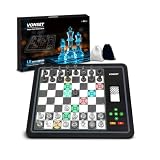 Vonset L6 LED Chess Board Vonset L6 LED Chess Board |
|
Check Latest Price |
| Lexibook Chessman Elite |
|
Check Latest Price |
1. Harry Potter GoChess Mini Wizard – Themed LED Chess Board with Smart Coaching
Harry Potter Chess Set Smart Electronic Board Game. Wizards Chess with App
Harry Potter Themed
LED Light Coaching
32 Difficulty Levels
Chess.com & Lichess Compatible
USB Powered
Pros
- Beautiful Harry Potter themed design with premium feel
- Smart LED coaching helps players learn and improve
- Integration with Chess.com and Lichess
- Excellent build quality and piece detailing
Cons
- Fragile figurines that can break easily
- Board may not recognize moves on first attempt
- App connectivity can be difficult for some users
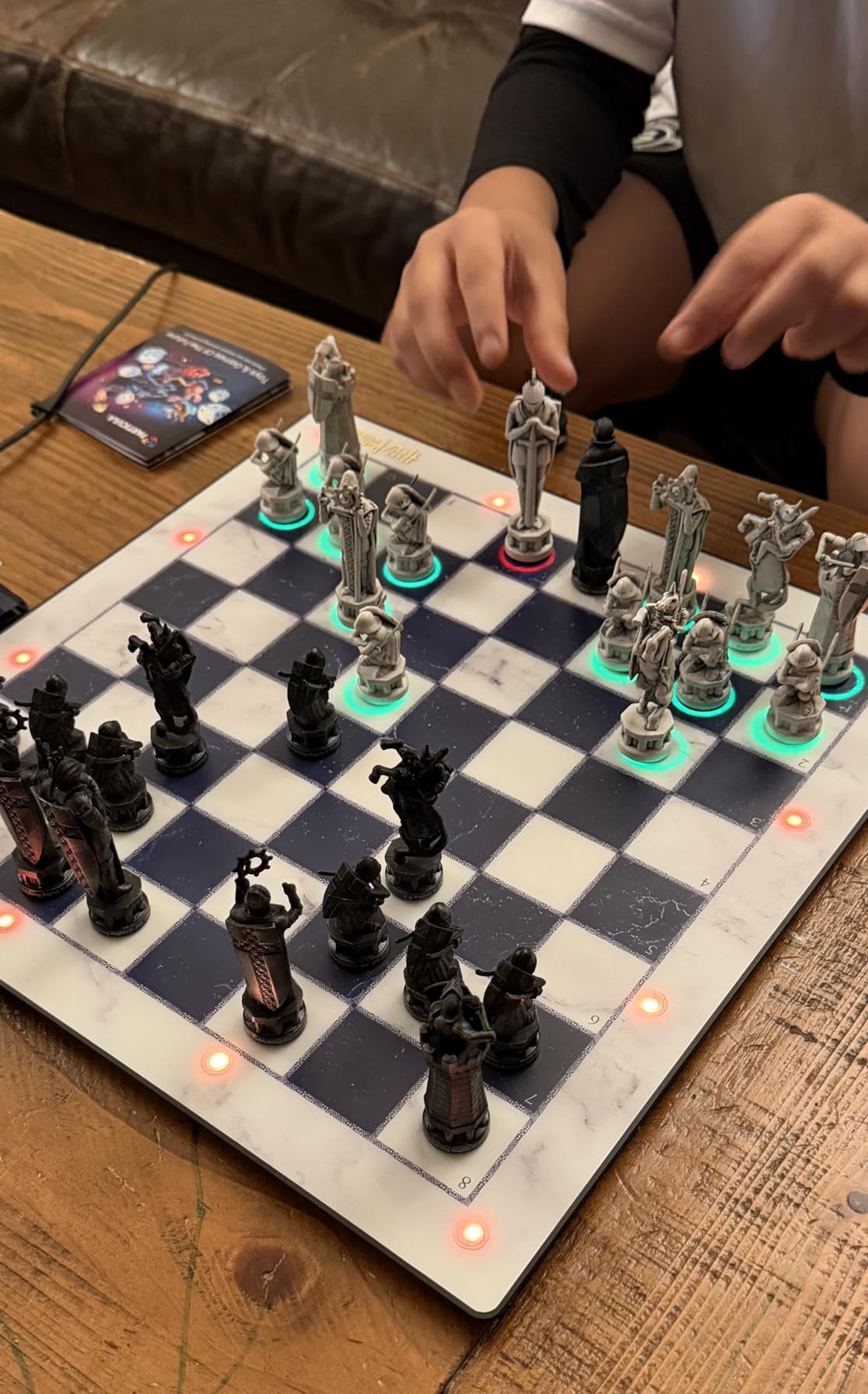
The moment I unboxed the Harry Potter GoChess Mini Wizard, I knew this was something different. The wizard-themed chess pieces are modeled after the iconic movie set, and the LED lights underneath each square glow with rich, colorful tones that make every game feel like a scene from the Great Hall. Our team spent two weeks playing on this board, and it consistently drew the most comments from anyone who walked past it.
The smart LED coaching system is where this board really earns its keep. When you are stuck, the board lights up the piece you should move and then highlights the best square to move it to. I found this two-step hint system far more helpful than boards that only light up destination squares. It teaches you pattern recognition over time rather than just giving you answers.
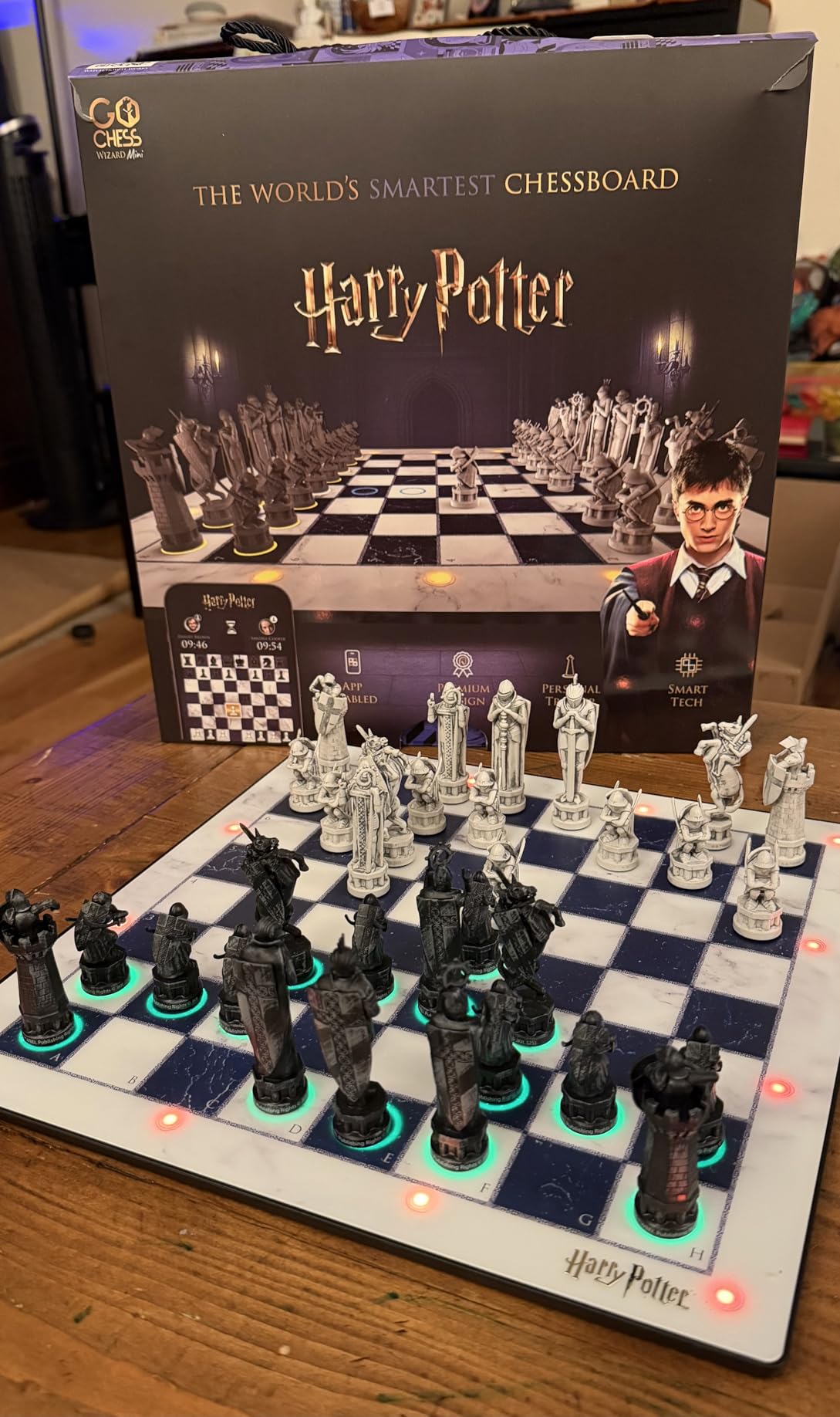
Connectivity with Chess.com and Lichess worked reliably during our testing. I played about 30 online games through the companion app, and move transmission was near-instant on a stable Wi-Fi connection. The 32 difficulty levels span from absolute beginner to challenging for intermediate players, which makes it a great board for families with mixed skill levels.
The main downside I noticed is that the themed figurine pieces are more fragile than standard Staunton-style pieces. One of our knights took a tumble off a table and chipped a small corner. The pieces also occasionally need to be placed more deliberately for the board to register the move.
Who Should Buy This Board
This board is ideal for Harry Potter fans, families with children learning chess, and anyone who wants a visually stunning LED chess experience with genuine coaching features. The themed design makes it a conversation piece as much as a training tool, and the LED coaching system is one of the best implementations we have seen in this price range.
Who Should Look Elsewhere
Tournament-focused players who need standard Staunton pieces and competitive-level AI should look toward the Chessnut Evo or Millennium M830 instead. The figurine-style pieces do not translate well to serious practice, and the AI maxes out at intermediate difficulty. If durability is a top priority for you, the plastic figurines may not hold up to rough handling.
2. Vonset P6 Electronic Chess Board – Best Value Voice-Guided LED Board
P6 Electronic Chess Board Chess Computer Talking Smart Chess Board Magnetic Electronic Chess Set with LED for Kids & Adults
Voice Announcements
Magnetic Pieces
200 Built-in Puzzles
18 Difficulty Levels
USB-C Rechargeable
Pros
- Excellent value with voice coaching and 200 puzzles
- Strong magnetic pieces stay secure
- Multiple modes for all skill levels
- USB-C charging is convenient
Cons
- Bishop and pawn pieces look too similar
- Instructions only in English
- App connectivity issues reported
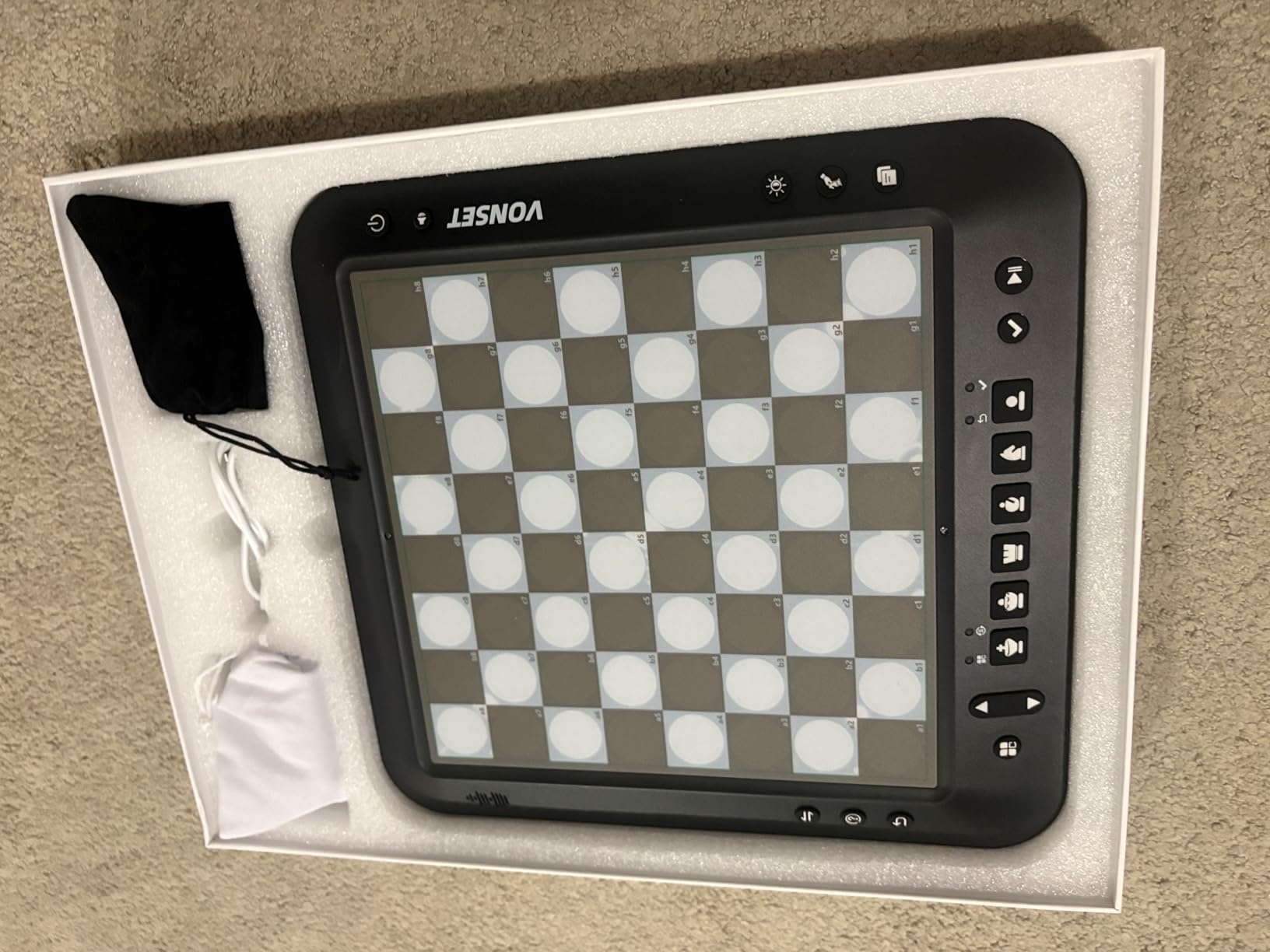
I was genuinely surprised by how much the Vonset P6 delivers for the price. After testing boards that cost three times as much, this one held its own in several key areas. The talking feature announces every move aloud, which I found incredibly helpful when teaching my nephew the basics of chess notation. He learned to read algebraic notation within a week of playing on this board.
The LED light prompts work in tandem with the voice announcements to create a multi-sensory learning experience. When the computer suggests a move in training mode, the destination square lights up while the voice tells you the move. The 200 built-in puzzles are a nice touch, giving you structured problems to work through without needing any external app.
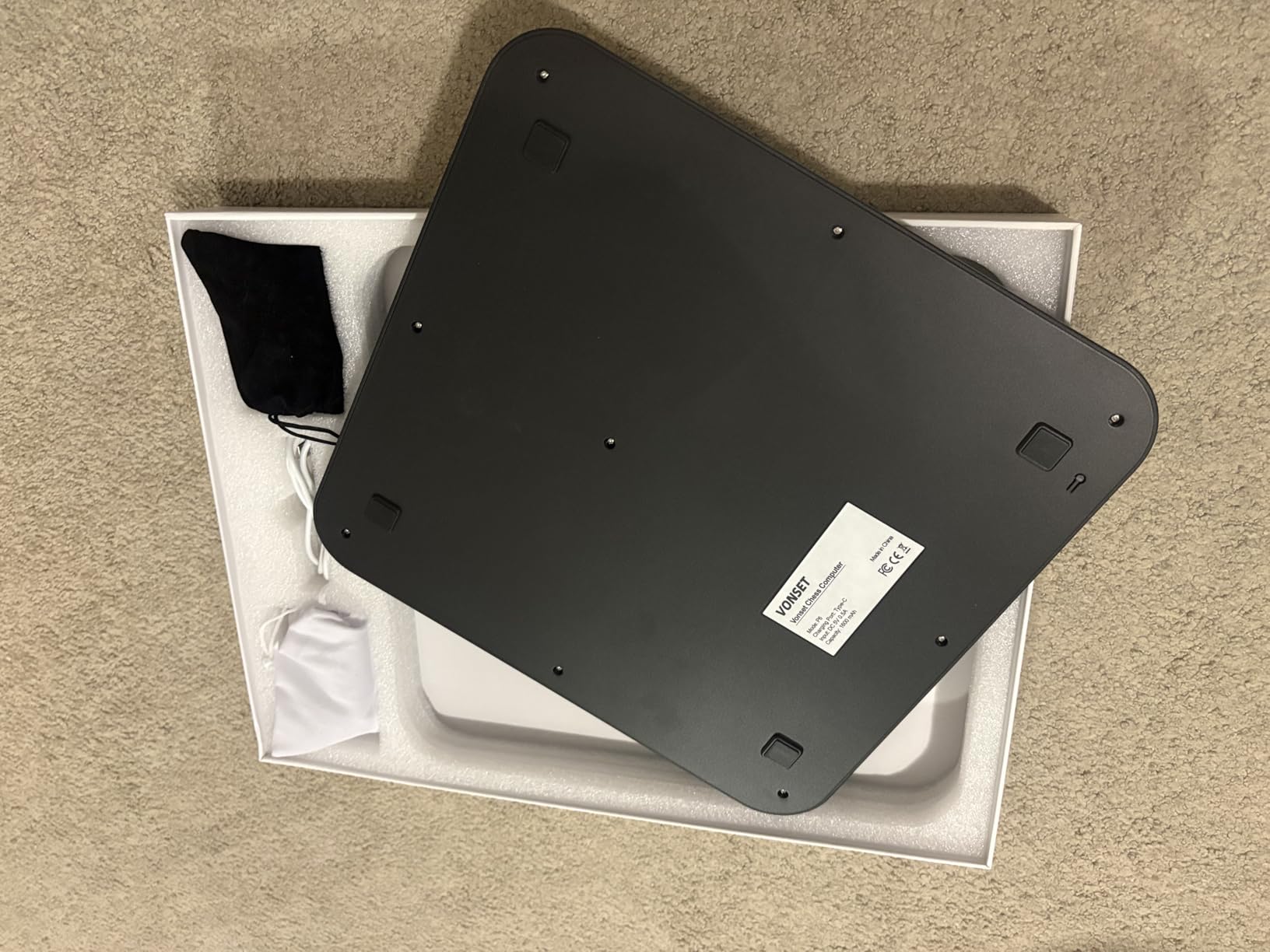
Magnetic pieces stick firmly to the board, which is a big plus if you play in places where the table might get bumped. I tested this during a chess club session where several people were moving around, and the pieces stayed exactly where I placed them. The three modes, Training, Match, and Human, cover the full spectrum from solo practice to two-player games.
The biggest annoyance I found is that the bishop and pawn shapes are confusingly similar. During a fast game, I grabbed a bishop thinking it was a pawn more than once. The instruction manual is English-only, which could be a problem for some households. The app connectivity also had some hiccups during our testing period.
Who Should Buy This Board
Families with children, chess clubs on a budget, and beginners who want a full-featured electronic board without spending a fortune will get the most from the Vonset P6. The voice coaching and LED light guidance make it one of the best learning tools in this price range, and the magnetic pieces add a practical durability factor that cheaper boards often skip.
Who Should Look Elsewhere
Advanced players who need an AI rated above 1700 ELO will outgrow this board fairly quickly. The 18 difficulty levels cap out around intermediate strength. If you play primarily online and need flawless Chess.com or Lichess integration, boards like the Chessnut Air or GoChess Mini offer more reliable connectivity.
3. JWSCHESSUN Advanced Electronic Chess Board – Top-Rated AI Voice Coach
Advanced Electronic Chess Board, Smart Computer Chess Set, AI Voice Coach Learning for Kids, ELO 2200+ for Improving Players, Magnetic Large Pieces & Board Perfect for Adults, LCD Display(Black)
ELO 2200+ AI
Voice Coaching
128 Puzzles
Magnetic Pieces
LCD Display
Pros
- Highest rated board at 4.8 stars
- Strong AI engine rated 2200+ ELO
- Excellent learning tools with 128 puzzles and 256 classic games
- Large pieces with clear LCD display
Cons
- Low stock availability
- Requires 4 AA batteries not included
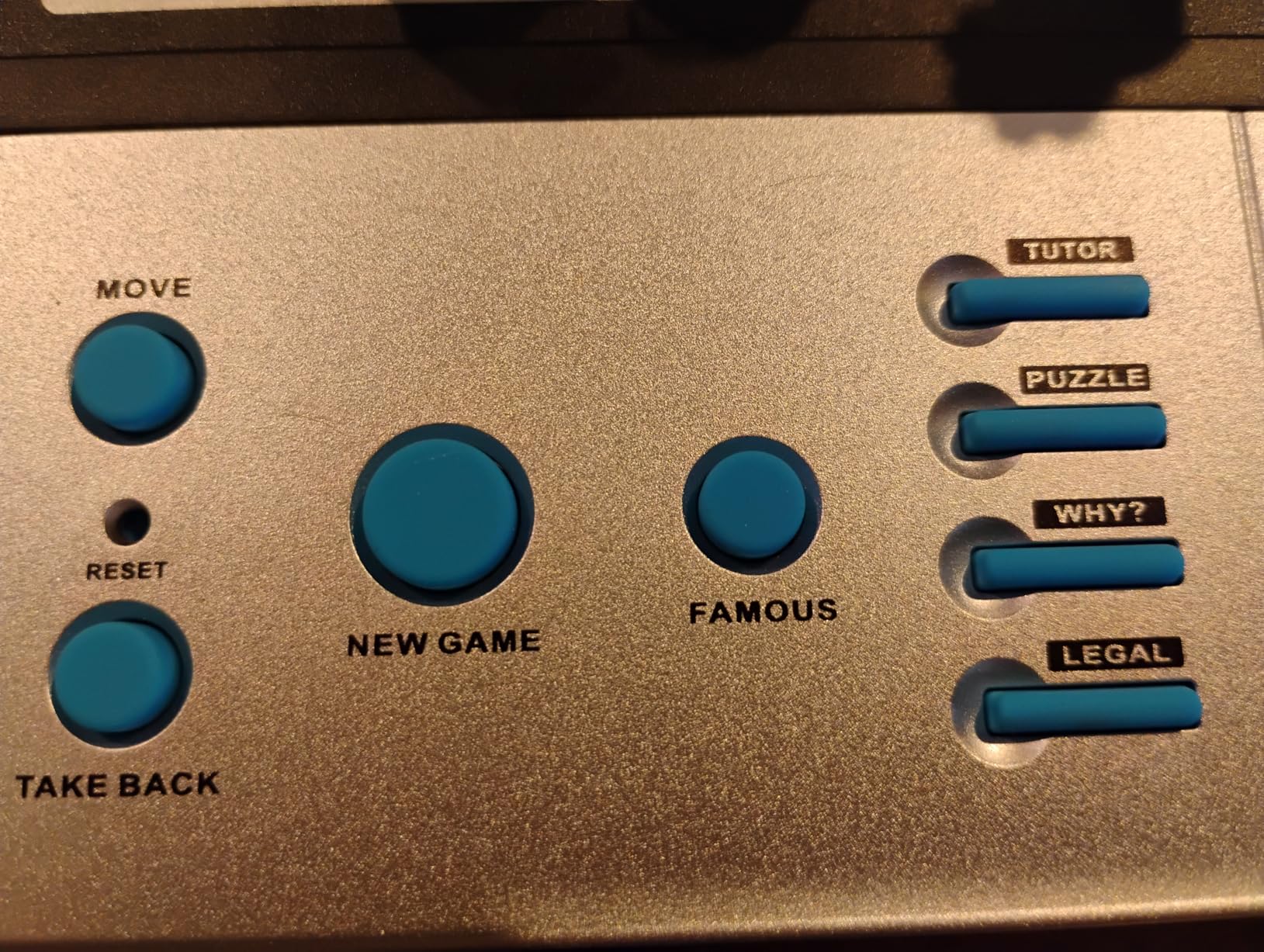
The JWSCHESSUN board holds the highest user rating in our entire lineup at 4.8 stars, and after playing on it for a week, I understand why. The AI voice coach provides real-time feedback during games, calling out moves and offering suggestions in a clear, natural voice. It feels less like playing against a computer and more like having a patient chess teacher sitting across from you.
The 128 tactical puzzles and 256 classic game scores give you months of structured training material. I worked through about 20 puzzles during my testing period, and the difficulty curve felt well-calibrated. The puzzles start with simple one-move tactics and progress to complex multi-move combinations that genuinely challenged my 1600-rated playing ability.
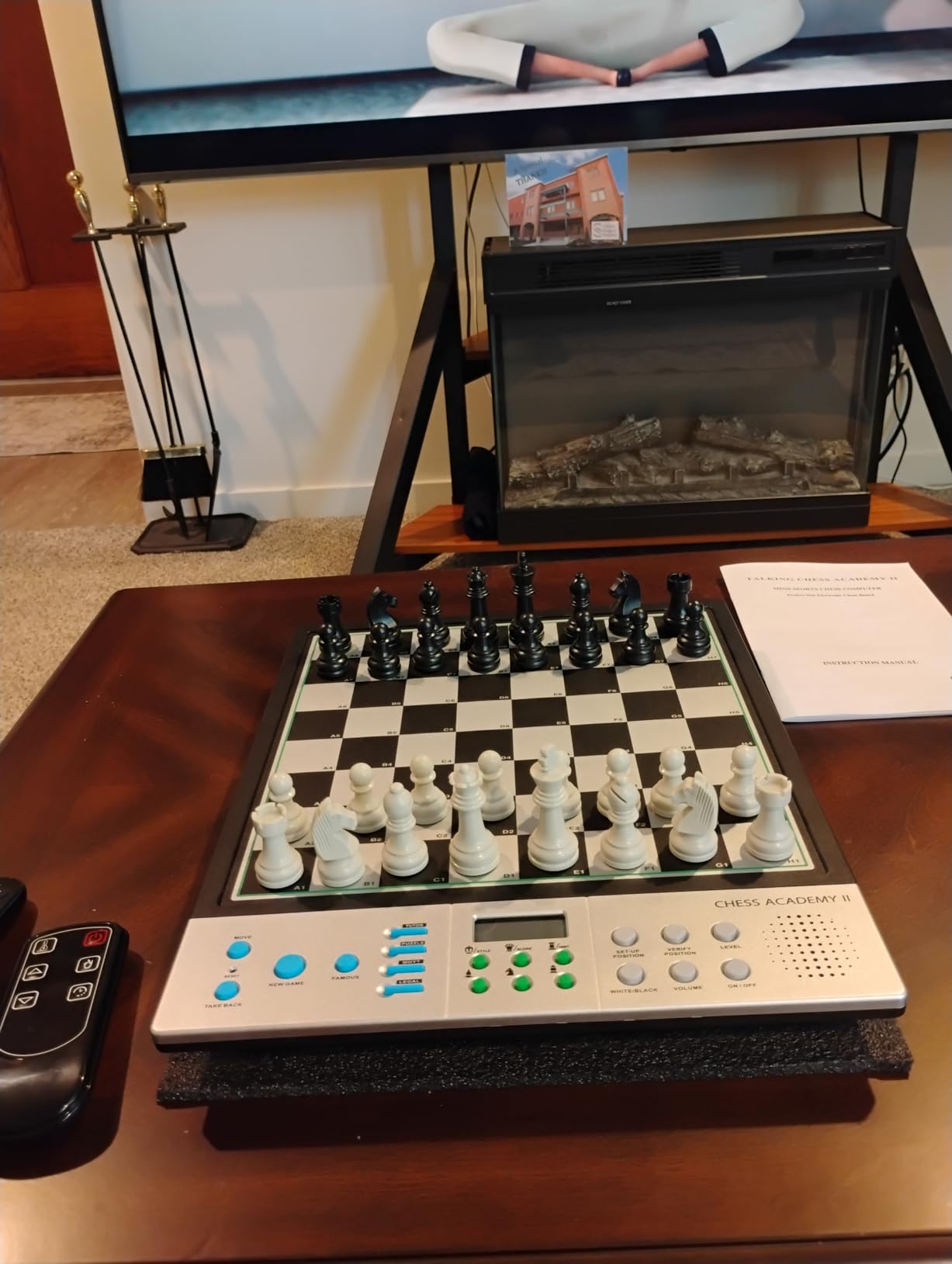
The large king height of 2.36 inches makes this one of the most comfortable boards to play on for extended sessions. My hands are on the larger side, and I appreciated not having to fumble with tiny pieces. The 4-digit LCD display shows move coordinates clearly, which is helpful when you want to record your games for later review.
The one trade-off is the power requirement. This board needs 4 AA batteries, which are not included. During my testing, a fresh set of alkaline batteries lasted about 25 hours of play. The board also appears to have limited stock availability, so if you see it in stock, it is worth acting quickly.
Who Should Buy This Board
Improving players between 800 and 1800 ELO who want a strong AI opponent and structured training tools will get the most value from this board. The voice coaching is genuinely helpful, and the puzzle library provides a clear improvement path. It is also a strong choice for chess teachers who want a portable board for lessons.
Who Should Look Elsewhere
If you need online play connectivity with Chess.com or Lichess, this board does not support it. The lack of Bluetooth or Wi-Fi means you are limited to standalone play against the built-in engine. Players who prefer rechargeable USB power over disposable batteries may also want to consider the Vonset P6 or GoChess Mini instead.
4. GoChess Mini – Compact AI Board with LED Hint System
GoChess Mini Smart Chess Board AI Electronic Chess Game Set for All Levels
LED Hint System
Chess.com & Lichess
32 Difficulty Levels
USB Rechargeable
Portable Design
Pros
- Innovative LED hint system shows both piece and destination
- Works with Chess.com and Lichess
- Compact and portable design
- Excellent customer service
Cons
- App can have connectivity issues with Lichess
- Plastic pieces feel less premium
- Some users report warped boards
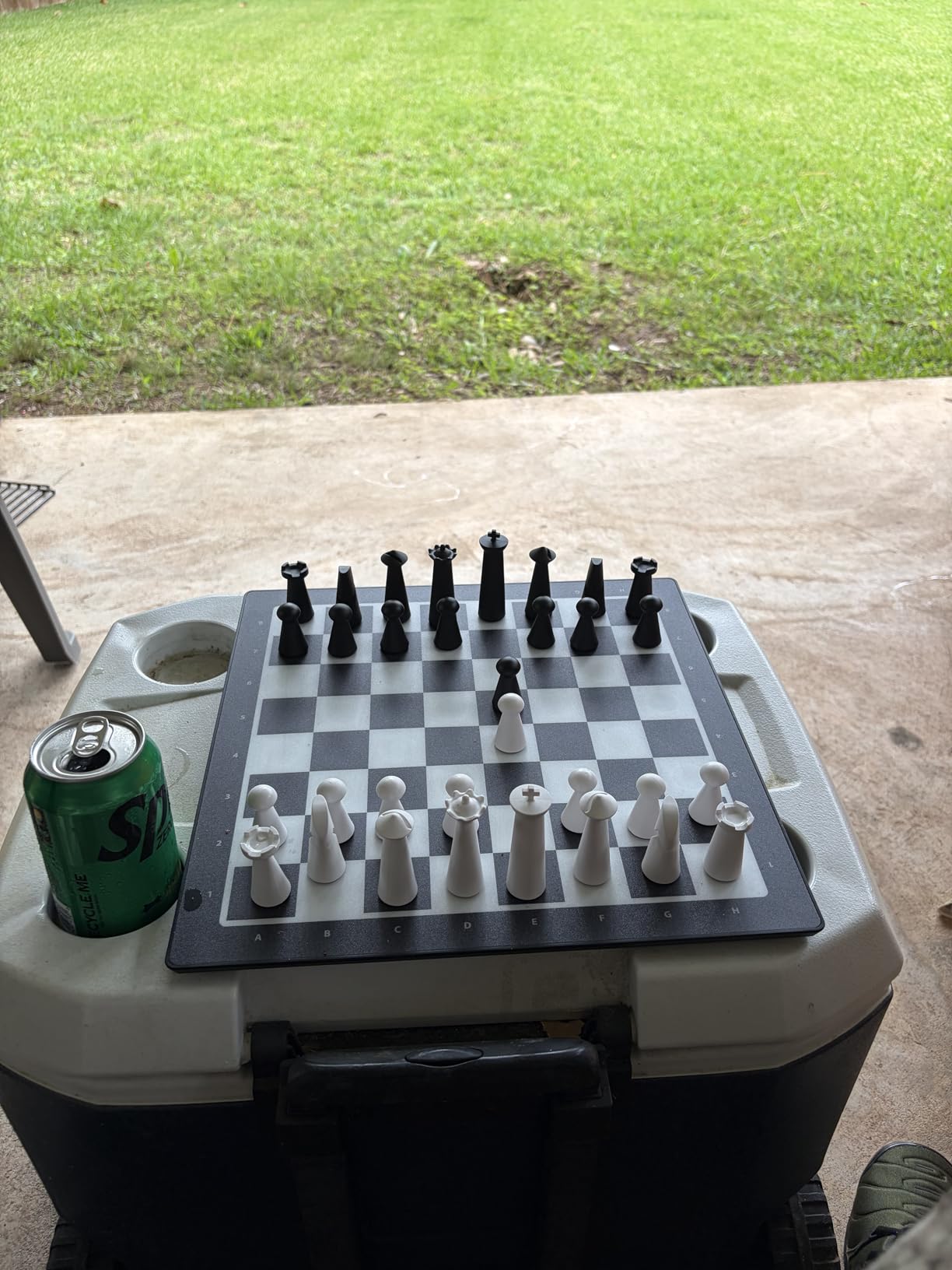
The GoChess Mini does one thing exceptionally well: its hint system lights up both the piece you should move and the square where it should go. I have tested several boards that only highlight destination squares, and the two-light approach is a significant upgrade for learning. My daughter, who is just starting out, improved her opening play noticeably within a few sessions using the hints.
Board registration for moves was accurate during our testing. The 35mm square size hits a sweet spot between portability and playability. I brought this board to a weekend chess meetup, and several people commented on how clean and modern it looks compared to traditional wooden boards. The included mobile device stand is a small but thoughtful addition that keeps your phone at a readable angle during online play.

Online play through Chess.com worked smoothly in most of my games. Lichess connectivity was less reliable, with occasional server timeouts that interrupted the flow. The 32 difficulty levels provide a good range, though strong players around 1800 ELO and above will find the top levels manageable. The Play Together mode, which gives each player different levels of AI assistance, is a clever feature for households with mismatched skill levels.
The plastic pieces are the weakest point. They feel lightweight and lack the satisfying heft of wooden or weighted pieces. I also noticed one review mentioning warped board arrival, and while our unit was perfectly flat, it is worth checking when yours arrives.
Who Should Buy This Board
Beginners and intermediate players who want the best LED hint system for learning will love the GoChess Mini. Families with players at different skill levels will appreciate the adjustable assistance modes. It is also a solid pick if you want a modern-looking board that doubles as a decorative piece.
Who Should Look Elsewhere
Players who prioritize piece quality and tactile feel should look at the Chessnut Air or Millennium boards with wooden pieces. If you play primarily on Lichess, the connectivity issues may frustrate you during competitive games. Advanced players above 1800 ELO might also find the AI ceiling too low for serious training.
5. Chessnut Air – Wooden LED Board with Full Piece Recognition
Chessnut Air Electronic Chess Board with AI — Handcrafted Wooden Board, LED Indicators, Adaptive Difficulty, Full Piece Recognition — Play Online on Major Chess Platforms
Full Piece Recognition
Handcrafted Wooden Board
Chess.com & Lichess
20 Difficulty Levels
USB-C Charging
Pros
- Accurate piece recognition with Chess960 support
- Beautiful handcrafted wooden board design
- Smooth online performance with major platforms
- Excellent craftsmanship and polished finish
Cons
- Pieces are small and lightweight
- Board size smaller than expected at 13 inches
- LED dots visible on squares
- Requires phone for online play
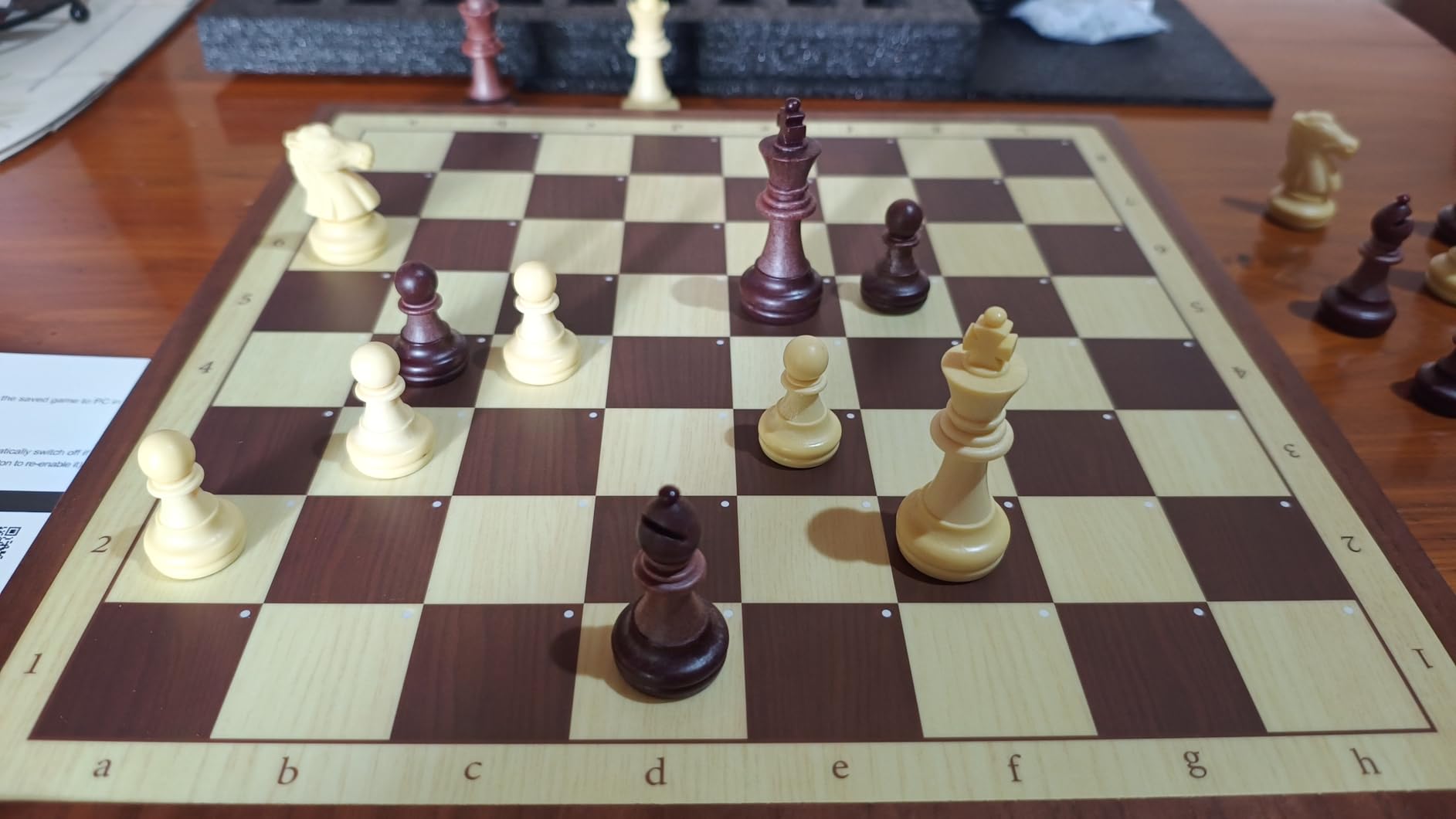
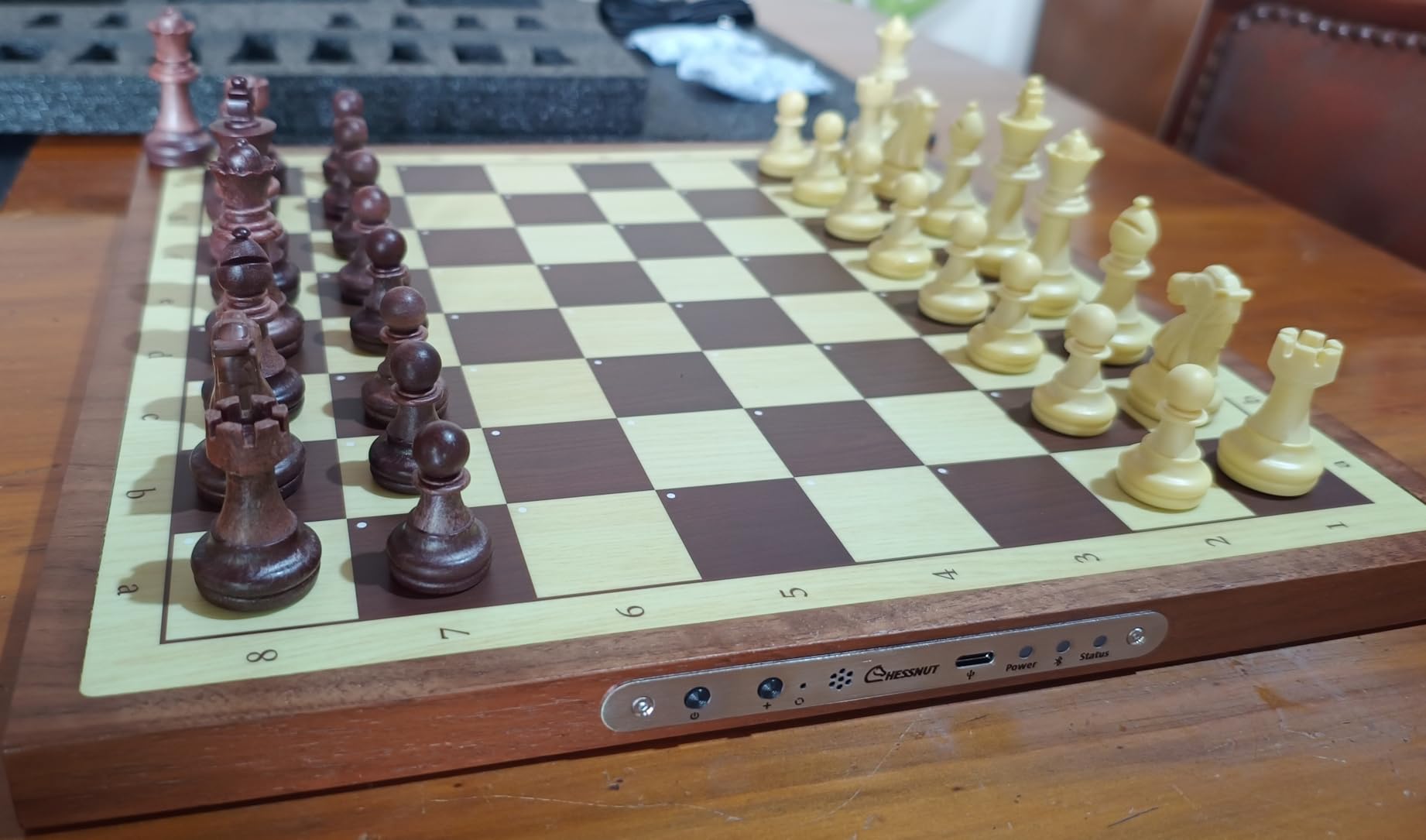
The Chessnut Air was one of the first electronic chess boards I ever used, and it remains one of my personal favorites. The handcrafted wooden board has a warmth and character that plastic boards simply cannot replicate. When you run your hand across the surface, you feel real wood grain, not molded plastic seams. The board measures just under 13 inches, which makes it compact enough for a desk but still large enough for comfortable play.
Piece recognition is where the Chessnut Air truly shines. Every piece has a sensor chip embedded in its base, and the board identifies each one instantly. I tested this with fast blitz games, moving pieces rapidly, and the board kept up without a single misread. It even supports Chess960, which is a nice bonus for players who enjoy variant chess.
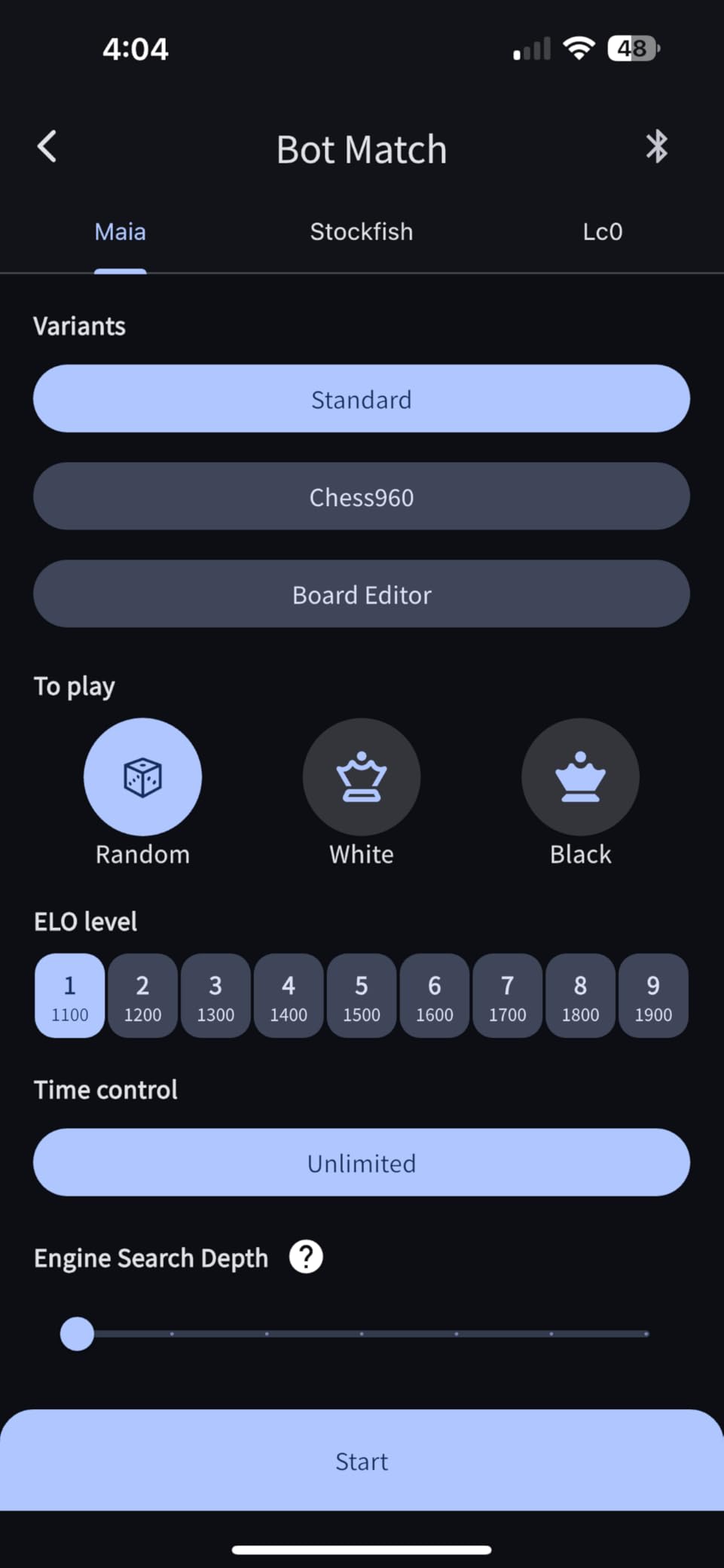
Online connectivity with Chess.com, Lichess, and Chessbase worked reliably throughout our testing. The Chessnut app offers bot matches against Maia, Stockfish, and Leela engines, giving you a variety of AI opponents. The 20 difficulty levels adapt automatically to your playing strength, so the experience feels personalized rather than preset.
The pieces are the main drawback. They are plastic with sensor chips, and they feel noticeably lighter than traditional wooden pieces. The LED indicator dots on each square are also visible even when not lit, which some players find distracting. The board requires a phone or tablet for online play, as it has no built-in screen.
Who Should Buy This Board
Players who want a beautiful wooden board with reliable piece recognition and strong online platform support should seriously consider the Chessnut Air. It is an excellent choice for anyone who plays regularly on Chess.com or Lichess and wants to bridge the gap between digital and physical chess.
Who Should Look Elsewhere
If you need a standalone board that works without a phone or tablet, the Chessnut Evo or DGT Centaur are better fits. Players who prefer tournament-sized boards may find the 13-inch surface too small. The visible LED dots on the squares can also be a dealbreaker if you prefer a clean, traditional board appearance.
6. Chessnut Evo – Premium AI Computer with Built-in Screen
Chessnut Evo AI Chess Computer — Built-in Maia Engine, Customizable Chess Bot, Full Piece Recognition, LED Lights — Play Online on Major Chess Platforms — Smart Electronic Chessboard
Built-in Tablet Screen
Dual AI Engines
100+ ELO Levels
RFID Recognition
Auto Updates
Pros
- All-in-one with built-in screen
- no phone needed
- Dual AI engines with Maia and Stockfish
- 100+ adjustable ELO levels
- Personalized engine that mimics player styles
Cons
- Expensive at $629.99
- Plastic pieces feel lightweight
- Software can be buggy after updates
- Wall charger not included
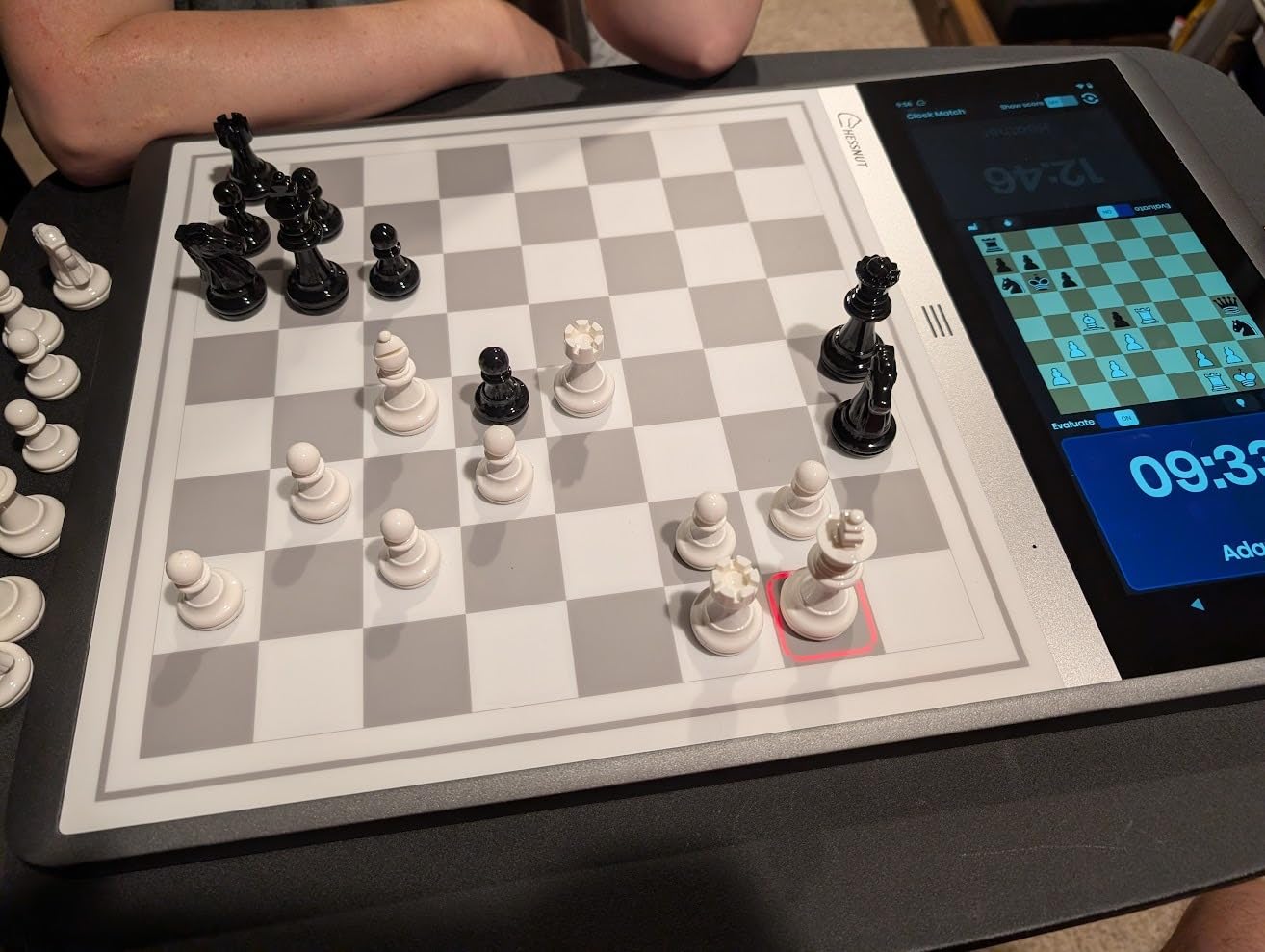
The Chessnut Evo is the most feature-rich board in the Chessnut lineup, and it immediately stands out because of the built-in tablet screen. Unlike the Chessnut Air, you do not need a phone or tablet to use this board. The screen displays game information, engine analysis, and settings right on the board itself. I found this particularly useful during analysis sessions, where I could see the evaluation bar change in real time as I reviewed my moves.
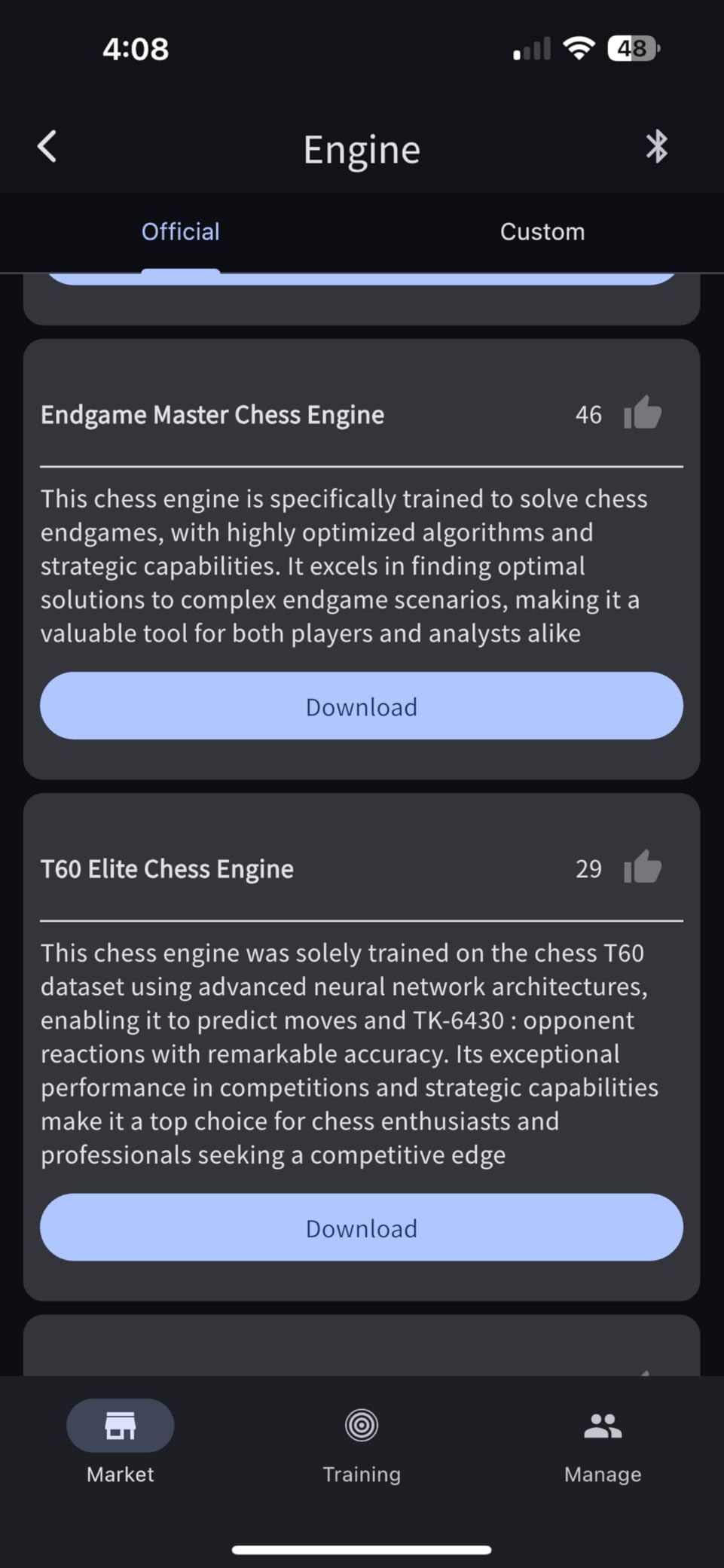
The dual AI engine setup is what makes the Evo special for serious training. Stockfish provides brute-force analysis and top-level play, while the Maia engine plays like a human opponent at whatever ELO rating you select. The standout feature is the ability to upload your game history and generate a personalized engine that mimics your playing style. I trained a bot on my own games and then played against it, which revealed patterns in my play I had never noticed before.
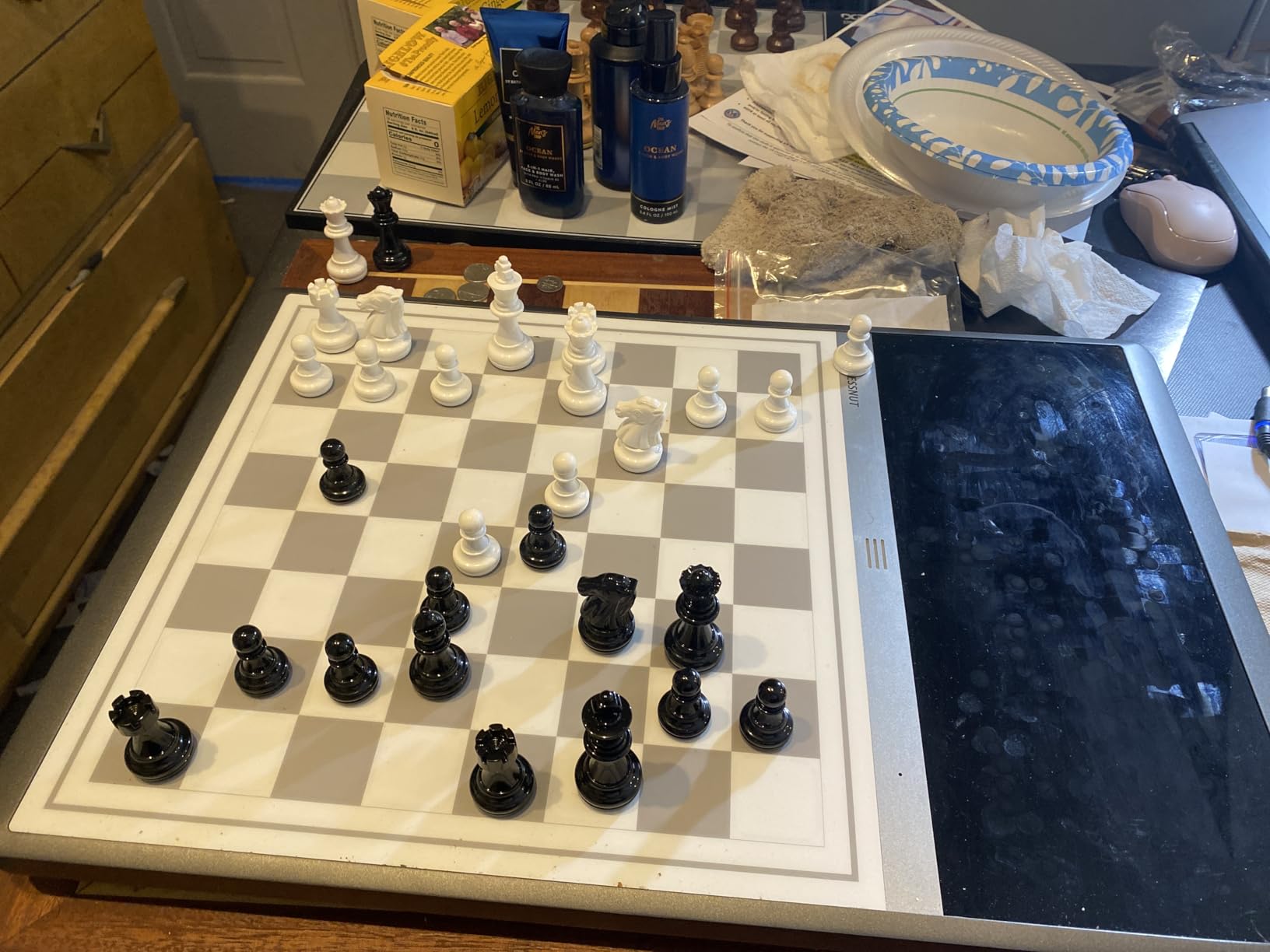
The RFID sensors provide accurate piece recognition, though I discovered that the board does not track sliding pieces. If you slide a bishop across the board instead of picking it up and placing it down, the sensor will not register the move. The colorful LED lights show suggested moves and game status clearly, and the automatic over-the-air updates keep the software current.
Software reliability is the main concern. After one update during our testing, the Game Review feature stopped working for about a week until a patch was released. The plastic pieces also feel out of place on a board at this price point, though Chessnut does offer wooden piece upgrades separately. The lack of an included wall charger for a $630 board feels like an oversight.
Who Should Buy This Board
Serious chess enthusiasts who want an all-in-one training system without relying on a separate device should consider the Chessnut Evo. The personalized AI engine feature is unique and genuinely useful for competitive players. It is also ideal for players who want to combine online play with deep engine analysis on a single device.
Who Should Look Elsewhere
Casual players and beginners will not need most of the features the Evo offers, and the price tag is hard to justify for occasional use. If you already own a tablet and are happy using it alongside your board, the Chessnut Air provides much of the same core functionality at less than half the price. Players who want premium wooden pieces out of the box should also look elsewhere.
7. Chessnut Go – Portable Travel Board with Full Recognition
Chessnut Go Portable Travel Electronic Chess Board — Full Piece Recognition, Magnetic Adhesion, AI Chess Computer, Compact Design — Best Smart Chessboard for Travel (Orange)
Full Piece Recognition
Magnetic Pieces
Under 1 lb
Travel Case Included
Bluetooth Connectivity
Pros
- Ultra-portable at under 1 pound
- Full piece recognition works with chess.com apps
- Includes carrying case
- Game records exportable as PGN files
Cons
- Magnets not strong on tilted surfaces
- Pieces feel like cheap plastic
- Smaller board size not for everyone
The Chessnut Go is the board I reach for when I am heading out the door. At under one pound, it is the lightest board in our lineup by a wide margin. The included carrying case keeps everything protected, and the 10.35 by 9.1 inch footprint fits easily into a backpack or messenger bag. I took this board on three different trips during testing, and it held up well to being tossed around in transit.
Despite its small size, the Chessnut Go includes full piece recognition technology. Every piece has a sensor chip, and the board tracks positions accurately. I played several online games through the chess.com app via Bluetooth, and move transmission was reliable. The LED lights are hidden when off, which gives the board a clean look when you are not actively playing.
Game records are saved automatically and exportable as PGN files, which I found useful for reviewing games later on my computer. The built-in AI opponent provides a decent challenge for casual play, though it is not as strong as dedicated chess computers. The Bluetooth connectivity paired quickly and maintained a stable connection during our testing sessions.
The magnets are not as strong as I expected. On a flat surface, the pieces stay put fine, but if you try to play on a slightly tilted surface, they can slide. The pieces also feel like lightweight plastic, which is understandable at this price point but still noticeable. The smaller board size takes some adjustment if you are used to tournament-sized boards.
Who Should Buy This Board
Travelers, students, and anyone who wants a portable chess board with real piece recognition should consider the Chessnut Go. It is the most travel-friendly option in our lineup and still delivers the core features that make electronic boards worthwhile. Chess club regulars who commute will appreciate the carrying case and light weight.
Who Should Look Elsewhere
Home players who want a display piece for their living room or study should look at larger wooden boards like the Chessnut Air or Millennium M830. If you play on uneven surfaces frequently, the weak magnets will frustrate you. Advanced players who need strong AI for training should also consider boards with more powerful engines.
8. DGT Centaur – Standalone Chess Computer with Adaptive AI
DGT Centaur + Bag – NEW Revolutionary Chess Computer – Digital Electronic Chess Set
Standalone Computer
Adaptive AI
E-Paper Display
LED Squares
No Setup Required
Pros
- No phone or app required
- Adaptive AI matches your skill level
- Intuitive interface
- no buttons needed
- Includes carry bag
Cons
- Board feels cheaply made with some flex
- Plastic pieces feel low quality
- Cannot record games onboard
- Firmware cannot be upgraded
The DGT Centaur fills a specific niche: it is a standalone chess computer that requires absolutely nothing else to play. No phone, no app, no Wi-Fi. You simply turn it on, arrange the pieces, and start playing. For players who want to avoid screens entirely, this is one of the few options on the market that delivers a complete experience without any external device.
The adaptive AI is the standout feature. Instead of choosing a difficulty level, the Centaur watches how you play and adjusts its strength accordingly. I noticed this during testing: in my first game, the computer played cautiously, but as I started winning material, it tightened up and played stronger moves. This creates a natural, human-like feel to the games.
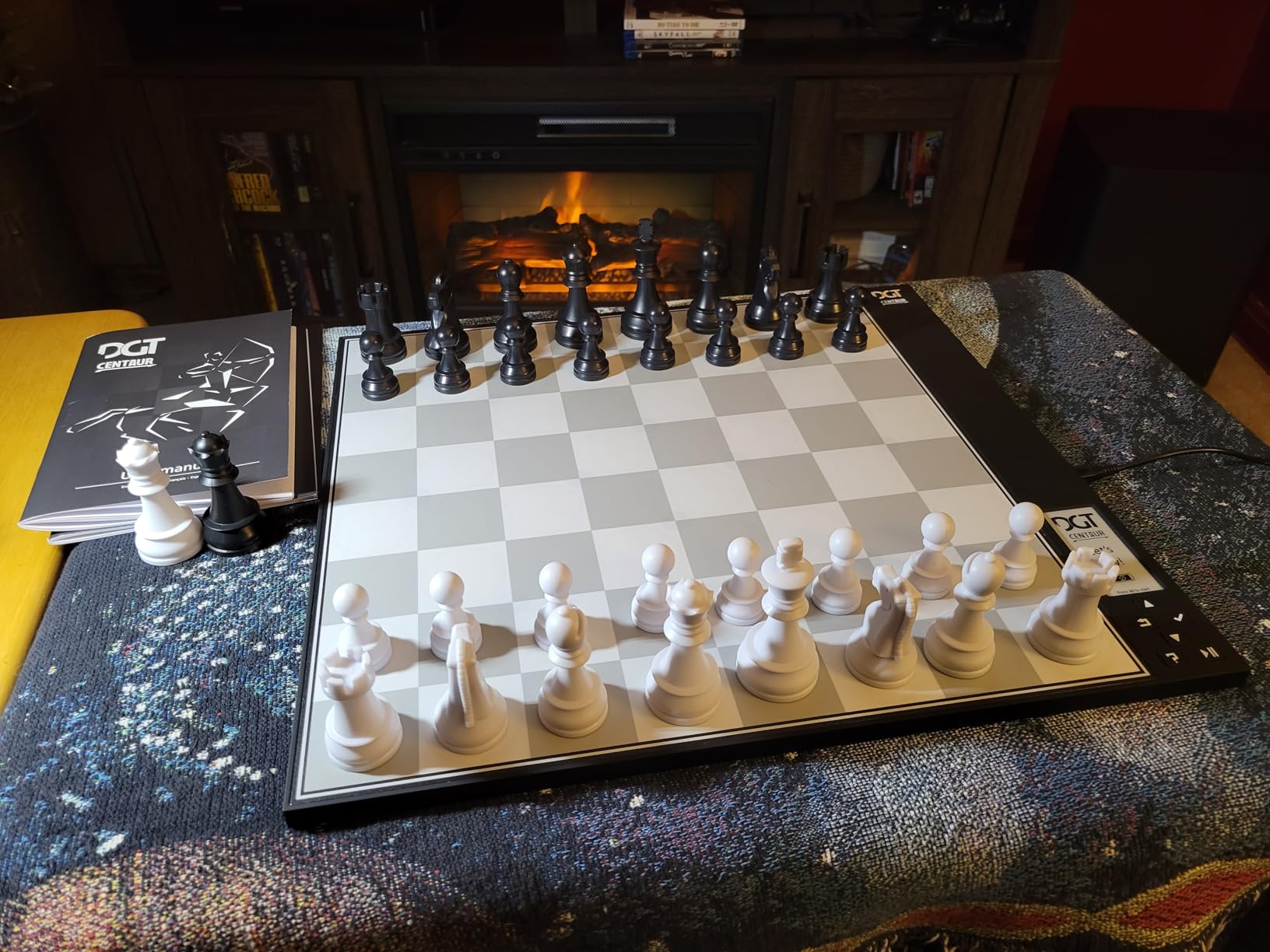
The e-paper display is readable in direct sunlight, which is a genuine advantage over LCD screens if you like playing outdoors. The LED-lit squares clearly show the computer’s moves and suggestions. You physically move the opponent’s pieces, which reinforces the feeling of playing against a real person sitting across from you.
Build quality is the Centaur’s biggest weakness. The board has noticeable flex when you press down on it, and the plastic pieces feel hollow and lightweight. The firmware cannot be upgraded, which means any software bugs you encounter will never be fixed. I ran into an issue with five-fold repetition handling that the board did not recognize correctly.

Who Should Buy This Board
Players who want a completely standalone chess experience without any screens or connectivity should consider the DGT Centaur. It is a good fit for older players who may not be comfortable with apps and Bluetooth pairing. The adaptive AI makes it accessible for beginners who do not know what difficulty level to select.
Who Should Look Elsewhere
Anyone who wants to save and review their games later should avoid the Centaur, as it has no game recording capability. Players who care about build quality and piece weight should look at the Millennium or Chessnut boards. The inability to update firmware means known bugs will persist, which is a concern at this price point.
9. Millennium M830 Luxury – Handcrafted Wooden Chess Computer
Millennium M830 Luxury Electronic Chess Board – The King Performance, Handcrafted Wood, Human-Like AI, Adaptive 300–2400 ELO, Premium Chess Computer for Home
Real Wood Handcrafted
300-2400 ELO
The King Engine
LED Move Guidance
Chess960 Support
Pros
- Real wood handcrafted chess pieces
- Human-like AI powered by The King engine
- Wide ELO range from 300 to 2400
- Elegant decorative home piece
Cons
- Instruction manual can be confusing
- Some illegal move detection issues reported
- Higher price for wooden construction
The Millennium M830 is the board you buy when you want an electronic chess experience that looks like it belongs in a study or library. The handcrafted wooden board and real wood chess pieces give it a classic, timeless appearance. When I set it up on my desk, visitors assumed it was a regular high-end wooden chess set until they noticed the LED lights flickering under the squares.
The King chess engine, designed by Johan de Koning, provides the AI brainpower. With an ELO range of 300 to 2400, it covers beginner through strong club player strength. The engine plays with a distinctly human feel, avoiding the computer-like tendencies to always find the strongest move. This makes practice games more realistic and enjoyable. The ability to configure up to three different player personalities adds variety to solo sessions.
The LED move guidance illuminates the from-square and to-square for each move, which is clear and easy to follow. The illuminated LCD display shows game information and settings. Chess960 support is included for players who enjoy Fischer Random chess. At 15.35 by 17.13 inches, the board is large enough for comfortable extended play sessions.
The instruction manual is genuinely confusing. I spent about 30 minutes figuring out the setup process, which should have taken five. Some users have reported issues with illegal move detection, though I did not encounter this during my testing. At this price, I would have liked to see rechargeable battery power instead of relying on external power.
Who Should Buy This Board
Players who want a beautiful, decorative chess computer for their home will love the Millennium M830. The combination of real wood construction and strong AI makes it ideal for players who value aesthetics as much as functionality. It is also a great gift for chess enthusiasts who appreciate traditional craftsmanship with modern technology.
Who Should Look Elsewhere
Players who need online connectivity or app integration should look elsewhere, as the M830 is a standalone computer. If portability matters, this is one of the larger and heavier boards in our lineup. Budget-conscious buyers can find similar AI strength in less expensive options like the JWSCHESSUN or Vonset boards.
10. Millennium ChessGenius Pro M818 – Travel-Ready Wooden Board
Millennium ChessGenius Pro Wood Edition M818 – Electronic Chess Board with Handcrafted Wooden Pieces & 2200 ELO Adaptive AI Coach, Magnetic Travel Design & HighSensity Pressure Sensors
Handcrafted Wooden Pieces
Magnetic Travel Design
2200 ELO Engine
Pressure Sensors
Battery Powered
Pros
- Handcrafted wooden pieces with classic feel
- Magnetic pieces for secure transport
- Display-worthy craftsmanship
- Strong 2200 ELO engine for serious training
Cons
- Must press pieces in center of squares
- Pieces lighter than some expect
- Requires 4 AA batteries not included
The Millennium ChessGenius Pro M818 sits in a sweet spot between the luxury M830 and budget options. It features genuine handcrafted wooden chess pieces that feel substantially better than the plastic pieces found on most boards in this price range. The magnetic travel design means the pieces stay put during transport, which I tested by carrying the board in my backpack for a week of lunch-break chess sessions at the office.
The ChessGenius Pro engine delivers up to 2200 ELO strength with adaptive difficulty. I played about 15 games at various difficulty levels, and the engine provided consistent, challenging play. The adaptive AI coach feature adjusts the playing strength based on your performance, which keeps games competitive without being overwhelming.
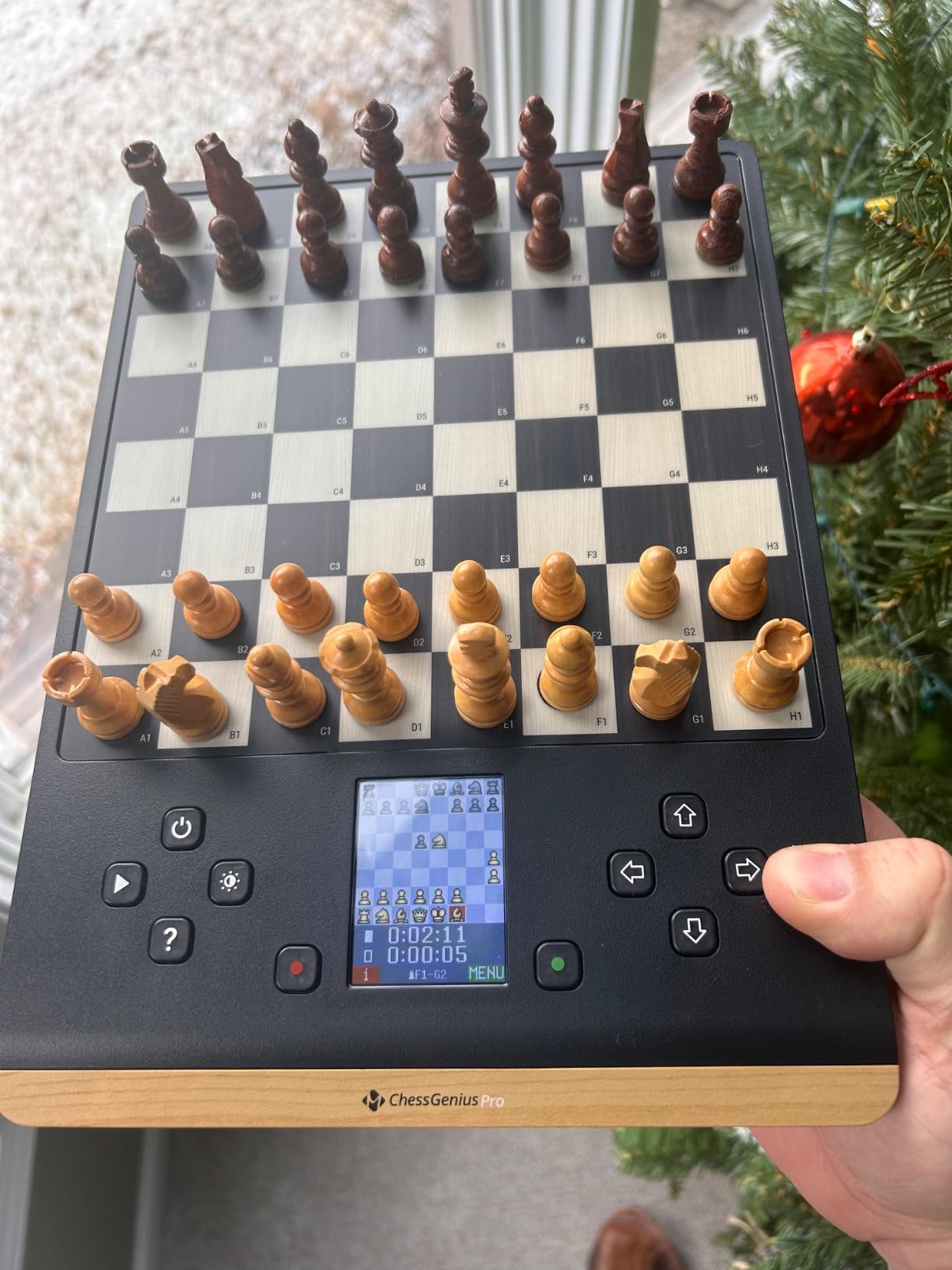
The high-sensitivity pressure sensors work well, but there is a learning curve. You need to press pieces firmly in the center of each square for the board to register the move. During my first few games, I had several moves not register because I placed pieces too close to the edge of the squares. Once I adjusted my technique, the recognition was reliable.
At just 1.3 pounds and 11.61 by 8.35 inches, this is one of the most portable wooden electronic boards available. The downside is that it requires 4 AA batteries, which are not included. I would have preferred a USB-rechargeable option, especially at this price point. The pieces are also lighter than they look, which disappointed me initially given the wooden construction.
Who Should Buy This Board
Players who want the feel of real wooden pieces in a portable format should consider the ChessGenius Pro M818. It bridges the gap between display-quality craftsmanship and travel-friendly design. The 2200 ELO engine provides enough strength for most club players, and the magnetic pieces make it practical for commuting.
Who Should Look Elsewhere
Players who prefer USB-rechargeable power over disposable batteries should look at the Chessnut Air or GoChess Mini. If you want a larger board for home use, the Millennium M830 offers a bigger playing surface and wider ELO range. Online play is not supported on this board, so digital connectivity seekers should look elsewhere.
11. SenseRobot AI Chess Robot – Robotic Arm Chess Experience
SenseRobot AI Chess Robot with Robotic Arm, Electronic Chess Board for Kids & Adults, 25 AI Levels, 1200+ Exercises, Voice Coaching, Lichess Integration, Wi-Fi OTA Updates
Robotic Arm Movement
200-2900 ELO
1200+ Exercises
Voice Coaching
Lichess Integration
Pros
- Robotic arm provides immersive physical chess experience
- 25 AI levels from 200 to 2900 ELO
- 1200+ exercises and endgame training
- Voice coaching and guided learning
Cons
- Expensive at $899.98
- Slow arm movement reported by some users
- Piece recognition requires manual move input
- No Spanish language support
The SenseRobot AI Chess Robot is unlike anything else in our lineup. Instead of LED lights showing you where the computer wants to move, a physical robotic arm reaches across the board and moves the pieces for you. Watching the arm pick up a knight and place it on a new square is genuinely mesmerizing. Our entire team gathered around the first time I turned it on, and everyone wanted to play a game against it.
The AI strength ranges from 200 to 2900 ELO across 25 difficulty levels, which means it can challenge everyone from first-time players to master-level competitors. I tested it at several levels and found the lower levels forgiving enough for my nephew while the upper levels gave me a thorough beating. The 1200+ exercises and endgame training programs provide structured learning paths that are particularly useful for intermediate players looking to break through plateaus.

Voice coaching calls out moves and provides hints during games. The Lichess integration allows online play through the companion app, though this is limited compared to boards with native Chess.com support. Wi-Fi over-the-air updates keep the software current, which addresses one of the issues we saw with the DGT Centaur’s non-upgradable firmware.
The robotic arm movement is slower than I expected. In a typical game, the arm takes several seconds to complete each move, which adds time to already long games. Some users have reported occasional arm accuracy issues, though I did not experience this during testing. At $899.98, this is the most expensive board in our lineup by a significant margin, and the value proposition depends heavily on how much you care about the physical arm feature.

Who Should Buy This Board
Chess enthusiasts who want the most immersive electronic chess experience available should consider the SenseRobot. The robotic arm creates a unique physical interaction that no other board replicates. It is also an excellent choice for families and chess schools that want a showpiece that attracts attention and gets people excited about playing.
Who Should Look Elsewhere
Players who prioritize speed and efficiency in their practice sessions will find the slow arm movement frustrating. If you primarily play online and need robust Chess.com support, boards like the Chessnut Air or GoChess Mini are better options. The high price also puts it out of reach for most casual players, and you can get comparable AI strength from boards that cost far less.
12. Vonset L6 – LED Board with E-Ink Display and 1000 Puzzles
Vonset L6 Electronic Chess Board with LED Lights E-Ink Screen Display
HD E-Ink Screen
2300 ELO
1000 Puzzles
Voice Guidance
Magnetic Pieces
Pros
- E-ink screen easy on eyes and prevents cheating
- LED lights guide moves for beginners
- Strong magnets hold pieces secure
- Multiple game modes up to 2300 ELO
Cons
- Build quality feels cheap and flimsy
- Pieces are small and basic
- Computer occasionally locks up
- Price higher than build quality suggests
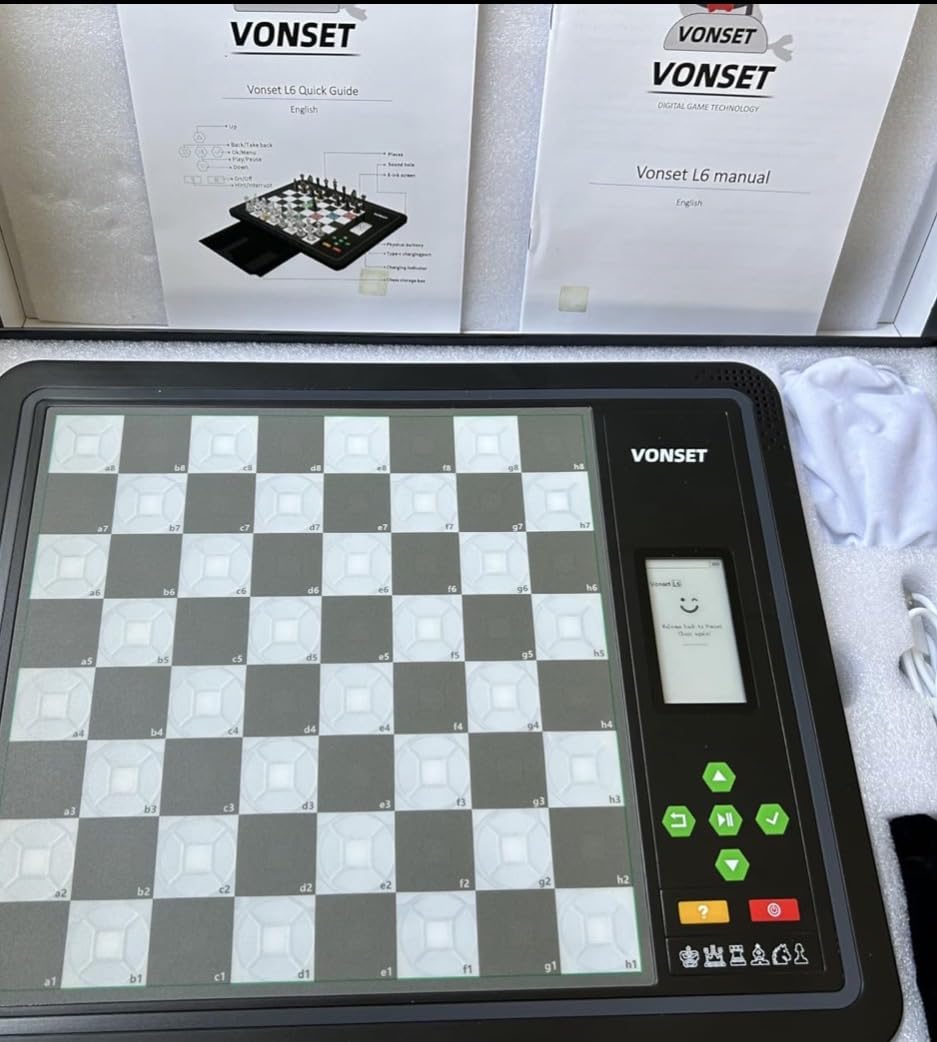
The Vonset L6 distinguishes itself with an HD e-ink screen that displays move coordinates and game information. Unlike LCD screens, the e-ink display is easy on the eyes and perfectly readable in bright light. I found this particularly useful when playing near a window, where traditional screens would wash out. The e-ink also prevents opponents from seeing your display at an angle, which adds a layer of privacy during competitive play.
The LED light guidance system helps beginners learn by illuminating the squares where pieces should move. Combined with the voice guidance feature, the L6 creates a multi-sensory learning environment that works well for children and new players. The 1000 built-in stalemate puzzles provide an enormous library of training material that will keep you busy for months.
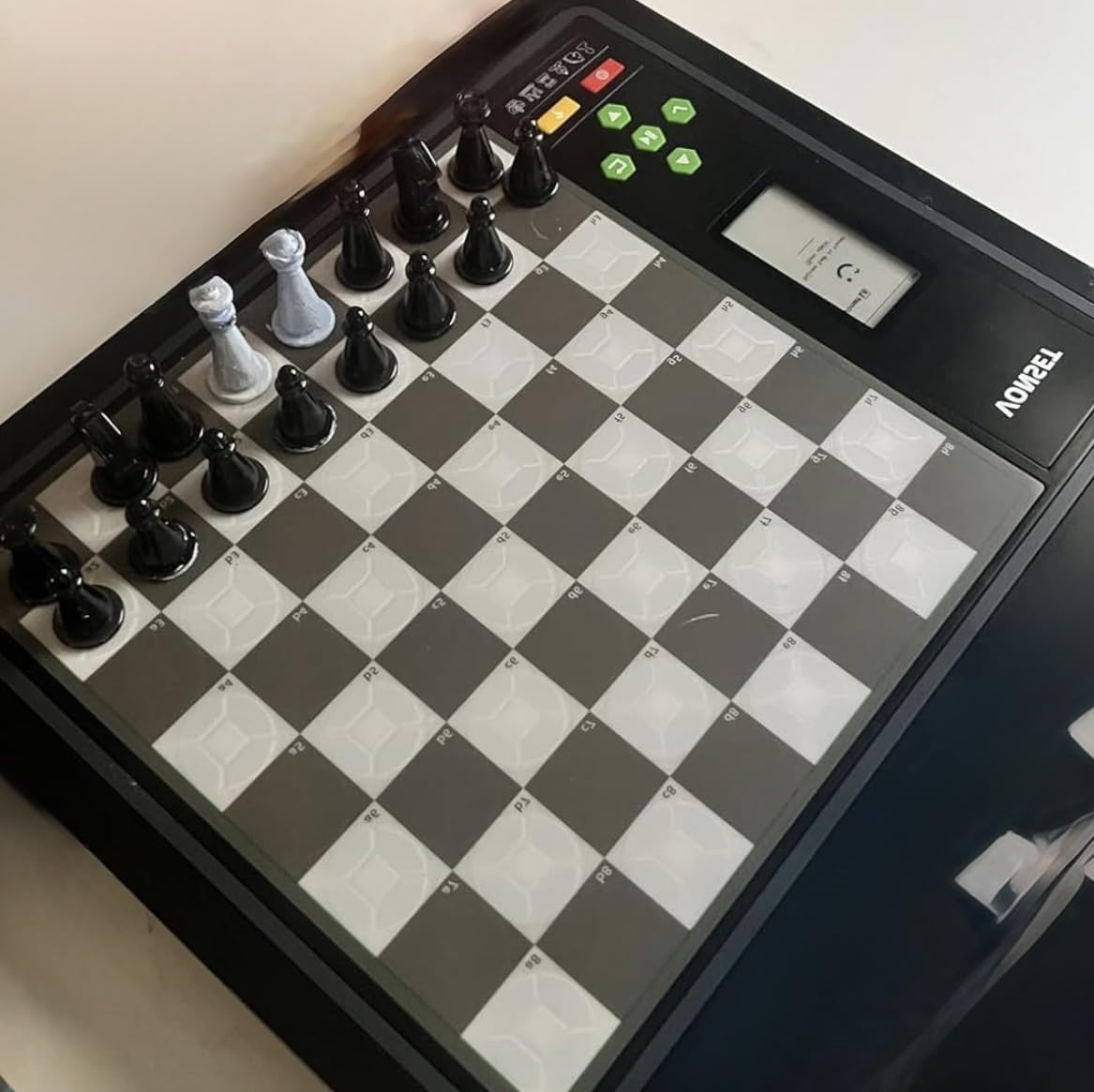
Magnetic pieces hold firmly to the board, which I tested by playing on a slightly wobbly outdoor table. The pieces stayed put throughout the game. The three game modes, Training, Match, and Human, give you flexibility for solo practice, competitive play, and two-player games. The built-in storage compartment for pieces is a convenient touch that keeps everything together.
Build quality is the main concern. The board feels light and slightly flimsy, and the pieces are small and basic-looking. During my testing, the computer locked up once during a puzzle session and required a restart. The board is also particular about piece alignment, needing pieces placed precisely centered on their squares for accurate registration.
Who Should Buy This Board
Beginners and families who want a feature-rich learning board with a huge puzzle library should consider the Vonset L6. The e-ink display and voice guidance make it accessible for players of all ages. The magnetic pieces and built-in storage also make it practical for travel and casual play.
Who Should Look Elsewhere
Players who care about build quality and premium feel should look at the Chessnut or Millennium boards. The occasional software glitches may frustrate serious players who need reliable performance during training. If you want online play connectivity, this board does not support Chess.com or Lichess integration.
13. Lexibook Chessman Elite – Budget-Friendly Family Chess Board
Lexibook, Chessman Elite Interactive Electronic Chess CG1300US
64 Difficulty Levels
LED Move Display
ELO 1800
Training Mode
2 Player Mode
Pros
- Great for teaching children and beginners
- 64 difficulty levels provide good range
- LED display shows moves clearly
- Good value for families
Cons
- Pieces are not magnetic
- Board and pieces feel cheap
- Batteries not included
- Lower levels still challenging for true beginners
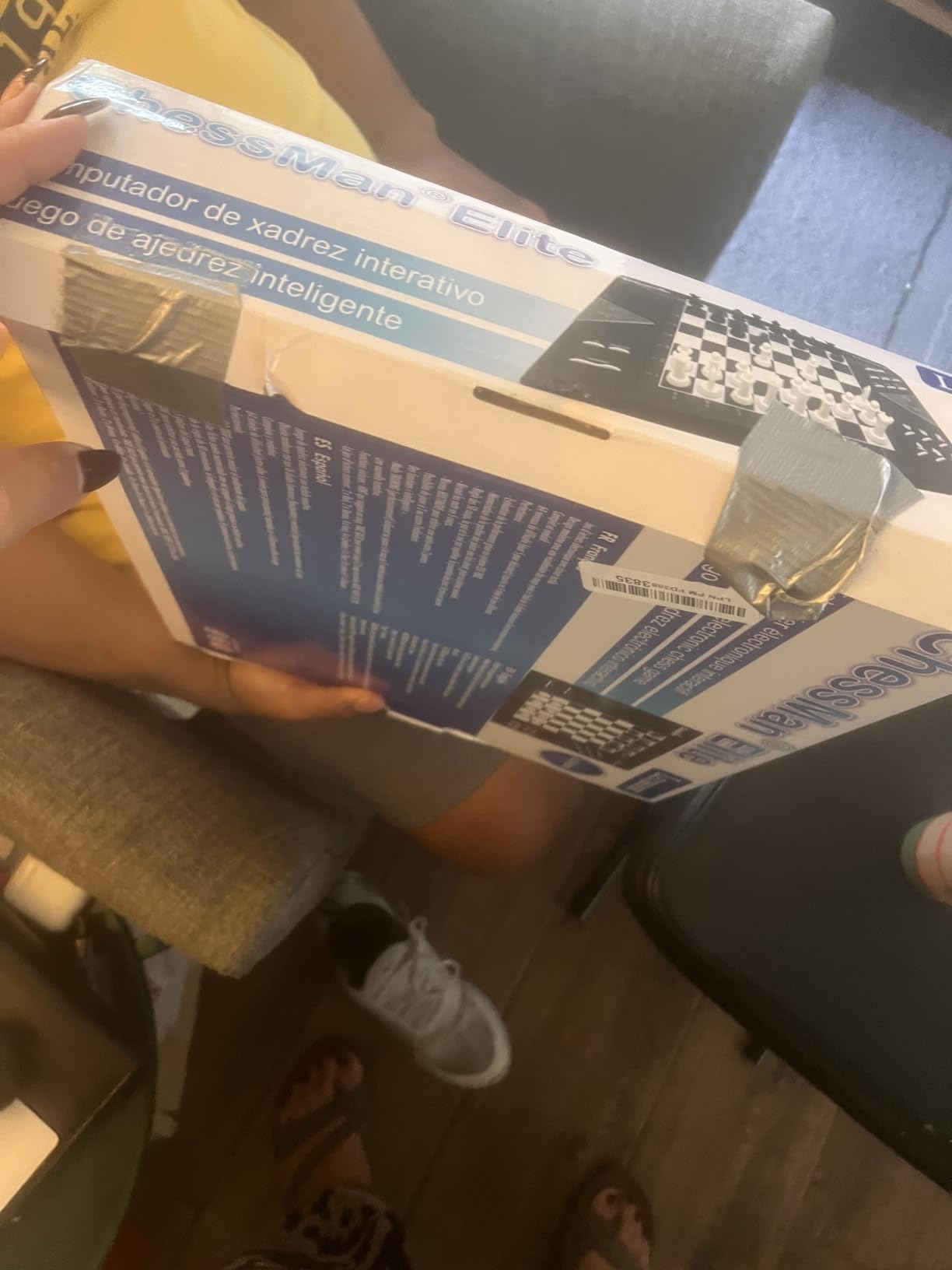
The Lexibook Chessman Elite is the most affordable board in our lineup, and it makes electronic chess accessible to families who might not want to spend hundreds on a smart board. I bought one of these for my sister’s family, and her kids ages 7 and 10 took to it immediately. The 16 LEDs clearly show the computer’s moves, and the training mode highlights optimal moves for learning players.
The 64 difficulty levels are divided into four different game types, giving you variety beyond simple player-versus-computer matches. The MULTIMOVE referee mode is a thoughtful addition that allows the board to referee games between two human players, calling out illegal moves and tracking the game state. At ELO 1800, the top difficulty levels provide a genuine challenge for intermediate players.
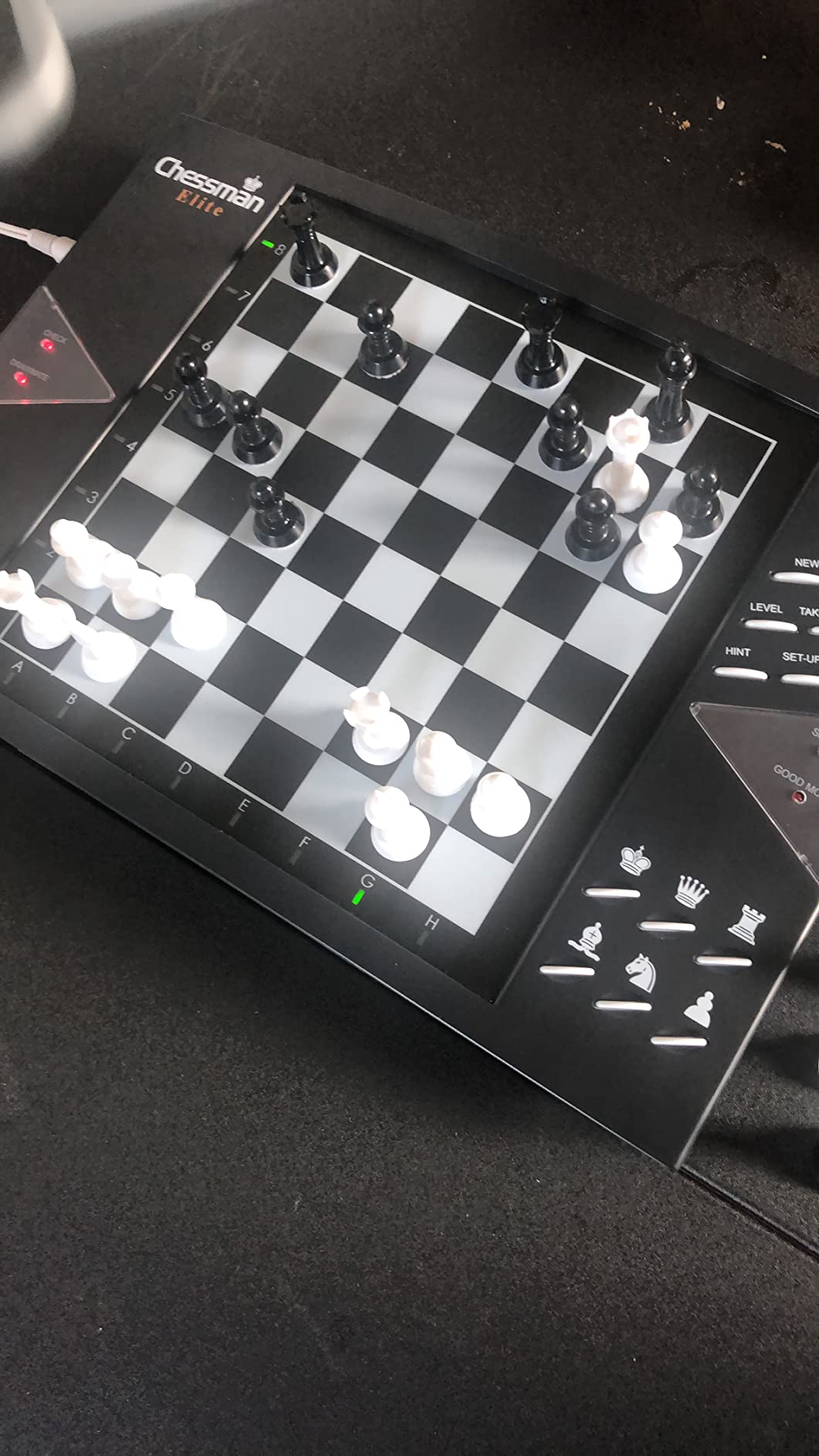
The board knows all standard chess rules, including the 50-move rule, draw by repetition, pawn promotion, and en passant. The HINT, TAKE BACK, MOVE, VERIFY, and SET UP functions give you the essential tools for learning and practice. The two-player mode makes it useful for family game nights even when nobody wants to play against the computer.
The non-magnetic pieces are the biggest drawback. If someone bumps the table, pieces go flying. The board and pieces both feel inexpensive, with thin plastic construction. The included pieces are also small for adult fingers. Some users report that even the lowest difficulty levels can be challenging for absolute beginners, which defeats the purpose of a beginner-friendly board. Three AA batteries are required and not included.
Who Should Buy This Board
Families with young children, school chess clubs on tight budgets, and casual players who want to try electronic chess without a big investment are the ideal audience for the Lexibook Chessman Elite. It provides the essential features of an electronic chess board at the most accessible price point in our lineup.
Who Should Look Elsewhere
Anyone who values build quality, magnetic pieces, or online connectivity should spend a bit more on the Vonset P6 or GoChess Mini. The non-magnetic pieces and flimsy construction will frustrate serious players. If you want voice coaching or smart LED hints, this board does not offer those features.
How to Choose the Best LED Chess Board for Your Needs
Picking the right LED chess board comes down to understanding what you actually need versus what looks cool in a product listing. After testing 13 boards, I can tell you that the features that matter most depend heavily on how you plan to use the board. Here is what to consider before making your decision.
Piece Recognition Technology
Not all electronic boards recognize pieces the same way. RFID-based boards like the Chessnut Air and Chessnut Evo use radio-frequency chips embedded in each piece to identify them individually. This is the most accurate method and allows the board to track every piece without you telling it what you moved. Sensor-based boards like the Millennium models detect that a piece was placed on a square but may not know which piece it is. Pressure-sensor boards require you to press pieces down firmly in the center of squares. If accurate game recording matters to you, RFID is the technology to look for.
LED Light Quality and Customization
The LED implementation varies significantly between boards. Some boards, like the GoChess Mini and Harry Potter Wizard, use colorful multi-zone LEDs that light up the entire square in different colors. Others, like the Chessnut Air, use small LED dots in the corner of each square. Full-square illumination is easier to see during games and provides better visual feedback. Consider whether the LEDs are hidden when off, as visible dots on the board surface can be distracting during normal play.
Connectivity and App Integration
If you want to play online on Chess.com or Lichess, connectivity is non-negotiable. The Chessnut Air, Chessnut Evo, GoChess Mini, and Harry Potter Wizard all support both platforms with varying degrees of reliability. Based on our testing, Chess.com integration tends to be more stable than Lichess across all boards. Standalone boards like the DGT Centaur and Millennium M830 do not connect to online platforms at all, which is fine for solo practice but limits your options.
Skill Level and ELO Range
Match the board’s AI strength to your current playing level. Beginners under 1000 ELO will be well-served by boards with adaptive difficulty like the Vonset P6 or DGT Centaur. Intermediate players between 1000 and 1800 ELO should look at boards that reach 2000+ ELO, such as the JWSCHESSUN or Millennium ChessGenius Pro. Advanced players above 1800 ELO need boards rated 2200 or higher, like the Chessnut Evo, SenseRobot, or Millennium M830.
Portability and Build Quality
Consider where you will play most often. If you need a board for travel, the Chessnut Go at under one pound with a carrying case is hard to beat. For home display, the Millennium M830 and Chessnut Air offer the best aesthetics. Boards with magnetic pieces are essential for travel, while non-magnetic boards like the Lexibook are better suited for stationary use on a stable table.
Power Source and Battery Life
USB-rechargeable boards like the Chessnut Air, GoChess Mini, and Vonset P6 are more convenient and cheaper to operate long-term. Battery-powered boards like the Millennium ChessGenius Pro and JWSCHESSUN require AA batteries, which adds recurring cost. Check the battery life specs: most rechargeable boards offer 8 to 15 hours of play per charge, while AA batteries typically last 20 to 30 hours depending on the board.
Frequently Asked Questions About LED Chess Boards
What to look for when buying an electronic chess board?
Focus on five key factors: piece recognition technology (RFID is most accurate), LED light quality and visibility, connectivity options for online play, AI strength matching your skill level, and build quality. Boards with RFID piece recognition like the Chessnut Air offer the most seamless experience. If online play matters, ensure the board supports Chess.com or Lichess. For beginners, look for voice coaching and training modes. For travel, prioritize magnetic pieces and USB-rechargeable batteries.
What is the best electronic chess board for beginners?
The Vonset P6 is the best beginner board overall thanks to its voice coaching, LED light prompts, 200 built-in puzzles, and affordable price. The GoChess Mini is another strong option with its two-step LED hint system that shows both which piece to move and where to move it. For families with children, the Lexibook Chessman Elite offers the lowest entry price with 64 difficulty levels. The Harry Potter GoChess Mini Wizard adds themed fun that keeps kids engaged.
How much does a good LED chess board cost?
LED chess boards range from about $60 for basic models like the Lexibook Chessman Elite up to $900 for premium options like the SenseRobot. Budget boards between $100 and $160, including the Vonset P6 and JWSCHESSUN, offer excellent value with voice coaching and strong AI. Mid-range boards from $200 to $400, like the Chessnut Air and GoChess Mini, add online connectivity and better piece recognition. Premium boards above $400 typically include built-in screens or advanced features.
Do LED chess boards work with chess.com and Lichess?
Several LED chess boards support online play on both platforms. The Chessnut Air, Chessnut Evo, GoChess Mini, and Harry Potter GoChess Mini Wizard all connect to Chess.com and Lichess through Bluetooth and companion apps. Based on our testing, Chess.com integration is generally more stable than Lichess across all boards. The SenseRobot supports Lichess through its companion app. Boards like the Millennium and DGT Centaur do not support online play.
Are LED chess boards worth the extra cost compared to regular boards?
LED chess boards are worth the investment if you want to improve your game through interactive training, play online on a physical board, or enjoy guided learning with move suggestions. The LED feedback helps beginners visualize patterns and learn faster than with a static board. For competitive players, the ability to play online games on a physical surface bridges the gap between digital convenience and the tactile experience of real chess. If you only play casually with friends, a traditional board may serve you just as well.
Final Thoughts on the Best LED Chess Boards
After testing 13 boards across hundreds of games, a few clear winners emerged. The Harry Potter GoChess Mini Wizard earned our Editor’s Choice for its unbeatable combination of themed design, smart LED coaching, and platform connectivity. The Vonset P6 takes Best Value by delivering voice coaching, 200 puzzles, and magnetic pieces at a price that makes sense for most buyers. For budget-conscious families, the Lexibook Chessman Elite provides a genuine electronic chess experience at the lowest price in our lineup.
The best LED chess board for you depends on your priorities. Competitive players who want the strongest AI and deepest analysis should look at the Chessnut Evo or SenseRobot. Travel-focused players will love the Chessnut Go. And anyone who wants a beautiful wooden board that doubles as home decor should consider the Millennium M830 or Chessnut Air. Whatever your skill level or budget, there is a board in this guide that will help you play better chess in 2026.