
Finding the best board games for kids means sorting through hundreds of options to find the ones that actually hold attention, teach something meaningful, and survive more than three play sessions. Our team tested 15 top-rated games with children across multiple age groups, from preschoolers barely old enough to sit still to 10-year-olds who wanted real strategy.
We spent three months playing these games in real family settings. We watched which ones kids reached for on their own and which gathered dust on the shelf. We paid attention to how quickly kids grasped the rules, whether parents actually enjoyed playing along, and how well the components held up after dozens of rounds.
What we found is that the best board games for kids in 2026 are not always the flashiest or most expensive. Some of our top picks cost under $10 and have been around for decades. Others are newer titles that bring fresh mechanics to the table. Whether you are building a game collection for family night, looking for educational board games for kids, or trying to find something that works across a wide age range, this guide has you covered.
If you want to expand beyond kids-focused titles later, our guide to the best family board games for adults and kids covers titles that bridge that gap beautifully.
Table of Contents
Top 3 Picks for Best Board Games for Kids
After hundreds of game sessions, these three stood out from the pack. Each earned its spot for different reasons, covering different age ranges and play styles.
Best Board Games for Kids in 2026
Here is our complete lineup of 15 games, each chosen for specific strengths. Some are perfect for preschoolers taking their first steps into tabletop gaming. Others challenge older kids with strategy and decision-making. All of them earned their place through real testing with real families.
1. Connect 4 Classic Grid – Strategic Grid Battle
Hasbro Gaming Connect 4 Classic Grid, 4 in a Row Game, Strategy Board Games for Kids, 2 Players for Family and Kids, Easter Gifts for Boys and Girls, Ages 6+
Ages 6+
2 Players
3 Ways to Play
Plastic Construction
Pros
- Timeless strategy game
- 3 gameplay modes
- sturdy build
- great value
Cons
- Assembly required
- not Prime eligible
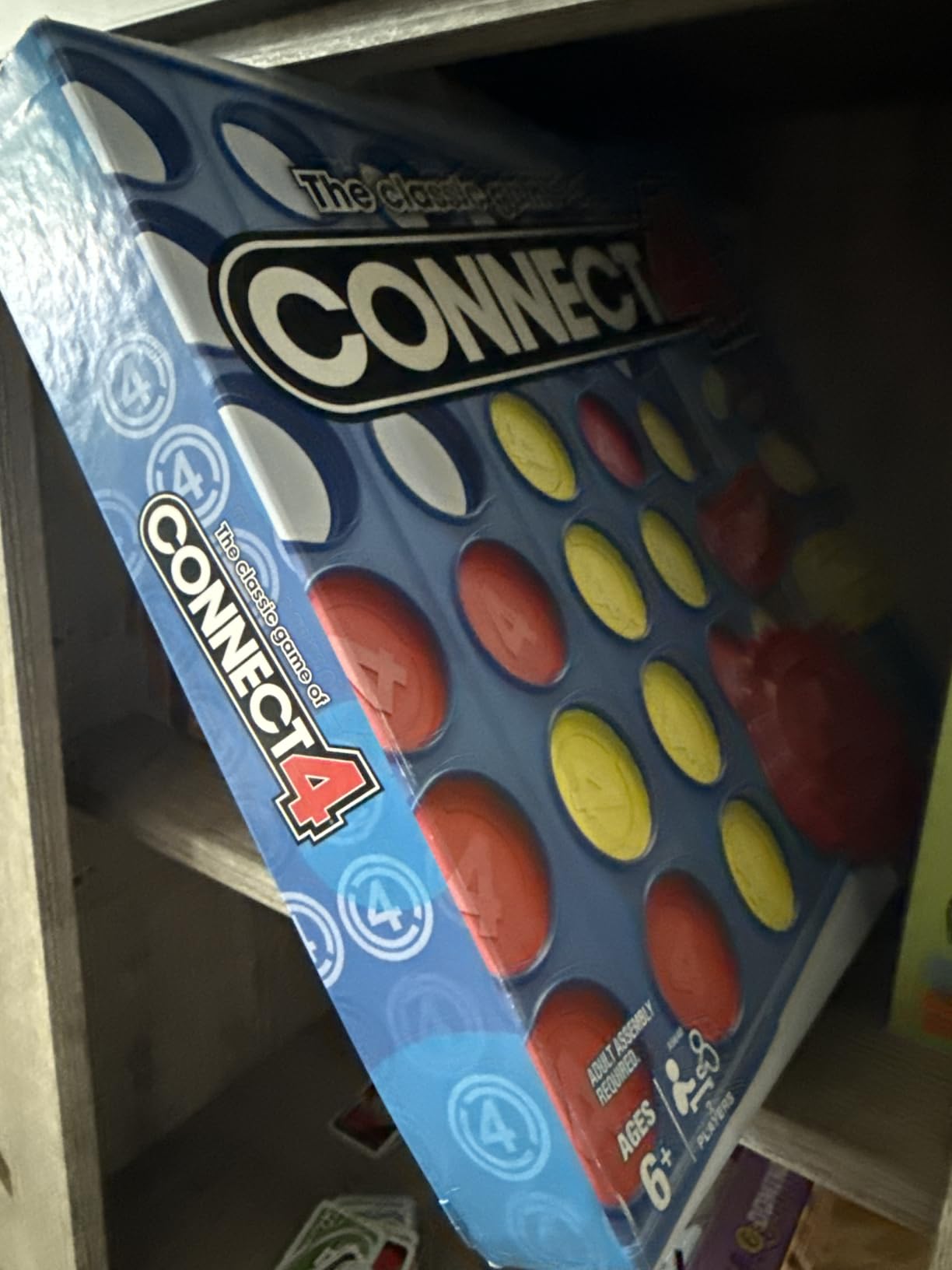
I have played more rounds of Connect 4 than I can count, and it still surprises me how often a 7-year-old can outmaneuver an adult. The rules take about 30 seconds to explain. Drop your colored discs into the grid, and the first player to connect four in a row wins.
What sets the Classic Grid version apart is the three ways to play. The standard mode is the one everyone knows. But the Frenzy variation and the pop-out feature add enough variety to keep this game fresh even after months of play.
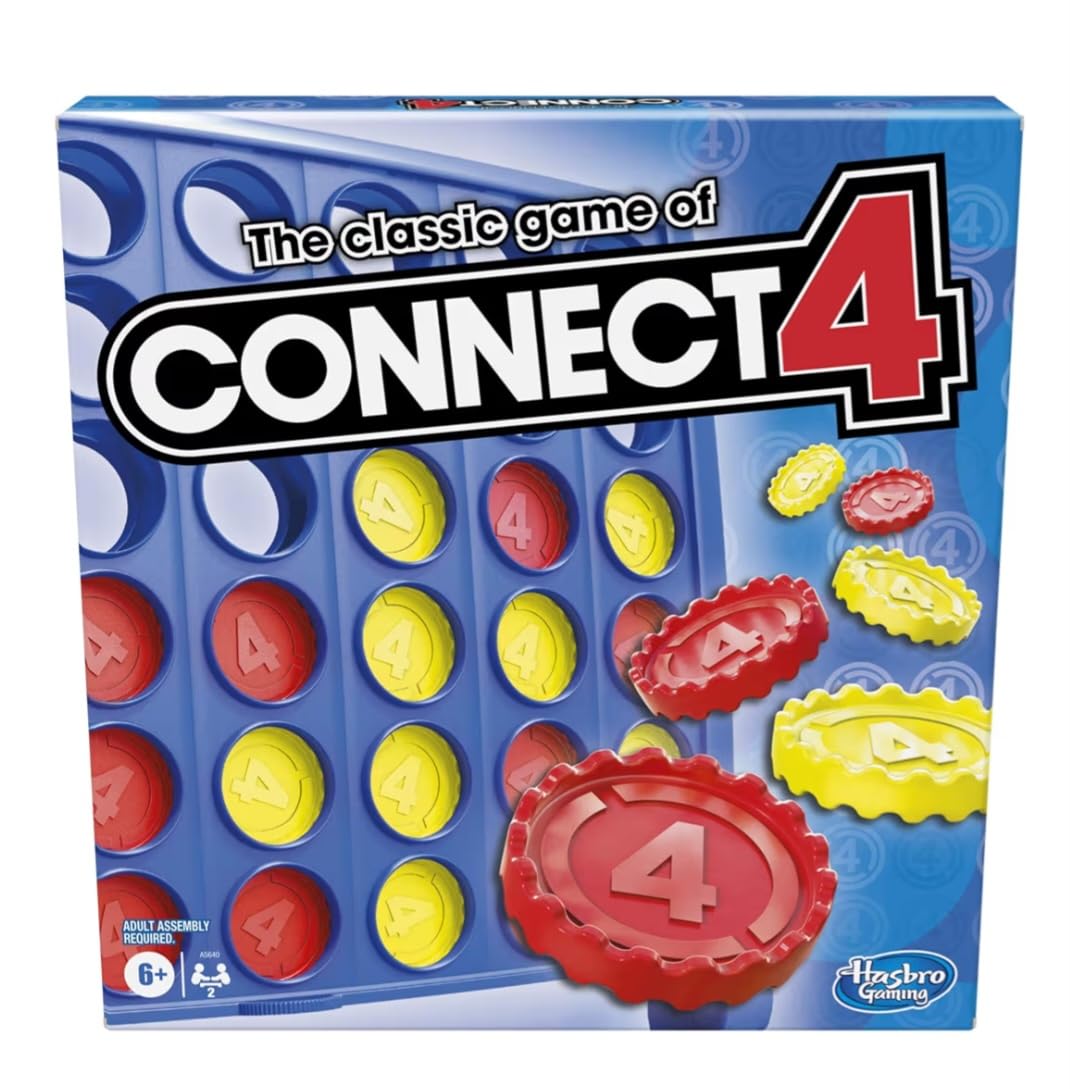
The build quality is solid for the price. The grid clicks together firmly, and the discs are thick enough to survive enthusiastic drops. After three months of testing with multiple families, not a single piece cracked or warped.
I noticed kids naturally start developing pattern recognition and forward planning skills after just a few sessions. They begin blocking opponent moves before making their own. That strategic thinking transfer is exactly what makes this one of the best board games for kids who are ready to move beyond pure luck games.
Perfect for Competitive Siblings
If your kids thrive on head-to-head competition, Connect 4 delivers quick, satisfying matches that fit between homework and dinner. Games last about 10 minutes, which means nobody gets bored and nobody has time to get genuinely upset about losing.
It is also one of the few games that genuinely works as well for a 6-year-old as it does for a 12-year-old. The depth of strategy scales naturally with the player.
What to Know About Setup
The grid requires simple assembly each time you play. It takes about 20 seconds once you get the hang of it, but it is something to be aware of if you want a zero-setup option.
The pieces store neatly inside the grid legs, which keeps everything contained between sessions. No lost discs in our entire testing period.
2. Candy Land Kingdom of Sweet Adventures – First Board Game for Preschoolers
Hasbro Gaming Candy Land Kingdom of Sweet Adventures Board Game for Kids, Gifts for Boys and Girls, Ages 3 & Up (Amazon Exclusive)
Ages 3+
2-4 Players
No Reading Required
Teaches Color Recognition
Pros
- No reading needed
- teaches turn-taking
- nostalgic appeal
- bright candy theme
Cons
- Cards can get damaged
- board thinner than older versions
Candy Land is the board game I recommend most often to parents asking for their child’s very first game. The entire gameplay revolves around drawing cards and matching colors. No reading, no counting, no strategy. Just pure movement along a colorful path to the castle.
Our testing group included two 3-year-olds who had never played a board game before. Both understood the rules within five minutes and were fully engaged for the entire session. The bright candy artwork and character cards create a story that preschoolers love.

What Candy Land really teaches is the foundational skill of board gaming itself. Taking turns. Waiting patiently. Accepting that sometimes the cards do not go your way. These are big lessons for a 3-year-old, and Candy Land delivers them in a gentle, encouraging package.
The components are decent for the price. The pawns are sturdy plastic gingerbread men that survive being dropped, thrown, and stepped on. The board folds for storage, though the cards are on the thinner side and will need gentle handling.

Ideal First Game for Non-Readers
This is the game that bridges the gap between toddlerhood and real board gaming. If your child can identify colors, they can play Candy Land independently.
It also works beautifully for mixed-age groups. An older sibling can play alongside a preschooler without getting bored or needing to dumb down their experience.
Durability Over Time
The board material is slightly thinner than the versions many parents remember from their own childhood. That said, with reasonable care, it holds up well. We recommend storing the cards in a small baggie to prevent bending.
Several parents in our testing group mentioned this is the game their kids kept coming back to, even after receiving more complex options. The simplicity is the feature, not the limitation.
3. Taco Cat Goat Cheese Pizza – Fast-Paced Family Fun

Taco Cat Goat Cheese Pizza Card Game by Taco Cat Games, Age 7+, 2-8 Players
Ages 8+
2-8 Players
10-15 Min Playtime
Card Game
Pros
- Takes 1 minute to learn
- compact for travel
- hilarious for all ages
- fast rounds
Cons
- Can get chaotic with young kids
- hands may get sore from slapping
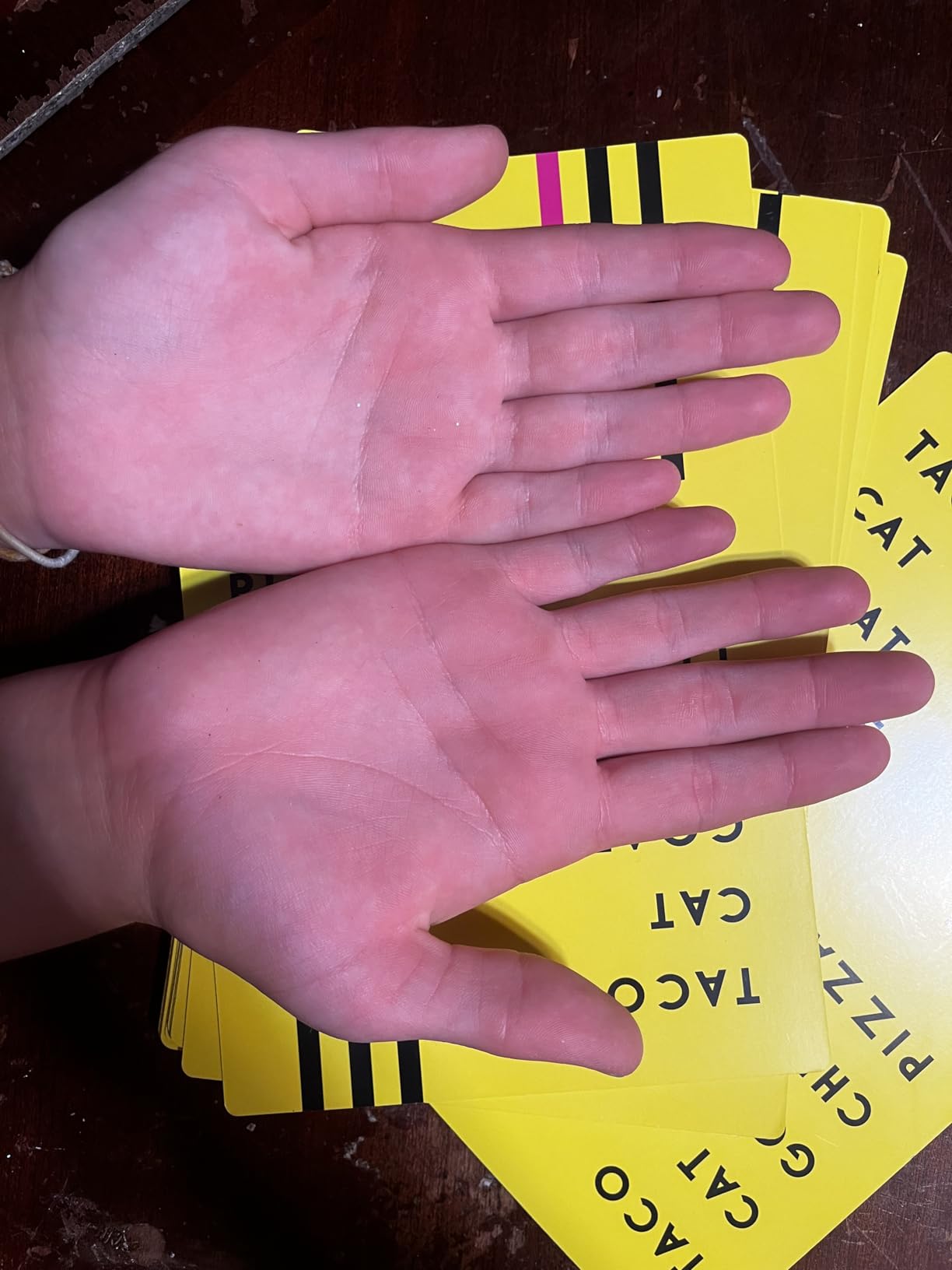
Taco Cat Goat Cheese Pizza is the game that made our testing families laugh the hardest. The premise is brilliantly simple. You flip cards one at a time while saying the words taco, cat, goat, cheese, pizza in sequence. When the spoken word matches the card, everyone slaps the pile.
The last person to slap picks up all the cards. First person to get rid of all their cards wins. That is the entire game, and it produces absolute chaos in the best possible way.
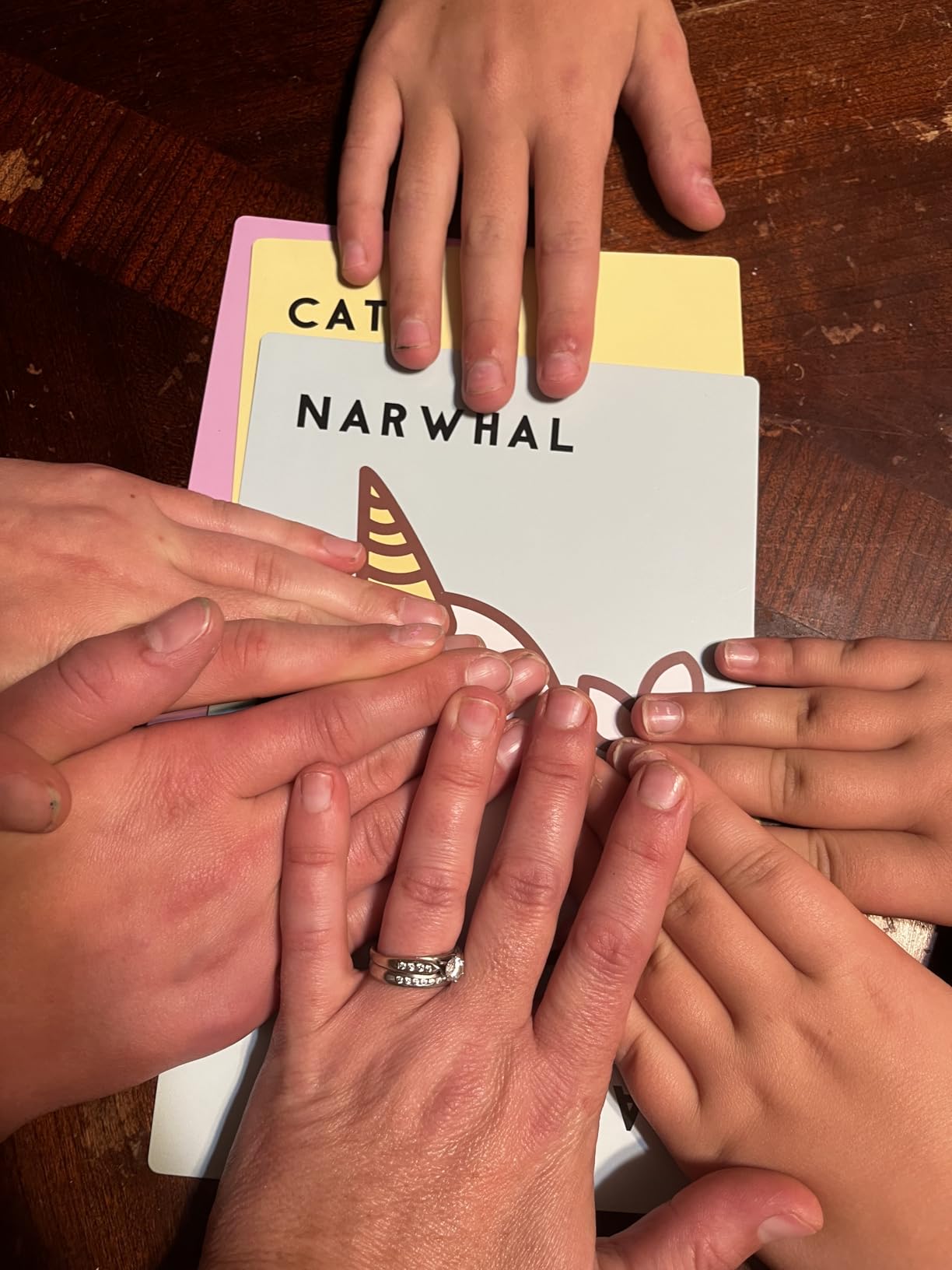
I brought this to a family gathering with kids ranging from 5 to 14, plus four adults. Every single person was engaged. The 5-year-old needed a little help keeping pace with the word sequence, but the physical slap mechanic kept her fully involved.
The game includes special action cards that add gorilla, narwhal, and groundhog challenges. These force everyone to make a gesture before slapping, which creates hilarious confusion and levels the playing field between fast and slow players.
Best Party Game in This List
If you regularly host playdates, family gatherings, or birthday parties, Taco Cat Goat Cheese Pizza is the easiest recommendation I can make. It accommodates up to 8 players, takes virtually no setup, and creates instant energy in any room.
The compact size means it fits in a purse or backpack, making it our go-to recommendation for travel games and restaurant waiting.
Managing the Chaos with Younger Kids
The slapping mechanic can get intense. We recommend establishing ground rules about gentle hands before starting, especially with mixed-age groups where older kids have significant size advantages.
Some parents mentioned knuckle soreness after extended play. This is minor and does not detract from the fun, but it is worth knowing if you plan marathon sessions.
4. Bananagrams My First – Spelling Made Fun for Pre-Readers
Bananagrams My First, Lowercase Letter Word Game for Ages 4+
Ages 4+
1-4 Players
30 Min Playtime
80 Letter Tiles
Pros
- Builds literacy skills
- portable banana pouch
- no waiting turns
- grows with child
Cons
- Missing special characters for international use
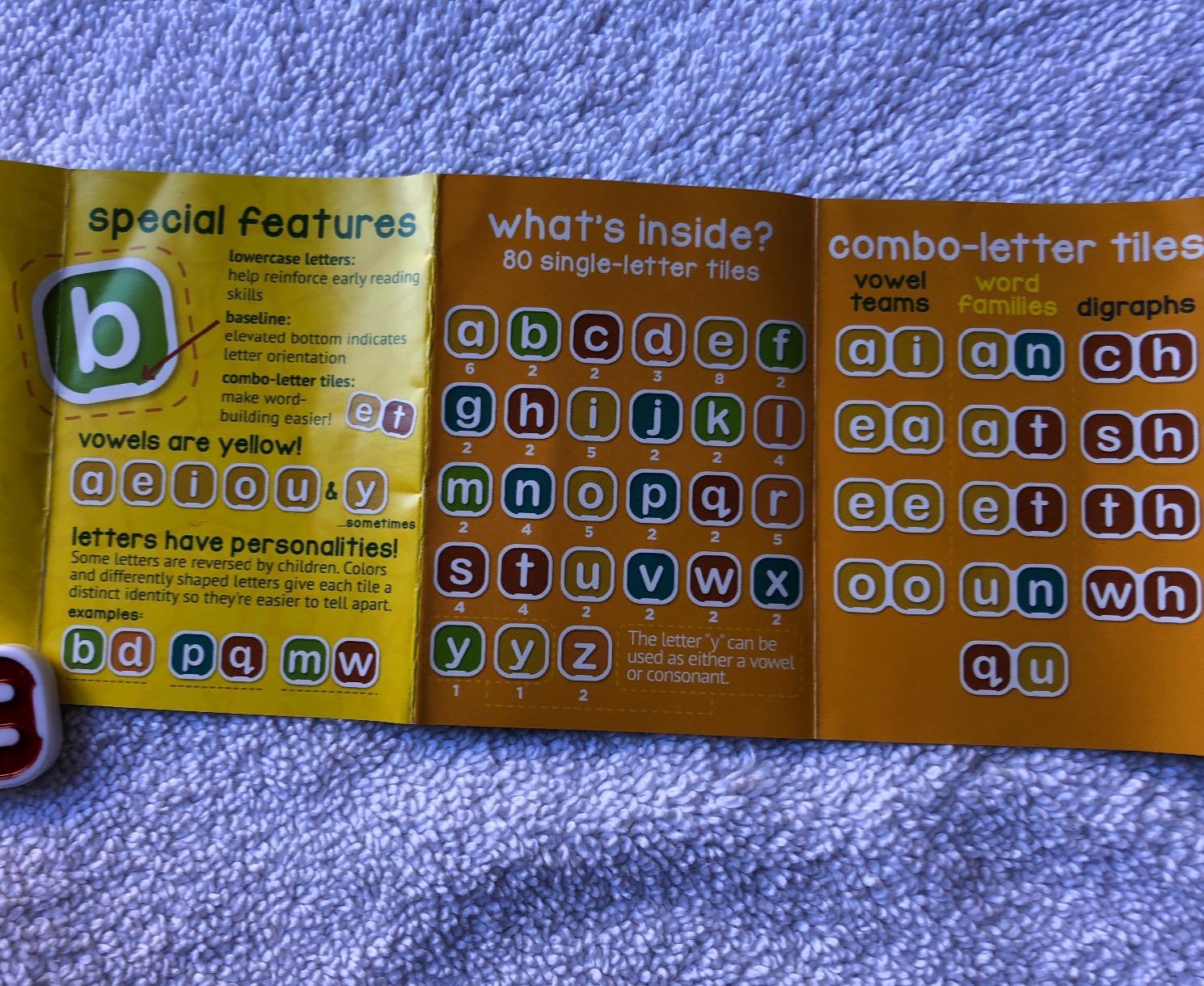
Bananagrams My First takes the word-building mechanic of the original game and adapts it for children ages 4 and up. The tiles are larger, the letter distribution is designed for simpler words, and the combo-letter tiles help bridge the gap between letter recognition and full spelling.
I watched a 4-year-old who was just starting phonics work build simple three-letter words with genuine excitement. There is something about physically placing letter tiles that makes spelling click in a way worksheets never achieve.
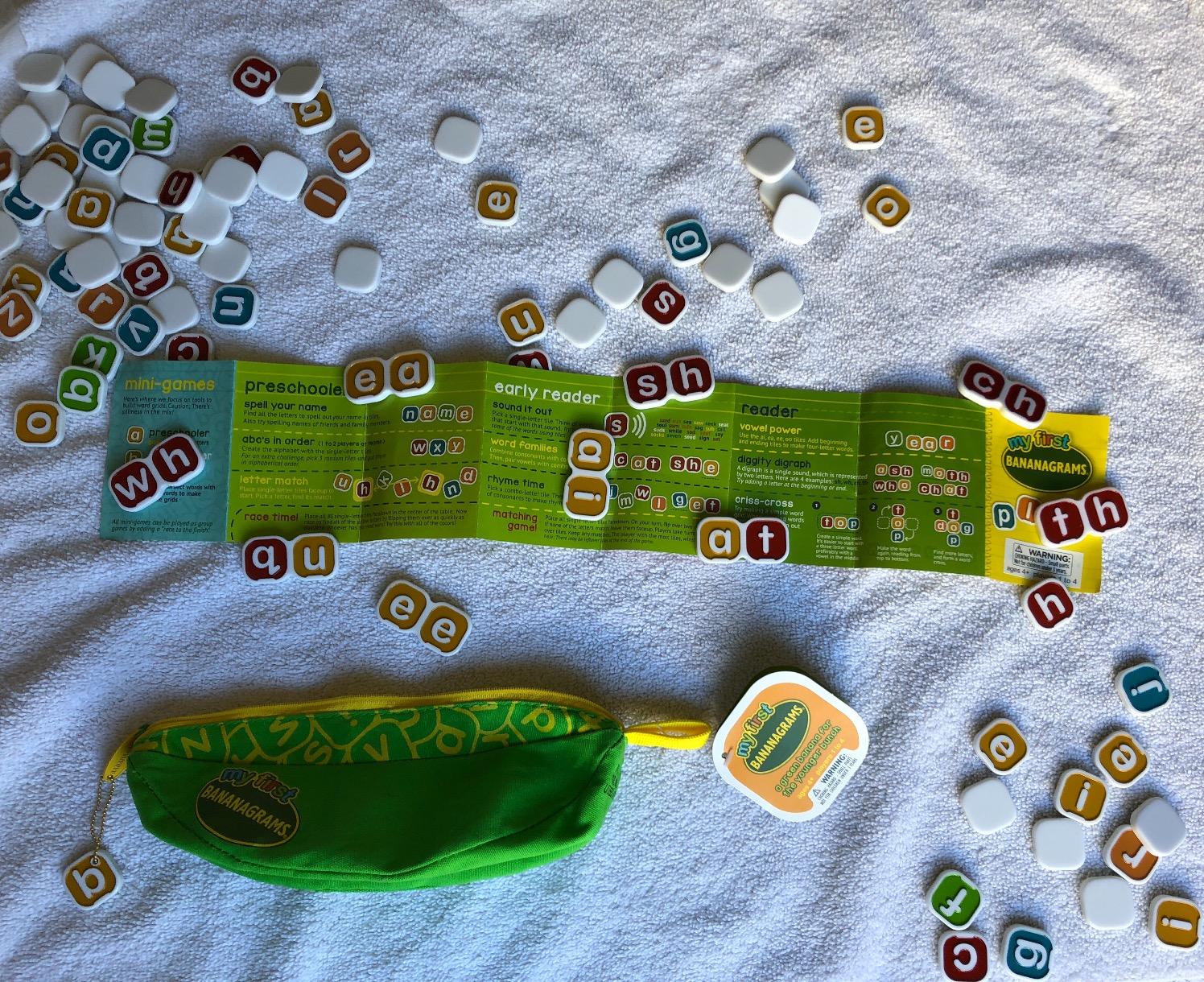
The game comes in a green banana-shaped pouch that zips shut. This is not just cute packaging. It makes the game genuinely portable and keeps all 93 tiles contained. We tossed it in a diaper bag for two weeks without losing a single piece.
Unlike turn-based games, every player works simultaneously. This means no downtime and no wiggling while waiting. For kids with shorter attention spans or those who struggle with the waiting aspect of traditional games, this design choice is significant.
Best Pick for Early Literacy
If you want a game that sneakily teaches letter recognition and phonics while kids think they are just playing, this is it. Several parents in our testing group reported their children voluntarily pulling out the tiles to practice spelling outside of game time.
The game scales well too. Younger children can match letters, while older kids race to build the longest connected word grid.
How It Compares to Original Bananagrams
The My First version uses lowercase letters, which is actually better for early readers since most reading instruction focuses on lowercase first. The combo-letter tiles for common digraphs like ch and th give kids a head start on more advanced phonics concepts.
Once your child outgrows this version, the original Bananagrams offers a natural upgrade path with the same familiar format.
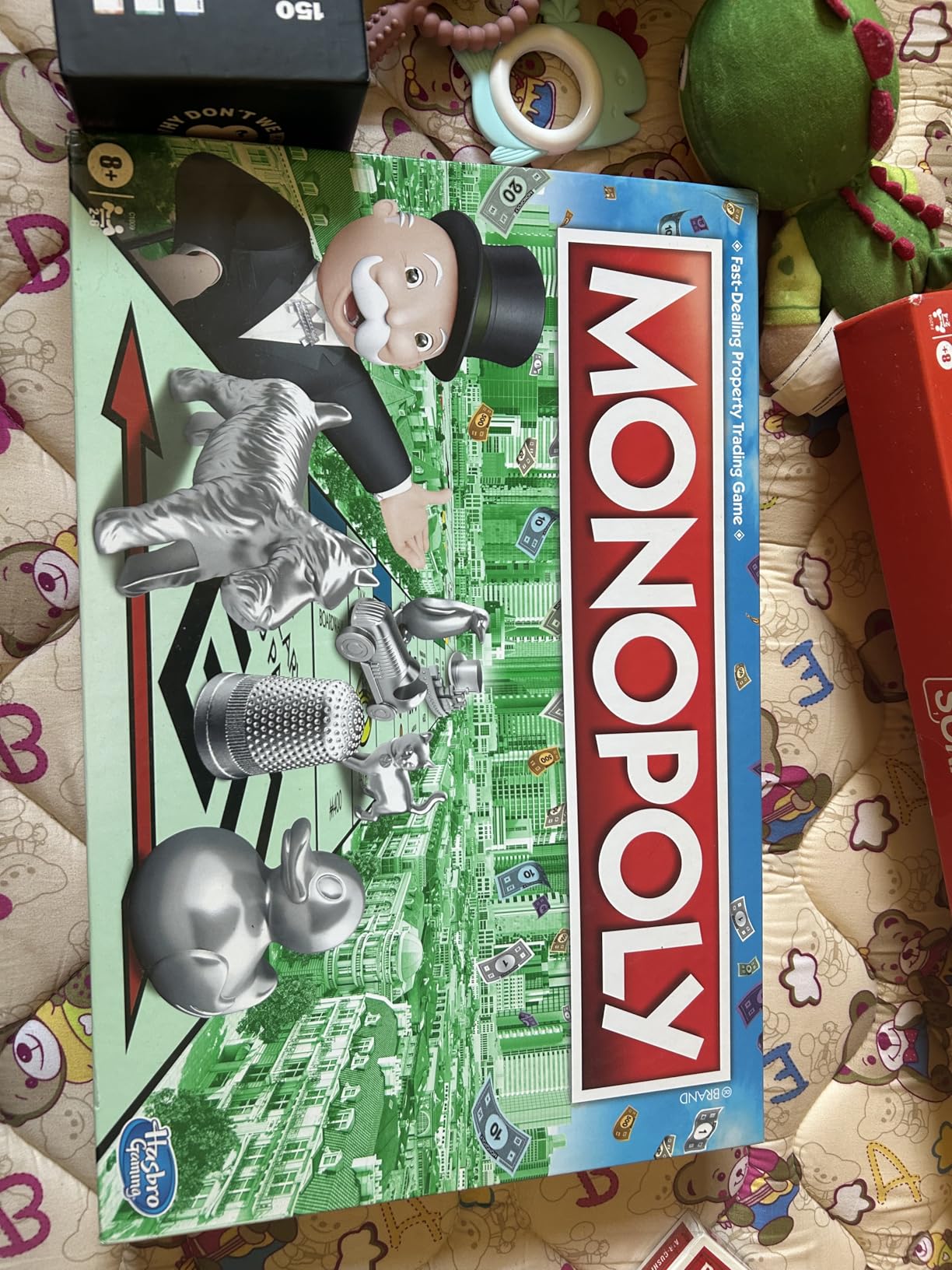
5. Monopoly Token Vote Edition – Classic Property Trading
Monopoly Game, Family Board Games for 2 to 6 Players & Kids Ages 8 and Up, Includes 8 Tokens (Token Vote Edition)
Ages 8+
2-6 Players
120 Min Playtime
Financial Literacy
Pros
- Teaches money management
- 8 collectible tokens
- timeless gameplay
- negotiation skills
Cons
- Long playtime
- paper money can be fragile
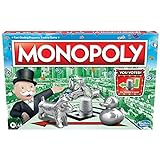
Monopoly needs no introduction, but the Token Vote Edition adds something fresh to the formula. This version includes 8 tokens that were selected through a global fan vote: Top Hat, Rubber Ducky, Scotty, Hazel, Race Car, Penguin, Battleship, and Thimble.
I played this with three kids ages 8, 10, and 12 over a lazy Sunday afternoon. The game took about 90 minutes, and every child was engaged throughout. The negotiation and trading phase produced some genuinely impressive strategic thinking from the 10-year-old.
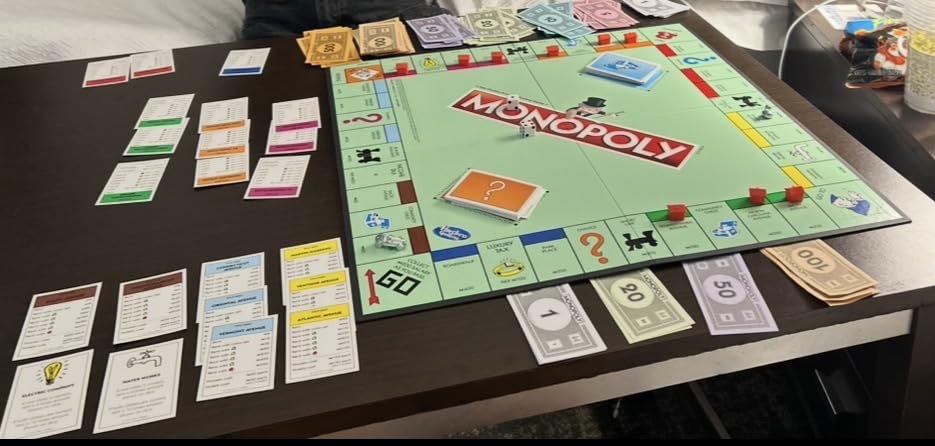
What Monopoly does better than almost any other game is teach practical money skills. Kids handle cash, make change, calculate rent, and decide whether to invest in properties or save for development. These are real-world financial concepts disguised as fun.
The build quality is solid. The board is substantial, the metal tokens have satisfying weight, and the houses and hotels are the classic green and red plastic pieces. The paper money is functional but thin, which is the main quality complaint across thousands of reviews.
Best for Older Kids Ready for Real Strategy
Monopoly rewards players who can think several turns ahead, negotiate effectively, and manage limited resources. For kids ages 8 and up, this is one of the few mainstream games that offers genuine strategic depth.
The social dynamics are also valuable. Learning to lose gracefully, negotiate fairly, and adapt when plans go wrong builds emotional resilience.
Managing Game Length
The official playtime is 120 minutes, which can stretch longer with larger groups. For families with younger siblings, consider setting a time limit or using house rules to speed things up.
Many families in our testing group used a one-hour timer and declared the richest player the winner. This kept engagement high without sacrificing the core experience.
6. Ticket to Ride 2025 Refresh – Cross-Country Train Adventure

Asmodee Ticket to Ride Board Game (2025 Refresh) – A Cross-Country Train Adventure for Friends and Family, Strategy Game for Kids & Adults, Ages 8+, 2-5 Players, 30-60 Minute Playtime
Ages 8+
2-5 Players
30-60 Min Playtime
Route Building Strategy
Pros
- Teaches geography
- beautiful components
- deep strategy
- high replayability
Cons
- May be too simple for hardcore gamers
- higher price point
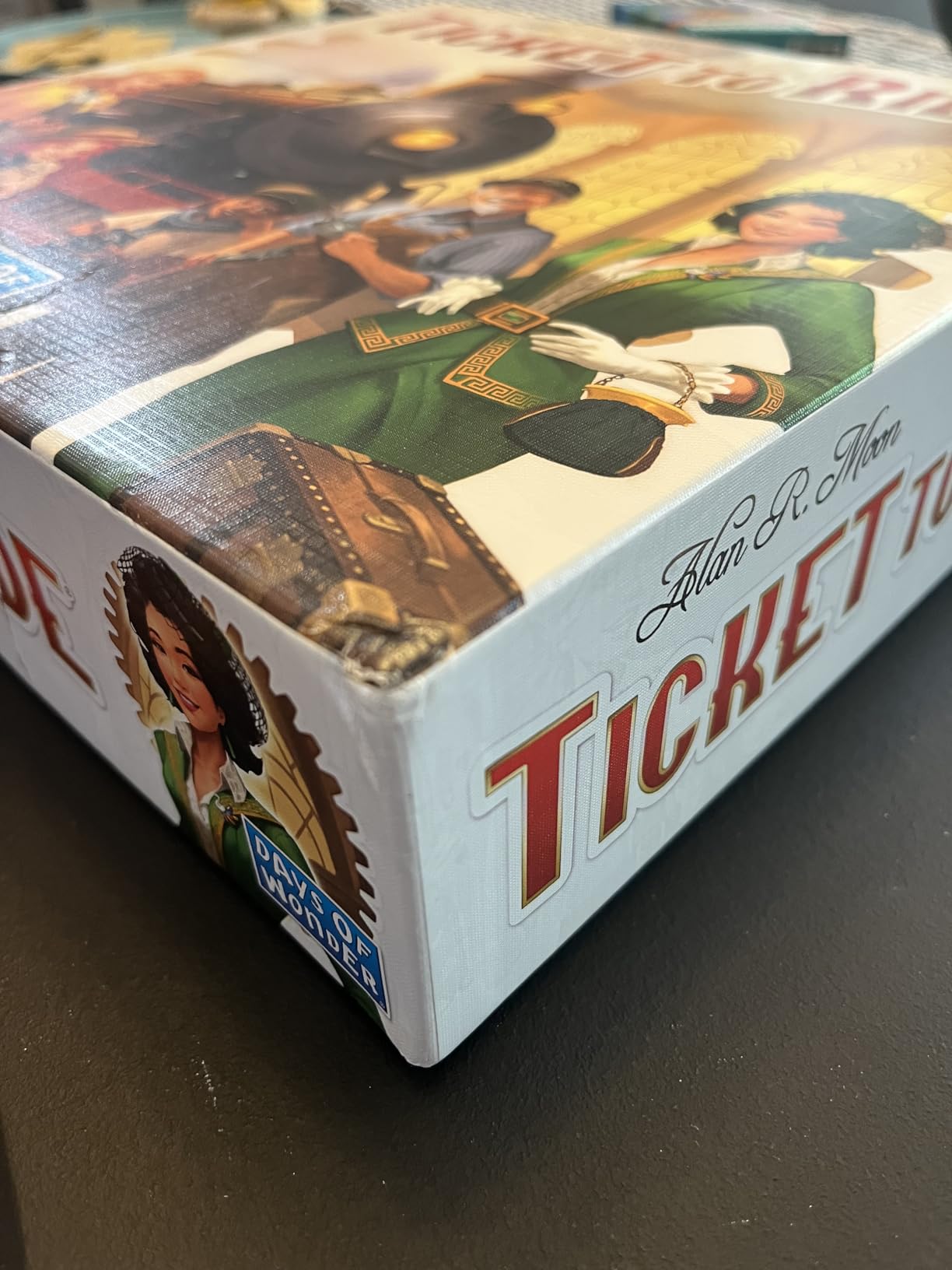
Ticket to Ride is the game I recommend when parents ask for something that feels like a real strategy game but is still accessible to kids. The 2025 refresh brings updated components while keeping the gameplay that has made this one of the most beloved family board games of the past two decades.
The concept is elegant. Players collect train cards in matching colors to claim railway routes across North America. Longer routes are worth more points, but they require more cards and take more turns to complete.
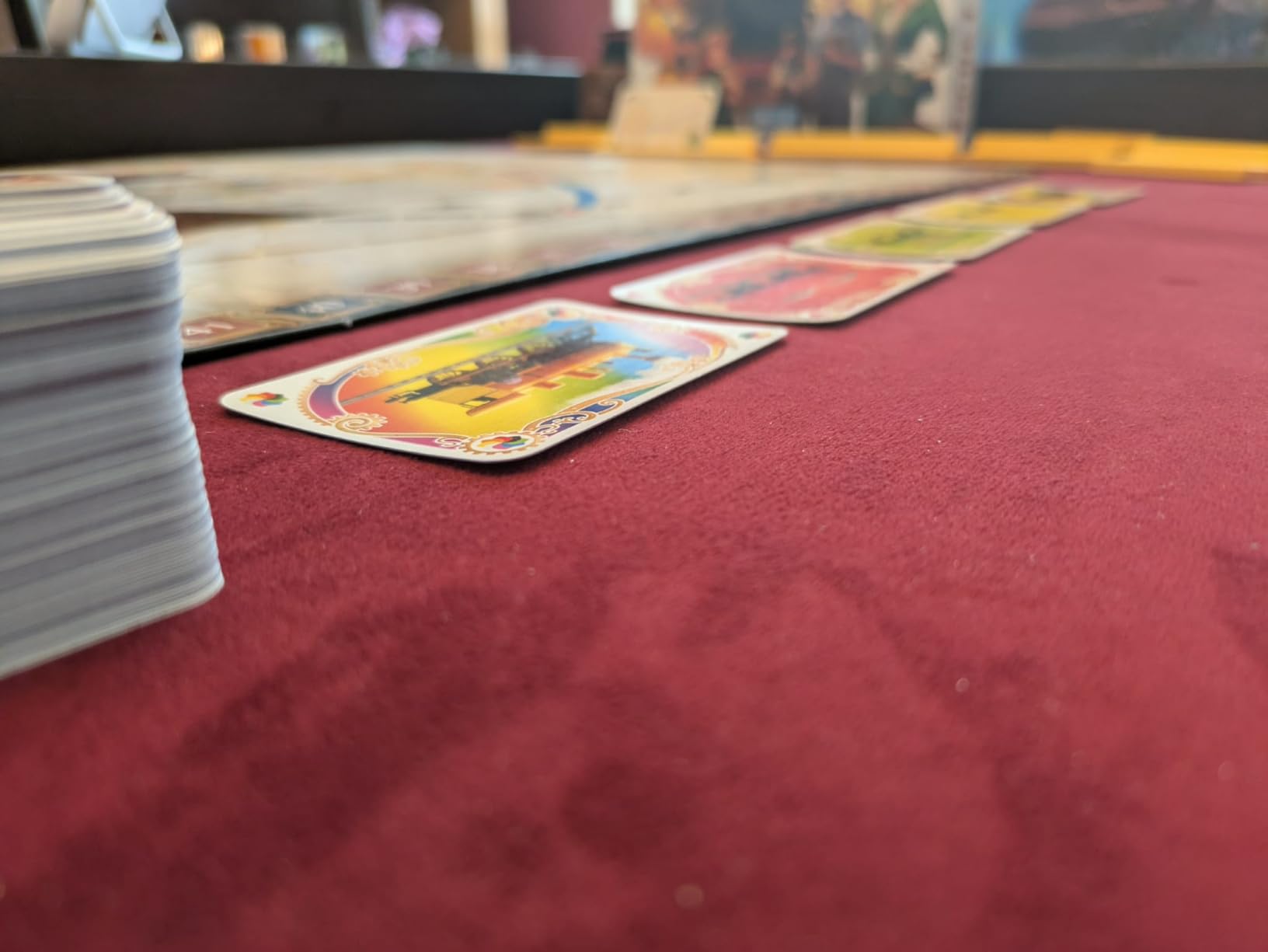
Our 9-year-old tester grasped the rules in about 10 minutes and was making genuinely strategic decisions by her second game. She started thinking about blocking opponents, saving cards for long routes, and balancing short-term gains with long-term ticket objectives.
The components are where Ticket to Ride shines. The plastic trains are colorful and satisfying to place. The board is a gorgeous map of North America that doubles as an informal geography lesson. Kids naturally start learning city locations and relative distances without even realizing it.
Best Introduction to Modern Board Gaming
If your family is ready to move beyond mass-market classics, Ticket to Ride is the gateway. It bridges the gap between simple roll-and-move games and the rich strategy of modern hobby board games.
For families looking to explore more in this space, our guide to the best family board games covers additional modern favorites.
Replayability Factor
Every game of Ticket to Ride plays differently based on which destination tickets players draw and how the train card deck unfolds. After 20+ test games, no two sessions felt identical.
The 30-to-60-minute playtime is the sweet spot for family game night. Long enough to feel substantial, short enough to keep kids from losing focus.
7. ThinkFun Zingo Bingo – Award-Winning Reading Game

ThinkFun Zingo Bingo Award Winning Preschool Game for Pre-Readers and Early Readers Age 4 and Up – One of the Most Popular Board Games for Boys and Girls and their Parents (97700)
Ages 4+
2-6 Players
Reading Skills
Zinger Device Included
Pros
- Builds reading skills
- fast-paced gameplay
- durable tiles
- works for classrooms and home
Cons
- Storage can be tricky
- multiple variants exist for different levels
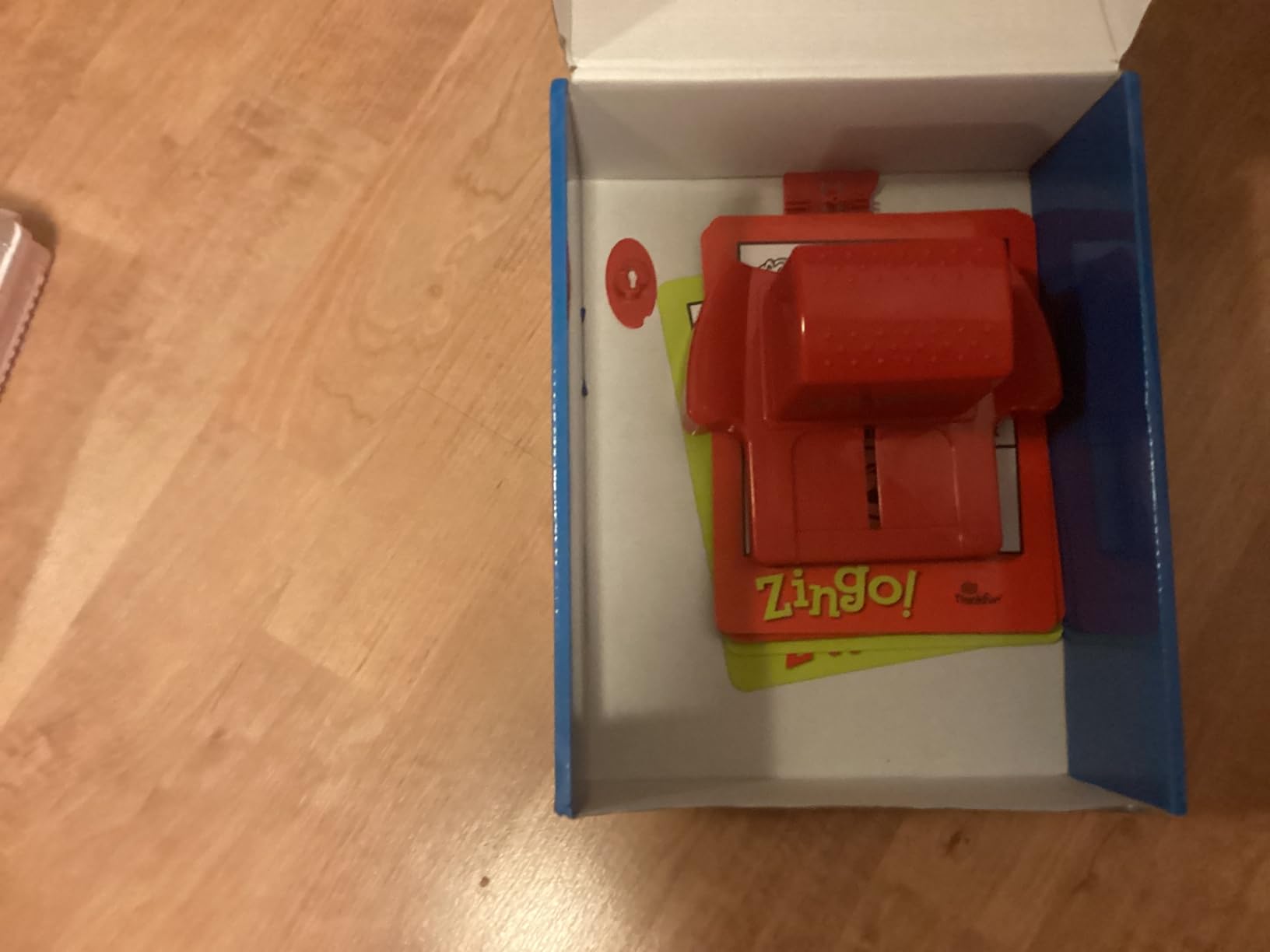
Zingo Bingo is essentially a bingo game designed specifically for pre-readers and early readers. The star of the show is the Zinger device, which dispenses two tiles at a time with a satisfying slider mechanism that kids absolutely love operating.
I tested this with a preschool classroom of 12 children, and the engagement level was remarkable. Every child was focused on their card, scanning for matching words and images. The fast pace means there is no downtime, which keeps wiggly 4-year-olds in their seats.
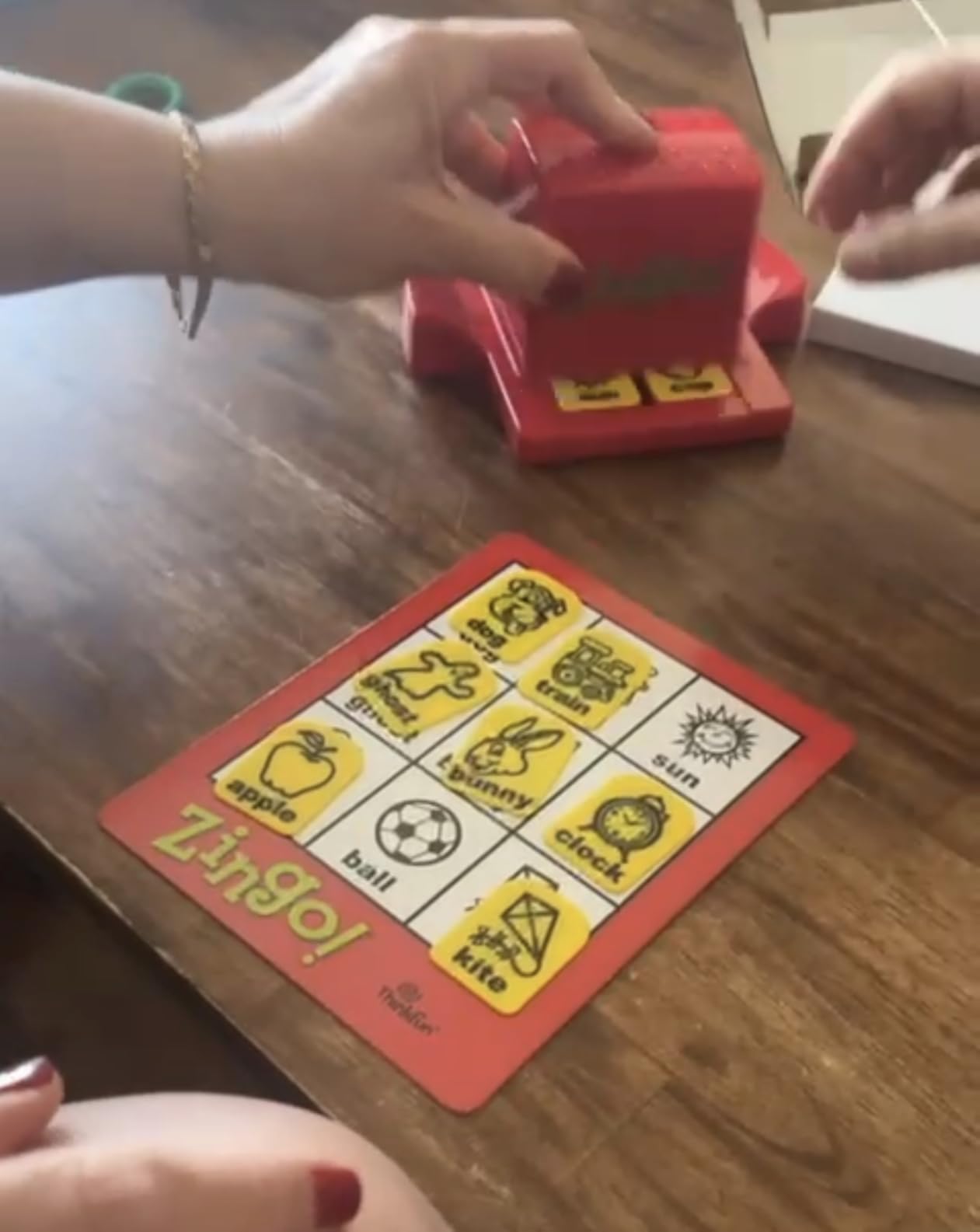
The double-sided cards offer two difficulty levels. The green side uses simple images and words for beginners. The red side introduces more complex vocabulary for kids who are ready for the next step. This dual-level system means the game grows with your child.
ThinkFun is known for educational games that actually work, and Zingo delivers on that promise. The connection between seeing a word, hearing it spoken, and physically matching it on a card reinforces multiple learning pathways simultaneously.
Best for Classroom and Homeschool Settings
Teachers and homeschooling parents consistently rate Zingo as one of the most effective reading reinforcement tools disguised as a game. Up to 7 players can participate, making it practical for group settings.
If you are building a collection of board games for elementary students, Zingo belongs on the shortlist for the pre-K to first grade range.
Component Quality and Longevity
The Zinger device is built from sturdy plastic and survived being dropped, thrown, and operated roughly by enthusiastic children. The tiles are thick cardboard with a wipe-clean coating.
The main complaint is storage. The tiles do not stay organized easily in the box after the plastic insert is removed. A small baggie solves this problem completely.
8. CATAN Junior – Pirate Strategy for Young Adventurers

CATAN Junior Board Game – Swashbuckling Adventure for Young Pirates! Strategy Game, Fun Family Game for Kids and Adults, Ages 6+, 2-4 Players, 30 Minute Playtime, Made by CATAN Studio
Ages 6+
2-4 Players
30 Min Playtime
Resource Management
Pros
- Perfect CATAN introduction
- pirate theme kids love
- quick gameplay
- develops strategy
Cons
- Some flimsy components
- insert design could be better
CATAN Junior takes the resource management mechanics of the legendary Settlers of CATAN and simplifies them for kids ages 6 and up. Instead of settling an island, players are pirates building ships and lairs across a ring of tropical isles.
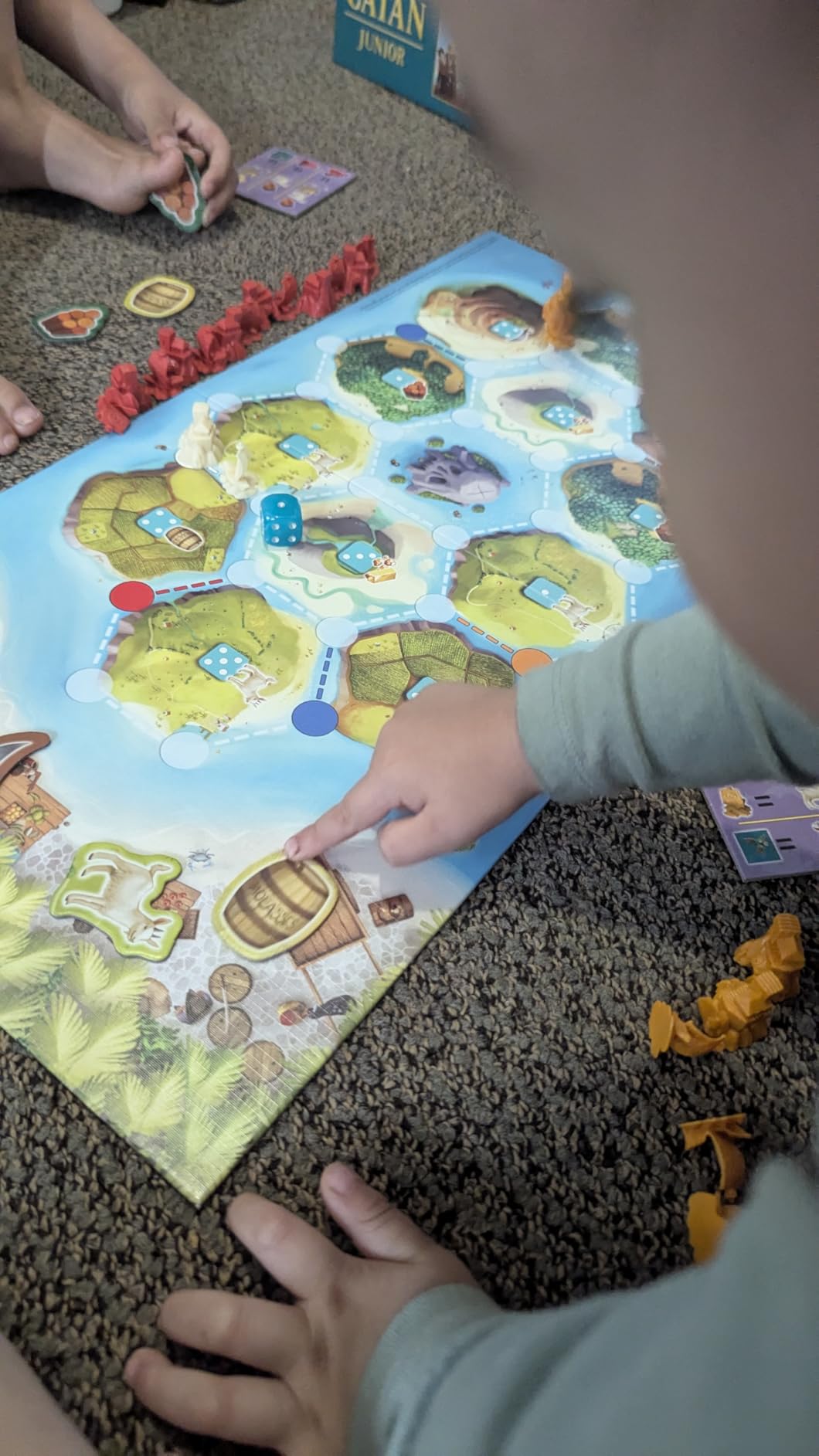
The resource system is streamlined to four types: wood, goats, molasses, and cutlasses. Players spend these to build ships, construct lairs, or recruit Coco the Parrot for special advantages. It captures the trading and building tension of the original without the complexity.
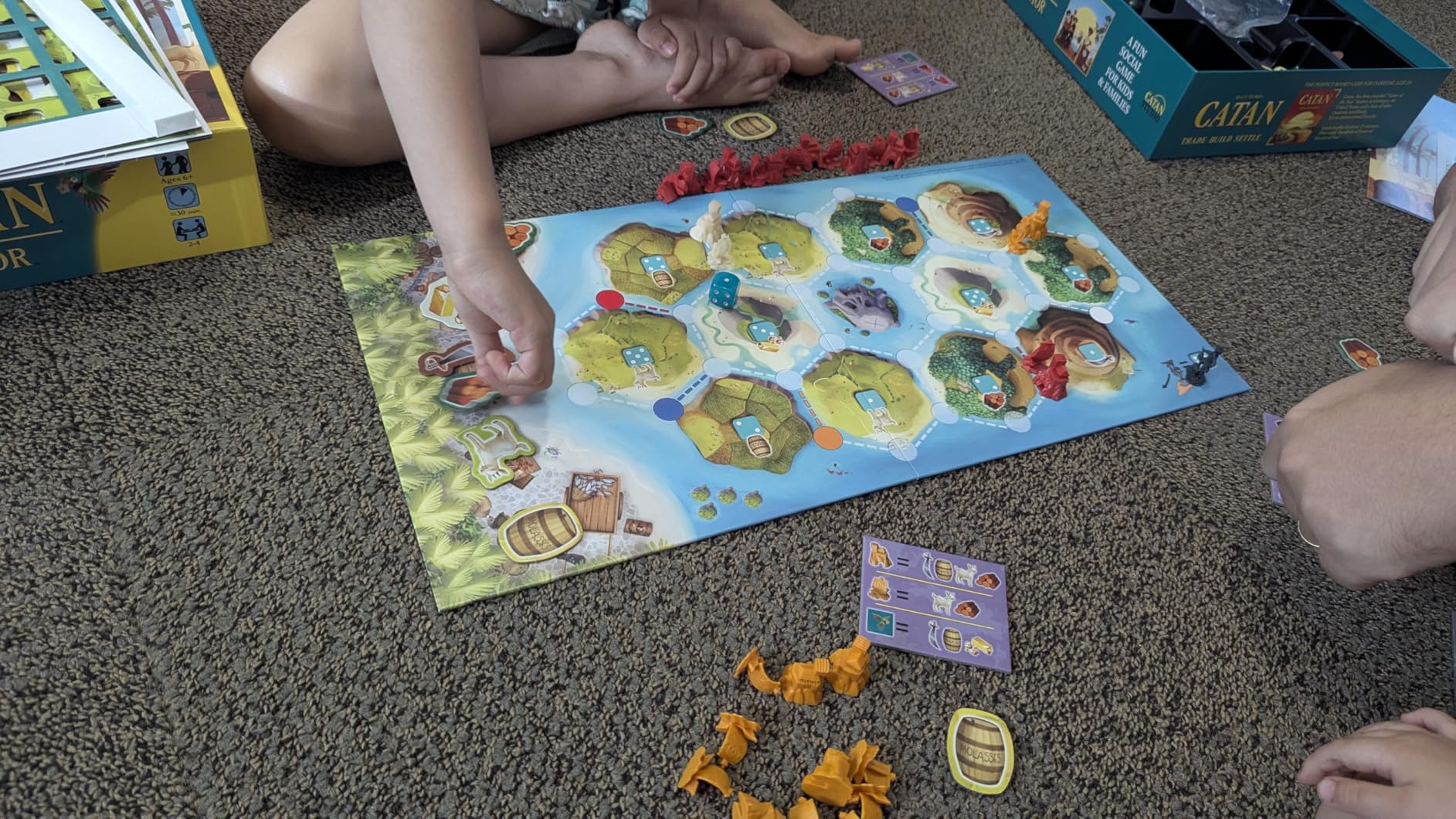
Our 7-year-old tester became genuinely invested in the pirate theme. He would narrate his ship-building decisions in character, which added an imaginative layer that pure strategy games sometimes lack. The 30-minute playtime kept the pace brisk enough to maintain engagement.
What impressed me most was how naturally trading emerged. Kids who had never negotiated in a game context started offering deals, counter-offering, and thinking about relative value. These are skills that transfer far beyond the game table.
Best Step Up from Beginner Games
CATAN Junior is the game I recommend when kids have mastered Candy Land and Chutes and Ladders and are ready for decisions that actually matter. Every turn offers meaningful choices about which resources to pursue and how to spend them.
For families interested in cooperative play alongside strategic gaming, our cooperative board games for families guide has excellent companion picks.
Understanding Component Quality
The board tiles and ship pieces are colorful and functional, though some testers noted the plastic feels lighter than premium board game components. The insert does not hold pieces well, so plan to use baggies for organization.
None of these issues affected gameplay. The game functions perfectly well, and the minor quality concerns are reflected in a reasonable price for a licensed strategy title.
9. Chutes and Ladders – Classic Counting Game

Hasbro Gaming Chutes and Ladders Board Game, 2 to 4 Players, Gift for Kids, Preschool Classroom Games, Ages 3+ (Amazon Exclusive)
Ages 3+
2-4 Players
No Reading Required
Teaches Counting
Pros
- No reading needed
- teaches counting and numbers
- quick games
- affordable
Cons
- Heavily luck-based
- may be too simple for older siblings
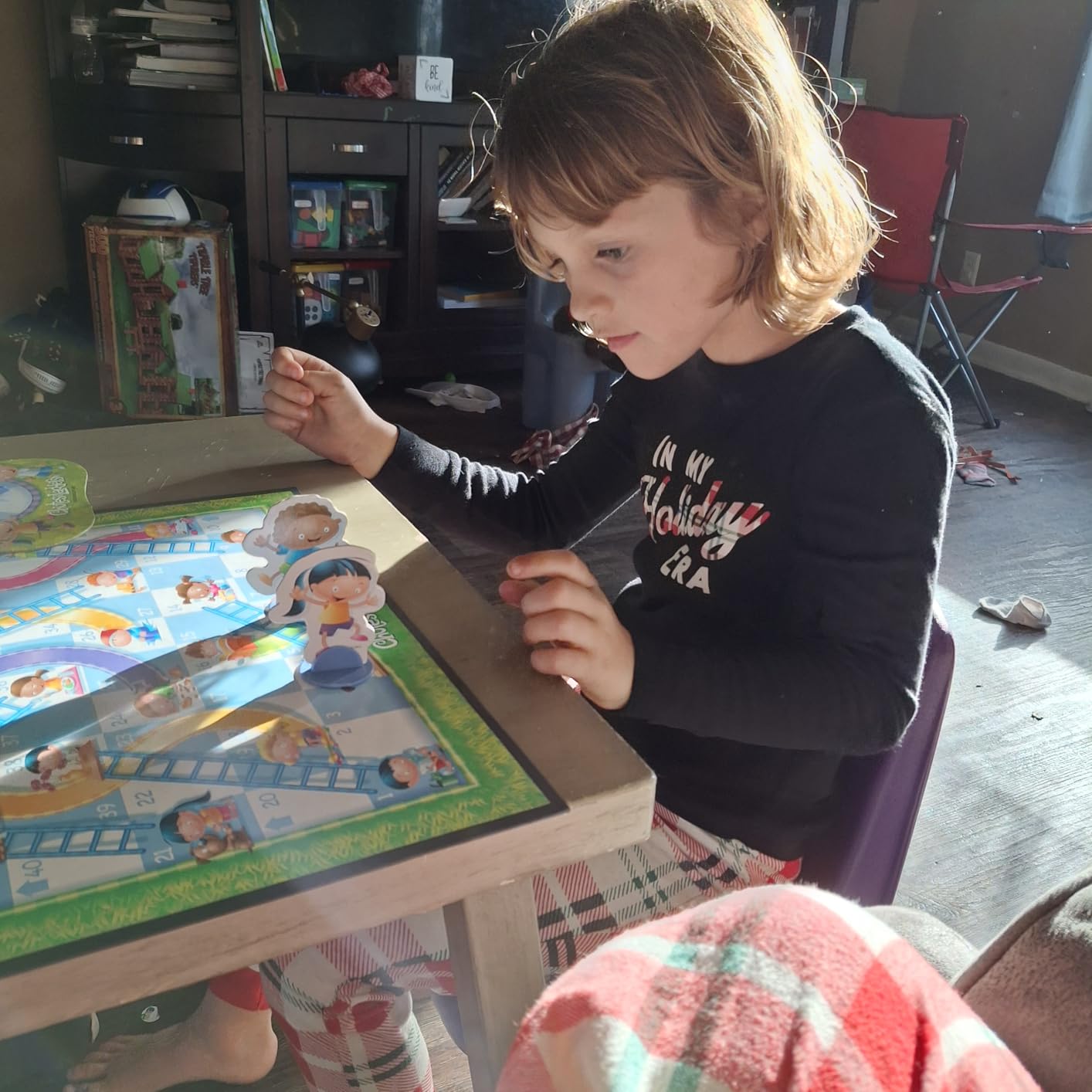
Chutes and Ladders has been teaching kids to count for generations. The gameplay is pure simplicity. Spin the spinner, move your pawn that many spaces. Land on a ladder and climb up. Land on a chute and slide down.
I tested this with two 3-year-olds and a 5-year-old. All three could play independently after one practice round. The spinner is easy enough for small fingers to operate, and the counting practice happens naturally as children move their pawns one space at a time.
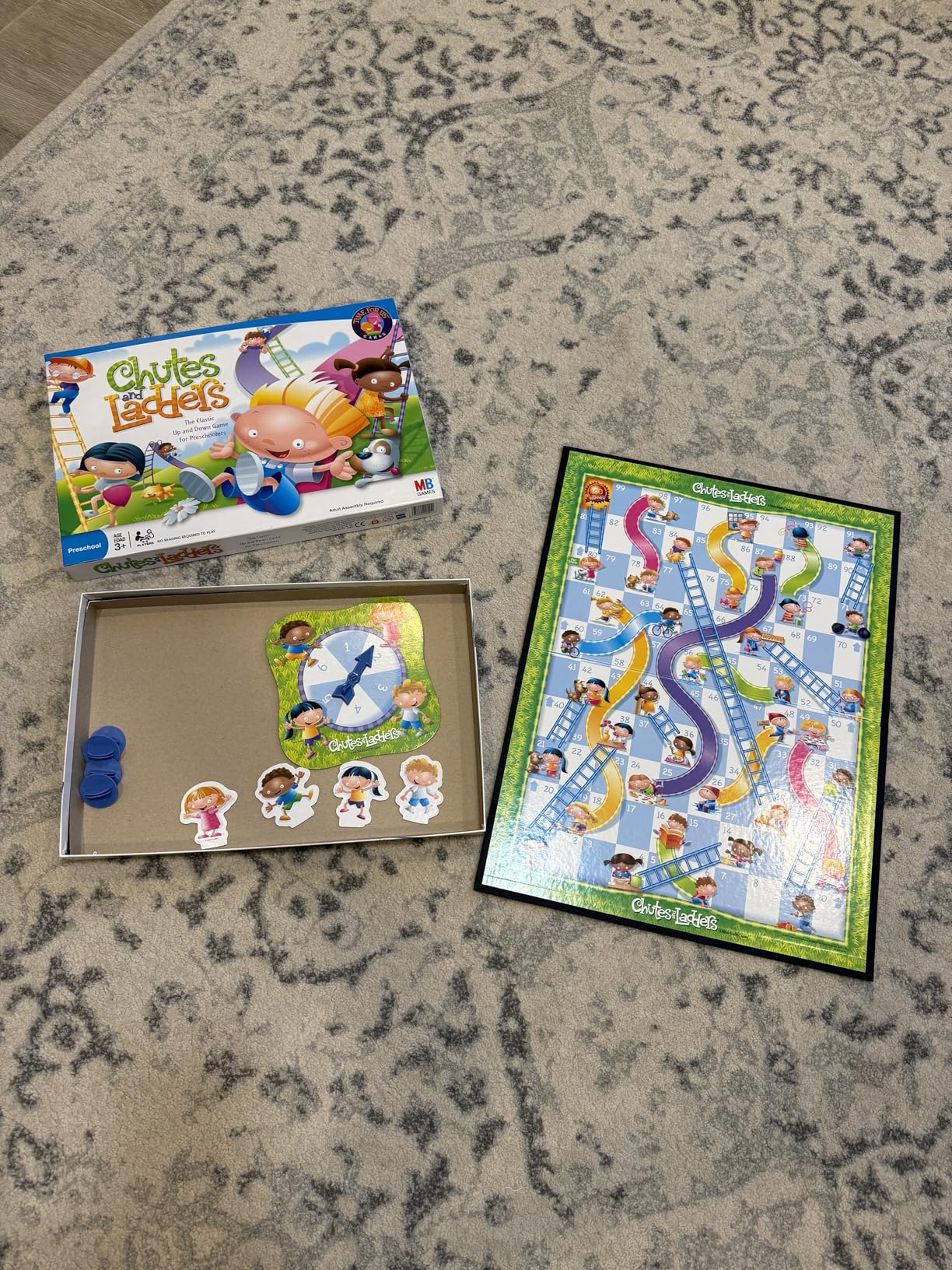
The board features charming illustrations that show children making good choices, which lead up ladders, and poor choices, which send them down chutes. This subtle moral framing creates natural conversation opportunities about behavior and consequences.
Games move quickly, usually finishing in 10 to 15 minutes. This makes Chutes and Ladders perfect for the pre-bedtime window when you want connection time without starting a 45-minute commitment.
Best Pure Counting Practice
If your goal is reinforcing number recognition and one-to-one counting correspondence, no game does it more directly than Chutes and Ladders. Every turn involves counting spaces, which means dozens of counting repetitions per game.
The emotional regulation aspect is also valuable. Kids learn to handle the disappointment of sliding down a chute and the joy of climbing a ladder. These small emotional victories build resilience.
When to Move On
Because the game is entirely luck-based, older children will eventually lose interest. Most kids are ready to graduate to games with decision-making by age 6 or 7.
Until then, Chutes and Ladders remains one of the most effective and affordable tools for building foundational gaming skills in preschoolers.
10. Jenga Wooden Blocks – Tension and Dexterity
Hasbro Gaming Jenga Wooden Blocks Stacking Tumbling Tower Game | Party Games for Kids & Families | Stocking Stuffers | Ages 6+ (Amazon Exclusive)
Ages 6+
1-100 Players
Dexterity Game
54 Hardwood Blocks
Pros
- Develops hand-eye coordination
- works solo or in groups
- durable wooden blocks
- easy rules
Cons
- Blocks can chip with heavy use
- no carrying case included
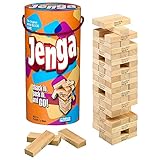
Jenga is the rare game that works equally well as a solo activity, a two-player duel, or a party game for a dozen people. The rules are universal. Pull one block from the tower and place it on top. Do not let the tower fall.
Our testing group ranged from a cautious 6-year-old who spent two minutes deliberating on each move to a group of adults who turned it into a tense, breath-holding competition. Everyone found their own level of engagement.
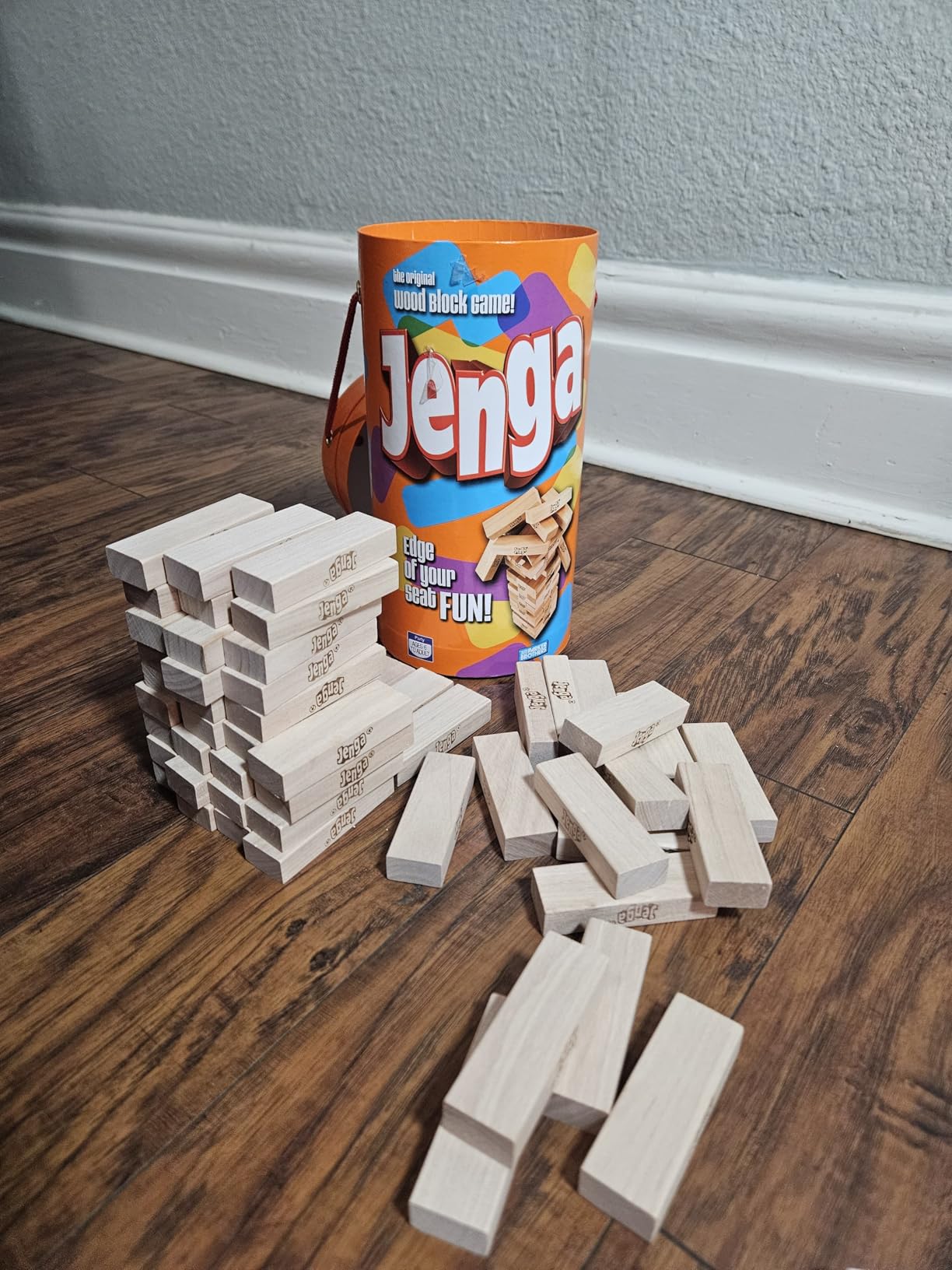
The 54 precision-crafted hardwood blocks have a satisfying weight and feel. This is one of the few games where the physical quality of the components directly impacts the gameplay experience. The slight variations in wood grain create tiny imperfections that make every tower unique.
I noticed that Jenga naturally develops fine motor control and spatial reasoning. Kids learn to assess structural stability, test blocks gently before committing, and understand cause and effect through physical feedback.
Best Dexterity Game for All Ages
Jenga is the gold standard for dexterity games because it scales effortlessly. Young children play slowly and carefully. Teenagers and adults play with calculated precision. The same set serves everyone.
It is also one of the few games that works as a solo activity. Kids can build towers, test their own steadiness, and challenge themselves to reach new heights.
Caring for the Blocks Over Time
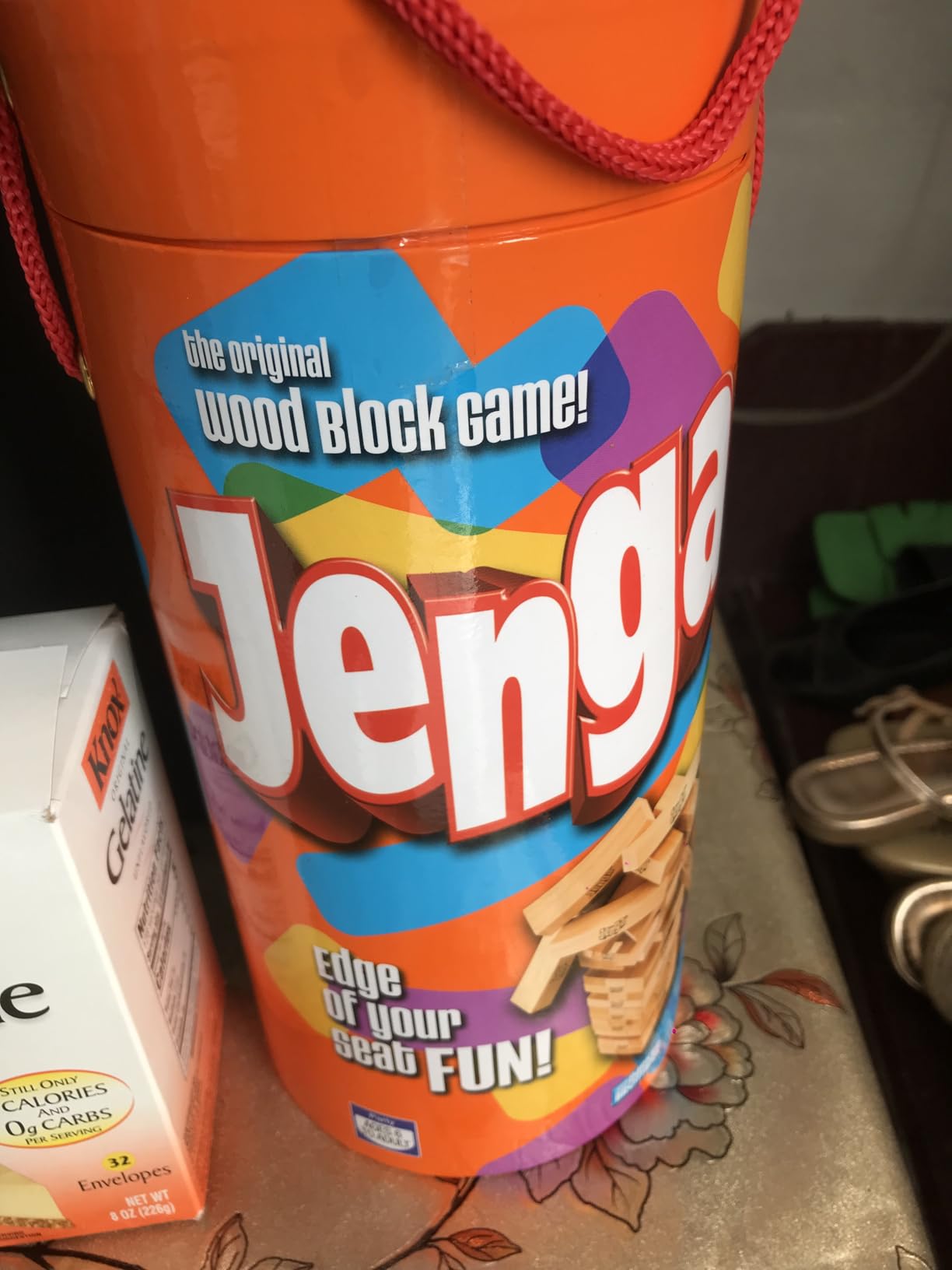
The hardwood blocks are durable but can chip or develop slight warps with heavy use. We recommend storing them in the included tube rather than loose, and keeping them away from moisture.
A small sanding with fine-grit sandpaper can restore blocks that develop splinters or rough edges. With basic care, a Jenga set can last decades.
11. Sorry! – Classic Slide and Pursuit
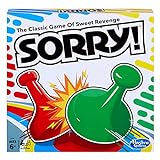
Sorry! Board Game for Kids Ages 6 and Up; Classic Hasbro Board Game; Each Player Gets 4 Pawns; Family Game
Ages 6+
2-4 Players
Strategy and Critical Thinking
12 Pawns
Pros
- Simple to learn
- strategic depth
- durable components
- classic family appeal
Cons
- Longer games test patience
- younger kids need help with counting
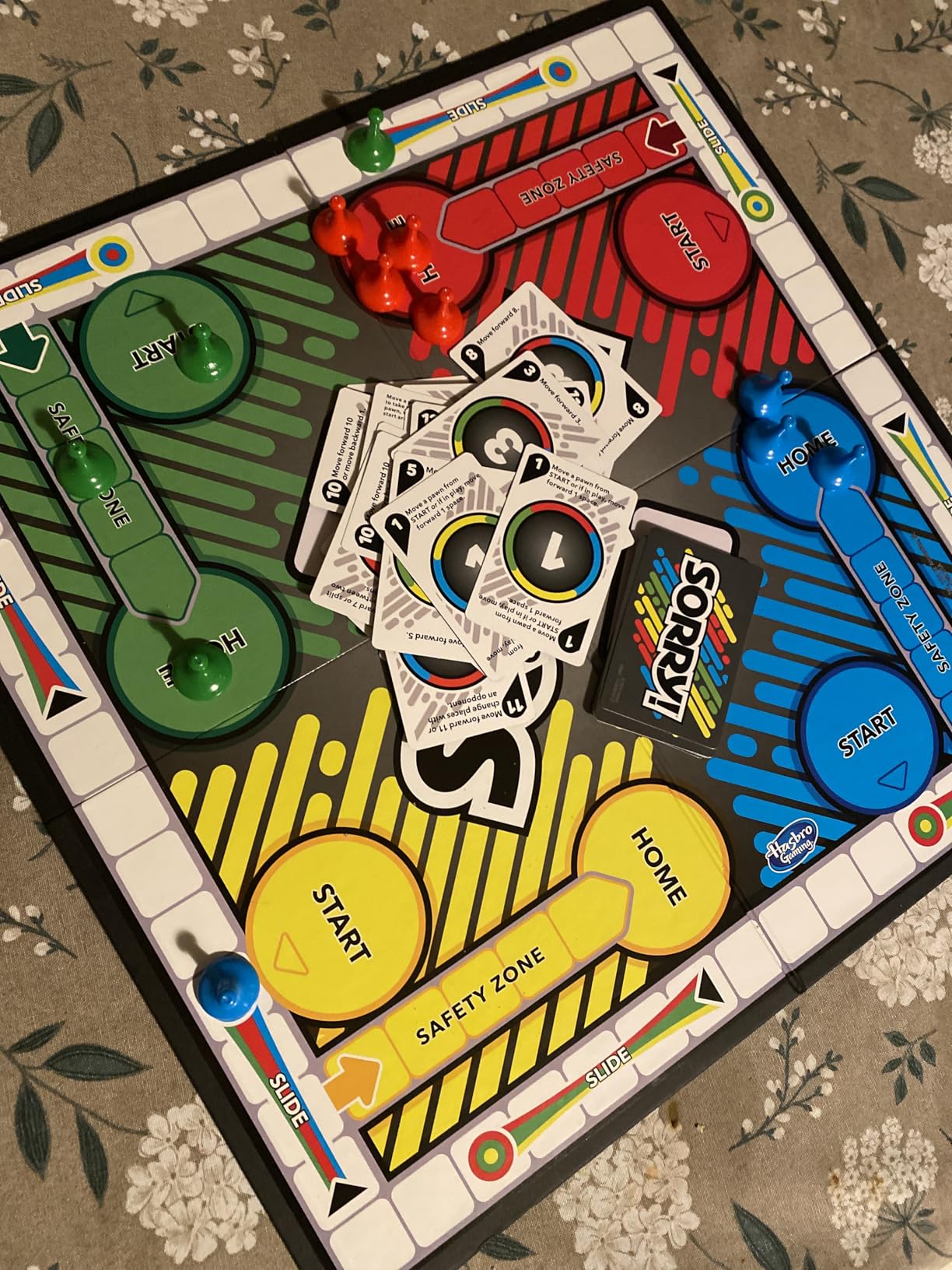
Sorry! is the game of sweet revenge that has been a family staple since the 1930s. Players draw cards to move their four pawns around the board, trying to get all of them home first. The twist is the Sorry card, which lets you send an opponent’s pawn back to start.
I found that Sorry! occupies a perfect middle ground between pure luck games like Chutes and Ladders and full strategy games like chess. The card draws introduce an element of chance, but players make meaningful decisions about which pawn to move on each turn.
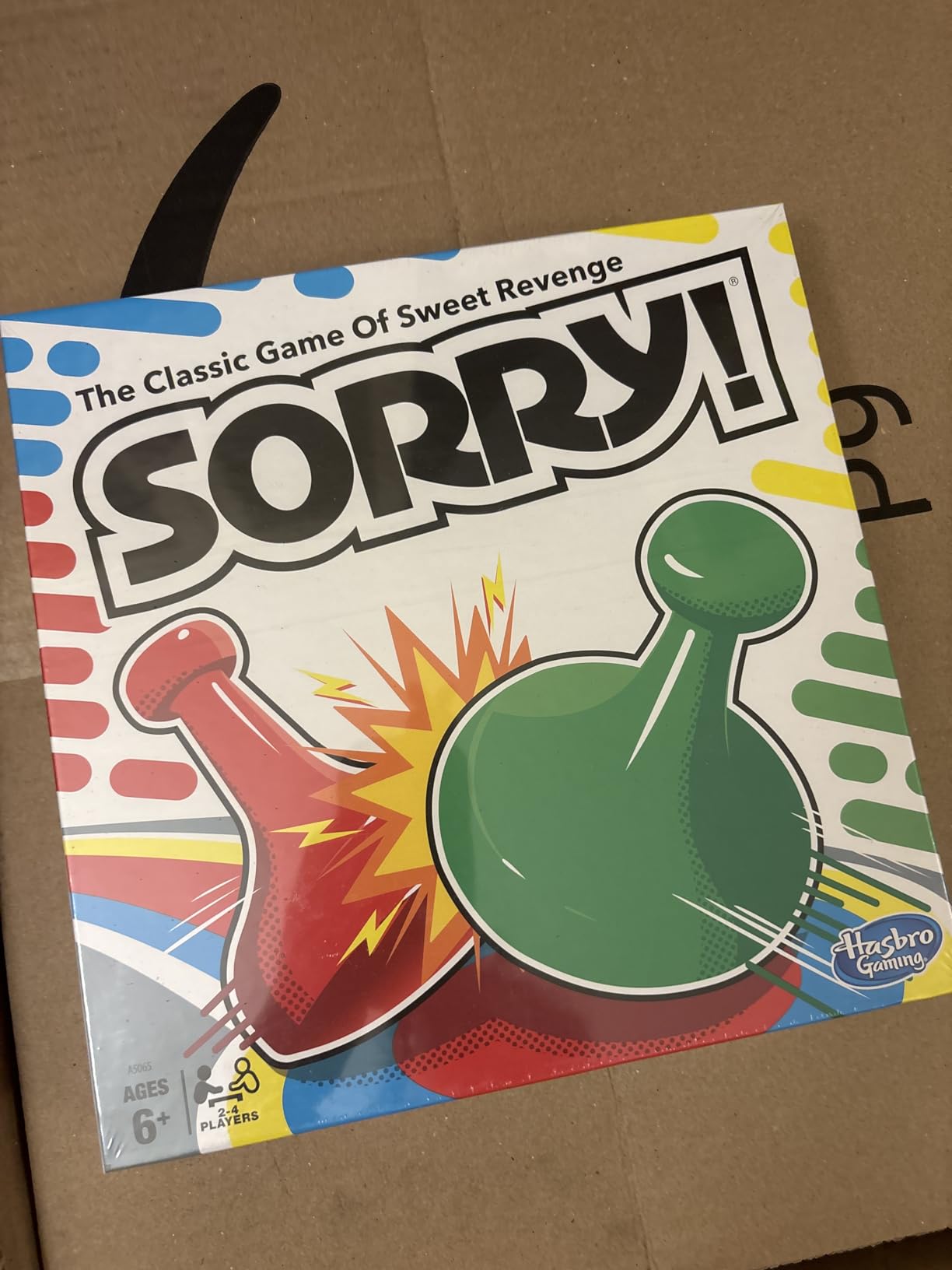
The slide mechanics add excitement. Landing on certain spaces sends your pawn sliding forward, sometimes past opponents. Kids love the physical action of moving pawns along the slide spaces, and the momentum shifts create dramatic moments.
Our 6-year-old tester needed occasional help counting spaces during her first few games but was playing independently within a week. The rules are simple enough to teach in two minutes.
Managing Competitive Feelings
The Sorry card mechanic, which sends opponents back to start, can create hurt feelings in younger or more sensitive children. This is actually a feature, not a bug. Learning to handle setbacks gracefully is one of the most valuable social skills board games teach.
We recommend framing the mechanic as part of the fun rather than a personal attack. Kids who understand that everyone gets sent back eventually tend to handle it better.
Component Quality Notes
The pawns are solid plastic with good weight. The cards are standard playing card thickness and hold up well to regular shuffling. The board is sturdy and folds for storage.
For under $10, Sorry! offers tremendous value and belongs in every family game collection as a bridge between preschool games and more complex strategy titles.
12. Guess Who? – Deductive Reasoning Fun

Hasbro Gaming Guess Who? Plus Board Game with People & Pet Cards
Ages 6+
2 Players
Deduction Skills
People and Pets Cards
Pros
- Builds deductive reasoning
- includes people and pets
- easy to learn
- nostalgic appeal
Cons
- Cards can fall from holders
- flaps may stick
- plastic quality varies
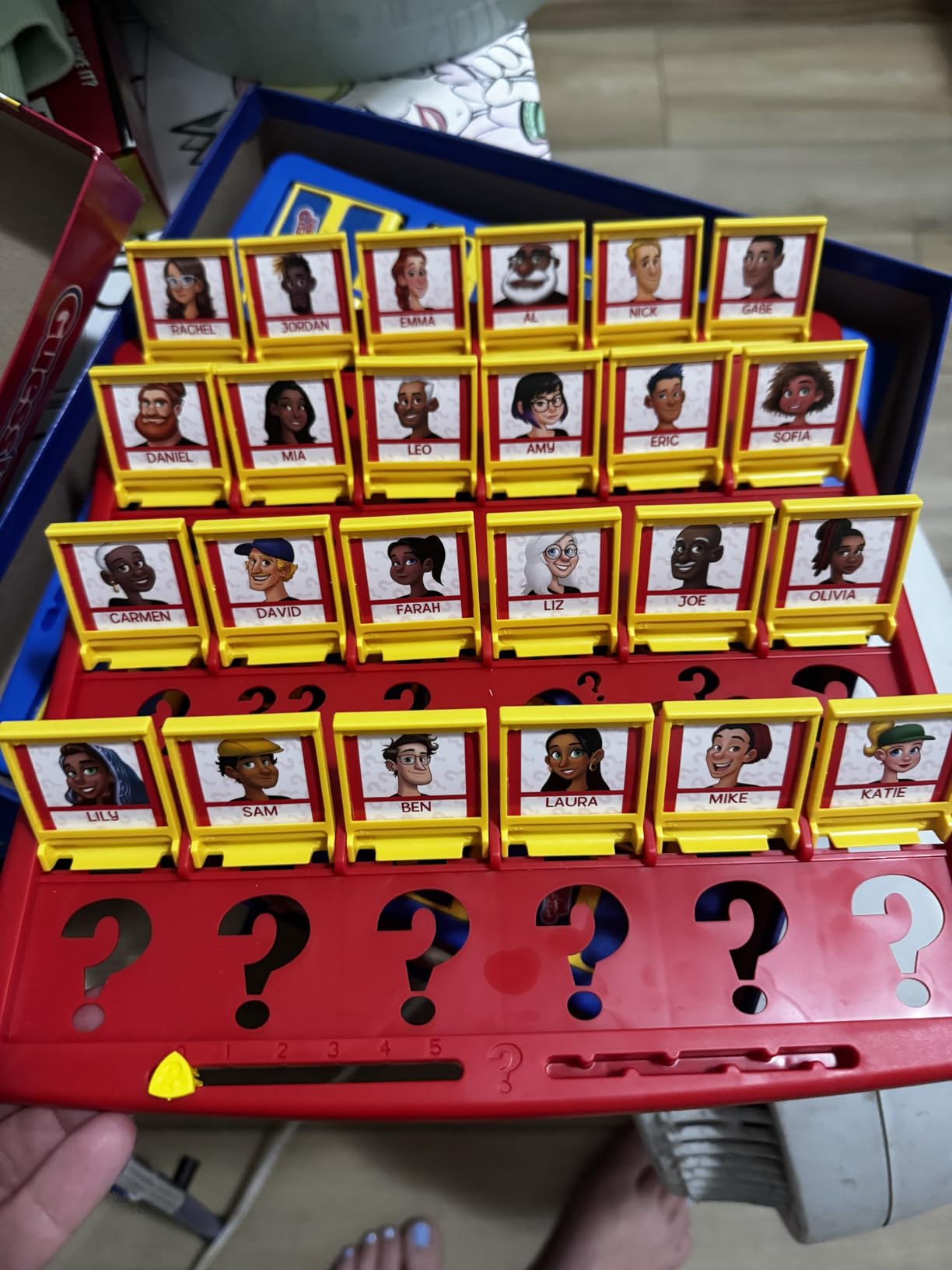
Guess Who? is the classic guessing game where players ask yes-or-no questions to identify their opponent’s mystery character. Does your person wear glasses? Is your person wearing a hat? Each question eliminates possibilities until only one answer remains.
This Amazon-exclusive version includes both the traditional people cards and a set of pets cards. The pet variant adds welcome variety and is often more appealing to younger children who connect more readily with animals than with adult character portraits.
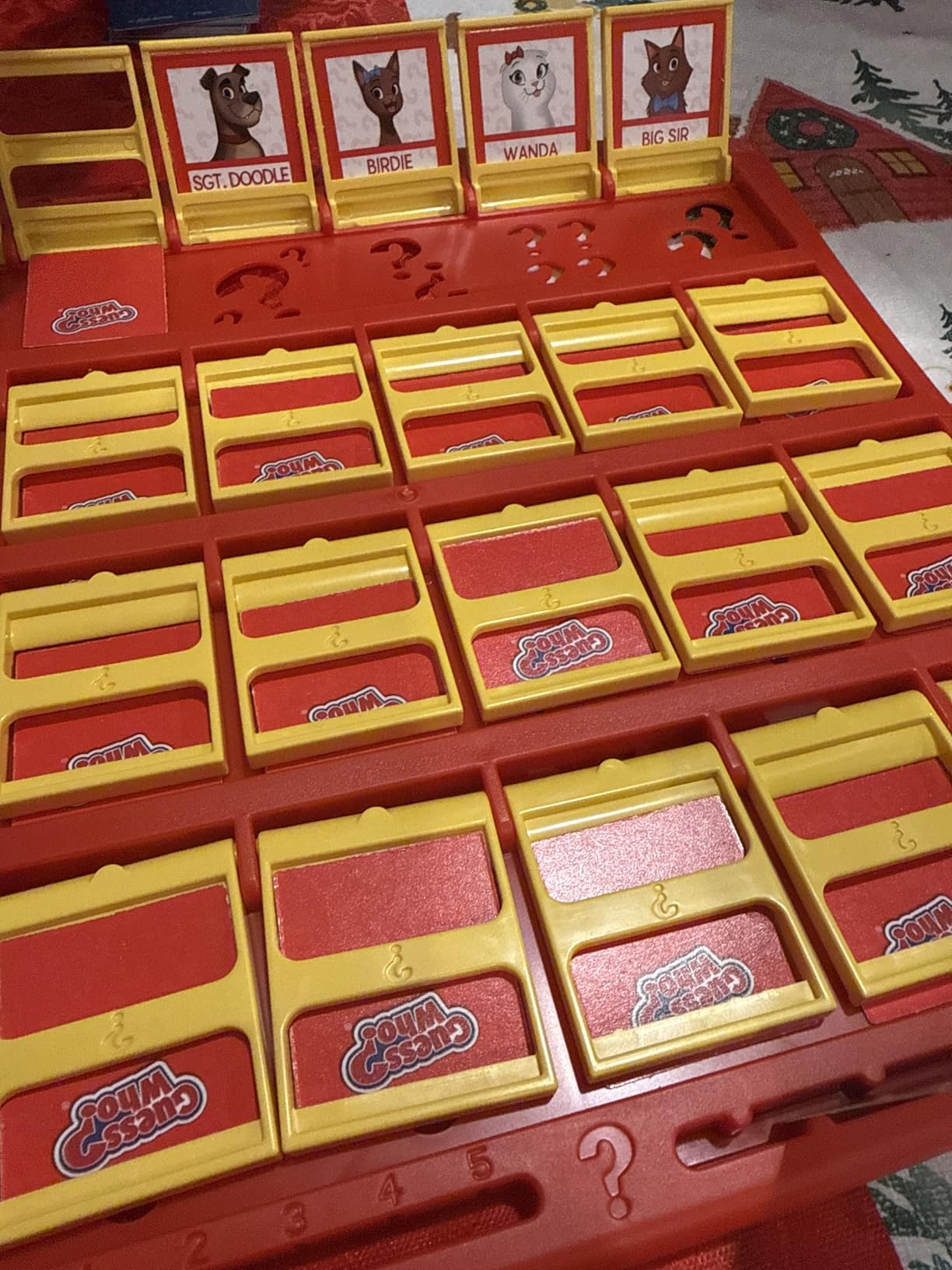
I watched two 7-year-olds play five consecutive rounds without losing interest. The deductive reasoning process is genuinely engaging for this age group. They are learning to form effective questions, categorize information, and think logically about elimination.
The game also develops communication skills. Kids practice asking clear questions, giving accurate yes-or-no answers, and paying attention to visual details. These are foundational skills for academic and social success.
Best for Two-Player Sessions
Guess Who? is specifically designed for exactly two players, which makes it perfect for parent-child sessions or sibling pairs. If you are looking for more options in this category, our guide to board games for two players covers additional excellent picks.
The quick playtime means you can fit a round into almost any free moment, which makes it ideal for busy families.
Addressing Quality Concerns
The most common complaint about this version is that the character cards can slide out of the flip holders during enthusiastic play. A small piece of tape or careful handling resolves this issue.
The flip mechanisms themselves occasionally stick, particularly when new. They loosen up with use, so plan for a few break-in rounds before the game plays smoothly.
13. SEQUENCE for Kids – No-Reading Strategy Game

Jax SEQUENCE for Kids — The ‘No Reading Required’ Strategy Game by Jax and Goliath, Multi Color, 11 inches (2-4 players) (Packaging May Vary)
Ages 3-6
2-4 Players
No Reading Required
Animal Theme
Pros
- No reading needed
- develops logic skills
- high quality pieces
- fun animal theme
Cons
- Packaging may arrive dented
- quality varies from original
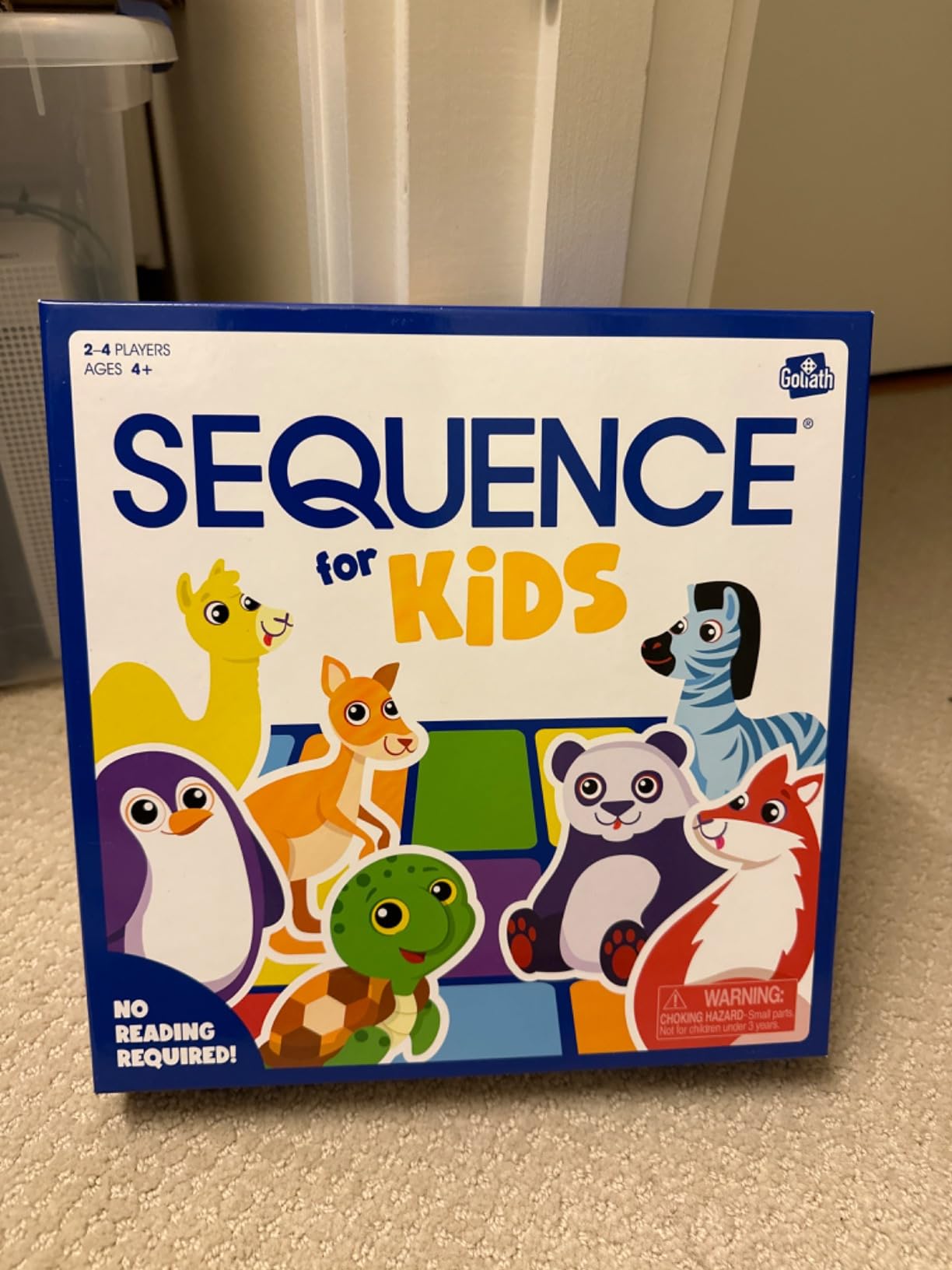
SEQUENCE for Kids takes the classic line-building mechanic of the original SEQUENCE and adapts it for children ages 3 to 6. Players play a card from their hand, place a chip on the matching animal space on the board, and try to get four in a row.
The genius of this game is that it introduces genuine strategy without requiring reading skills. Kids look at their card, find the matching animal on the board, and decide where to place their chip. That placement decision is where the strategy lives.
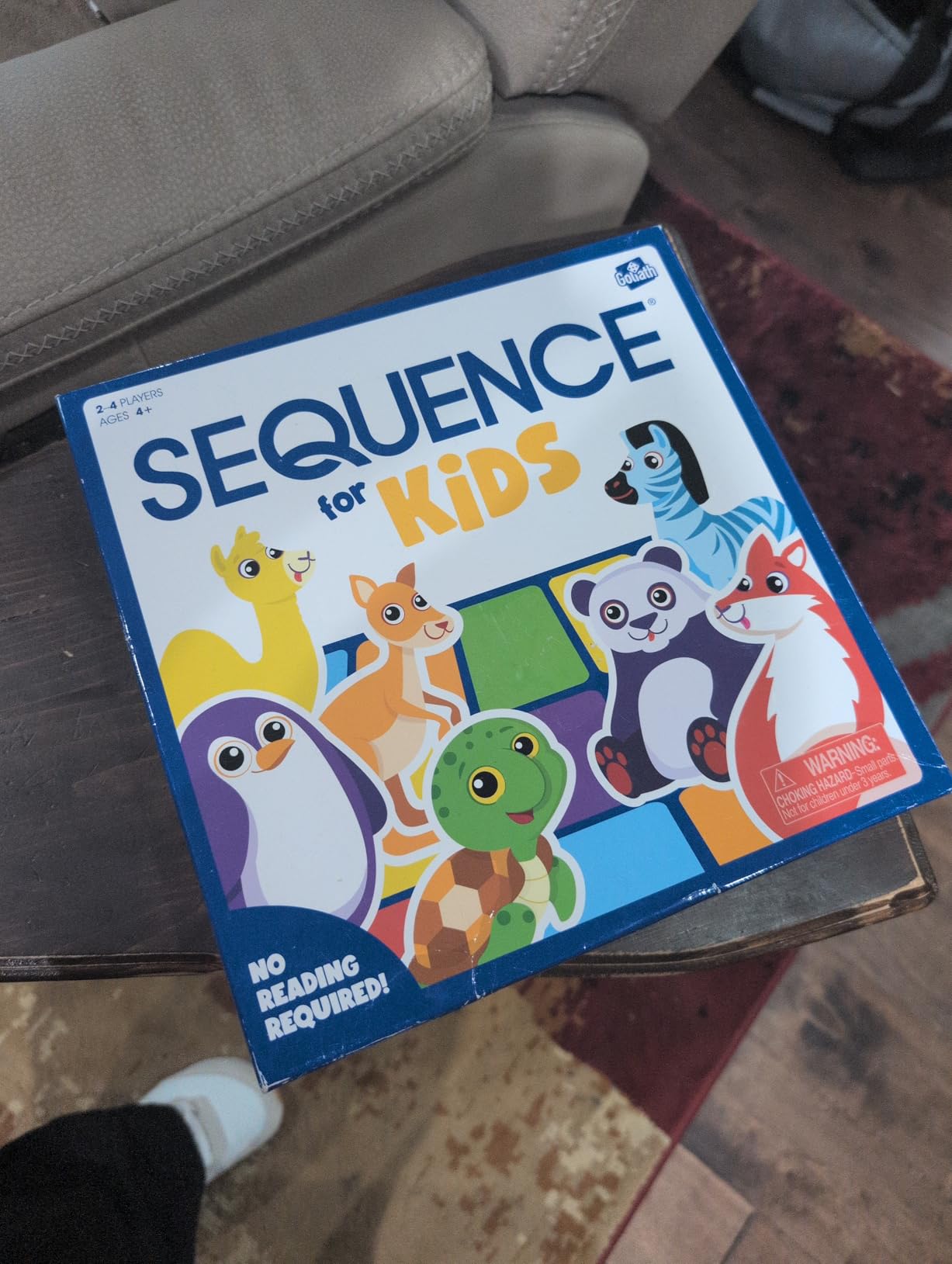
Our 4-year-old tester grasped the concept immediately and was blocking opponents within her first game. The unicorn cards, which let players place a chip anywhere, and the dragon cards, which remove an opponent’s chip, add just enough chaos to keep things exciting.
The components are excellent for the price. The folding board is substantial, the playing chips are colorful and satisfying to handle, and the cards are printed on quality stock with vibrant animal illustrations.
Best Strategy Game for Pre-Readers
If your child is too young for games that require reading but too smart for pure luck games, SEQUENCE for Kids fills that gap perfectly. It is one of the few games that genuinely teaches strategic thinking to 3 and 4-year-olds.
The animal theme is universally appealing. Even the most reluctant young gamers engaged with the characters and enjoyed building their chip rows.
Quality Compared to Older Editions
Some long-time fans noted that the current printing feels slightly different from older versions. The board and chips remain high quality, but the box itself may arrive with minor cosmetic damage.
This does not affect gameplay at all. The components inside are solid, and the game delivers exactly the experience it promises.
14. Hedbanz 2023 Edition – What Am I Guessing Game

Spin Master Games Hedbanz Picture Guessing Game for Family Game Night
Ages 6+
2-6 Players
20 Min Playtime
Picture Guessing
Pros
- Encourages critical thinking
- fast-paced rounds
- vibrant illustrations
- promotes social interaction
Cons
- Limited number of cards
- headbands tricky to assemble
- timer unnecessary
Hedbanz is a silly, fast-paced guessing game where each player wears a headband holding a picture card they cannot see. Everyone else can see it, and you have to figure out what you are by asking yes-or-no questions before time runs out.
The 2023 edition refreshes the card selection with new characters including a dinosaur, narwhal, robot, flower, butterfly, and brain. The updated art style is colorful and appealing, and the new card selection keeps the game fresh for families who owned the original.
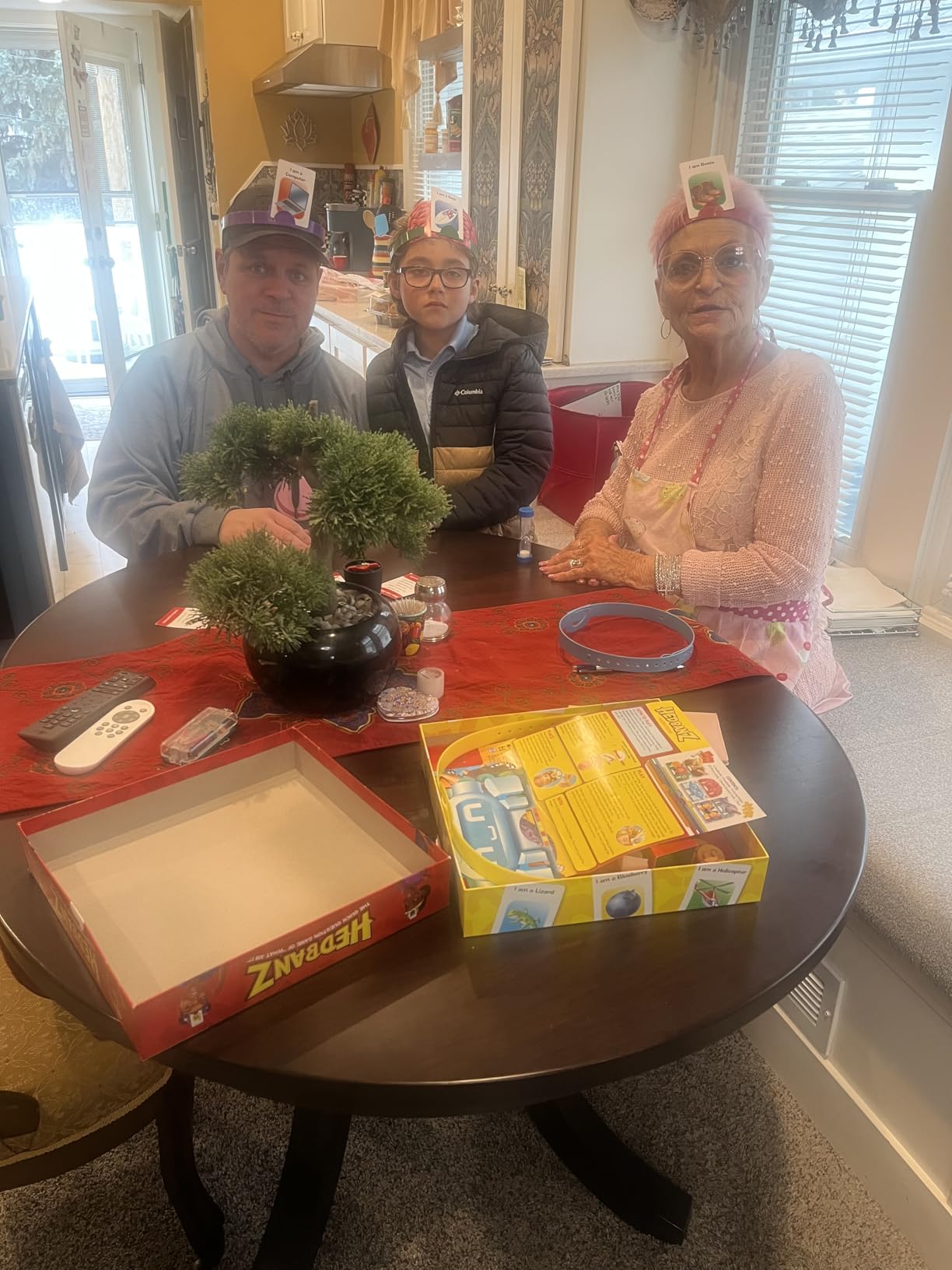
Our testing group of four kids ages 6 to 10 played Hedbanz for 45 minutes straight without a single complaint. The question-formulating process develops vocabulary, categorization skills, and quick thinking. Kids learn to ask narrowing questions, which is a core logical reasoning skill.
The social interaction component is strong. Players are engaged even when it is not their turn because they are answering questions and watching the guessing process unfold. There is no downtime, which keeps everyone involved.

Best for Building Communication Skills
Hedbanz naturally encourages expressive language, question formation, and active listening. For kids working on communication skills, this game provides practice disguised as entertainment.
The deductive reasoning is similar to Guess Who? but with more players and a faster, sillier pace. The two games complement each other well in a family collection.
Card Variety Considerations
The 69 picture cards provide decent variety, but families who play frequently may find themselves memorizing the card pool. This is a minor concern for casual players but worth noting if you plan to play weekly.
The headbands snap together and are adjustable for different head sizes. Assembly takes a moment the first time but becomes quick with practice.
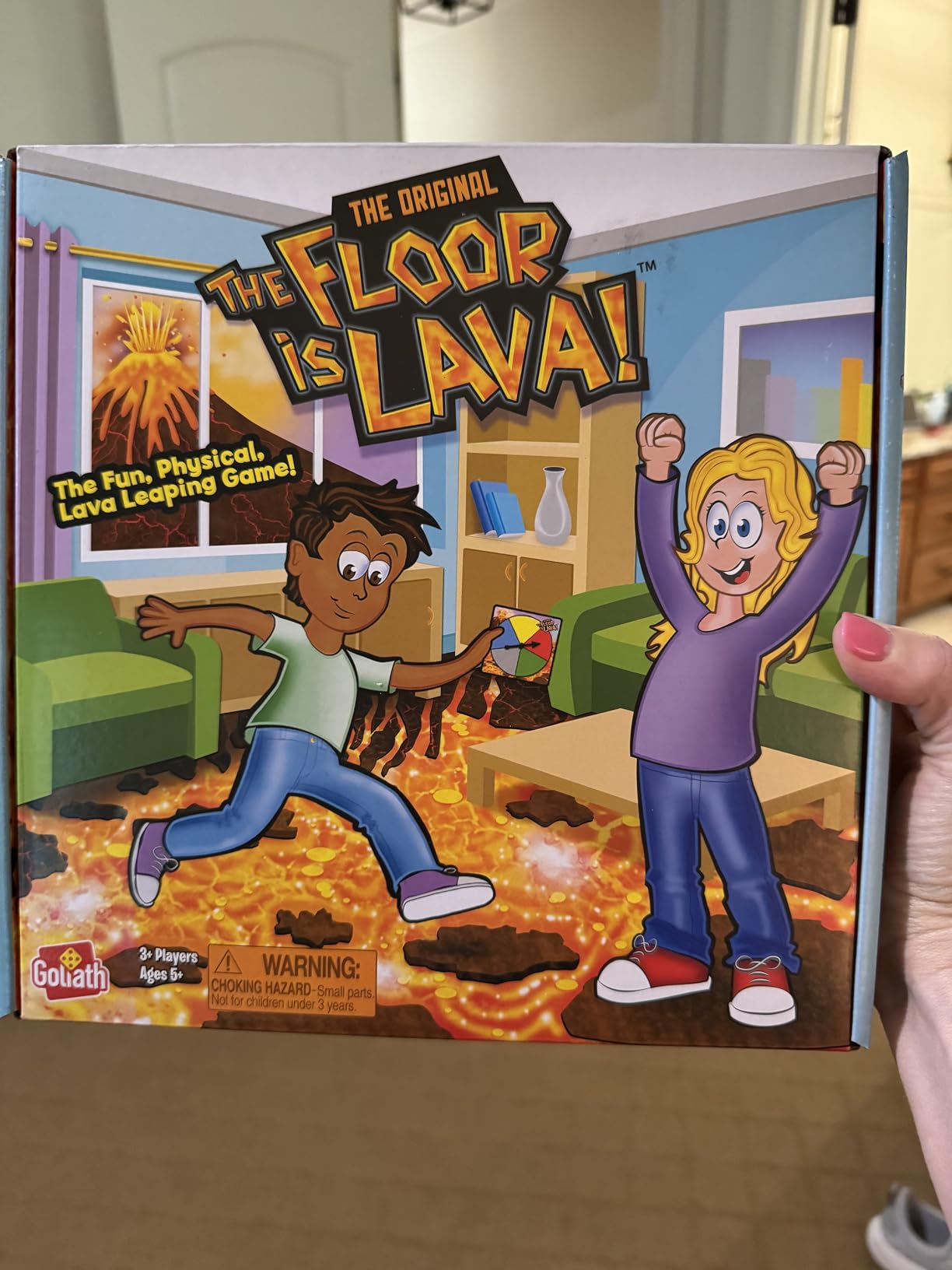
15. The Floor is Lava! – Active Indoor Play

Goliath The Original The Floor is Lava! Game by Endless Games – Interactive Game For Kids And Adults – Promotes Physical Activity – Indoor And Outdoor Safe – Classic Edition
Ages 5+
2-6 Players
45 Min Playtime
Promotes Physical Activity
Pros
- Gets kids moving
- easy to set up
- works indoor and outdoor
- durable foam stones
Cons
- Requires open floor space
- foam tiles can slip on wood floors
The Floor is Lava! transforms the classic childhood imagination game into a structured board game experience. Players spread 25 colored foam stones across the floor, spin the spinner to call out a color, and everyone races to step on a matching stone before time runs out.
This is the only game in our roundup that gets kids physically moving rather than sitting at a table. For families concerned about screen time and sedentary habits, this is a meaningful differentiator. Our testing group of kids ages 5 to 9 spent an entire afternoon jumping, laughing, and burning real energy.
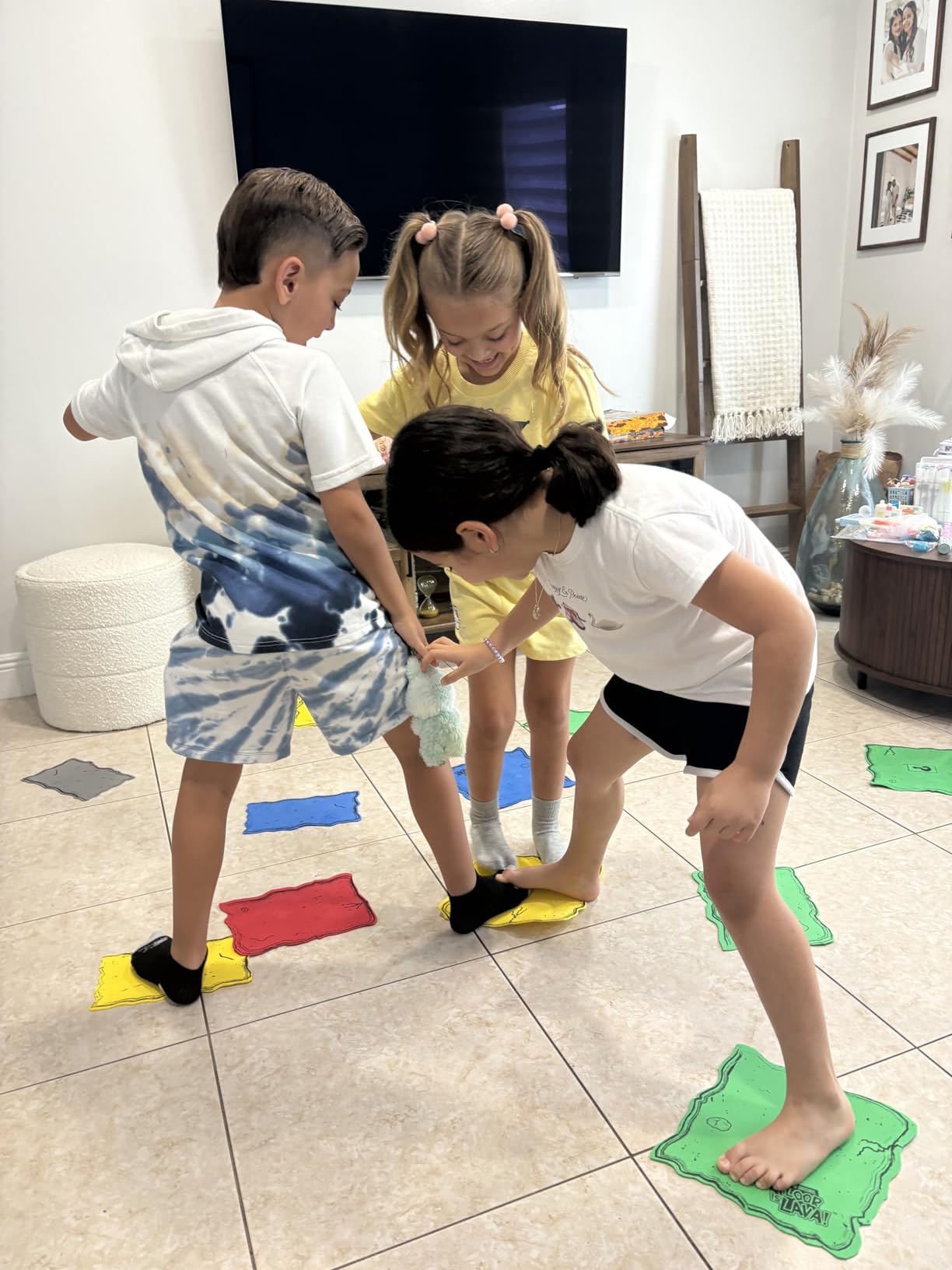
The challenge cards add structure to the physical play. When a player lands on a stone with a challenge, they must perform an action like touching their nose, quacking like a duck, or holding a pose. These mini-challenges keep the game varied and prevent the jumping from becoming repetitive.
The foam stones are well-made. They are dense enough to survive repeated jumping but soft enough to prevent injuries. On carpet they stay firmly in place. On hardwood floors, we recommend adding non-slip pads underneath.
Best for High-Energy Kids
If your children struggle to sit still for traditional board games, The Floor is Lava! is the perfect solution. It channels that energy into structured, rule-based play that still feels like a game rather than exercise.
It is also excellent for rainy days, indoor recess, and burning off energy before bedtime. Many parents in our testing group reported using it as a transition activity between sedentary screen time and calmer evening routines.
Space Requirements and Safety
The game requires a reasonable amount of open floor space to spread the stones. A living room or playroom works well. Small apartments may require pushing furniture aside.
Adults can join in too, though the foam stones are sized for children. For families looking at games for older siblings as well, our family board games for teens guide offers complementary options.
How to Choose the Best Board Games for Kids
Choosing the right board game depends on several factors that go beyond what looks fun on the box. After testing 15 games with dozens of children, here are the criteria that actually matter when making a selection.
Age Range and Reading Requirements
The most important factor is matching the game to your child’s developmental stage. Games that require reading will frustrate pre-readers, while purely luck-based games will bore older children who crave decision-making.
For ages 3 to 5, prioritize games with no reading required like Candy Land, Chutes and Ladders, and SEQUENCE for Kids. For ages 6 to 8, look for games with light strategy like Connect 4, CATAN Junior, and Guess Who? For ages 8 and up, strategy games like Ticket to Ride and Monopoly become accessible and engaging.
Cooperative vs Competitive Games
Not every child handles competition well. Some kids dissolve into tears when they lose, and others become overly aggressive when they win. Cooperative games, where all players work together toward a shared goal, eliminate this tension entirely.
If your child struggles with competitive games, look for titles where players collaborate. The forum insights from our research consistently showed that parents of competition-averse kids had the most success with cooperative formats. Our guide to cooperative board games for families covers this category in depth.
Number of Players and Family Size
Consider how many people will typically play. Two-player games like Connect 4 and Guess Who? are perfect for parent-child sessions but exclude larger families. Games that accommodate 4 to 6 players work better for family game night with multiple children.
Party-oriented games like Taco Cat Goat Cheese Pizza can handle up to 8 players, making them ideal for playdates and family gatherings.
Play Time and Attention Spans
Be honest about your child’s attention span. A game that promises 120 minutes of fun is worthless if your 6-year-old loses focus after 20 minutes. Quick games like Chutes and Ladders and Taco Cat Goat Cheese Pizza deliver complete experiences in 15 minutes or less.
Longer games like Monopoly and Ticket to Ride work best when kids are developmentally ready for extended engagement. Save these for weekends and holidays rather than school nights.
Educational Value and Skill Development
Every game on our list develops some skill, but the type of skill varies significantly. Color recognition games like Candy Land build preschool foundations. Spelling games like Bananagrams My First target literacy. Strategy games like CATAN Junior develop critical thinking and resource management.
For parents who want games that double as learning tools, our educational board games guide provides additional curriculum-aligned recommendations.
Durability and Storage
One pain point that emerged consistently in forum discussions was storage. Games with many small pieces need good organization systems. Look for games with built-in storage solutions like the Jenga tube or the Bananagrams pouch.
Durability matters too. Games that will be played by young children need to withstand drops, spills, and rough handling. The wooden blocks in Jenga and the thick cardboard tiles in Zingo are built to last. Card-based games require more careful handling.
Neurodiversity and Sensory Considerations
One gap we identified in competitor coverage was guidance for neurodiverse children. Kids with ADHD often benefit from fast-paced games with minimal downtime, like Taco Cat Goat Cheese Pizza or Bananagrams My First, where everyone plays simultaneously.
Children on the autism spectrum may prefer games with clear, predictable rules and visual structure. SEQUENCE for Kids and Guess Who? both rely on visual matching rather than social reading, which can reduce anxiety. Avoid games that require rapid social interaction or physical contact if your child finds these overwhelming.
Multi-Generational Play
Games that grandparents can enjoy alongside grandchildren create meaningful family bonding. Classic titles like Monopoly, Sorry!, and Connect 4 are often already familiar to older generations, which removes the learning barrier and lets everyone focus on the social experience.
Games that balance luck and strategy, rather than pure skill, tend to work best for mixed-age groups. A game where an 8-year-old can genuinely compete with a 60-year-old creates the kind of shared experience that defines great family game nights.
Frequently Asked Questions About Board Games for Kids
What are the most popular kids board games?
The most popular kids board games include Connect 4, Candy Land, Monopoly, Sorry!, and Guess Who? These classics have sold millions of copies and remain top choices for families because they are easy to learn, engaging for multiple age groups, and widely available. Newer favorites like Taco Cat Goat Cheese Pizza and Ticket to Ride have also become extremely popular in recent years.
What board games are best for 4 year olds?
For 4 year olds, the best board games require no reading and focus on basic skills like color matching and counting. Top picks include Candy Land (color recognition), Chutes and Ladders (counting practice), SEQUENCE for Kids (simple strategy), Zingo Bingo (early reading skills), and Bananagrams My First (letter recognition). These games teach foundational skills like turn-taking and sportsmanship while keeping young children engaged.
What are the best board games for 8 to 10 year olds?
Kids ages 8 to 10 are ready for games with real strategy and decision-making. The best options include Ticket to Ride (geography and route building), Monopoly (financial literacy), CATAN Junior (resource management), Connect 4 (pattern recognition), and Jenga (dexterity and planning). These games challenge older children while remaining accessible and fun for the whole family.
What is the #1 board game in the world?
By total sales, Monopoly is widely considered the #1 board game in the world, with over 275 million copies sold since 1935. However, in terms of critical acclaim and influence on modern board gaming, Settlers of CATAN and Ticket to Ride are frequently cited as the most significant titles. For kids specifically, Connect 4 and Candy Land rank among the best-selling and most widely recognized games globally.
Why are cooperative board games good for kids?
Cooperative board games are good for kids because they eliminate the pressure of winning and losing, teach teamwork and communication, and reduce conflict between siblings. Children who struggle with competition or losing benefit especially from cooperative formats where everyone wins or loses together. These games also build problem-solving skills as players collaborate toward a shared goal.
Final Thoughts on the Best Board Games for Kids
The best board games for kids are the ones your family actually plays. Our top pick, Connect 4, earned its spot through universal appeal and timeless gameplay. Taco Cat Goat Cheese Pizza delivers the best value and the most laughs. Candy Land remains the ideal first game for preschoolers just learning what board gaming is all about.
Start with one or two titles that match your child’s age and interests. Build from there as their skills and attention spans grow. The investment in quality family time is worth every penny, and the skills kids develop through play, from strategic thinking to gracious losing, serve them far beyond the game table.
For even more options as your kids grow, explore our complete buying guides for every age range and play style in 2026.