
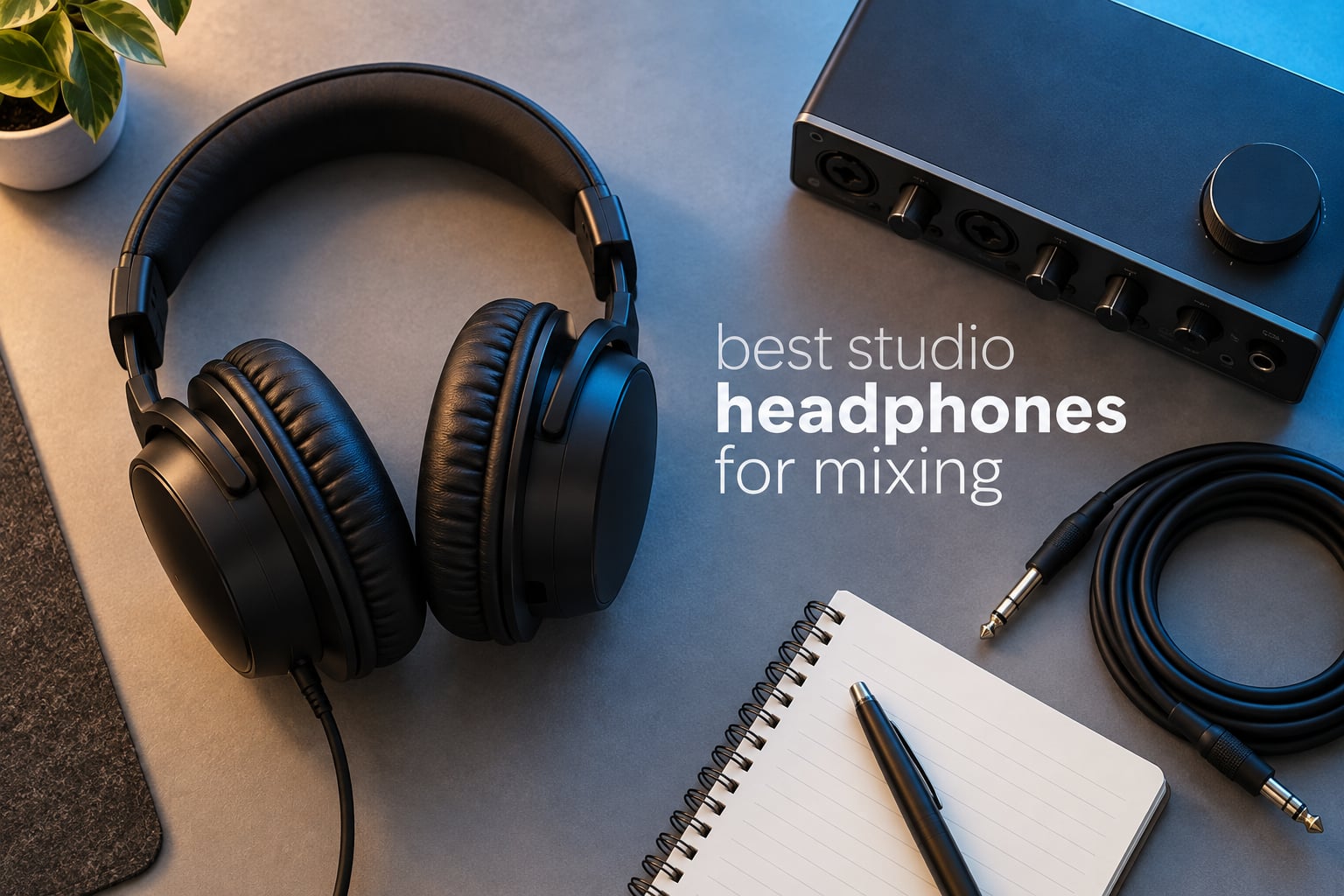
Mixing on headphones rewards you with detail and hurts you with bias. The right pair shows you the mix as it actually is; the wrong pair quietly lies about the low end, the midrange, or both, and you ship a record that sounds wrong everywhere except on your head.
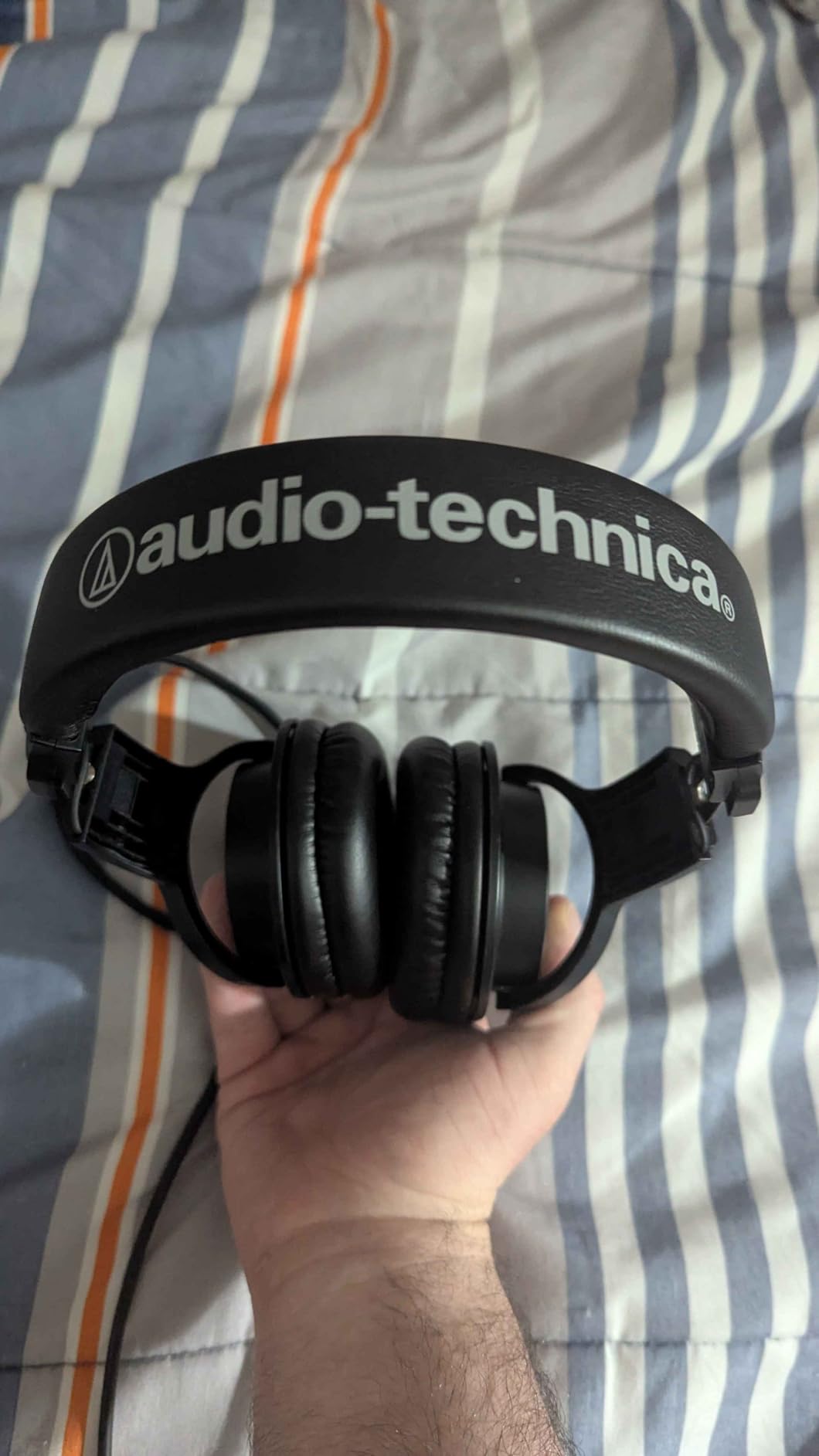
After comparing specs, published measurements and long-term owner reports across ten models, the Audio-Technica ATH-M50x is the best studio headphone for mixing for most people. It is closed-back, so it isolates, it runs happily off a laptop or an audio interface with no amplifier, and its 38 ohm impedance means you are not chasing gain. The Beyerdynamic DT 990 Pro wins on soundstage width and detail, and the ATH-M40x wins on flatness, if you want the most neutral reference in the group.
We checked the ten picks below on four things: how flat the frequency response actually is, whether the impedance is realistic for a home studio, whether the parts that wear out are replaceable, and whether owners report long-session comfort. We also flag each model’s known tonal bias, because no headphone in this price bracket is perfectly neutral and pretending otherwise is how people end up over-boosting their mixes.
One honest note on method. This is a general-audio site rather than a commercial studio, so these are not laboratory bench tests. Specifications were verified against manufacturer data, tonal character was cross-checked against published measurements and long-running user reports on KVR Audio, Gearspace and vi-control, and every bias note below has a correction path attached.
If your room is untreated, your monitoring chain is the other half of the problem. Our guides to studio acoustic panels and monitor isolation pads cover the speaker side of that equation.
Table of Contents
What Are the Best Studio Headphones for Mixing?
The best studio headphones for mixing are flat-response monitoring headphones that reproduce frequency response without a bass or treble smile, built for long sessions with replaceable parts. Open-back models like the Beyerdynamic DT 990 Pro give the widest, most honest soundstage in a quiet room. Closed-back models like the Audio-Technica ATH-M50x block outside sound so you can mix in a treated or untreated space without distraction. For most home studios the M50x is the safest starting point.
Neutrality matters more than any spec on the box. A frequency response quoted as 20 Hz to 28,000 Hz tells you the range the driver can produce, not how accurately it produces it. What changes your mix decisions is the shape of that curve, and that is where headphone choice starts to matter.
Two other criteria separate mixing headphones from tracking headphones. First, impedance and whether your interface can actually drive it. Second, replaceable ear pads and cables, because a non-detachable cable ends the headphone’s life when it frays. Get both right and a pair will last a decade.
Top 3 Studio Headphones for Mixing Right Now

Audio-Technica ATH-M50x
- 38 ohm impedance runs off a laptop or interface
- Closed-back isolation for any room
- Detachable cable and 90 degree swivels

Beyerdynamic DT 990 Pro
- Widest open-back image in the list
- 250 ohm needs a real amp
- Velour pads and steel headband

Audio-Technica ATH-M40x
- Tuned flat as a mixing reference
- 35 ohm laptop friendly
- Swivels plus two detachable cables
These three cover the realistic choices. The M50x is the one you can plug in and start mixing on. The DT 990 Pro is the one you buy when stereo imaging is the deciding factor and you have an amplifier to drive it. The M40x sits between them with the flattest tuning of the Audio-Technica trio.
Best Studio Headphones for Mixing in 2026: Quick Overview
All ten models, with the details that actually change a purchasing decision. Every price is live on the product button, so check the current figure before you commit.
| Product | Specifications | Action |
|---|---|---|
| Audio-Technica ATH-M50x |
|
Check Latest Price |
 Audio-Technica ATH-M20x Audio-Technica ATH-M20x |
|
Check Latest Price |
| Beyerdynamic DT 990 Pro |
|
Check Latest Price |
 Sony MDR-7506 Sony MDR-7506 |
|
Check Latest Price |
| Audio-Technica ATH-M40x |
|
Check Latest Price |
 AKG K240 Studio AKG K240 Studio |
|
Check Latest Price |
 Sennheiser HD 280 Pro Sennheiser HD 280 Pro |
|
Check Latest Price |
 Sennheiser HD 599 Sennheiser HD 599 |
|
Check Latest Price |
 Samson SR850 Samson SR850 |
|
Check Latest Price |
 Sennheiser HD 650 Sennheiser HD 650 |
|
Check Latest Price |
1. Audio-Technica ATH-M50x – the neutral closed-back workhorse
Audio-Technica ATH-M50X Professional Studio Monitor Headphones, Black, Professional Grade, Critically Acclaimed, with Detachable Cable
38 ohm impedance
45 mm dynamic drivers
20 Hz to 28,000 Hz
Closed-back circumaural
Pros
- Neutral extended response with deep accurate bass
- Runs off a laptop or interface with no amplifier
- 90 degree swivels for one-ear cueing
- Detachable cable
- Light 0.29 kg weight
Cons
- Flat uncolored sound can feel dull at first
- Firm clamping force over long sessions
This is the pair I recommend to people who ask for one headphone and one job. The M50x sits at the point where the spec sheet stops mattering: 38 ohm impedance, 99 dB sensitivity, and a 45 mm dynamic driver mean almost any output stage can drive it to a comfortable monitoring level.
Closed-back construction is the practical win. It keeps a fan, a washing machine or a late-night household from leaking into your mix decisions, which is exactly the problem that pushes people back to monitors. Circum-aural cups contour around the ear rather than sitting on it, so there is no driver edge pressing on your jaw.
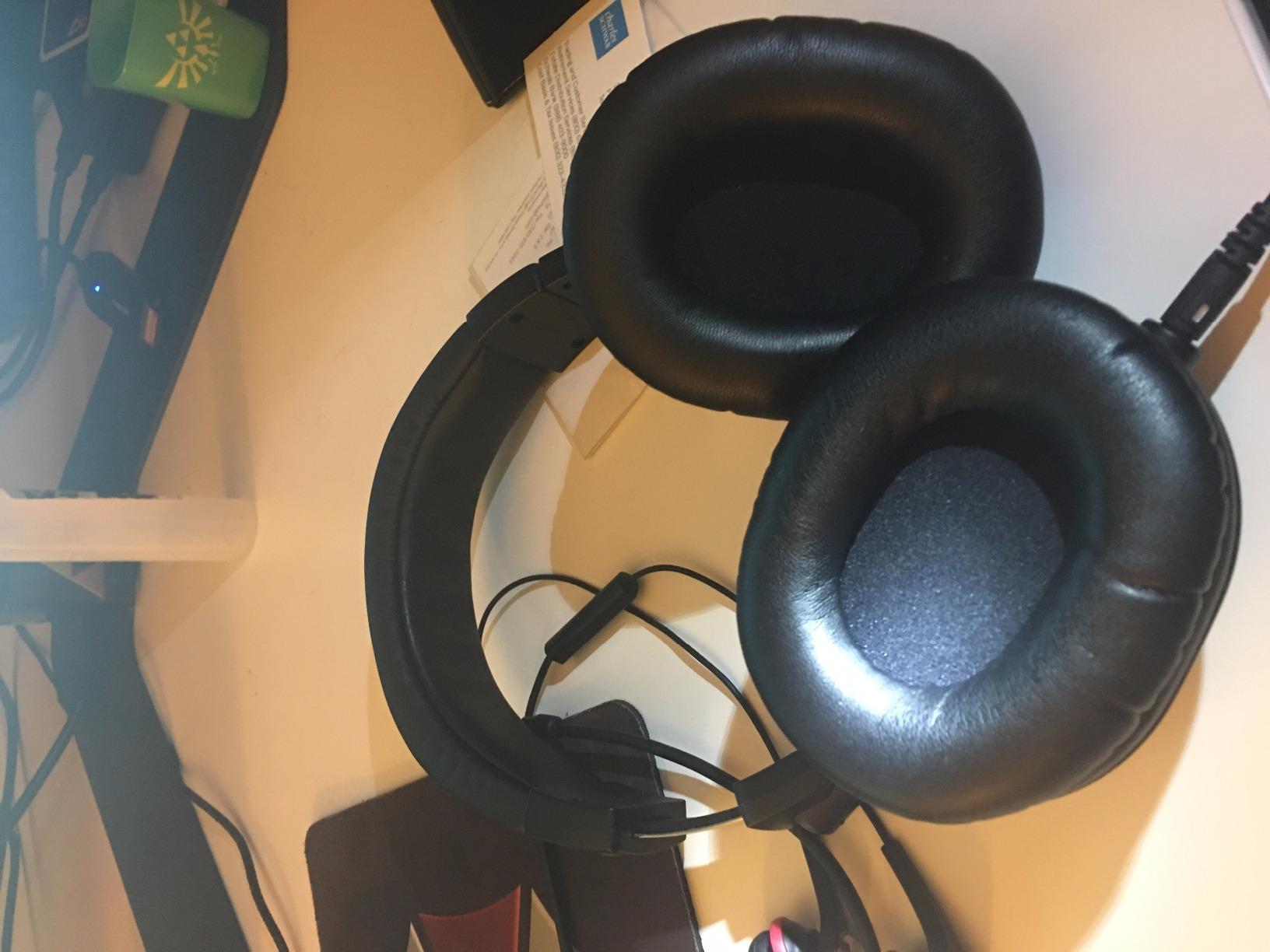
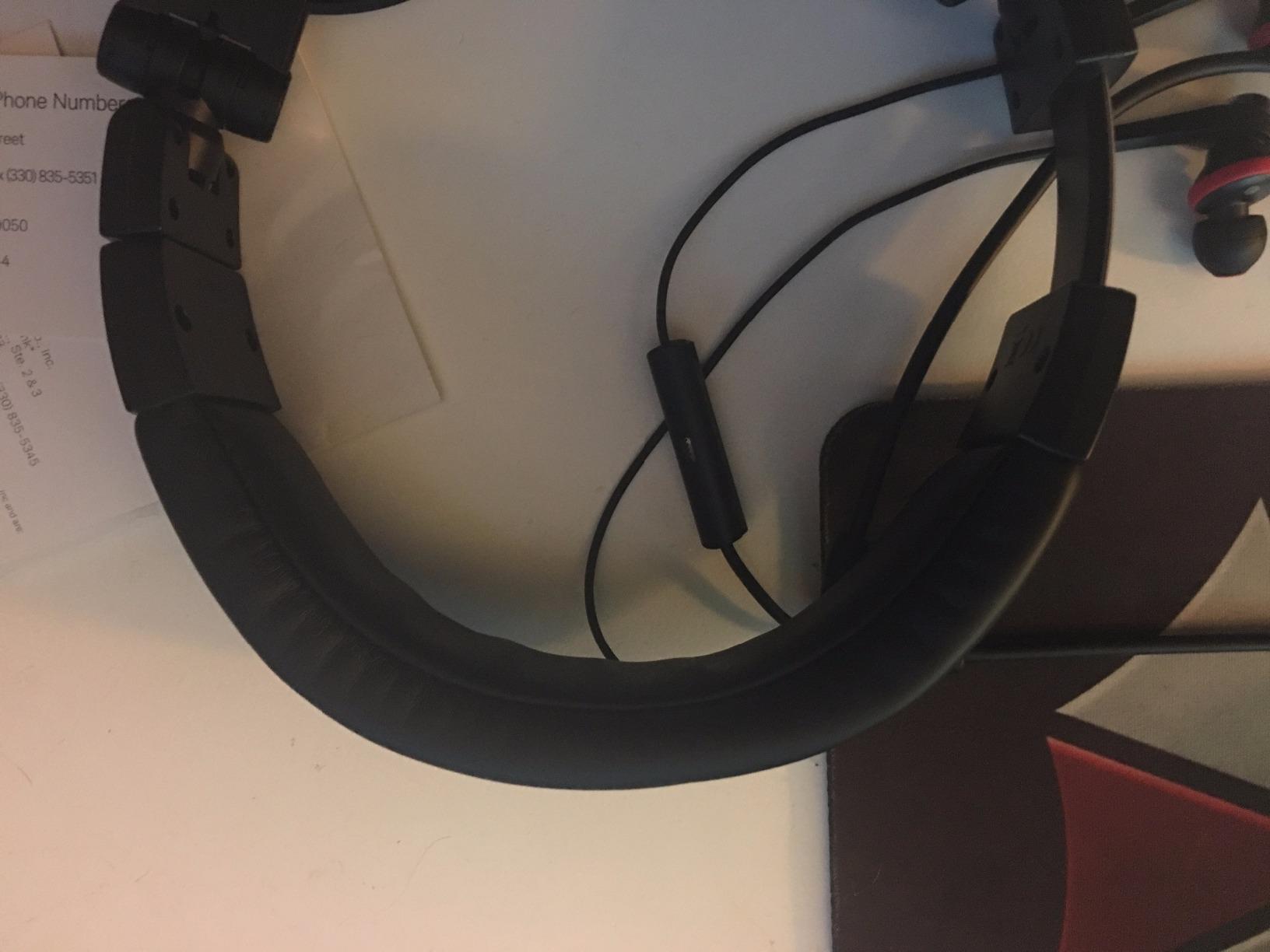
On tone it is genuinely even rather than exciting. Bass extends down properly instead of being a lump, and the midrange stays out of the way. The known trade-off is that a flat headphone sounds wrong for about a week until your ear adapts, and then flat starts to sound correct. Owners also mention a firm clamp, which is fine for glasses wearers and tiring after several hours.
The bias here is mild and in the bass, and the fix is straightforward. Search the model name in AutoEq or an Oratory1990 correction database and load the parametric curve into your plugin. With a flat curve applied, this becomes one of the most trustworthy mixing references at this level of spending.
Who the ATH-M50x suits
Anyone working in a room that is not acoustically treated, or anyone who tracks and mixes in the same session. Isolation plus low impedance means one pair covers both tasks without a separate closed-back tracking headphone.
It also suits people upgrading from consumer headphones who expect to find the mix exciting. They will not. They will find it correct, and after the first week that matters more.
Where it falls short
The soundstage is intimate rather than wide, so instrument placement sits closer to your head than it would on an open-back model. Deep mixes with wide virtual placement lose some air.
The clamp is the other limit. If you wear glasses or have a broad head, the padding on the newer versions is worth checking, and you may find yourself taking the headphones off every hour.
2. Audio-Technica ATH-M20x – the cheapest sensible way in
Audio-Technica ATH-M20x Professional Studio Monitor Headphones, Black
47 ohm impedance
40 mm dynamic drivers
15 Hz to 20,000 Hz
Closed-back single-sided cable
Pros
- Well balanced and clear for the money
- Solid build
- Comfortable over long sessions
- Decent isolation in a noisy room
- Very long tangle-free cable
Cons
- Cable is not detachable
- Bass is light compared with the M50x
- Tight fit for glasses wearers
The M20x is where most people should start if budget is the deciding factor, and it has enough shared DNA with the M50x that upgrading later is painless. Same circum-aural closed-back shape, same neutral intent, same two-year warranty on parts and labor.
At 47 ohm and 96 dB sensitivity it drives fine from a laptop jack or an entry interface. The 40 mm drivers with rare earth magnets are tuned for enhanced low frequency, which is the one place the M20x falls behind its siblings. Owners consistently describe the bass as light and less defined than the M50x.
That light bass is a real mixing consideration. On this headphone a sub-bass-heavy mix can read as underweight unless you correct for it. Pull the low-mid and sub region up by a decibel or two, and check the result on a second reference rather than trusting the headphone’s own low end.
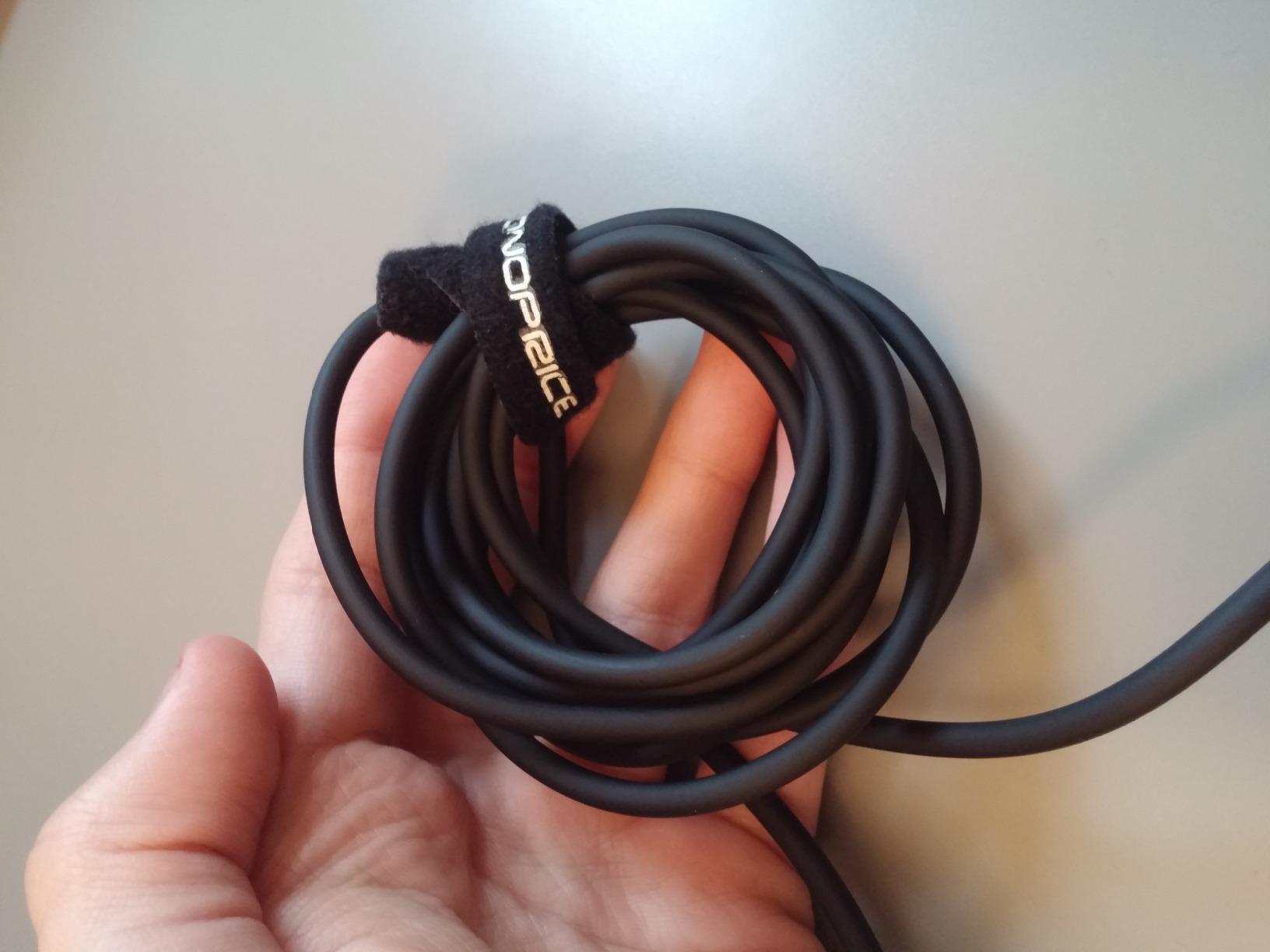
The single-sided cable exit is a genuine ergonomic win in a studio because it does not run across your cheek during a take. The cable, however, is fixed. That is the flaw to accept or avoid: when the strain relief eventually fails, the headphone is finished.
Who the ATH-M20x suits
Budget home studios, students, and anyone who needs accurate monitoring before investing in anything else. Gearspace reviewers repeatedly put the M50x at the top of the budget mixing category, and the M20x sits just below it for tracking-first use.
It is also a good headphone to own alongside something else. If you later add an open-back model for critical listening, the M20x stays in your bag as the closed tracking pair.
Where it falls short
The fixed cable is the deal-breaker for anyone who moves between studio and home. Long-term owners replace these headphones for that reason alone, not for sound.
The light bass will also make low-end decisions harder than they should be. If you mix bass-heavy electronic music, the M50x is a better use of the same money.
3. Beyerdynamic DT 990 Pro – the widest soundstage in the list
beyerdynamic DT 990 Pro (250 Ohm), Open-Back Studio Headphones, Black
250 ohm impedance
5 Hz to 35,000 Hz
Open-back with velour pads
Fixed 3 m coiled cable
Pros
- Exceptionally wide open soundstage
- Strong instrument separation
- Fast authoritative bass
- Soft breathable velour pads
- German build with steel headband
Cons
- 250 ohm needs a dedicated amplifier
- Bright forward treble can fatigue
- No isolation at all
- Fixed cable and earcup extenders
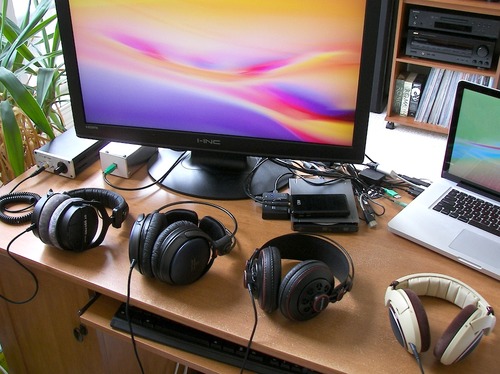
If your problem is depth placement, this is the headphone to buy. The DT 990 Pro has been the open-back mixing reference for decades, and the 250 ohm version is the one serious mixers choose. It renders instruments as distinct points in space rather than a wall of sound, which is exactly what you need to judge panning, reverb depth and stereo width.
The trade-offs are substantial and you should hear them before buying. It leaks sound in both directions with no isolation whatsoever, so it needs a quiet room at night-time volume levels. It also carries a well-known bass tilt and a bright, forward treble region, and both have to be corrected before you mix on it.
The correction path is well established. KVR user ‘_leras’ recommends pairing a Beyer with an Oratory1990 curve specifically because the upper-midrange and treble bump remove cleanly, and the headphone translates well once it is flat. Gearspace reviewers also name the DT 990 Pro the pick for those who want more bass character than a neutral reference gives.
Impedance is the practical hurdle. At 250 ohm this needs an amplifier, and running it from a laptop jack at full volume leaves you with no headroom and an audible strain on the output stage. Our guide to studio headphone amps covers what actually drives this class of headphone.
Who the DT 990 Pro suits
Mixers working in a genuinely quiet room at odd hours, in a treated studio, or in a home setup on a schedule the neighbours will not thank you for. The wide image is worth the isolation you give up if you can work quietly.
It also suits people who want the analytical experience. The treble reveals problems other headphones smooth over, which is a feature when the job is fixing a mix rather than enjoying one.
Where it falls short
The bass tilt is the main one. Uncorrected, this headphone will make you over-boost lows and under-boost the upper mids, which is a common cause of mixes that feel heavy and dull elsewhere.
The fixed 3 m coiled cable and the locking earcup extenders are also long-term weak points. The extenders snap back against the headband when you adjust the cups, and the cable cannot be replaced.
4. Sony MDR-7506 – a tracking headphone first, a mixer second
Sony MDR7506 Professional Large Diaphragm Headphone
63 ohm impedance
40 mm neodymium drivers
10 Hz to 20,000 Hz
Fixed 9.8 foot coiled cord
Pros
- Extremely light at 8 ounces
- Revealing clear reproduction
- Durable repair-friendly build with replaceable pads
- Includes a folding case
- Excellent value
Cons
- Non-detachable coiled cable
- Less sub-bass emphasis than rivals
- Folding hinges can pop loose
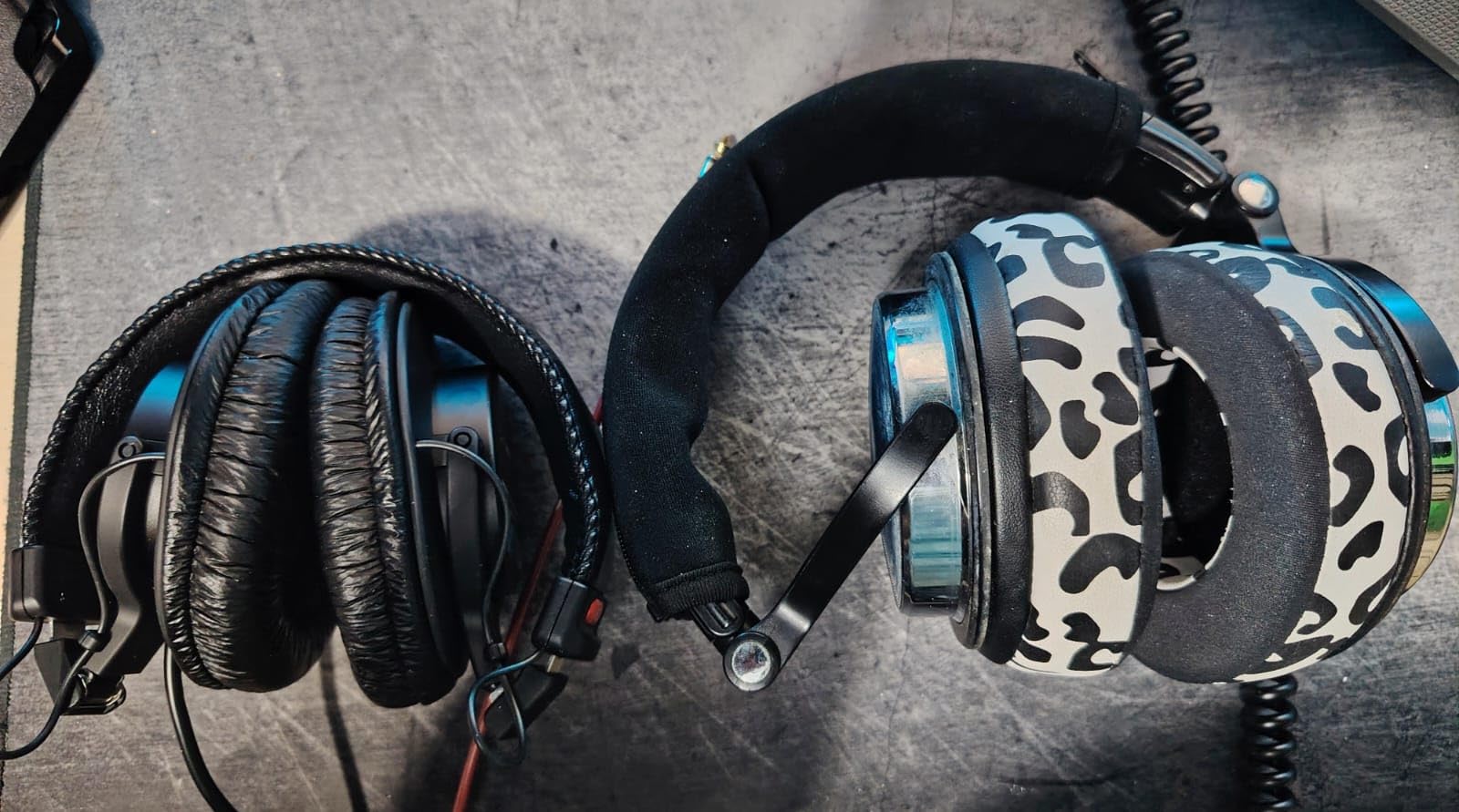
Let us be direct about this one, because it confuses a lot of buyers. The MDR-7506 is the broadcast and voiceover standard headphone, it has been in studios since the early 1990s, and it is superb at revealing problems. It is also a tracking headphone first, and it is not the right default choice for mixing.
The reason is tonal. This headphone carries a pronounced midrange emphasis in the upper mids, and mixers who work on it consistently end up with over-bright vocal forwardness. You are not hearing the record, you are hearing the headphone’s presence lift.
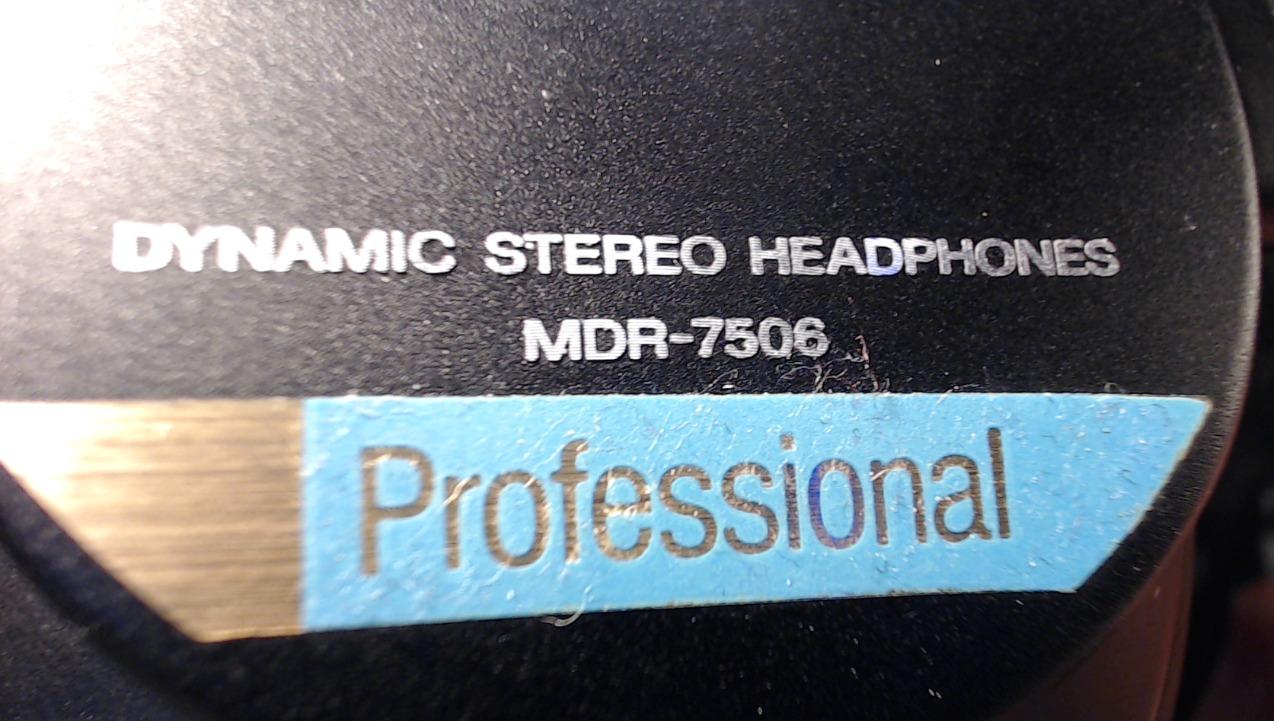
Everything else about it is excellent for studio work. At 8 ounces it is the lightest closed-back in this list, the closed-ear design gives solid passive noise reduction, the 63 ohm impedance is easy to drive, and the pads are replaceable, which matters enormously on a headphone this old.
Our recommendation is specific: if you already own one, keep it for tracking and cueing, and add a neutral headphone for mixing. If you are buying your first pair and your mix translation matters, choose one of the flatter models instead. This headphone rewards many years of ownership, and owners do exactly that.
Who the MDR-7506 suits
Voiceover, broadcast, podcast production, and anyone tracking vocals in a shared room where weight becomes uncomfortable after hour three. The fold-flat design with its soft case is genuinely convenient for location work.
It also suits producers who already know its voice and use it as a secondary check rather than a primary reference.
Where it falls short
The midrange bias is the reason it sits at number four on a mixing list. KVR regulars rank the neutral options ahead of it for exactly this reason, and the consensus is that it disqualifies itself as a primary mixing reference.
The fixed coiled cord is the other limitation, and owners describe it fraying at the strain relief over long service lives. The folding hinges also pop partially out of position for some people.
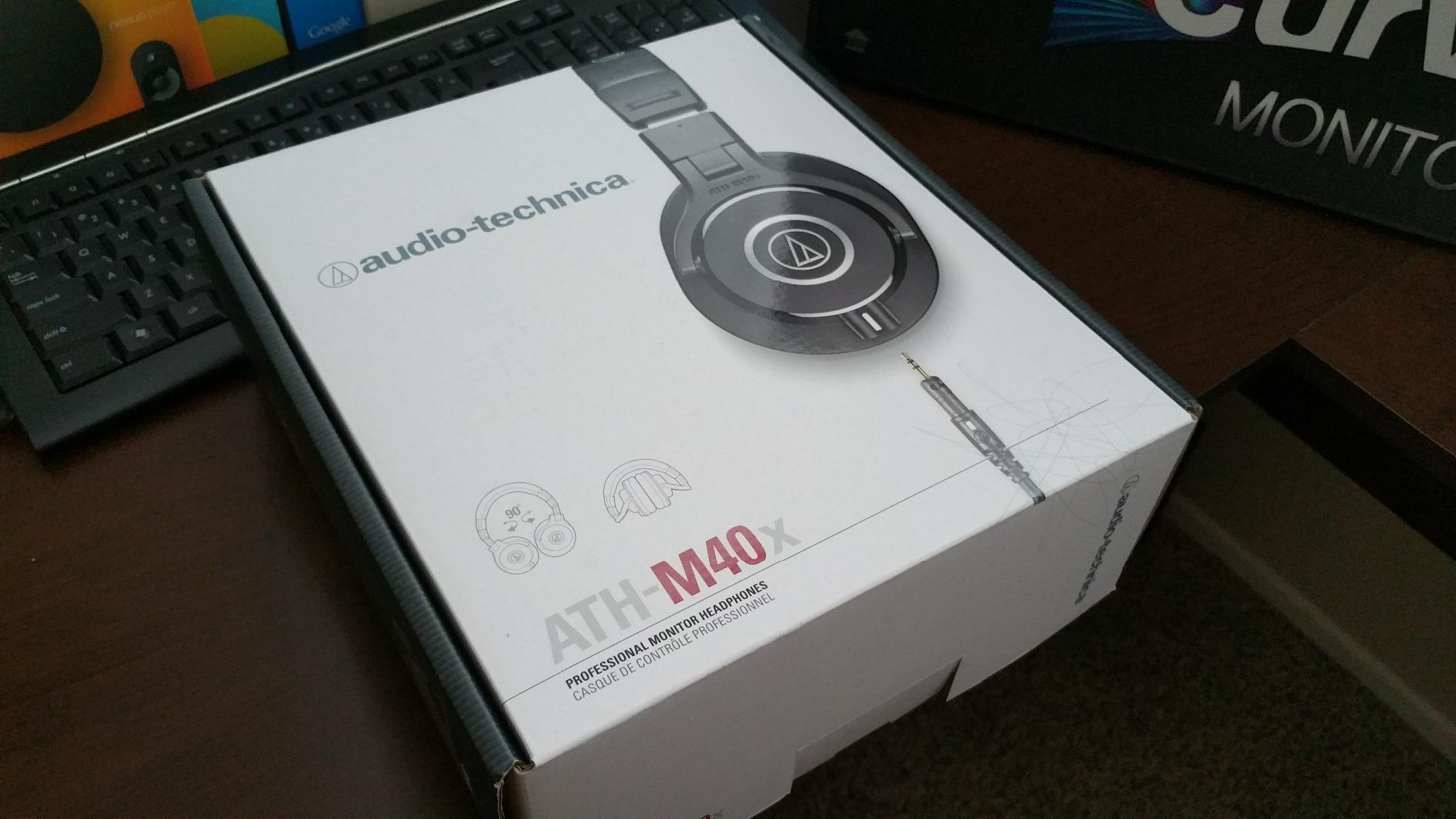
5. Audio-Technica ATH-M40x – the flattest response here
Audio-Technica ATH-M40x Professional Studio Monitor Headphone, Black, with Cutting Edge Engineering, 90 Degree Swiveling Earcups, Pro-Grade Earpads/Headband, Detachable Cables Included
35 ohm impedance
40 mm dynamic drivers
15 Hz to 24,000 Hz
90 degree swiveling earcups
Pros
- Exceptionally flat neutral tuning
- 98 dB sensitivity drives from a phone or laptop
- Swivels plus detachable cables included
- Good isolation and over-ear fit
- Straight and coiled cables in the box
Cons
- Floppy fold-flat design
- Swivel hinges wear over time
- Included cables are very long
- Bass rolls off below roughly 70 Hz
If you want the most neutral starting point in this list, the M40x is it. The manufacturer tuning is explicitly flat as a mixing reference, and at 35 ohm with 98 dB sensitivity it is the easiest headphone here to drive. Phone, laptop, interface, it does not care.
It ships with both a straight and a coiled detachable cable, which is generous, and the 90 degree swivels let you fold one cup back for cueing a performer without losing your mix reference. The closed-back circumaural design isolates well enough for most home rooms.
The known bias is a gentle high-frequency roll-off above the presence region plus some attenuation below roughly 70 Hz. In practice you hear slightly less air and slightly less sub weight than on the M50x. Apply the matching AutoEq or Oratory1990 curve and it becomes the most literal reproduction in the group.
Two build details deserve attention. The fold-flat mechanism is floppy, so you cannot put them on one-handed, and the swivel hinges are the part most likely to fail after a few years. The long included cables are a studio benefit and a nuisance everywhere else.
Who the ATH-M40x suits
Mixers who want the flattest option without moving to an open-back and dealing with leakage. It is the natural companion to a pair of nearfield monitors, checking mix translation in a room that is not treated.
It also suits anyone driving headphones from a phone or a laptop, since 98 dB sensitivity is unusually generous for a closed-back studio model.
Where it falls short
The roll-off below roughly 70 Hz means un-EQ’d low-end decisions are less reliable here than on the M50x. If you produce bass-heavy material, correct before mixing.
The floppy construction and swivel hinge wear are the practical limits. They do not affect the sound, they affect how long you will happily keep the pair.
6. AKG K240 Studio – light, neutral and semi-open
AKG K240STUDIO Semi-Open Studio Headphones
55 ohm impedance
30 mm Varimotion drivers
15 Hz to 25 kHz
Detachable locking cable
Pros
- Very neutral flat monitoring sound
- Extremely light at 240 g
- Locking detachable cable with many aftermarket options
- Excellent instrument separation
- Semi-open comfort over long sessions
Cons
- Leaks sound
- unusable for live tracking
- Bass accurate but light
- Earcups feel less solid
- Needs more gain than a phone supplies
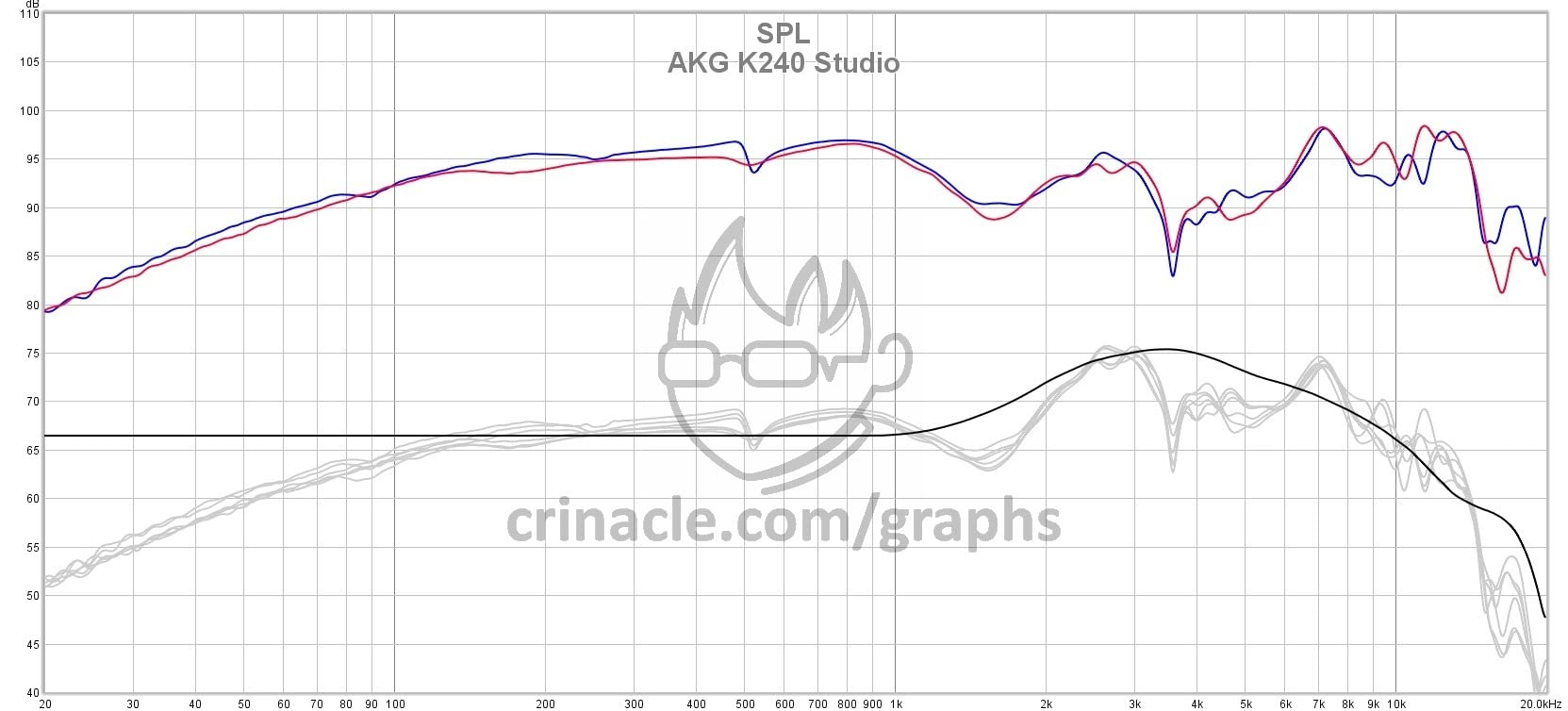
The K240 Studio is the odd one out here, and that is why it is interesting. It is semi-open, which means it gives you more air and a roomier presentation than a closed-back without the total exposure of a full open-back, and it costs very little.
vi-control readers single it out repeatedly for a neutral, flat presentation that holds up over long sessions, and that reputation has held up for years. The self-adjusting gimbal headband distributes weight rather than clamping, which is why 240 g feels lighter than it sounds.
For mixing, the honest strength is clarity. The 30 mm XXL Varimotion transducers keep voices and instruments separated, so balance decisions come fast. The weakness is the low end. Bass is accurate but light, so sub weight will need attention on bass-heavy material.
The detachable cable locks with a mini-XLR connector, which means aftermarket cables are widely available and the pair is repairable in a way most budget headphones are not. That single feature makes the K240 a better long-term purchase than its tier suggests.
Who the AKG K240 Studio suits
Mixers on a tight budget who want open-air listening without paying open-back prices, and anyone whose ears or glasses make clamping a problem. It is also a tracking headphone for instruments, but not for loud sources, because it leaks.
Anyone who wants to buy one headphone and replace cables rather than replace headphones will like the connector system.
Where it falls short
Semi-open means leaks both ways. It is unusable for tracking live performers and it lets outside noise in, so it is a mixing headphone only.
Build quality is the other limit. Owners report the earcups and pads feeling less solid than the Audio-Technica equivalents, and it needs more gain than a phone can supply for comfortable monitoring levels.
7. Sennheiser HD 280 Pro – isolation you can track through
Sennheiser HD 280 Pro Headphone, Black
64 ohm impedance
8 Hz to 25 kHz
Up to 32 dB passive attenuation
Replaceable pads and cord
Pros
- Class-leading isolation comparable to ear defenders
- Warm natural uncolored sound
- Collapses for one-handed cup-to-ear monitoring
- Pads headband padding and cord all replaceable
- Tough enough for touring
Cons
- Heavily coiled fixed cable adds weight
- Pad and headband coverings degrade with sweat
- Plastic headband can crack on larger heads
- Sub-bass rolls off
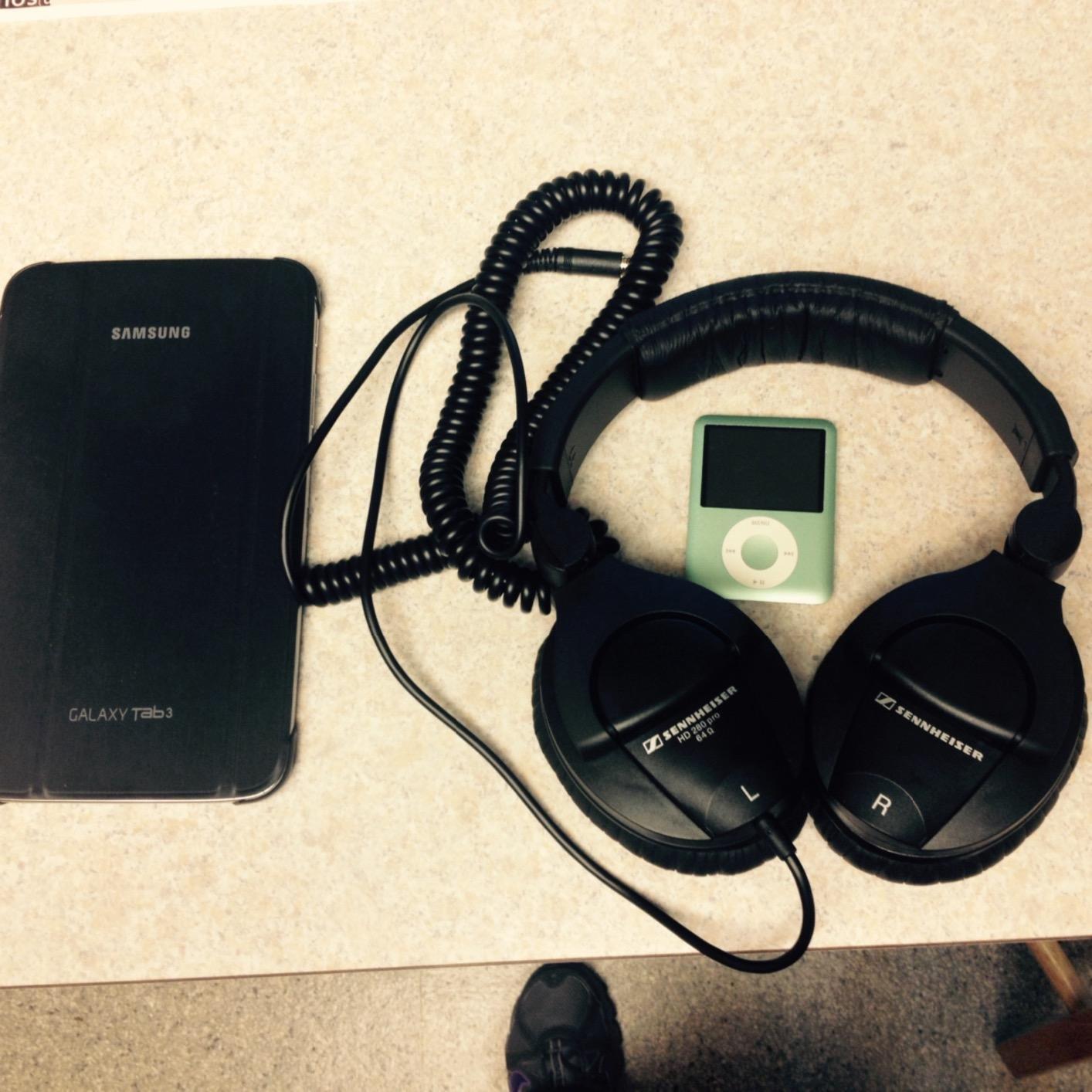
The HD 280 Pro is the isolation champion in this list, and isolation is not a minor spec. With passive attenuation of up to 32 dB it behaves much like ear defenders, which means you can mix next to a running air conditioner or in a shared flat and still hear your low end properly.
It also collapses flat for one-handed cup-to-ear monitoring, which is a small feature with a real workflow benefit. Replaceable ear pads, headband padding and cord mean it can be maintained indefinitely rather than discarded, and long-term owners confirm they do exactly that.
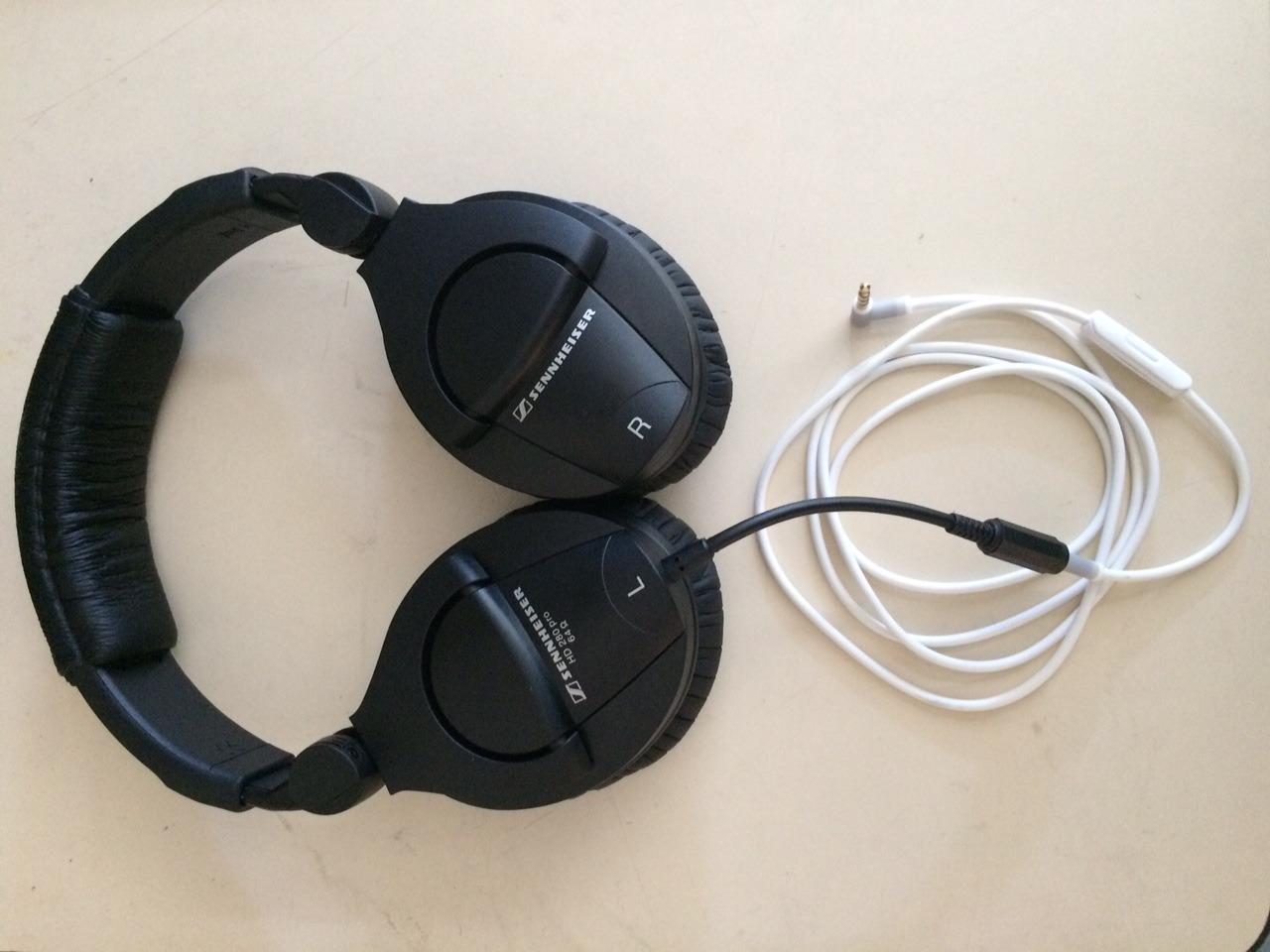
Sonically it is warm and natural rather than strictly neutral, and the sub-bass rolls off. That warmth is mild and easy to correct, but if you are mixing hip-hop or electronic material you will want to watch the bottom octave closely, especially if you are working in a small room.
The 64 ohm impedance is unremarkable, which is another way of saying it drives easily from anything. That makes it a good first serious headphone if your setup is a laptop and an interface.
Who the HD 280 Pro suits
Mixers in untreated rooms, shared spaces, and anyone who has ever given up on headphones because of outside noise. It is also a strong tracking headphone for loud sources, which makes it a rare headphone that genuinely covers both jobs.
Touring engineers and anyone who replaces gear often will appreciate that pads, headband padding and cord are all available separately.
Where it falls short
The coiled fixed cable adds weight and tugs on one side, and unlike the DT 990 Pro it cannot be replaced. Long-term owners also report the plastic headband cracking on larger heads and the stock pad material degrading with sweat.
The warm signature and sub-bass roll-off mean it is a less literal reference than the M40x. Good sound, imperfect neutrality.
8. Sennheiser HD 599 – open-back comfort for long sessions
Sennheiser HD 599 Open-Back Wired Audiophile Headphones, Ivory
50 ohm impedance
12 Hz to 38,500 Hz
Open-back with velour pads
Two detachable cables included
Pros
- Wide open soundstage with strong separation
- Padded headband and velour pads avoid ear pressure
- Premium materials and finish
- Two cable lengths for studio and portable use
- Low distortion aluminum voice coils
Cons
- No isolation whatsoever
- Warm slightly colored signature rather than neutral monitoring
- Heaviest model in the group at 0.71 kg
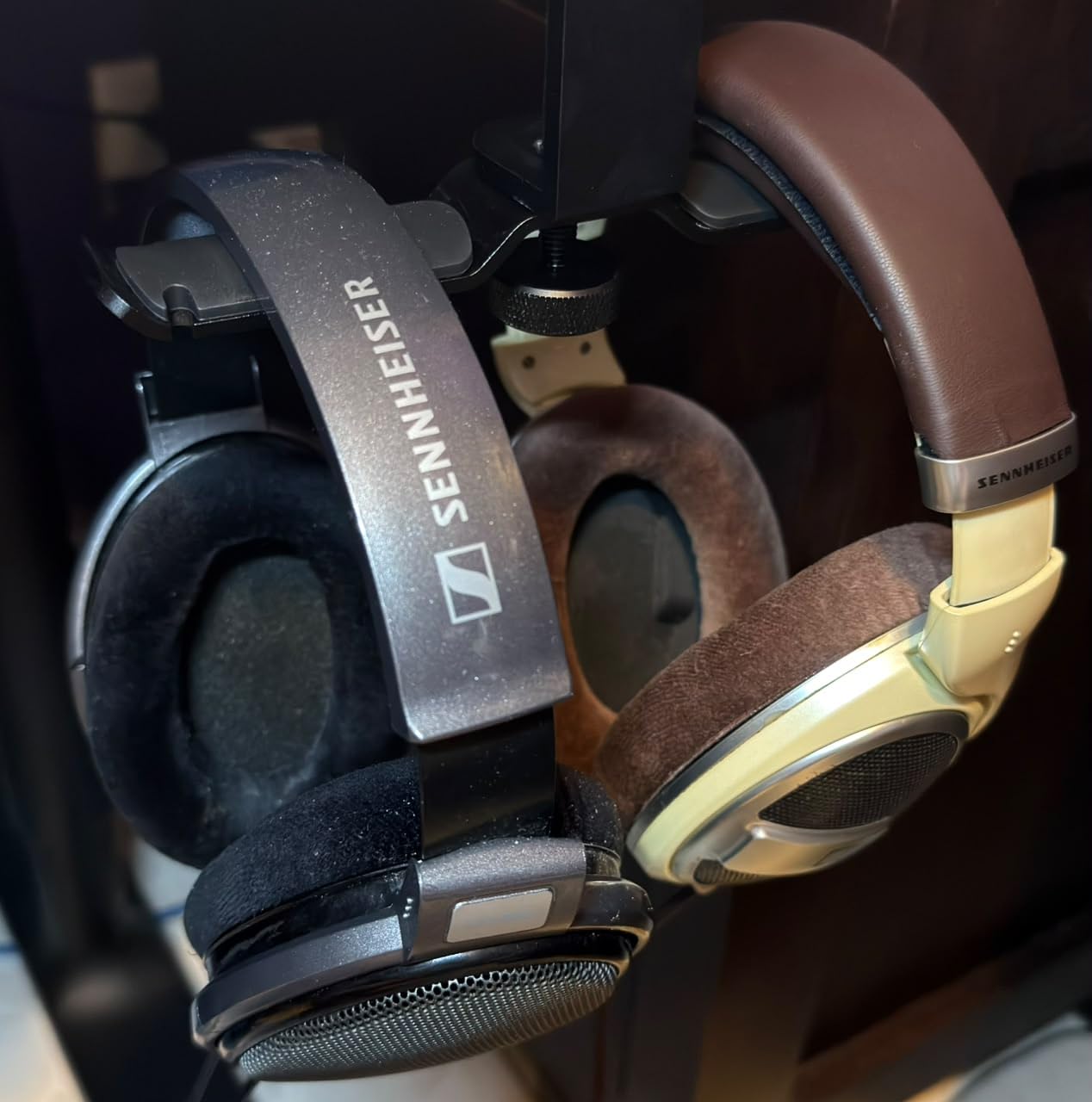
The HD 599 is the one to consider if you find open-back headphones uncomfortable. Velour-covered pads and a well-padded headband spread pressure across a wider area than the stiff baffles on many open-backs, and the wide stage is there for critical work.
It is also friendlier to drive than most open-backs at 50 ohm, so it will run from an interface without a dedicated amplifier, although it does sound better with one. Aluminum voice coil transducers keep distortion low enough that loud playback stays clean.
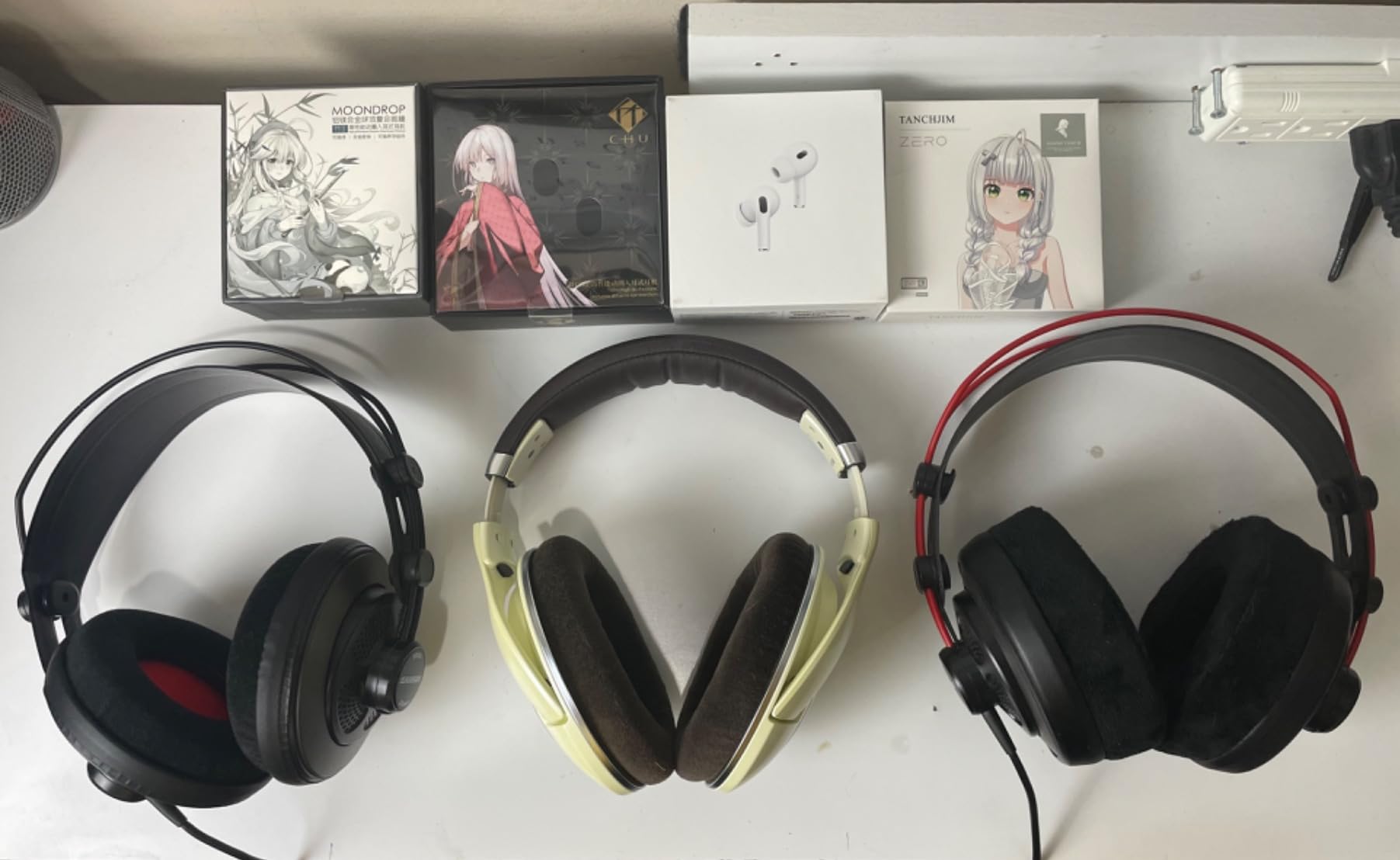
For mixing, the caveat is signature. This is a warm, slightly coloured headphone rather than a strictly neutral reference, and mixing on it uncorrected will leave your mixes slightly heavier in the mids than you intended. Pair it with a correction curve and it becomes a fine reference.
At 0.71 kg it is by far the heaviest headphone here, and weight on your head accumulates over a six-hour session. The comfort advantage holds for most people but not all, so it is worth trying on.
Who the HD 599 suits
Open-back listeners who have been put off by clamp pressure, extended critical listening sessions, and mixers working late in a quiet room who will trade neutrality for comfort. Two included cables mean it works at a desk and a studio.
It also suits anyone who wants an open-back stage without the amplifier commitment that a 250 ohm headphone demands.
Where it falls short
No isolation at all, which puts it firmly in the quiet-room category. And the warm, coloured signature is the real limitation for mixing work unless you correct it.
Weight is the third. If you are sensitive to head pressure, this is the model most likely to cause problems over a long day.
9. Samson SR850 – semi-open value with 50 mm drivers
Samson SR850 Professional Studio Reference Headphones
32 ohm impedance
50 mm dynamic drivers
10 Hz to 30,000 Hz
Semi-open with self-adjusting band
Pros
- Well balanced accurate response
- Large drivers give solid bass and wide range
- Self-adjusting headband for long sessions
- Semi-open design keeps environmental awareness
- Easy to drive at 32 ohm
Cons
- Semi-open leaks sound with limited isolation
- Heaviest unit here at 1.1 pounds
- Non-detachable fixed cable
- Bass and treble read softer than costlier models
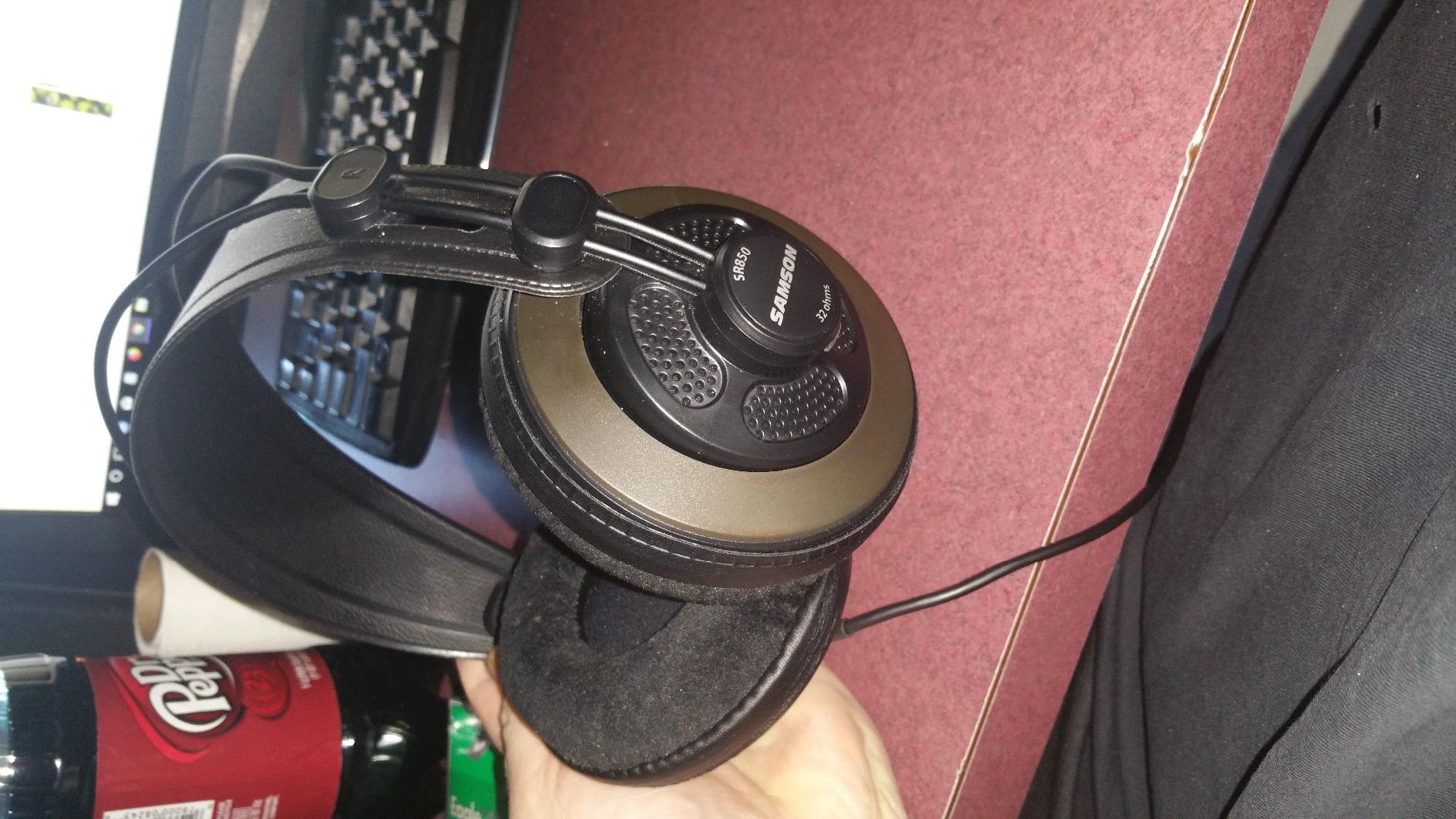
The SR850 pairs with the ATH-M20x in the entry-level tier and offers a different flavour: 50 mm drivers, which are larger than anything else in this group, in a semi-open housing. Owners like the honest, balanced presentation and the self-adjusting headband for long sessions.
At 32 ohm it is the easiest headphone here to drive, so it works from a laptop, a phone or a small interface without complaint. For a first pair on a student budget, the numbers are good and the response is accurate.
For mixing work, the honesty is the appeal and the softness is the limit. Owners report bass and treble both reading slightly softer than on costlier studio models, which means the extremes need a little attention before you trust your judgement of them.
The semi-open design is the structural limitation. It gives you environmental awareness, which some mixers like, but it also means limited isolation and sound leaking both ways, so it is not a tracking headphone.
Who the Samson SR850 suits
Students, first-time buyers, and anyone who wants accurate monitoring without an amplifier. The self-adjusting band removes the fit problem that trips up many cheaper headphones, and the 32 ohm rating means no shopping list for extra hardware.
Mixers who prefer semi-open presentation as a middle ground between closed isolation and full openness will find it comfortable over long sessions.
Where it falls short
At 1.1 pounds it is the heaviest model in this comparison, and the weight is felt over a full day. The fixed cable cannot be replaced when it eventually fails.
The softer extremes mean it is a monitor for balance decisions rather than for fine judgement on bass or air. Semi-open leakage rules it out for tracking entirely.
10. Sennheiser HD 650 – the low-distortion reference
Sennheiser HD 650 – Audiophile Hi-Res Open Back Dynamic Headphone
50 ohm impedance
42 mm drivers
10 Hz to 41,000 Hz
Acoustic silk damping at 0.05 percent THD
Pros
- Very low distortion and smooth natural balance
- Wide open stage with excellent separation
- Light at 9.12 ounces for an open-back
- Classic serviceable design with replaceable pads and cables
- Hand-matched driver elements
Cons
- No isolation and leaks both ways
- Needs a decent amplifier to reach its potential
- Pads and headband wear and need periodic replacement
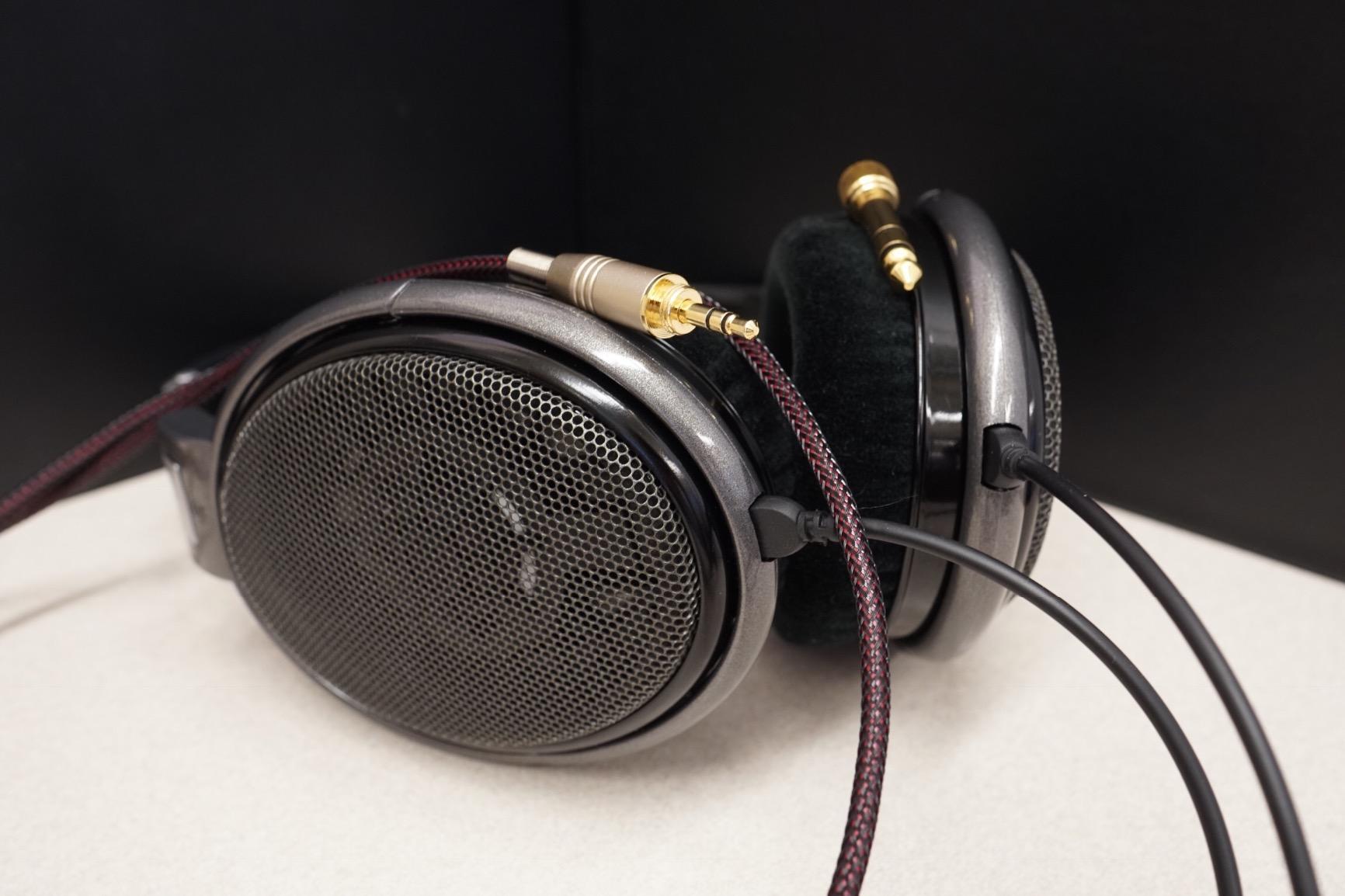
The HD 650 has been the reference open-back for so long that engineers describe it as the industry standard. KVR user ‘jamcat’ put it plainly, and the wider community agrees: this is still the headphone most engineers mix on, and it is regularly listed among legitimate mixing choices by working mixers.
The technical reason is distortion. Acoustic silk damping brings total harmonic distortion to 0.05 percent, which means what you hear at monitoring levels is the recording rather than the driver. Smooth, natural tonal balance and a wide open stage with excellent instrument separation follow from that.
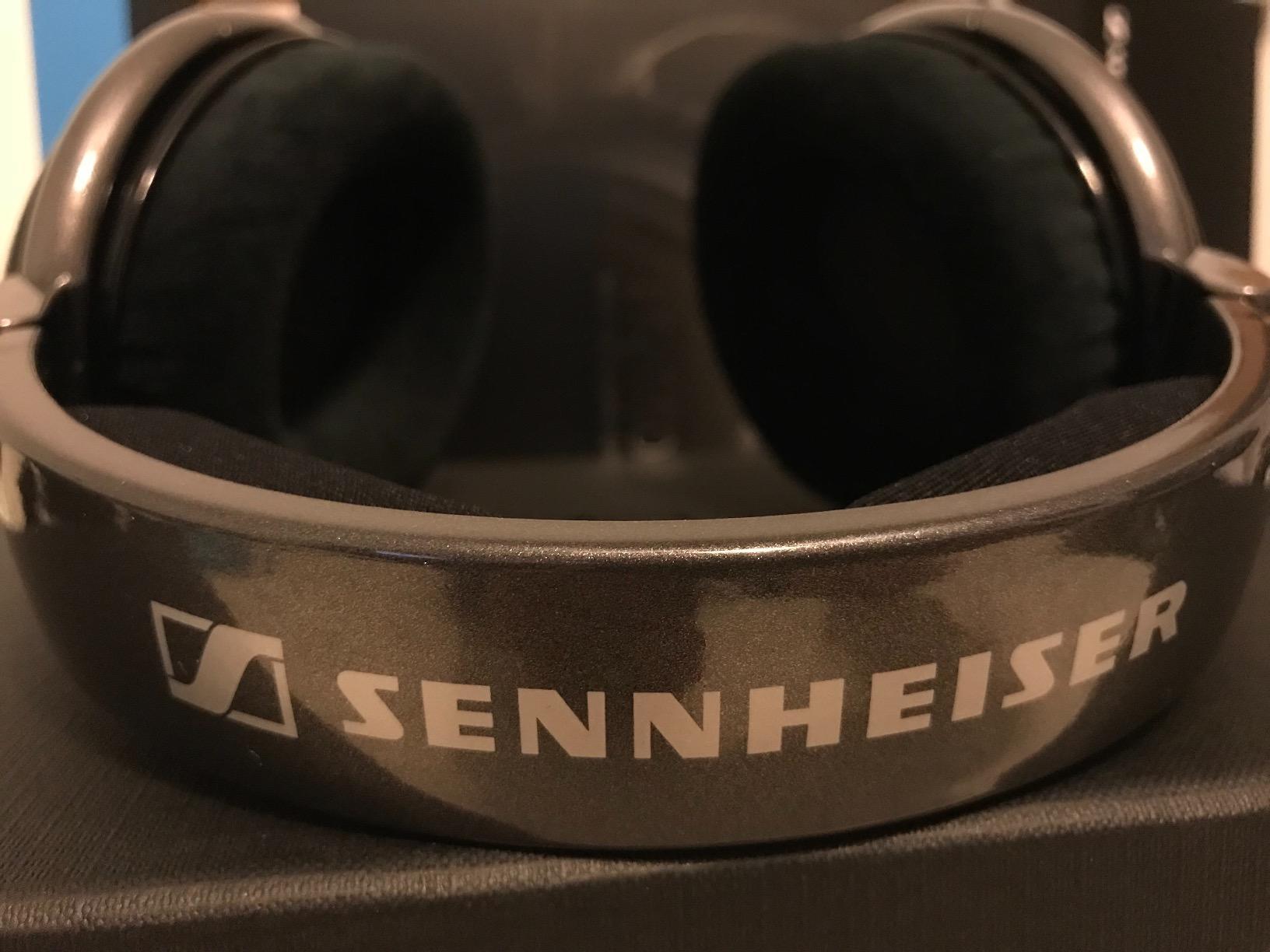
It is also surprisingly light for an open-back at 9.12 ounces, and the pads and cables are replaceable, so this is a pair you can maintain for a very long time. Second-hand units are common and abundant, which is a genuine practical advantage.
The known bias is a mild warmth in the mids and a gentle low shelf lift. It is a subtle tilt rather than the aggressive bass bump of a Beyer, and a correction curve removes most of it. What it cannot do is block outside sound, so it belongs in a quiet room.
Who the HD 650 suits
Mixers who want a long-term reference rather than a first experiment, and anyone working in a quiet room who wants low distortion at monitoring levels. The serviceable design means it can be handed down rather than replaced.
It also suits mastering and mix review work where you want to hear detail without the headphone adding much of its own.
Where it falls short
Isolation is the main limit. In any shared or untreated space you will fight outside noise for the bottom octaves, and you should not mix loud to compensate.
It also benefits from a decent amplifier, and pads and headband padding wear over years of use. Budget for periodic replacement as part of owning it.
Open-Back vs Closed-Back Headphones for Mixing
Open-back headphones are better for mixing when your room is genuinely quiet. The open grille lets air move freely, which is what produces the wide soundstage and instrument separation that open-backs are prized for. Nothing else gives you that sense of space. The cost is total leakage in both directions, so any conversation, any keyboard, any air conditioning becomes part of your mix decisions.
Closed-back headphones are better for mixing when your room is not quiet. Isolation is a mixing tool, not just a comfort feature. When you cannot hear the outside, you stop guessing about the low end and start deciding about it. That is why most home studios end up with a closed-back as their primary mixing headphone.
The practical answer for most people is a two-headphone setup: closed-back for tracking and for mixing in a noisy room, open-back for critical listening late at night. Our guides to studio desks and vocal isolation booths cover the rest of a home studio build-out.
Do You Need a Headphone Amp for Mixing?
You need an amp when impedance and sensitivity work against you, and nothing else. Under about 50 ohm, most audio interfaces and laptops drive the headphone to a comfortable level on their own. The M40x at 35 ohm and the SR850 at 32 ohm need nothing extra.
From 60 to 100 ohm you are fine on most interfaces, though laptop jacks get strained near maximum volume. The M50x at 38 ohm and the HD 280 Pro at 64 ohm both sit comfortably in this range. Above 250 ohm you should plan on an amplifier, and that is exactly the case that makes the DT 990 Pro 250 ohm version demand one.
On cost, community consensus is blunt. A long-tenured KVR regular put it as: it makes zero sense to spend more on the amp than on the headphones. A small measured dongle is enough for any of the models here, and a mid-range laptop will drive 250 ohm Beyerdynamics at half volume without complaint. Cranking the volume to replace an amplifier is the thing to avoid, because that is how mixes end up over-compressed and hearing ends up damaged.
Impedance is also not a quality score. A 300 ohm headphone is not more accurate than a 32 ohm one, it is simply harder to drive. If a forum tells you one is better because of its ohms, that is a compatibility question being answered with a quality claim.
How to Mix on Headphones Without Fooling Yourself
Step one is loudness matching, and it is the single biggest improvement most people never make. A mix you have been working on at your comfortable monitoring level will sound quieter and less full than a commercial reference at the same level, and your instinct is to boost it. Level-match your mix to a reference track using a loudness meter such as Youlean Loudness Meter, then compare.
Step two is correction. Every headphone in this list has a published Oratory1990 or AutoEq curve. Load it into a parametric EQ on your mix bus, set the headphone to flat as a starting point, and correct from there. You are not trying to make the headphone perfect; you are trying to stop it lying to you.
Step three is a reference track set you trust, chosen for genre and level rather than for looks. Keep three or four tracks you know well, and switch between them at matched loudness every time you make a significant change. One expert in the KVR discussion warns against picking mixing headphones by genre and points to this workflow instead, and the advice holds up.
Step four is protecting your ears and your judgement. The 60-60 rule, 60 minutes of listening at 60 percent volume, is a reasonable ceiling, and monitoring louder than you need is the most common way mixers damage both their hearing and their mixes. Take breaks, and come back to the low end after a rest, because ear fatigue shows up there first.
Headphones vs Studio Monitors: How Far Can You Go?
You can mix an entire record on headphones, and many engineers do, provided you pair them with reference tracks and cross-check on a second system. What headphones give you is detail at any hour in any room, which is why film and game composers mix in edited rooms that would make monitors useless.
What you give up is translation to the speaker system and to consumer listening. A mix balanced on headphones will almost always feel brighter and thinner on speakers, because headphone drivers deliver bass that the ear expects to be reinforced by a room. Cross-checking a finished mix on monitors, a phone speaker and a cheap earbud catches that.
Treat headphones and monitors as two different tools rather than competing ones. Mixing and mastering headphones reveal problems; monitors reveal how the record will behave in a room. If your room is untreated, monitor output is dominated by the room anyway, which is another argument for mixing on headphones and checking often.
Frequently Asked Questions
What are the best headphones for sound mixing?
Flat-response studio headphones built for neutral reproduction and long sessions. The Audio-Technica ATH-M50x is our overall pick for its 38 ohm impedance and closed-back isolation, while the Beyerdynamic DT 990 Pro wins on soundstage width and the ATH-M40x on outright flatness.
What type of headphones are best for mixing?
Open-back headphones for a wide soundstage in a quiet room, closed-back headphones when you need isolation from outside noise, and semi-open models as a middle ground. Match the type to your room, then correct the headphone’s known tonal bias with a published EQ curve.
What is the 60-60 rule for headphones?
Keep listening volume at or below 60 percent for no more than 60 minutes at a stretch. For mixing it is a sensible ceiling because monitoring louder than necessary both damages hearing and biases your low-end and dynamic decisions.
What are the best headphones for live sound mixing?
Closed-back headphones with strong passive isolation and durable, repairable construction. The Sennheiser HD 280 Pro offers up to 32 dB of attenuation with replaceable pads, headband padding and cord, while the Sony MDR-7506 is the broadcast standard for tracking.
Do studio headphones need an amp?
Only if the impedance makes it hard to drive. Headphones around 35 to 50 ohm run from a laptop or interface, and 250 ohm models such as the DT 990 Pro really do want a small headphone amp. Spending more on the amp than on the headphones is not sensible.
Are Sony MDR-7506 good for mixing?
They are excellent tracking headphones with a strong midrange bias, which makes them a risky primary mixing reference. Most working mixers use them for tracking and cueing and mix on a flatter pair such as the ATH-M50x or ATH-M40x.
Conclusion: Which Studio Headphones Should You Mix On?
The Audio-Technica ATH-M50x is the best studio headphones for mixing for most people in 2026. Low enough impedance to drive from anything, closed-back enough to ignore your room, neutral enough to trust, and built with a detachable cable and swivelling cups that survive real studio life. Buy those, learn them properly, and spend the money you saved on room treatment instead.
Move up to the ATH-M40x if you want the flattest tuning available here, to the DT 990 Pro if soundstage width is what your work depends on and you can work quietly with an amplifier, or to the HD 650 if you want a long-term low-distortion reference. Whatever you choose, correct its known bias and level-match to your references, or the headphone will just become a more expensive way to make the same mistakes.