
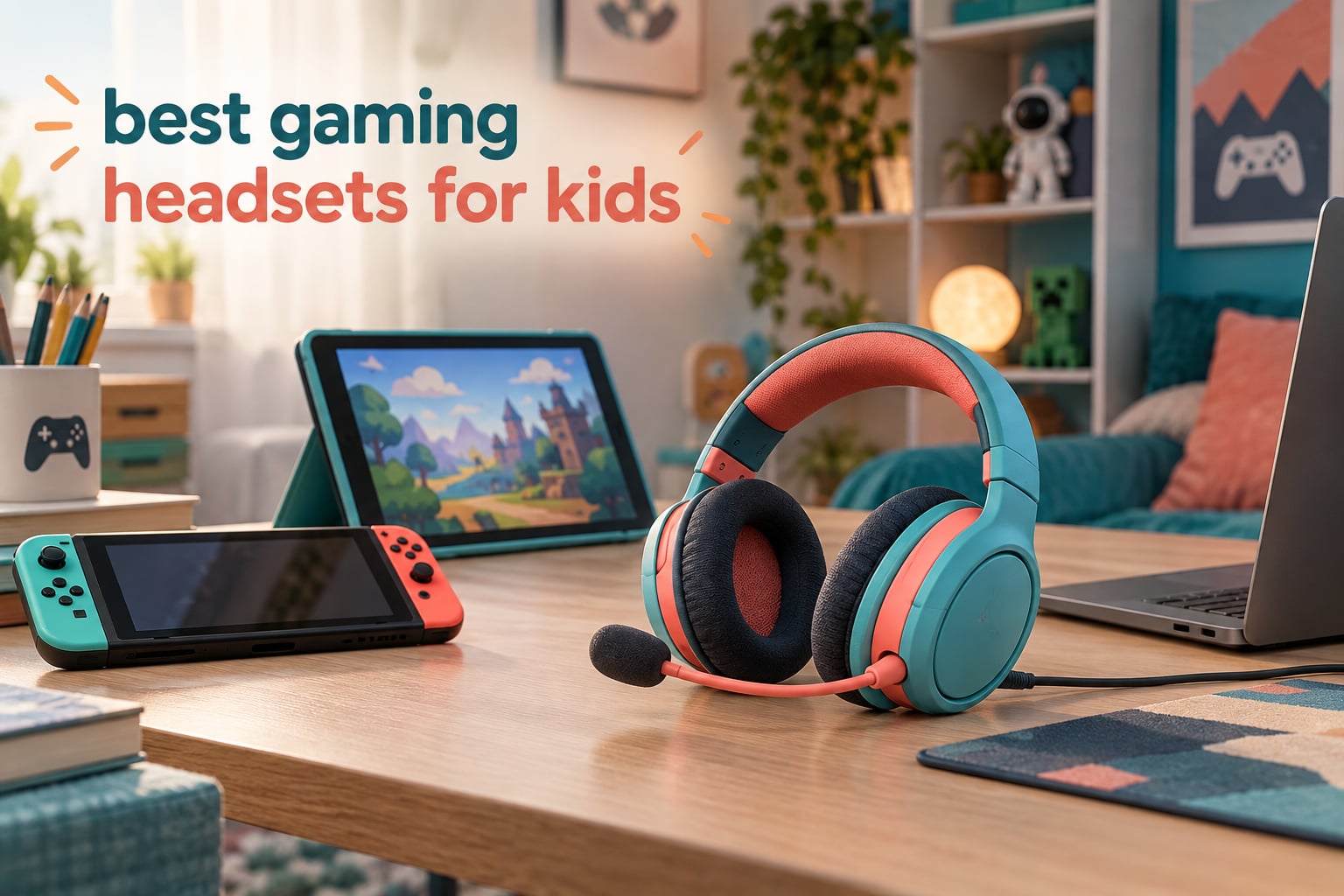
Start here: the EarFun K1 is the best gaming headset for kids overall, because it pairs a documented 85/94dB hearing limiter with a 198 g weight and a 4.6-star average across more than five thousand reviews. The criterion that matters most in a kids gaming headset is not sound quality or lighting. It is a volume ceiling at or below 85 decibels that a child cannot quietly undo.
Most adult gaming headsets have no cap at all, and most kid headsets cap the volume only until somebody presses two buttons at once. Parents in the forum threads we read describe exactly that, with one noting their child “has a tendency to turn the volume to eleven” and another asking outright whether an 85dB label is real or just marketing. That is why every pick below is graded on how its limiter behaves, not on what the box claims.
We compared 10 kids and teen gaming headsets across four age bands, weighing fit, microphone type, wired versus wireless trade-offs and platform compatibility. Tell us your child’s age, their device and whether you want a cable, and the answer gets much simpler. If your child plays on a Nintendo Switch, our handheld gaming console guide for kids covers the docks and screens that pair with these headsets.
Top 3 Picks for Best Gaming Headsets for Kids in 2026
These three cover the widest range of real family situations: a child who chats with friends, a child on a console, and a family that needs one headset for everything.

EarFun K1 Kids Headphones
- 85/94dB volume limiter
- 198g weight
- Audio sharing jack
- Braided tangle-free cord

HyperX Cloud Mini Kids
- 85dB ceiling
- Flip-to-mute mic
- Sized for ages 8-12
- Works With Chromebook
BlueFire Kids Gaming Headset
- 40mm drivers
- 6.8 ft cord
- In-line mic and volume
- PS5 Switch Xbox PC
The EarFun K1 takes the top slot on evidence rather than hype: a stated 85/94dB limiter in the specifications and the strongest review rating in the group. The HyperX Cloud Mini Kids is the one here built by a major gaming brand specifically for the 8-to-12 bracket. The BlueFire carries the largest review base of the ten at more than seven thousand and covers the widest device list.
Quick Overview: All 10 Kids Gaming Headsets Compared in 2026
Every model in this roundup with the features that drove its placement. Figures change constantly, so use the buttons rather than any number you may remember from elsewhere.
| Product | Specifications | Action |
|---|---|---|
| EarFun K1 Kids Headphones |
|
Check Latest Price |
| HyperX Cloud Mini Kids |
|
Check Latest Price |
| BlueFire Kids Gaming Headset |
|
Check Latest Price |
 SIMOLIO Kids Headphones SIMOLIO Kids Headphones |
|
Check Latest Price |
 Acer HK03 Kids Headphones Acer HK03 Kids Headphones |
|
Check Latest Price |
 JLab Play Wireless Headset JLab Play Wireless Headset |
|
Check Latest Price |
 KHAZNEH H-10 Gaming Headset KHAZNEH H-10 Gaming Headset |
|
Check Latest Price |
 ShinePick Kids Gaming Headphones ShinePick Kids Gaming Headphones |
|
Check Latest Price |
 SVYHUOK Unicorn Wireless Headphones SVYHUOK Unicorn Wireless Headphones |
|
Check Latest Price |
 MYZI Kids Foldable Headphones MYZI Kids Foldable Headphones |
|
Check Latest Price |
How to Choose by Age Band
The right headset for a six-year-old is not a smaller version of the right headset for a fourteen-year-old. Head size, session length and how much voice chat matters all change fast across that range.
Ages 3 to 7. Weight decides everything. The Acer HK03 at 5.2 ounces and the MYZI foldable model are the lightest here, and a headset that slides off a small head gets pushed back into place constantly until a parent gives up on it.
Ages 6 to 9. On-ear or compact over-ear with an 85dB cap and a flat fold for a school bag. The Acer and the MYZI cover this bracket, and both are built to be crammed into a rucksack.
Ages 9 to 12. Voice chat starts here, so a real microphone matters. The EarFun K1 and the HyperX Cloud Mini Kids are the two sensible options, and the HyperX is the only one built by a major gaming brand for this exact age range.
Teens 13 and up. Most teenagers outgrow every model on this list within a year or two. The SIMOLIO lists a 6-to-20 range, which makes it the longest-serving option here, and its three-level volume switch is the closest thing in this roundup to adult control.
1. EarFun K1 Kids Headphones: Best Overall With a Documented 85dB Limiter
EarFun K1 Kids Headphones Wired with Mic, Volume Limit Headphones for Kids
85/94dB limiter
198g
40mm drivers
3.5mm sharing jack
Pros
- Stated 85/94dB hearing-protection limiter
- Light 198g weight suits small heads
- Braided tangle-free cord survives bags and tugging
- Audio sharing jack lets a second kid listen
- 18-month warranty from EarFun
Cons
- No boom mic so the inline mic picks up room noise
- Runs smaller than expected for older kids
The EarFun K1 holds a 4.6 average across 5,666 reviews with 79% five-star feedback, and it is one of the few models here where the volume limit appears in the technical specifications rather than in marketing copy. The listed figure is an 85/94dB volume limiter for hearing protection.
At 198 g it is among the lightest headsets in the group, which matters more than any specification for a child wearing one through a two-hour session. The foldable frame and the tangle-free nylon braided cord are the details owners mention most, because both cause problems in the first week rather than after a year.
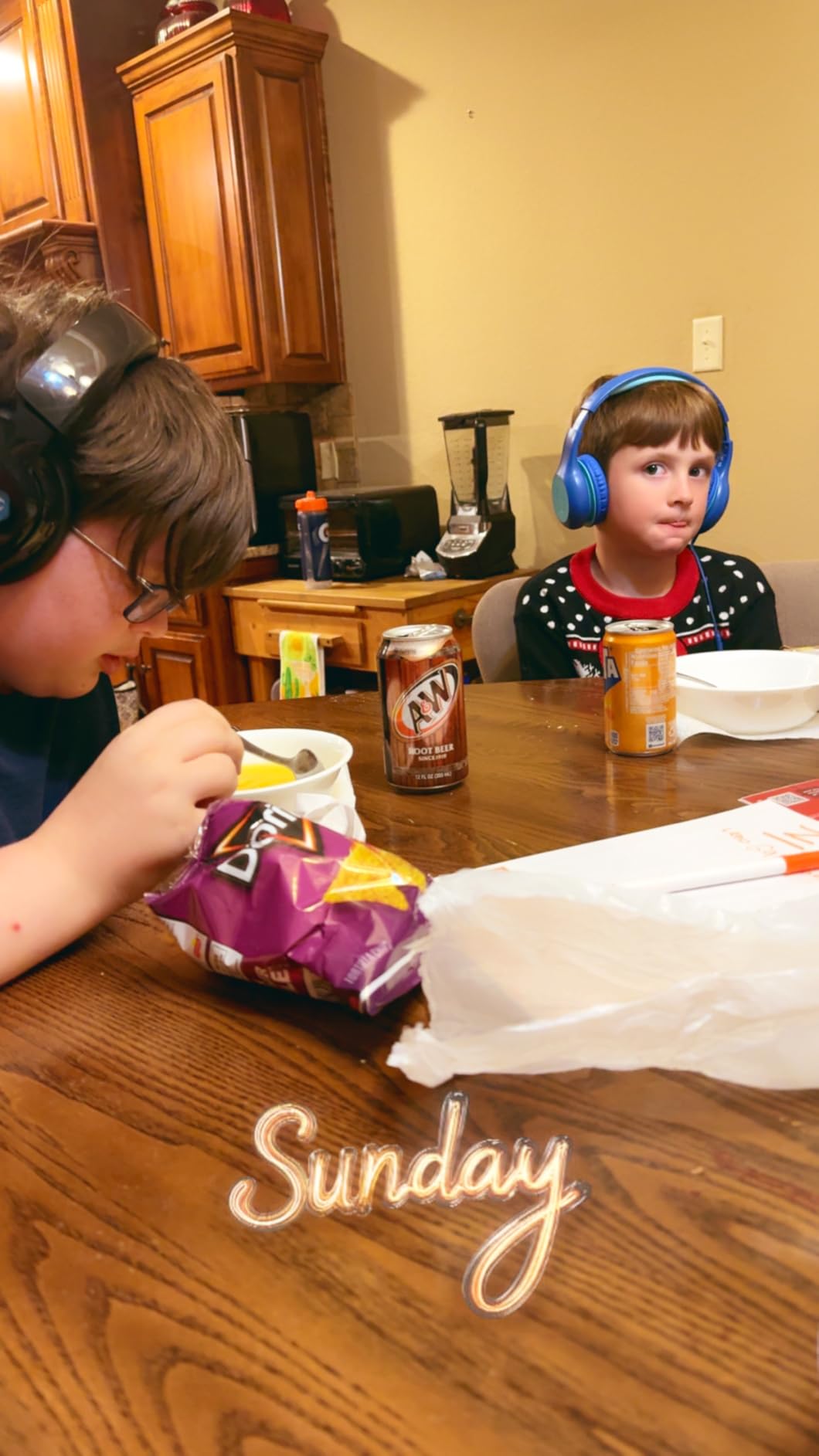
The 3.5mm audio sharing jack is the sleeper feature. A parent with two children on one tablet can hand the second child a spare pair without buying a splitter. The inline mic handles online classes and casual calls, and the built-in 40mm drivers give a balanced stereo stage rather than a thin one.
Where it falls short is the microphone, because there is no boom and the inline capsule sits on the cable where it picks up room noise. Several buyers also report it runs small for older children, so a tween with a larger head is better served by the HyperX or the SIMOLIO.
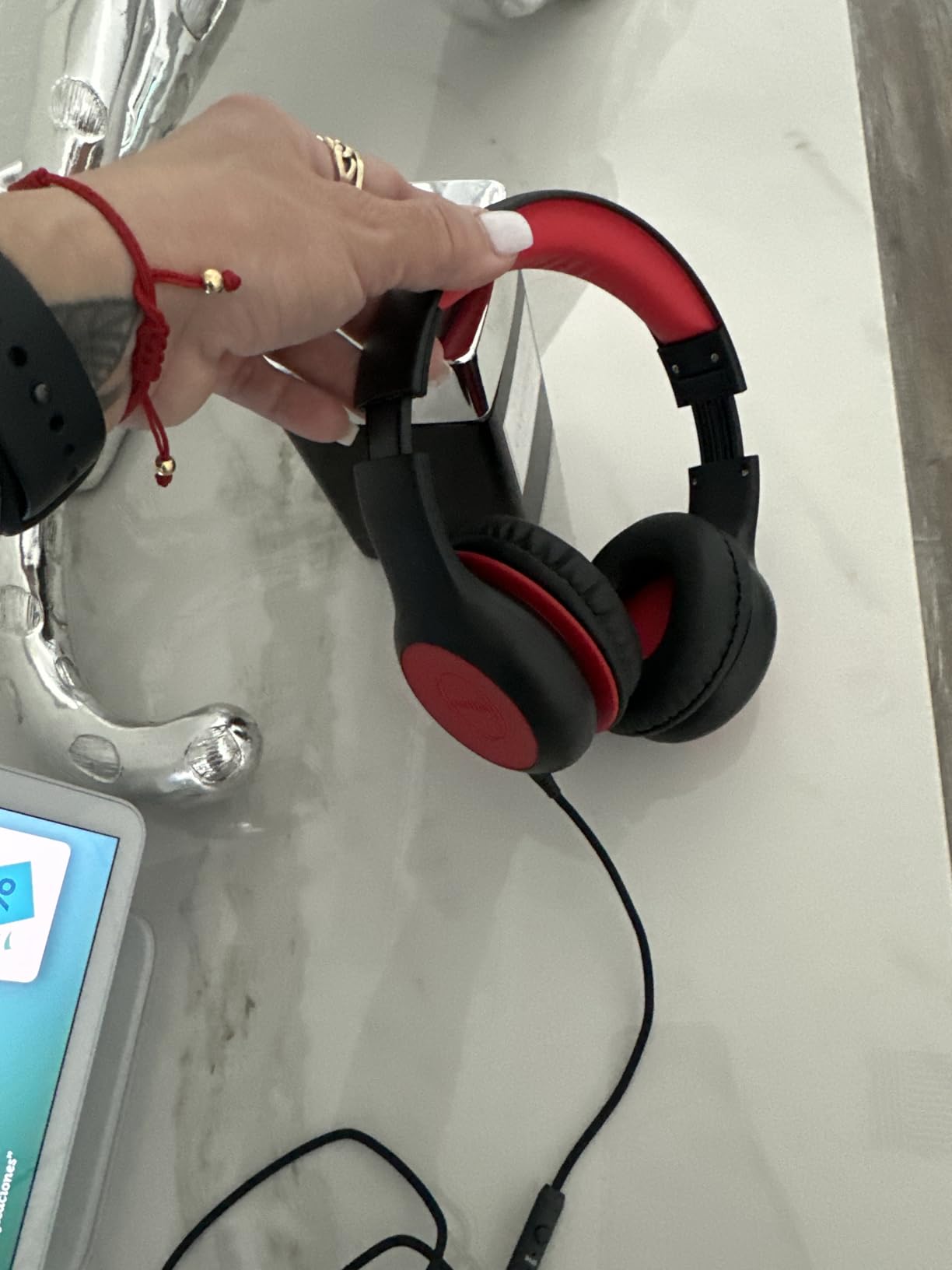
Why the 85/94dB limiter makes this the safest pick
The limiter is the reason this headset leads the list, because a stated 85dB ceiling matches the exposure level used as the reference point for a full day of listening. Be honest about the label, though: hardware caps limit the headset’s own output, so a very loud input signal can still push past the mark at the ear.
Who should buy it and who should skip it
Buy it for a child roughly 6 to 11 who plays on a console or tablet, shares a device with a sibling, and needs a 3.5mm connection more than a wireless one. Skip it when voice chat quality is the priority, because a child in competitive shooters or online classes will hear better through a boom mic.
2. HyperX Cloud Mini Kids: Built for the 8 to 12 Bracket Specifically
Cloud Mini Kids (Lavender)
85dB ceiling
30mm drivers
Flip-to-mute mic
0.13 kg
Pros
- Built specifically for the 8-12 age range
- Sized 0.13 kg for smaller heads
- Tuck-away mic flips to mute automatically
- 85dB volume ceiling
- Works With Chromebook certified
Cons
- Microphone runs quiet even at full volume
- Fixed boom rather than detachable
- Some buyers find it smaller than expected
Most kid headsets are adult headsets with softer pads. The Cloud Mini Kids is the exception here, and its spec sheet says so directly: an age range of 8 to 12, a weight of 0.13 kg, and 30mm drivers rather than the usual 40mm or larger adult driver.
The 4-pole 3.5mm connection is the practical win, listed as compatible with PC, Chromebook, Nintendo Switch, PlayStation, Steam Deck, Xbox and mobile. One cable and no adapters, and the Works With Chromebook certification means it doubles as school equipment rather than an accessory that lives in a drawer.
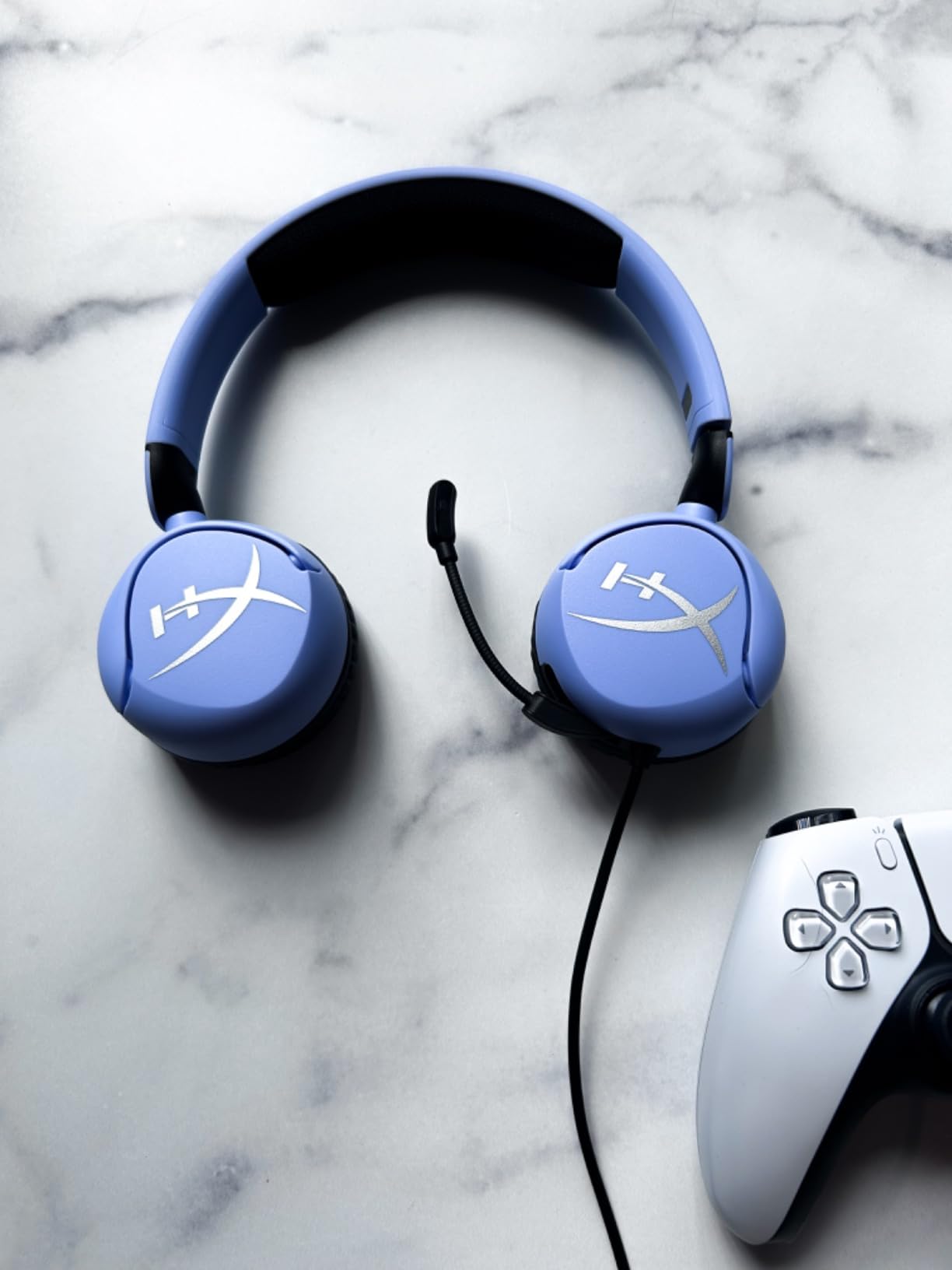
The flip-to-mute mic is the design decision parents appreciate most. Pushing the boom up physically disconnects it, so a child cannot leave a live microphone pointed at their room while eating or arguing with a sibling. The rotating earcups make it easy to rest between matches and to pack away.
The most repeated complaint is microphone output. Owners describe the voice as running low even with the volume turned all the way up, which matters in group voice chat and not at all in solo play. A two-year manufacturer warranty is included, longer than most in this group.
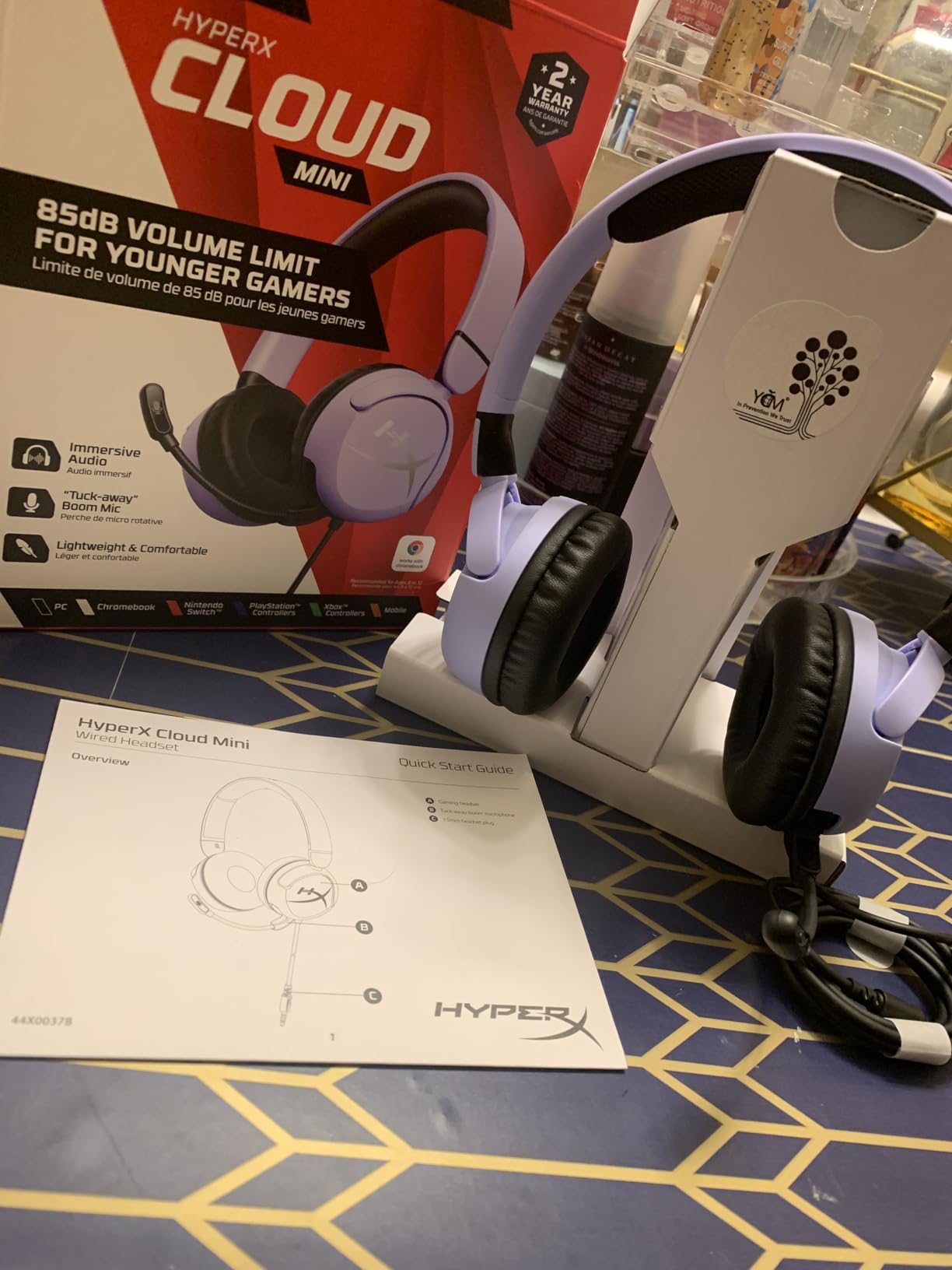
When the Cloud Mini outshines the cheaper models
It wins on fit and build rather than on one specification. Parents of 9-to-12-year-olds describe it as durable enough for daily use, and the age-specific sizing means a child is not clamping an adult headband down to its shortest setting for a whole session.
Where it falls short
The quiet microphone rules it out for competitive voice chat, and the fixed boom means a broken mic affects the whole headset. It is also the smallest of the three leads here, so a child heading into their teens will outgrow it faster than the SIMOLIO, which lists a 6-to-20 range.
3. BlueFire Kids Gaming Headset: The One That Works on Every Console
BlueFire Kids Headphones for Online School, Children, Teens, Boys, Girls, 3.5mm Stereo Over-Ear Gaming Headphone with Microphone and Volume Control for PS4, PS5, New Xbox One(Blue)
40mm drivers
6.8 ft cord
In-line mic and volume
1-year warranty
Pros
- Widest device list in the group
- 40mm drivers with a vivid sound field
- 6.8 ft cord gives kids room to move from the screen
- In-line controller mutes the mic and adjusts volume
- Self-adjusting headband fits a range of head sizes
Cons
- Listed noise reduction is modest for the price
- Plastic and leather build feels basic beside adult-grade headsets
The BlueFire is the best gaming headset for kids when the device list is complicated. Its compatible devices run from PlayStation 4 and PS5 through Xbox One S, Xbox One X, Nintendo Switch, Nintendo 3DS, desktops, laptops, tablets, iPads and phones, with one exception: the original Xbox One controller without an adapter.
It also has the largest evidence base here, with 7,215 reviews averaging 4.2 stars and 64% five-star feedback. That is a lot of long-term owner data on a budget headset, and it is why the durability read is credible even though the build is plastic and leather.
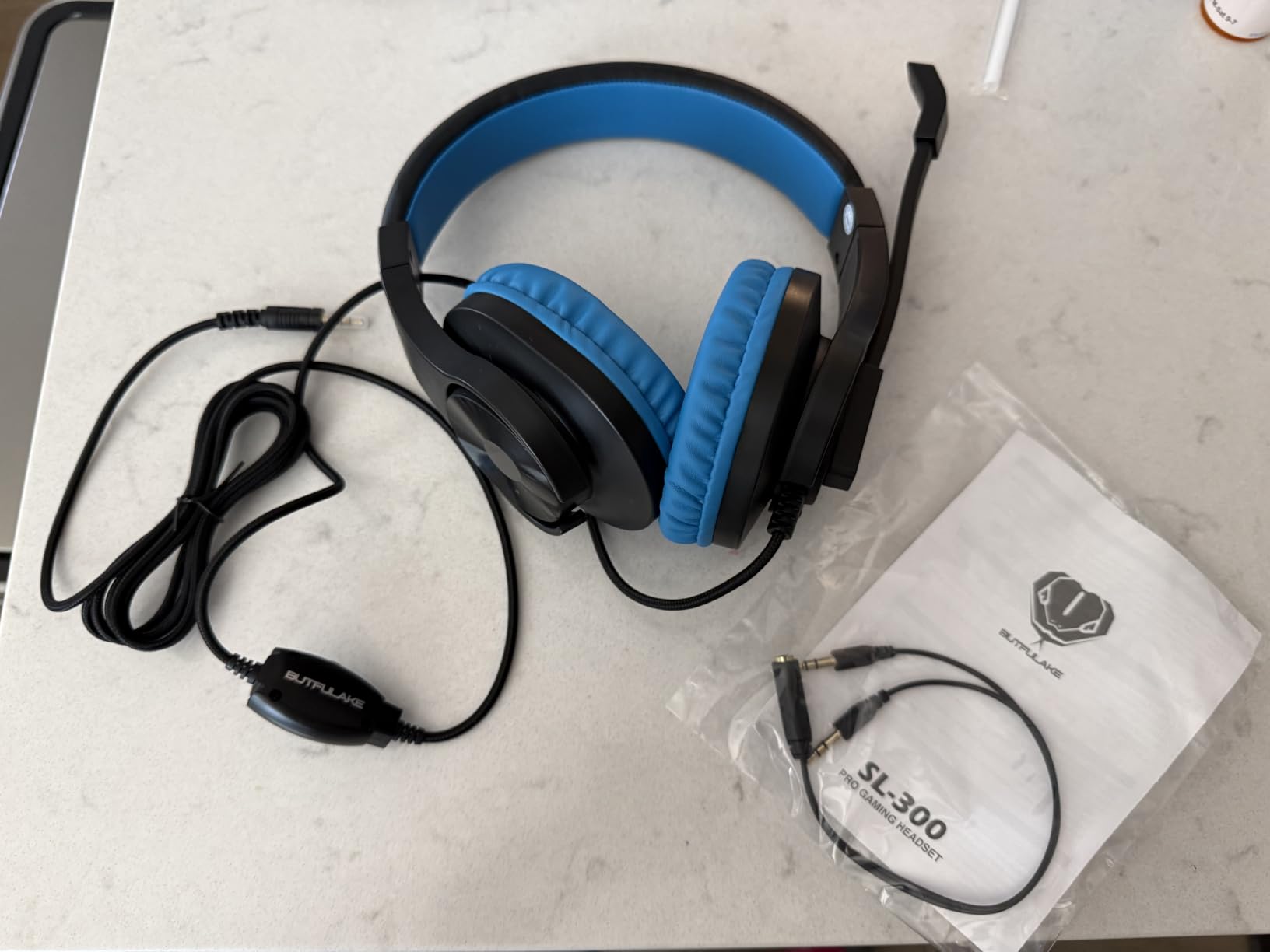
The 6.8 ft cord is longer than most, and the reason becomes obvious once you watch a child play. A short cable forces them to sit at exactly the distance it allows, which leads to neck strain. The in-line controller puts mic mute and volume on one control a small hand can find.
The self-adjusting headband and soft over-ear pads handle a range of head sizes, which is useful when a child sits between age brackets. The 40mm dynamic drivers deliver a more vivid sound field than the smaller drivers on the lightest models in the group.
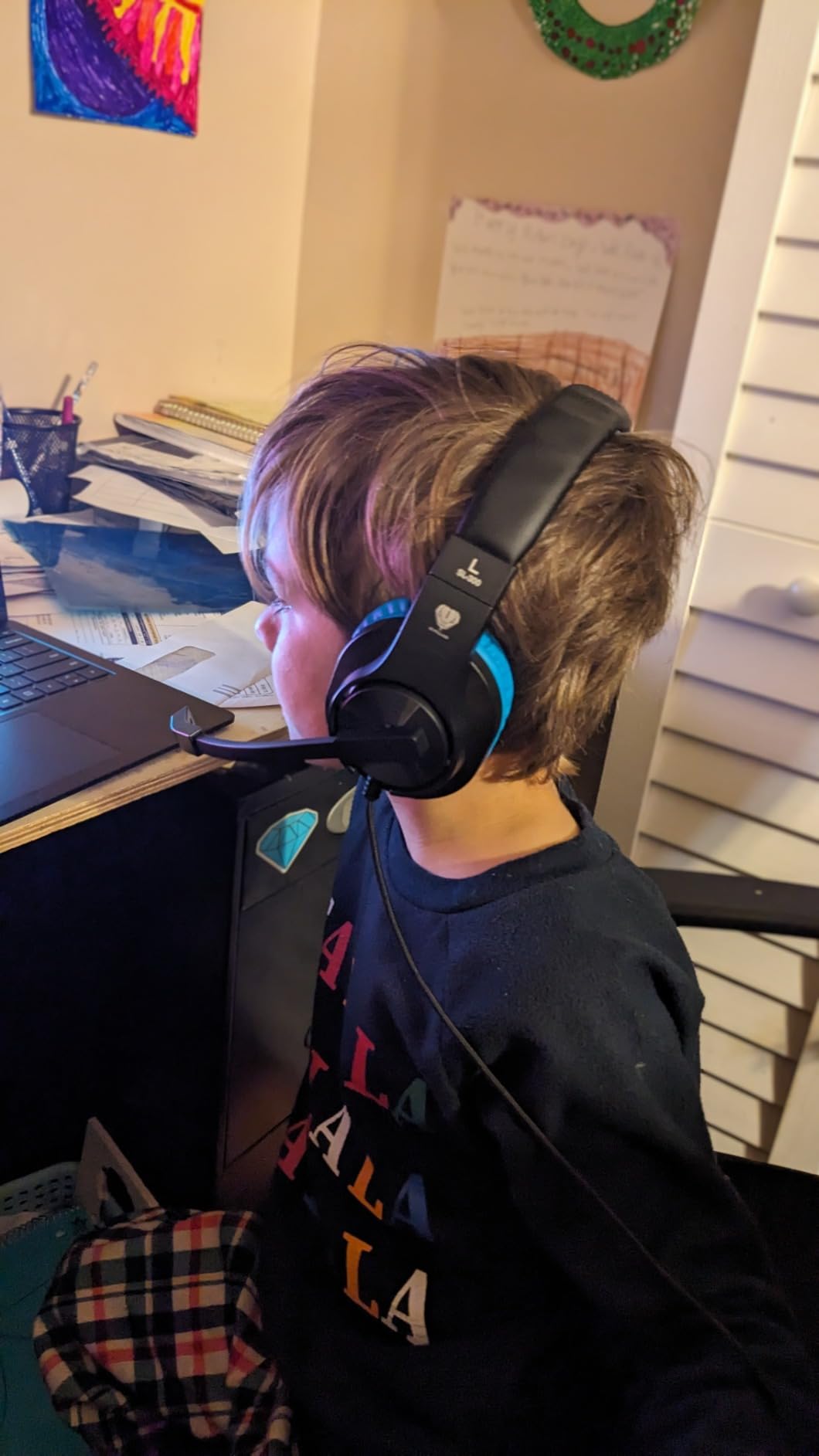
What seven thousand reviews actually tell you
The feedback pattern is consistent: buyers praise sound clarity, comfort and the ability to move one headset between a console, a laptop and a tablet. The one-star minority concentrates on durability and microphone quality rather than on headsets failing outright, which is a very different risk profile.
Who this fits and who it does not
Pick it for a household where the headset moves between PS5, Switch and a laptop several times a week, because the single-cable approach removes the adapter hunting that dominates parent frustration. Look elsewhere for a competitive voice-chat player, and for a small child under about seven, where lighter purpose-built models fit better.
4. SIMOLIO Kids Headphones: Best Three-Level Volume Control
SIMOLIO Kids-Headphones with Microphone for School, 75/85/94 dB Wired Headphones with Boom Mic for iPad, PC, Laptop, Gaming, On Ear Pink Stereo Corded Headsets for Girls, Children, Teens, Students
75/85/94dB levels
330-degree boom mic
One-key mute
Y-adapter
Pros
- Three selectable volume levels at 75/85/94dB
- Real 330-degree boom mic with noise reduction and one-key mute
- Flexible stainless steel headband that bends rather than snaps
- Folds flat with a carrying pouch for school bags
- Includes a Y-audio adapter for desktop PC ports
Cons
- On-ear pads sit closer to the ear than true over-ear cups
- This variant is offered in a single pink colourway
The SIMOLIO is the only model in this group with three genuine listening modes at 75dB, 85dB and 94dB, switched by a control on the cable. Everything else here offers two modes at most, and several offer a single ceiling, so a parent who wants a hard default for a young child and a higher setting for a flight has only this one.
It also has the strongest microphone among the models at this level. A real boom mic on a 330-degree swivel with noise reduction and a one-key mute is a combination that usually appears only on adult headsets well above this tier, and it earns the highest five-star share in the group at 82%.
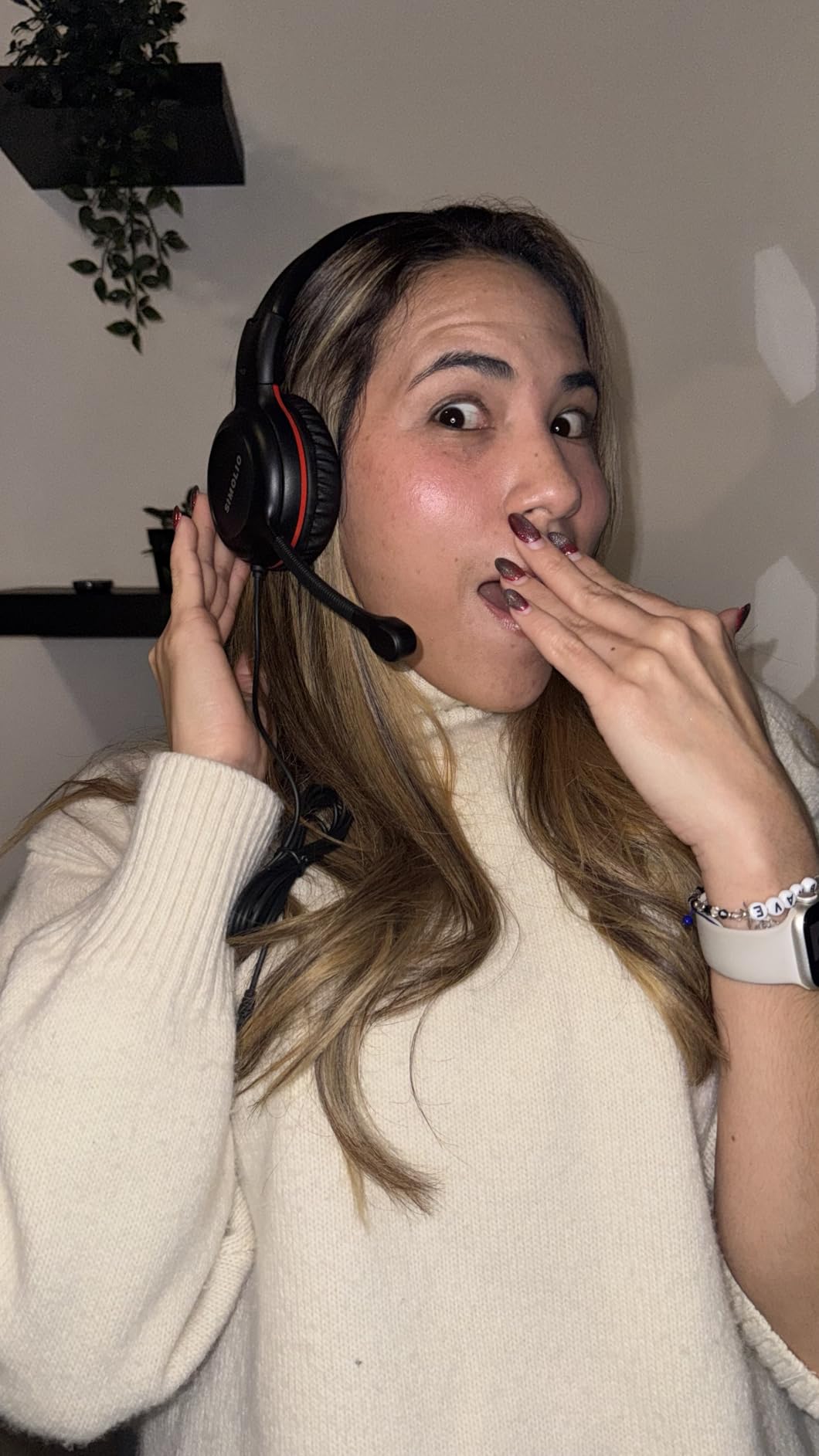
The stated age range of 6 to 20 is the widest in this roundup, and the memory stainless steel headband strips are built to flex. Owners describe them holding their shape through a full school year rather than taking a permanent set, which is the usual failure with a plastic band.
The included Y-audio adapter solves a real problem: desktop PCs with separate headphone and microphone ports. Without it, a four-pole 3.5mm headset simply will not connect to a school or library computer, and parents generally discover this only after the first lesson.
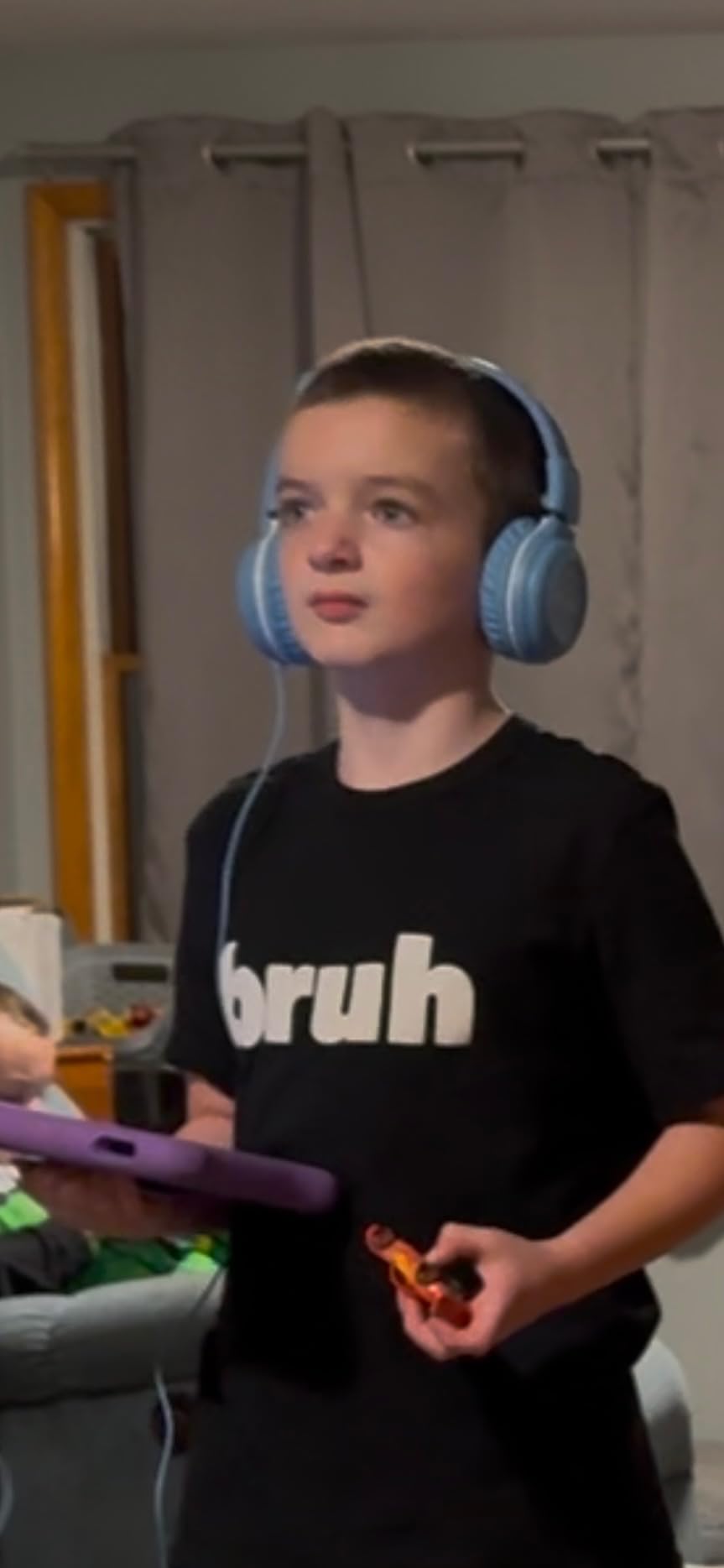
Why three levels beat a single cap
One 85dB cap is a blunt instrument. It suits a seven-year-old and leaves a thirteen-year-old with a quiet headset, which is exactly how children end up pushing the console volume slider past the limit anyway. Three modes let a parent start at 75dB and step up as the child grows.
What to know before buying
The pads are on-ear rather than sealed over-ear, so passive isolation is weaker than the HyperX and the child may ask for the volume turned up in a loud house, which defeats the limiter. This variant is a single pink colourway, and the one-year warranty is shorter than the EarFun’s 18 months.
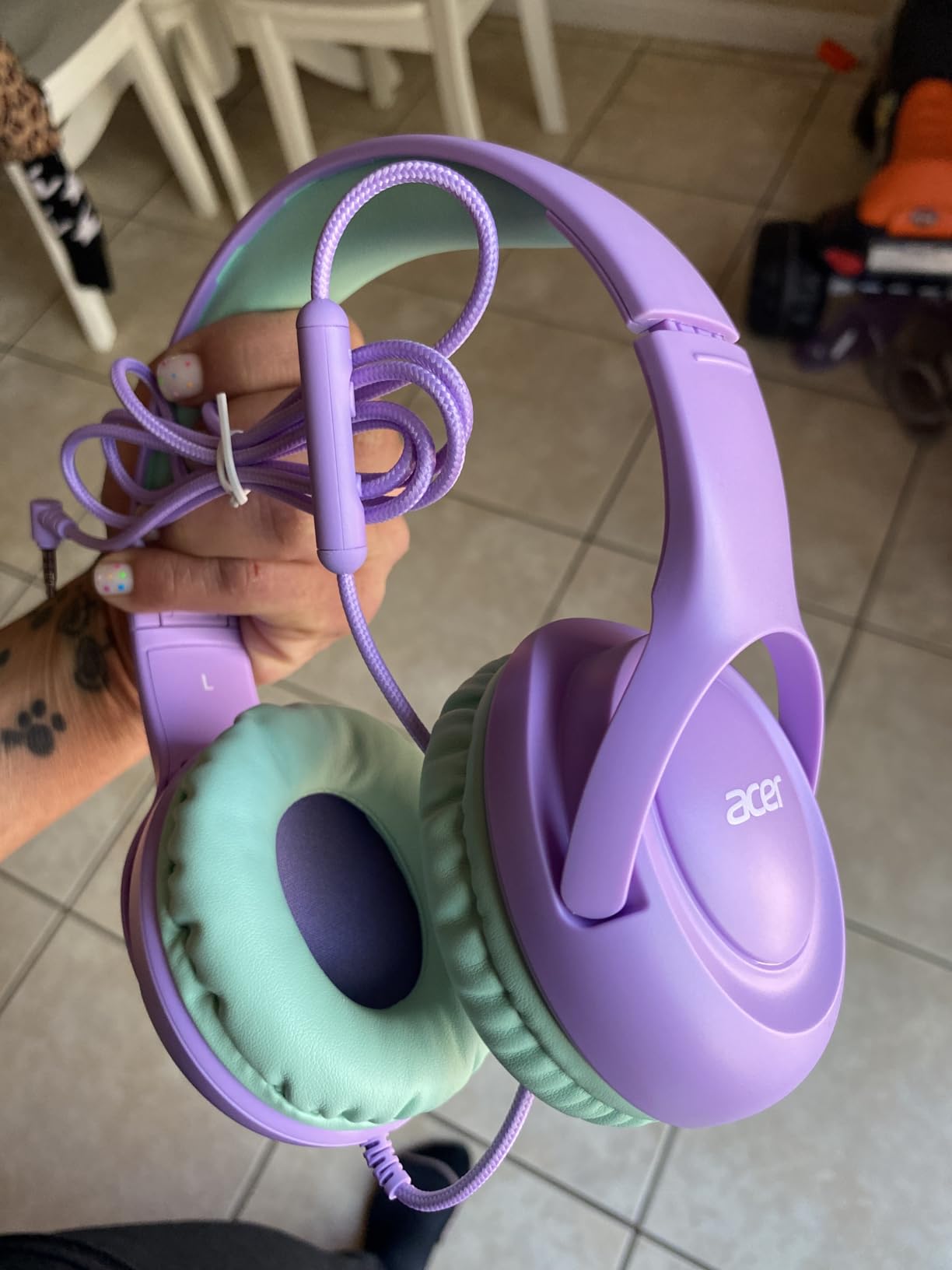
5. Acer HK03 Kids Headphones: Lightest Pick for Ages 3 to 7
Acer Kids Headphones for School, 85-94dB Limiter, 3.5mm Jack, w/Mic HK03
85/94dB switchable
5.2 oz
40mm drivers
Foldable
Pros
- True child-sized fit for ages 3-7
- Weighs only 5.2 oz for small heads
- Switchable 85/94dB safety volume mode
- CPSIA-approved hypoallergenic cushions
- Folds flat and holds up after a full year of daily use
Cons
- On-ear style gives less passive isolation than true over-ear cups
- Mic is fine for school use but not tuned for in-game chat
At 5.2 ounces, the Acer HK03 is the lightest headset here, and for a four-to-seven-year-old that single number decides more than any feature list. Small heads slide off heavier headsets within minutes, and a headset that must be pushed back into place every few minutes is one a parent ends up abandoning.
The dual 85/94dB safety volume mode is switchable, giving a parent the same two-stage control as the SIMOLIO at a much lower weight. It holds a 4.6 average from 716 reviews with 78% five-star feedback, and parents mention repeat purchases across school years, which is a durability signal.
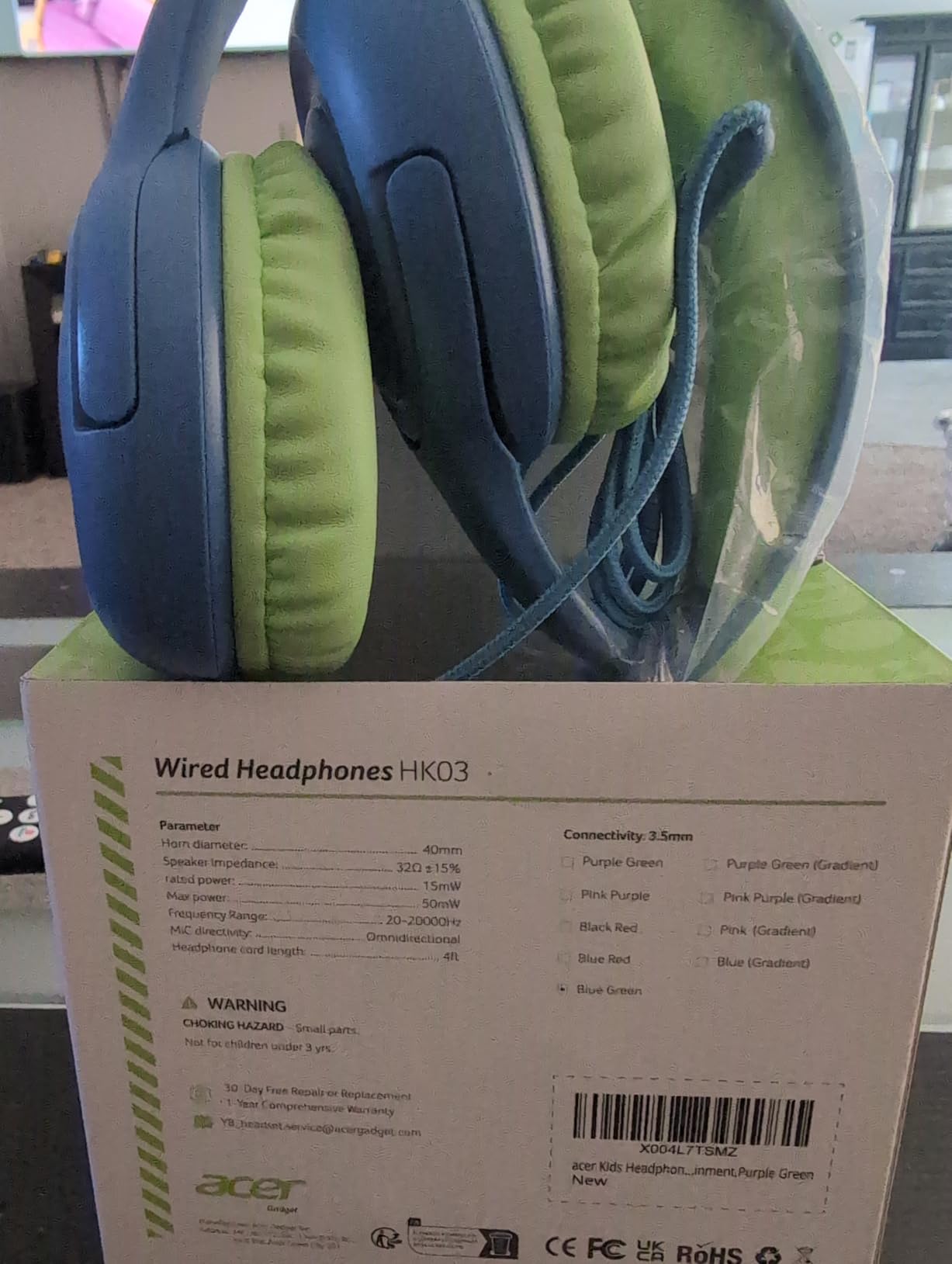
The CPSIA-approved hypoallergenic cushions matter more than they sound. Young children wear headphones for hours against sensitive skin, and pads that do not irritate are a real quality-of-life gain rather than a marketing line. The adjustable headband is designed to grow with the child.
The tangle-free cable and foldable frame mean it lives in a school bag rather than on a desk, and the colourways are chosen by children themselves, which matters when you are trying to get a headset worn at all.
How to know if your child has outgrown it
The manufacturer fits this to ages 3 to 7, and the sizing reflects that. A child approaching nine or ten will likely find the cups small, and the right move then is the EarFun K1 or the HyperX Cloud Mini rather than forcing this one to last.
Where the light build shows its trade-off
The microphone is described consistently as good for school and not tuned for in-game chat, which is the right trade for a first gamer playing alone or on a couch with family. Weight also means less material in the frame, so treat this as a first headset for a younger child rather than a three-year investment.
6. JLab Play Wireless Gaming Headset: Best Wireless With a 22-Hour Battery
JLab Play Gaming Wireless Headset with Retractable Boom mic, AUX Cord, Console Compatible, Black
22+ hour battery
85dB limit
60ms latency
Retractable boom mic
Pros
- 22+ hours of Bluetooth 5 playtime on one charge
- Built-in 85dB volume limiting
- Retractable boom mic that tucks into the earcup
- Included AUX cord works as wired backup
- Designed for ages 6 and up
Cons
- Physical power button sinks in and turns mushy over time
- Microphone quality is fair with reported echo and low volume
- Headband can feel tight on larger heads
The JLab Play is the strongest wireless option in this group, and the battery is why. More than 22 hours on a three-hour charge removes the most common complaint about wireless kids headsets, which is the headset dying mid-session right before a squad game.
It also handles latency better than most, with aptX low-latency Bluetooth holding audio latency to 60 milliseconds. That is low enough that lip sync and directional sound in a shooter still work, which is not something you can say about most Bluetooth headsets at this level.
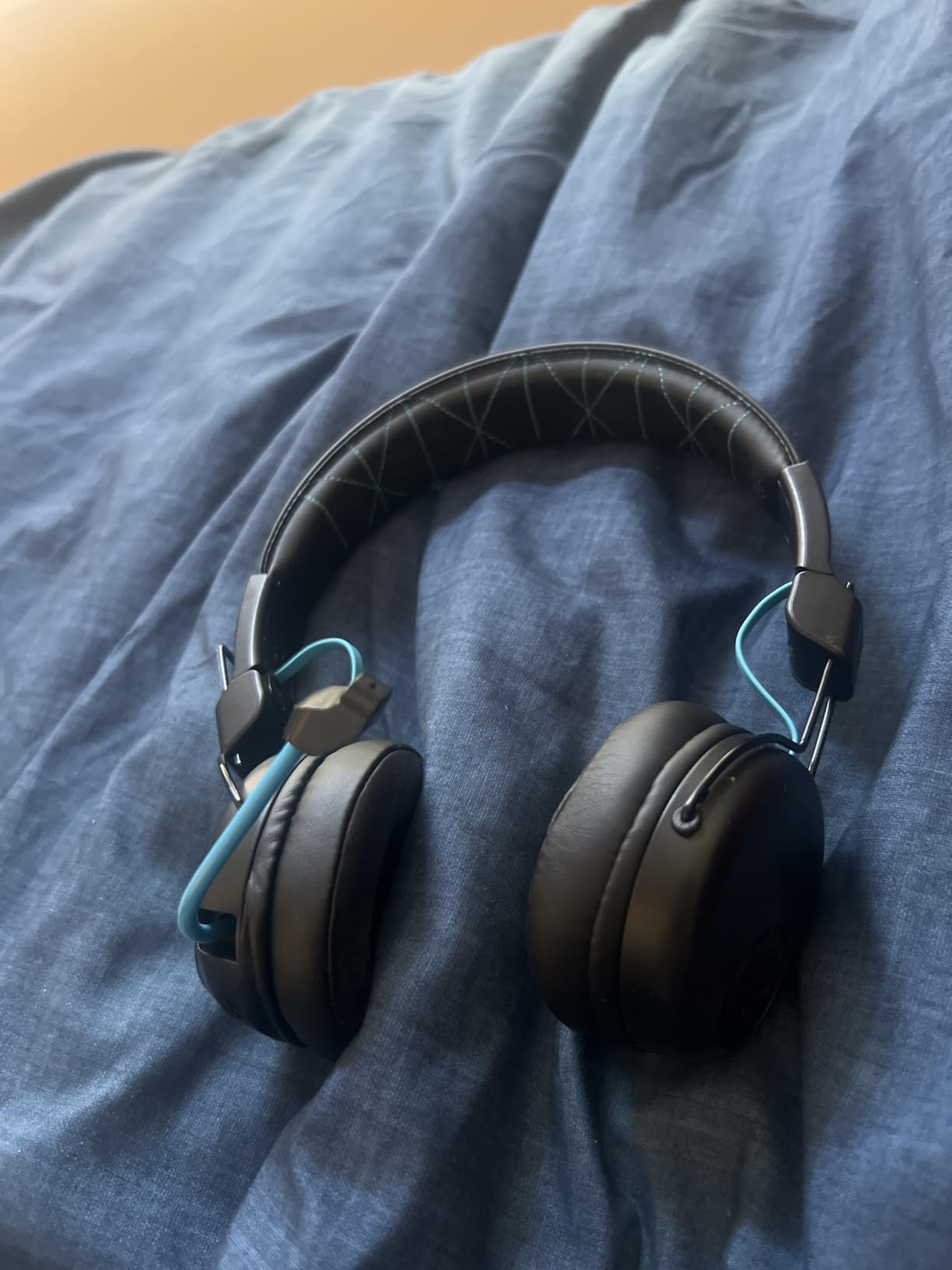
The retractable boom mic is the feature kids actually use. It pulls back into the earcup when it is not needed, so a child is not broadcasting to a platform just by wearing the headset, and it extends for calls. The included AUX cord means a flat battery is an inconvenience rather than an emergency.
It carries a 4.0 average from 1,156 reviews, the lowest in the group, and the reason is consistent: a physical power button that sinks into the body and turns mushy with use, plus microphone clarity that teammates describe as echo-prone or quiet.
When wireless is the right call
Go wireless when the cable is a genuine hazard. A toddler who runs while playing turns a wired headset into a projectile, and parents in our forum research describe banning cables for exactly that reason, then paying for it with constant charging. The listed compatibility covers PS, Xbox, Switch, PC and Mac.
What to weigh against the cable models
The 85dB limit is built in, but it is less adjustable than the SIMOLIO with three explicit modes, so a parent-set default a child cannot talk past is easier to enforce on a wired switch. Reviewers also note the headband feels tight on larger heads and gets uncomfortable after a few hours.
7. KHAZNEH H-10 Gaming Headset: Console Coverage in One Cable
H-10 Gaming Headset for PS4, Xbox One, PC, PS5, Nintendo Switch, Stereo Wired Noise Cancelling Over Ear Headphones with Mic for Kids Adults, Bass Surround, Soft Memory Earmuffs, Green
40mm neodymium drivers
Simulated surround
360-degree mic
0.66 lb
Pros
- Simulated surround picks out subtle in-game footsteps
- 360-degree rotating mic with in-line mute
- Memory foam cushions and padded headband stay comfortable
- Wide platform support including PS5 and Switch
- 0.66 lb build suits younger players
Cons
- Warranty terms listed inconsistently at 12 months or 2 years
- Full-size adult styling is bulkier than a purpose-built kids headset
The H-10 suits a child who moves between current and older consoles and wants game audio cues rather than music. The 40mm neodymium magnet drivers with simulated surround sound are described in reviews as picking out subtle footsteps, which is the specific thing competitive players notice.
At 0.66 lb it is light for a full-size frame, and the memory foam cushions and thickened headband pads hold up over long sessions. The adjustable headband and rounded over-ear shape cover a wide head-size range, bridging the gap between a kids model and a teen model.
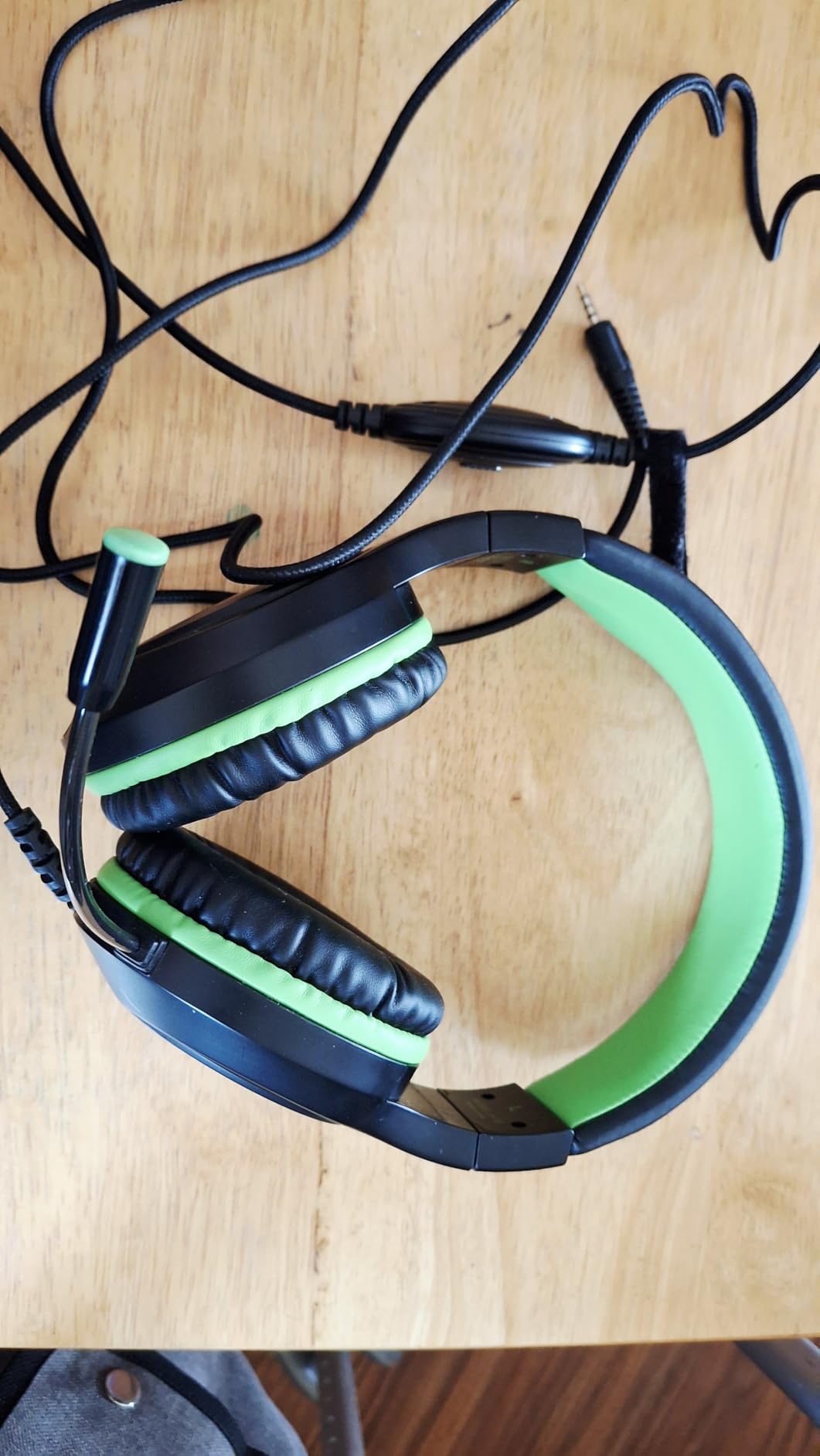
The 360-degree rotating microphone is genuinely useful and more adjustable than a fixed boom. It pulls toward the mouth for squad chat and pushes away during quiet sections, and the in-line mute gives a hard mute without hunting through a menu.
Its 4.3 average from 507 reviews comes with 68% five-star feedback, centred on mic pickup, comfort and platform support. There is no stated volume limiter in the specification, and that is why this model sits below the kid-specific picks on a safety-first list.
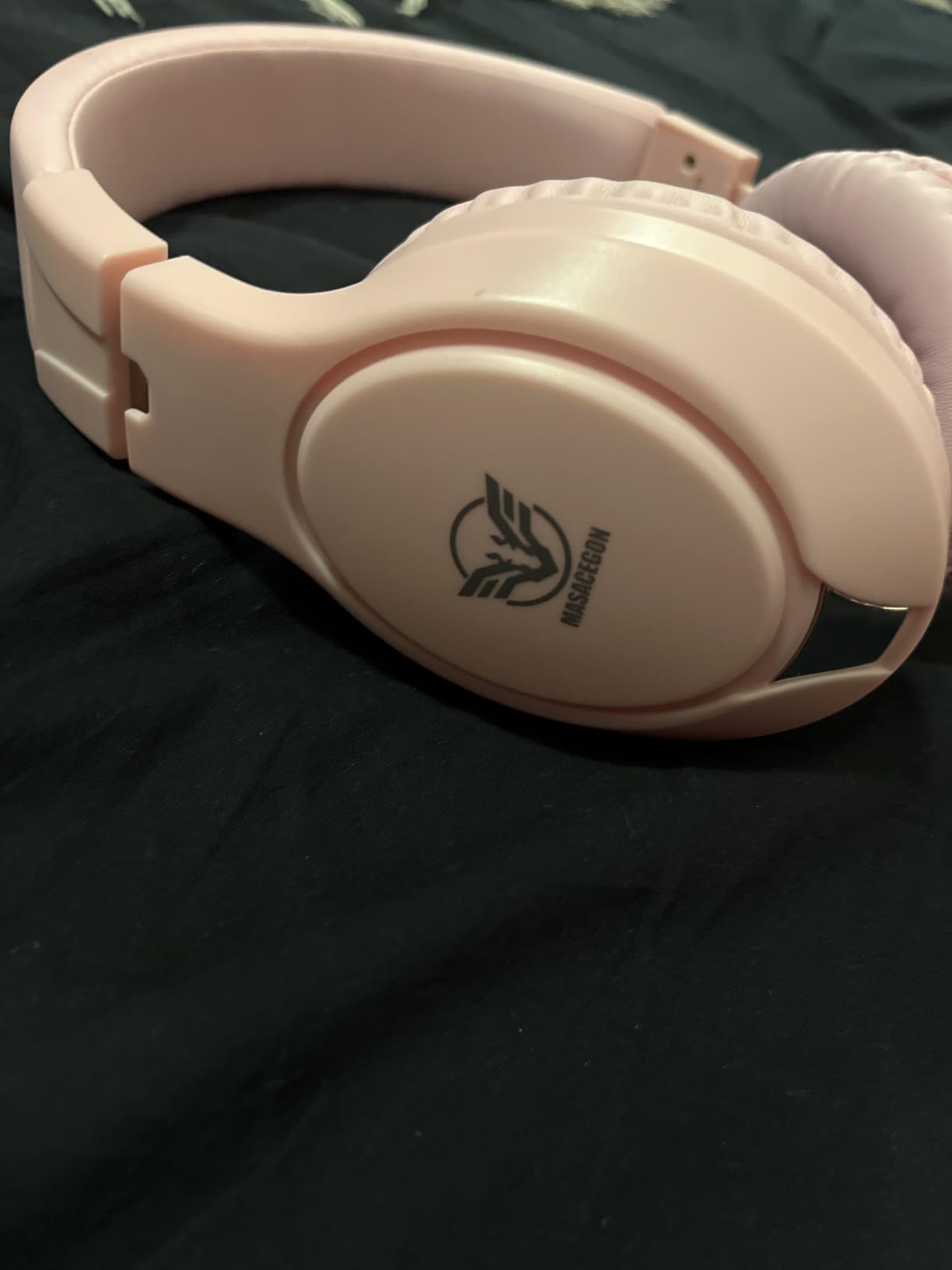
When an adult-styled headset is the right answer
A child aged 11 to 14 often rejects a kids headset on sight, and a full-size model in a sporty colourway solves a social problem no specification does. It also grows with the child, which matters if you are trying to avoid buying the same thing twice.
The two things to check before you commit
There is no documented volume cap, so on this model you are relying on a device-level limit you can password-protect on a phone or tablet. The warranty information is also listed inconsistently, with 12 months in one place and 2 years in another, so confirm the terms before relying on them.
8. ShinePick Kids Gaming Headphones: Best for Online School
ShinePick Kids Headphones, Over-Ear Girls Boys Gaming Headphones with Microphone and Volume Control for Kids Teens Online School, Travel(Blue)
40mm drivers
6.8 ft cord
In-line mute and volume
250 g
Pros
- 40mm drivers deliver clear punchy sound for the price
- Soft leather over-ear pads stay comfortable for kids with glasses
- 6.8 ft coated cord resists fraying
- In-line controller handles mic mute and volume
- Playful colourways kids tend to choose themselves
Cons
- Fit is not adjustable so it can feel small on larger heads
- Volume starts low and often needs the in-line control turned up
- One reviewer reported the 3.5 mm jack tip breaking off inside a port
The ShinePick is the one to look at when the headset does schoolwork as well as gaming. The 6.8 ft coated cord is long enough to sit at a desk with the laptop off to one side, and the in-line controller puts mic mute and volume where a child can reach mid-lesson.
It holds a 4.3 average from 428 reviews with 69% five-star feedback. The soft leather over-ear pads earn specific praise from parents of children who wear glasses, since many headsets flatten the temples into a headache after an hour.
The device list covers PlayStation 4, PlayStation 5, Xbox One, Xbox One S, Xbox One X, Nintendo Switch, Nintendo 3DS, desktops, laptops, tablets, iPads and phones. As with the BlueFire, older Xbox One controllers need an adapter that is not included, so check which controller your child has.
The 40mm drivers give a clearer and punchier result than the smaller drivers on the lightest models, and the noise reduction helps a child focus in a busy house. The in-line mic handles online classes and casual voice chat without a boom.
What parents of online learners should verify
Two things matter more here than in a pure gaming headset: a mic a child can reach without unclipping, which the in-line design handles well, and comfort across a full class rather than a 20-minute match. The leather pads and 250 g weight deliver on the second point well.
The specific weaknesses to plan around
The fit does not adjust, so the headband cannot be extended for a growing child and it may feel tight on a larger head. The volume also starts low, so a child is likely to be told to turn it up in class, and one reviewer reported a 3.5mm jack tip breaking off inside a port.
9. SVYHUOK Unicorn Wireless Headphones: Cord-Free With Wired Backup
Unicorn Wireless Headphones for Kids,Cat Ear Bluetooth 5.0 Over Ear Headphones with Microphone for Cellphone/iPad/Laptop/PC/TV/PS4/Xbox One, Foldable Gaming Headset for Girls Teens Gift (Purple)
Bluetooth 5.0
85dB limit
90-degree rotating cups
Foldable
Pros
- Wireless Bluetooth 5.0 removes the cable snag risk
- Included 3.5mm cable doubles as wired backup
- 85dB volume limiting built in
- Foldable design with 90-degree rotating earcups
- Built-in mic covers online classes and casual chat
Cons
- No boom mic so voice pickup relies on the built-in capsule
- Cat-ear styling is polarizing and not for every child
- No stated battery runtime figure for the wireless mode
The Unicorn covers the wireless case in a way that suits younger children. Bluetooth 5.0 removes the cable entirely, and the 3.5mm cable is still in the box for a dead battery or for console play, which makes it more forgiving than a wireless-only headset.
It holds a 4.4 average from 777 reviews with 72% five-star feedback. The 85dB volume limit is stated in the technical details, and the foldable frame with 90-degree rotating earcups makes it easy to pack and to hang around the neck between sessions.
The built-in microphone covers online learning and casual voice chat with no extra hardware, and the hi-fi stereo with enhanced bass is enough for games and films. The listed compatible devices run from phones, tablets, laptops, desktops and televisions to PS4 and the newer Xbox One.
There is no boom mic, so voice pickup depends entirely on the capsule in the earcup, and no runtime figure is published for the wireless mode. Owners who need to be heard clearly in group voice chat tend to move to a wired model.
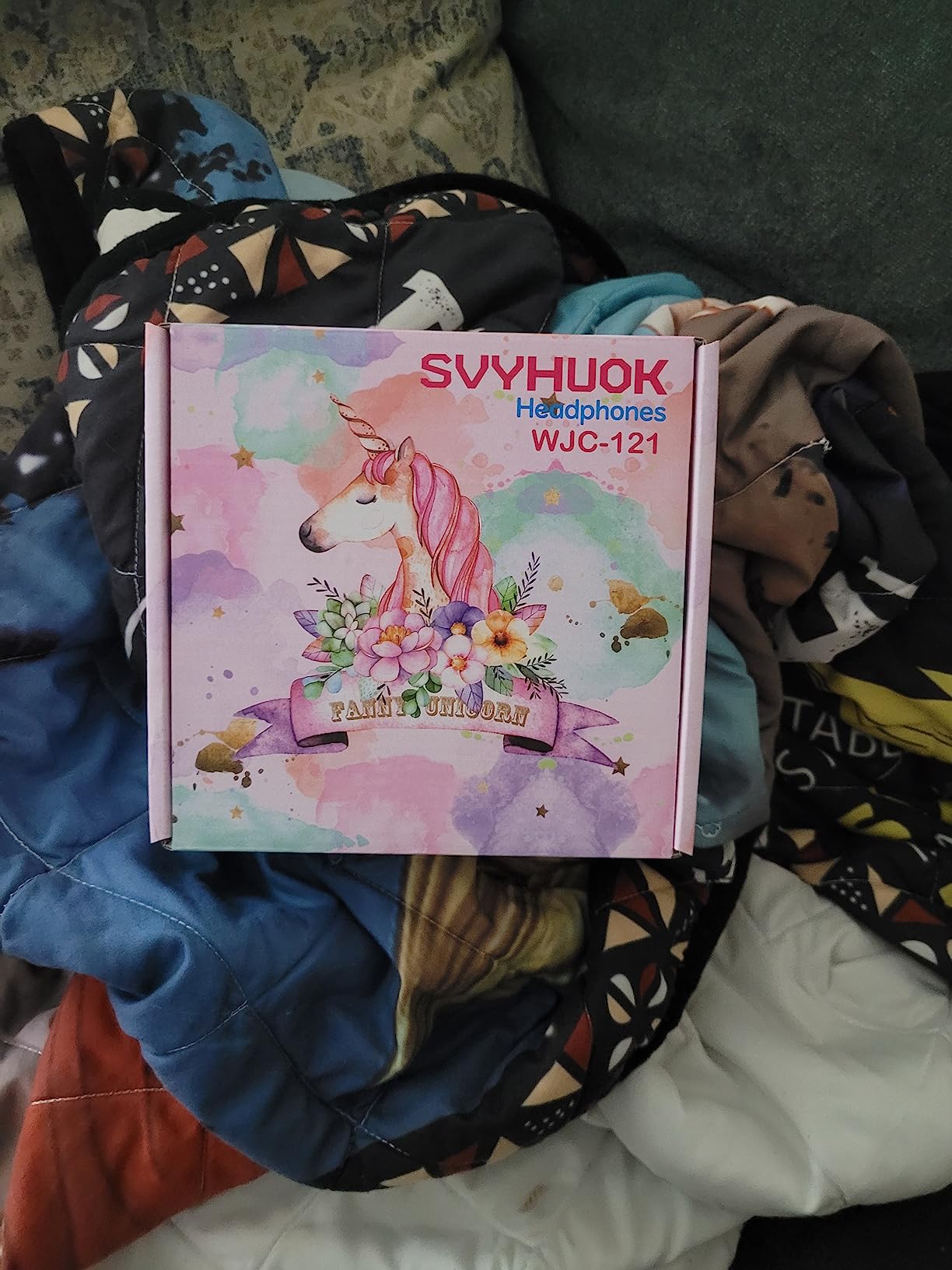
Cord-free play and the toddler problem
The cable argument is real for younger children, since a wired headset that is yanked off a desk becomes a projectile and parents report genuine anxiety about exactly that. The 90-degree rotating cups also let a child rest the headset around the neck between rounds without removing it.
What to weigh before choosing it
The cat-ear styling is the deciding factor and it cuts both ways. A child who loves it will wear it enthusiastically, while a child who finds it childish will refuse it, and for microphone-heavy use a boom mic wins clearly, so this fits solo play, watching and online classes better than competitive squad chat.
10. MYZI Kids Foldable Headphones: Best for Travel and Small Bags
MYZI Kids Headphones with Cord, Foldable Over Ear Headphones for Kids with Microphone, Tangle-Free Wired 85dB Safe Volume Toddler Headphones for iPad, School, and Airplane – Green
85dB limit
Bi-fold design
Tangle-free cord
In-line mic
Pros
- 85dB safe volume limit for young ears
- Tangle-free nylon cord survives school bags and travel
- Lightweight with soft noise-reducing cushions and a padded headband
- Folds compact for backpacks trips and planes
- Includes three sticker sheets for personalisation
Cons
- On-ear style offers less isolation than over-ear headsets
- 3.5mm only with no wireless option for younger kids
The MYZI is built around one scenario: a child who games in the car, on a plane, or in a bag with no room for anything bulky. The bi-fold design collapses the whole headset flat, and the tangle-free nylon cord decides whether it survives a school bag at the bottom of a rucksack.
It is a newer listing with 126 reviews at a 4.4 average and 77% five-star feedback, concentrated on comfort, the 85dB limiter, the foldability and the stickers, with very few reported drawbacks. The included sticker sheets let a child personalise the headset, which in practice makes them far more likely to look after it.
What the sticker sheets actually change
A child who has decorated something treats it differently, and a personalised headset is far less likely to be treated as a spare prop left on the sofa. It also gives a parent an easy way to tell one child’s headset from another when several share a bag.
Where the travel pick stops working
It is 3.5mm only, so a child who prefers cable-free play needs the SVYHUOK or the JLab instead, and the on-ear cushions give less isolation than a true over-ear design, which shows in a car with road noise. The listed compatibility covers Nintendo Switch, iPad, laptop and PC.
What 85dB Actually Means for a Child’s Hearing
85 decibels is the reference number nearly every kid headset leans on, and it comes from occupational health guidance rather than a marketing department. The limit of 85dB for up to eight hours comes from the exposure limit recommended by the National Institute for Occupational Safety and Health, and 94dB drops the recommended window to roughly one hour.
The practical difference matters more than the digits. Moving from 85dB to 94dB is not a small step, it is roughly ten times the acoustic energy, which is why the shorter exposure window exists. A child gaming for three hours at 94dB sits well outside the recommended exposure for their age group.
Children’s ears are more sensitive than adult ears and the vulnerability is not evenly spread, because a child’s ear canal is shorter and the structures are still developing. That is why guidance in this area is set more conservatively for young listeners than the equivalent adult figure.
Here is the honest catch, and it is the point parents raise most often in forums. A volume limit is only as good as its implementation. Hardware caps usually sit as a ceiling on the headset’s own output, so a very loud input can still reach the ear at high volume, and several models include a higher mode that is easy to switch on.
One more trap: phone volume-monitoring apps measure the phone’s output rather than the headphone’s, which produces both false warnings and false reassurance. The practical protection is a password-protected device-level volume limit on a phone or tablet set alongside a hardware cap, not instead of one.
Grading the ten models here, six state a documented limit. The EarFun K1, the HyperX Cloud Mini, the Acer HK03 and the SVYHUOK Unicorn state an 85dB ceiling, with the EarFun and the Acer adding a switchable 94dB mode. The JLab Play lists a built-in 85dB limit, and the SIMOLIO exposes all three of 75dB, 85dB and 94dB.
The KHAZNEH H-10, the BlueFire and the ShinePick list no documented cap, so on those three you are relying on the device itself. For a fuller look at larger headsets and how they fit, our standalone VR headset guide covers the fitting questions that matter most for younger users.
Console and Device Compatibility: What Actually Works
Compatibility is the single biggest purchase blocker in this category, and most confusion comes from one port doing two jobs. Almost every kids headset here uses a single 3.5mm four-pole jack carrying headphone audio and microphone together, which works wherever a four-pole port exists and fails where a console expects separate sockets.
Nintendo Switch. Handheld mode accepts a 3.5mm headset with a microphone, but the dock has no 3.5mm jack, so a four-pole headset in the dock goes through a USB-C adapter. This is the trap that catches most families, and it is why the EarFun K1, the HyperX Cloud Mini and the BlueFire, all with a single four-pole cable, travel between docked and handheld so easily.
PS5 and PS4. Both controllers carry a 3.5mm jack, so any model in this roundup connects without an adapter. The consoles also accept USB headsets, which is how the JLab and SVYHUOK wireless models handle voice chat.
Xbox Series X and S. The console itself has no 3.5mm jack, so a wired kid headset reaches it through a USB-C adapter with the controller. Bluetooth models such as the JLab Play and the SVYHUOK Unicorn connect directly, and original Xbox One controllers need an adapter that neither the BlueFire nor the ShinePick includes.
PC. Laptops and tablets with a single 3.5mm port take a four-pole headset directly, while desktops with separate headphone and microphone jacks need a splitter, which is why the SIMOLIO includes a Y-audio adapter. The BlueFire and ShinePick also list desktop compatibility, but the adapter is the part parents most often forget.
Why the Xbox chat mixer sometimes does nothing. The mixer separates game audio from voice chat, and it can only act on a headset it sees as two separate streams. A four-pole headset arriving through a generic adapter often arrives as one combined stream, so the slider has nothing to separate. That is an adapter issue rather than a headset fault.
Before you commit, confirm the console, the controller generation and the port on the device your child actually uses. That thirty-second check prevents nearly every compatibility complaint in this category.
Key Features to Look For in a Gaming Headset for Kids
These are the criteria that separated the good picks from the merely acceptable ones during this comparison, and they match what buyers search for most around this category.
1. A volume cap at or below 85dB. This is the one non-negotiable. Check whether the limit is documented in the specifications or only claimed in marketing, and whether a higher mode exists and how easy it is to reach.
2. Weight under 250 g. Anything heavier becomes uncomfortable before a long session ends, and a headset that slips on a small head gets pushed back into place constantly. The Acer at 5.2 oz, the HyperX Cloud Mini at 0.13 kg and the SIMOLIO at 10.56 oz all sit comfortably in this range.
3. Connector and device compatibility. A single 3.5mm four-pole jack is the most flexible option in the whole category. Check the controller generation for Xbox, and remember that a docked Switch needs a USB-C adapter.
4. Microphone type matched to use. An inline cable mic is fine for online classes and casual chat, while a boom mic with a physical mute is what a child in competitive squad voice chat needs. Flip-to-mute solves the open-mic problem more reliably than a software mute button.
5. Fit that grows with the child. An adjustable headband with sliders and a stated age range matter more than pad material. A non-adjustable fit is fine for a seven-year-old and frustrating for a thirteen-year-old.
6. Battery and charging if wireless. Look for a stated runtime rather than a vague claim. More than 20 hours removes charging from the routine, and an included wired cable gives a fallback when the battery dies.
7. Durability and warranty. Braided cords, a steel or reinforced headband and a warranty of 18 months or more are the practical signals. The EarFun offers 18 months, and the HyperX and the JLab each offer 2 years.
Comfort is the final test and the one parents apply most consistently. A headset that presses marks into a small head after an hour is, in the words of one parent we read, an automatic fail, and no specification on the box changes that verdict.
Wired vs Wireless, Mic Needs and Moving Up to an Adult Headset
Wired wins on control and safety. There is no battery to manage, no pairing to re-do, no charging routine and no latency, and a hardware volume limit is easier to enforce because there is no wireless signal boost to work around. Choose wired for a child under about nine, or for a child on a console.
Wireless wins for movement and cord safety. A cable is a trip hazard and a thing to be yanked, so parents of younger children often ban them outright. The JLab Play with 22+ hours of battery is the strongest wireless option for gaming, and the SVYHUOK Unicorn is the better fit for a younger child because it includes a wired cable as backup.
The mic question resolves by activity. A child playing alone, on a console with local multiplayer, or watching videos needs no microphone at all. Online classes need a usable inline mic, which most models here provide. Competitive voice chat needs a boom mic, which narrows the field to the SIMOLIO, the JLab and the KHAZNEH.
On open-mic exposure, which is a genuine concern for parents, mechanical solutions beat software ones. A flip-to-mute boom that physically disconnects when pushed up, or a one-key hardware mute on the cable, stops a child broadcasting without them having to remember to do anything. Pair that with a platform-level restriction on who can message a younger account.
When to move to an adult headset. There are four signals. The headband sits at maximum clamp with the pads visibly compressed, the boom mic no longer lines up with the mouth, the child is buying a headset on appearance grounds around age 13, and the same headset now needs to handle school, work and travel.
Below those signals, a kid model is the right buy, and the SIMOLIO with its stated 6-to-20 range is the natural bridge for a tween heading into a teen model. Above them, choose an adult headset and set a device-level volume limit, because adult models rarely include one. Setup also matters: a gaming chair for kids is a better use of money than a costlier headset if a child spends two-hour sessions slouched on a sofa.
Frequently Asked Questions
What is a good gaming headset for children?
A good gaming headset for children needs three things above all else: a volume cap at or below 85 decibels, a weight under 250 g so it does not slide or press on a small head, and a 3.5mm connection that works without adapters on the device your child actually uses. Microphone type depends on activity, with a boom mic necessary only for competitive voice chat. In this roundup the EarFun K1 combines all three with a documented 85/94dB limiter.
What is the best gaming headset for a 10-year-old?
At age 10 both head size and the amount of voice chat change quickly, so the best picks are ones built for the 8-to-12 bracket rather than scaled-down adult headsets. The HyperX Cloud Mini Kids is purpose-built for that range with an 85dB ceiling and a flip-to-mute mic, while the EarFun K1 is lighter and adds an audio sharing jack for a sibling. Both use a single four-pole cable that works on Switch, PlayStation, PC and Chromebook.
Can a 9 year old use adult headphones?
Yes, physically. Most adult headsets fit a 9-year-old head comfortably and many outlast the child, which has real value over time. The catch is safety and fit, because adult gaming headsets rarely include a hardware volume cap, so you would rely on a device-level limit, and heavier frames can press on a small head after an hour. A parent weighing a high-end adult model for a teen should check the four outgrowing signals first.
What dB should kids headphones be?
85 decibels or lower for everyday listening, which is the exposure level recommended by the National Institute for Occupational Safety and Health for up to eight hours. 94dB cuts the recommended window to about an hour, and every step up is roughly ten times the acoustic energy. Some models offer a selectable mode at each level so you can raise the limit for a flight or a noisy car trip and drop back down afterwards.
Is there a headset that cancels out background noise?
For a child at home, passive isolation usually beats active noise cancellation. Sealed over-ear cups block household noise without adding cost, while ANC adds weight and battery drain, a poor trade in a headset a child wears for hours. The limitation is that lighter on-ear kid models such as the Acer and the MYZI leak sound, so a child in a busy house will ask for the volume turned up, which defeats the limiter.
Conclusion: The Best Gaming Headsets for Kids in 2026
The EarFun K1 is the best gaming headset for kids in 2026 because it is a budget model where the volume limiter is documented in the specifications, the weight suits a small head, and thousands of reviews say it holds up. For a child in the 8-to-12 bracket who wants a gaming-brand name, the HyperX Cloud Mini Kids is the alternative, and for a competitive voice-chat player the SIMOLIO’s boom mic and three-level control are worth the step up.
Everything else in this list solves a narrower problem, which is not a flaw. The Acer HK03 and the MYZI fit a small head and a school bag, the BlueFire and the ShinePick cover consoles and online school, the JLab Play removes the cable and the charging anxiety, and the SVYHUOK Unicorn does the same for a younger child who will not wear a cable.
One last check before you buy: confirm the controller generation, confirm the port on the device your child will actually use, and set the device-level volume limit on top of whatever the headset does. If your child is also moving toward VR, our VR headset picks for families cover the fitting questions that come with larger headsets.