
If you are an adult who wants to get better at chess, you have probably discovered that random tactics puzzles online only get you so far. At some point, you need structured guidance from people who have already made the journey. That is exactly where the best chess reference books for adults come in. These books give you a roadmap for improvement that no amount of blitz games can replace.
Our team spent weeks reviewing the most recommended chess titles on the market. We looked at what actual adult learners say works, what grandmasters endorse, and which books deliver real rating improvement. The result is this list of 12 chess books that cover everything from your first checkmate patterns to advanced endgame technique.
Whether you are picking up chess for the first time at 35 or returning after a 20-year break, there is a book here that matches your level. We organized our picks by skill level so you can find the right starting point without wasting money on something too basic or too dense. Let us get into it.
Table of Contents
Top 3 Picks for Best Chess Reference Books for Adults


Best Chess Reference Books for Adults in 2026
| Product | Specifications | Action |
|---|---|---|
| How to Win at Chess |
|
Check Latest Price |
 Bobby Fischer Teaches Chess Bobby Fischer Teaches Chess |
|
Check Latest Price |
| Silman’s Complete Endgame Course |
|
Check Latest Price |
 How to Reassess Your Chess How to Reassess Your Chess |
|
Check Latest Price |
 Chess: 5334 Problems Chess: 5334 Problems |
|
Check Latest Price |
 Modern Chess Openings 15th Ed Modern Chess Openings 15th Ed |
|
Check Latest Price |
 Complete Book of Chess Strategy Complete Book of Chess Strategy |
|
Check Latest Price |
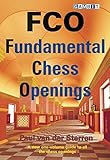 FCO: Fundamental Chess Openings FCO: Fundamental Chess Openings |
|
Check Latest Price |
 Mammoth Book Greatest Chess Games Mammoth Book Greatest Chess Games |
|
Check Latest Price |
 The Amateur’s Mind The Amateur’s Mind |
|
Check Latest Price |
 Chess Tactics for Champions Chess Tactics for Champions |
|
Check Latest Price |
 100 Endgames You Must Know Workbook 100 Endgames You Must Know Workbook |
|
Check Latest Price |
1. How to Win at Chess – The Most Accessible Modern Chess Guide
How to Win at Chess: The Ultimate Guide for Beginners and Beyond
272 pages
By Levy Rozman
Beginner to Intermediate
Publisher: Ten Speed Press
Pros
- Clear modern writing style
- Includes video links for extra help
- Great for beginners and returning players
- Covers basics through advanced concepts
Cons
- Hardcover can make black pieces hard to see on dark squares
- Digital version recommended for color clarity
I picked up this book after watching Levy Rozman’s YouTube content for months, and I was genuinely surprised at how well it translates his teaching style to print. The writing feels like having a patient friend sit down and explain chess to you at your kitchen table. It is not dry or academic, which is exactly what most adult beginners need.
What sets this book apart is the way it layers information. Rozman starts with the absolute basics but does not talk down to you. By the time you reach the later chapters on concepts like Zwischenzug and endgame technique, you feel prepared because each chapter builds on the last one naturally.
The video links scattered throughout the book are a nice touch that most chess books do not offer. When a concept is tricky to grasp from text alone, you can scan a link and watch Rozman explain it visually. I found this hybrid approach especially helpful for pawn structure concepts that are tough to visualize on paper.
At 272 pages, it is substantial without being overwhelming. You can realistically work through it in a few weeks of focused study, which is important for busy adults who do not have hours every day to dedicate to chess improvement.
Who should buy this book
This is the best starting point for adults who are completely new to chess or who learned the rules years ago and want a structured refresher. If you are rated under 1200 or have never played competitively, this book will give you a solid foundation without making you feel lost.
It also works well as a gift for someone who has shown interest in chess but does not know where to begin. The accessible tone and modern design make it far less intimidating than classic texts.
What to watch out for
The hardcover edition has a known issue where the black pieces can be difficult to see against the dark square backgrounds in some diagrams. If you are particular about visual clarity, the digital version solves this completely with better contrast.
Also, this book will not take you much past an intermediate level. Once you hit around 1400-1500 Elo, you will want to move on to more specialized texts for continued improvement.
2. Bobby Fischer Teaches Chess – The Classic Checkmate Pattern Trainer
Bobby Fischer Teaches Chess
352 pages
By Bobby Fischer
Beginner
Programmed learning method
Publisher: Bantam
Pros
- Interactive puzzle-based approach
- No chess notation required
- Unique upside-down page design
- Excellent for visual learners
- Most affordable option
Cons
- Only covers checkmate patterns
- Not suitable for learning openings or endgames
- Some print quality issues in newer editions
This is one of those books that has been recommended so consistently for so long that it almost feels like a rite of passage for chess players. I remember working through it years ago and being surprised at how quickly it sharpened my ability to spot checkmate opportunities in real games. The programmed learning method really does work differently from just reading explanations.
The format is straightforward. You get a chess position, a question, and you flip the page to check your answer. The book is designed so you cannot accidentally see the solution ahead of time because the pages are printed upside down on the reverse side. It sounds gimmicky, but it forces you to actually think before turning the page.
What makes this book special for adult learners is that it requires zero knowledge of chess notation. If you can read a chess board, you can use this book on day one. That removes a huge barrier that trips up many beginners who are trying to learn both the game and the notation system simultaneously.
The focus is almost entirely on checkmate patterns, particularly back-rank mates and common attacking themes. While this means the book is narrow in scope, the pattern recognition it builds transfers directly to your over-the-board play. After working through it, you will start seeing mating threats that you would have completely missed before.
Who should buy this book
This is ideal for absolute beginners and players rated under 1000 who need to build basic pattern recognition. If you find yourself staring at positions during games and having no idea where the threats are, this book will train your eye to spot danger quickly.
It is also the most affordable book on our list, which makes it a low-risk purchase if you are just testing whether chess books help your game at all.
What to watch out for
This book will not teach you openings, endgames, or positional play. It is a focused tool for one specific skill: recognizing checkmate patterns. Think of it as a supplement rather than a complete chess education.
Some newer printings have reported quality control issues with diagram clarity and binding. Try to get a recent printing from a reputable seller to avoid these problems.
3. Silman’s Complete Endgame Course – The Only Endgame Book You Need
Silman’s Complete Endgame Course: From Beginner to Master
530 pages
By Jeremy Silman
Beginner to Master
Organized by rating level
Publisher: Siles Press
Pros
- Progressive rating-based structure
- Clear explanations of complex positions
- Suitable for all skill levels
- Best endgame book for class players
- Excellent for self-study
Cons
- Some diagrams have known errors
- Lucena position coverage could be deeper
- Lacks complex endgame theory for masters
Jeremy Silman had a brilliant idea with this book: instead of dumping every endgame concept into one massive section, he organized the material by rating level. As a beginner, you only study what you need to know at your level. As you improve, you move to the next section. It sounds simple, but no other endgame book does this so effectively.
I have seen players struggle with endgame books that try to teach Lucena positions and rook endgames on page three. Silman avoids this completely. The beginner section focuses on basic checkmates with queen and king, then rook and king, and builds gradually from there. This approach respects the learning curve instead of overwhelming you.
At 530 pages, this is a substantial reference that will last you for years. The beauty is that you do not read it cover to cover. You work through the section that matches your current rating, put it on the shelf, and come back when you are ready for the next level. One reviewer mentioned they have been using it from 1000 rated all the way to 1800, and it still has more to teach them.
The teaching quality is what you would expect from Silman. Complex ideas get broken down into plain language with practical examples. He tells you exactly which positions you must know by heart and which ones you can look up later. That kind of guidance is invaluable for self-study.
Who should buy this book
Every chess player who is serious about improvement should own this book, regardless of current rating. The rating-based structure means it genuinely serves beginners through advanced players equally well. If you only buy one endgame book, make it this one.
It is particularly valuable for adult learners who study in short sessions, because each section is self-contained and can be worked through in bite-sized chunks.
What to watch out for
There is a published errata for some diagram errors in earlier printings. Look up the corrections online before you start studying, as a few key positions have incorrect piece placements.
Advanced players (2000+) will eventually outgrow this book and need something more detailed like Dvoretsky’s Endgame Manual. But for the vast majority of adult players, this covers everything you need.
4. How to Reassess Your Chess – The Positional Chess Bible
How to Reassess Your Chess: Chess Mastery Through Chess Imbalances
658 pages
By Jeremy Silman
Intermediate 1400-2100
4th Edition
Publisher: Siles Press
Pros
- Teaches positional chess through imbalances
- Excellent writing style with psychological insights
- Comprehensive test questions with answers
- Completely rewritten 4th edition
Cons
- Not for beginners without tactical foundation
- Paperback quality issues reported
- Does not cover openings or endgames
This is the book that changed how I think about chess positions. Before reading it, I would look at a middlegame position and just try to calculate variations. After working through Silman’s imbalance system, I actually started understanding why certain moves make sense positionally. The difference in my plan-making was noticeable within a few weeks.
The core concept is simple but powerful: every chess position has imbalances (pawn structure, piece activity, control of specific squares, material differences), and your job is to identify them and create plans around them. Instead of memorizing moves, you learn a framework for thinking about positions. For adult learners who prefer understanding over memorization, this approach is a perfect fit.
At 658 pages, this is a serious commitment. The 4th edition was completely rewritten, and it shows. The writing is clear, occasionally funny, and always focused on practical understanding. Silman includes a 90-page section on chess psychology that addresses the mental mistakes even strong players make.
The test positions at the end of each chapter are where the real learning happens. Silman presents a position, asks you to evaluate it using the imbalance framework, and then walks through how students at different rating levels approached it. Seeing common thinking errors from real players helped me recognize my own blind spots.
Who should buy this book
This is for intermediate players rated roughly 1400-2100 who have a solid tactical foundation but feel lost when there is no immediate tactical shot available. If you often reach middlegame positions and have no idea what to do, this book will give you a systematic way to find good plans.
Read it after you have basic tactics down. Working through a tactics book first will make this material much more accessible.
What to watch out for
Do not start with this book if you are a beginner. You need a working knowledge of tactics before positional concepts will make sense. Many forum posts from frustrated players trace back to jumping into this book too early.
The paperback edition has received consistent complaints about paper quality. If you plan to reference this book frequently, consider the hardcover if available or the digital edition.
5. Chess: 5334 Problems, Combinations and Games – The Ultimate Puzzle Encyclopedia
Chess: 5334 Problems, Combinations and Games
1104 pages
By Laszlo Polgar
All Levels
5334 puzzles
Publisher: Black Dog and Leventhal
Pros
- Massive puzzle collection with incredible value
- Progressive difficulty from beginner to expert
- Based on Polgar training system
- Covers mates and miniature games
Cons
- Games are not annotated
- Solutions only give first move in some editions
- Very small print in some sections
Laszlo Polgar famously trained his three daughters to become chess champions using puzzle-based training, and this 1104-page book is the distillation of that method. With over 5,000 puzzles ranging from simple one-move mates to complex combinations, this is the kind of book that can keep you busy for years.
I like using this book as a daily training tool. Even 15 minutes of puzzle solving a day builds pattern recognition that transfers directly to tournament play. The early sections require no chess notation at all, which makes them accessible from day one. As you progress, the difficulty ramps up considerably.
The sheer volume of material here is what makes it special. Most puzzle books give you 200-300 positions. This one gives you over 5,000, which means you are unlikely to memorize the answers even after multiple passes through the book. It is a resource you can return to throughout your chess career.
The section on miniature games (short games under 25 moves) is particularly entertaining. These games demonstrate tactical themes in real game contexts, which helps bridge the gap between solving puzzles and recognizing patterns during actual play.
Who should buy this book
This is perfect for players at any level who want a massive puzzle library they can work through over months or years. If you learn best by doing rather than reading explanations, this is the best puzzle collection available.
Coaches and parents will also find it invaluable as a training resource for structuring daily practice sessions.
What to watch out for
The lack of annotation is the biggest drawback. You get the puzzles and solutions, but minimal explanation of why a particular move works or what the underlying theme is. If you need verbal explanations to learn, pair this with a more instructional tactics book.
Print size is small throughout, and some of the diagram layouts are cramped. If you have vision concerns, the digital version lets you zoom in on diagrams.
6. Modern Chess Openings, 15th Edition – The Definitive Opening Reference
Modern Chess Openings, 15th Edition
768 pages
By Nick de Firmian
Intermediate to Advanced
15th Edition
Publisher: Random House Puzzles
Pros
- Most complete opening reference available
- Comprehensive coverage of all major openings
- Essential for tournament preparation
- Well-organized for reference
Cons
- Theory is outdated since 2008 publication
- Paperback does not hold up to heavy use
- Missing some modern variations like London System
Modern Chess Openings, usually called MCO, is the reference book that serious tournament players have kept on their shelves for decades. The 15th edition covers every major opening variation with analysis in algebraic notation across 768 pages. It is not a book you read cover to cover. It is a reference you consult when you need to understand a specific opening line.
I use MCO primarily for tournament preparation. Before a game, I look up the lines I expect to face and review the key variations and evaluations. The book gives you the main lines, variations, and assessments of each position, which helps you understand not just what to play but why certain moves are preferred.
The organization is logical. Openings are grouped by first move (1.e4 openings together, 1.d4 openings together, and so on), and within each section you get the main line followed by important alternatives. This makes it easy to find what you need quickly, even during a study session.
The main limitation is age. Published in 2008, the theory in this edition is behind current opening trends. Lines that were considered good in 2008 may have been refuted by engine analysis since then. You will want to supplement MCO with an online database for the latest theoretical developments.
Who should buy this book
This is best for intermediate to advanced players who play in tournaments and need a comprehensive opening reference. If you are tired of getting surprised in the opening and want to build a proper repertoire, MCO gives you the foundation.
It also serves well as a general chess library reference that you will return to throughout your playing career.
What to watch out for
The 2008 publication date means some theory is outdated. Combine this with a chess database or online resource for the most current lines. The paperback binding also tends to wear out with heavy use, so handle it carefully.
Beginners should start with FCO: Fundamental Chess Openings instead. MCO assumes you already understand basic opening principles and goes straight into detailed variations.
7. The Complete Book of Chess Strategy – A-Z Grandmaster Techniques
The Complete Book of Chess Strategy: Grandmaster Techniques from A to Z
360 pages
By Jeremy Silman
Beginner to Intermediate
Alphabetical A-Z format
Publisher: Siles Press
Pros
- Excellent educational approach with humor
- Comprehensive introduction to strategy
- Easy to read and reference
- Great sense of humor makes learning fun
Cons
- Brief coverage of each topic
- More of a dictionary than deep strategy guide
- Some topics lack sufficient depth
This book takes a different approach from most chess strategy texts. Instead of long chapters building on each other, Silman organizes concepts alphabetically from A to Z. Want to understand backward pawns? Look it up. Need a quick explanation of a minority attack? It is right there. This makes it an excellent reference for players who want quick answers to specific questions.
Silman’s writing style really shines here. He has a gift for explaining complex chess ideas in plain language with a touch of humor that keeps things engaging. For adult learners who do not want to wade through dense academic prose, this accessibility is a major advantage.
I recommend this as a companion book rather than a standalone study guide. Keep it next to your board when you are analyzing games, and look up concepts as they come up. This contextual learning approach works well for adults who prefer to learn through their own game experiences rather than following a predetermined curriculum.
The quiz questions sprinkled throughout help reinforce the concepts, and the explanations for each entry are concise enough to absorb in a few minutes. This makes it ideal for busy adults who want to study in short bursts.
Who should buy this book
Beginner to intermediate players (800-1500 rating) who want an accessible reference for chess strategy concepts. If you encounter a term or idea you do not understand during study or play, this book likely has a clear explanation ready for you.
It is also a great second chess book for adults. After learning the basics from a beginner text, this fills in strategic vocabulary and concepts that will make more advanced books approachable.
What to watch out for
Each topic gets a brief treatment, usually a page or two. If you want deep analysis of specific strategic themes, you will need additional books like How to Reassess Your Chess for positional concepts or specialized texts for specific topics.
Stock availability can be limited. If it shows only a few copies left, do not hesitate too long before ordering.
8. FCO: Fundamental Chess Openings – The Beginner-Friendly Opening Guide
FCO: Fundamental Chess Openings
448 pages
By Paul Van der Sterren
Beginner to Intermediate
Covers all major openings
Publisher: Gambit Publications
Pros
- Best opening book for beginners
- Excellent structure and explanations
- Covers historical development of each opening
- Enthusiastic and well-written
Cons
- Not deep enough for advanced players
- Some section labeling is confusing
- Diagrams lack board notation
If MCO is the reference encyclopedia of chess openings, FCO is the friendly guide that actually teaches you how to understand them. Grandmaster Paul van der Sterren wrote this book specifically for players who want to learn opening principles and themes rather than memorize endless variations. The difference in approach makes it far more useful for most adult learners.
What I appreciate about FCO is that each opening section explains the historical development and the key strategic ideas behind the lines. You understand why certain moves became popular, what both sides are trying to achieve, and where the typical pawn structures lead. This contextual knowledge helps you make sensible moves even when your opponent deviates from the book lines.
The book covers all major openings organized by first move, taking each variation to about move 6 or 7 with clear explanations of the resulting positions. This is enough to get you through the opening phase competently without drowning in theoretical details that you will forget by tomorrow.
For adults returning to chess after a long break, this is often the best opening book to start with. It rebuilds your opening knowledge on a foundation of understanding rather than memorization, which sticks much better for players who cannot study 8 hours a day.
Who should buy this book
Beginners and intermediate players (under 1600) who want to understand opening principles without memorizing deep theory. If you have been playing for a while but always feel lost by move 5, this book will give you the foundation you need.
It is also excellent for building an initial opening repertoire. Work through the openings that appeal to you, understand their themes, and you will have a solid starting point for competitive play.
What to watch out for
Advanced players (1800+) will find the coverage too shallow for serious tournament preparation. If you are at that level, you need detailed theoretical works specific to your chosen openings rather than a broad overview.
The diagrams do not include coordinate notation, which can be mildly annoying when you are trying to verify piece placement at a glance. It is a minor issue but worth knowing about.
9. The Mammoth Book of the World’s Greatest Chess Games – 125 Masterpieces Annotated
The Mammoth Book of the World’s Greatest Chess Games: New edn (Mammoth Books)
704 pages
By Burgess, Nunn, Emms
Intermediate to Advanced
125 annotated games
Publisher: Robinson
Pros
- Superbly annotated games with computer verification
- Great selection of historic and modern games
- Three lessons per game summary
- Excellent value
Cons
- Paper quality is poor in paperback edition
- No index in Kindle version
- Some editions older than advertised
Studying master games is one of the most effective ways to improve at chess, and this collection of 125 games is among the best curated anthologies available. Three strong chess authors (Burgess, Nunn, and Emms) selected and annotated the games, and the result is a book that teaches you about chess history while sharpening your understanding of practical play.
The annotations strike a nice balance between accessibility and depth. Unlike some game collections that assume you can follow 15-move variations in your head, this book provides enough explanation at each critical moment to keep you engaged without getting lost. The computer-verified analysis also corrects errors that appeared in older annotations.
What I find particularly useful is the “three lessons” summary at the end of each game. After working through the annotations, you get a concise recap of the key takeaways. This helps cement the learning and gives you specific ideas to apply in your own games.
The selection spans from historic games by Morphy and Anderssen through the Soviet era to modern grandmaster encounters. This breadth exposes you to different styles and approaches, which broadens your chess understanding beyond whatever opening system you personally play.
Who should buy this book
Intermediate to advanced players (1300+) who learn well from studying annotated games. If you enjoy seeing how strong players think and want to absorb strategic and tactical ideas through real examples, this collection provides excellent material.
It is also a wonderful book for casual reading. You can pick it up, study a single game in 20-30 minutes, and come away with concrete knowledge to apply in your next session.
What to watch out for
The paperback edition uses thin paper that bleeds through from the opposite page. If you find this distracting, the Kindle version is a better choice, though it lacks an index for quick navigation.
Absolute beginners may find the annotations move too quickly through complex positions. Build a basic understanding of tactics and strategy before diving into game collections.
10. The Amateur’s Mind – Fixing Common Thinking Errors
The Amateur’s Mind: Turning Chess Misconceptions into Chess Mastery
443 pages
By Jeremy Silman
Intermediate 1200-1800
Uses student games
Publisher: Siles Press
Pros
- Unique teaching method using student games
- Helps recognize strategic imbalances
- Witty and organized writing style
- Makes complex concepts accessible
Cons
- Not for absolute beginners
- Some student thinking seems unrealistic
- Author can come across as condescending
The Amateur’s Mind takes a teaching approach I have not seen in any other chess book. Silman sat down with students at various rating levels, gave them positions to analyze out loud, and recorded their thought processes. The book then shows you what these students were thinking and where their reasoning went wrong. It is eye-opening because you will recognize your own mistakes in their analysis.
I found myself nodding along uncomfortably as I read through the student responses. Hearing an 1100-rated player explain why they think a certain move is good, then seeing Silman gently correct the thinking, is remarkably effective as a teaching tool. You learn not just what the right move is but how to arrive at it through better reasoning.
The book focuses on the concept of imbalances, similar to How to Reassess Your Chess, but presents them through a more practical lens. Rather than abstract theory, you see how real players fail to recognize imbalances and how fixing that gap in their thinking leads to dramatically better play.
At 443 pages, this is a manageable read that moves quickly because the student dialogue format keeps things engaging. It is the kind of book you can work through in a couple of weeks and immediately start applying the lessons to your games.
Who should buy this book
Intermediate players (1200-1800) who understand basic tactics but struggle with positional play and planning. If you often make moves that feel right in the moment but lead to bad positions, this book will help you understand why and how to fix your thinking process.
It pairs well with How to Reassess Your Chess. Read this first for practical examples, then move to the more theoretical treatment in Reassess.
What to watch out for
Silman’s tone occasionally comes across as dismissive of student errors. Some readers find this discouraging rather than helpful. Focus on the content and try not to take the presentation personally.
A few of the student responses feel scripted or overly simplistic. While the teaching points are valid, take the dialogue with a grain of salt and focus on the chess lessons rather than the student portrayals.
11. Chess Tactics for Champions – The Polgar Method for Tactical Mastery
Chess Tactics for Champions: A step-by-step guide to using tactics and combinations the Polgar way
368 pages
By Susan Polgar
Intermediate 1500+
Organized by tactic type
Publisher: Random House Puzzles
Pros
- Well-organized by tactic type
- Clear explanations with many examples
- Challenging but accessible exercises
- Written by a world champion
Cons
- Too many queen sacrifice examples for amateur level
- May be too difficult for beginners
- Some binding quality concerns
Susan Polgar brings her world champion expertise to this structured guide through chess tactics. The book is organized into 10 chapters, each covering a specific tactical theme like pins, forks, skewers, discovered attacks, and deflections. This organization makes it easy to focus on the tactical patterns you struggle with most.
I appreciate that Polgar includes clear explanations alongside each puzzle type. You are not just given positions to solve. She explains the mechanics of each tactic, shows classic examples, and then gives you exercises to reinforce the pattern. This three-step approach (explain, demonstrate, practice) works well for adult learners who want to understand the why behind the what.
The exercises range from moderate to challenging, with roughly three puzzles per page and space for notes. The difficulty level is appropriate for intermediate players who already understand basic tactics but want to sharpen their combinative vision. You will not find trivial one-move captures here.
Polgar’s pedigree as both a champion and a chess educator comes through in the quality of the examples. The positions are instructive rather than random, and working through them builds a coherent tactical vocabulary that you can apply in your own games.
Who should buy this book
Intermediate players rated 1500 and above who want a structured approach to improving their tactical play. If you know what forks and pins are but struggle to spot them consistently in games, this book will sharpen your tactical awareness through focused practice.
Players who learn best from organized, systematic instruction will enjoy Polgar’s methodical approach to each tactical theme.
What to watch out for
A surprising number of combinations involve queen sacrifices, which is exciting but not the most common tactical pattern you will face at the amateur level. Make sure to supplement with other puzzle sources for more practical tactical training.
Some reviewers have noted binding issues with the paperback. If you plan to write in the book or use it heavily, be gentle with the spine.
12. The 100 Endgames You Must Know Workbook – Practical Endgame Exercises for Serious Players
The 100 Endgames You Must Know Workbook: Practical Endgame Exercises for Every Chess Player
240 pages
By Jesus de la Villa
Advanced 1900+
100 practical exercises
Publisher: New in Chess
Pros
- Practical endgame positions from actual games
- Excellent for cementing endgame concepts
- Well-themed layout with clear diagrams
- Develops calculating ability
Cons
- Not suitable for beginners
- Can be dense and difficult
- Requires patience and dedication
This workbook is designed as a companion to Jesus de la Villa’s famous “100 Endgames You Must Know,” and it takes a purely practical approach. Every exercise comes from an actual game played after 2000, which means you are working with modern positions rather than composed studies. The practical relevance makes the training time you invest here pay off directly in your games.
I found the difficulty level genuinely challenging. This is not a book where you breeze through the first 50 pages. Each position requires careful calculation, and the solutions often contain nuances that you might miss on your first attempt. That difficulty is by design. De la Villa wants you to develop the calculation skills that separate strong endgame players from the rest.
The layout deserves praise. Each position gets a clean diagram with sufficient space to think through the variations before checking the solution. The notes accompanying each exercise are succinct but thorough, explaining the key ideas without drowning you in variations.
At 240 pages, this workbook is focused and efficient. There is no filler material. Every page contains a position that will test and improve your endgame understanding. For players who have already studied basic endgame theory and want to move from knowledge to practical skill, this is the logical next step.
Who should buy this book
Advanced players rated 1900 and above who have already studied fundamental endgame theory and want to convert that knowledge into practical skill. If you know the basic endgame principles but still lose drawn endgames or draw winning ones, this workbook will help close that gap.
Read “100 Endgames You Must Know” first, then use this workbook to test and reinforce what you learned.
What to watch out for
This is genuinely difficult material. If your rating is below 1900, you will likely find the exercises frustrating rather than instructive. Work through Silman’s Complete Endgame Course first, then come back to this when you are ready.
The book requires patience and dedicated study time. Casual browsing will not work here. Plan to spend 15-30 minutes on each position for real improvement.
How to Choose the Right Chess Reference Book
Picking the right chess book is not about finding the most popular title. It is about matching the book to your current level and the specific area where you need the most improvement. Here is how I approach it.
Start with your rating level
Your chess rating is the most reliable guide for choosing books. If you are unrated or below 1000, start with beginner-friendly titles like Bobby Fischer Teaches Chess or How to Win at Chess. These books assume no prior knowledge and build from the ground up. Jumping into an intermediate or advanced book too early is the most common mistake adult learners make, and it leads to frustration rather than improvement.
Players in the 1000-1500 range benefit most from tactical training and basic strategy books. The Complete Book of Chess Strategy and FCO: Fundamental Chess Openings are excellent choices for this level. Save the dense positional and endgame texts for when you have a solid tactical foundation.
Identify your weakest area
Chess improvement comes fastest when you work on your weakest skill area. If you lose games to tactical blunders, prioritize tactics books like Chess Tactics for Champions or the Polgar puzzle collection. If you reach middlegame positions and have no plan, positional books like How to Reassess Your Chess will have the biggest impact. If you routinely blow winning endgames, Silman’s endgame course should be your next purchase.
Be honest with yourself about where you are losing points. Reviewing your games and identifying patterns in your losses is the best way to decide which type of book will help you most.
Digital versus physical format
Most chess books are available in both physical and digital formats, and each has advantages. Physical books let you set up positions on a real board, which many players find helps with visualization and retention. Digital books offer searchability, adjustable text size (useful for small diagrams), and portability.
For reference books like MCO or the A-Z strategy guide, digital format works well because you primarily look things up rather than read sequentially. For study books like Silman’s endgame course, physical format lets you place the book alongside your chess board and work through examples more naturally.
Recommended reading order for adults
Forum discussions on Reddit and Chess.com consistently highlight a common problem: adult learners do not know which book to read first. Based on our research and community feedback, here is a structured path. Start with How to Win at Chess or Bobby Fischer Teaches Chess for fundamentals. Then move to a tactics book like Chess: 5334 Problems for daily training. Add Silman’s Complete Endgame Course and work through your current rating section. Once your tactics and endgames are solid, tackle How to Reassess Your Chess for positional understanding. Finally, add specialized texts like FCO for opening knowledge and game collections for practical pattern recognition.
This sequence respects the natural learning progression and ensures you always have the prerequisite knowledge for the next book on the list.
How to get the most from your chess books
Reading a chess book passively is almost useless. To actually improve, you need to engage actively with the material. Set up positions on a physical board or analysis screen. Try to solve exercises before looking at the solutions. Write notes in the margins or keep a study journal. Most importantly, apply what you learn in actual games. Play games specifically to practice the concepts you are studying, whether that means online rapid games or over-the-board tournament play.
Consistency matters more than intensity. Twenty minutes of focused study per day beats a four-hour session once a week. Your brain needs regular exposure to patterns to build the neural pathways that translate book knowledge into practical skill.
FAQ
What is considered the best chess book?
The most universally recommended chess book depends on your level. For beginners, Bobby Fischer Teaches Chess and How to Win at Chess by Levy Rozman are the most consistently praised. For intermediate players, Jeremy Silman’s How to Reassess Your Chess is considered the gold standard for positional understanding. For endgame study, Silman’s Complete Endgame Course is widely regarded as the best single-volume endgame reference.
Which book is best to learn chess?
For adults learning chess from scratch or returning after a long break, How to Win at Chess by Levy Rozman is the best starting book. It covers all the basics with a modern, accessible writing style and includes video links for visual learners. Bobby Fischer Teaches Chess is also excellent as a first chess book because it requires no notation knowledge and teaches through interactive puzzles.
What is the best chess book for beginners?
The best chess book for beginners is Bobby Fischer Teaches Chess for pure pattern recognition practice, or How to Win at Chess by Levy Rozman for a comprehensive introduction. Both books require minimal prior knowledge and are designed to build understanding progressively. Beginners should avoid jumping into advanced texts like How to Reassess Your Chess until they have a solid tactical foundation.
How to learn chess as an adult beginner?
Start with a beginner-friendly book like How to Win at Chess, then supplement with daily tactics puzzles from a book like Chess: 5334 Problems. Play practice games online at a slower time control (15+10 rapid format works well). Focus on one skill area at a time rather than trying to learn everything simultaneously. Adults learn differently from children and benefit most from understanding concepts rather than memorizing variations, so prioritize books that explain why rather than just what to play.
What books to read to get better at chess?
For rating improvement, read in this order: a beginner guide (How to Win at Chess), a tactics book (Chess: 5334 Problems or Chess Tactics for Champions), an endgame book (Silman’s Complete Endgame Course), and a positional strategy book (How to Reassess Your Chess). Each book targets a specific skill area that directly impacts your ability to win games. Add game collections and opening references as your foundation grows.
Final Thoughts on the Best Chess Reference Books for Adults
Finding the right chess reference books for adults does not have to be overwhelming. If you are just starting out, grab How to Win at Chess and work through it at your own pace. If you already play but feel stuck, identify your weakest area and pick the book that targets it directly. The players who improve the fastest are not the ones who buy the most books. They are the ones who study consistently with a clear plan.
Our top recommendation remains How to Win at Chess for beginners, Bobby Fischer Teaches Chess for budget-conscious learners, and Silman’s Complete Endgame Course for players who want a reference that grows with them. Any of these three will give you a strong foundation for real improvement in 2026. Pick one, set up your board, and start studying. Your future self on the chessboard will thank you.