
Most professional DJs monitoring in a club booth are using one of two families of headphones: the Sennheiser HD 25 and the Pioneer HDJ range, usually the HDJ-X7 or the on-ear HDJ-CUE1. The HD 25 wins on repairability and low weight, the Pioneer models win on volume and build. Every pair on this list is wired, closed-back, and built to survive a booth where the PA is pushing hard and nobody is being careful with your gear.
That last point is the whole reason club headphones exist. Your headphones are the only cueing tool you control, and in a room where the main system is throwing 100 dB at the booth, the difference between a good pair and a bad one is whether you can hear a phrase-level match at all. Isolation, a swivel that moves freely, a cable that survives being yanked, and comfort across a four-hour set are not luxuries here. They are the job.
We compared twelve pairs of DJ headphones for clubs across on-ear and over-ear designs, from budget closed-backs to pro-tier over-ears, and read the review data on each. What follows is a ranked breakdown of every pick, followed by the buying criteria that actually matter in a club booth, a section on hearing safety that most roundups skip, and an honest answer on wireless.
If you are still building out a setup, our guides to the best standalone DJ controllers and best gifts for DJ beginners cover the rest of the booth, and our picks on DJ speakers for parties handle the other end of the signal chain.
Table of Contents
Top 3 Picks for DJ Headphones in Clubs
Three pairs stand apart once you account for isolation, weight, and how long they survive a night out of the booth. The Sennheiser HD 25 is the one most working DJs land on, the beyerdynamic DT 770 Pro is the studio standard that doubles as a club pair, and the Pioneer HDJ-CUE1 is the most sensible first purchase.
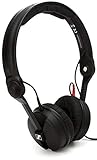
Sennheiser HD 25
- 140 g on-ear build
- 70 ohm impedance
- 120 dB sensitivity
- Detachable single-sided cable

The Best DJ Headphones for Clubs in 2026
All twelve pairs below are wired and closed-back, which is the only category that belongs in a club booth. Sort by fit style if you know your preference: the on-ear designs weigh under 250 g and stay cooler, while the over-ear designs seal more of the room out at the cost of bulk and heat.
| Product | Specifications | Action |
|---|---|---|
| Sennheiser HD 25 |
|
Check Latest Price |
| Pioneer DJ HDJ-CUE1 |
|
Check Latest Price |
 Pioneer DJ HDJ-X5 Pioneer DJ HDJ-X5 |
|
Check Latest Price |
 Pioneer DJ HDJ-X7 Pioneer DJ HDJ-X7 |
|
Check Latest Price |
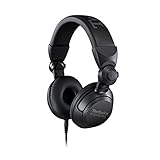 Technics EAH-DJ1200 Technics EAH-DJ1200 |
|
Check Latest Price |
 RODE NTH-50 RODE NTH-50 |
|
Check Latest Price |
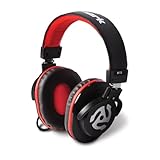 Numark HF175 Numark HF175 |
|
Check Latest Price |
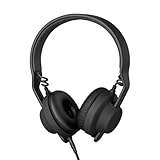 AIAIAI TMA-2 DJ AIAIAI TMA-2 DJ |
|
Check Latest Price |
 Sennheiser HD 205-II Sennheiser HD 205-II |
|
Check Latest Price |
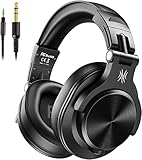 OneOdio A71 OneOdio A71 |
|
Check Latest Price |
 Gemini DJX-500 Gemini DJX-500 |
|
Check Latest Price |
| beyerdynamic DT 770 Pro |
|
Check Latest Price |
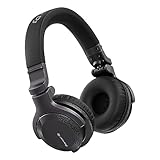
1. Sennheiser HD 25 – The club standard you can repair instead of replace
Sennheiser Pro Audio Professional HD 25 On-Ear DJ Headphones Black
On-ear closed-back
70 ohm impedance
120 dB sensitivity
140 g
Pros
- 140 g is the lightest pair here
- Detachable single-sided cable
- Handles very high sound pressure levels
- Almost every part is replaceable
- 2 year warranty
Cons
- Small on-ear cups press on the ear over long sets
- The bundled earpads are thin
- Very limited soundstage
The HD 25 is the pair most club DJs end up on, and the reason is not sound quality so much as serviceability. At 140 g it is the lightest headphone in this roundup, and the construction is modular down to the pads, the headband, and the cable, so a broken part gets replaced rather than the whole headphone.
Sound-wise it is a monitoring headphone rather than a fun-listening one. The 120 dB sensitivity and 70 ohm impedance mean you can push the level high enough to hear a cue track over PA bleed without the drivers distorting, which is exactly what the spec sheet is for. The response runs from 16 Hz to 22000 Hz, wide enough that you are not missing anything in a kick drum or a hat.
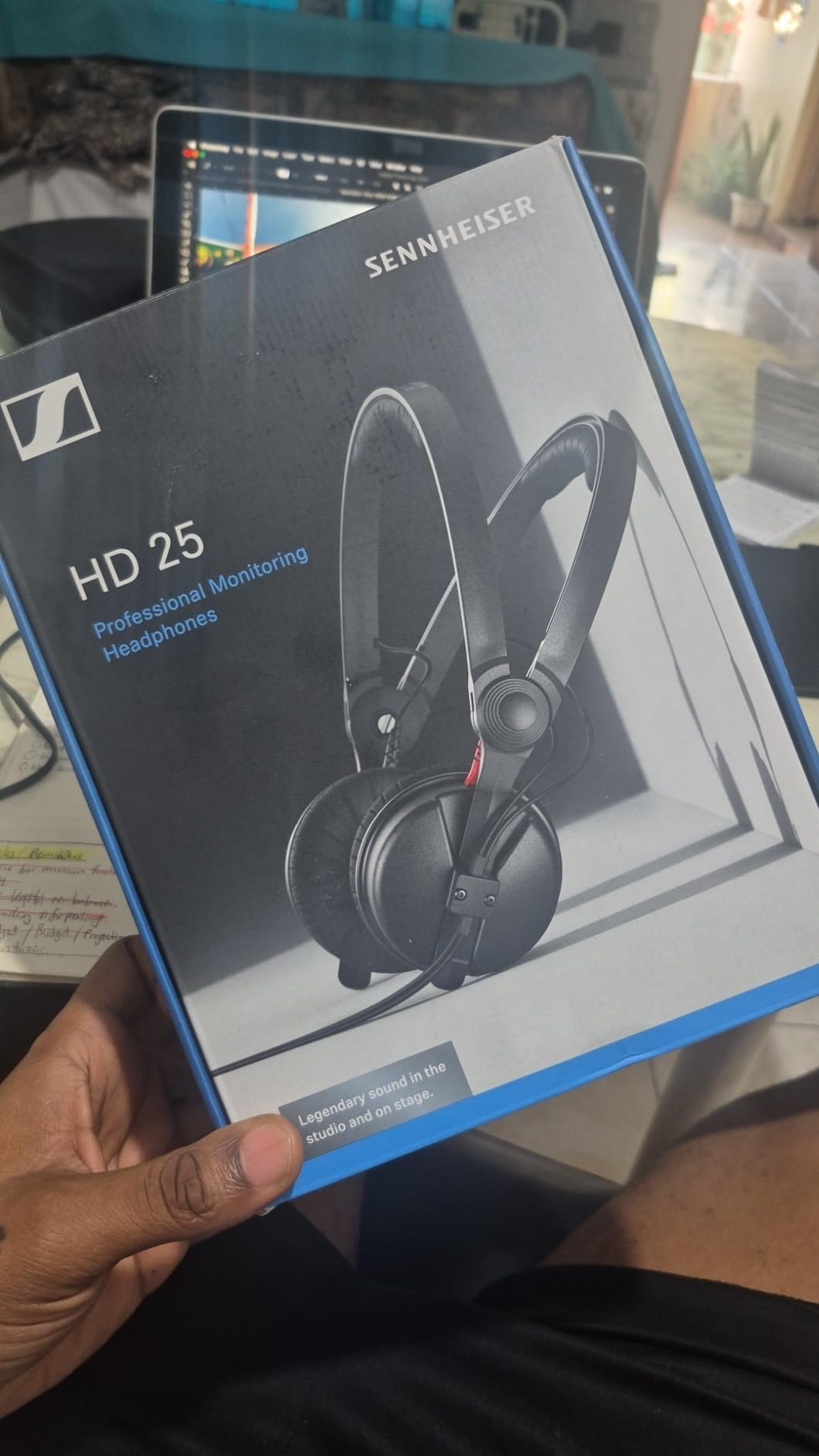
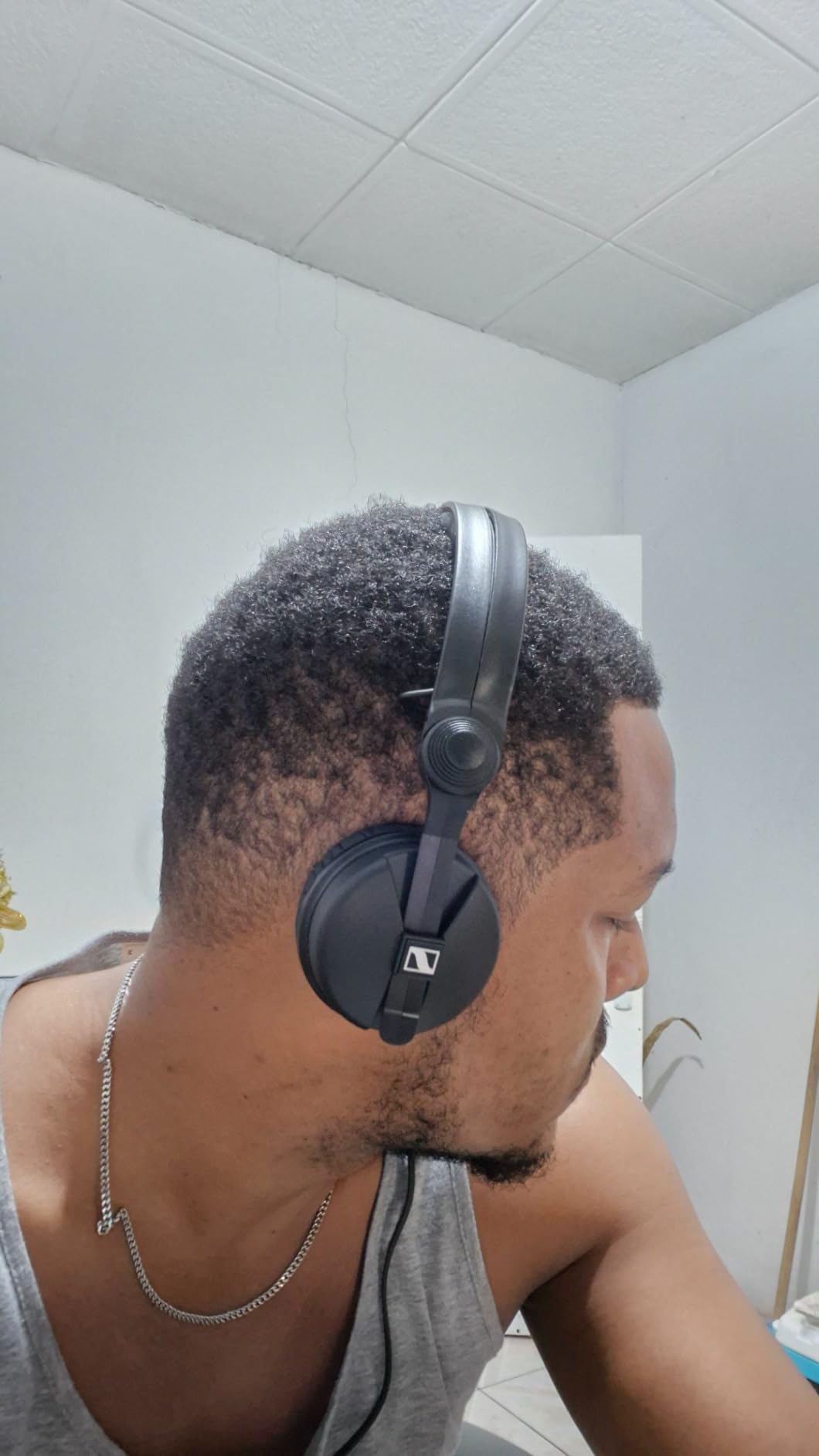
The detachable single-sided cable is the detail that matters most in a booth. It enters one earcup only, so there is no cable crossing your face to snag on a turntable or a laptop, and you can swap it in seconds if the plug takes a knock. A screw-on adapter converts the 3.5 mm jack to 6.35 mm for club mixers.
Its weakness is fit, and it is the single most repeated complaint about this pair. The supra-aural cups are small, so on a larger head or a long night the pads press on the ear rather than sitting around it. The clamping force is firm for the same reason. Upgrading to a thicker aftermarket pad is the standard fix and also improves the seal.
Who the HD 25 suits best
It suits DJs who play multiple nights a week, travel with their gear, and would rather spend on pads than on new headphones every few years. On r/Beatmatch it is the pair veteran users return to after cycling through half a dozen others, and the Gearspace consensus is the same: build quality, isolation, and fully replaceable parts. For anyone who only plays out occasionally, the light weight still makes it the most comfortable option here.
Where it falls short
It falls short for DJs with larger heads or smaller ears who cannot get comfortable with a supra-aural clamp, and for anyone who wants a wide, spacious soundstage. Reviewers consistently note the stage is very limited. If your sets are four hours or longer and you already know on-ear pads bother you, step up to an over-ear model instead.
2. Pioneer DJ HDJ-CUE1 – The first pair most beginners actually keep
Pioneer DJ HDJ-CUE1 On-Ear Wired DJ Headphones, Foldable, Dark Silver
On-ear closed-back
40 mm drivers
32 ohm
215 g
Pros
- Tuned to cut through a loud room
- Swiveling earcups for one-ear cueing
- Detachable cable and foldable design
- Lightweight at 215 g
- Balanced enough for casual listening
Cons
- Lighter less robust feel than the pro-tier Pioneer models
- On-ear pads can press on smaller ears
- Bass is less pronounced than higher-priced DJ headphones
The HDJ-CUE1 is what most people buy first, and for a lot of them it stays the last pair they need. The 40 mm dynamic driver is tuned for cueing clarity rather than extended listening, which is why a reviewer standing in a loud room can still pick out a kick and a hat without pushing the level into distortion.
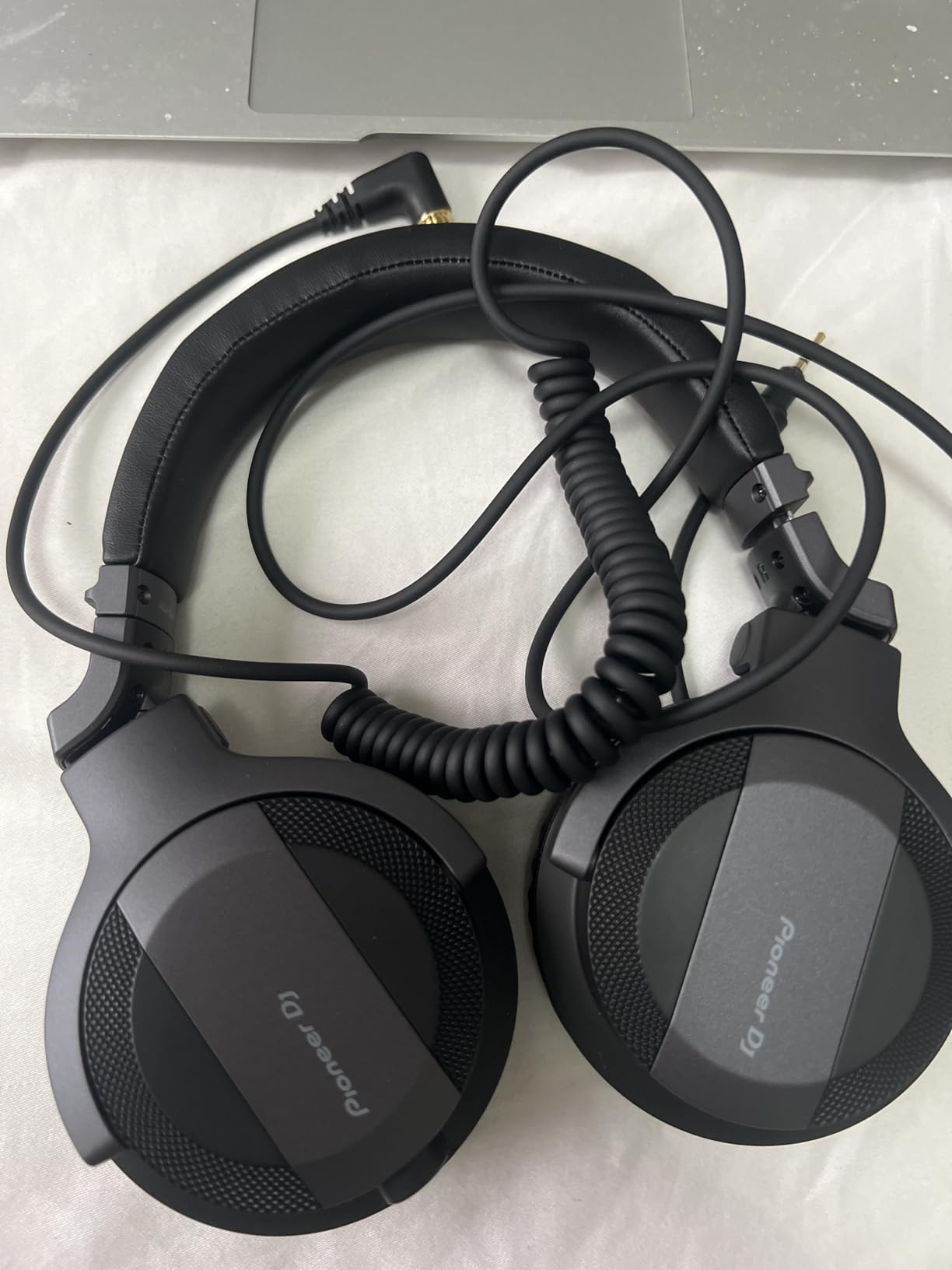
At 215 g it is light on the head and the swivel action lets you fold one earcup out of the way for single-ear cueing without fighting the hinge. The response runs from 5 Hz to 30000 Hz at 32 ohm impedance, which means it drives easily from a controller, a laptop, or a club mixer without a separate headphone amp.
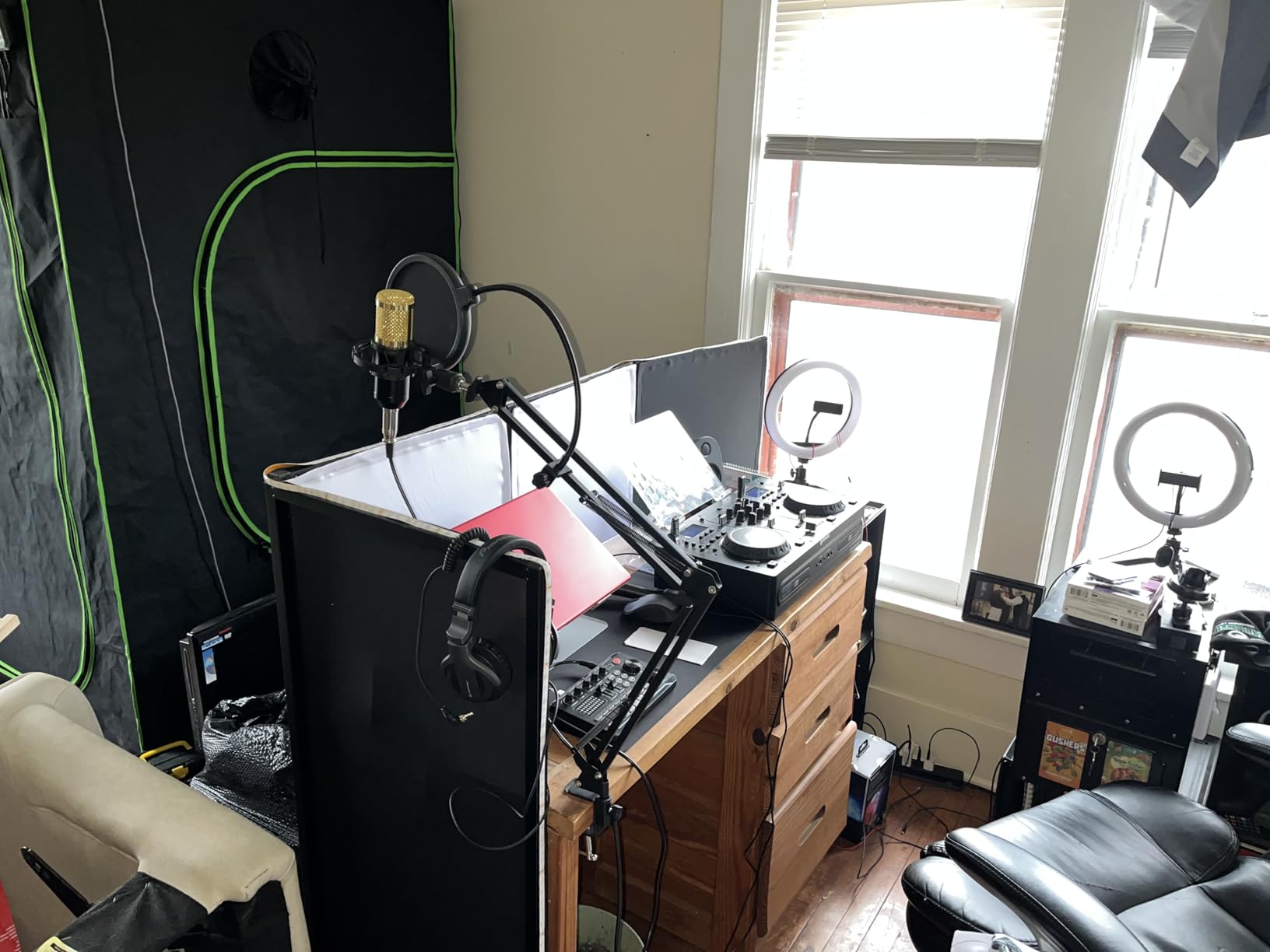
The cable is detachable, and the whole thing folds flat for transport, so it disappears into a laptop bag the way a proper DJ headphone should. The detachable cable also means the single most common failure point in club use, the cable itself, is a two-minute fix rather than a write-off.
The honest limitation is build. The construction is plastic and polyurethane, and reviewers consistently describe it as dependable rather than robust. It will not feel like the HDJ-X7 in your hands, and it is the pair most likely to need replacing first if you tour hard. On-ear pads can also press on smaller ears over a long night.
Who the HDJ-CUE1 suits best
It suits beginners, home practice, and anyone playing out a few times a month who wants Pioneer tuning without stepping into pro-tier pricing. Multiple users on r/Beatmatch name Pioneer as the default recommendation for anyone starting out, and this is the model that recommendation usually points to. The foldability also makes it a good travelling pair.
Where it falls short
It falls short for touring professionals who need a hinge and a headband that survive being thrown into a flight case every week. Bass is less pronounced than on the higher-priced DJ models, so if you rely on low-end definition for beatmatching, a larger-driver option is a better bet. It is also not an over-ear seal, so isolation is adequate rather than serious.
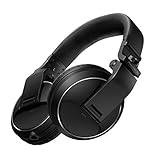
3. Pioneer DJ HDJ-X5 – Volume and swivel action at a mid-tier price
Pioneer DJ HDJ-X5 Professional DJ Headphones – Black
Over-ear listed
40 mm drivers
32 ohm
Stainless steel yoke
Pros
- Very loud and clear monitoring
- Good passive noise blocking
- Very effective swivel for one-ear cueing
- Comfortable pads for extended sessions
- Strong value for the price
Cons
- Plastic swivel pivot can crack after heavy road use
- Fit is closer to on-ear than true over-ear
- Headband clamping force is fairly strong
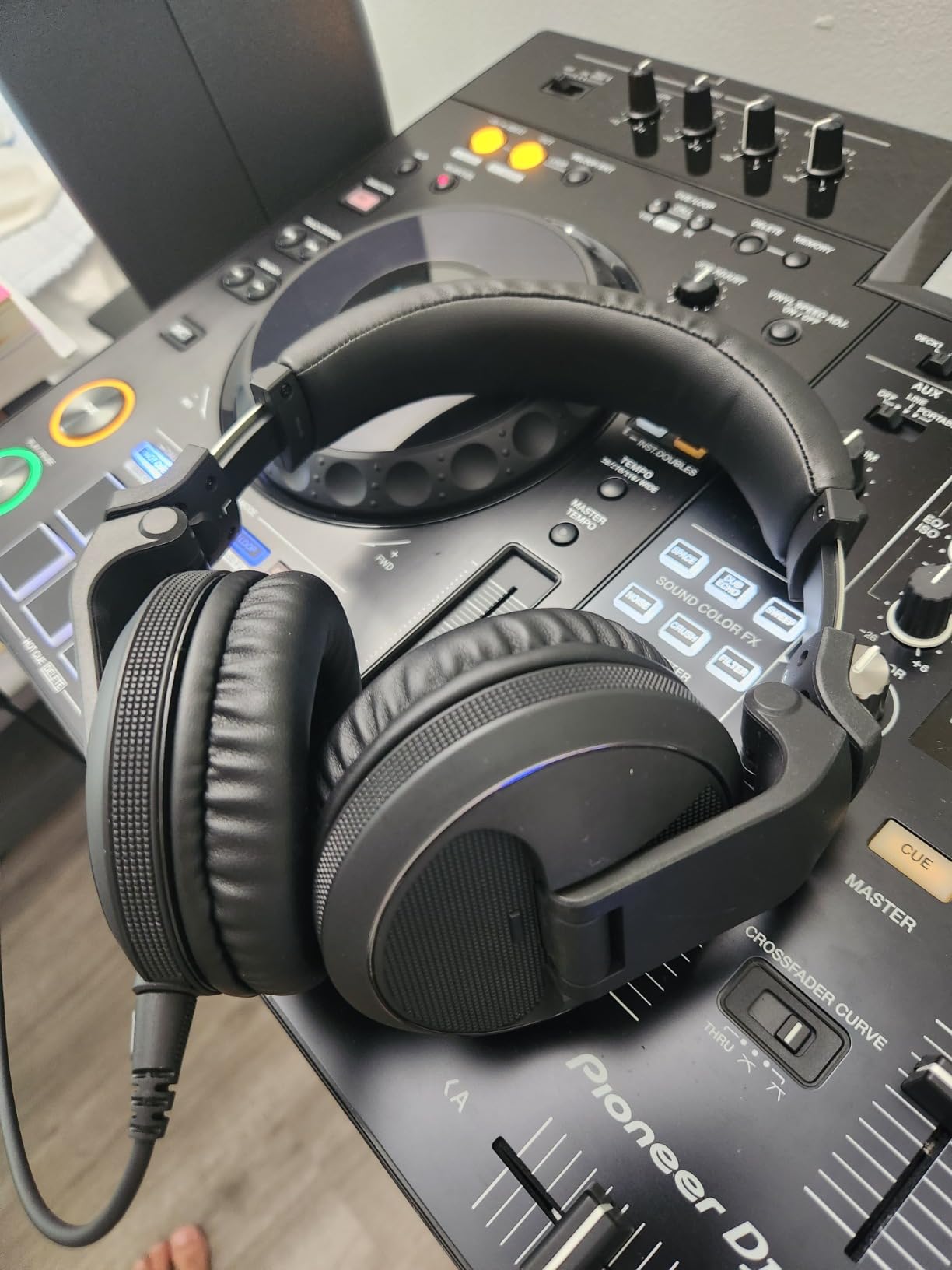
The HDJ-X5 sits between the entry CUE1 and the pro X7, and it is the point where you start getting the stainless steel yoke and a noticeably stiffer swivel. The 40 mm driver at 32 ohm produces genuinely loud, clear monitoring, which is the single feature reviewers rate most highly. You can hear the floor and the cue track at the same time.
Isolation is the other headline. The passive blocking is good enough to work in a busy bar, not just a bedroom, and the swivel is smooth enough that you can flip a cup out one-handed mid-transition without thinking about it. The response is listed to 30000 Hz and the whole design folds flat for transport.
Two practical notes. The cable is listed as detachable, but many units ship without one and you have to add a cable separately, so factor that in. The included carrying case is a soft bag rather than a hard shell, which is fine for a car boot and not fine for a checked suitcase full of gear.
The durability theme is mixed. Reviewers like the sound and the value consistently, but the swivel pivot is the reported failure point, with the plastic joint cracking after about a year of regular road use. If you gig every week and travel hard, the X7 is the safer spend.
Who the HDJ-X5 suits best
It suits DJs who have outgrown an entry pair and want a genuine step up in volume and isolation without paying for the pro tier. It is also a good home practice headphone that doubles for small-bar gigs. The clamping force is firm, so if you like a loose fit, check the headband extension before you commit.
Where it falls short
It falls short on the fit description. It is listed as over-ear but the cups sit closer to on-ear, so sensitive ears still get pressure, and the headband clamp is on the strong side. The swivel pivot durability is the other concern for heavy road use, and the soft case gives you almost no impact protection.
4. Pioneer DJ HDJ-X7 – Built for loud booths and regular gigging
Pioneer DJ HDJ-X7 Professional Over-Ear DJ Headphones, 50 mm, Black
Over-ear
50 mm drivers
36 ohm
312 g
Pros
- 50 mm drivers deliver clear accurate cueing
- Strong isolation for loud clubs
- Road-tested durable build
- Swiveling earcups
- Detachable replaceable cable
Cons
- 312 g is heavy for long sets
- Bulkier cups take more bag space
- Premium price is out of reach for beginners
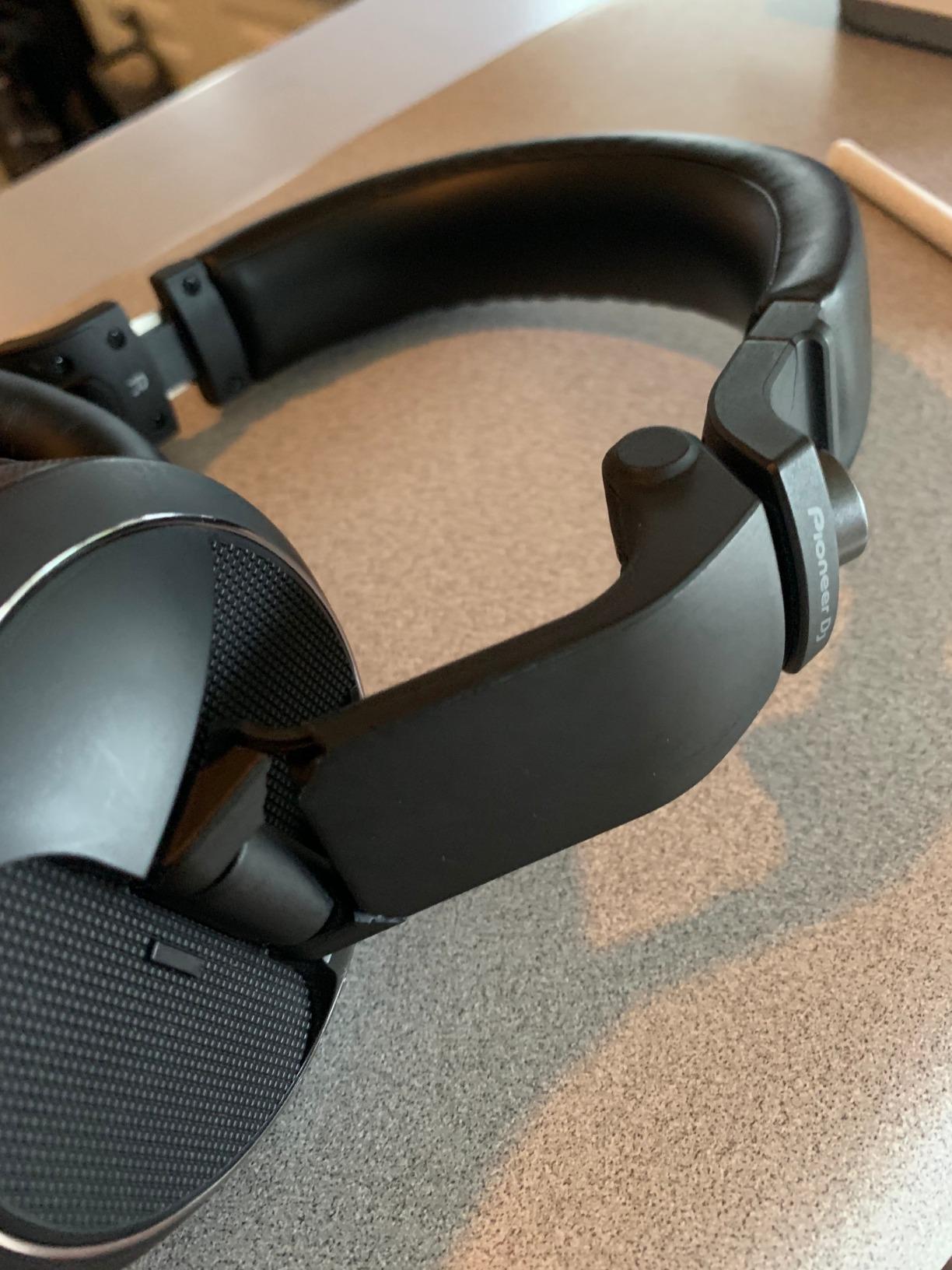
The HDJ-X7 is the pro-tier Pioneer in this roundup and the one to look at if you are playing genuinely loud rooms. The 50 mm driver gives noticeably more headroom at high volume than a 40 mm, and reviewers describe the sound as clear and accurate rather than exciting, which is what you want when you are matching a phrase you have never heard before.
Isolation is where the bigger driver pays off. Strong sound insulation keeps the monitoring clean in loud clubs and bars, so you are not fighting the PA bleed with volume. It runs at 36 ohm impedance, which every controller, mixer, and interface in common use will drive without an external amp.
Construction is stainless steel over-ear with a detachable, replaceable cable and a fabric carry pouch. The swivel earcups do the one-ear job cleanly, and the response runs from 5 Hz to 30000 Hz. The two-year-plus ownership story is straightforward: swap the cable and pads when they wear, keep the frame.
The trade-off is weight. At 312 g this is the second-heaviest pair here, and that mass lands on your head for the whole set. Reviewers note the added fatigue in long sessions and the bulk in a bag. The over-ear cups also warm up over a very long night, which matters in a hot booth.
Who the HDJ-X7 suits best
It suits working club and bar DJs who need real isolation and a build that survives gigging, and it is the right pick if your sets are long and the room is loud. If you also mix and produce, the accurate, non-coloured response transfers well to a studio context, and r/Beatmatch users who want one pair for both jobs mention this class of headphone for exactly that reason.
Where it falls short
It falls short for beginners on a tight budget and for anyone who finds over-ear cups too hot over a multi-hour set. At 312 g it is the wrong choice if you are on your feet for six hours in a packed room. It is also bulkier than the on-ear options and takes real space in a flight case.
5. Technics EAH-DJ1200 – Locking cable and a 270-degree swivel housing
Technics Professional DJ Headphones with 40mm CCAW Voice Coil Drivers, 270° Swivel Housing and Locking Detachable Cord; Lightweight, Foldable High Input – EAH-DJ1200 (Black)
On-ear
40 mm CCAW drivers
45 ohm
233 g
Pros
- Locking detachable cord stops accidental unplugging
- 270-degree lockable swivel housing
- Handles 2500 mW high-volume input
- Coiled and straight cords both included
- Lightweight and foldable
Cons
- 45 ohm needs a reasonably powerful output
- On-ear fit can pressure the ear
- Less deep bass than newer alternatives
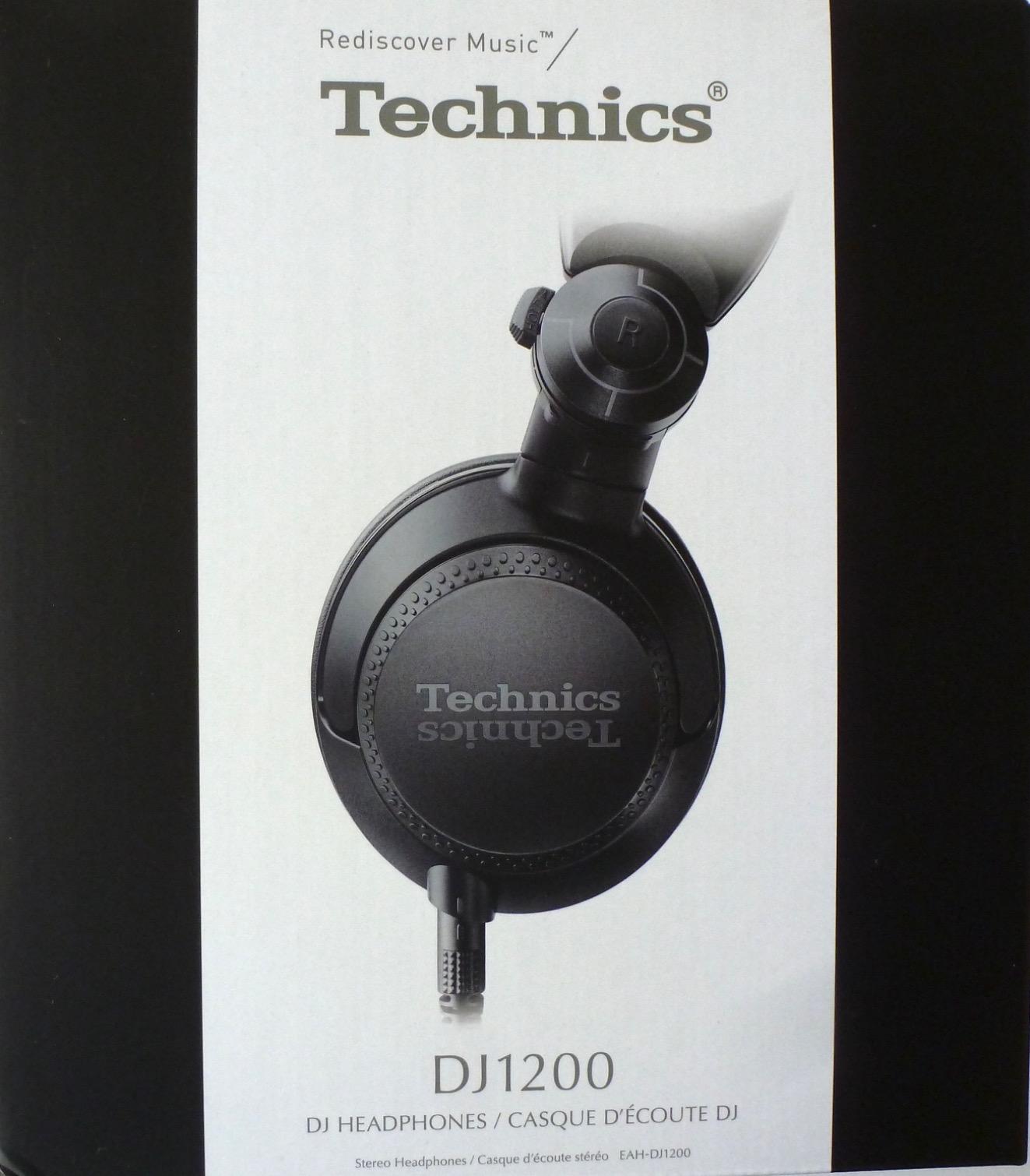
The Technics EAH-DJ1200 is a long-running pro design built around reliability rather than modern extras, and the thing that sets it apart is the cable system. The detachable cord uses a locking mechanism where you plug in and twist, so a knock in the booth will not pull the plug out mid-set. That is a small feature that removes a genuinely common failure.
The swivel housing is the other one. It rotates 270 degrees and locks, which supports free-style single-side monitoring where you flip a cup fully out of the way rather than just to the side. The 40 mm CCAW voice coil drivers handle a stated 2500 mW high-durability input, so there is plenty of headroom for a loud cue level.
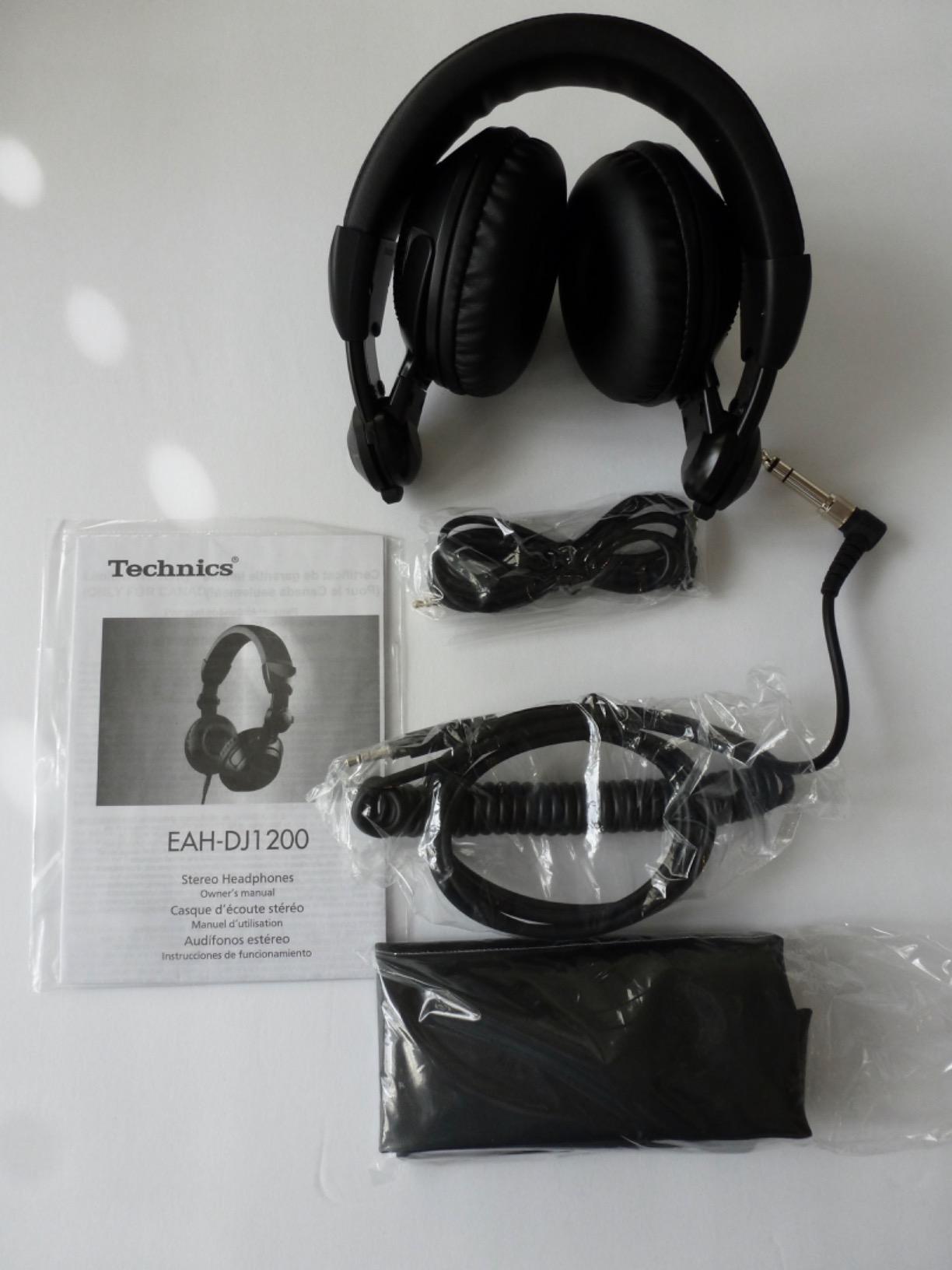
Everything you need is in the box: a 1.5 m coiled cord, a 1.2 m straight cord, a 6.35 mm adapter, and a carrying pouch. The response runs 8 Hz to 30000 Hz at 45 ohm, and at 233 g the on-ear fit is light without feeling flimsy. The soft synthetic leather pads are durable and easy to replace.
Two caveats. Forty-five ohm is a higher load than most on-ear DJ headphones, so it wants a reasonably powerful output to reach full volume, and a phone or a thin laptop dongle will not drive it well. There is also no noise cancelling of any kind here, so isolation is achieved only through the closed pad seal.
Who the Technics EAH-DJ1200 suits best
It suits DJs who play long sets in mobile or bar settings where cable damage and repeated cup movement are the biggest risks. If you gig from a full rig rather than a laptop bag, the locking cord and the included straight plus coiled cables make it a self-contained setup. It folds flat for storage and the pouch is genuinely useful.
Where it falls short
It falls short for anyone driving from a phone or a small interface, because 45 ohm needs a stronger source than most people expect. Bass is less deep than newer alternatives, which some DJs miss on large systems. The on-ear fit also presses the ear over very long sets, and there is no active or passive noise cancelling to help with a loud booth.
6. RODE NTH-50 – Flat, clear monitoring in a light aluminium shell
RØDE NTH-50 Professional On-Ear Wired DJ Headphones | Durable, Comfortable
On-ear
40 mm custom driver
32 ohm
220 g
Pros
- Wide flat-ish monitoring sound
- Excellent passive isolation
- Aluminium build
- Locking detachable cable attaches on either side
- Contoured headband at 220 g
Cons
- Earcups do not rotate 90 degrees
- On-ear cups bother the ear after about 3 hours
- Firm clamping for some head shapes
The RODE NTH-50 is the most interesting newcomer in this list, and veteran DJs compare it favourably to both the Pioneer HDJ models and the HD 25. The custom-matched 40 mm driver sits in a resonant chamber that gives deep, balanced bass without the low-end haze you get from cheaper studio monitors, and the response is accurate with very low distortion.
Isolation is the standout. The passive noise isolation is described by reviewers as excellent for critical monitoring, and at 32 ohm it drives from anything. The aluminium and fabric-and-foam construction feels a step above the plastic competition, and the contoured headband at 220 g is shaped specifically to reduce wearing fatigue.
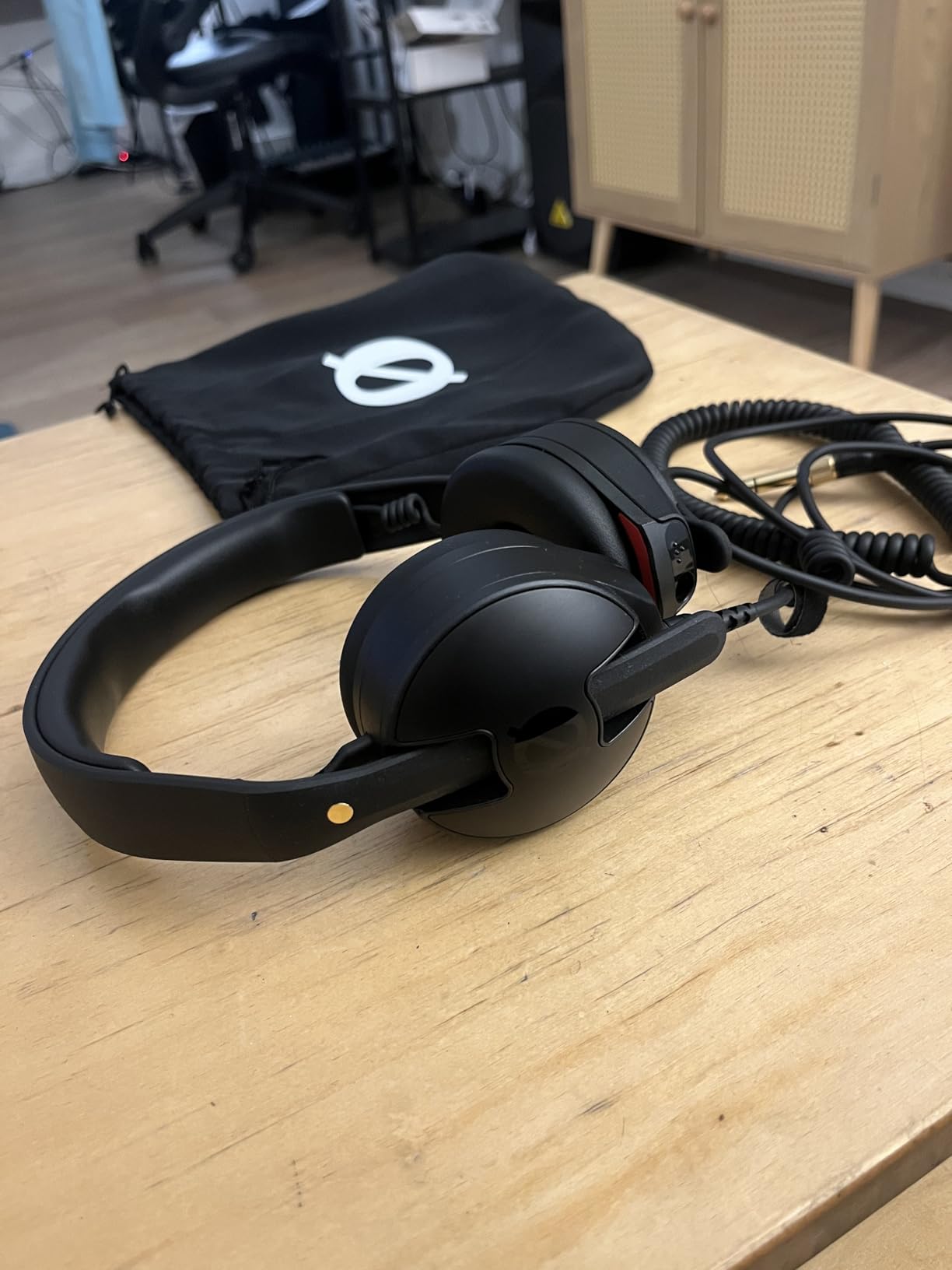
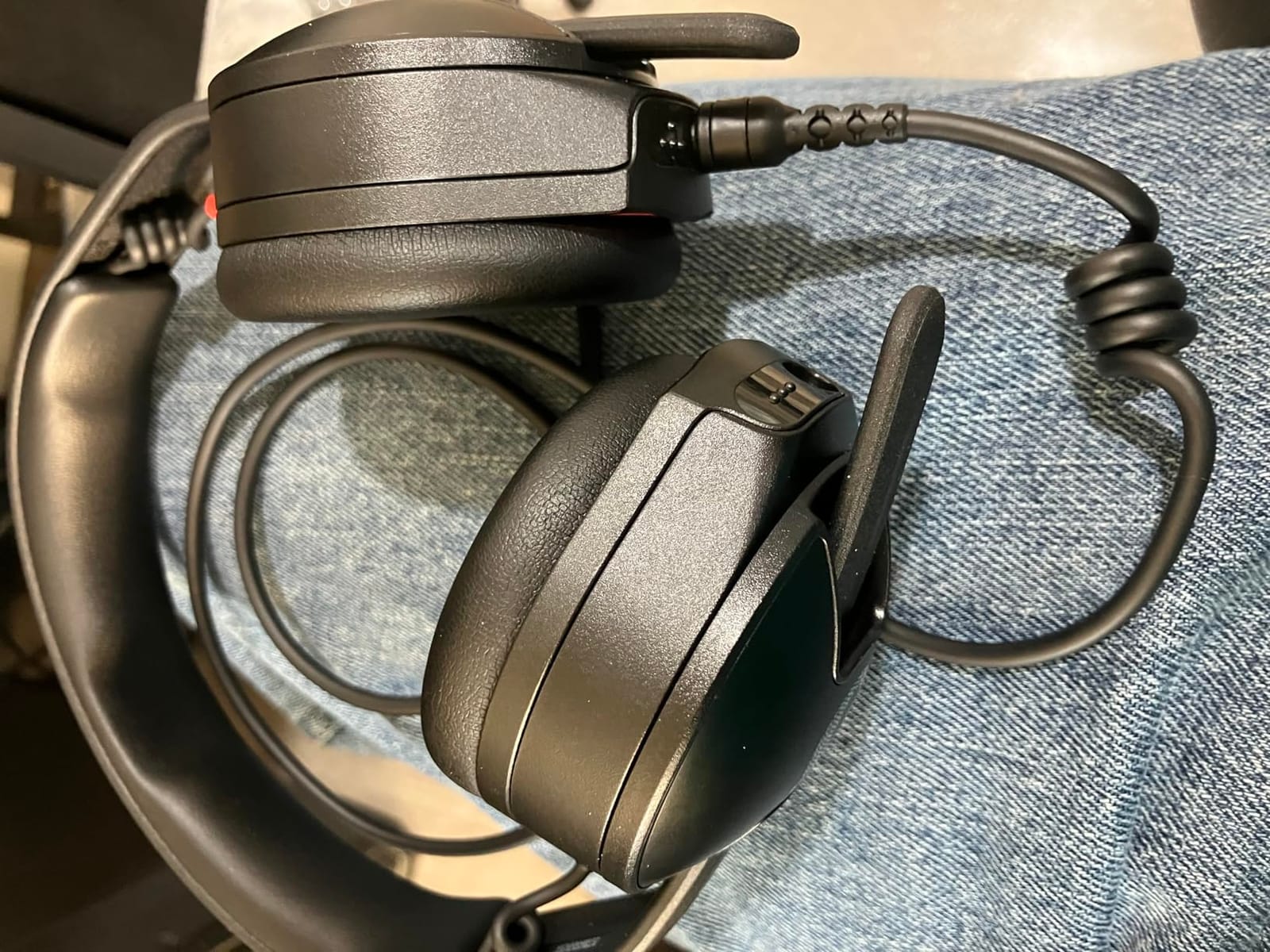
The cable system is genuinely good. It is detachable with a locking connector and attaches from either side, so you can run the cable to whichever earcup suits your cueing hand. The warranty is a lifetime warranty, and the pair is designed and made in RODE’s Sydney facility.
The catch is the swivel, and it is a real one. The earcups do not rotate 90 degrees, they only fold to the side. That means one-ear monitoring works, but it is not the free movement you get from a proper DJ swivel housing. Bass is also lighter than some competing DJ headphones tuned for punch.
Who the RODE NTH-50 suits best
It suits DJs who want flat, honest monitoring rather than a bass-forward club curve, particularly anyone who mixes and produces and wants one honest signal. The lifetime warranty and the aluminium build make it a strong long-term ownership story, and the either-side cable attachment is a quiet quality-of-life win.
Where it falls short
It falls short for the traditional one-ear cueing position, because without a true 90-degree rotation the swivel is limited. On-ear cups also start to bother the ear after roughly three hours, and the clamping pressure is firm for some head shapes. A replacement normal cable is not included if you want a spare.
7. Numark HF175 – A sturdy steel-headband starter pair
Numark HF175 Closed-Back DJ Headphones
On-ear closed-back
40 mm drivers
32 ohm
280 g
Pros
- 40 mm neodymium drivers give clear sound
- Swiveling ear cups for DJ monitoring
- Stainless steel and stitched leather headband
- 3 m cable plus 6.35 mm adapter included
Cons
- Sound and isolation are basic rather than club-loud
- Padded headband and plastic cups wear first
- 280 g is heavy for on-ear
The Numark HF175 is a budget closed-back headphone and the thing it does better than its price suggests is the headband. It is adjustable stainless steel with stitched leather, not a plastic slider, and that is the part that usually breaks first on cheaper headphones. For a beginner learning on a controller at home, that matters more than driver size.
The 40 mm neodymium magnet drivers give clear, powerful sound for cueing, and the soft padded ear cushions help block ambient noise. The closed-back design with swiveling ear cups handles one-ear monitoring properly, and at 32 ohm it will run from anything you own.
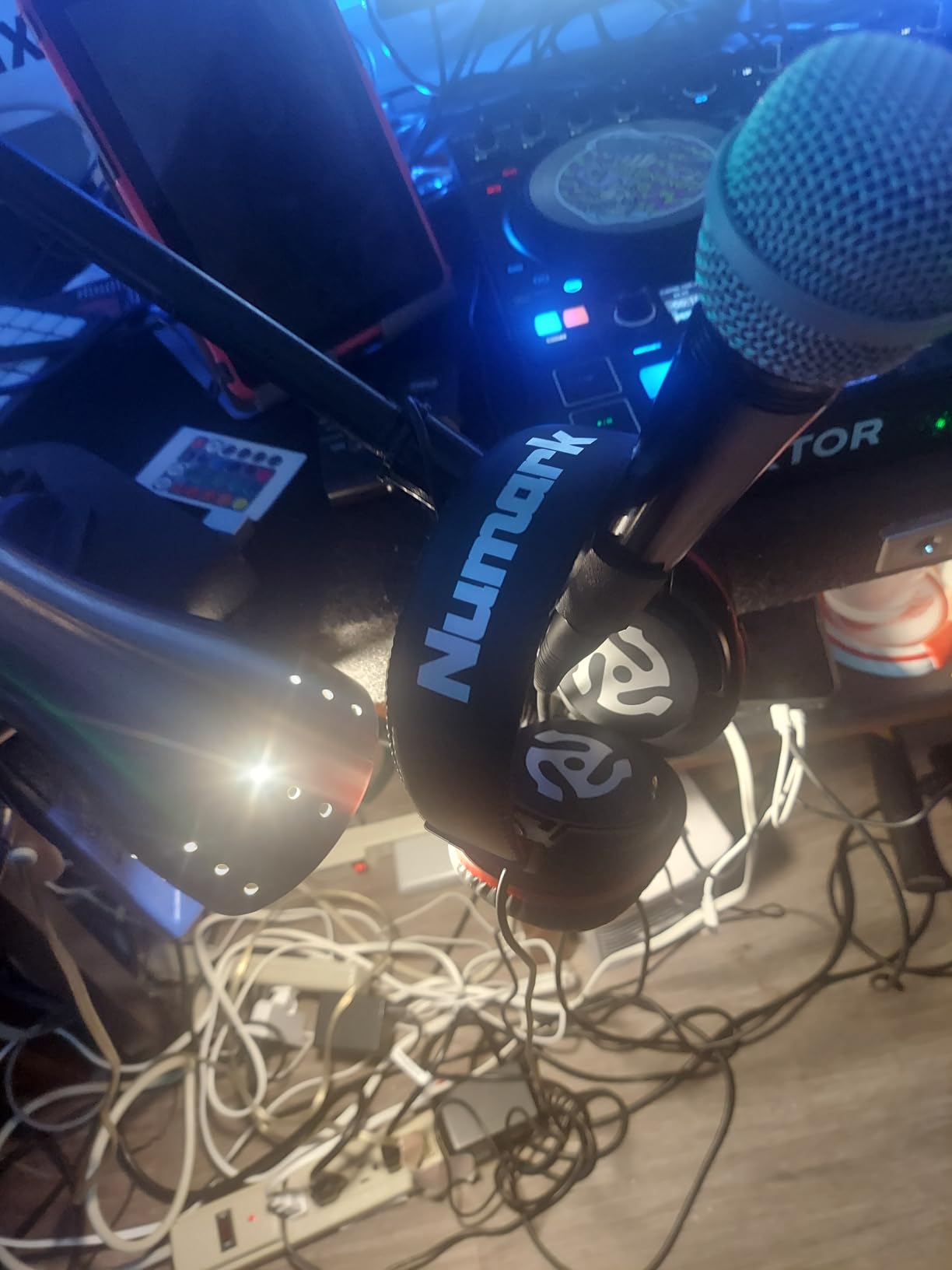
The included cable is a 3 m lead with a 3.5 mm TRS plug and a 6.35 mm adapter, so it covers both controller and mixer connections without a separate purchase. Sound isolation is listed for the design, and reviewers find it adequate for practice rooms and small venues rather than truly club-loud.
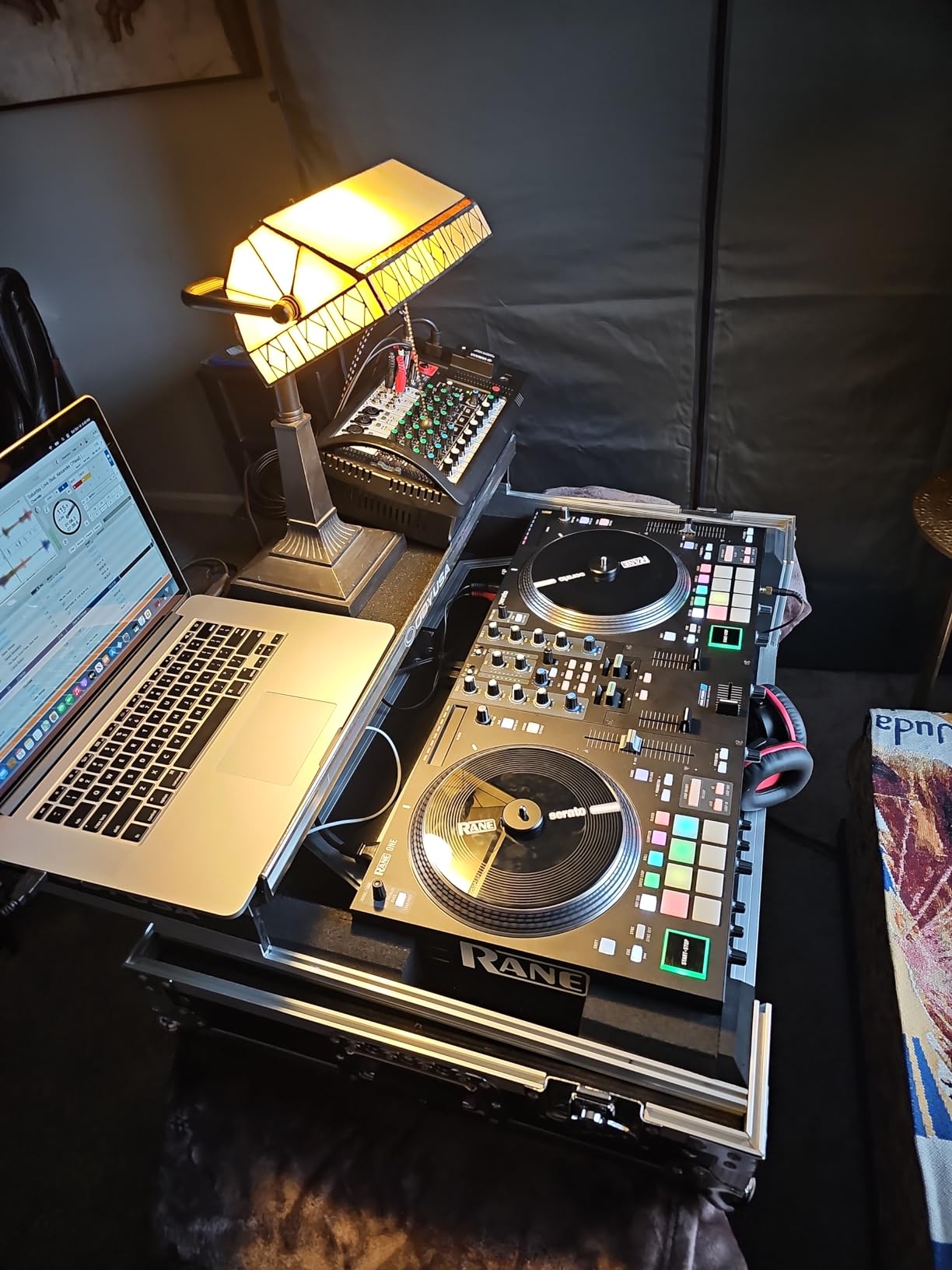
At 280 g it is the heaviest on-ear pair here, and that weight sits on top of padded ear cushions. It is fine for a two-hour set and tiring for a six-hour residency. The cushion material and the plastic cups are also the first parts to wear, so budget for pads sooner than you expect.
Who the Numark HF175 suits best
It suits beginners and anyone moving from a laptop to their first controller who wants a proper swivel and a real steel headband without spending much. It is also a decent low-cost backup pair to keep at home or in a second bag, which matters more than most people think when their main pair goes missing.
Where it falls short
It falls short in a genuinely loud booth, where reviewers describe the sound and isolation as basic rather than club-capable. It is not built for critical reference mixing, and the bass is unremarkable. For a residency DJ playing loud rooms several nights a week, this is a stepping stone rather than a destination.
8. AIAIAI TMA-2 DJ – Modular parts and a deliberately bass-forward signature
AIAIAI TMA-2 DJ Wired On-Ear DJ Headphones, Punchy Bass, Black, Isolation
On-ear
40 mm bio-cellulose
32 ohm
117 dB
190 g
Pros
- Punchy well-isolated low end
- Clear at high volume so you need less gain
- Reinforced headband and silicone head pad
- Modular replaceable and upgradable parts
- Lightweight at 190 g
Cons
- Bass-forward signature is less neutral for critical mixing
- Fixed cable is not detachable
- Premium price for a plastic-bodied design
The AIAIAI TMA-2 DJ goes the opposite way to the RODE, and that is a legitimate choice rather than a compromise. The 40 mm bio-cellulose diaphragm has an internal vent for low-end punch, and at 117 dB sensitivity the sound stays clear at high volume, which means you need less gain to hear the cue over the room.
That loud, isolating low end is exactly what a club booth rewards. Memory foam cushions under soft PU leather give good isolation, and the reinforced headband with an injection-moulded silicone head pad is built for road use. At 190 g it is one of the lightest pairs here, which offsets the on-ear fit being fairly small.
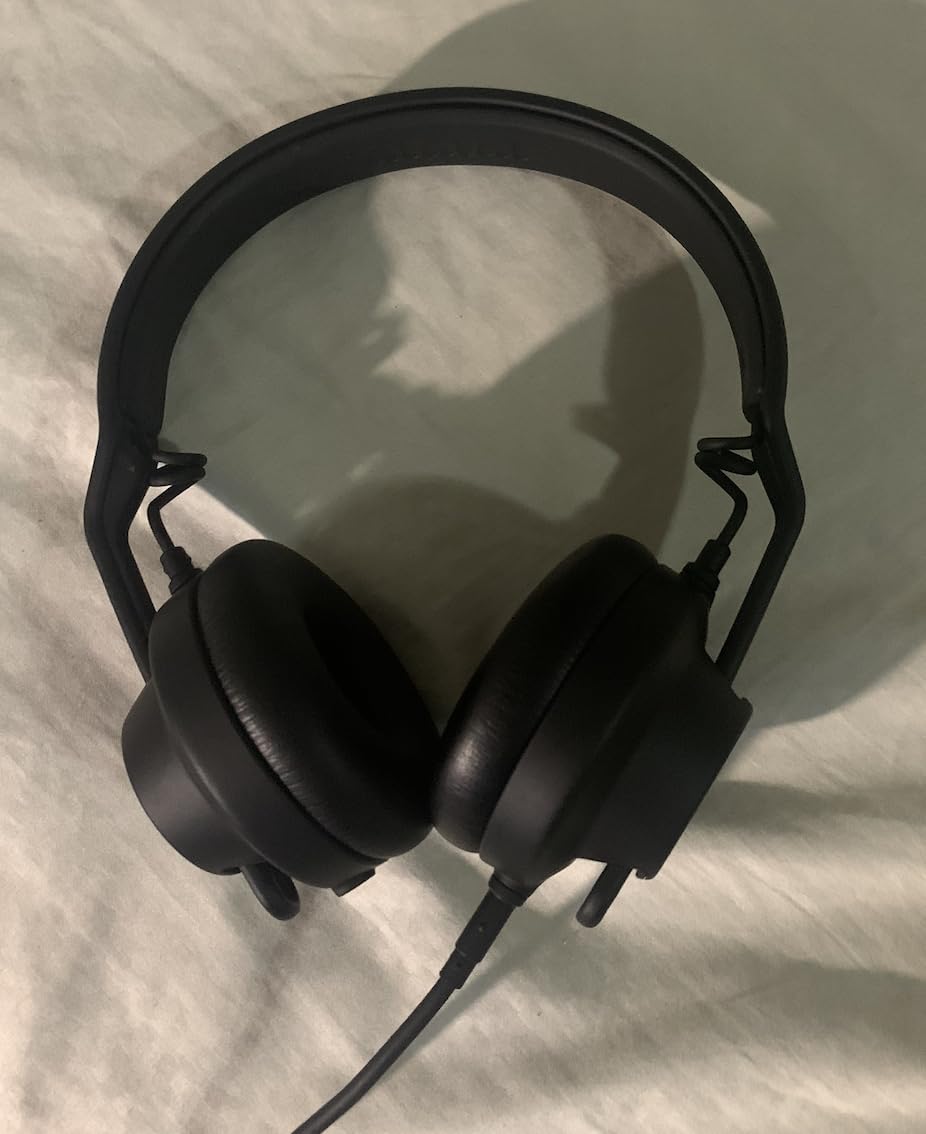
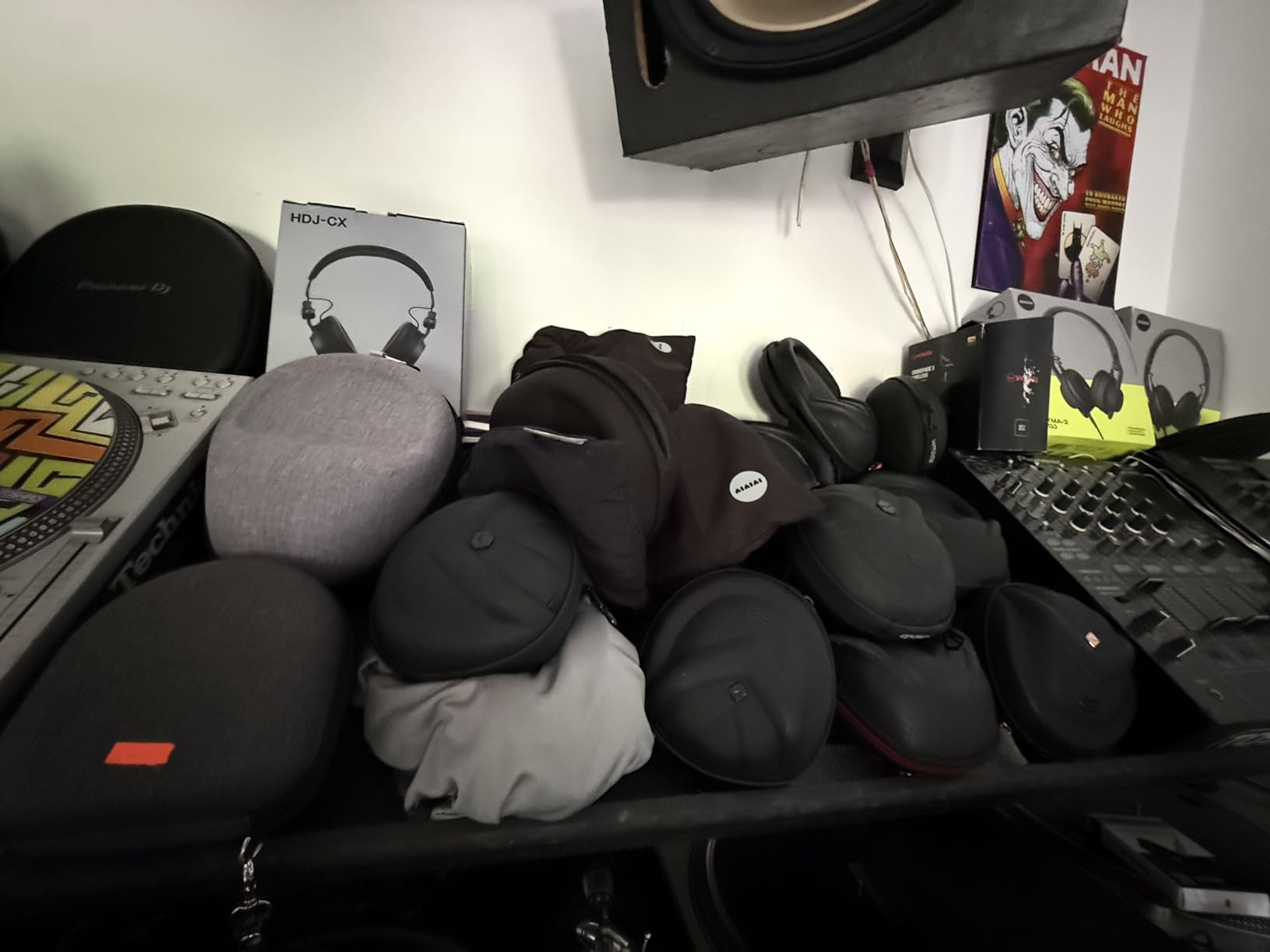
The modular design is the reason to keep this one. Cables, cushions, and headbands can be individually replaced and upgraded, so a worn-out part does not end the ownership cycle. The speaker units are made from 100% recycled plastic, which matters if you buy more than one pair.
Two honest downsides. The tuning is warm and bass-forward rather than neutral, so it is less precise for critical mixing than a flat option, and the cable is fixed rather than detachable, which is a real risk in a club where cables get grabbed. It also carries a higher share of one-star reviews than the other picks here, and a premium price for a plastic-bodied on-ear design.
Who the AIAIAI TMA-2 DJ suits best
It suits DJs who want punch and isolation over neutrality, and who like the idea of a headphone they can keep upgrading piece by piece instead of replacing. The light weight works well for long sets and summer residencies, and the modular system makes it a good second pair to keep for travel.
Where it falls short
It falls short if you mix for a living and need a neutral reference curve, because the bass-forward signature will flatter tracks that are actually muddy. The fixed cable is the biggest practical drawback in a club environment. On-ear cushions also fatigue the ear over long sets, and the price is hard to justify next to the HD 25 on weight alone.
9. Sennheiser HD 205-II – Studio-grade build for home practice rooms
Sennheiser HD 205-II Studio Grade DJ Headphones (Black/Grey)
Over-ear
32 ohm
20 Hz to 20000 Hz
Rotatable cups
Pros
- Rotatable ear cups for single-ear cueing
- Good shielding of ambient noise
- Field replaceable easy-clean earpads
- Rugged road-friendly construction
- 2 year warranty
Cons
- Lowest rated at 4.2 stars in this roundup
- Bass-heavy tuning is less precise for mixing
- Heavier over-ear clamp than modern on-ear designs
The HD 205-II is a studio headphone that DJs keep finding their way to, and the reason is the rotatable ear cups. They pivot for single-ear listening, the earpads are field replaceable and easy to clean, and the build is described as rugged and road-friendly, which is more than most studio headphones can claim.
Isolation is genuinely good for the money. The closed-back design shields ambient noise well, so in a moderately loud room you can monitor at a lower level and hear the cue without straining. At 32 ohm it drives easily from a controller or laptop, and the response covers 20 Hz to 20000 Hz.
This is the weakest-rated pair in the roundup at 4.2 stars, and the reason shows up in the review themes. The bass is heavy and the sound is less dynamic than dedicated DJ models, and a notable share of buyers found the tuning underwhelming for mixing specifically. The plastic build is also the least premium-feeling here.
It weighs 1.1 pounds and the over-ear clamp is heavier than modern on-ear DJ designs, so it can feel like a lot after several hours. It is also not as loud or as isolated as the pro-tier DJ headphones, which limits it in a really loud room. A protective storage pouch is included.
Who the Sennheiser HD 205-II suits best
It suits home practice, small bars, and DJs who want one pair for both mixing and monitoring without spending pro-tier money. The replaceable pads and the 2 year warranty make it a sensible first serious pair, and the pouch is useful for a small rig. The rotatable cups handle one-ear cueing better than most studio designs.
Where it falls short
It falls short as a club headphone. The bass-heavy tuning is less precise for mixing than flatter alternatives, the build feels the least premium in this list, and the over-ear clamp gets tiring faster than a light on-ear design. If your sets are in genuinely loud rooms, you will be pushing a headphone that was not built for that fight.
10. OneOdio A71 – A high-review-volume budget pair with swiveling cups
OneOdio A71 Hi-Res Wired Over-Ear Studio Headphones for DJ, Mixing – Black
Over-ear
40 mm drivers
32 ohm
6.6-9.8 ft coiled cord
Pros
- Clear detailed sound with a wide 20 Hz to 40000 Hz range
- 90-degree swiveling earcups for single-ear monitoring
- Coiled cord with both 3.5 mm and 6.35 mm plugs
- Shared audio port for a second pair
- Detachable cable and foldable design
Cons
- Bass-heavy consumer sound rather than a flat curve
- Plastic swivel can crack under heavy use
- Not loud enough for very noisy rooms
The OneOdio A71 has one of the highest review counts of any headphone here, and it earns that volume because it does the practical things right for very little. The 40 mm drivers run to a 20 Hz to 40000 Hz range at 32 ohm, so it drives from anything and the top end stays open rather than rolled off.
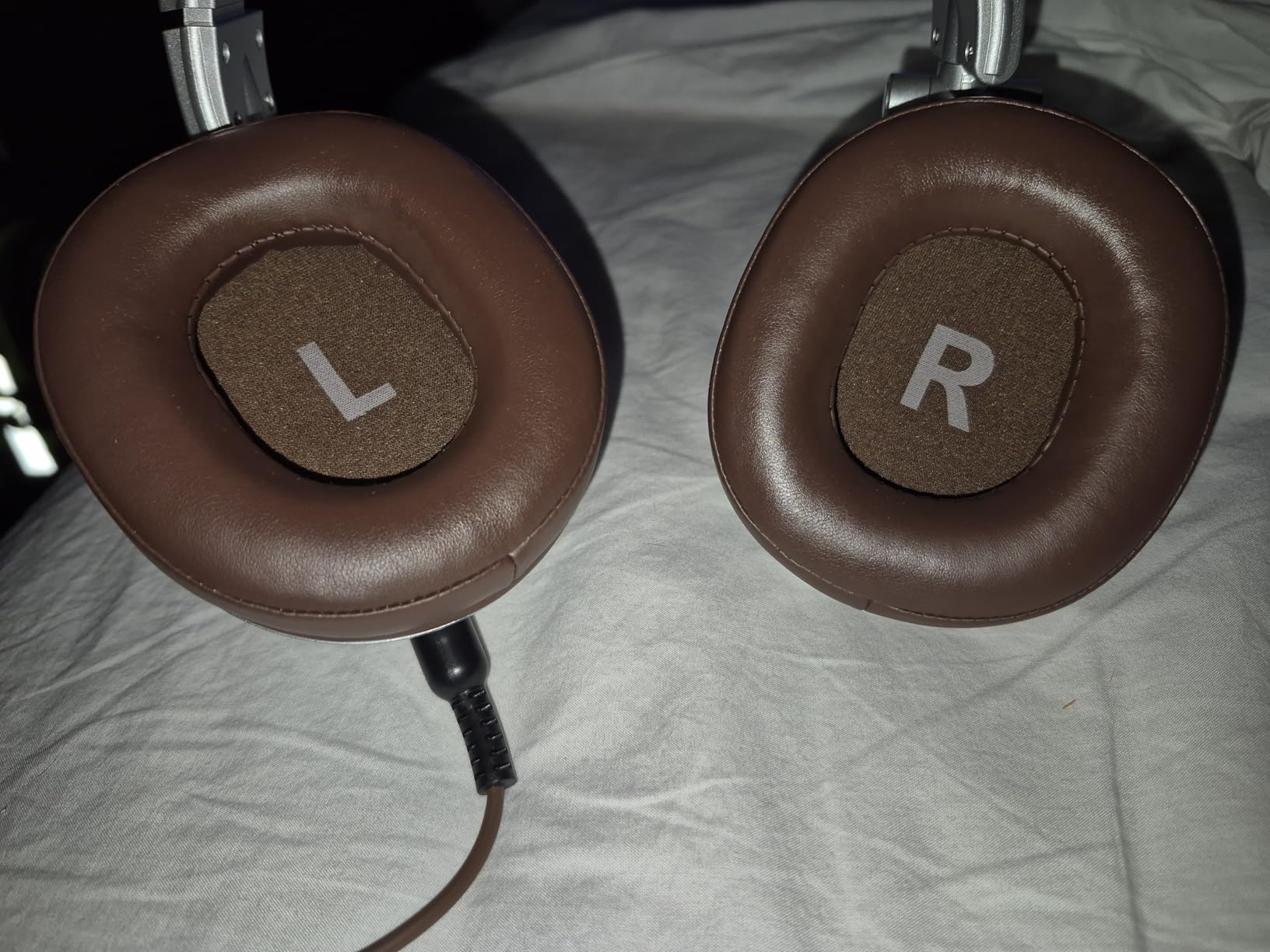
The cable is the standout feature. A 6.6 to 9.8 ft coiled cord comes with both 3.5 mm and 6.35 mm plugs fitted, so there is no adapter hunting before your first set, and the coil takes the strain off the connection in a way a straight cable does not. The 90-degree swiveling earcups handle one-ear monitoring cleanly.
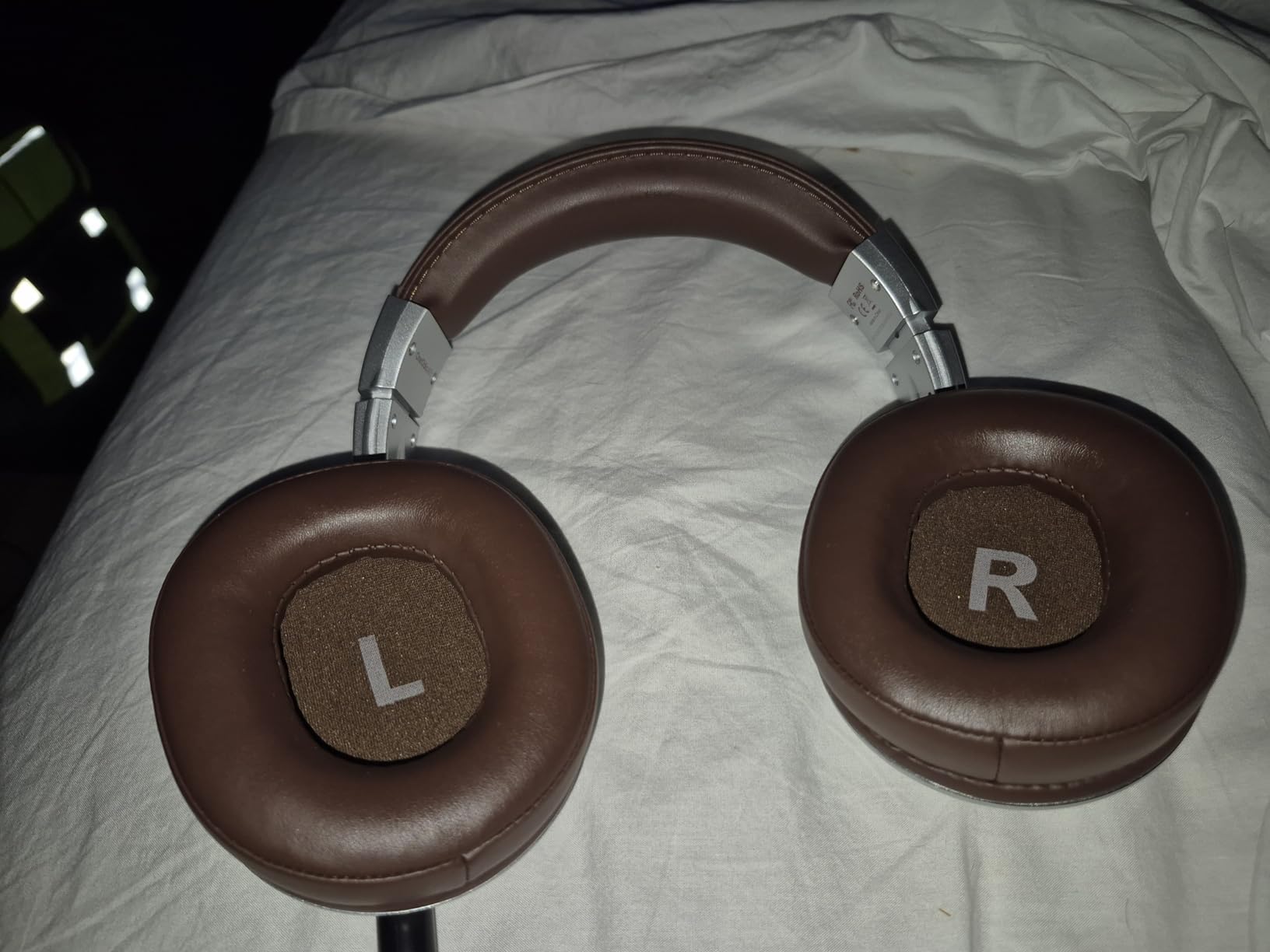
There is a shared audio port on the earcup, so you can connect a second pair without a splitter. That is a small thing that matters if you are mixing with another DJ or running a back-to-back setup. The cable is also detachable and the design folds flat, so it travels well despite the over-ear size.
Where it falls short is tuning and volume. The sound is bass-heavy and consumer-oriented rather than a flat monitoring curve, and reviewers note it is not loud enough for very noisy rooms next to a pro DJ headphone. The ear pads are less plush and less isolating than dedicated DJ models, and the plastic swivel can crack under heavy use.
Who the OneOdio A71 suits best
It suits beginners, home producers, and anyone who wants a proper coiled DJ cable and swiveling cups without spending much. At this review volume, the long-run parts and pad availability are effectively settled, which is reassuring for a first purchase. It is a solid stepping stone while you work out how seriously you are going to gig.
Where it falls short
It falls short in a club. The bass-heavy curve is not a monitoring reference, and the ear pads are not isolating enough to let you hear a cue comfortably in a loud room. If you are playing out regularly, a dedicated DJ headphone with a stronger passive seal will save you a lot of volume-related fatigue.
11. Gemini DJX-500 – Big 57 mm drivers and dual-axis rotating joints
Gemini Wired Studio Headphones, 57mm Drivers, Closed-Back (DJX-500)
Over-ear closed-back
57 mm drivers
80 ohm
12 oz
Pros
- Large 57 mm drivers with punchy tight bass
- Dual-axis 90 and 180-degree rotating joints
- Lightweight at 12 oz
- Closed-back isolation for loud booths
- Includes both 1/8 inch and 1/4 inch connectors
Cons
- Earpads are reported to detach easily
- Cable is fixed and not detachable
- 80 ohm needs a decent source
The Gemini DJX-500 is the odd one out here with 57 mm drivers, the largest in this roundup, and it uses that size to deliver punchy, tight bass with crisp highs. For beatmatching in a room where you need to hear the low end precisely rather than just feel it, a bigger driver is a reasonable argument.
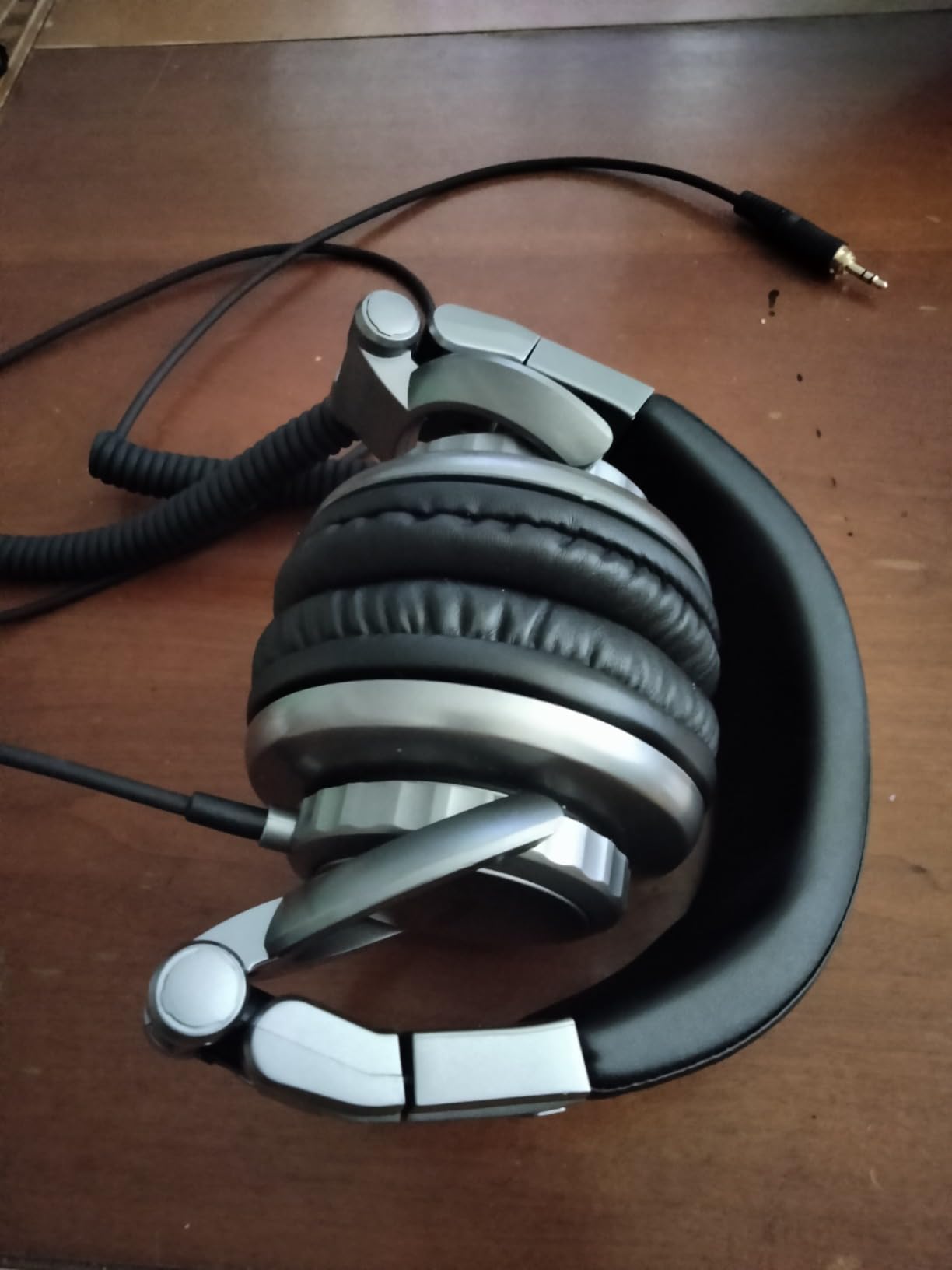
The rotating joints are unusual and genuinely useful. They allow 90 degrees horizontally and 180 degrees vertically, so you can fold a cup out of the way in whichever direction your monitoring position needs. The closed-back design is specified for ambient noise rejection in loud clubs and booths, which is the right brief.
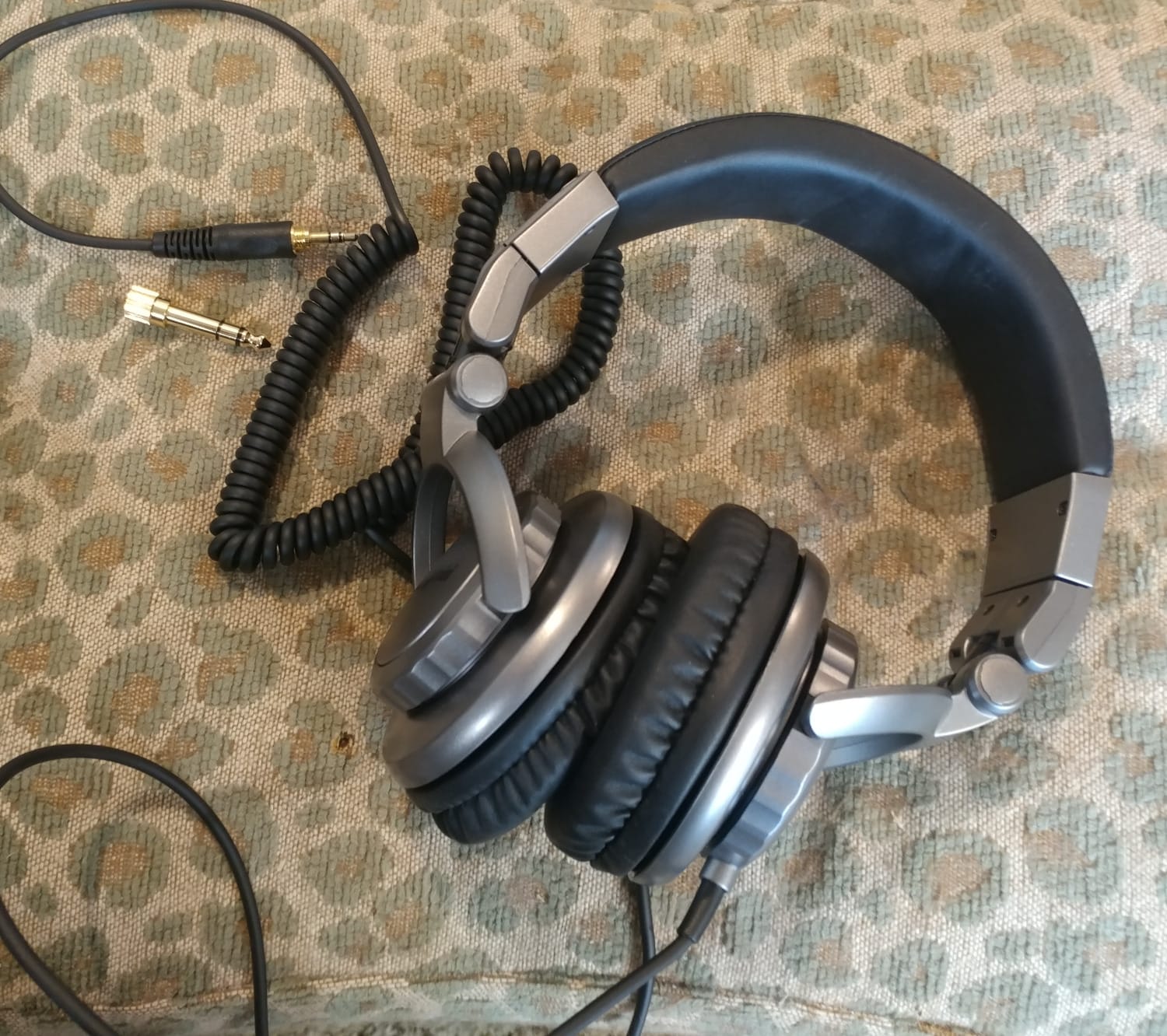
At 12 oz it is the lightest over-ear pair in this list, and the plush soft-skin earcups stay comfortable for hours. Both 1/8 inch and 1/4 inch connectors are included, so it covers interfaces, mixers, and instruments without a separate adapter. The build comes with a 2 year limited warranty.
The earpad problem is the one to know about. Reviewers report the pads detaching easily, which is a genuine mid-set risk rather than a cosmetic annoyance. The cable is also fixed to the headphones rather than detachable, so there is no quick swap if the lead takes a knock.
Who the Gemini DJX-500 suits best
It suits DJs who want more low-end definition than a typical 40 mm on-ear gives and who work in positions where a folding-to-any-angle cup helps. The low weight makes it comfortable for long sets, and the large drivers suit anyone who likes hearing the bass rather than inferring it.
Where it falls short
It falls short on reliability rather than sound. Earpads that detach easily and a fixed cable are two things that can end a set, and 80 ohm impedance needs a decent source to reach full volume from weaker gear. The construction is mostly plastic, and it is somewhat bulky for a portable setup.
12. beyerdynamic DT 770 Pro – The studio standard that DJs keep for mixing
beyerdynamic DT 770 Pro Studio Headphones (80 Ohm, Black)
Over-ear closed-back
80 ohm
5 Hz to 35000 Hz
Velour pads
Pros
- Exceptional comfort with plush velour pads
- Fully serviceable with replaceable parts
- Closed-back build blocks noise and limits leakage
- Handcrafted in Germany
- 2 year warranty
Cons
- Fixed 3 m non-detachable cable
- Bulky and does not fold flat
- 80 ohm needs an amp to reach high volume
The DT 770 Pro is not marketed as a DJ headphone and that is precisely why it is here. It is the long-running studio standard with the largest review base of anything in this roundup, and r/Beatmatch users who want a single pair for both club sets and production specifically recommend this class of headphone for the overlap.
The sound is balanced and transparent, with tight controlled bass and a clear midrange, which is what you want when you are checking a mix rather than enjoying one. The closed-back construction blocks outside noise and limits leakage into the booth, and the 80 ohm version is tuned for universal studio use with standard gear.

Comfort is the headline. The maximum comfort velour pads are the softest ear cushions in this roundup, and because the cups are true circumaural rather than supra-aural, they sit around the ear instead of on it. At 9.5 oz they are also lighter than the other over-ear pair here. Fully serviceable pads, headbands, and drivers keep this pair alive indefinitely.
The trade-offs are all practical. The 3 m cable is fixed and not detachable, the cups do not rotate to fold flat, and the pads can get warm over a very long session. Bass is less deep and treble sparkle less pronounced than some rivals, and 80 ohm wants a decent amplifier to reach high volume.

Who the DT 770 Pro suits best
It suits hybrid DJ-and-producer setups, and anyone whose on-ear pairs have caused ear pain over long sets. With a serviceable build and a replaceable parts programme, it is the pair you keep for a decade rather than two. Home and small-room users get the most out of it, since it is built for accuracy rather than for punching through a PA.
Where it falls short
It falls short as a portable club headphone. A fixed 3 m cable and cups that do not fold flat make it a bulky thing to carry, and the lack of a swivel hinge means one-ear cueing is not the natural position it is on a proper DJ headphone. It also needs an amp for high volume and does not deliver the deepest bass in this list.
How to Choose DJ Headphones for a Club Booth
Start with the swivel, because it is the one feature that is impossible to add later. You need an earcup that rotates roughly 90 degrees so you can hold one side to your ear and fold the other away, leaving your other ear open to the outgoing track in the speakers. The Technics EAH-DJ1200 offers a lockable 270 degree housing and the Gemini DJX-500 rotates on two axes, which is the most flexible in this list. The RODE NTH-50 is the cautionary example, since its cups only fold to the side.
Second, be honest about fit. Every on-ear pair here sits on the ear rather than around it, which keeps weight down and stops heat build-up, but it also means clamping force becomes the limiting factor. The HD 25 is the most repeated example on forums of a pair that simply does not suit larger heads over a long night. If you already know on-ear pads bother you, look at a true over-ear such as the HDJ-X7 or the DT 770 Pro.
Third, treat isolation as a volume problem, not a luxury. A sealed closed-back pad lets you monitor a cue at a lower level, and lower level is what protects your hearing over years. The HDJ-X7 and the RODE NTH-50 are the strongest passive isolation performers in this roundup, while the budget pairs are adequate in a practice room and inadequate in a club.
Fourth, check the cable and the parts. A detachable cable means a damaged lead is a two-minute fix instead of a write-off, which is why the HD 25, the HDJ-CUE1, the HDJ-X7, and the Technics all score well here. Pairs with fixed cables are a gamble in a booth. Replaceable ear pads matter just as much, because pads harden and flatten long before the drivers fail.
Finally, think about ownership rather than sticker price. Club headphones get stolen, sat on, and drenched in sweat. Keeping a cheap backup pair in a second bag is the advice that comes up again and again in threads, and a pair with a parts programme will outlast three disposable ones. We round up starter bundles in our gifts for DJ beginners guide if you are buying for someone new.
Hearing Safety and Safe Listening Levels in Clubs
Nobody in this category advertises a safe volume, and that is a real gap. Your headphones are how you judge a mix, so the temptation is always to push the cue level until you are certain. Done nightly, that is a cumulative exposure problem, not an instant one, and the cost shows up years later.
Three habits reduce it. Keep the level at the lowest setting where you can still hear the full frequency range of the track, because ear fatigue arrives before you notice it and then you raise the volume without meaning to. Take a deliberate break every hour or so, which also helps with the on-ear clamping problem. And choose an isolating headphone so that a lower level works, rather than a non-isolating one that forces you to push harder.
None of this is in the product data, so treat it as general guidance rather than a measurement. What the data does show is that sensitivity varies enormously between these pairs, from 96 dB on the DT 770 Pro to 120 dB on the HD 25, which means the same knob position produces very different results across pairs. A sensitive headphone lets you hear the cue quietly. That is a hearing-safety feature before it is a sound-quality one.
Wired vs Wireless DJ Headphones in a Club Booth
Wireless is not recommended for live club use, and the reason is not battery anxiety. It is that any wireless link adds a delay between the moment a track plays in your cue and the moment you hear it in your headphones, and beatmatching is a timing task where that delay becomes a constant correction rather than something you stop noticing. There is also a dropout risk you cannot predict, and a dropout during a mix is visible to the whole room.
None of the twelve pairs in this roundup is wireless, and that is deliberate. Every one is a wired, closed-back design with a detachable or fixed single-sided cable, which is the format the entire club DJ market has settled on. Bluetooth cans are fine for a rehearsal room; they are not a tool for a booth.
Nor do you need active noise cancelling. Passive isolation from a sealed closed-back cup is what handles booth noise, and active cancelling designs add circuitry, weight, and a tuning compromise without helping with the low-frequency PA bleed that actually reaches you. It also interferes with the exact frequency detail you are listening for.
Frequently Asked Questions
What headphones do most professional DJs use?
Most professional club DJs use either the Sennheiser HD 25 or a Pioneer HDJ model such as the HDJ-X7 or the on-ear HDJ-CUE1. The HD 25 is favoured for its 140 g weight and fully replaceable parts, the Pioneer models for volume, swivel action, and build. Both are wired and closed-back, and both are sold in club DJ shops for good reason.
What are the differences between the Pioneer DJ HDJ-X5 and HDJ-X7 headphones?
The main differences are driver size, weight, and price tier. The HDJ-X5 uses 40 mm drivers at 32 ohm and is listed as over-ear but fits closer to on-ear. The HDJ-X7 uses larger 50 mm drivers at 36 ohm, weighs 312 g, and is a true over-ear build with stronger isolation for loud rooms. Both have swiveling earcups and detachable cables.
Are wireless DJ headphones good for clubs?
Wireless DJ headphones are not recommended for live club use. Any wireless link adds latency between the cue and your ear, and beatmatching becomes a constant correction rather than something you stop noticing. Dropouts are unpredictable and visible to the room. Every pick in this roundup is wired and closed-back, which is the format club DJs have settled on.
Why are Sennheiser HD 25 headphones so good for DJing?
The HD 25 is 140 g, the lightest pair in this roundup, with 120 dB sensitivity and 70 ohm impedance, so you can hear a cue over PA bleed without pushing the level. The detachable single-sided cable prevents snagging, and nearly every part is replaceable, which is the single most cited reason for its long service life in club use.
Are Pioneer DJ headphones good for beginners?
Yes. The Pioneer DJ HDJ-CUE1 is the most common first pair, with 40 mm drivers at 32 ohm, a 215 g build, swiveling earcups, a detachable cable, and a foldable design. Multiple users on r/Beatmatch name Pioneer as the default recommendation for anyone starting out. The trade-off is a plastic build that is dependable rather than touring-proof.
Do DJs need noise cancelling headphones?
No, DJs need passive isolation rather than active noise cancelling. A sealed closed-back earcup blocks booth noise and lets you monitor a cue at a lower level, which is what protects your hearing. Active cancelling adds weight and a tuning compromise, and it works least well against the low-frequency PA bleed that reaches a club booth.
Why do club DJs use one earcup at a time?
A DJ has to hear the outgoing track in the speakers to beatmatch and mix it, so one ear stays open to the room. Swiveling earcups let you fold one cup out of the way and press the other to your ear. That is why a real 90 degree swivel matters more than almost any other feature in this category.
Which DJ Headphones Should You Buy?
For most people reading this, the Sennheiser HD 25 is the answer. It is the lightest pair in the roundup, it handles the volume a club booth demands, its single-sided detachable cable will not snag, and nearly every part of it can be replaced rather than replaced entirely. If your head is large and on-ear clamps bother you, go over-ear and pick the Pioneer HDJ-X7 for isolation, or the beyerdynamic DT 770 Pro if you mix as well as you DJ.
Buying on a smaller budget is not a compromise. The Pioneer DJ HDJ-CUE1 is a genuine club headphone at a beginner price, and the Numark HF175 and OneOdio A71 will both get a beginner through practice and small gigs. Whatever you choose, buy wired, check the swivel, and keep a cheap backup pair in a second bag. That is the best DJ headphones for clubs advice we can give, and it has not changed in 2026.