
Finding the right chess books for coaches can feel like searching through a library with no catalog. As someone who has spent years teaching chess at clubs, schools, and private lessons, I know the struggle. You want books that do more than just present material. You need resources that show you how to teach it, how to explain it, and how to make it stick with students at every level.
This guide covers the best chess books for coaches in 2026, hand-picked from dozens of titles I have used in actual lessons. Whether you are building a curriculum for a school chess program, prepping tournament players, or working one-on-one with beginners, these books give you the structured content and exercises your students need. I have organized them by category so you can quickly find what fits your coaching situation.
Every book on this list has been reviewed by real coaches and players, and I have included specific notes on how to use each one in your lessons. From endgame training resources to tactical drilling workbooks, this list covers the full spectrum of chess coaching needs.
Table of Contents
Top 3 Picks for Best Chess Books for Coaches

Silman’s Complete Endgame Course
- Rating-based organization
- Beginner to Master
- 530 pages
- Essential positions

Best Lessons of a Chess Coach
- Socratic teaching method
- 10 complete games
- Q&A format
- 428 pages

How to Win at Chess
- Beginner-friendly
- Video links included
- 272 pages
- Comprehensive coverage
Best Chess Books for Coaches in 2026
| Product | Specifications | Action |
|---|---|---|
| Silman’s Complete Endgame Course |
|
Check Latest Price |
| Best Lessons of a Chess Coach |
|
Check Latest Price |
| How to Win at Chess |
|
Check Latest Price |
 How to Reassess Your Chess How to Reassess Your Chess |
|
Check Latest Price |
 Complete Book of Chess Strategy Complete Book of Chess Strategy |
|
Check Latest Price |
 Chess: 5334 Problems Chess: 5334 Problems |
|
Check Latest Price |
 Chess Tactics for Champions Chess Tactics for Champions |
|
Check Latest Price |
 Tactics Time! Tactics Time! |
|
Check Latest Price |
 Winning Chess Tactics Winning Chess Tactics |
|
Check Latest Price |
 100 Endgames You Must Know 100 Endgames You Must Know |
|
Check Latest Price |
 Logical Chess: Move By Move Logical Chess: Move By Move |
|
Check Latest Price |
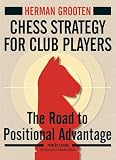 Chess Strategy for Club Players Chess Strategy for Club Players |
|
Check Latest Price |
 Chess Exam And Training Guide Chess Exam And Training Guide |
|
Check Latest Price |
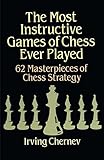 Most Instructive Games of Chess Most Instructive Games of Chess |
|
Check Latest Price |
 The Chess Tactics Workbook 5th Ed The Chess Tactics Workbook 5th Ed |
|
Check Latest Price |
1. Silman’s Complete Endgame Course – Best Endgame Resource for Coaches
Silman’s Complete Endgame Course: From Beginner to Master
530 pages
Beginner to Master
Rating-based organization
530 pages
Pros
- Progressive skill level structure
- Clear explanations
- Best endgame book for class players
- Excellent for coaches and self-study
- Easy to understand for all levels
Cons
- Lucena position could be more thorough
- Some typos and diagram errors
- Limited coverage of rare endgames
I have used Silman’s Complete Endgame Course more than any other book in my coaching toolkit. The genius of this book is its organization by rating level. You can literally hand it to a student and say, “Read up to the 1200 section.” That alone saves coaches hours of figuring out what endgame material is appropriate for each student.
What makes this book special for coaching is how Silman explains complex endgame concepts in plain language. He strips away the dense theoretical variations that intimidate students and replaces them with clear, memorable rules. My students consistently tell me they finally understand rook endgames after working through his chapter on the topic.
The book covers everything from basic checkmates for beginners to complex theoretical positions for master-level players. At 530 pages, it is a substantial resource that will last through years of coaching. The rating-based structure means a coach working with a 900-rated student and a 1700-rated student can use the same book with different sections.
One thing I noticed after several semesters of using this book is that students actually enjoy working through the endgame sections. Silman’s conversational tone and avoidance of overwhelming computer analysis keeps the material approachable. Students who used to groan at endgame study started asking for more chapters.
The paperback edition is well-built and holds up to repeated use in coaching sessions. I keep two copies on my shelf because one is always loaned out to a student.
Who should use this book
This is the single best endgame book for coaches who work with students rated between 600 and 2200. If you teach at a chess club or run group lessons, Silman’s rating-based approach lets you assign homework tailored to each student’s level without buying multiple books. Coaches preparing students for tournament play will find the practical endgame knowledge directly translates to over-the-board results.
What to watch out for
The book does have some diagram errors and typos, particularly in later printings. Coaches should work through chapters before assigning them so they can point out any inaccuracies. Also, the Lucena position explanation could be clearer. I supplement that specific topic with my own board demonstrations during lessons.
2. Best Lessons of a Chess Coach – Ideal Socratic Teaching Model
Best Lessons of a Chess Coach
428 pages
Extended edition
10 complete games
Q&A format
Pros
- Socratic didactic teaching method
- 10 complete games with detailed analysis
- Question and answer format
- Supplementary games included
- Glossary and bibliography
Cons
- Not for absolute beginners
- Limited to 10 lessons
Best Lessons of a Chess Coach by Sunil Weeramantry is a book I wish I had discovered earlier in my coaching career. The entire format is built around the Socratic method, which mirrors exactly how good coaches teach. Each of the 10 lessons presents a complete game and then walks the reader through questions and answers, asking them to find the right moves before revealing them.
As a coaching tool, this book teaches you how to teach. Weeramantry models the kind of guided questioning that gets students thinking for themselves rather than passively absorbing information. I started incorporating his Q&A format into my own lessons after reading the first three chapters, and the difference in student engagement was immediate.
The games selected cover a rich range of themes including strong squares, weak color complexes, initiative, and piece coordination. Each game is analyzed thoroughly but accessibly, making it suitable for students rated around 1000 to 1600. The extended edition includes supplementary games that reinforce each lesson’s theme.
What I find particularly useful is the glossary and bibliography at the end. When a student wants to explore a concept further, I can point them to the referenced materials. The book is 428 pages of pure instructional value without filler.
Who should use this book
Coaches working with Class D to Class B players (roughly 1000-1800 USCF) will get the most from this title. It is especially valuable for new coaches who want to develop their teaching methodology. The Socratic format can be adapted to group lessons or private sessions, and the game selection provides ready-made lesson material that requires minimal preparation.
What to watch out for
With only 10 lessons, the book covers a finite amount of material. Coaches will need additional resources to build a full curriculum. Also, it is not suited for absolute beginners. Students should understand basic tactics and opening principles before tackling these lessons. I typically assign this after a student has completed an introductory tactics book.
3. How to Win at Chess – Best Modern Book for New Coaches
How to Win at Chess: The Ultimate Guide for Beginners and Beyond
272 pages
By Levy Rozman
Video links included
Beginner to intermediate
Pros
- Comprehensive and easy to understand
- Great for beginners and intermediate
- Friendly accessible writing style
- Includes video links for extra help
- Covers basics through advanced techniques
Cons
- Some editions have color issues on dark squares
- Hardcover squares difficult to see on dark backgrounds
- Digital version recommended
Levy Rozman’s How to Win at Chess has become one of the most popular chess books of the past few years, and for good reason. As a coach, I find it to be the single best book to recommend to students who are just starting out. Rozman writes exactly like he teaches on his YouTube channel: clear, friendly, and never condescending.
What sets this book apart for coaches is the integration of video links. When a student struggles with a concept in the book, they can watch Rozman explain it on video. This multi-modal approach is incredibly effective for students who learn better through watching than reading. I have noticed faster progress in students who use this book alongside their lessons.
The 272 pages cover everything from how the pieces move through advanced strategic concepts. It is not just a beginner book. Intermediate players will find solid material on positional play, calculation, and endgame fundamentals. The spiral-bound edition lays flat on a table, which is perfect for coaching sessions.
I started recommending this book to parents of young students who want to help their kids practice at home. The accessible language means parents do not need to be chess players themselves to guide their children through the chapters.
Who should use this book
This is the best first book for coaches who teach beginners, especially children and teens. The friendly tone and video integration make it ideal for students who might find traditional chess books dry. Coaches running school programs will find it works well as a textbook for a semester-long chess class because of its logical progression and comprehensive coverage.
What to watch out for
The hardcover edition has known issues with dark square contrast that can make pieces difficult to see. I recommend the digital version to avoid this problem entirely. Also, advanced players rated above 1600 will find the material too basic for their needs.
4. How to Reassess Your Chess – The Gold Standard for Positional Teaching
How to Reassess Your Chess: Chess Mastery Through Chess Imbalances
658 pages
4th Edition
Imbalances concept
1400-2100 ELO
Pros
- Teaches positional chess through imbalances
- Excellent for 1400-2100 rated players
- Well-structured with test questions
- Conversational entertaining writing style
- Clear bullet points highlighting themes
Cons
- Paper quality could be better
- Some content too advanced for beginners
Jeremy Silman’s How to Reassess Your Chess is probably the most frequently recommended chess strategy book on coaching forums, and I understand why. The entire book is built around the concept of imbalances, which gives coaches a concrete framework for teaching positional chess. Instead of vague advice about “understanding positions,” Silman gives you specific imbalances to evaluate: minor pieces, pawn structure, space, material, files, and more.
I use this book with students rated 1400 and above. The 658 pages contain enough material for months of lessons. What makes it effective for coaching is the test questions and exercises after each chapter. I assign these as homework and then review the answers in the next session.
The fourth edition is a complete rewrite with updated examples and clearer explanations than earlier versions. Silman’s writing style is conversational and occasionally humorous, which keeps students engaged through dense positional material. The bullet-point summaries at the end of each chapter are perfect for quick review before tournaments.
Who should use this book
Coaches working with intermediate to advanced students (1400-2100 rating) should consider this a core textbook. The imbalances framework provides a shared vocabulary between coach and student that makes positional discussions much more productive. It is also valuable for coaches who want to strengthen their own positional understanding.
What to watch out for
At 658 pages, this is a dense book. Students can feel overwhelmed if you assign too much at once. I recommend covering one chapter every two weeks, giving students time to absorb and apply each imbalance concept. The paper quality in the paperback edition is also below average for a book at this price point.
5. The Complete Book of Chess Strategy – Quick-Reference Encyclopedia
The Complete Book of Chess Strategy: Grandmaster Techniques from A to Z
360 pages
A-Z Organization
First Edition
Under 1600 rating
Pros
- Encyclopedic introduction to strategies
- Easy to read and understand
- Alphabetically organized for lookup
- Covers openings middlegame endgame
- Good reference for beginners and intermediate
Cons
- More of a dictionary than a complete guide
- Coverage of some topics is brief
- Does not cover descriptive notation
The Complete Book of Chess Strategy by Jeremy Silman serves a specific purpose in my coaching library: quick reference. When a student asks what a “hanging pawns” structure means or why their IQP position feels uncomfortable, I can pull this book off the shelf and find a clear, one-page explanation. The alphabetical organization makes it fast to locate any concept.
For coaches, this book works best as a supplement rather than a primary teaching text. I do not assign it cover-to-cover. Instead, I direct students to specific entries when a concept comes up during lesson review. The 360 pages cover openings, middlegame strategy, endgame principles, and practical tournament advice.
Students rated under 1600 benefit most from this book. The explanations are concise and written in Silman’s trademark accessible style. It functions as a chess dictionary with enough depth to be useful without being overwhelming.
With over 2300 reviews and a 4.6 rating, this is one of the most widely read chess strategy books ever published. The low price point makes it easy to recommend to students who are building their first chess library.
Who should use this book
Coaches who want a quick-reference guide for explaining concepts during lessons will find this invaluable. It is also an excellent recommendation for students rated 800-1600 who want a book they can pick up and read in short bursts. The alphabetical format means students can look up whatever topic confused them during their last game.
What to watch out for
Because it covers so many topics in an A-Z format, each entry is relatively brief. Students looking for deep strategic analysis should turn to How to Reassess Your Chess instead. Some entries are just a few paragraphs long, which may leave advanced students wanting more depth.
6. Chess: 5334 Problems, Combinations and Games – Ultimate Puzzle Collection
Chess: 5334 Problems, Combinations and Games
1104 pages
5334 Problems
By Laszlo Polgar
All skill levels
Pros
- Massive collection of problems
- Suitable from beginners to advanced
- Mate in one two three sections
- Endgame studies included
- Based on Polgar training method
Cons
- Games are not annotated
- Some print extremely small
- Only gives white first move as answer
Laszlo Polgar trained three daughters to become chess masters using exercises like the ones in this book. That fact alone should tell coaches everything they need to know about the value of Chess: 5334 Problems. At 1104 pages, this is the largest puzzle collection most coaches will ever need, and the problems scale from simple mate-in-one exercises to complex endgame studies.
I use this book primarily for homework assignments. During a lesson, I identify what type of puzzle a student needs to work on (checkmate patterns, tactical combinations, endgame studies) and then assign 20-30 problems from the corresponding section. The sheer volume means you will never run out of material, even coaching the same student for years.
The book is organized into mate-in-one, mate-in-two, and mate-in-three sections, followed by combinations and endgame studies. This structure maps well to a coaching progression: start students on mate patterns, then move to tactical combinations, then endgame studies as they advance.
One important coaching note: the answers only give White’s first move, not the full solution line. This is by design, as Polgar wanted students to work out the complete variations themselves. However, coaches should be prepared to walk students through complete solutions during review sessions.
Who should use this book
Every chess coach should own this book. It is the single best puzzle resource for building pattern recognition at all levels. Coaches running group lessons can project puzzles from the book for classroom solving exercises. Private coaches will find it provides years of structured homework material for students from beginner through advanced.
What to watch out for
The small print in some sections can be difficult to read, especially for younger students. I sometimes recreate puzzles on a demonstration board rather than having younger students work from the book directly. Also, the lack of annotations means this is strictly a puzzle book, not an instructional text. Pair it with a teaching book for best results.
7. Chess Tactics for Champions – Susan Polgar’s Teaching Method
Chess Tactics for Champions: A step-by-step guide to using tactics and combinations the Polgar way
368 pages
By Susan Polgar
Illustrated
Intermediate players
Pros
- Written by former world champion
- 10 chapters by tactic type
- Only 3 puzzles per page for notes
- No hints realistic format
- Teaches pattern recognition
Cons
- Some queen sacrifice combos unrealistic for amateurs
- May be too difficult for absolute beginners
- Binding quality concerns
Susan Polgar brings her world champion expertise to a book specifically designed for intermediate players learning tactical patterns. What I appreciate as a coach is the deliberate choice to include only three puzzles per page. This gives students room to write notes and work through variations, which is how coaches actually want puzzle books formatted.
The 10 chapters cover different tactic types: forks, pins, skewers, discovered attacks, deflection, decoys, and more. Each chapter opens with clear explanations of the tactical pattern, then follows with exercises. The puzzles come without hints, which simulates real game conditions. Students must recognize the pattern themselves rather than being told what to look for.
I have found this book works well for students in the 1000-1500 ELO range. The tactics are challenging enough to build real pattern recognition without being so difficult that students get discouraged. The chapter structure makes it easy to assign one tactic type per week of coaching.
Who should use this book
Coaches teaching intermediate students who need to strengthen their tactical vision will get the most value here. The one-concept-per-chapter format maps perfectly to weekly lesson plans. Each chapter can serve as one coaching session on a specific tactical theme.
What to watch out for
Some of the queen sacrifice combinations are impressive but rarely occur in amateur play. Students should understand that these are training exercises for calculation skills, not positions they should actively seek in their games. Also, the binding quality has been reported as inconsistent, so handling it carefully during coaching sessions is wise.
8. Tactics Time! – Real-World Positions from Amateur Games
Tactics Time!: 1001 Chess Tactics from the Games of Everyday Chess Players
144 pages
1001 Tactics
From amateur games
800-1800 ELO
Pros
- 1001 tactics from real amateur games
- No GM games realistic class positions
- Puzzles not organized by theme
- Most problems are 2-3 movers
- Excellent value
Cons
- Some solutions may have alternative lines
- Some puzzles too easy for advanced players
Tactics Time! takes a different approach from most tactics books, and that difference is exactly why I recommend it to coaches. Every puzzle comes from real amateur games, not grandmaster encounters. This matters because the tactical patterns your students will face in their games are the ones that occur in class player positions, not the elaborate combinations from GM games.
The puzzles are intentionally not organized by theme. In a real game, nobody tells you “this position contains a fork.” By mixing the puzzle types, Tactics Time! trains students to recognize tactical opportunities without knowing what pattern to look for. This is the skill that actually wins games at the amateur level.
With 641 reviews and a 4.6 rating, this book has been battle-tested by thousands of players. The 2-3 move combinations are the perfect length for building calculation skills without exhausting students. I assign 10-15 puzzles per session as warm-up exercises.
The book includes links to the full games from which the puzzles were extracted. When a student solves a puzzle and wants to understand the context, I can show them the complete game. This adds a layer of understanding that standalone puzzles lack.
Who should use this book
Coaches working with club players rated 800-1800 will find this is the most practical tactics book for their students. The realistic positions directly translate to over-the-board results. Coaches who want students to practice identifying tactics without cues will appreciate the unorganized format.
What to watch out for
Some solutions have alternative winning lines that are not discussed. Coaches should verify answers independently before reviewing with students. Also, at 144 pages, the book feels brief despite the 1001 puzzles. The density of puzzles per page is high, which works for practice but means less explanatory content.
9. Winning Chess Tactics – GM Seirawan’s Beginner-Friendly Approach
Winning Chess Tactics
By GM Yasser Seirawan
100+ Tests
Step-by-step
1000-1400 ELO
Pros
- Excellent introduction to basic tactics
- Clear explanations by GM Yasser Seirawan
- 100+ tests with solutions
- Covers forks skewers pins discovered attacks
- Builds concepts step by logical step
Cons
- Some minor analysis discrepancies
- Layout could be improved
- Written in a style some find childish
GM Yasser Seirawan is one of the most beloved chess teachers in the world, and Winning Chess Tactics shows why. This book takes absolute newcomers to tactics and builds their understanding step by logical step. For coaches, it provides a ready-made curriculum for teaching tactical fundamentals.
The book covers forks, skewers, pins, discovered attacks, deflections, and more. Each concept is introduced with clear explanations and simple examples, then reinforced with progressively harder exercises. The 45 final tests arranged in ascending difficulty are perfect for assessing how well a student has absorbed the material.
I use this book with students rated 1000-1400 who have a basic understanding of chess but have not yet developed consistent tactical awareness. Seirawan’s warm teaching style makes the material approachable, and the step-by-step progression ensures no gaps in understanding.
Who should use this book
Coaches teaching beginners and early intermediate players will find this is the best starting point for tactics instruction. The logical progression from simple to complex mirrors how coaches naturally introduce tactical concepts. It is part of the Winning Chess series, so coaches can continue with the strategy and endings volumes as students advance.
What to watch out for
Some experienced coaches may find the writing style too casual for their taste. A few of the test positions have minor analysis discrepancies that coaches should check before assigning. The layout, while functional, could be better organized for quick reference during lessons.
10. 100 Endgames You Must Know – Advanced Endgame Mastery
100 Endgames You Must Know: Vital Lessons for Every Chess Player
280 pages
100 Essential Positions
By GM De La Villa
2000+ rating
Pros
- Clearly written and easy to understand
- Excellent for advanced players
- Good for simplifying to winning endgames
- Many diagrams and examples
- Covers essential theoretical positions
Cons
- May be too advanced for intermediate players
- Requires serious commitment to get full value
When your students reach the 2000 rating range, Silman’s Complete Endgame Course is no longer enough. That is where Jesus De La Villa’s 100 Endgames You Must Know takes over. This book covers the theoretical endgame positions that every serious player needs to know by heart, and it does so with remarkable clarity.
For coaches working with tournament players and aspiring masters, this book is essential. The 100 positions were carefully selected for their practical importance. De La Villa explains not just the correct technique but also how to reach these endgames from the middlegame, which bridges a gap that many endgame books leave open.
The diagrams are plentiful and well-placed, making it easy for students to follow along without a board. I have found that students who commit these 100 positions to memory gain significant confidence in the endgame phase.
Who should use this book
Coaches preparing advanced students for tournament play at the 1800+ level will find this is the best endgame resource for their top students. It is also an excellent self-study tool for coaches who want to strengthen their own endgame knowledge. The 280 pages are dense with material that rewards repeated study.
What to watch out for
This book requires serious commitment. Students cannot skim through it and expect to retain the material. I recommend working through no more than 5-10 positions per week and testing retention regularly. Intermediate players below 1800 will likely find the positions too difficult without a coach to guide them through the analysis.
11. Logical Chess: Move By Move – Every Single Move Explained
Logical Chess: Move By Move: Every Move Explained New Algebraic Edition
256 pages
Every Move Explained
2nd Revised
Beginner-friendly
Pros
- Gets beginners out of random move habit
- Exposure to important openings
- Changes and improves style of play
- Annotations scale upwards as reader progresses
- Sneaky teaching of more than just explicit content
Cons
- Annotations at uniformly low level
- GM analysis may not hold up to modern engines
- Few tactical considerations
- Not enough material diversity
Irving Chernev’s Logical Chess: Move By Move is one of those rare books that can genuinely change how a beginner plays chess. The concept is simple but powerful: every single move in every game is explained. For coaches, this book demonstrates what good annotating looks like and provides a model for explaining moves to students in plain language.
I assign this book to students who have learned the basics but still play moves without clear purpose. The repetition of explaining every move drills home the idea that every move should have a reason. After reading this book, students start asking themselves “why am I making this move?” which is the single most important question a developing player can ask.
The games are organized into three sections covering kingside attacks, queen’s pawn openings, and master explanations. Students get exposure to important openings like the Italian Game, Ruy Lopez, and Queen’s Gambit in a natural, game-context way rather than through memorization.
Who should use this book
Coaches teaching beginners rated 600-1200 will find this is the best first annotated game collection. The every-move-explained format prevents students from getting lost in variations they do not understand. Coaches can use individual games from the book as the centerpiece of a lesson, reading through the moves together and discussing the annotations.
What to watch out for
Some of the grandmaster analysis has been challenged by modern chess engines. Coaches should be aware that a few evaluations may not hold up to computer analysis. The annotations are also at a uniformly basic level, which means advanced students will find them repetitive. Additionally, the focus is heavily on strategy with very few tactical considerations.
12. Chess Strategy for Club Players – Steinitz-Based Curriculum
Chess Strategy for Club Players: The Road to Positional Advantage
432 pages
3rd Edition
By Herman Grooten
800-2200 ELO
Pros
- Excellent for developing positional understanding
- Clear explanations of Steinitz principles
- Good for club players rated 800-2200
- Well written and enjoyable
- Comprehensive coverage of strategic concepts
Cons
- Some explanations lack depth
- Publisher organization issues
- Examples can have multiple themes at once
Herman Grooten’s Chess Strategy for Club Players is built on the foundational principles of Wilhelm Steinitz, the first world champion. What makes this book useful for coaches is the systematic way it breaks down positional concepts: passed pawns, weak pawns, open files, strong squares, and pawn majorities. Each concept gets its own chapter with clear examples.
The third edition includes quiz chapters that test understanding of the material covered. I use these quizzes as assessment tools to determine whether students are ready to move on to more advanced positional topics. The book covers a wide rating range (800-2200), which means coaches can use it with students at multiple levels.
Grooten writes with enthusiasm and clarity. The 432 pages are substantial but never feel padded. Students consistently report that this book helped them understand why strong players make the moves they do, rather than just what moves to make.
Who should use this book
Coaches looking for a structured positional curriculum will find this book provides an excellent backbone. The Steinitz-based framework gives coaches a logical teaching order: start with basic pawn structures, move to piece placement, then combine everything into complete positional understanding. It works well for students transitioning from pure tactics to strategic thinking.
What to watch out for
Some of the example games contain multiple strategic themes simultaneously, which can confuse students who are learning one concept at a time. Coaches should pre-select examples that clearly illustrate the specific concept being taught. A few explanations could go deeper, so coaches may need to supplement with their own analysis.
13. Chess Exam And Training Guide – Diagnostic Assessment Tool
Chess Exam And Training Guide: Rate Yourself And Learn How To Improve
320 pages
100 Test Positions
12 Skill Areas
1200-2000 ELO
Pros
- Diagnostic self-assessment across 12 areas
- 100 test positions with two questions each
- Excellent explanations for answers
- Rating breakdown by category
- Detailed training recommendations
Cons
- Some questions too challenging for beginners
- Only 6 opening positions vs 50 endgame
The Chess Exam And Training Guide by Igor Khmelnitsky is not a book you read cover to cover. It is a diagnostic tool, and it is one of the most useful assessment resources a coach can have. The book tests students across 12 different chess skill areas using 100 carefully chosen positions, each with two questions.
What makes this book valuable for coaches is the detailed statistical breakdown. After completing the test, you get an estimated rating and a category-by-category performance analysis. This tells you exactly where a student is strong and where they need work. I use it at the start of coaching relationships to build a targeted training plan.
The explanations for both correct and incorrect answers are thorough and educational. Even the process of taking the test becomes a learning experience. The book also includes specific training recommendations and book suggestions based on the student’s identified weak areas.
Who should use this book
Coaches who want a structured way to assess new students will find this invaluable. It works best for players rated 1200-2000. The diagnostic results give coaches concrete data to share with students and parents about where improvement is needed. I also use it as a mid-year assessment to measure student progress.
What to watch out for
The opening section is underrepresented with only 6 positions compared to 50 endgame positions. Coaches will need to supplement opening assessment separately. Some questions may be too challenging for players rated below 1200, leading to frustration rather than useful diagnostic data. The book is also from 2004, so some training recommendations reference older resources.
14. The Most Instructive Games of Chess Ever Played – Classic Game Collection
The Most Instructive Games of Chess Ever Played: 62 Masterpieces Of Chess Strategy (Dover Chess)
62 GM Games
Dover Chess
By Irving Chernev
Beginner to intermediate
Pros
- 62 carefully selected grandmaster games
- Literary style analysis
- Witty and charming prose
- Great for beginners to intermediate
- Each game has a vignette title
Cons
- Uses old descriptive notation
- Reprint quality is mediocre
- Resolution of type and diagrams suffers
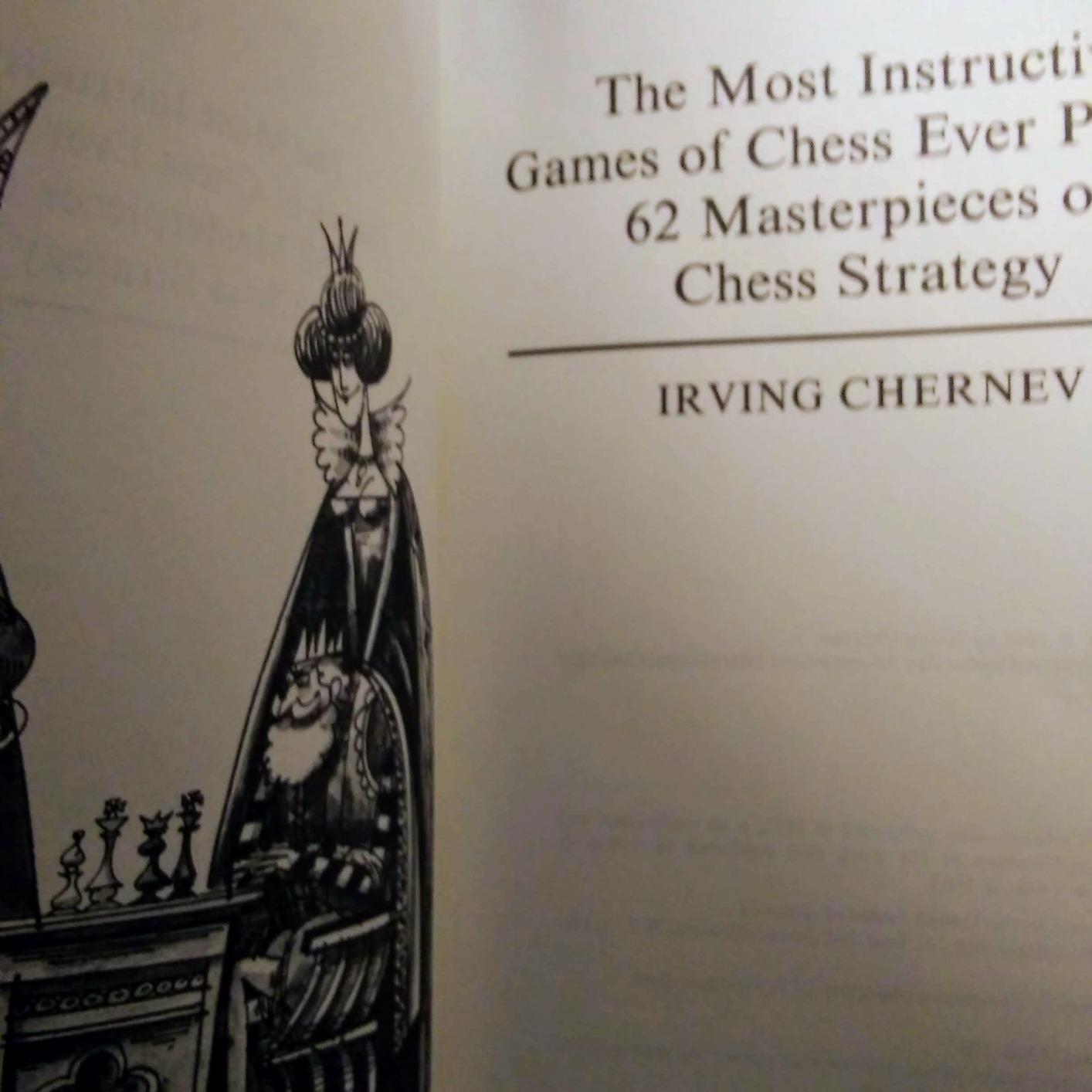
Irving Chernev’s The Most Instructive Games of Chess Ever Played contains 62 annotated grandmaster games selected specifically for their teaching value. Each game comes with a memorable vignette title that captures the strategic theme. This literary touch makes the games stick in students’ minds long after they finish reading.
What I love about this book for coaching is how Chernev focuses on ideas rather than endless variations. His analysis is written in prose, not computer notation. Students learn why moves were played through storytelling rather than calculation trees. For students who find dense variation-based annotation intimidating, this book is a breath of fresh air.
The games cover a wide range of strategic themes from classical players like Capablanca, Alekhine, and Tarrasch. These are timeless games that teach universal chess principles that apply regardless of opening theory changes.
Who should use this book
Coaches working with beginners and intermediate players who want to introduce annotated game study will find this collection ideal. The literary commentary style makes the games engaging and memorable. Each game can serve as a standalone lesson on a specific strategic theme.
What to watch out for
The biggest drawback is the use of descriptive notation instead of algebraic. Most younger students have never learned descriptive notation, so coaches will need to either teach the notation or convert the games before lessons. The reprint quality is also mediocre, with some diagrams appearing slightly fuzzy.
15. The Chess Tactics Workbook 5th Edition – Coach-Approved Puzzle Drills
The Chess Tactics Workbook 5th Edition
5th Edition
Progressive Difficulty
Loyd Trios
Coach recommended
Pros
- Starts easy and gets moderately harder
- Solutions in the back
- Goes from beginner to advanced
- Lots of puzzles in each category
- Recommended by chess coaches and masters
Cons
- Lack of space for writing answers
- Minor typographical errors
- Self-published quality
The Chess Tactics Workbook has been recommended by USCF Online League managers and former state champions for good reason. It starts with easy puzzles and progressively increases in difficulty, taking students from beginner to intermediate tactical proficiency. The fifth edition has been refined based on years of coaching feedback.
What makes this workbook distinctive is the inclusion of Loyd Trios, classic puzzle compositions by Sam Loyd that help new players grasp tactical themes. These three-puzzle sets build on each other, reinforcing pattern recognition in a structured way. My students find the Trios both fun and instructive.
The solutions in the back allow for self-study between coaching sessions. I assign specific pages for homework and then review the problems students found most challenging during the next lesson. The large workbook format makes the diagrams easy to see.
Who should use this book
Coaches who want a structured, progressive tactics curriculum will find this workbook provides a clear path from beginner puzzles to intermediate challenges. It is especially good for coaches running after-school chess programs where students need material they can work through independently during practice time.
What to watch out for
Being a self-published workbook, the production quality is not at the level of major publishers. There are minor typographical errors and formatting inconsistencies throughout. Coaches should work through the puzzles themselves before assigning them to catch any issues. The lack of writing space next to diagrams means students may need separate paper for notes.
Buying Guide: How to Choose Chess Books for Coaching
Choosing the right chess books for your coaching practice depends on several factors: your students’ skill levels, your teaching style, and how you plan to integrate books into your lessons. Here is what I have learned after years of matching books to students.
Match Books to Student Rating Ranges
The most common mistake coaches make is giving students books that are too advanced. A book rated for 1800+ players will frustrate a 1200-rated student and kill their motivation. Use these guidelines when selecting books for your students.
For beginners rated under 1000, start with Rozman’s How to Win at Chess or Chernev’s Logical Chess: Move By Move. These books assume minimal prior knowledge and build understanding from the ground up. For intermediate students rated 1000-1600, Silman’s Complete Endgame Course, Tactics Time!, and Winning Chess Tactics provide the right level of challenge. Advanced students rated 1600+ should work with How to Reassess Your Chess, 100 Endgames You Must Know, and Chess Strategy for Club Players.
Build a Progressive Curriculum
Effective chess coaching follows a logical progression. I recommend this book order for most students: start with a comprehensive beginner book, then add a tactics workbook for daily drilling, followed by a strategy book once tactical fundamentals are solid, and finally an endgame manual that matches their rating level.
The best chess books for coaches are the ones that provide structured exercises you can assign as homework. Books like the Chess Exam And Training Guide help you identify exactly where each student needs work, so you can target your lessons rather than guessing.
Consider Your Teaching Format
If you teach group lessons, books with quiz chapters and test positions work well because you can have students work independently and then review together. For private coaching, annotated game collections like Best Lessons of a Chess Coach provide material for interactive discussion. If you run a school program, the Polgar puzzle book gives you enough material for an entire year of classes.
Digital versions work well for students who travel frequently or prefer studying on a tablet. Physical copies are better for coaching sessions where you want to reference specific pages quickly. Some books, like the Silman endgame course, benefit from the physical format because students can see the rating-based structure at a glance.
Integrate Books with Online Practice
Modern coaching should blend book study with online tactical training. I have my students do puzzle rushes on Chess.com alongside their book-based homework. The books teach concepts and pattern recognition in a structured way, while online puzzles provide speed training and variety. Rozman’s book even includes video links, which bridges the gap between book study and digital learning perfectly.
FAQ
What are the best chess books for coaches to recommend?
The top chess books for coaches include Silman’s Complete Endgame Course for endgame instruction, Best Lessons of a Chess Coach for teaching methodology, How to Reassess Your Chess for positional strategy, Tactics Time! for practical tactical training, and Chess: 5334 Problems for a massive puzzle collection. These five books cover the full range of coaching needs from beginner to advanced.
How do I choose chess books for teaching?
Choose chess books based on three factors: your student’s current rating, the specific skill area they need to develop, and how the book fits into your lesson format. For beginners under 1000, use comprehensive introductory books. For intermediate students (1000-1600), focus on tactics and endgame fundamentals. For advanced students (1600+), use positional strategy and theoretical endgame books. Always read a chapter yourself before assigning it to ensure the difficulty matches your student.
What chess books should a chess coach read?
Every chess coach should read Best Lessons of a Chess Coach by Weeramantry for teaching methodology, How to Reassess Your Chess by Silman for positional framework, Silman’s Complete Endgame Course for endgame curriculum structure, and the Chess Exam And Training Guide by Khmelnitsky for assessment tools. These books help coaches develop both their chess knowledge and their teaching skills.
Best chess strategy books for intermediate players?
The best chess strategy books for intermediate players rated 1200-1800 are How to Reassess Your Chess by Jeremy Silman for the imbalances framework, Chess Strategy for Club Players by Herman Grooten for Steinitz-based positional understanding, and The Complete Book of Chess Strategy by Silman as a quick-reference encyclopedia. For coaches teaching intermediate students, start with Grooten for a structured curriculum and add Silman’s Reassess for deeper positional training.
Conclusion
Building a solid chess coaching library does not happen overnight, but starting with the right titles makes all the difference. The best chess books for coaches in 2026 are the ones that give you structured lesson material, diagnostic tools, and exercises your students can work through between sessions. Silman’s Complete Endgame Course, Best Lessons of a Chess Coach, and How to Win at Chess are my top three recommendations because they cover the widest range of coaching needs with the highest quality instruction.
Whether you are a new coach building your first curriculum or an experienced teacher looking to expand your resources, the 15 books on this list provide everything from beginner fundamentals to advanced endgame theory. Pick the two or three that match your students’ current levels, and start integrating them into your lessons this week. Your students’ progress will thank you.