
Board games have changed dramatically since the days of rolling dice and moving tokens around a flat board. The best modern board games for adults combine thoughtful mechanics, gorgeous artwork, and genuine social interaction into experiences that rival any video game or streaming series. Whether you are hosting a weekend game night with friends, looking for a date night activity, or simply wanting to unplug for an hour, there has never been a better time to explore what tabletop gaming has to offer.
Our team spent several weeks playing through 15 of the most acclaimed titles available right now. We tested each game with different group sizes, experience levels, and play sessions to give you honest, firsthand recommendations. From quick 15-minute party games to deep strategy experiences that reward repeated plays, this list covers the full spectrum of what modern board gaming can deliver in 2026.
Before we get into the individual reviews, you can also check out our comprehensive buying guides for more tabletop recommendations across every category. Now, let us start with the three games that stood out above the rest.
Table of Contents
Top 3 Picks for Best Modern Board Games for Adults
Best Modern Board Games for Adults in 2026
| Product | Specifications | Action |
|---|---|---|
 Wingspan Wingspan |
|
Check Latest Price |
 Splendor Splendor |
|
Check Latest Price |
 Codenames (2nd Edition) Codenames (2nd Edition) |
|
Check Latest Price |
 CATAN (6th Edition) CATAN (6th Edition) |
|
Check Latest Price |
 Pandemic Pandemic |
|
Check Latest Price |
 Azul Azul |
|
Check Latest Price |
 Ticket to Ride (2025 Refresh) Ticket to Ride (2025 Refresh) |
|
Check Latest Price |
 Cascadia Cascadia |
|
Check Latest Price |
 Secret Hitler Secret Hitler |
|
Check Latest Price |
 Sky Team Sky Team |
|
Check Latest Price |
 Wyrmspan Wyrmspan |
|
Check Latest Price |
 Carcassonne Carcassonne |
|
Check Latest Price |
 7 Wonders (New Edition) 7 Wonders (New Edition) |
|
Check Latest Price |
 The Chameleon The Chameleon |
|
Check Latest Price |
 Harmonies Harmonies |
|
Check Latest Price |
1. Wingspan – The Gold Standard of Modern Board Game Design
Stonemaier Games: Wingspan by Elizabeth Hargrave
1-5 Players
70 Min Play Time
Ages 10+
Drafting and Engine-Building
Pros
- 170 unique bird cards with stunning artwork
- Automa solo mode works brilliantly
- Kennerspiel des Jahres 2019 winner
- Plays well at any player count 1-5
Cons
- Moderate learning curve for new players
- Game can end before your engine gets going
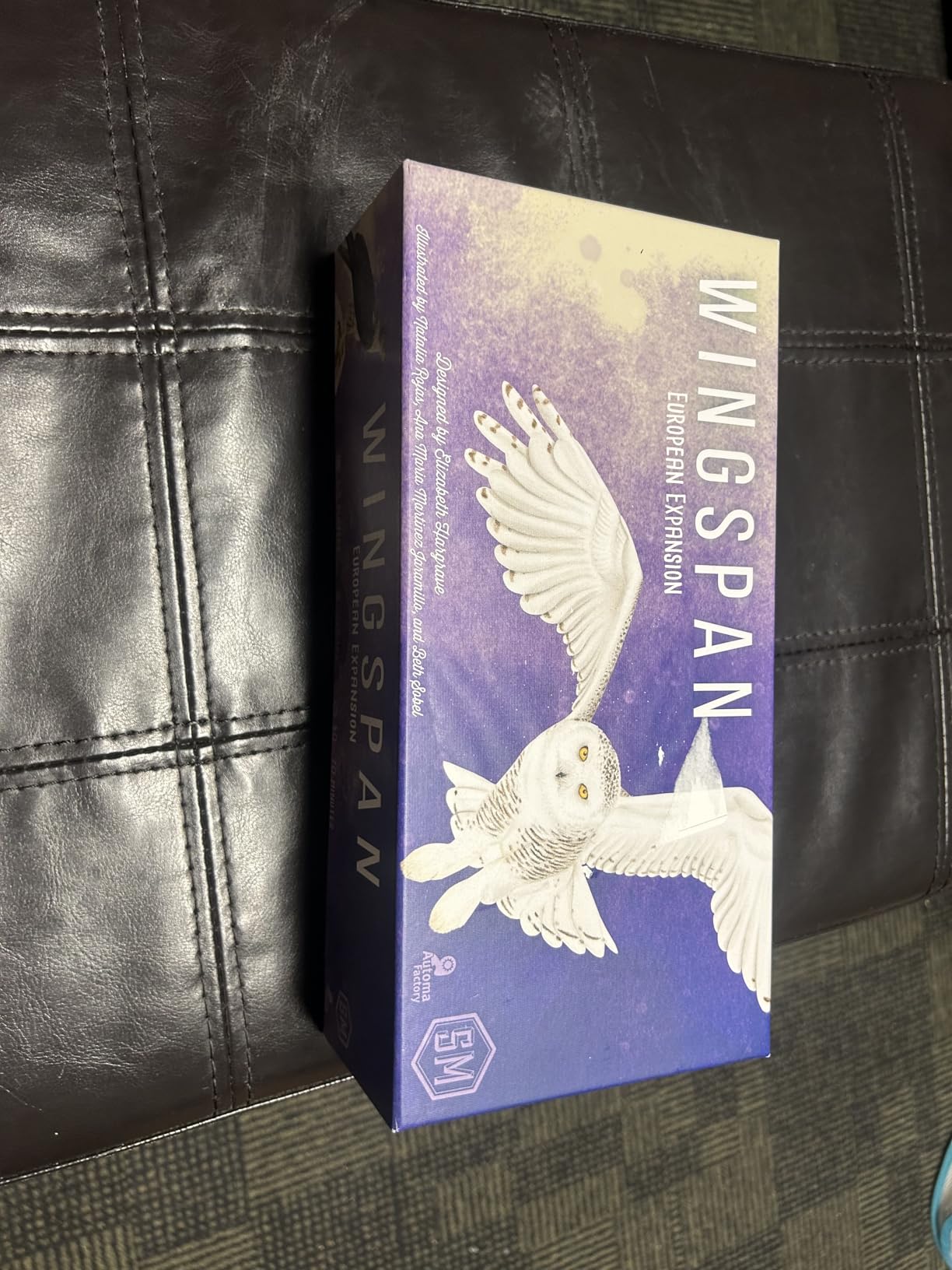
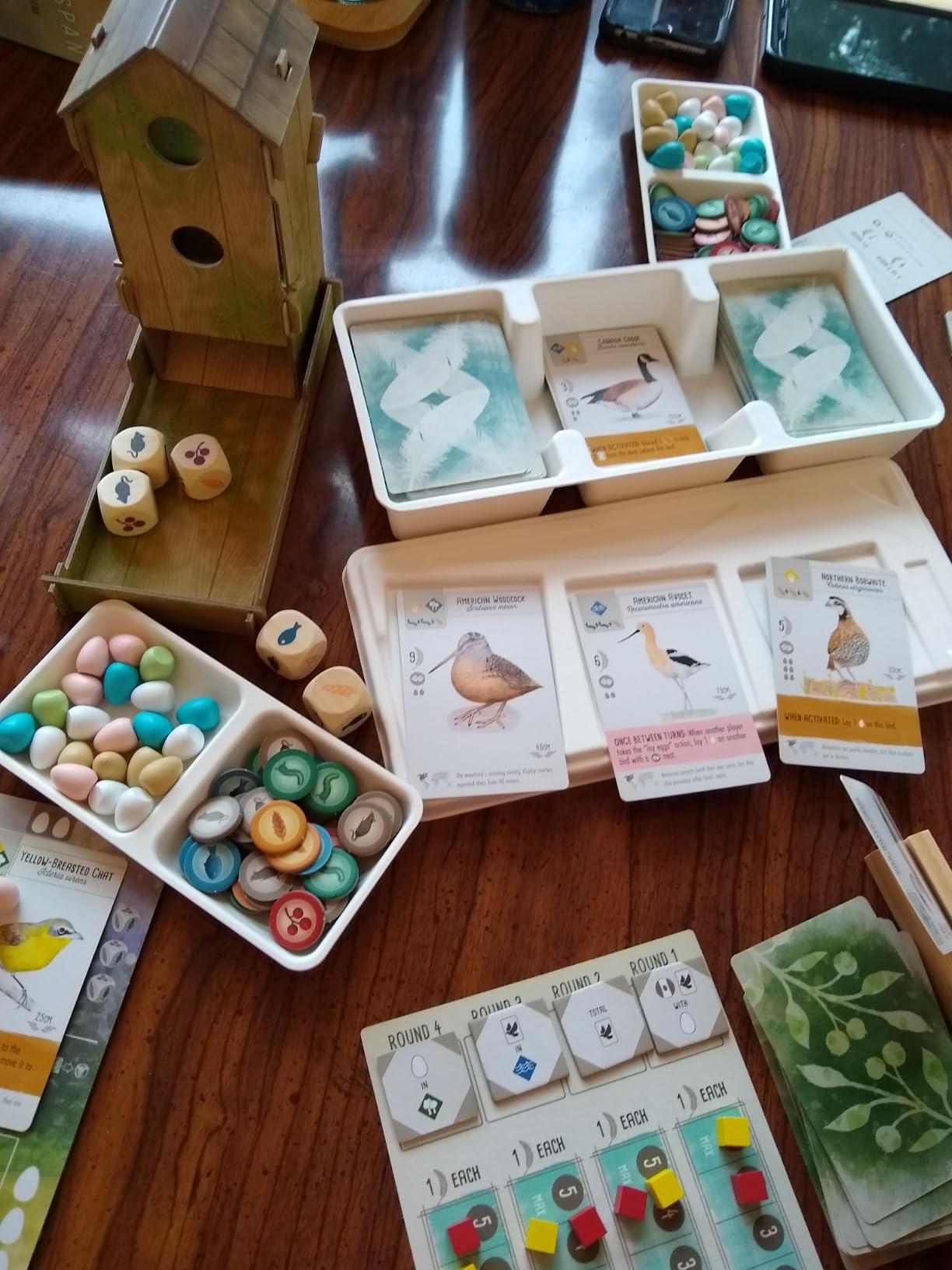
I brought Wingspan to our last three game nights, and every single session ran longer than planned because people kept asking for one more round. There is something genuinely satisfying about building a bird sanctuary engine where each card you play makes your next turn more powerful. The custom dice tower shaped like a birdfeeder is a small detail that makes the physical experience feel premium.
The game accommodates 1 to 5 players, which makes it one of the most versatile titles on this list. In solo mode, the Automa system provides a capable automated opponent that keeps you on your toes. With a full group of five, the card drafting becomes more competitive as you race to grab the birds that complete your habitat goals.
Each bird card features original artwork that our group constantly commented on. After playing roughly two dozen rounds, I am still discovering new card combinations and strategies I had not considered. The five custom wooden dice, 75 egg miniatures, and 103 food tokens all feel solid in your hands. Setup takes about 10 minutes, and the rulebook is well organized for quick reference.
The main drawback is that your first playthrough will feel slow as everyone learns the iconography on the bird cards. Some players also feel frustrated when the game ends just as their engine starts producing big turns. If you enjoy games where planning three turns ahead pays off, Wingspan rewards that patience beautifully.
Who should add Wingspan to their collection
Wingspan is ideal for players who enjoy engine-building games where you create something satisfying over the course of the session. It works particularly well for couples who want a strategy game they can play together on a quiet evening. If your group values beautiful components and a relaxed competitive atmosphere over direct conflict, this is the one to get.
Who might want to skip Wingspan
If your group prefers direct player interaction, trading, or combat, Wingspan may feel too solitary. The game is largely multiplayer solitaire with light competition for shared bird cards and goal tiles. Players who want quick 20-minute sessions should also look elsewhere since even experienced groups typically need 60 to 90 minutes.
2. Splendor – Fast-Paced Gem Trading with Serious Strategy
Asmodee Splendor Gem Trading Strategy Board Game, 2-4 Players
2-4 Players
30 Min Play Time
Ages 10+
Engine-Building Strategy
Pros
- Rules explained in under 5 minutes
- Heavy poker-style chips feel premium
- Excellent gateway game for new players
- Scales perfectly from 2 to 4 players
Cons
- Theme feels pasted on to some players
- Plastic chips instead of heavier premium tokens
Splendor is the game I hand to people who say they do not like board games. Within three turns, everyone at the table understands exactly what they are doing and starts making genuinely strategic decisions. The core loop is simple: collect gem tokens, buy development cards, and attract noble patrons for bonus points. But the timing of when you buy versus save creates real tension.
The poker-style gem tokens are heavy and satisfying to stack. Our group has a running joke about the “gem hoarder” strategy where someone quietly amasses chips before making a big purchasing run. At 30 minutes per game, Splendor fits perfectly into a weeknight without requiring the commitment of a longer strategy game.

With nearly 15,000 reviews and a 4.9 rating, Splendor has earned its reputation as one of the most reliable modern board games for adults. The 90 development cards and 10 noble tiles provide enough variety that you will not see the same game twice for dozens of plays. I have played over 40 rounds and still find new tactical paths to victory.
The only real criticism I have is thematic. You are supposedly a Renaissance gem merchant, but nothing about the gameplay reinforces that narrative. Some players also wish the tokens were heavier resin or metal rather than plastic. Neither issue affects the quality of the gameplay itself, which remains tight and engaging every time.

Ideal players for Splendor
Splendor shines brightest as a gateway game for people new to modern tabletop gaming. If you want something easy to teach that still offers meaningful decisions, this is your best bet. It is also perfect for couples since the 2-player mode feels just as tense and competitive as a full 4-player session.
When to look elsewhere
If you want deep narrative immersion or rich thematic gameplay, Splendor keeps its mechanics front and center. The game also maxes out at 4 players, so larger groups will need to split up or pick a different title.
3. Codenames (2nd Edition) – The Party Game That Actually Makes You Think
CGE Codenames Board Game (2nd Edition)
4-8+ Players
15 Min Play Time
Teen+
Word Association Party Game
Pros
- Quick to learn with near-infinite replay value
- Works for intimate groups or large parties
- 89 percent five-star ratings from 29k+ reviews
- New edition with revised words and better storage
Cons
- Requires minimum 4 players
- Spymaster downtime can slow the pace
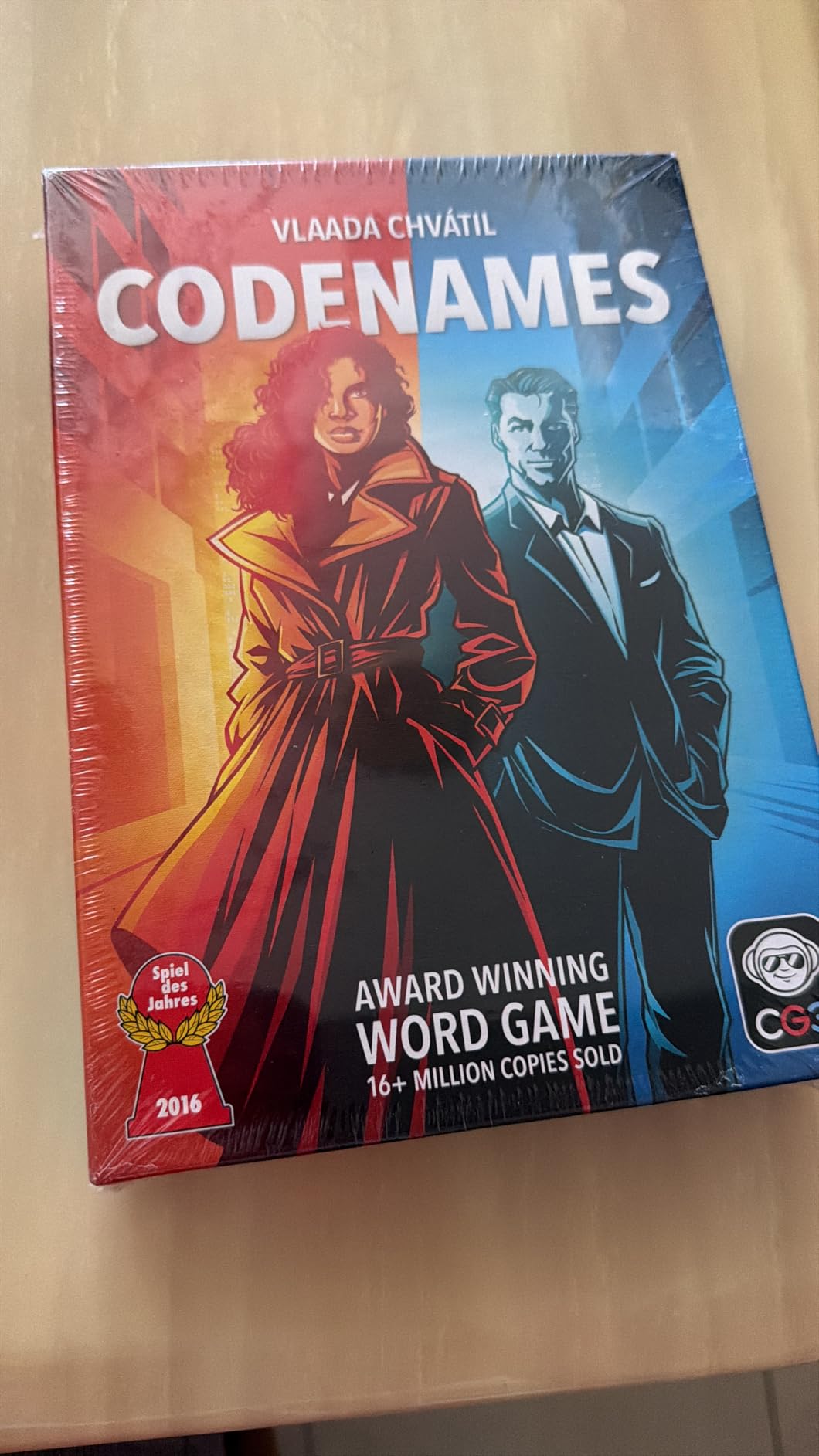
Codenames is the only game on this list that I have played successfully with everyone from my college friends to my parents to coworkers at a team retreat. The premise is brilliantly simple: two spymasters give one-word clues to help their teammates identify the correct agents from a 5-by-5 grid of words, while avoiding the assassin card that instantly ends the game.
The 2nd edition brings revised word choices, refreshed artwork, a better box insert, and a streamlined rulebook. With 200 cards containing 400 codenames, the replay value is enormous. Our group has played easily 50 rounds and barely scratched the surface of possible word combinations.
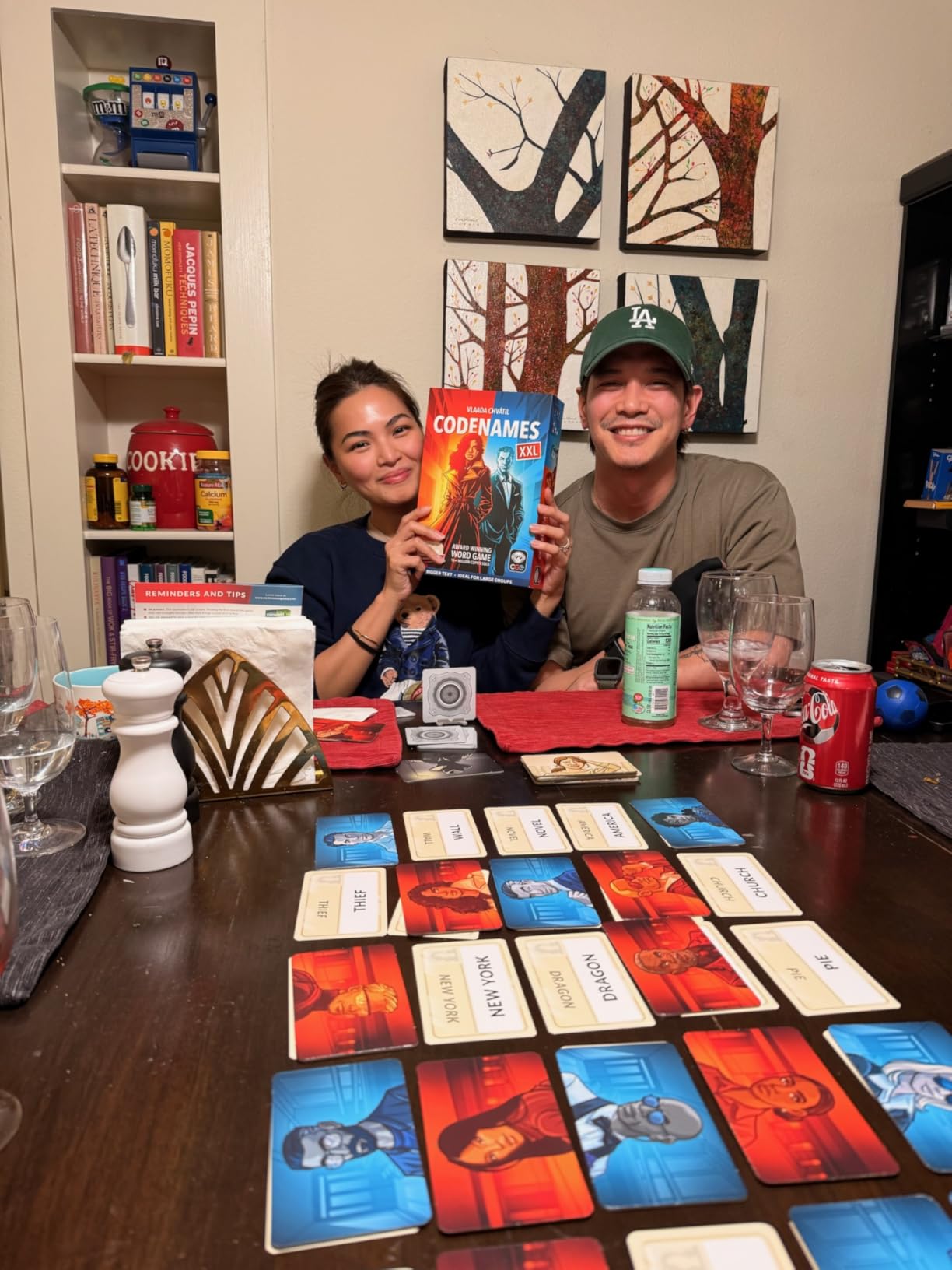
What makes Codenames special is how it rewards creative thinking. A spymaster might say “light: 3” to connect “lamp,” “star,” and “bulb,” but a teammate could confidently point to “electricity” instead. Those moments of miscommunication and brilliant insight are what keep people coming back. Games run about 15 minutes, so even a failed round feels like a warm-up rather than a waste.
The only downside is that you need at least 4 people, and the experience really improves with 6 or more. The spymaster role also involves long stretches of silent thinking while the other team takes their turn. With the right group, those pauses become part of the tension. With an impatient group, they can drag.
Best situations to play Codenames
Codenames excels at parties, team-building events, and any gathering where you want an activity that gets everyone talking and laughing together. If you regularly host groups of 6 or more, this should be in your collection. It also works surprisingly well over video calls if you point a camera at the grid.
When Codenames might not fit
If you primarily play with just one other person, Codenames simply does not work as a 2-player game. Non-native English speakers may also find the word associations challenging depending on their fluency level.
4. CATAN (6th Edition) – The Classic That Started the Modern Board Game Revolution
CATAN Board Game (6th Edition) Trade, Build & Settle in the Classic Strategy Game for Family, Kids & Adults, Ages 10+, 3-4 Players, 60-90 Min Playtime
3-4 Players
60 Min Play Time
Ages 10+
Resource Trading Strategy
Pros
- Modular hexagonal board creates unique games every time
- Sixth edition with refined components
- Nearly 40k reviews prove lasting appeal
- Simple rules with deep strategic trading
Cons
- Some edition compatibility issues with older expansions
- Player elimination mechanics can frustrate some groups
CATAN is the game that introduced millions of people to modern board gaming, and the new 6th Edition keeps everything that made the original great while refreshing the components. Trading sheep for ore with your friends creates negotiation dynamics that no other game on this list replicates quite as well. Every settlement placement and road extension feels consequential because resources are scarce and contested.
The modular hexagonal board means the island layout changes every game, which keeps even your hundredth playthrough feeling fresh. Our group has been playing CATAN for years, and the sixth iteration is the best version yet. The 96 wooden player pieces are colorful and durable, and the resource cards have been updated with clearer iconography.

With nearly 40,000 reviews, CATAN remains one of the most popular strategy board games for adults in the world. The rules are approachable enough that you can teach new players in about 10 minutes, but the trading and spatial strategy create enough depth that experienced gamers stay engaged. Games typically run 60 to 90 minutes, which feels just right for the amount of strategic thinking involved.
The main thing to be aware of is that CATAN can produce runaway leaders if dice rolls favor one player early. Some groups also find the robber mechanic creates more frustration than fun. The 6th Edition has some component differences from older versions, so check compatibility if you plan to mix in expansions from previous editions.

Why CATAN belongs on your shelf
If you are building a board game collection from scratch, CATAN is the foundation piece. It teaches essential modern gaming concepts like resource management, spatial planning, and player negotiation in an accessible package. The expansion ecosystem is enormous, with seafaring, city-building, and scenario modules that extend replayability indefinitely.
When to consider alternatives
If you dislike games where luck plays a significant role through dice rolling, CATAN will test your patience. Players who prefer cooperative experiences should look at Pandemic instead. The base game also caps at 4 players, though an expansion kit allows for 5 to 6.
5. Pandemic – The Cooperative Game Where Everyone Wins or Loses Together
Pandemic Cooperative Strategy Board Game, 2-4 Players, 45-60 Min
2-4 Players
45 Min Play Time
Ages 8+
Cooperative Strategy
Pros
- Everyone wins or loses as a team
- Unique specialist roles with distinct abilities
- Variable difficulty through epidemic cards
- Gateway to the acclaimed Pandemic Legacy campaigns
Cons
- One dominant player can take over decision-making
- Random outbreak cards can feel punishing
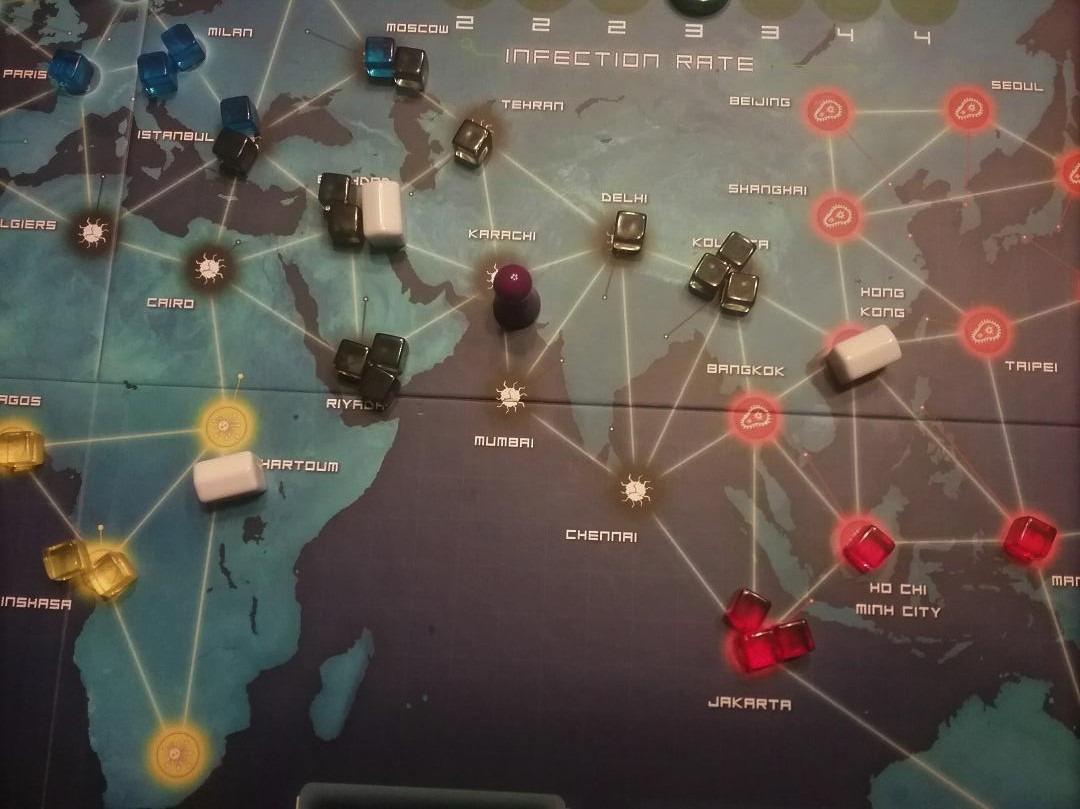
Pandemic flips the typical competitive board game formula on its head. Instead of playing against each other, the entire team works together to cure four diseases spreading across the globe. This cooperative structure makes it one of the best modern board games for adults who want a collaborative rather than competitive experience. I have seen Pandemic turn non-gamers into enthusiastic board game fans after a single session.
Each player takes on a specialist role with a unique ability. The Medic can clear multiple disease cubes in one action, the Scientist needs fewer cards to discover a cure, and the Researcher can share knowledge more efficiently. Figuring out how to combine these abilities effectively is where the real strategy lives.
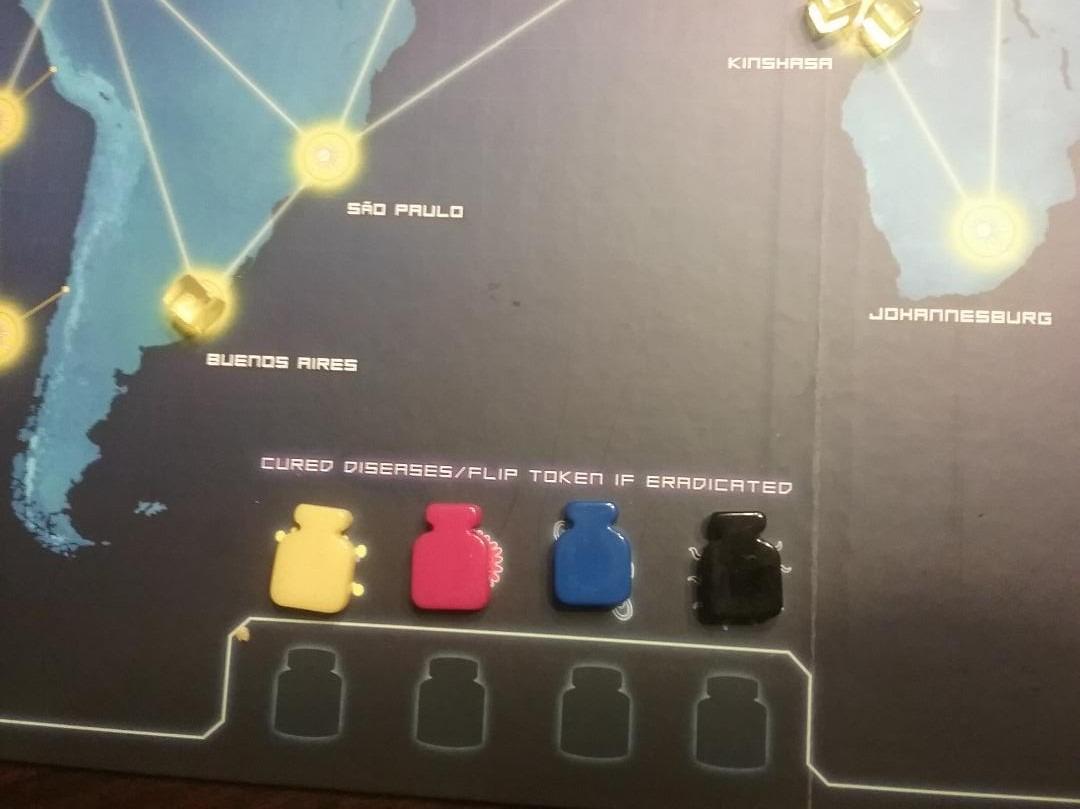
The difficulty scales beautifully by adjusting the number of epidemic cards in the infection deck. With four epidemics, the game is a reasonable challenge for newcomers. Crank it up to six, and even veteran players will sweat. This scalability is part of why Pandemic has remained a best-seller with nearly 19,000 reviews and a 4.8 rating.
The biggest challenge with Pandemic is the alpha player problem. Because everyone shares information openly, one experienced player can end up directing everyone else’s turns. Our group mitigates this by giving each person a minute to plan their own turn before the group discusses. It takes discipline, but it makes the game significantly more enjoyable.
Perfect for cooperative game nights
Pandemic is the top choice for groups who prefer teamwork over competition, families with mixed ages and skill levels, and anyone who wants to try cooperative gaming for the first time. It is also the entry point for the Pandemic Legacy series, which is widely considered one of the greatest board gaming experiences ever created.
Groups that might prefer something else
If your group thrives on direct competition and player conflict, Pandemic’s cooperative nature will feel strange. The game also requires good communication and willingness to collaborate, which can be awkward if one person tends to dominate group decisions.
6. Azul – Stunning Tile Placement with Competitive Edge
Azul Mosaic Tile-Placement Strategy Board Game, 2-4 Players, 30-45 Min
2-4 Players
45 Min Play Time
Ages 8+
Tile Placement Strategy
Pros
- Beautiful high-quality resin tiles
- 2018 Spiel des Jahres winner
- Easy to learn with genuine strategic depth
- Draft and deny mechanics create tension
Cons
- Rule book could be clearer
- Pattern rows can frustrate perfectionist players
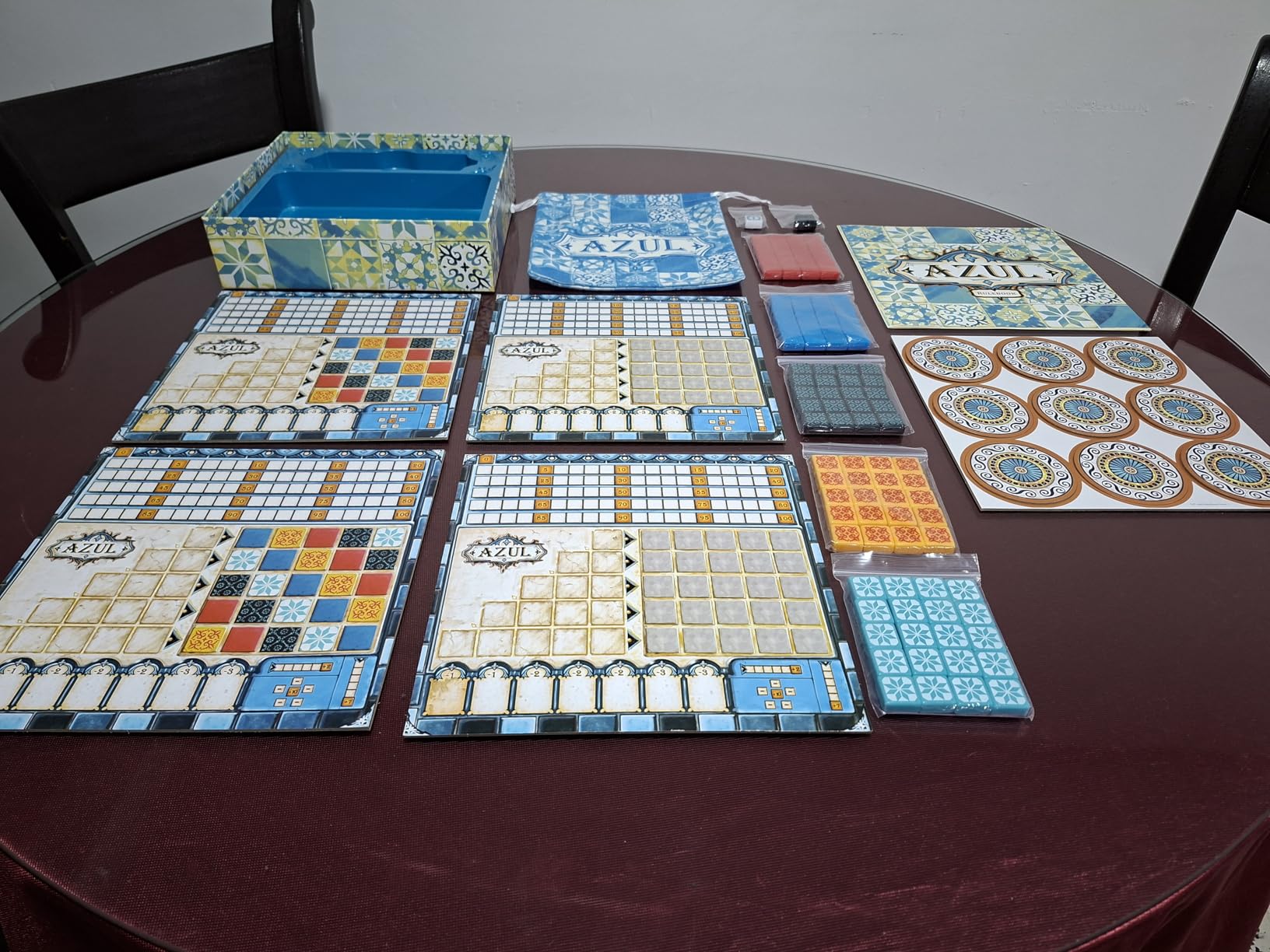
Azul is the game I bring out when I want to impress someone with how far board games have come. The resin tiles have a satisfying weight and clink when you scoop them from the factory displays. Inspired by Portuguese mosaic art, the game asks you to draft tiles and complete pattern rows on your personal board, but every tile you take is one your opponents cannot have.
The drafting phase creates genuine tension because you are simultaneously building your own mosaic and denying your opponents the colors they need. I have seen friendships tested when someone grabs the last blue tile from a factory display. That competitive edge elevates Azul above a simple puzzle game into something genuinely strategic.
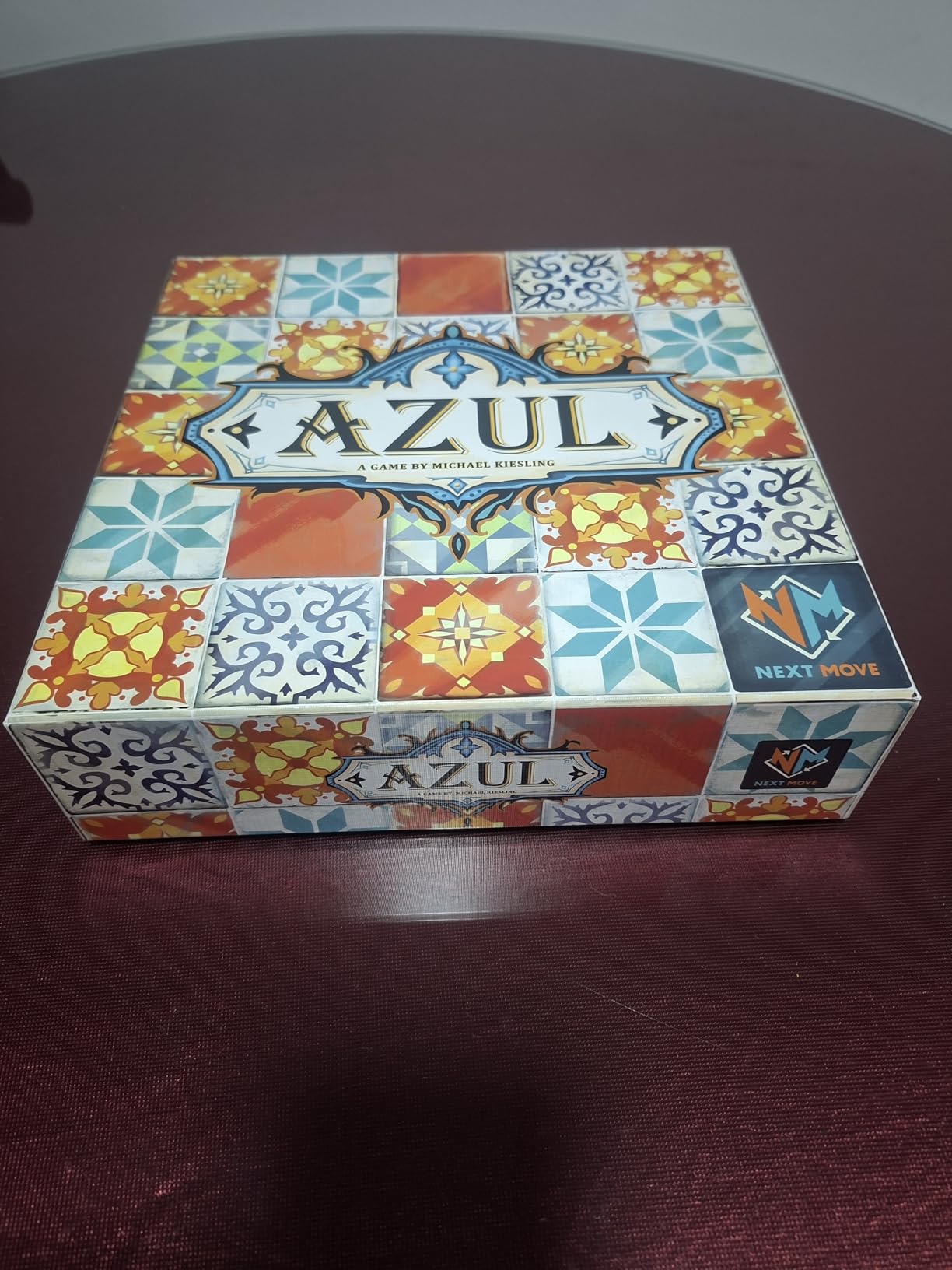
Winning the 2018 Spiel des Jahres award confirmed what players already knew: Azul is something special. The game plays in about 45 minutes, which is long enough for meaningful decisions but short enough to avoid fatigue. With 2 players, the drafting becomes intensely tactical. With 4 players, the competition for tiles creates a more chaotic and unpredictable experience.
The only real complaints from our group concerned the rulebook, which explains the basic mechanics clearly but leaves some edge cases ambiguous. Also, players who dislike point penalties may find the floor-line scoring punishing, especially when forced to take tiles they cannot use.
When Azul is the right choice
Azul is perfect for players who enjoy visual, tactile games where the physical components are part of the appeal. It works beautifully as a 2-player strategy game for couples and scales well to 4 players for game night. If you like games that are easy to teach but difficult to master, this is an outstanding pick.
When Azul might not work
Players who want deep narrative themes or complex rule systems should look to heavier strategy games. Azul is also not ideal for groups larger than 4, and the math-based scoring might turn off players who prefer more social or party-style experiences.
7. Ticket to Ride (2025 Refresh) – Cross-Country Train Adventure, Reimagined
Asmodee Ticket to Ride Board Game (2025 Refresh) – A Cross-Country Train Adventure for Friends and Family, Strategy Game for Kids & Adults, Ages 8+, 2-5 Players, 30-60 Minute Playtime
2-5 Players
60 Min Play Time
Ages 8+
Route-Building Strategy
Pros
- Beautiful miniature plastic trains in 5 colors
- Giant North American map board
- Multiple victory paths through routes and tickets
- Easy to learn with strategic route planning
Cons
- Less cutthroat than some competitive players prefer
- Limited direct player interaction beyond route blocking
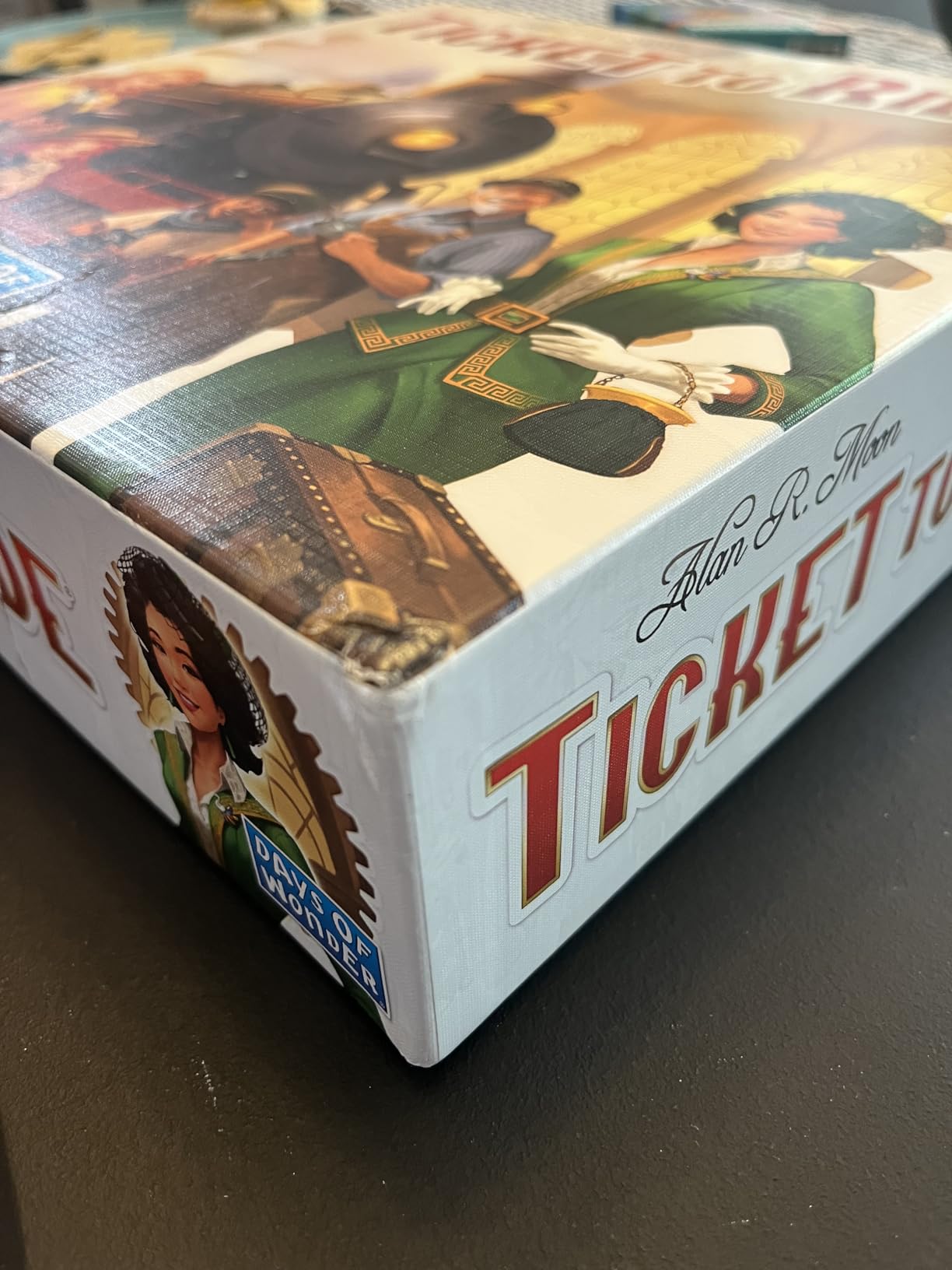
Ticket to Ride has been a gateway game staple for over a decade, and the 2025 Refresh edition brings updated components without changing the formula that made it a classic. Players collect train cards to claim railway routes across North America, completing destination tickets for points while competing for the longest continuous path bonus.
The new edition features 225 plastic trains in 5 colors that are detailed and satisfying to place on the board. The map of North America is large and clear, making route planning a visual pleasure. I played the refresh with a group that included two people who had never touched a modern board game, and both were making strategic route decisions within their first turn.
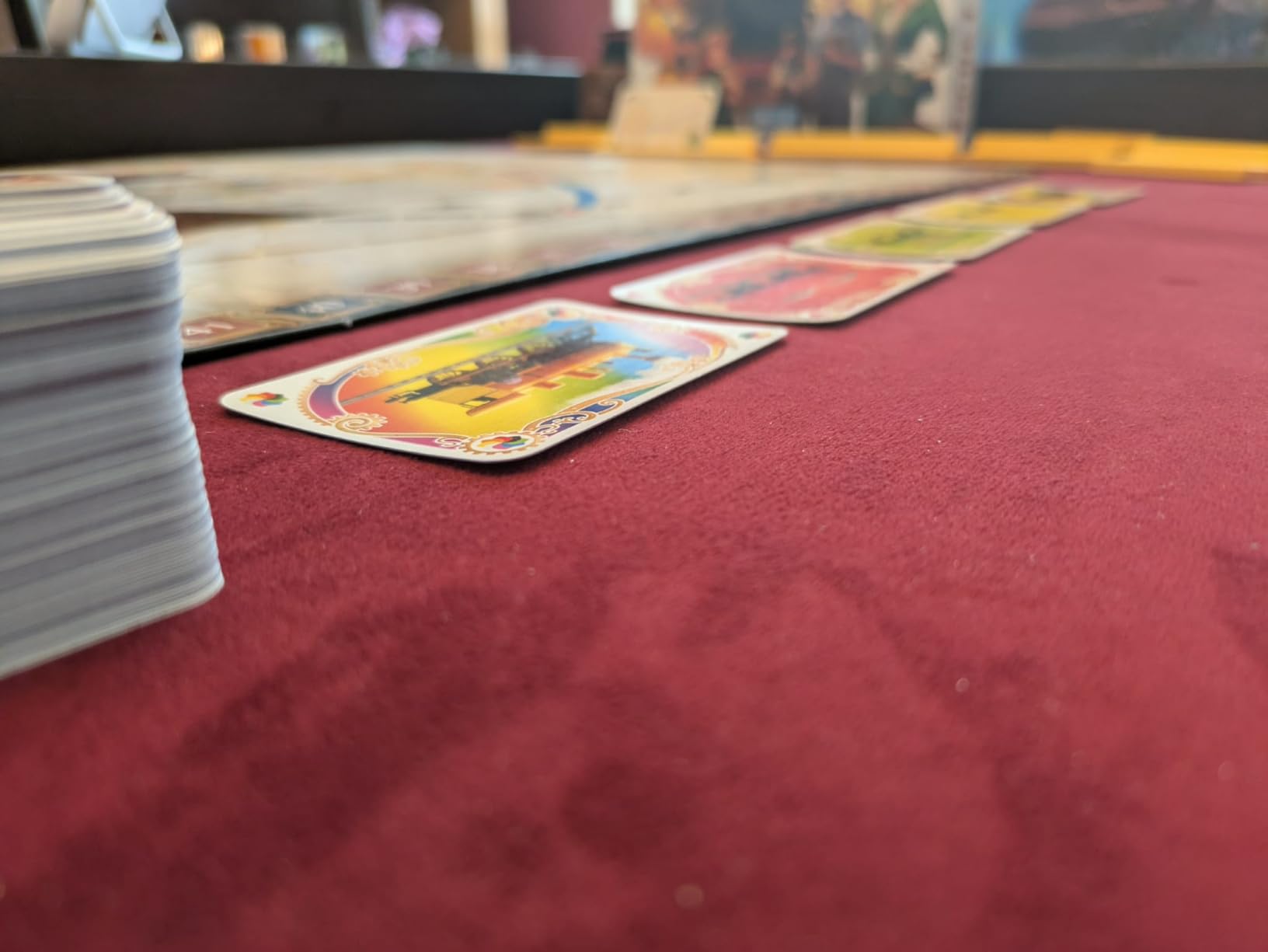
The strategic tension in Ticket to Ride comes from timing. Do you grab the route you need now, or do you collect more cards hoping for a longer, more valuable connection? When someone claims a route you were building toward, the pivot to an alternate path creates genuine problem-solving moments. The game accommodates 2 to 5 players and typically finishes in about an hour.
The main critique is that Ticket to Ride avoids direct conflict. You cannot attack other players or steal their resources. The only interaction is route blocking, which can feel mild compared to games with trading or combat mechanics. For some groups, that relaxed atmosphere is exactly what they want.
Who will love Ticket to Ride
Families, casual gamers, and anyone introducing friends to modern board games will find Ticket to Ride welcoming and rewarding. It also doubles as a light geography lesson, which parents appreciate. If you want a strategy game that generates conversation rather than arguments, this is an excellent choice.
Who might want more
Hardcore strategy gamers may find Ticket to Ride too light after a dozen plays. If your group thrives on negotiation, betrayal, or combat mechanics, you will likely prefer titles like CATAN or Secret Hitler.
8. Cascadia – Award-Winning Nature Puzzle with Relaxing Gameplay
Cascadia, Award-Winning Cozy Nature Board Game Set in the Pacific Northwest
1-4 Players
30 Min Play Time
Ages 10+
Tile and Token Placement
Pros
- 2022 Spiel des Jahres Game of the Year
- 100 deluxe wooden wildlife tokens
- Teach in 2 minutes and play in 15-30
- Multiple scoring cards create high replayability
Cons
- Can feel repetitive after many plays
- Eagle scoring rules cause occasional confusion
Cascadia won the 2022 Spiel des Jahres for good reason. It is the most relaxing game on this list, but that does not mean it lacks substance. Each turn, you select a habitat tile and wildlife token pair to build your personal Pacific Northwest ecosystem. The spatial puzzle of creating contiguous forest corridors, river networks, and mountain ranges is genuinely satisfying.
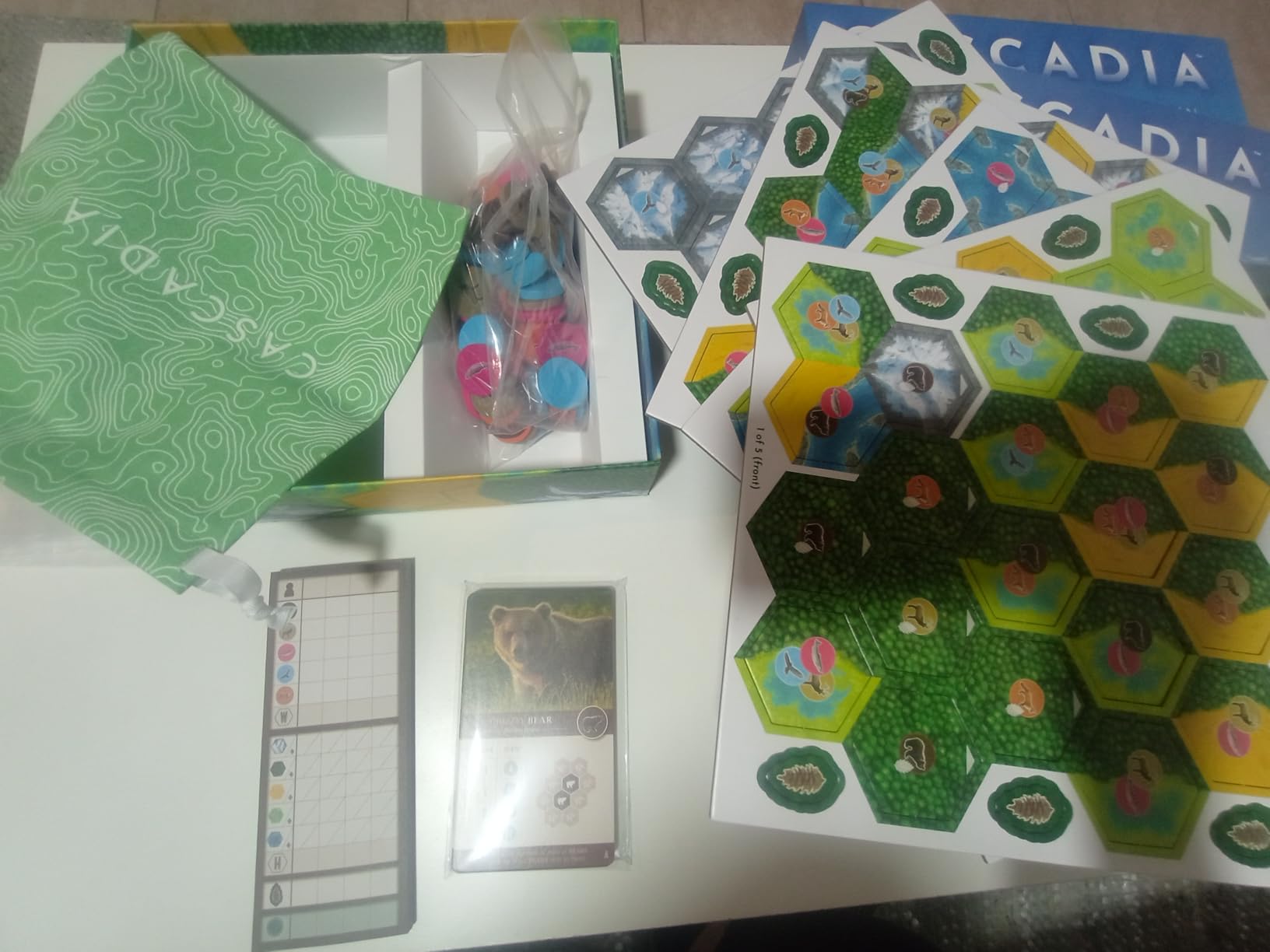
The 100 wooden wildlife tokens are beautifully crafted. Bears, elk, hawks, foxes, and salmon each have distinct scoring rules that change based on which wildlife scoring cards are in play. Our group found the game teachable in about 2 minutes, with most rounds finishing in under 30 minutes even with 4 players.
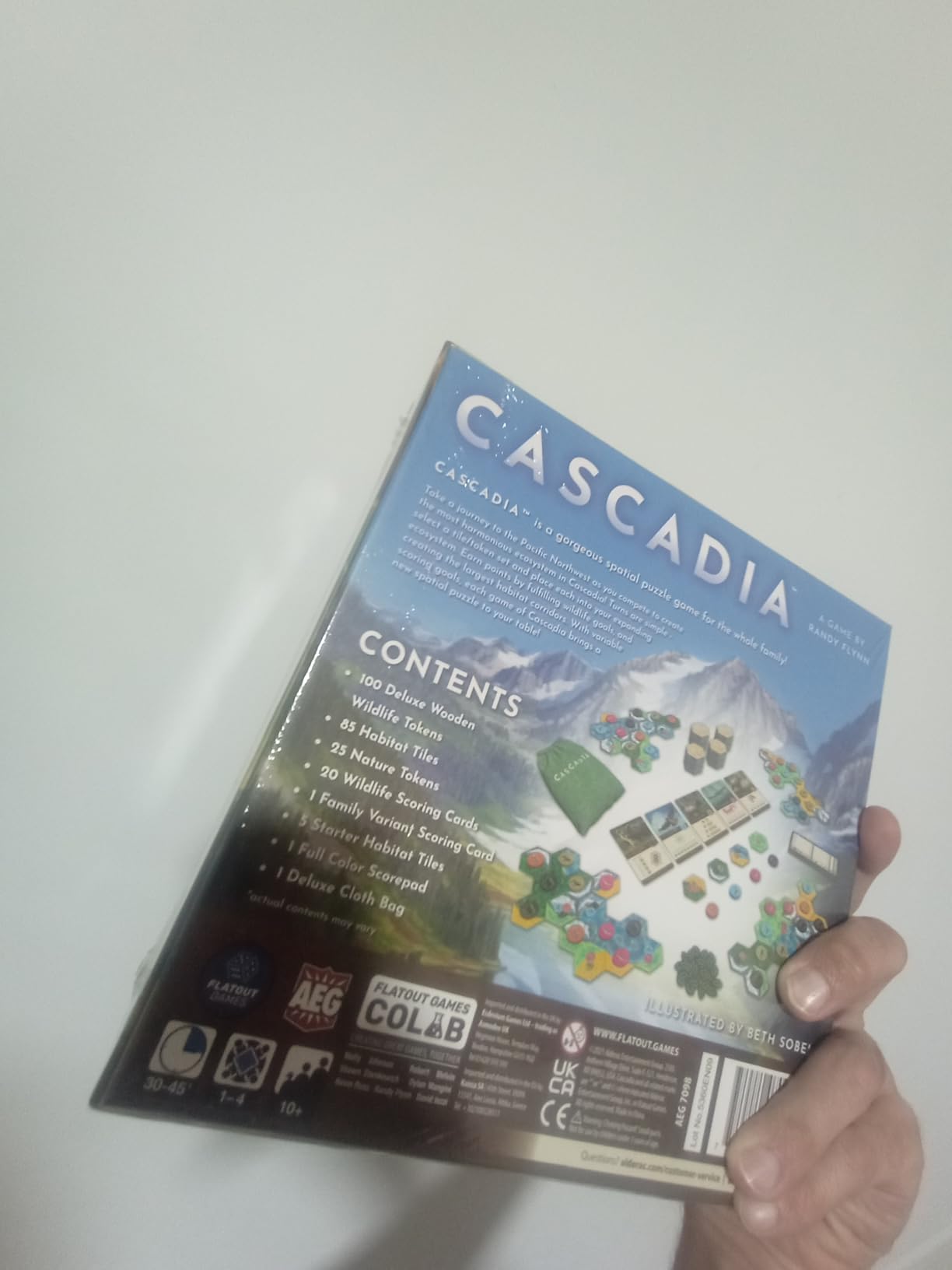
What impressed me most about Cascadia is how the scoring variety keeps it fresh. With 20 different wildlife scoring cards, the optimal strategy shifts dramatically from game to game. One session might reward long salmon rivers, while the next values clustered bear pairs. That variability prevents the game from becoming formulaic even after 20 or more plays.
The primary limitation is that Cascadia is fundamentally a puzzle with light player interaction. You share the same pool of tiles and tokens, but everyone builds their own landscape independently. Some players also found the eagle scoring rules ambiguous until we checked the official FAQ online.
When Cascadia is the perfect pick
Cascadia is ideal for players who want a calm, thoughtful game that does not generate conflict or hurt feelings. It works beautifully as a wind-down game after a more intense strategy session. Solo players will also enjoy the single-player mode, which is surprisingly engaging.
When Cascadia may not satisfy
If your group wants high interaction, bluffing, or negotiation, Cascadia will feel too solitary. Competitive players who thrive on denying opponents resources may find the shared drafting pool too indirect for their taste.
9. Secret Hitler – Deception and Drama for Large Groups
Secret Hitler
5-10 Players
45 Min Play Time
Adult
Social Deduction Party Game
Pros
- Beautiful wooden components with foil inlay
- Deep social deduction with hidden roles
- High replayability through player dynamics
- Excels with 7 or more players
Cons
- Needs at least 5 players and shines with 7+
- Political theme may be sensitive for some groups
Secret Hitler creates more dramatic moments than any other game on this list. Players are secretly divided into liberals and fascists, with one player serving as Hitler. The liberals try to pass progressive policies while the fascists work to install their leader. The accusation, denial, and revelation phases produce genuine surprises every single game.
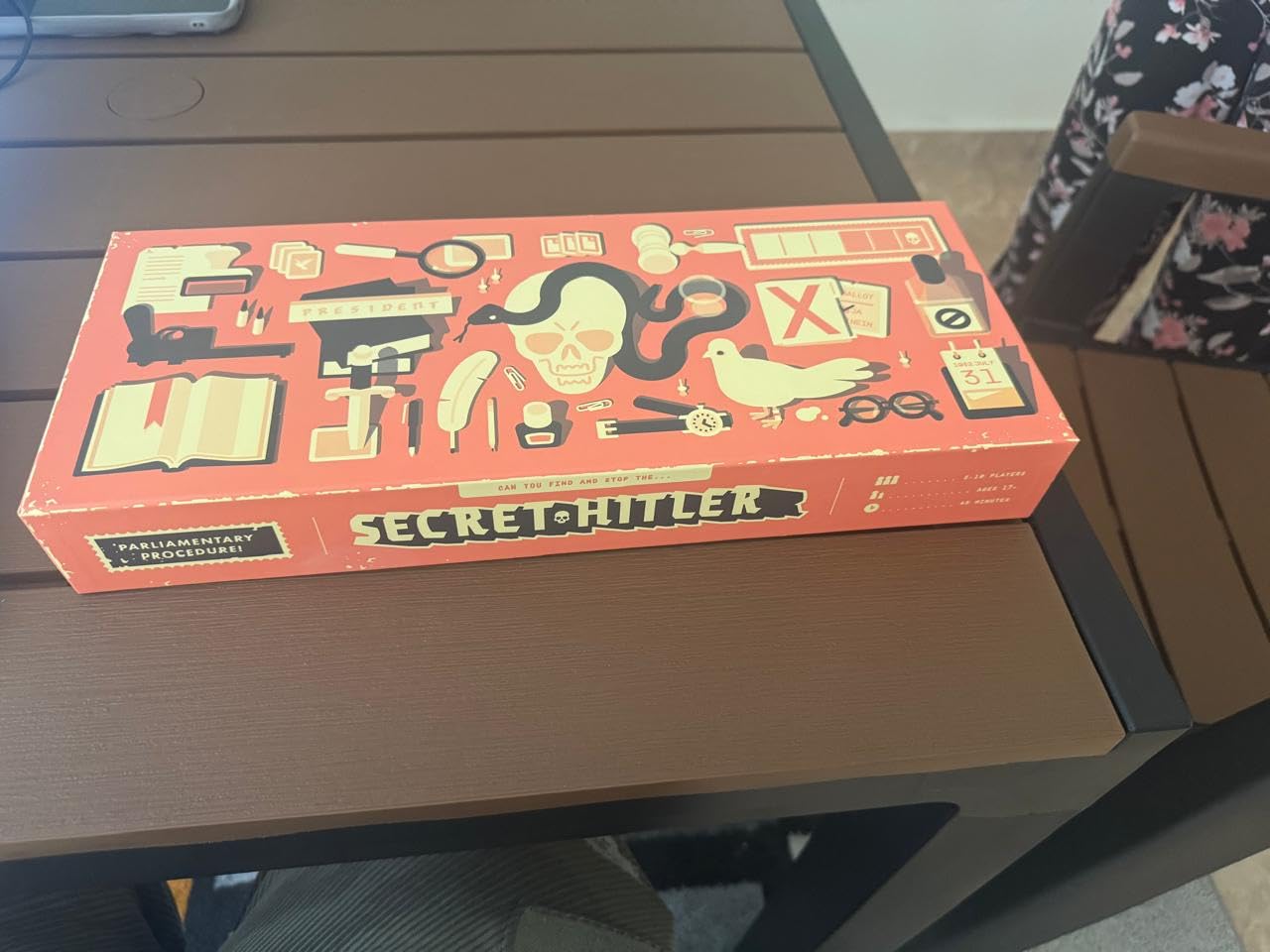
The physical components are outstanding. Solid wooden boards with foil inlay, thick card stock, and secret envelopes for distributing roles all contribute to a premium feel. Our group of eight had the most intense, laughter-filled game night we have had in months when we played this for the first time.
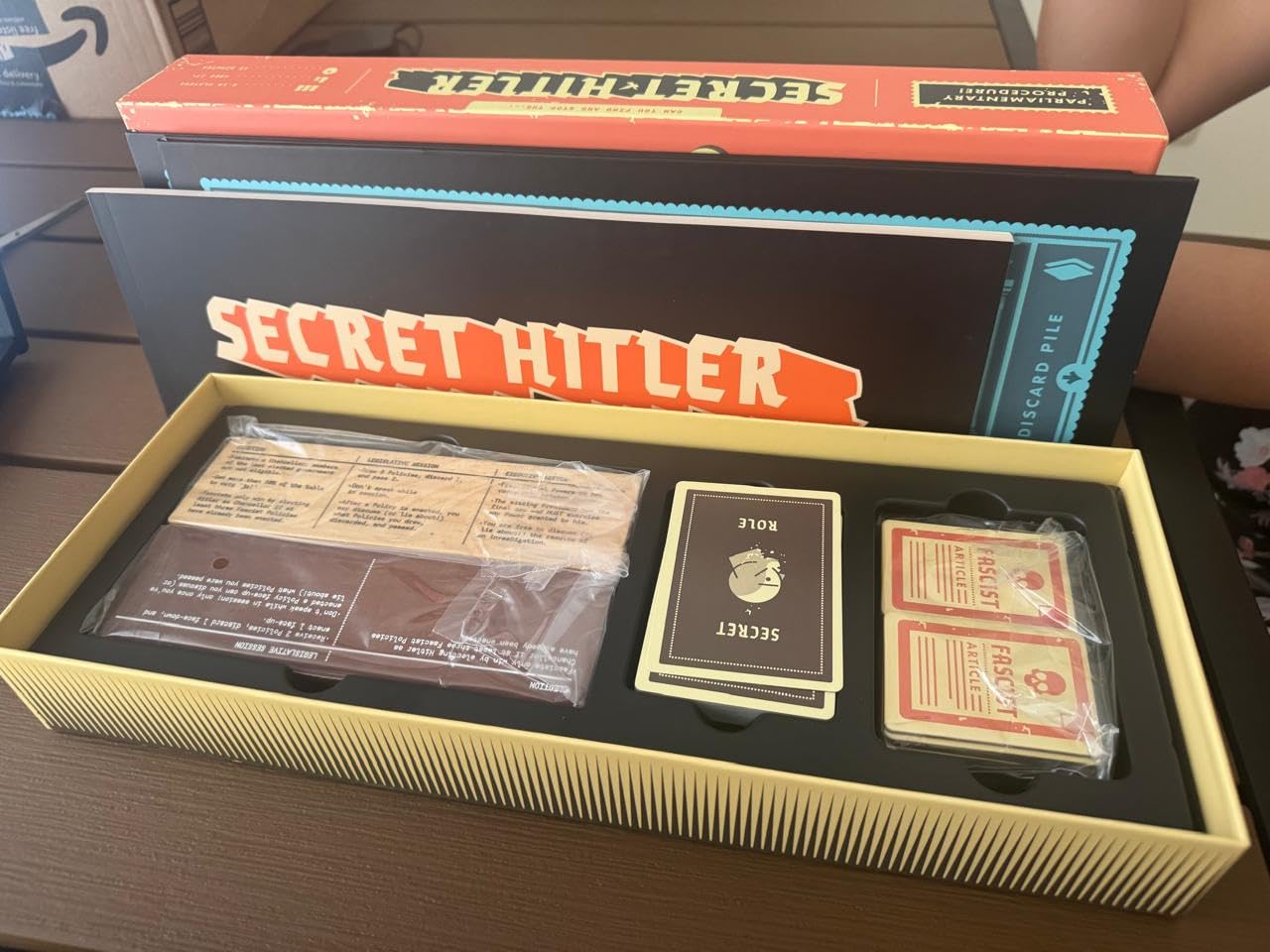
With nearly 15,000 reviews and a perfect 4.9 rating, Secret Hitler has earned its reputation as one of the best party board games for adults. The game accommodates 5 to 10 players, but I strongly recommend playing with at least 7. The social dynamics become exponentially more interesting as more people join the table, creating layers of suspicion and alliance that smaller groups cannot match.
The political theme is the elephant in the room. The game uses a 1930s political framework that some groups may find uncomfortable. Our group treated it as historical fiction and had no issues, but it is worth knowing going in. Also, players who prefer logical deduction over social bluffing may find the experience frustrating rather than fun.
Perfect groups for Secret Hitler
Secret Hitler shines with groups of 7 to 10 who enjoy arguing, bluffing, and social deduction. If your game nights regularly include large gatherings, this provides more entertainment per minute than almost anything else available. It is also fantastic for breaking the ice with people who do not know each other well.
When to pick a different game
If you usually play with 4 or fewer people, Secret Hitler simply will not work. Groups sensitive to political themes should consider The Chameleon instead. Players who prefer calculated strategy over social manipulation may want to stick with titles like Wingspan or Azul.
10. Sky Team – The Best 2-Player Cooperative Experience Available
Sky Team | Work Together to Land the Plane | Ages 12+ | 2 Players
2 Players Only
20 Min Play Time
Ages 14+
Cooperative Dice Game
Pros
- 2024 Game of the Year winner
- Limited communication creates real tension
- 20 different airport scenarios
- Solo variant with Automa rules
Cons
- Rules can feel complicated at first
- Dized app recommended for best tutorial experience
Sky Team is unlike anything else on this list. You and your co-pilot must land a commercial airplane by rolling dice in secret and placing them on a shared control panel, but here is the catch: you cannot talk to each other during the dice placement phase. This limited communication mechanic creates genuine tension and forces you to develop nonverbal coordination with your partner.
My partner and I played through five scenarios in one sitting because we kept wanting to try the next airport challenge. The 20 different scenarios range from routine landings to emergency situations with unique rules that escalate difficulty progressively. Each round takes about 20 minutes, making this perfect for a weeknight date night activity.

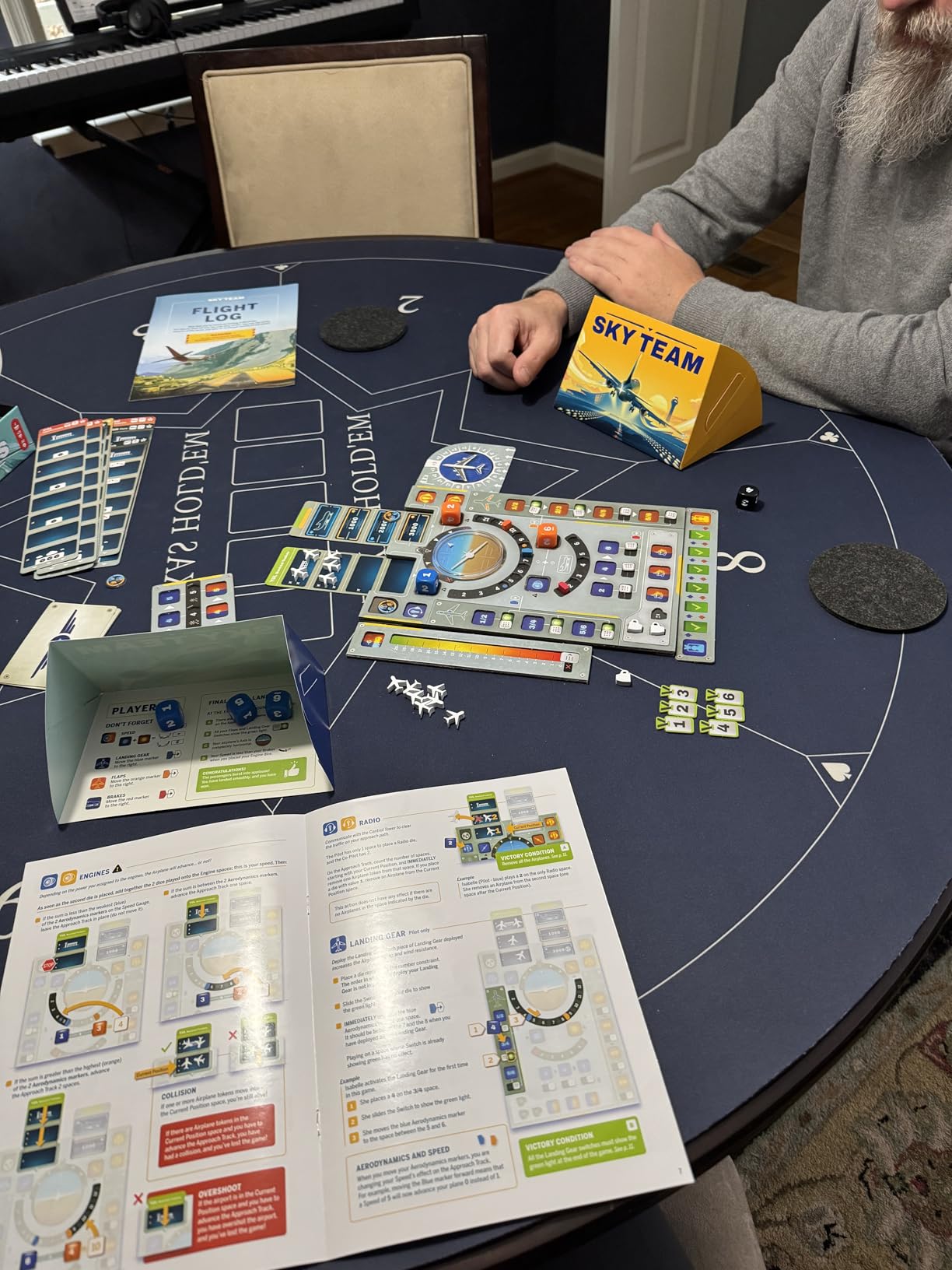
Winning Game of the Year in 2024 speaks to how well-designed this cooperative experience is. The components include a control panel board, airplane axis disc, 8 custom dice, player aid screens, and an altitude track. The screens are essential because they hide your dice rolls from your partner, creating the information asymmetry that makes every decision feel weighty.
The learning curve is steeper than the 20-minute play time suggests. Our first game took nearly an hour as we referenced the rulebook repeatedly. The Dized app provides an interactive tutorial that most players recommend for the initial learning session. Once you understand the flow, subsequent games move quickly.
Who will enjoy Sky Team
Couples looking for a cooperative 2-player game that generates real communication and teamwork will love Sky Team. It is also an excellent choice for close friends or family members who enjoy working together under pressure. If you want a game that creates memorable shared experiences in under 30 minutes, this delivers.
When Sky Team is not the right fit
Sky Team is strictly a 2-player game, so groups of 3 or more will need to look elsewhere. Players who dislike cooperative games or prefer competitive experiences should consider Azul or Splendor for their 2-player sessions instead.
11. Wyrmspan – A Dragon-Themed Evolution of the Wingspan Formula
Stonemaier Games: Wyrmspan – A Wingspan Game by Connie Vogelmann
1-5 Players
90 Min Play Time
Ages 14+
Engine-Building Strategy
Pros
- 183 dragon cards with gorgeous watercolor art
- Excavation mechanic adds strategic depth
- Automa solo mode included
- High-quality coins and wooden tokens
Cons
- Steeper learning curve than Wingspan
- Lengthy rulebook despite approachable mechanics
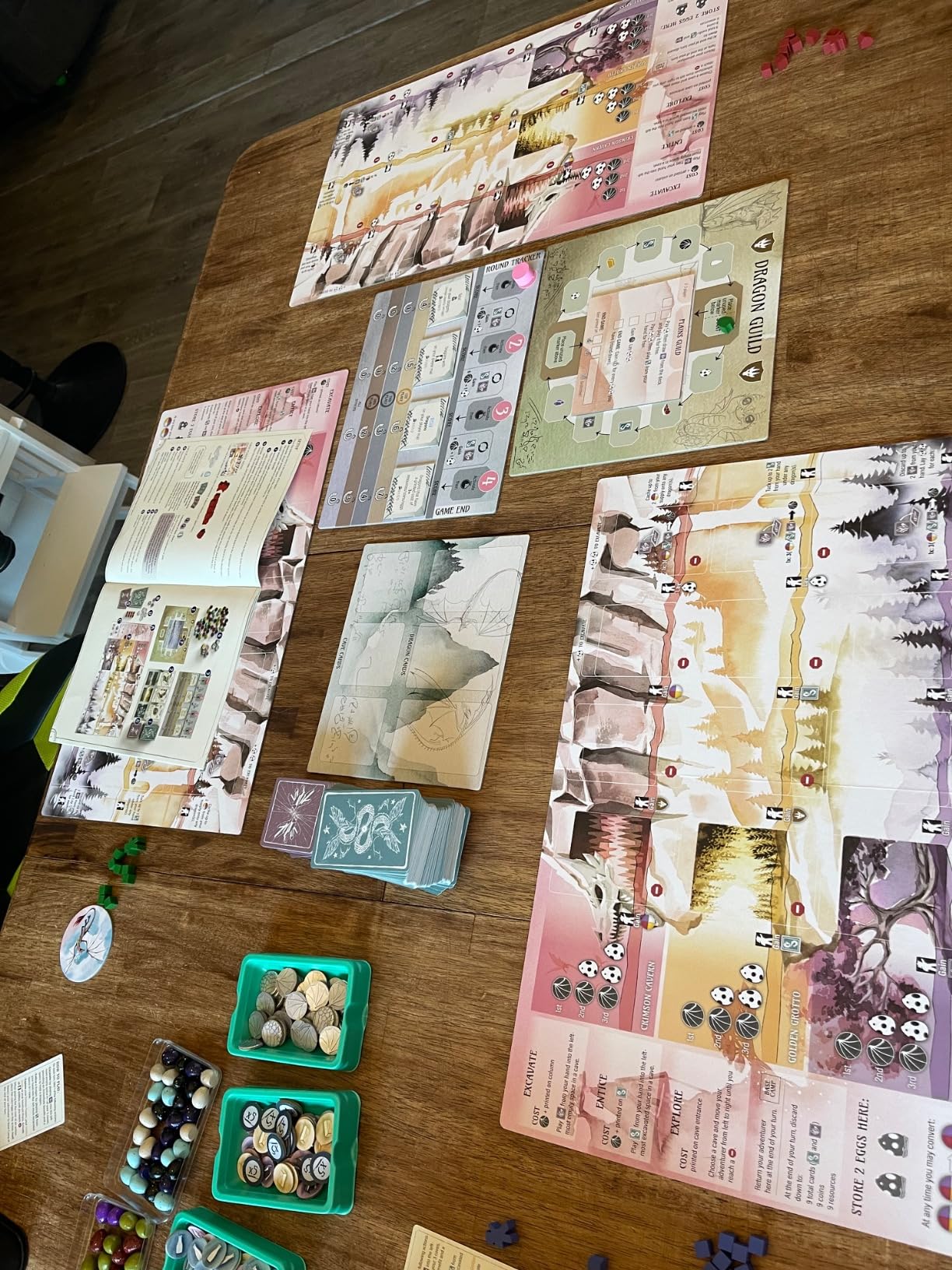
Wyrmspan takes the engine-building framework that made Wingspan a phenomenon and adds enough new mechanics to stand as its own distinct experience. Instead of birds, you are building a sanctuary for dragons by excavating a hidden labyrinth and enticing 148 full-grown dragons and 35 hatchlings to roost in your caves. The watercolor artwork on every card is genuinely frame-worthy.
The excavation mechanic is what sets Wyrmspan apart from its predecessor. Before you can place dragons, you must spend resources to excavate cave spaces on your personal board. This creates an extra layer of planning where you are managing both your cave infrastructure and your dragon collection simultaneously.
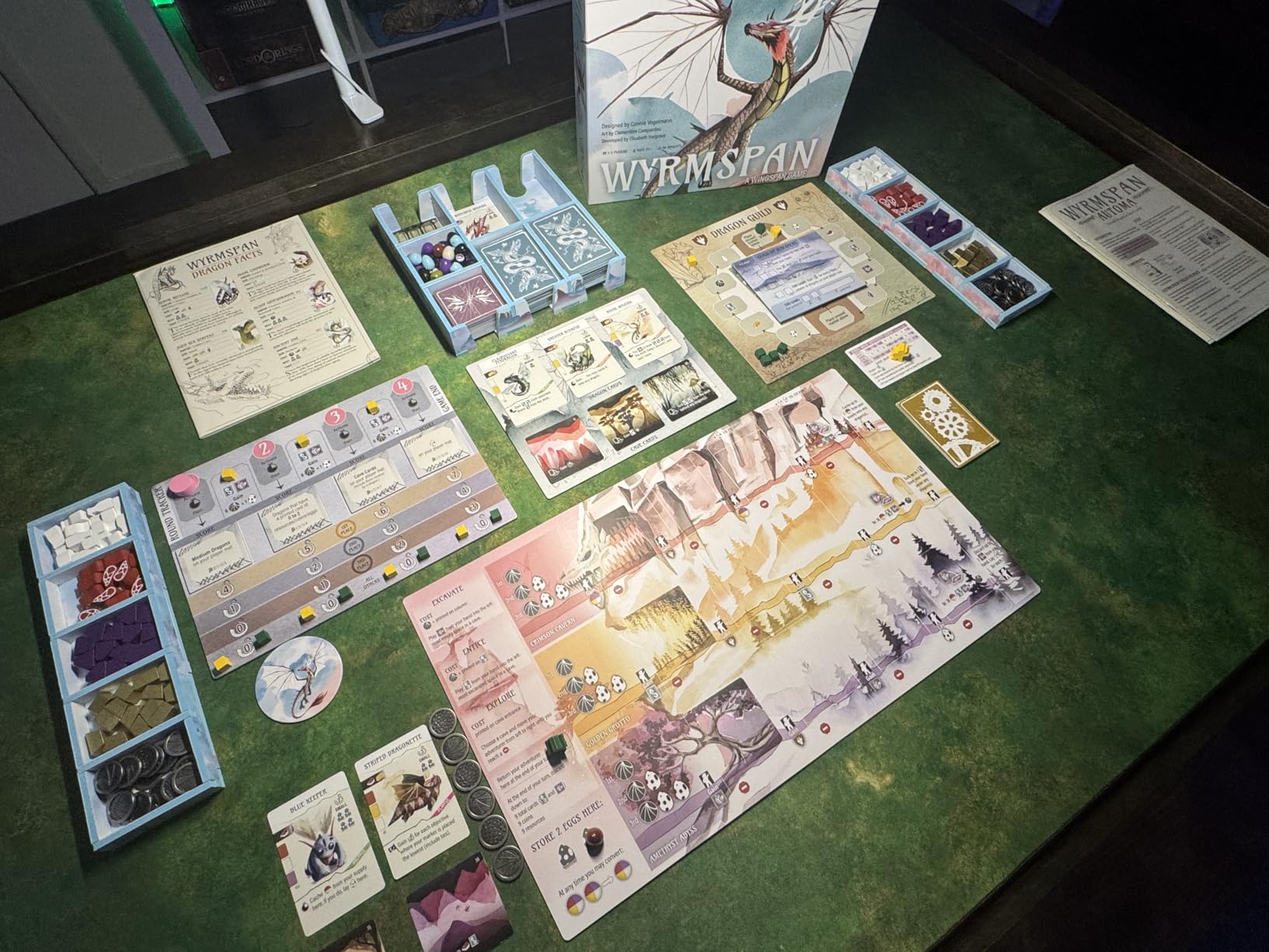
With 183 dragon cards and 75 cave cards, the combination possibilities feel nearly endless. Our group has played 8 sessions and keeps discovering new synergies between dragon abilities and cave bonuses. The shiny coins, wooden tokens, and thick card stock all feel premium. Games run about 90 minutes, which gives you enough time to build a satisfying engine without overstaying your welcome.
The trade-off is that Wyrmspan is more complex than Wingspan. The rulebook runs longer, and the first game involves frequent rule lookups. If your group already knows Wingspan, the transition is smoother because many concepts transfer directly. New players should expect a learning session of 90 to 120 minutes before things click.
Who should pick up Wyrmspan
Wyrmspan is an obvious choice for Wingspan fans who want a fresh experience with deeper strategic options. Dragon enthusiasts and players who enjoy beautiful, immersive tabletop experiences will find a lot to love here. If you want a longer game session with meaningful decisions throughout, this delivers.
Who should wait on Wyrmspan
If you have not played Wingspan, start there first. Wyrmspan assumes some familiarity with the engine-building genre. Players who prefer quick 30-minute games should also look to Splendor or Cascadia instead, as Wyrmspan requires a 90-minute commitment at minimum.
12. Carcassonne – The Tile-Laying Classic That Still Holds Up
Carcassonne Tile Placement Strategy Board Game, 2-5 Players, 35 Min
2-5 Players
30 Min Play Time
Ages 7+
Tile-Laying Strategy
Pros
- 2001 Spiel des Jahres winner still going strong
- Simple rules with genuine strategic depth
- Randomized tile draws create unique landscapes
- Includes The Abbot and The River expansions
Cons
- Occasional quality control issues with components
- Can feel light for hardcore strategy gamers
Carcassonne has been on store shelves for over two decades, and it remains one of the best modern board games for adults because of how elegantly it teaches spatial strategy. Each turn, you draw a landscape tile and place it to extend the shared map of medieval cities, roads, fields, and monasteries. Then you decide whether to deploy one of your limited meeples to claim a feature for points.
The tension in Carcassonne comes from timing your meeple deployments. Place too early, and your meeple gets locked into a small city. Place too late, and the feature you wanted is already claimed by an opponent. Our group has played hundreds of rounds over the years, and the decision-making still feels engaging every time.
Winning the 2001 Spiel des Jahres launched Carcassonne into the board gaming hall of fame. The classic edition includes The Abbot and The River mini-expansions, which add nice variety without complicating the base game. With nearly 11,500 reviews and an 89 percent five-star rating, this is a proven title that belongs in any collection.
The only issue we encountered was one copy arriving with missing abbot pieces, which appears to be an occasional quality control problem. Check your components when you open the box. Some players also find the farmer scoring rules confusing at first, though the rulebook explains them clearly with examples.
Why Carcassonne deserves shelf space
If you want a strategy game that works for ages 7 and up while still engaging adult players, Carcassonne bridges that gap perfectly. The 30-minute play time fits any schedule, and the expanding map creates a visual record of your game that is satisfying to look at when finished. The massive expansion library also lets you customize the complexity.
When Carcassonne might not satisfy
Experienced gamers who want heavier strategic depth may find Carcassonne too light after extended play. If you want direct player interaction beyond tile denial, games like CATAN or Secret Hitler offer more conflict and negotiation.
13. 7 Wonders (New Edition) – Civilization-Building Card Drafting for Up to 7
Asmodee 7 Wonders Board Game (New Edition) – Lead Your Civilization to Prosperity, Strategy Game for Kids and Adults, Ages 10+, 3-7 Players, 30 Minute Playtime
3-7 Players
30 Min Play Time
Strategy
Card Drafting Civilization
Pros
- Simultaneous play keeps everyone engaged
- 7-player support without adding play time
- Many victory paths through military/ science/ or culture
- Excellent for family game night with ages 10+
Cons
- Resource system explanation needs supplementing
- First game takes about an hour to learn
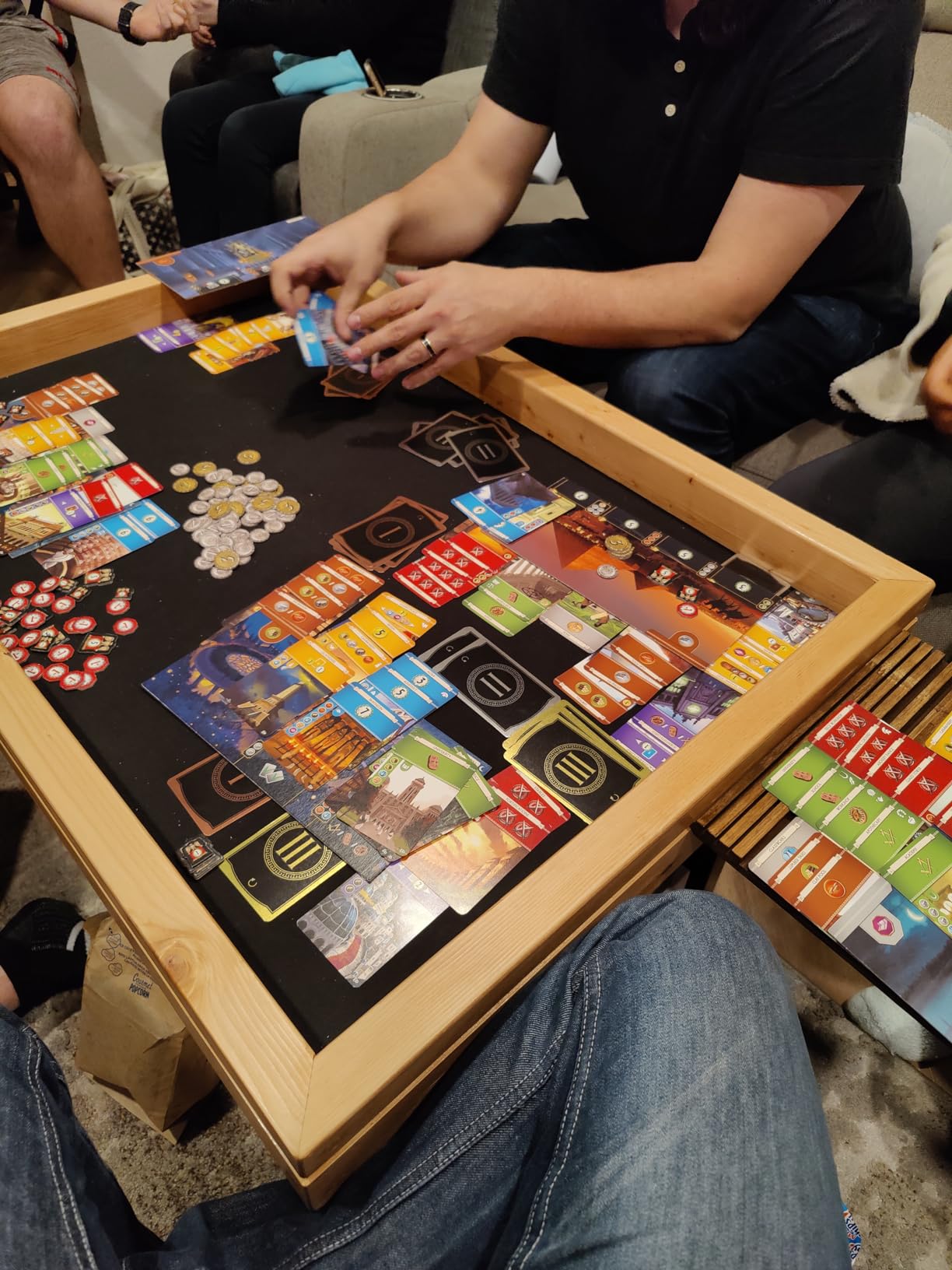
7 Wonders solves one of the biggest problems in board gaming: downtime between turns. Every player selects a card from their hand simultaneously and then passes the remaining cards to their neighbor. This means a 7-player game takes the same 30 minutes as a 3-player game. That alone makes it worth considering for larger groups.
Each player leads one of seven ancient civilizations through three ages, building structures, developing commerce, and constructing their architectural wonder. The card drafting creates constant tension because you can see what your neighbors are building and deny them cards they need. Our group has played dozens of rounds, and the balance between military, scientific, and cultural victory paths keeps the strategy fresh.
The new edition comes with 7 wonder boards, 148 age cards, 78 coins, and 48 military conflict tokens. The components are well-made, and the card quality feels durable enough for hundreds of shuffles. With 3 to 7 players supported, 7 Wonders is one of the most scalable strategy games available in 2026.
The main hurdle is the first playthrough. The resource chaining system is not well explained in the manual, and our group needed a practice round before things clicked. Once you understand how resources flow between cards, the game moves quickly. Some players also wish there were more wonder boards for variety after extended play.
When 7 Wonders is the right call
7 Wonders is the best choice for groups of 5 to 7 who want a strategy game that finishes in 30 minutes. The simultaneous play eliminates the waiting problem that plagues larger groups in other games. If your group enjoys drafting mechanics and multiple victory paths, this delivers on both fronts.
When 7 Wonders may disappoint
The game does not support 2 players without the official 2-player variant rules. Players who prefer highly interactive, confrontational games may find the indirect competition through card drafting too subtle for their taste.
14. The Chameleon – Quick Bluffing Fun Without the Complexity
The Chameleon Board Game: Catch The Traitor Party Game for Teens and Adults
3-8 Players
15 Min Play Time
Ages 14+
Bluffing Party Game
Pros
- Learn the rules in under 2 minutes
- Games finish in just 15 minutes
- Multi-award winning party game
- Perfect icebreaker for mixed groups
Cons
- Limited topic cards in base set
- Repeated plays with same group reduce surprise factor
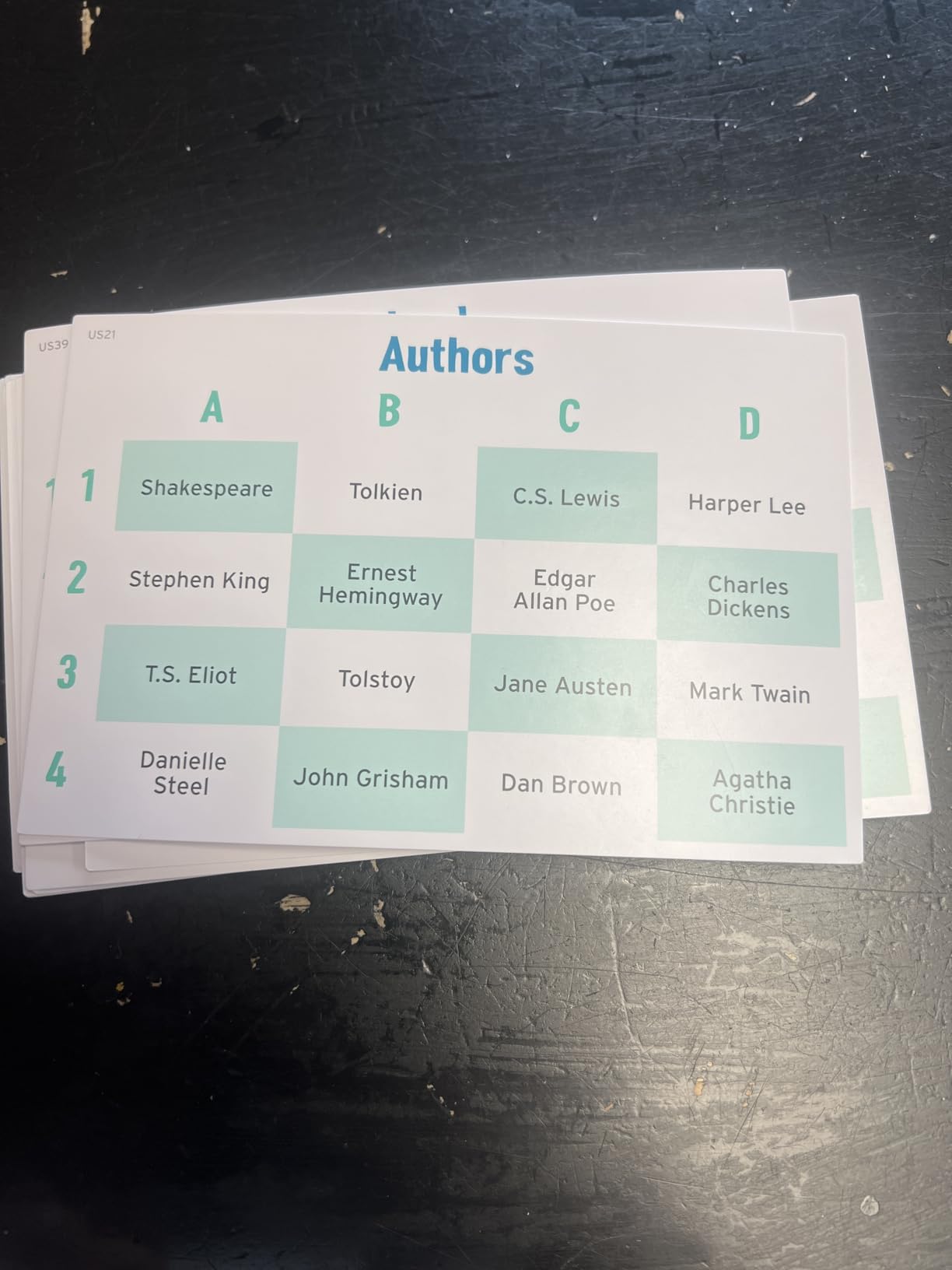
The Chameleon is the simplest game on this list and also one of the most fun. Everyone knows a secret word except one player, the chameleon, who must bluff their way through the round without being caught. Players give one-word clues tied to a grid, and then everyone votes on who they think the imposter is. The entire cycle takes about 15 minutes.
I have used The Chameleon as an icebreaker at dinner parties, and it works every time. People who would never sit down for a 90-minute strategy game will happily play three quick rounds of this. The tension of trying to blend in when you do not know the word creates genuinely hilarious moments, especially when the chameleon accidentally gives a better clue than the real players.
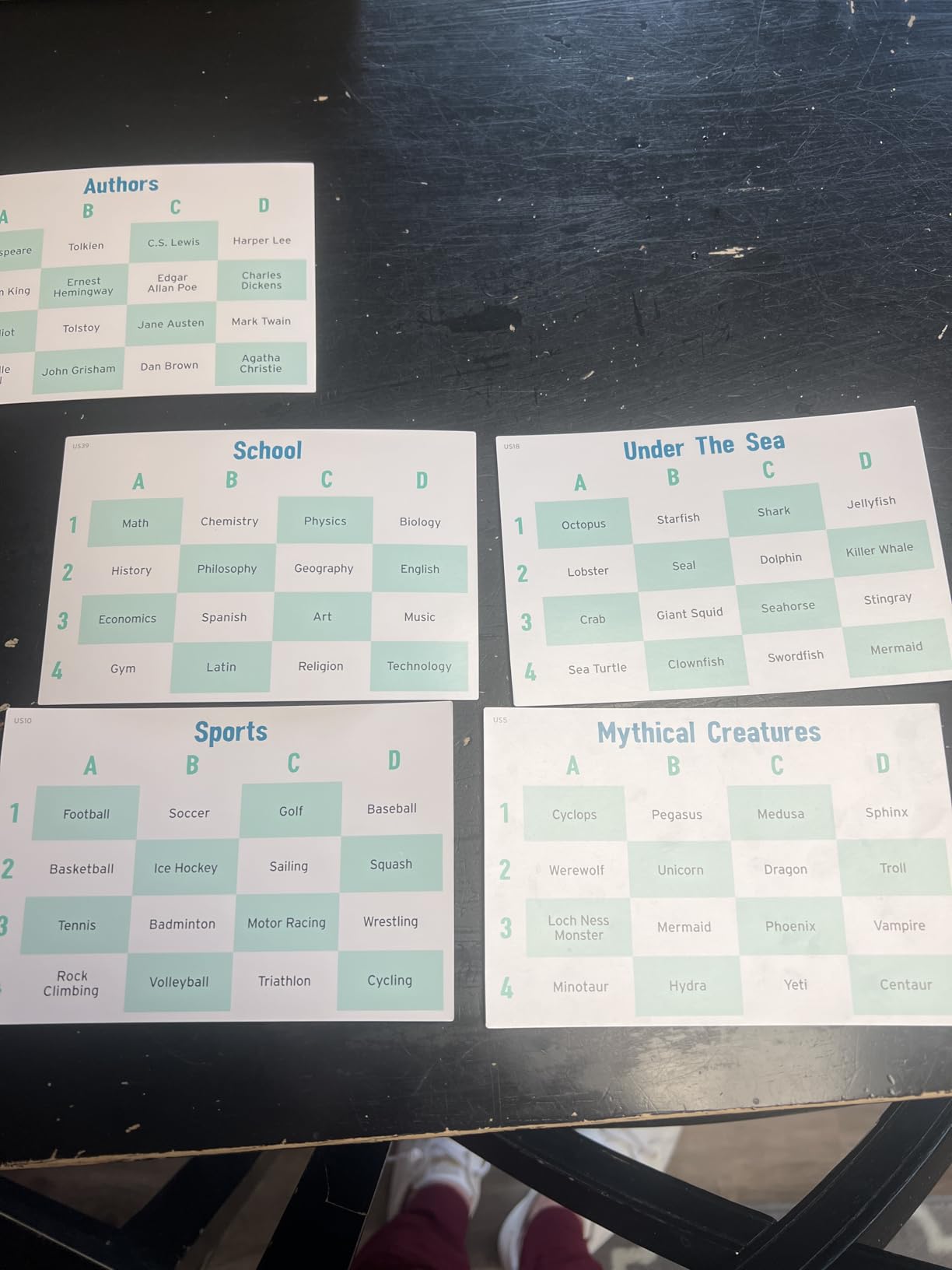
With over 8,500 reviews and multiple awards including Best Party Game at the UK Games Expo and a Seal of Excellence from Dice Tower, The Chameleon has proven its appeal across a wide audience. The components are simple: topic cards, code cards, and a few rule cards. The simplicity is part of what makes it so accessible.
The limitation is replayability with the same group. Once you have played through the topic cards several times, the surprise factor diminishes. Our group rotates this in and out every few weeks to keep it fresh. If you play with the same 5 people every single week, you may burn through the content faster than expected.
Ideal moments for The Chameleon
The Chameleon is perfect as an opening or closing game for game night, a dinner party activity, or a quick warm-up before a heavier game. If you regularly host groups of mixed gaming experience levels, this bridges the gap effortlessly. It is also one of the most affordable titles on this list.
When to choose something else
If you want deep strategy, look elsewhere. The Chameleon is pure social fun without tactical depth. It also loses some magic if your group is very small, since the bluffing dynamics work best with 5 or more players.
15. Harmonies – A Beautiful New Entry in the Tile-Placement Genre
Asmodee Harmonies Board Game – Create Oneiric Landscapes, Strategic & Poetic Gameplay, Fun Family Game for Kids & Adults, Ages 10+, 1-4 Players, 30 Min Playtime, (Multilingual Edition)
1-4 Players
30 Min Play Time
Ages 10+
Tile Placement Strategy
Pros
- Stunning art direction with 42 illustrated cards
- Includes competitive and solo play modes
- 120 premium wooden tokens
- Easy to learn with deep tactical decisions
Cons
- Minimal player interaction during gameplay
- Scoring mechanics feel complex at first
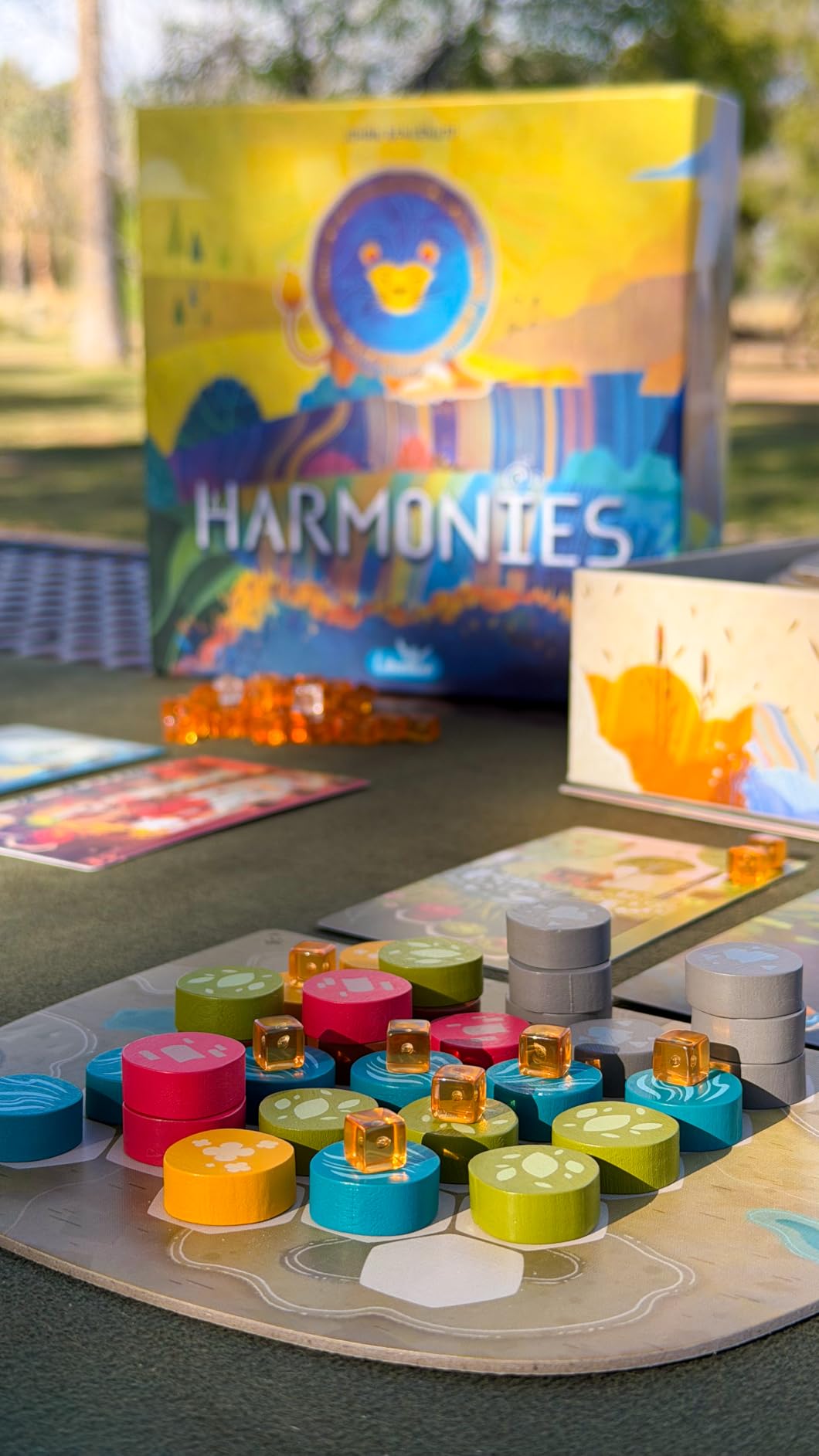
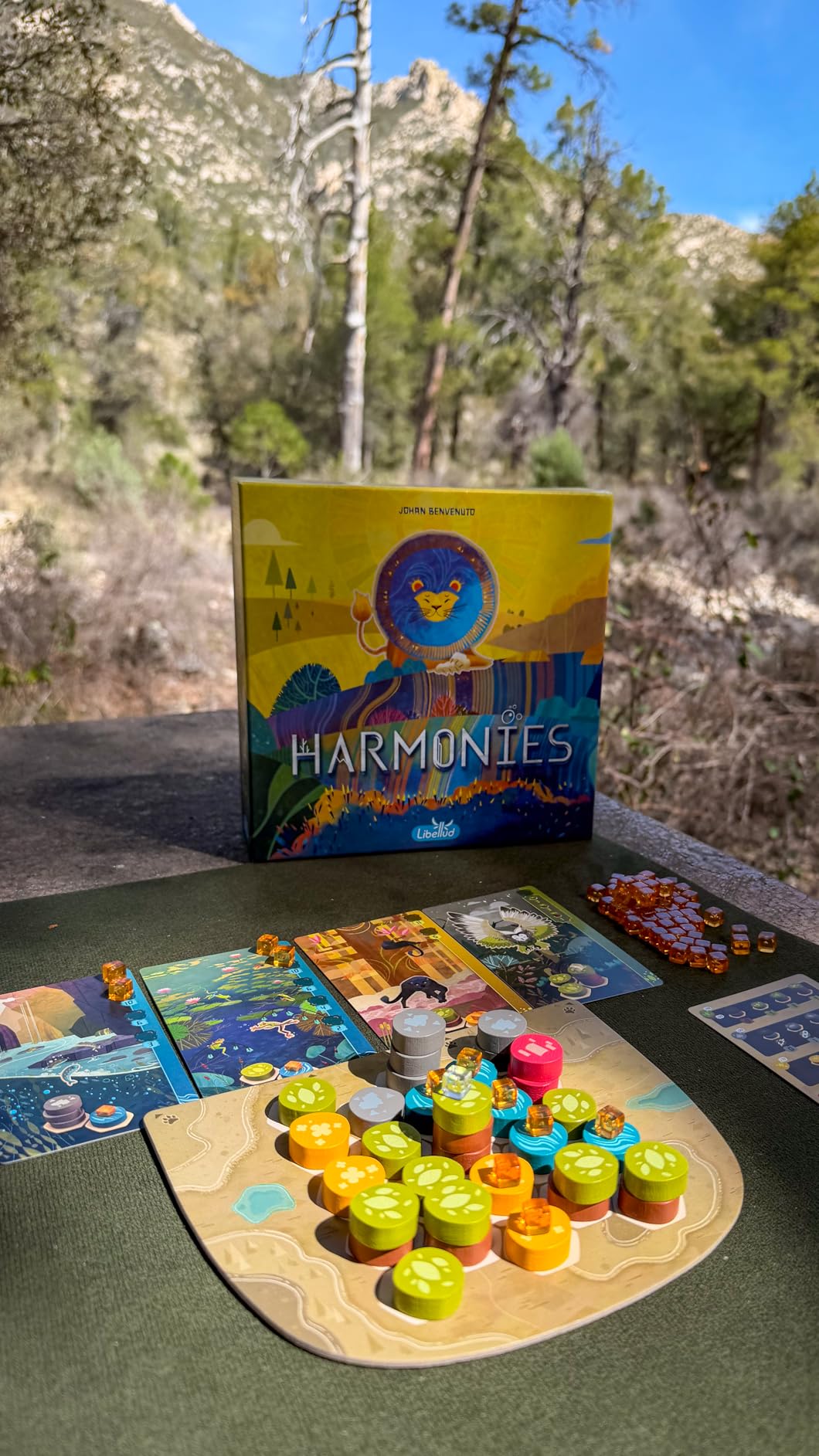
Harmonies is the newest game on this list, and it made an immediate impression on our group. You build dreamlike landscapes by placing landscape tokens and animal cubes on your personal board, following the requirements on beautifully illustrated animal cards. The 42 animal cards in the game feature art that belongs in a gallery, not a board game box.
The game includes 120 wooden tokens that feel solid and satisfying to arrange on your personal board. Each round presents genuine tactical decisions about which landscape and animal combination to pursue. The solo mode is also well-implemented, giving you a specific set of goals to achieve within the 30-minute play time.
With a perfect 4.9 rating from over 700 reviews, Harmonies has quickly established itself as a standout in the tile-placement category. The game feels like a more artistic cousin of Cascadia, with the animal scoring requirements adding a layer of planning that Cascadia’s wildlife tokens do not quite match.
The main drawback is minimal player interaction. You draft from shared pools, but beyond that, each player is essentially building their own world independently. The scoring mechanism also requires careful reading the first few times, as the animal card requirements use specific spatial conditions that take practice to evaluate quickly.
Who will appreciate Harmonies
Harmonies appeals to players who enjoy beautiful, contemplative games with a strong aesthetic component. If you liked Cascadia but want something with slightly more tactical depth and absolutely gorgeous artwork, this is a worthy addition to your collection. Solo players will also find the single-player mode genuinely engaging.
Who might want a different game
Players who thrive on direct interaction, negotiation, or competitive blocking will find Harmonies too solitary. The multiplayer solitaire style means you could play the same game with everyone at separate tables and barely notice the difference.
How to Choose the Best Modern Board Games for Adults
Finding the right board game depends on who you play with, how much time you have, and what kind of experience you want. After testing these 15 games across dozens of sessions, here are the factors that matter most when making your decision.
Understand the Core Game Mechanics
Modern board games use specific mechanics that define how they play. Engine-building games like Wingspan and Wyrmspan reward you for creating systems that generate increasing returns over time. Tile placement games like Cascadia, Azul, and Harmonies focus on spatial puzzles where you construct patterns for points. Card drafting in 7 Wonders means selecting cards from a shared pool while denying opponents what they need. Social deduction in Secret Hitler and The Chameleon revolves around hidden information and bluffing.
Cooperative games like Pandemic and Sky Team eliminate player-versus-player conflict entirely. Worker placement and area control games tend to be more confrontational. Understanding which mechanics your group enjoys will help you pick winners consistently. If you enjoy asymmetric strategy games like Hnefatafl, you will likely appreciate titles with distinct player powers and asymmetric starting conditions.
Match the Game to Your Player Count
The most important spec on any board game box is the player count. Sky Team only works with exactly 2 players. Secret Hitler needs at least 5 and really wants 7 or more. Games like 7 Wonders scale from 3 to 7 without increasing play time because everyone plays simultaneously. For couples, Wingspan, Splendor, Azul, Cascadia, and Carcassonne all offer excellent 2-player experiences.
If you regularly host large groups, prioritize games like Codenames, Secret Hitler, The Chameleon, and 7 Wonders that accommodate 6 or more players. For mixed groups where the player count varies week to week, look for flexible titles like Wingspan (1-5), Pandemic (2-4), or CATAN (3-4 with expansion support for 5-6).
Consider Complexity and Learning Curve
Board game complexity exists on a spectrum. On the light end, The Chameleon teaches in 2 minutes and plays in 15. In the middle, Splendor, Azul, and Cascadia offer meaningful strategy with rules you can explain in under 10 minutes. On the heavier side, Wyrmspan and Wingspan require a dedicated learning session for your first game but reward that investment with deeper strategic play.
The learning curve matters most when you play with mixed experience levels. Forum discussions on this topic consistently highlight teachability as the number one factor in whether a game hits the table regularly. If your group includes newer players, start with gateway games like Splendor or Ticket to Ride before graduating to heavier titles.
Evaluate Play Time Honestly
The listed play time on the box is usually optimistic for your first few sessions. Our testing showed that most games run 20 to 30 percent longer than advertised until everyone at the table has played at least three times. Plan accordingly, especially for titles like Wingspan and Wyrmspan that list 70 to 90 minutes but can stretch to 2 hours with a learning group.
For weeknight sessions, stick to games that genuinely finish in 30 to 45 minutes: Splendor, Cascadia, Azul, Carcassonne, The Chameleon, and Codenames. Save longer games like CATAN, Wingspan, and Wyrmspan for weekends when you have uninterrupted time.
Think About Replayability and Expansion Support
The best modern board games for adults offer high replayability through variable setup, multiple strategies, or expansion ecosystems. CATAN’s modular board ensures no two games play the same. Wingspan’s 170 bird cards and Wyrmspan’s 183 dragon cards provide enormous variety. Pandemic scales difficulty through epidemic card count. Codenames and The Chameleon rely on the social dynamics of your group to stay fresh.
Games with active expansion support give you more mileage from your initial purchase. If you appreciate high-quality components and are building a collection of premium tabletop products, you might also enjoy premium chess sets for collectors as another facet of your tabletop hobby.
Frequently Asked Questions About Modern Board Games for Adults
What are the best modern board games for adults?
The best modern board games for adults include Wingspan for engine-building strategy, Splendor for quick gateway gameplay, Codenames for party fun, Pandemic for cooperative play, and CATAN for classic resource trading. Other top picks include Azul for tile placement, Cascadia for relaxed puzzle gaming, Secret Hitler for social deduction, Sky Team for 2-player cooperation, and 7 Wonders for large group card drafting.
What is the best board game for groups of adults?
For large groups of adults, Codenames supports 4 to 8-plus players and finishes in 15 minutes, making it the top party pick. Secret Hitler accommodates 5 to 10 players and excels with 7 or more. For strategy-focused groups of 5 to 7, 7 Wonders plays simultaneously so everyone stays engaged throughout the full 30-minute session.
What are the top strategy board games for adults?
The top strategy board games for adults are Wingspan for engine-building and bird collecting, Wyrmspan for deeper dragon-themed engine-building, CATAN for resource trading and spatial strategy, Azul for competitive tile drafting, and 7 Wonders for civilization-building through card drafting. Each offers multiple victory paths and rewards long-term planning.
Which board games are best for 2 players?
The best 2-player board games are Sky Team for cooperative airplane landing with limited communication, Splendor for quick competitive gem trading, Azul for tactical tile placement, Wingspan for engine-building strategy, and Cascadia for relaxing nature puzzles. Sky Team is specifically designed for exactly 2 players and won Game of the Year in 2024.
What are the best cooperative board games for adults?
The best cooperative board games for adults are Pandemic, where the team works together to cure diseases worldwide, and Sky Team, where two co-pilots land an airplane using limited communication. Pandemic supports 2 to 4 players with variable difficulty, while Sky Team is a dedicated 2-player experience. Both games eliminate player-versus-player conflict and focus on teamwork and shared problem-solving.
Final Thoughts on the Best Modern Board Games for Adults
Finding the best modern board games for adults comes down to matching the right game to your group, your schedule, and the kind of experience you want to have. Wingspan remains our top overall pick for its combination of beautiful components, deep strategy, and broad player count support. Splendor delivers the best value as a gateway game that still satisfies experienced players. Codenames earns its place as the party game that works with almost any group.
For cooperative fans, Pandemic and Sky Team offer two distinct flavors of teamwork. For large groups, Secret Hitler and 7 Wonders keep everyone engaged without punishing downtime. And for players who simply want a beautiful, relaxing puzzle, Cascadia, Azul, and Harmonies deliver spatial satisfaction in 30 minutes or less.
The 15 games on this list represent the strongest lineup of modern tabletop experiences available in 2026. Pick one that fits your group tonight, and you will understand why so many adults are choosing board games over screens for their social entertainment.