
If you are DJing your own reception or you play weddings part-time, the Pioneer DJ DDJ-FLX4 is the controller I recommend most often in 2026. It runs rekordbox and Serato DJ Pro, weighs 2.8 kg, and costs less than a single PA speaker. It also needs a laptop, and that single dependency is the biggest reason to read further before you buy.
This list covers eight distinct controllers, no colour variants and no bundles dressed up as separate entries. I have ordered them by how well they handle the actual wedding day rather than by spec sheet size, because a wedding asks for things a club night never does.
Toasts need two microphones at once. The ceremony happens in a room with no mains power and no dance floor. Everything gets carried up a staircase at load-in and set up again at load-out. If any of that rings a bell, the battery, microphone and weight details below matter more than the pad count.
If you are hiring rather than DJing, skip the gear section entirely and read the short note near the end about when paying a professional is the better call.
Top 3 DJ Controllers for Weddings in 2026
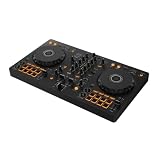
Pioneer DJ DDJ-FLX4
- Smart Fader auto-blending
- 16 Performance Pads
- Works with rekordbox and Serato DJ Pro
- 2.8 kg portable body

Numark Mixstream Pro Go
- Battery-powered standalone
- Built-in speakers
- 7-inch touchscreen
- Balanced XLR and RCA outs

Numark Mixstream Pro+
- Standalone Engine DJ OS
- Built-in speakers
- Balanced XLR main outs
- Wi-Fi streaming
Best DJ Controllers for Weddings at a Glance
Every controller below appears in this table with its real channel count, power source and connection type. The full eight rows sit here so you can compare before reading the long version.
| Product | Specifications | Action |
|---|---|---|
| Pioneer DJ DDJ-FLX4 |
|
Check Latest Price |
| Numark Mixstream Pro Go |
|
Check Latest Price |
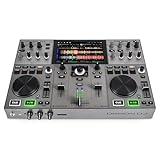 Denon DJ PRIME GO+ Denon DJ PRIME GO+ |
|
Check Latest Price |
 Pioneer DJ XDJ-RX3 Pioneer DJ XDJ-RX3 |
|
Check Latest Price |
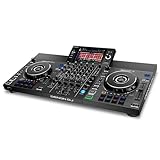 Denon DJ SC LIVE 4 Denon DJ SC LIVE 4 |
|
Check Latest Price |
| Numark Mixstream Pro+ |
|
Check Latest Price |
 Pioneer DJ DDJ-FLX10 Pioneer DJ DDJ-FLX10 |
|
Check Latest Price |
 AlphaTheta XDJ-AZ AlphaTheta XDJ-AZ |
|
Check Latest Price |
For the speaker side of the rig, our guide to the best DJ speakers for weddings covers what actually covers a dance floor.
Eight DJ Controllers Tested Against a Real Wedding Checklist
1. Pioneer DJ DDJ-FLX4 – the all-rounder that suits most wedding DJs
Pioneer DJ DDJ-FLX4 2-Channel DJ Controller, 16 Pads, Graphite
2-channel, 2-deck
16 Performance Pads
Smart Fader
2.8 kg
rekordbox and Serato DJ Pro
Pros
- Smart Fader blends tracks without manual beatmatching
- Works with both rekordbox and Serato DJ Pro
- 2.8 kg is easy to carry up stairs
- 16 pads cover Hot Cues Pad FX Beat Jump and Sampler
- Streaming from Apple Music Tidal and Beatport
Cons
- Only 2 channels so no four-deck mixing
- Requires a laptop or mobile device plus DJ software
This is the controller I see most often in the hands of DJs who book one or two weddings a month. The layout maps onto professional Pioneer gear, so anyone who has watched a booth set can read the surface without a manual. At 4.6 stars across more than 2700 reviews it is also the most proven unit on this list by a wide margin.
Smart Fader is the feature that matters most at a wedding. It adjusts volume, bass and tempo so one fader move blends two records of different genres, which matters when the DJ is bridging a Motown ballad into a disco number without the crowd noticing the seam.
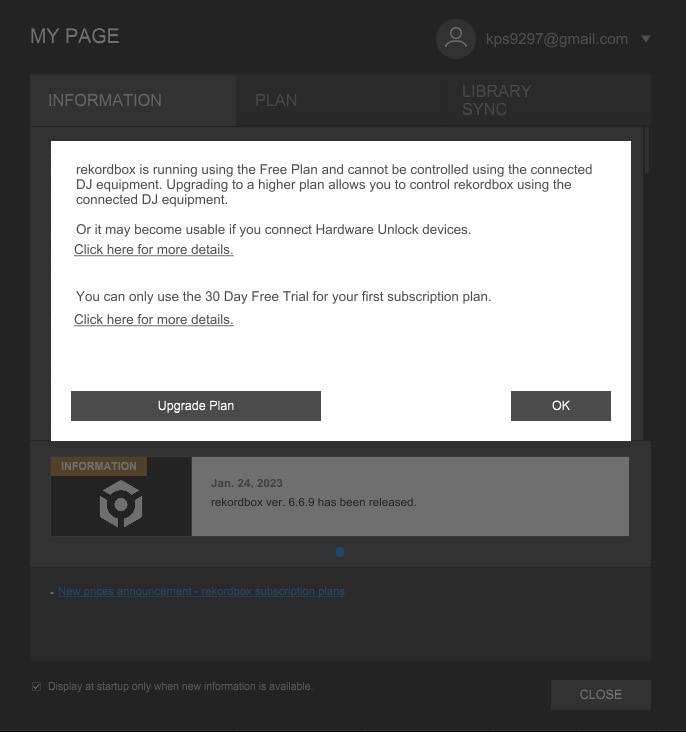
The catch is the laptop. Your music, your mixer and your playlists all live on a computer that you are trusting for six hours. A screen sleep, a sleep mode timeout or one snagged cable at load-in is the failure point that experienced mobile DJs talk about more than any other.
Two channels is the other limit. It handles ceremony playback, cocktail hour and a peak-time dance set without trouble, but it cannot layer four sources at once the way a four-channel mixer can.
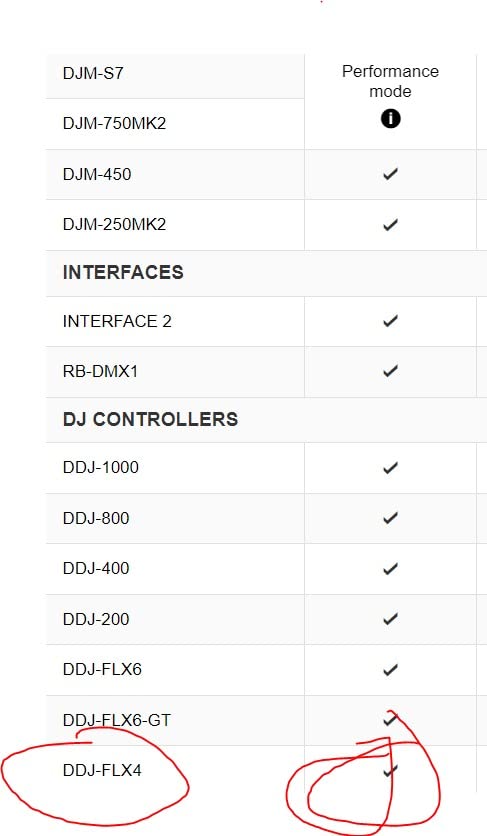
When this controller embarrasses you mid-reception
The laptop dependency is the honest risk. If your reception runs on mains power away from a table, or if the only surface is a DJ stand with a lip, you are balancing a computer on top of a music rig. Fixing that means a proper stand and a power supply you control.
The second risk is channel count. For a room of 60 to 100 guests, two channels is genuinely enough. For a 200-plus guest floor where you want stems and a sampler running over a background track, you will be working around the layout.
When it is the right wedding buy
Choose it if you are a beginner or a part-time DJ who wants one box that works with whichever software you settle on later. It also plays on iOS and Android, so a tablet can serve as the machine for a small ceremony set.
If you already know your budget range and want a narrower search, our affordable controller guide compares the cheaper entries side by side.
2. Numark Mixstream Pro Go – battery power for ceremonies away from a socket
Numark Mixstream Pro Go Portable DJ Controller
Battery-powered standalone
Built-in speakers
7-inch touchscreen
Balanced XLR and RCA outs
SD card and 2 USB ports
Pros
- Runs on the included lithium ion battery with no mains needed
- Built-in speakers make it a complete small-event rig
- Wi-Fi streaming plus Bluetooth audio input
- Balanced XLR and RCA main outs for a proper PA connection
- 7-inch touchscreen with adjustable brightness
Cons
- Battery runtime limits long sets without a power source
- Two-deck layout is less flexible than four-deck systems
An outdoor ceremony on a lawn, a barn with a single extension lead, a beachside ceremony. This is the controller built for those situations. It runs Engine DJ OS internally, so your music plays from an SD card or USB stick with no computer in the picture at all.
The built-in speakers change what you can carry. For a processional set and a drinks reception in a room too small to justify a PA, you can set it on a table and go. Many wedding DJs report using it exactly this way for the ceremony while the full PA stays packed away until the reception.
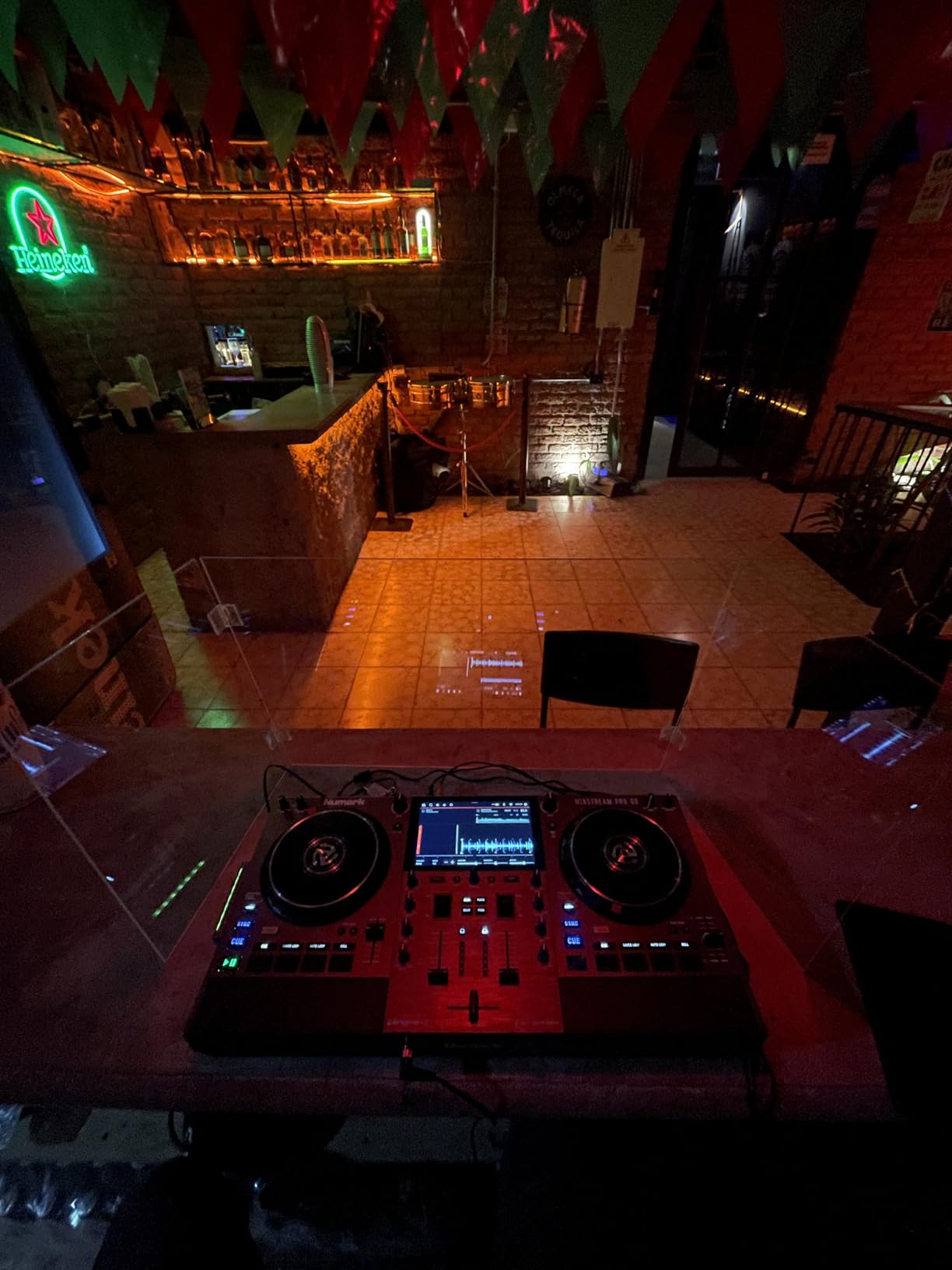
Connection options are better than most at this size. You get balanced XLR and RCA main outs, a quarter-inch mic input, and quarter-inch plus eighth-inch headphone outputs, so it feeds a rented PA without adapters. A DJTechTools thread recommends two tops and a sub for a wedding, and those speakers want XLR.
Streaming works across Apple Music, Tidal, Beatport, Beatsource and SoundCloud Go+, and you can pre-render stems with Engine DJ Desktop. The software also drives Philips Hue, Nanoleaf and DMX lighting.
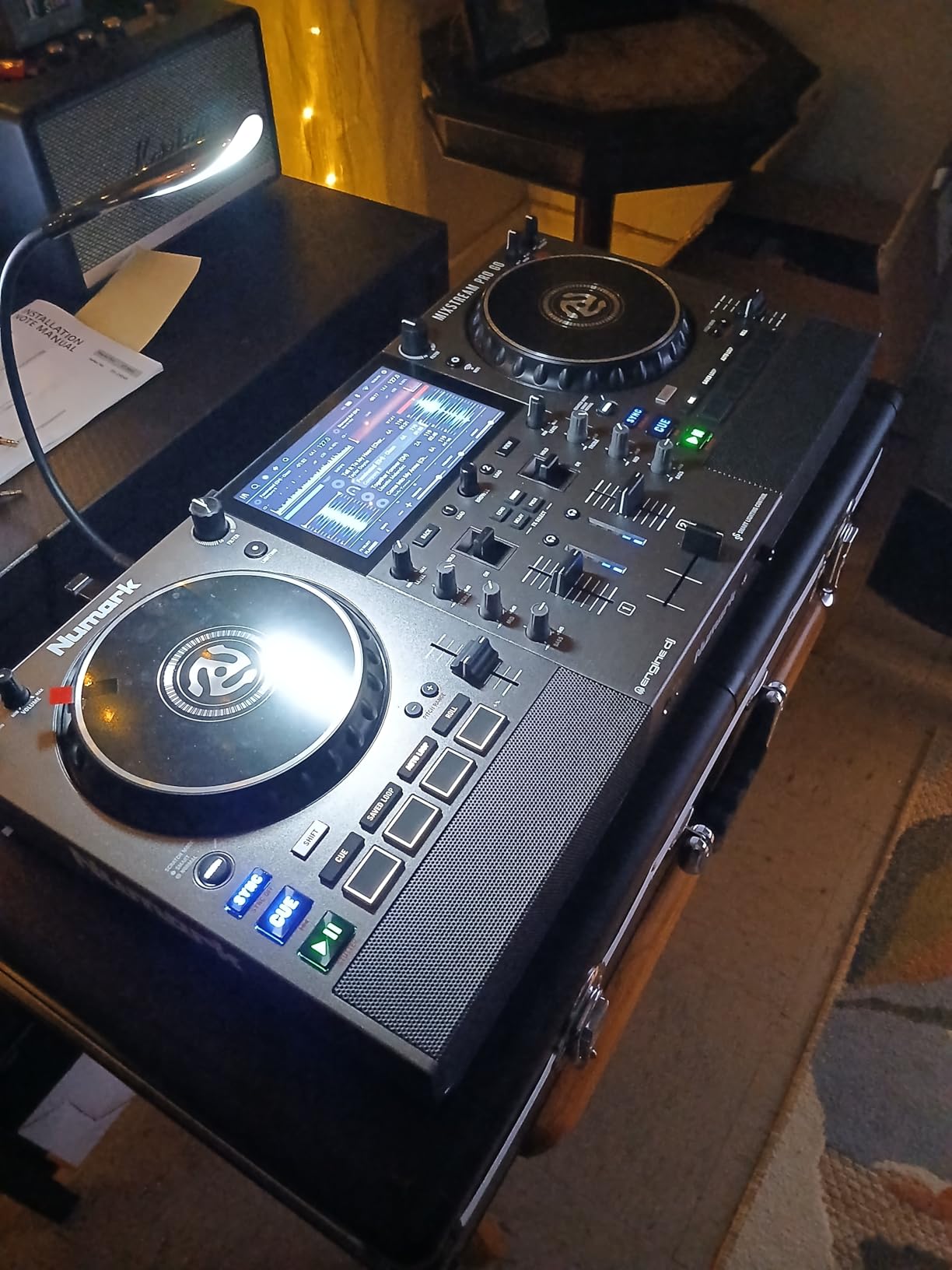
How long the battery lasts on a wedding day
Plan around the ceremony rather than the reception. The battery covers the quiet hours, the procession, and the cocktail set, and it stops being the answer once the dance floor starts. Bring a mains supply for the peak set or treat this as the ceremony and backup unit.
Two decks is fine for background music and simple mixing. It is not enough for four-source mixing, so it sits below the four-channel units further down this list.
Where this one fits into a real rig
It works as the primary controller for a small reception under about 80 guests using its onboard speakers, or as the ceremony and cocktail-hour machine with a battery and no cables running across grass.
Two USB ports and an SD slot mean you can carry redundant media. If a stick fails during load-in you swap it rather than rebuilding a library. That redundancy matters more than any single feature on a single day.
3. Denon DJ PRIME GO+ – the lightest unit with two microphone inputs
Denon DJ PRIME GO+ Standalone Portable DJ Controller
8.11 pounds
Battery powered
2 mic combo inputs
Balanced XLR outs
7-inch touchscreen
Pros
- Two mic combo inputs for speeches and announcements
- Extremely portable at 8.11 pounds
- Balanced XLR outs plus booth and RCA connections
- Deep FX engine with 26 Main FX and 10 Touch FX
- Bluetooth audio input and output
Cons
- Small jog wheels are not ideal for manual scratching
- No HDMI output so video mixing is limited to audio files
This is the smallest and lightest standalone unit here, and it is the one I point to when a DJ plays outdoor ceremonies, garden weddings and short events where the car boot matters more than the channel count. It also runs on four included lithium ion batteries.
The microphone connections are the reason to pay attention. Two mic combo inputs means you can run a speaker for toasts and a separate handheld for announcements without a small external mixer, which is the single most common thing wedding DJs tell me they wish their controller had.
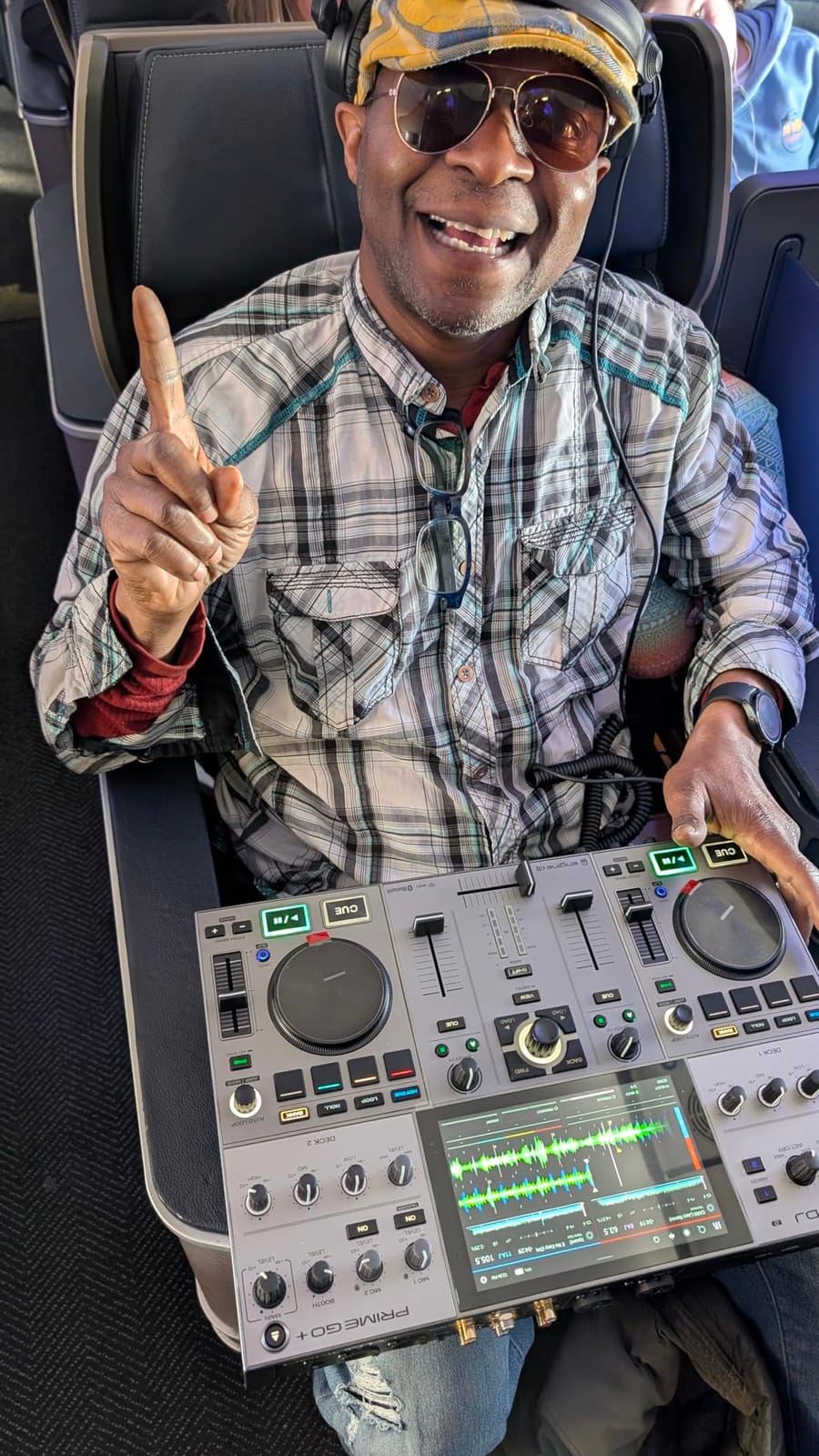
Sound quality is genuinely good for the size. Owners report a clean, hiss-free monitoring output from the built-in sound card, and the rating sits at 4.8 stars across 40 reviews with 89 percent five-star ratings, the highest average in this group.
The effect engine is deep for something this small. You get 26 Main FX, two knob-controlled Sweep FX, Fader Echo FX and ten Touch FX options, plus Engine DJ OS with onboard song analysis and a dedicated DRM chip for streaming services.
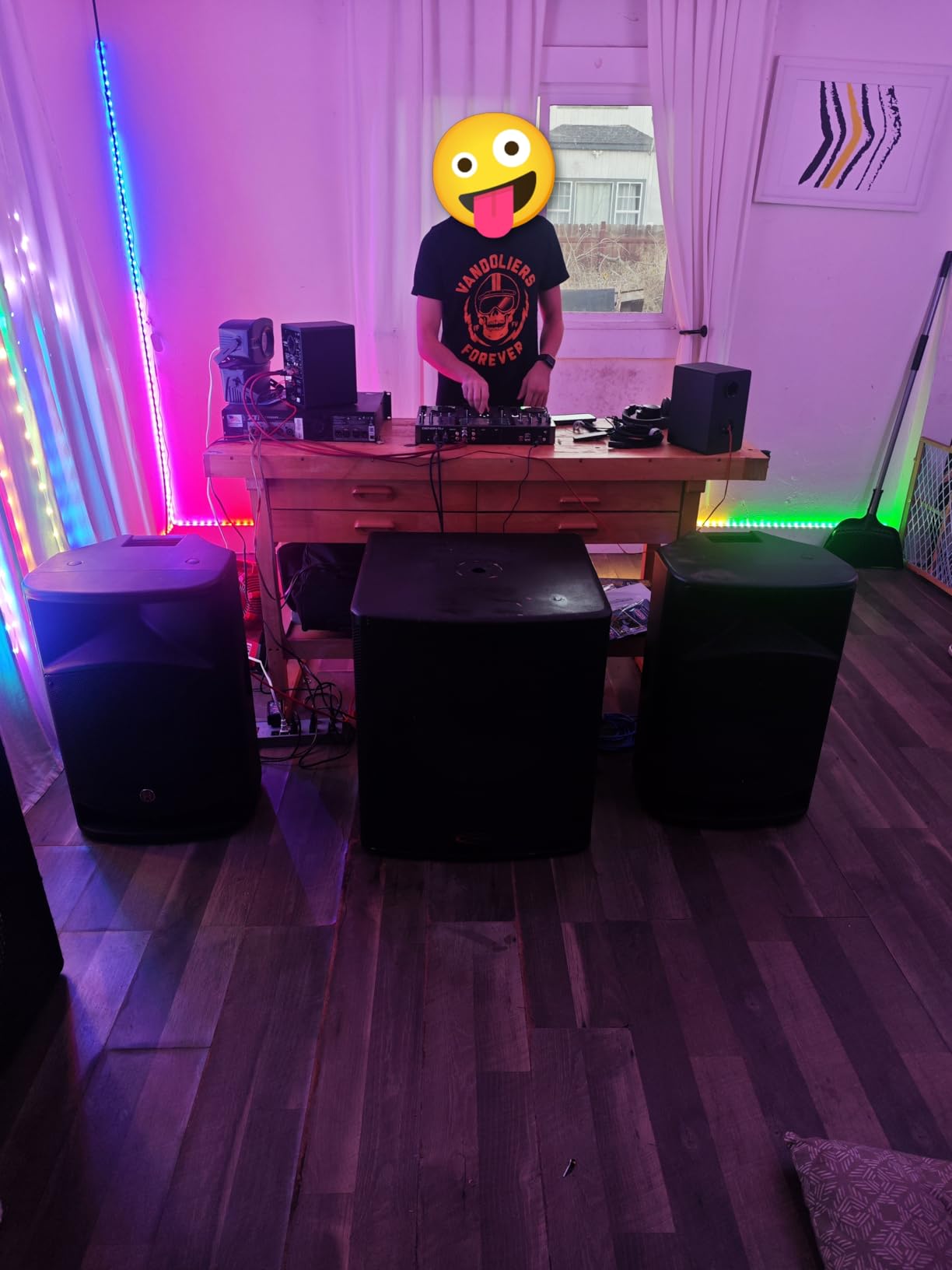
Two microphones, one small box
A reception rarely needs more than two mics. One on a stand for the person speaking, one handheld passed between guests, and occasionally both running while a DJ plays something quiet underneath.
With two combo inputs you handle that on the controller itself. Each channel gets its own gain and EQ, so a guest who speaks quietly can be dialled up without the music level changing. If your DJ rig has only one mic input, you are buying or borrowing a small mixer for every speeches moment.
Where it stops being enough
The jog wheels are small for the price and are not built for extended manual scratching. If your style depends on vinyl-style needle drops and long scratch builds, look elsewhere.
There is also no HDMI output, so video mixing is limited to audio files. For a reception with a projector or a videographer feeding video into the rig, that closes the door.
Getting it into the venue
At 8.11 pounds and 16.2 by 10.8 inches, this is the unit I would trust in a car boot with ice, gravel and a long walk to the ceremony space. That is not a small consideration when the load-in happens in the dark.
One owner described treating it as a grab-and-go backup that always lives in the bag. That is a sensible use of a unit with only 40 reviews behind it: keep it as insurance rather than build your whole night around it.
4. Pioneer DJ XDJ-RX3 – the club-standard standalone for laptop-free receptions
Pioneer DJ XDJ-RX3 All-In-One DJ System (Black)
Standalone 2-channel all-in-one
10.1-inch touchscreen
rekordbox Performance mode
21 pounds
Pros
- Runs prepared rekordbox sets from USB with no laptop
- Large 10.1-inch touchscreen with a CDJ-style layout
- Works standalone in rekordbox and with Serato DJ Pro
- Beat FX Sound Color FX and 16 Performance Pads
Cons
- Heavy at 21 pounds for solo transport
- Two-channel layout with no four-deck playback
This is the unit working wedding DJs choose when the venue is a permanent room with a proper table and mains power nearby. It removes the computer entirely, which removes the failure point along with it.
You build a rekordbox set, export it to a USB stick, and the system plays it. The 10.1-inch touchscreen uses a CDJ-style layout, so the muscle memory transfers directly to a club booth later in the evening if you also gig out.
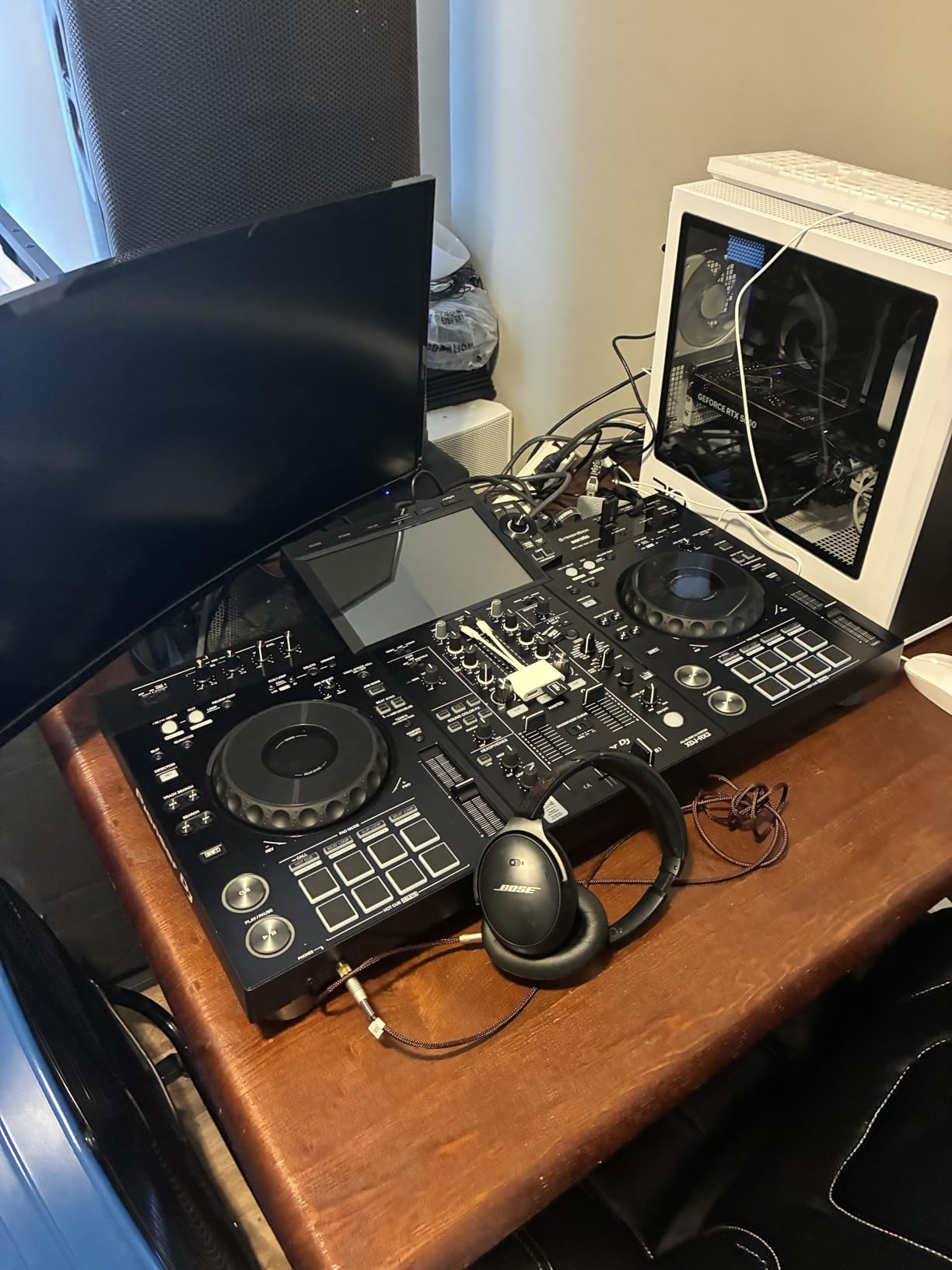
It also supports Serato DJ Pro computer control, so the box is not locked to one platform. Hardware Unlock covers rekordbox Performance mode. Sixteen Performance Pads, Beat FX and Sound Color FX handle the creative layer of an open-format set.
Ratings sit at 4.4 across 189 reviews with 77 percent five-star, and the review pattern is consistent: owners value the dependable USB workflow and club-like feel, while weight and the two-channel limit draw the complaints.
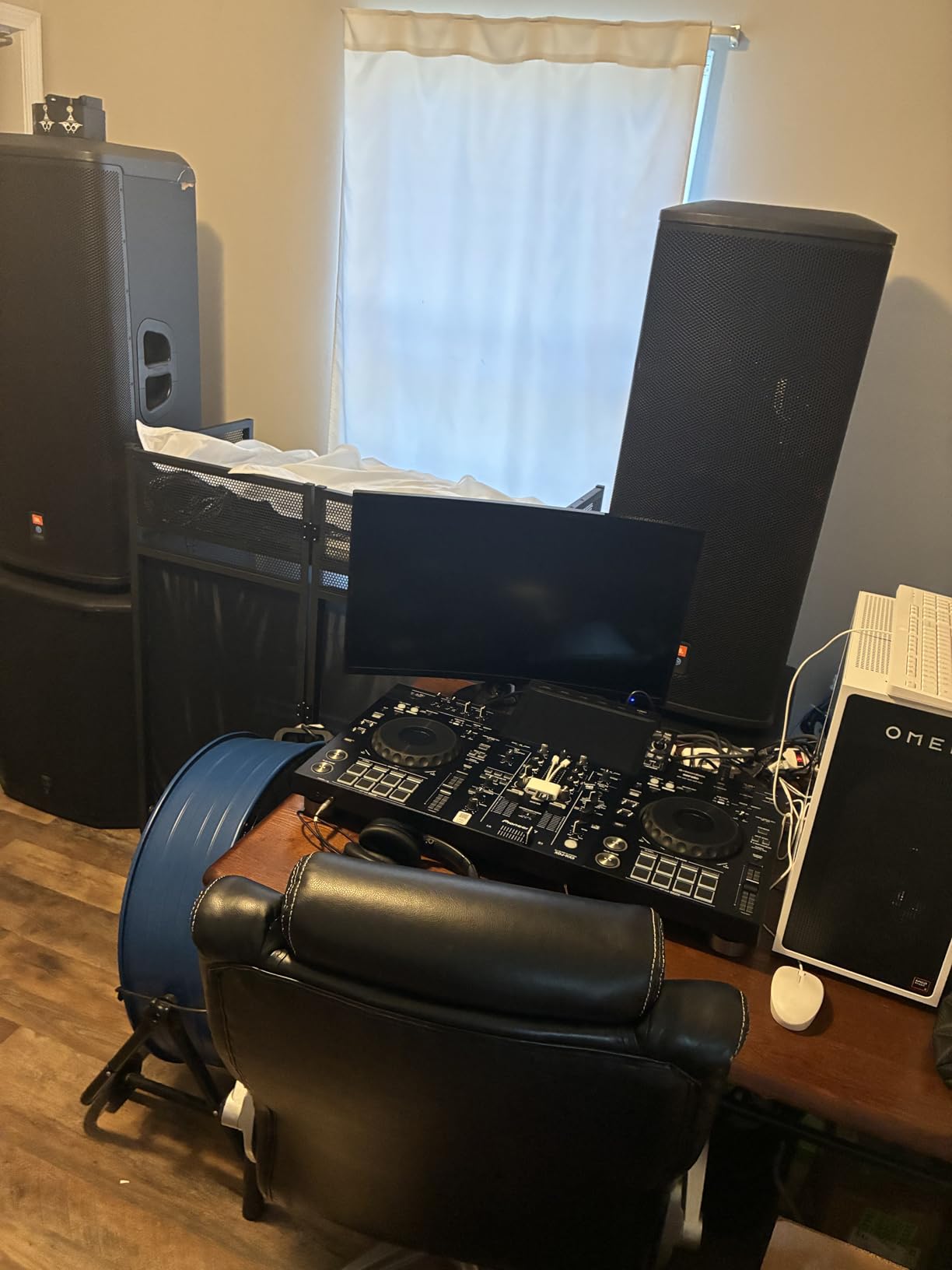
What a laptop-free night buys you
A wedding has no second chance. A laptop that sleeps, updates or hangs on a bad cable can end the reception, and no amount of backup media helps if the machine holding your library will not start.
Running from USB removes that entire class of problem. The trade is real though: you cannot record a set to the laptop, you edit on a smaller surface, and streaming depends on the software version installed on the unit.
The weight is the deciding factor
At 21 pounds and 28.67 inches wide, this is a two-person lift for some setups. That is fine in a fixed room with a table. It is a poor match for a mobile DJ running three events a weekend and carrying everything up stairs.
Measure your transport before committing. If the venue has a loading bay and a table waiting, this is the strongest reliability choice on the list. If the gear travels in a hatchback and up a staircase, weight may decide the whole purchase.
When a bedroom DJ steps up
If you have been practising on a controller with rekordbox or Serato, this is a genuine tier up rather than a sideways move. The layout teaches you the same surface you would use on professional gear.
For more standalone options, our standalone DJ controller guide covers the wider category.
5. Denon DJ SC LIVE 4 – four channels and stems for a full dance floor
Denon DJ SC LIVE 4 Standalone DJ Controller Black
4-channel mixer
Stem separation
7-inch touchscreen
Built-in speakers
XLR and RCA main outs
Pros
- Four-channel mixer with stem separation for four-deck standalone mixing
- Club-standard layout with an angled screen
- Built-in speakers for practice and small rooms
- XLR and RCA main outs plus a dedicated booth out
- Serato Pro unlock and Virtual DJ compatibility
Cons
- Plastic case feels less premium than club gear
- Knobs are narrower and less durable than Numark equivalents
- Occasionally needs a reboot for SD cards or Hue reconnection
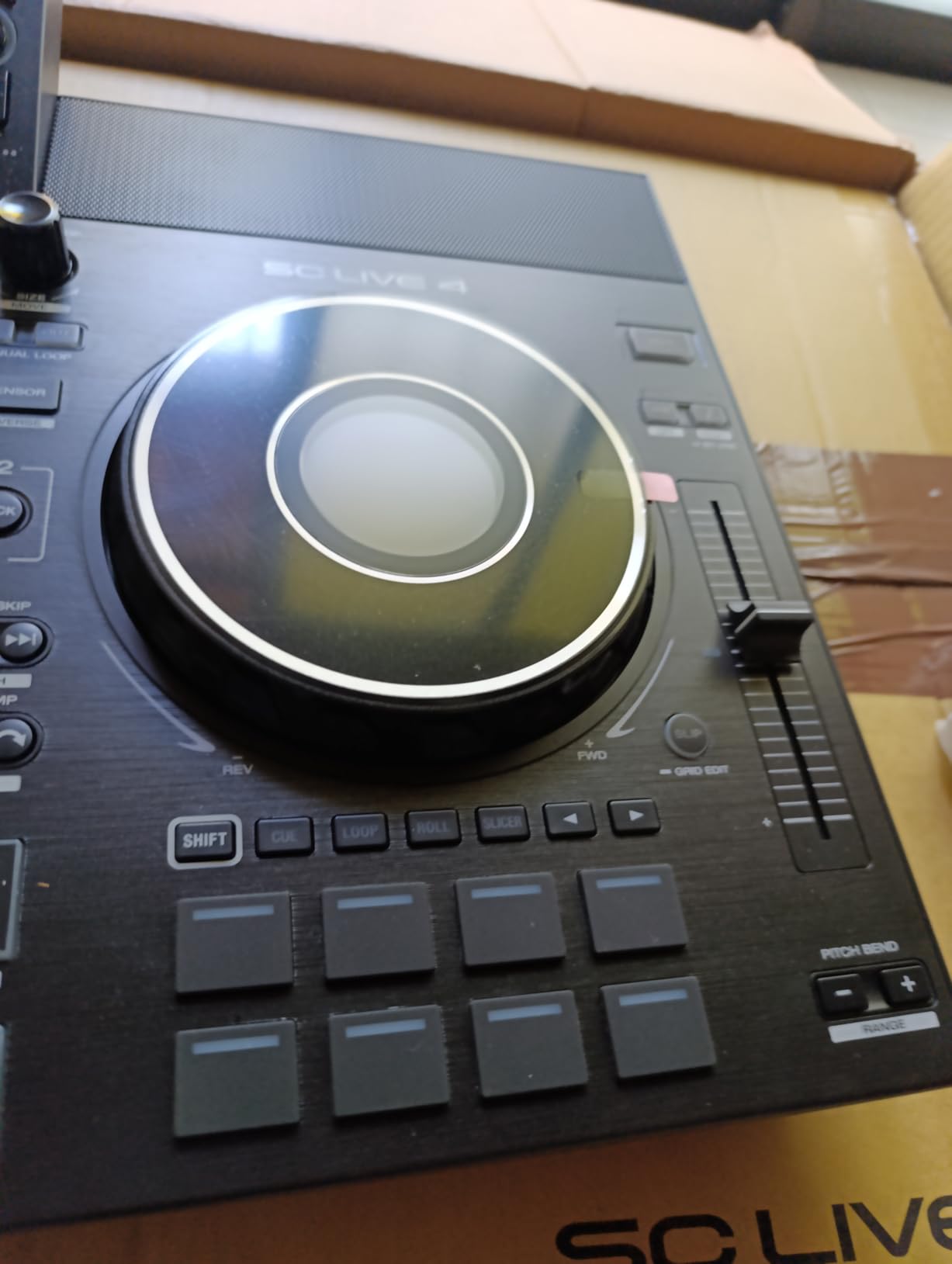
When the guest list is large enough that you want four sources moving at once, channel count stops being a luxury. This is a four-channel standalone mixer on Engine DJ OS with a seven-inch touchscreen, built-in speakers and stem separation.
Stem separation is the part that changes a set. Prepare vocal, melody, bass and drum stems with Engine DJ Desktop and you can strip a record down live during the peak hour, which is how open-format DJs build a moment without pre-planning it.
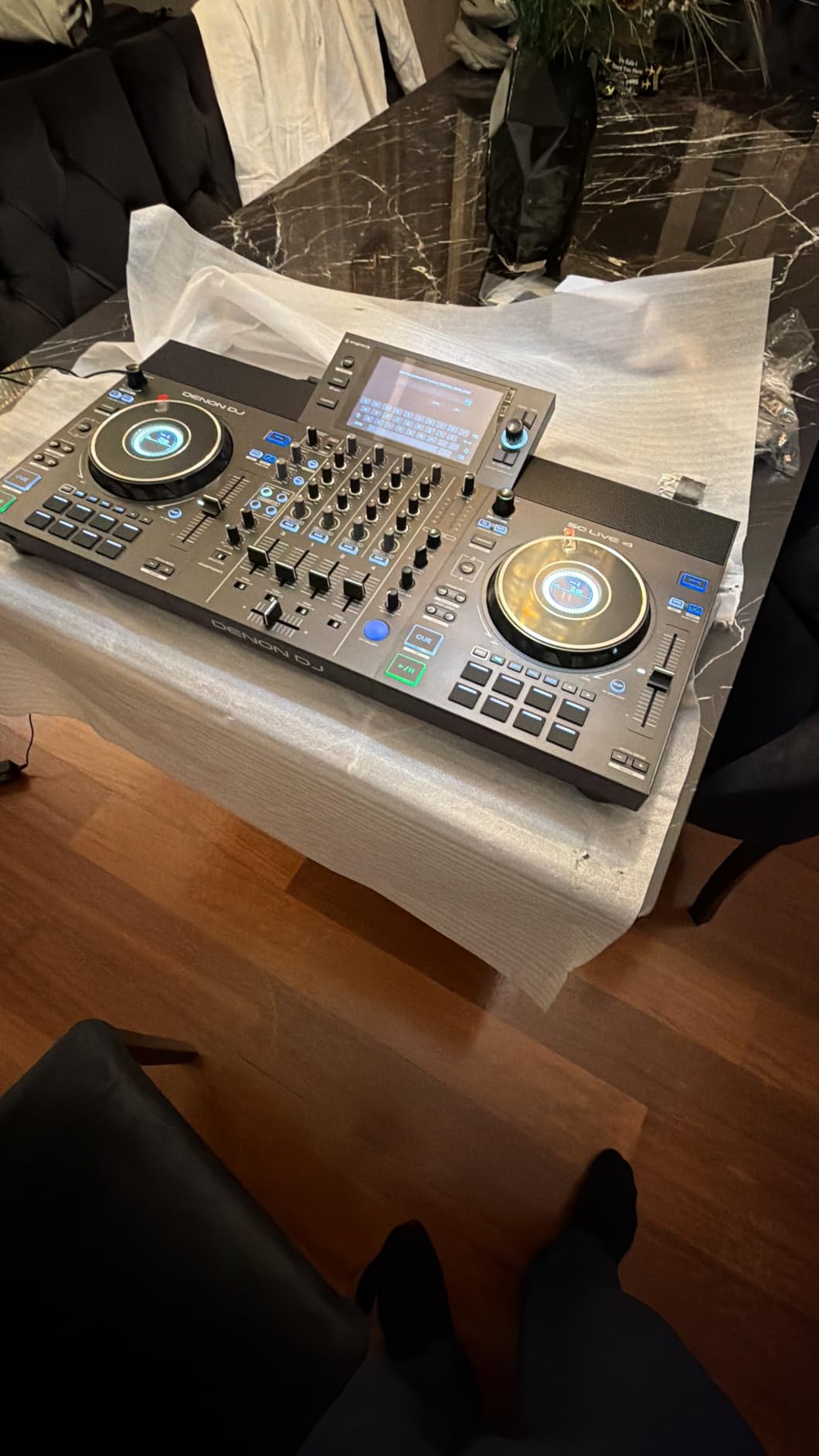
Connections are properly professional: two mic inputs, two RCA main outs, a quarter-inch booth out and an XLR main out, plus an SD media slot and two USB inputs. Streaming runs through Amazon Music Unlimited, Apple Music, Tidal, Beatsource, Beatport and SoundCloud Go+.
At 4.4 stars across 161 reviews it sits mid-pack on ratings, but the 77 percent five-star share and the consistent owner feedback point to a sound, reliable machine.
When you actually need four channels
Two channels means one record fading into another. Four channels means you can hold a loop, play a sampler on top, layer a request and still bring the next record in under control. That is the difference between a background set and a peak-hour set.
If your reception peaks at 150 or more guests, or you take requests all night, the extra channels earn their place. For a 50-person civil ceremony with a meal and a short dance, they are money spent on nothing.
The build quality trade
Owners are clear that the plastic case and the narrower EQ and channel knobs feel less durable than the equivalent Numark parts. On a tool that gets carried between venues, the controls take more abuse than the chassis.
There are also occasional reports of needing a reboot to read an SD card or reconnect to Philips Hue. Keep one spare media stick and confirm your lighting link before the ceremony rather than at nine at night.
Why Denon keeps showing up at weddings
Denon gear is described as very popular among mobile and wedding DJs, with the Prime 4, Prime Go and SC Live 4 all in regular circulation. Pioneer has the layout heritage, but Denon owns a large share of the working wedding market.
The angled screen reduces back strain across a six-hour shift, which sounds minor until you have done it. For a full rig with a full room, this is the pick.
6. Numark Mixstream Pro+ – the corded standalone that suits a permanent room
Numark Mixstream Pro+ DJ Controller
Standalone Engine DJ OS
7-inch touchscreen
6-inch jog wheels
Balanced XLR main outs
8.16 pounds
Pros
- Standalone Engine DJ OS with built-in speakers at 8.16 pounds
- Owners report pot and knob quality holds up after a year of heavy use
- Balanced XLR main outs for a proper PA connection
- Wi-Fi streaming plus Bluetooth audio input
- SD card and two USB media inputs
Cons
- Two-deck layout limits four-deck mixing
- Corded power only so a mains supply is needed at the venue
This is the same core idea as the Mixstream Pro Go without the battery, which makes it lighter in practice and better suited to a venue with reliable power. At 8.16 pounds it is one of the easiest units here to carry alone.
You get a seven-inch adjustable-brightness touchscreen, six-inch jog wheels, built-in speakers with their own volume control, and Engine DJ OS running standalone from SD card or USB.
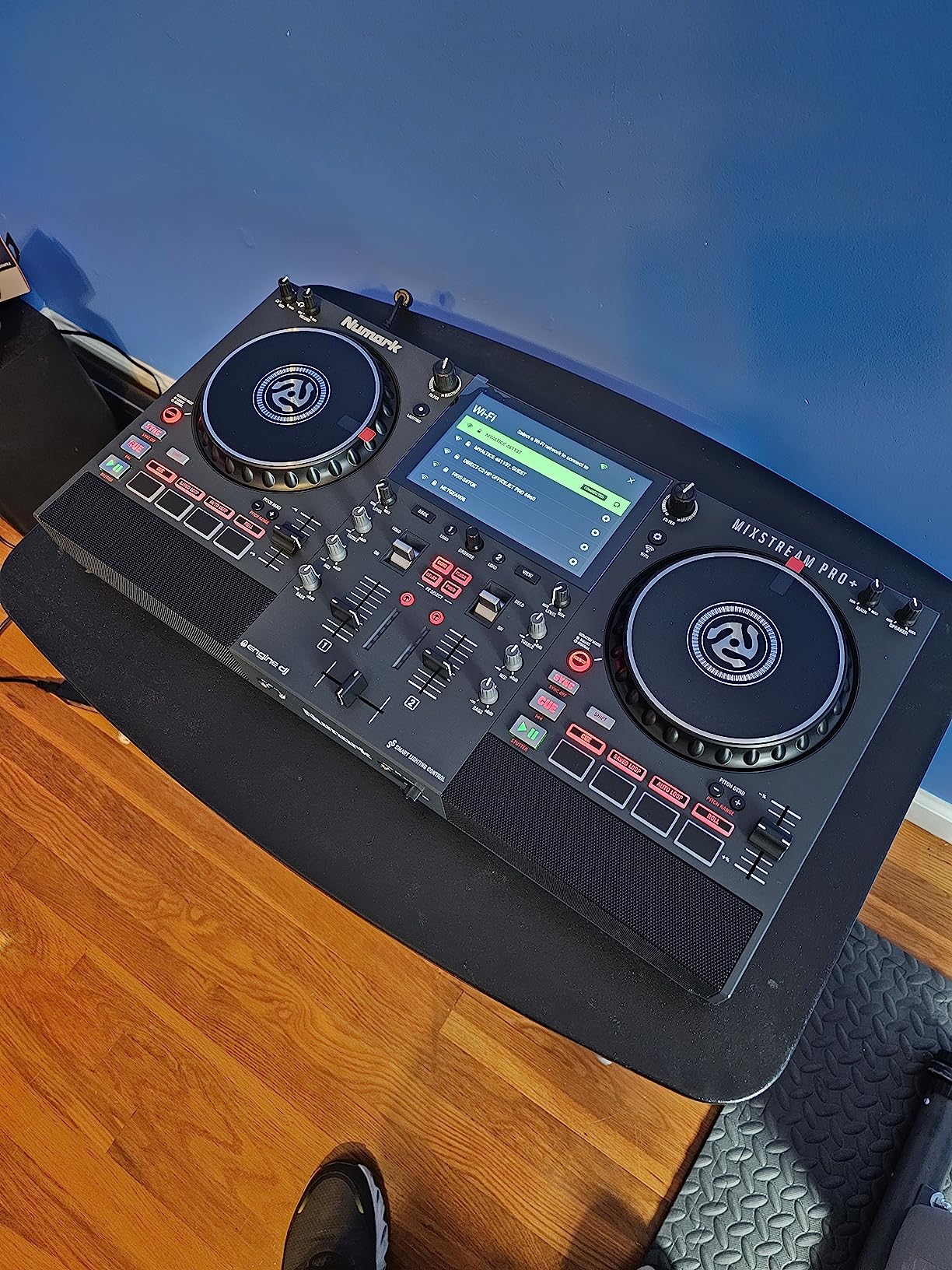
The balanced XLR main outs are the detail that matters with a rented PA. Unbalanced RCA connections into a long cable run are the classic source of hum in a wedding setup, and having balanced outs removes the guesswork.
It also has 1:1 hardware integration with Serato DJ and Virtual DJ, plus streaming through Amazon Music Unlimited and the usual services, and wireless control of Philips Hue, Nanoleaf and DMX lighting.
Which Mixstream suits your venue
If you play outdoor ceremonies, barns and any venue where a socket is not guaranteed, the Go version above is the better call because it runs on battery.
If you mostly play rooms with power at the table, this one is the stronger buy. You lose the battery and gain nothing in performance terms, and you keep the same streaming, screen and standalone workflow.
The ratings spread tells you something
At 4.3 stars across 388 reviews it has the widest spread of the group, with 67 percent five-star ratings. The recurring complaints are the two-deck layout and corded-only power, and the recurring praise is build quality that survives heavy use.
Two decks is the real limit for a busy floor. For a wedding with a strong dance hour and no other mixer, you are mixing one track into another and nothing else.
Long shifts and knob wear
Owners who have run it hard report that the pot and knob build holds up after a year of regular gigs, which is the opposite of what the SC LIVE 4’s thinner controls get reported for.
That makes this the sensible choice if you are a working DJ rather than someone playing one reception a year. Buy a proper case, as anyone who moves gear between venues should.
7. Pioneer DJ DDJ-FLX10 – the four-channel club layout for large receptions
Pioneer DJ DDJ-FLX10 4-Channel DJ Controller, Track Separation, Black
4-channel club-standard layout
On-the-fly track separation
Large multicolor jog displays
rekordbox and Serato DJ Pro
Pros
- Four-channel layout that maps onto CDJ and DJM workflows
- Track separation enables live mashups with no preparation
- Large jog wheels with multicolor on-jog displays
- Works with both rekordbox and Serato DJ Pro
- Built-in DMX output for running lights from the controller
Cons
- Laptop-based so a computer is required for performance
- 14.8 pounds is heavier than entry-level options
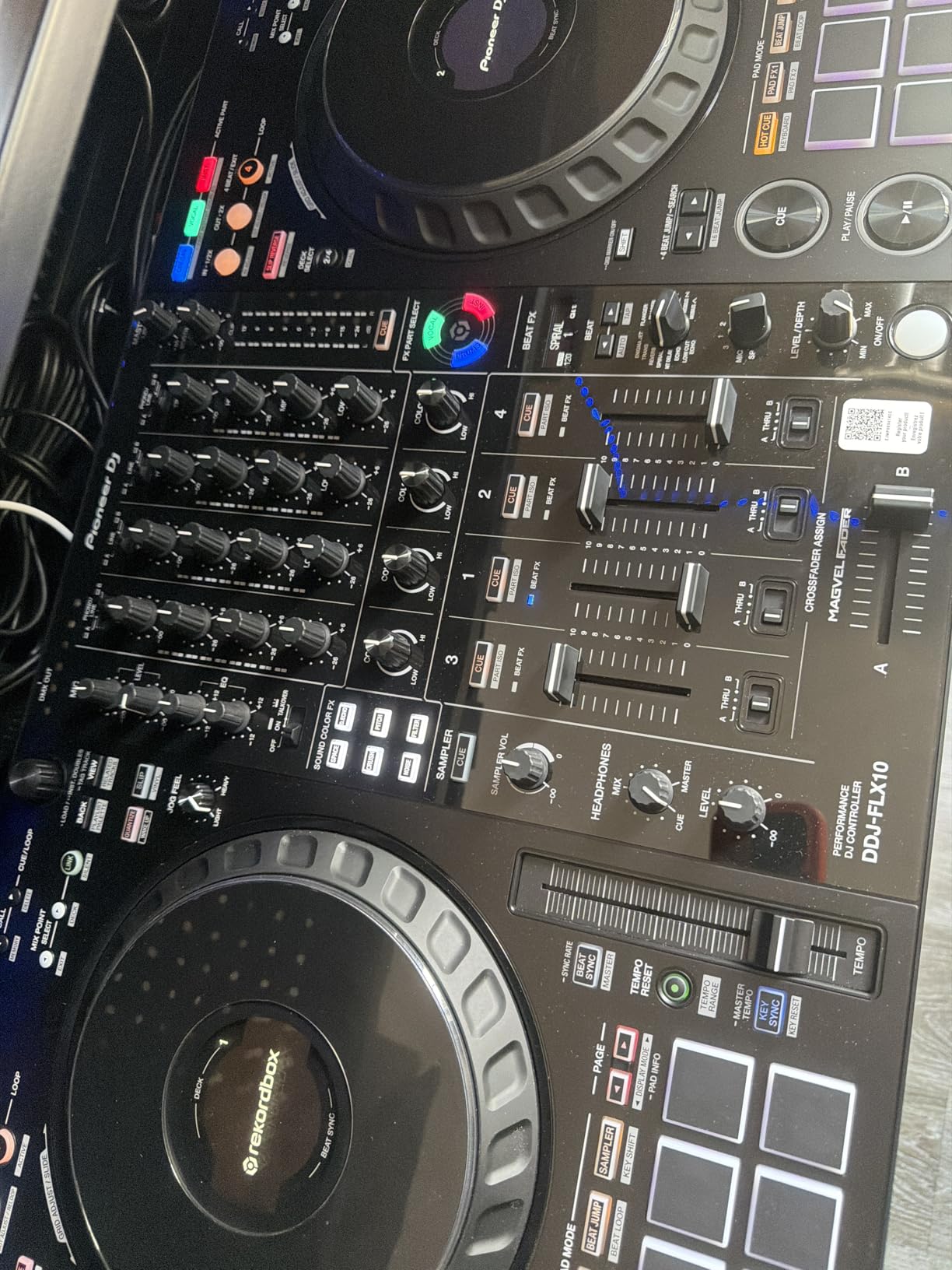
This is the top of the ladder for a laptop-based setup, and it is the one I recommend when the dance floor will be full and the DJ is experienced enough to use what is on it. Four channels, club-standard professional FX, and a layout that translates directly to a CDJ and DJM booth.
Track separation is the headline feature. It splits a song into vocals, drums and instruments on the fly, with no preparation, which lets you build a mashup in front of a crowd that has never heard the transition before.
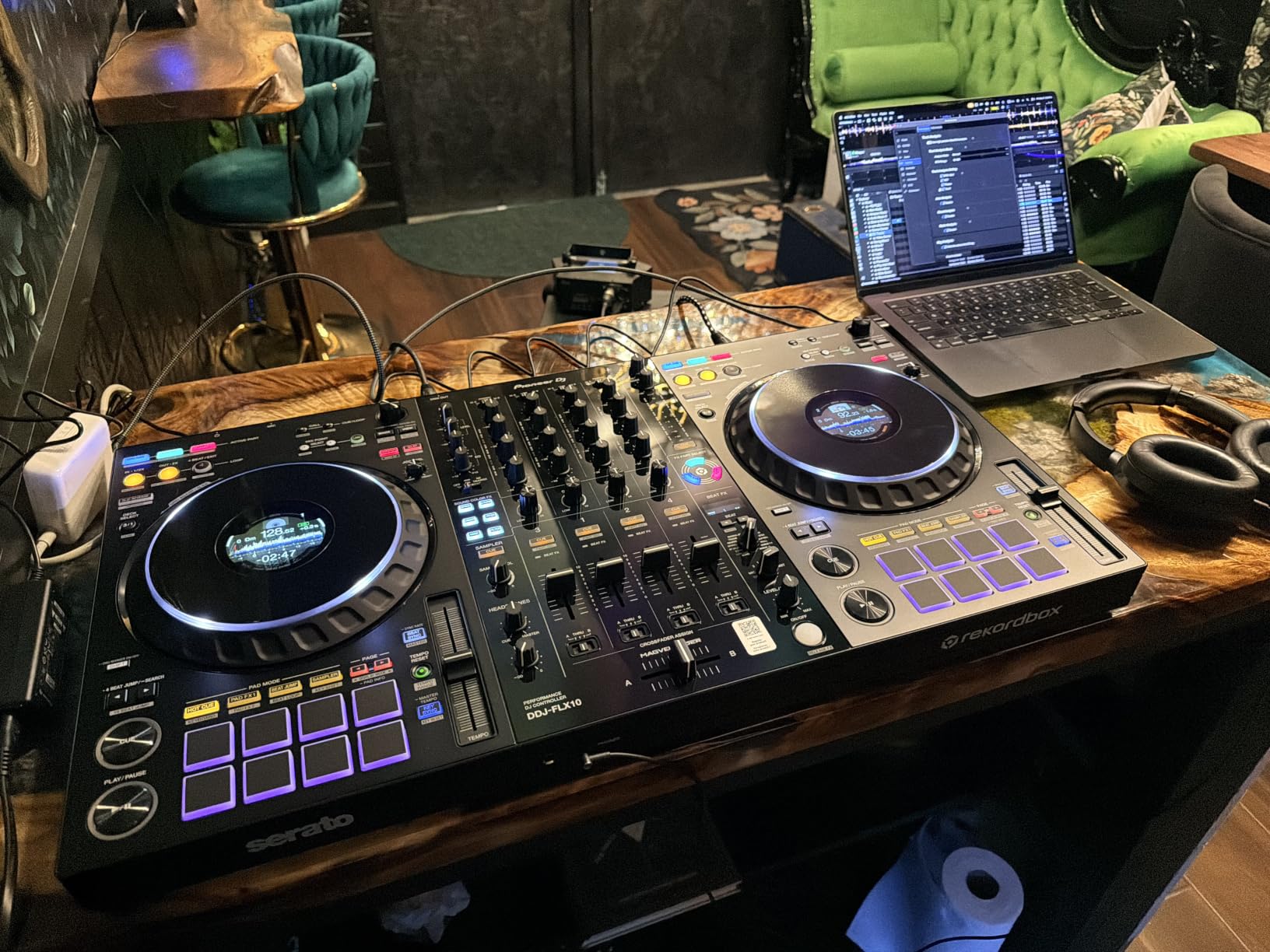
The large jog wheels carry multicolor on-jog displays showing waveforms, artwork and the section being played. Backlit controls help in a dim ballroom, and the built-in DMX output means you can run lighting from the controller itself.
It works with rekordbox and Serato DJ Pro, and it holds a 4.6 rating across 255 reviews with 83 percent five-star. That puts it close behind the FLX4 on proven reliability at a very different price level.
When four channels and stems change the night
On a large reception with an open-format set, four decks let you keep a request playing while you build the next moment. Stem separation turns any wedding playlist track into a live remix, which is exactly the kind of thing guests notice without knowing what produced it.
DMX output is a quiet bonus. If you are running uplighting for the first dance and the send-off, you can trigger it from the controller instead of hunting for a separate remote.
The two costs you pay for that
It is a laptop controller. Every reliability concern that applies to the FLX4 applies here with more at stake, because the extra features are worth more when the laptop stays alive for the whole night.
It also weighs 14.8 pounds. That is a two-handed carry up a staircase and a genuine consideration for anyone playing more than a handful of events a year.
Who this is actually for
Choose it if you are already comfortable beatmatching, you play rooms of 150 guests or more, and you intend to grow into club-style work. The club-standard workflow is a genuine advantage if that is the direction.
Skip it if you are playing one reception a year for 60 people. You would be paying for four channels, stems and DMX lighting that the evening never asks for. Our beginner controller guide covers the sensible starting points.
8. AlphaTheta XDJ-AZ – four-deck standalone for a room that never moves
Pioneer DJ XDJ-AZ Professional 4-Deck All-in-One DJ System, 10.1-Inch Touchscreen, Built-in Wi-Fi, SonicLink Wireless Tech, Performance Pads & Beat FX – XDJAZ
4-deck standalone USB playback
10.1-inch touchscreen
SonicLink wireless
115 dB signal-to-noise
206mm jog wheels
Pros
- Large 10.1-inch touchscreen showing up to 13 tracks at once
- Four-deck standalone playback from USB with no laptop
- SonicLink wireless headphone link with very low latency
- Studio-grade audio with a 115 dB signal-to-noise ratio
- 14 Beat FX including Helix and Mobius plus full-size 206mm jog wheels
Cons
- Very large and heavy unit that is impractical to transport solo
- Premium price point for a four-deck club-style system
This is a booth system, and I am including it because a meaningful number of wedding DJs also work clubs and festivals. If your gear lives in one room rather than a car boot, the ceiling in this category is the AlphaTheta XDJ-AZ.
Four-deck standalone playback from a USB device means no laptop on the night, with a 10.1-inch high-resolution capacitive touchscreen showing up to 13 tracks at once. The Playlist Bank holds four playlists and Touch Preview lets you audition without loading.
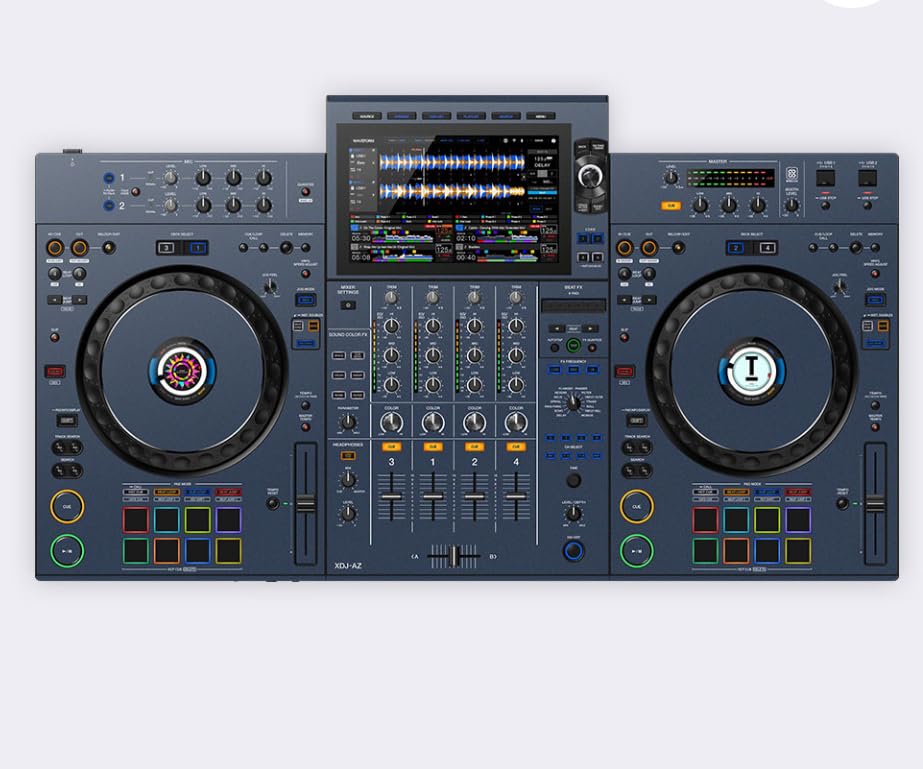
Audio performance is the standout spec: a 115 dB signal-to-noise ratio, 0.0018 percent total harmonic distortion and a 20 Hz to 20 kHz response. SonicLink delivers ultra-low-latency wireless headphones, and built-in Wi-Fi and Bluetooth 5.3 cover streaming and device connections.
Controls are full club scale with 206 mm jog wheels, Jog Feeling adjust, six Sound Color FX and 14 Beat FX including Helix and Mobius.
When a fixed installation makes sense
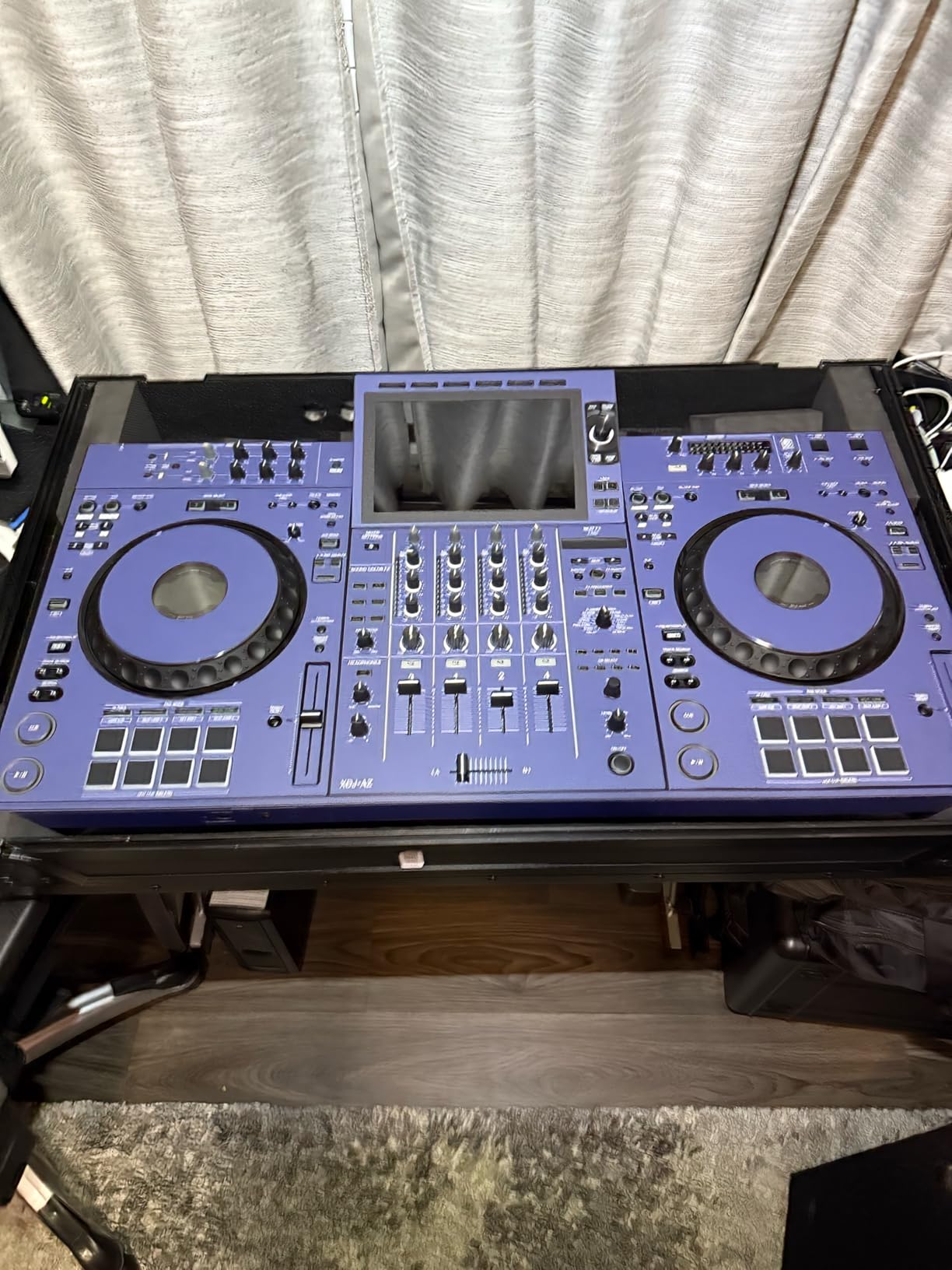
If you run a venue, a regular weekly night or a company event space, this hardware has a lifespan measured in years and never has to survive a car journey. Setup time stops being a factor because the system is already where it is needed.
Four decks plus a large screen is what a working open-format set needs when you want four sources visible at once without opening a laptop.
Why most wedding DJs should skip it
Owners and reviewers consistently describe it as impractical to transport solo for most mobile work, and at 47 by 24 by 14 inches the volume of the case is itself a problem.
At 4.7 stars across 55 reviews, the rating is excellent, but the review count is small and the machine is priced for a professional fixed setup. Nothing about a 100-guest reception needs a four-deck booth system.
Protecting an expensive system
At this level the surrounding kit matters as much as the controller. A flight case, a proper table, and a surge-protected power supply are not optional extras, and our guide to DJ cases for controllers covers protecting a unit this size.
Plan the evening around fewer manual restarts too. Fewer mid-set reboots means more of the reception hears the music you planned.
Laptop Controller vs Standalone: What Pros Actually Bring
There are three architectures in this list, and choosing between them is more consequential than choosing between two models of the same type.
Laptop controllers like the FLX4 and FLX10 give you the widest software choice and the deepest feature set, because the computer does the work. The trade is a dependency on a machine that can fail, update or fall asleep.
Standalone all-in-one systems like the RX3, SC LIVE 4 and Mixstream units run the software internally from SD card or USB. Setup is faster, playback is deterministic, and nothing depends on a computer. You give up editing convenience and some flexibility.
Fixed booth systems like the XDJ-AZ sit above both, with four decks and club-scale hardware, and they only make sense when the gear does not travel.
The r/Beatmatch consensus is that the FLX4 is the safest new controller because it supports both rekordbox and Serato DJ Pro, so you are not locked out of a platform before you have chosen one. A used DDJ-400 comes up repeatedly as the cheapest sane way to learn.
What to Look for in a Wedding DJ Controller
A wedding rig is a system, not a device. The controller is the part most people research and the part that matters least if the rest is wrong.
Microphone inputs and gain control
Two microphone inputs is the practical floor. Toasts, speeches and the last-dance announcement all happen while the controller is live, and each channel needs its own gain so a quiet speaker does not have to shout over the music. The Denon DJ PRIME GO+ and the SC LIVE 4 both give you two mic inputs on a standalone system, which is unusual in this size class.
Balanced vs unbalanced main outputs
XLR main outs matter more than most buyers realise. RCA and unbalanced connections over a long cable into a rented PA produce hum that guests hear as a buzz in quiet passages. A wedding musician-DJ running djay Pro on an iPad complained specifically about unbalanced outputs feeding a PA, and it is a fair complaint.
All of the standalone systems on this list carry balanced XLR main outs, which is why they feed a rented wedding PA cleanly.
Channels and decks
Two channels cover ceremony playback, cocktail hour and normal reception mixing. Four channels become necessary when you want a loop, a sampler and a request running under the next track. Match the channel count to the largest room you play rather than to your ambition.
Software ecosystem and where your playlists go
rekordbox, Serato DJ Pro, Serato DJ Lite, Engine DJ, Traktor and djay Pro are separate worlds with separate file handling. Before you commit, check that your existing library exports somewhere you can still use, because wedding playlists get rebuilt for every couple.
A controller that runs two platforms, like the FLX4 or the FLX10, keeps the most freedom. Engine DJ standalone systems are locked to that ecosystem, which is the deal-breaker to know about before the first event.
Battery, weight and load-in
Battery power only matters if your venue has no reliable socket. It is decisive for outdoor ceremonies and irrelevant for a ballroom with a table and two outlets.
Weight matters constantly. It is the 21 pounds of the RX3, the 14.8 pounds of the FLX10, or the 8.11 pounds of the PRIME GO+ deciding your answer long before any feature does. Get a case, because gear damaged in transit is gear you cannot use on the day.
Streaming support and output
Guests now request tracks from services rather than bringing files, so streaming support is close to mandatory. Apple Music, Tidal, Beatport, Beatsource and SoundCloud Go+ appear across most of this list, and onboard Wi-Fi handles it without a computer on some.
Also check the outputs you will actually plug into. XLR for a PA, RCA for a small system, quarter-inch or eighth-inch headphone jacks for cueing, and a booth out if you monitor differently from what the room hears.
What Wedding DJs Say About the Gear
Wedding DJs validate gear in communities rather than on brand pages, and the complaints that come up are not about sound quality.
On r/Beatmatch, the FLX4 is repeatedly named the best universally supported new controller because it works with both rekordbox and Serato DJ Pro. The same threads raise laptop-on-a-stand as the single biggest reliability risk at a gig, with cables snagging, the laptop rebooting and the screen going to sleep mid-set.
The balanced output complaint comes from a wedding musician-DJ running djay Pro on an iPad who found the outputs unbalanced and heard hum when feeding a PA. That is worth checking before you buy, and it is why XLR main outs appear on most of the picks above.
On r/WeddingDJs and r/DJs the recurring practical points are transport weight, damage in transit, and the fact that many mobile DJs rent PA speakers rather than own them, with two tops and a sub being a common recommendation for a wedding.
Denon gear, including the Prime 4, Prime Go and SC Live 4, is described as very popular among mobile and wedding DJs specifically. Guests damaging equipment at weddings is a documented enough problem that a laptop with stickers showing through matters more than it sounds.
White-finish editions are noted by pros as the wedding-appropriate choice, because they read as furniture rather than nightclub gear.
Frequently Asked Questions
What is the best DJ controller for a wedding DJ?
The Pioneer DJ DDJ-FLX4 is the most widely recommended choice because it runs both rekordbox and Serato DJ Pro, so you are not locked into one platform before you have chosen one. It weighs 2.8 kg and carries 16 Performance Pads. It needs a laptop, so check your load-in setup before buying.
What controllers do professional DJs use?
Working DJs tend to use one of three setups: a laptop controller like the DDJ-FLX4 or DDJ-FLX10 with software such as rekordbox or Serato DJ Pro, a standalone system like the XDJ-RX3 or Numark Mixstream range that plays from USB or SD card, or a fixed booth system such as the AlphaTheta XDJ-AZ for regular club or venue work.
How many channels should a DJ controller have for weddings?
Two channels are enough for ceremony playback, cocktail hour and most receptions up to around 100 guests. Four channels become necessary when you want a loop, a sampler and a request playing under the next track, which is typical of a 150-plus guest open-format set. The SC LIVE 4 and DDJ-FLX10 cover that case.
Do I need software for my DJ controller?
Laptop controllers such as the DDJ-FLX4 and DDJ-FLX10 need DJ software running on a computer, usually rekordbox or Serato DJ Pro. Standalone systems like the XDJ-RX3, SC LIVE 4 and Numark Mixstream units run the software internally and play from a USB stick or SD card with no computer at all.
Are there beginner-friendly DJ controllers?
Yes. The DDJ-FLX4 is widely recommended as a first all-in-one because Smart Fader adjusts volume, bass and tempo so beginners can blend records without manual beatmatching. At 2.8 kg it is easy to carry, and its layout matches professional Pioneer gear so the skills transfer upward.
What is the best brand for DJ controllers?
Pioneer DJ and AlphaTheta lead on club-standard layout and broad software support, Denon DJ and Numark are very popular with mobile and wedding DJs for their standalone Engine DJ systems, and Hercules covers the compact budget end. The brand matters less than the software ecosystem you will still be using in five years.
The Best DJ Controller for Your Wedding
The Pioneer DJ DDJ-FLX4 is the best DJ controller for weddings for most people in 2026, because it supports two software platforms, carries comfortably at 2.8 kg and has the largest review base here. If your venue has no power or your ceremony is outdoors, go with the battery-driven Numark Mixstream Pro Go instead.
Match the channel count to the room, count your microphone inputs before anything else, and buy the case. Whichever unit you choose, the pairing and the mic setup will decide the night more than the controller will.