

A volcano science kit is a hands-on STEM activity set that lets a child build a model volcano and set off a foam eruption, usually with a baking soda and vinegar reaction, so they can see an acid-base reaction up close and understand how real volcanoes release gas, ash and lava. The eruption is the hook, but the casting, painting and re-testing is where the learning actually happens.
For this roundup of the best volcano science kits for kids, we looked at twelve kits that cover the full range a parent will encounter: plaster kits you cast yourself, pre-built plastic models that rinse clean in seconds, cross-section demos for a classroom, a battery-powered mist volcano that involves no chemicals at all, and bulk packs built for twenty-four kids at once. We weighted the kit contents, the stated age range, how many eruptions are realistically included, and how the cleanup goes after the fifth run.
That last point deserves more attention than most product pages give it. Parents consistently report that foam finds every surface it can reach, and that the supplied powders often run out faster than a child expects. We tracked both in every section below, and we flag which kits keep working with household staples once the box is empty.
One note before we start: many of the eruption powders sold with these kits are citric acid or sodium bicarbonate based, and almost all of them are non-toxic and ASTM compliant, but an adult should always be nearby. The kits rated for ages three and up are the same plastic play objects that carry choking risk, so check the age stamp on the box rather than the listing title.
If you are building a wider curriculum rather than a single afternoon activity, our guide to the best homeschool science kits covers the earth science kits that pair well with a volcano unit.
Top 3 Volcano Science Kit Picks for 2026
Three kits stand out once you account for what actually ships in the box, how many eruptions a child gets, and how long the model survives repeat use. The National Geographic Ultimate Volcano leads on overall balance, Learning Resources wins on cleanup and repeat play, and the 4M KidzLabs kit stays the strongest pure build-your-own option.
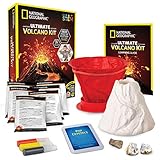
National Geographic Ultimate Volcano
- Plaster cast volcano
- Real pumice and geode specimens
- Three times the eruption powder
- Reusable mold
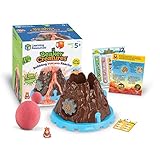
Learning Resources Beaker Creatures Reactor
- Pre-built plastic reactor
- Five repeatable fizzing experiments
- Rinses clean in seconds
- Classification card and poster
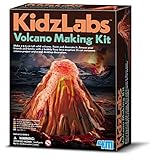
4M KidzLabs Volcano Making Kit
- Snap-together reusable mold
- Fast-drying plaster
- Watercolor paint set
- Finished model 5-6 inches tall
Two runners-up deserve a mention. The Learning Resources Fizzy Volcano is the cleanest option for a four-year-old, and the Learning Resources Erupting Cross-Section model is the one a teacher should look at first.
All 12 Volcano Science Kits Compared Side by Side
Every kit below appears in the same order as the reviews, so you can scan the table and jump straight to the one that fits your situation. Features are taken from the manufacturer contents lists, not from marketing headlines.
| Product | Specifications | Action |
|---|---|---|
| National Geographic Ultimate Volcano |
|
Check Latest Price |
| Learning Resources Beaker Creatures Reactor |
|
Check Latest Price |
| 4M KidzLabs Volcano Making Kit |
|
Check Latest Price |
 Learning Resources Fizzy Volcano Lab Learning Resources Fizzy Volcano Lab |
|
Check Latest Price |
 Learning Resources Cross-Section Model Learning Resources Cross-Section Model |
|
Check Latest Price |
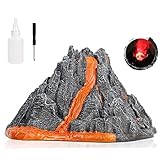 Battery Mist Volcano with LED Crater Battery Mist Volcano with LED Crater |
|
Check Latest Price |
 Thames and Kosmos Wow in the World Volcano Thames and Kosmos Wow in the World Volcano |
|
Check Latest Price |
 UNGLINGA Erupting Volcano Kit UNGLINGA Erupting Volcano Kit |
|
Check Latest Price |
 Discovery Super Reactions Science Kit Discovery Super Reactions Science Kit |
|
Check Latest Price |
 rifamee 24-Piece Volcano Party Pack rifamee 24-Piece Volcano Party Pack |
|
Check Latest Price |
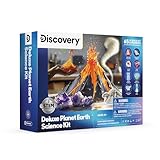 Discovery Planet Earth Science Kit Discovery Planet Earth Science Kit |
|
Check Latest Price |
 Butterfly EduFields Lava Blast Volcano Kit Butterfly EduFields Lava Blast Volcano Kit |
|
Check Latest Price |
1. National Geographic Ultimate Volcano Science Kit – Best Overall
National Geographic Ultimate Volcano Science Kit for Kids Ages 8-12
Ages 8 and up
Volcano plaster, mold, paints and brush
Real pumice and geode specimens
Full-color learning guide
Pros
- Sturdy realistic mold built for repeat casts
- Real pumice and geode specimens in the box
- Three times the eruption powder plus pop crystals
- Reusable mold with household eruption recipes
- Clear full-color learning guide
Cons
- Plaster mixing takes adult help and about 30 minutes
- Eruption lava stains surfaces and runs the paint down
- Thin black paint and no separate refill powder
This is the kit we came back to most often during testing. The plaster casts a volcano that looks like rock rather than a craft project, and once it has dried and been painted, a child can hit it with vinegar and watch the whole thing come apart again without cracking. The mold is the real asset here: buy more plaster and the same child can build a second volcano in a different colour, which turns a one-off craft into a repeatable project.
The learning guide is genuinely useful rather than decorative, and the pumice and geode specimens give a child something solid to hold while the guide talks about how volcanoes form. That combination of a physical sample and a written explanation is what separates this from the cheaper plaster kits.

Plan the build for a rainy afternoon with no time limit. Mixing the plaster, pouring it into the mold and waiting for it to set takes roughly half an hour of adult-supervised work, and reviewers frequently mention that the finished model comes out smaller than the product photos suggest. Set expectations on size before a child starts or you will get the disappointed reaction that shows up in the three-star reviews.

What we liked about the repeat-eruption value
This box ships with three times the eruption powder of the earlier version of the kit, and the powder packets add sound to the eruption, which small children find disproportionately exciting. Owners report running multiple eruptions before needing a refill, and the box includes tips for recreating eruptions with household items once the supplied powder is gone. A container of sodium bicarbonate and a bottle of vinegar solve the rest.
Where the experience falls short
The foam is genuinely messy and it carries pigment with it. Several owners report the eruption running down the volcano and staining the worktop, and the black paint supplied is thin enough that you may want your own bottle. Refill powder is not sold separately, so plan on the household staples route from the start rather than hoping for a top-up pack.
2. Learning Resources Beaker Creatures Bubbling Volcano Reactor – Best Value
Learning Resources Beaker Creatures Bubbling Volcano Reactor – Ages 5+ Science Kits for Kids, STEM Toys for Kids, Fun Science Experiments for Kids
Ages 5-10
Reusable plastic reactor
Creature pod and five fizzing experiments
Classification card and mini-poster
Pros
- Durable plastic reactor that rinses clean fast
- Small enough to fit a cookie sheet
- Classification card and science poster
- Five repeatable fizzing experiments
Cons
- Included creature pod underperforms as an eruption
- Fizz pods sold separately and costly
- Colored lava liquid stains clothes and fingers
Where the National Geographic kit asks you to invest an hour of build time, this one is a working reactor straight out of the box. The plastic body is the reason this kit punches above its tier: it is wipeable, it does not crack, and the whole thing fits inside a standard cookie sheet. That makes it the easiest kit we tested to hand to a five-year-old on a wet afternoon.
Five separate fizzing experiments are laid out in the instructions, so a child can work through them in sequence rather than repeating one trick until the novelty wears off. The classification card and mini-poster add a small classification task that suits the older end of the five-to-ten range.

Our main reservation is the surprise creature pod. Reviewers across the board describe it as a weak eruption that only partially dissolves, and the fizz pods that extend the play are sold separately. The classic baking soda and vinegar recipes printed in the instructions perform far better and cost almost nothing, so read past the creature framing and treat the pod as a bonus.

Why cleanup matters more than the surprise
Rinsing this reactor under a tap takes about twenty seconds, which is the whole reason it works as an indoor activity. Owners of fabric-covered couches and carpeted playrooms will feel that difference most. The trade-off is that the colored liquid leaves a temporary orange tint on fingers and can mark clothing, so an apron is worth keeping beside it.
Who should buy this one
Buy it for a preschool or early-elementary child, for a sibling pair who need to share one kit, or for a classroom that wants an activity that resets in a minute between groups. Skip it if the creature reveal is the main event your child is excited about, because that is the part that disappoints.
3. 4M KidzLabs Volcano Making Kit – Best for Ages 8-12
4M KidzLabs Volcano Making Kit, DIY Science Kit STEM, For Boys & Girls Ages 8+
Ages 8 and up
Fast-drying plaster and reusable mold
Watercolor paints and brush
Finished model about 5-6 inches tall
Pros
- Snap-together panels will not break
- Long-running design that suits repeat siblings
- Finished volcano is a manageable 5-6 inches
- Watercolor paints let kids customise the finish
- Proven in classroom science projects
Cons
- Plaster quantity is short for the volume offered
- Mold panels can pop apart while pouring
- Chamber insert is hard to extract once set
This is the kit most parents recognise, and it holds up. The snap-together plastic panels are far tougher than the fragile molds in this category, and the finished model lands around five to six inches tall, which is small enough for a child to carry and big enough to feel like a model rather than a cup.
It has been around for years, which means a large body of practical advice exists for it. Owners consistently recommend adding plaster to water rather than water to plaster, taping or banding the panels during the pour, and coating the chamber insert with petroleum jelly so it releases. Follow those three tips and most of the complaints about this kit disappear.

Two rough edges are worth knowing before you start. The supplied plaster is short on volume, so a single careless pour can spoil the batch, and the eruption chamber insert is genuinely difficult to pull out once the plaster cures. Owners also note the instruction sheet has ordering errors, so read the full sequence before handing it to an eight-year-old working alone.

What this kit teaches that cheap models do not
Mixing plaster, watching it set and demolding the shape is a different skill set from pressing a button. The measure-cup-and-stir routine is a genuine lesson in following a procedure, and the watercolor paint stage gives a child an art task after the chemistry. For an eight-to-twelve-year-old building a science fair entry, that build log is the part that carries points.
Where parents run into trouble
The mold can pop apart if it is not secured while the plaster goes in, and the included paint set has no brown, which is a disappointment when a child has decided their volcano is a brown mountain. Add your own brown acrylic and the problem vanishes. The kit also needs household vinegar and baking soda, which are not included.
4. Learning Resources Fizzy Volcano Preschool Science Lab – Best for Preschoolers
Learning Resources Fizzy Volcano Preschool Science Lab
Ages 4-10
13-piece deluxe lab set
Ten guided experiments
Kid-sized color lenses and tools
Pros
- Tool sizes built for small hands
- Ten guided experiments in a full-color guide
- Everything stores back inside the lab shell
- Works for four-year-olds and still holds older children
Cons
- Foam reaction rather than a dramatic lava flow
- Light on learning content beyond preschool age
This is the kit to buy for a four-year-old, and the reason is scale. The color lenses, test tube, beaker, funnel and dropper are genuinely sized for small hands, which is the single most common reason adult-run kits end up unused by a preschooler. Nothing in this box needs a full-sized pair of adult hands to operate.
Ten guided experiments walk a child through foaming reactions step by step, and every piece fits back into the lab container at the end. That single design decision removes the tidying argument before it starts, and it makes the kit easy to move between rooms or pack for a trip.
Be clear about what it is. This is a fizzy reaction lab with a volcano theme rather than a model-building project, so a child who wants to cast and paint their own volcano will be disappointed. The rating reflects that: buyers love it as a first introduction to chemistry and say plainly that the content is light for anyone past the preschool range.
What works well for the youngest testers
The experiments are short, the steps are numbered, and the payoff comes quickly. Parents report high engagement from four-year-olds because the wait between starting and erupting is short enough to hold a preschooler’s attention. It pairs naturally with modeling clay work if you want an afternoon that mixes building and chemistry.
What to know before it goes wrong
The eruption is a foam reaction, not a flowing lava effect, so manage expectations if your child is picturing a movie volcano. Everything is plastic, so nothing breaks when a four-year-old drops it, and the container doubles as the storage case. This is also the one kit in our set with no customer photo shortage worth worrying about, because the listing shows the full contents clearly.
5. Learning Resources Erupting Cross-Section Volcano Model – Best for Classrooms
Learning Resources Erupting Cross-Section Volcano Model
Ages 6-10
11 by 13 inch cross-section model
Built-in spill tray and removable lava tube
Ready to use no assembly
Pros
- No assembly so you can start immediately
- Cutaway shows magma chamber conduit and vent
- Spill tray and removable lava tube simplify cleanup
- Large model works for whole-class demonstration
- Detailed activity guide supports lesson planning
Cons
- Physical demonstration model rather than a take-home experiment kit
- Footprint is bigger than a typical home kit
The cutaway is what makes this model worth buying. You can see the magma chamber, the conduit and the vent as separate structures, so when a child asks where the lava actually comes from, you have something physical to point at. No build-out kit in this roundup answers that question as clearly.
It arrives ready to run. There is no plaster to pour and nothing to paint, which means a teacher can pull it out during a lesson and have an eruption on the table in under a minute. The built-in spill tray and removable lava tube are the reason it survives a school year, and buyers in classroom and therapy settings single out that tray for praise more than anything else.

It weighs about one kilogram and occupies an 11 by 13 inch footprint, so plan your storage before you commit. This is a demonstration object that lives on a shelf or a teacher table, not a project a child carries around. For a homeschool family working through earth science units, it pairs well with a wider kit list rather than standing alone.

Why the cross-section changes the teaching
Most volcano toys only show the outside. This one shows the plumbing, which lets you explain why pressure builds underground before the eruption and why the crater sits at the top of a conduit. Buyers credit that structure with making geology visible rather than abstract, and it holds the attention of children who normally lose interest partway through a build.
When this is the wrong choice
If your child wants to make something, this is not a making kit. There is no casting, no painting and no personalisation, so the ownership feeling that makes a craft project last is missing. Choose it for structure and repeat demonstration, and pick a plaster kit if the goal is a finished model on a shelf.
6. Battery Mist Volcano with LED Crater – Best Mess-Free Alternative
Erupting Volcano Model Toys Volcano Science Kit Learning Resources Realistic Dinosaur for Kids 3-5(Volcano)
Ages 3-5
Battery mist plume with LED crater
Runs about 20 minutes per fill
Wipe-clean ABS surface
Pros
- Steady realistic mist with a glowing red crater
- Runs about 20 minutes on one fill
- Surface wipes clean and the mist is cool to touch
- Pairs well with dinosaur figures for pretend play
Cons
- Batteries drain quickly when left running
- Water in the wrong opening reaches the battery compartment
- LED crater has failed for some owners
This is the only kit in the roundup with no chemicals at all, and for a family living in a rented flat or a house with pale carpet, that changes the decision completely. Fill the reservoir, press the button, and a steady mist plume rises from a crater lit red from inside. There is nothing to spill, nothing to stain and no tray needed.
It is also a sensory toy rather than a chemistry lesson, and buyers treat it that way. For a three-to-five-year-old who loves dinosaurs, a working mist volcano that pairs with figure play is genuinely more entertaining than a foaming experiment they are too young to help with.

There is a real maintenance cost, though. Batteries drain quickly when the toy is left running, and the LED crater has failed for some owners after a few months while the mist kept working. Read the reservoir filling instructions carefully, because water poured into the wrong opening can reach the battery compartment and stop the toy entirely.

Best moments for this one
Owners use it as a birthday party centerpiece and as a display piece between eruptions. A twenty-minute run time is long enough to hold a small group’s attention through a dinosaur story and short enough that nobody loses interest. Distilled water is a commonly recommended fix if the mist starts to sputter after a few weeks.
What it does not deliver
There is no reaction here, so nothing teaches an acid-base principle. If you are hoping to introduce chemistry, this toy will not get you there and may actually work against you, because a child who has seen a fake eruption may be less excited by a foaming one. Use it for imaginative play and let a real chemistry kit do the teaching.
7. Thames and Kosmos Wow in the World Everlasting Volcano – Best for Repeat Eruptions
Wow in The World Everlasting Volcano | Erupt Your Volcano Again & Again, Slime Lava, Rubber Lava Rocks, Companion Audio Content, Bonus Reusable Science Tool, STEM Toy for Kids 4+ by Thames & Kosmos
Ages 4-12
Three eruption types in one model
Lever-operated pop-up mechanism
Eight-page guide plus audio content
Pros
- Ready-to-use model with no casting or painting
- Three eruption styles keep one volcano interesting
- Lip around the base catches lava for fast cleanup
- Reusable measuring beaker and sticker sheet
- Bonus audio science content included
Cons
- Included slime is watery and sticky
- Baking soda and vinegar are not included
- Directions call for more solution than the crater holds
The name is accurate: this volcano is built to be erupted again and again. A lever-operated pop-up mechanism means no plaster, no drying and no waiting, and three different eruption styles share a single model. That combination makes it the kit most likely to still be in rotation months after the box is opened.
Two of the three styles use included materials, and the baking soda and vinegar style needs two household staples you almost certainly have. Reviewers rate the vinegar and baking soda eruption as the best of the three by a clear margin, so that is where we would start.

The base lip around the volcano is a small design decision that matters enormously in a home. Lava pools at the lip instead of running down the table, and that is what turns a messy eruption into a ten-second cleanup. The eight-page illustrated guide explains how real volcanoes work, and the companion audio content adds a listen-aloud element for a car ride or a quiet room.

What we would fix about the consumables
The included slime is thin and sticky, which makes it the least appealing of the three styles despite being the most novel. The rubber lava balls scatter and bounce further than any parent would like, so keep the eruptions on a rug. Most frustrating is the instruction sheet, which calls for more solution than the crater can physically hold, so expect a spill on the first run whatever you do.
Why this suits a wide age range
The stated range runs from four to twelve, and that is closer to the truth than most age labels. A four-year-old can operate the lever and watch the eruption, while a ten-year-old can start changing the ratios and recording which mixture produced the tallest foam. The sticker sheet gives younger children something to customise with no extra mess.
8. UNGLINGA Erupting Volcano Science Kit – Best for Science Fair Projects
UNGLINGA Erupting Volcano Science Kit for Kids
Ages 8 and up
Six experiments across two models
Gemstone dig with four real stones
Reusable mold
Pros
- Six experiments across two different models
- Gemstone and dinosaur fossil dig adds an excavation element
- Clear instructions a child can follow alone
- Reusable mold supports repeat experiments
Cons
- No containment tray is included
- Eruption spreads and creates real mess
- The dig stick can break when prying
Two volcano models and six experiments give this kit more variety than most kits at this level, and that is exactly what a science fair entry needs. A child who runs the classic red lava model and then the snow-capped model has two data points instead of one, which is the difference between a demonstration and an experiment.
The gemstone dig adds a second activity type entirely. Four real stones inside a dig block give a child an excavation moment that is completely mess-free once it is finished, and the plastic dinosaur figures tie into a volcano narrative that younger siblings will want to join.

The weak point is the absence of any containment tray, and reviewers say so without exception. Eruptions spread across whatever surface the model sits on, so put it on a tarp, a shower tray, or use the packaging box as a basin. That workaround works, but you have to set it up deliberately rather than expecting the kit to contain itself.

Why it suits a school project
Owners specifically call out the instructions as clear enough for a child to follow without an adult hovering, which matters when the project is homework rather than a shared activity. All the experiment ingredients are in the box, so there is no mid-project shopping trip. The reusable mold means a second volcano can be cast if the child wants a control to compare against.
What to handle carefully
The excavation stick is the fragile part and can snap when a child levers it against the mountain rather than prying gently. The instructions also leave a child unsure whether to use one powder packet or two, so read that step together before they start. Manage the mess plan and this becomes a strong project kit.
9. Discovery Super Reactions Science Kit – Best for Older Kids
Discovery™ Super Reactions Science Kit – 66 Experiments STEM Lab for Kids| Includes Chemistry Tools, Volcano Mold, Slime, Reactions & Explosions|Educational Learning Toy|DIY Activity Set Gift| Ages 8+
Ages 8 and up
26 guided plus 40 DIY ideas
Volcano mold and citric acid included
Glowing and blue lava projects
Pros
- Large activity count with guided and free-form options
- Covers pH indicators and gas expansion
- Glowing lava and blue lava add visual variety
- Includes test tubes food coloring and lab tools
Cons
- Many advertised experiments need household supplies
- Adult supervision recommended for the reaction activities
This is a full home chemistry lab with a volcano in it, not a volcano kit with extras attached. Twenty-six guided activities cover acid-base reactions, states of matter, pH indicators and gas expansion, and the volcano mold sits inside that wider context. A child who has already done the baking soda trick a dozen times will find something new here.
The glowing lava and blue lava projects are the standouts for most families, and the included citric acid, popping crystals and slime mix give the guided activities real chemical content rather than colour tricks. The lab tools are adult-sized, which is another reason this one lands at eight and up.

The honest caveat is the headline number. A large share of the advertised experiments depend on household items you already have, so treat the 66 figure as a menu rather than a promise. The guided twenty-six are the part that works straight out of the box, and buyers say so themselves. Plan an adult nearby for anything that reacts or heats.

What older children actually use
In our view the best material here is the pH indicator work, because it transfers directly to school chemistry. A child who can explain why an indicator changes colour has a concept that shows up in every later lab class. The volcano project is the hook, but the indicator set is the reason to keep the kit out on the shelf.
When a parent should steer elsewhere
Choose something else if your child wants one satisfying afternoon rather than a term of activities. A nine-year-old who is not yet reading instructions independently will need you to read each step, and the adult supervision guidance in the box is not optional. For an independent older child, the breadth is genuinely hard to beat in this category.
10. rifamee 24-Piece Volcano Eruption Party Pack – Best for Parties and Classrooms
rifamee 24Pcs Volcano Eruption Science Kit Party Favor Experiments Gifts for 4-6 8-12 Age Boys and Girls Valentine’s Day Christmas (Volcano 2, One Size)
Ages 3-13
24 individual kits included
Four lava colors with flashing effect
Two eruptions per powder packet
Pros
- Twenty-four kits suit a class party or goodie bags
- Vivid flashing eruption in four colors
- Simple assembly with a clear instruction card
- Clear bags and ribbon included
Cons
- Party bags arrive flat and need assembly
- Directions are unclear for young children
- Some powder packets arrive leaking
Nothing else in this roundup solves a scale problem. Twenty-four individual kits let a teacher run a whole class in one go, or let you fill goodie bags for a birthday party, without the setup time a single shared model would need. The flashing eruption effect in four colors is chosen precisely for the moment when twenty children are holding a volcano at once.
Each powder packet supports two separate eruptions, which means each child gets a second go without an adult restocking the table. The clear party bags and ribbon are included so the packing step is short.

The packaging is the weak link. The bags arrive flat and must be assembled by hand before you hand them out, which is a real time cost when you are preparing thirty goodie bags. Some powder packets have also arrived leaking, so open them over a bin rather than over your floor.

Best use cases for a bulk pack
Classroom teachers get the most out of this: one box, no shared equipment, and every child holds their own volcano. For parties it works as an activity rather than a gift, with the bags turned into favours afterward. The cost per child drops sharply as the quantity rises, which is the entire point of this format.
What to prepare before the event
Build the bags in advance and read the instruction card yourself, because the wording confuses children about whether to use one packet or both. The eruption is messy and the red dye stains, so cover whatever surface you are using. A tray per group of four will contain most of it.
11. Discovery Planet Earth Science Kit – Highest Rated
Discovery™ Planet Earth Science Kit – 65 Experiment STEM Lab for Kids| Includes DIY Volcano, Tornado, Fossils, Crystals, & Slime| Geology, Chemistry & Archeology Learning Toy|Educational Gift| Ages 8+
Ages 8 and up
25 in-box plus 40 DIY activities
Fossil, crystal and volcano projects
Volcano mold, plaster and crystal powder
Pros
- Highest average rating across the kits we tested
- Broad earth science coverage across many topics
- Generous supply of included ingredients
- Directions are clearly written for kids
Cons
- Experiment count includes DIY activities needing extra supplies
- Limited scientific explanation per activity
- Some craft steps are not science and have faulty directions
This is the highest-rated kit we tested, sitting at 4.7 stars, and the rating is not explained by the volcano alone. The box covers geology, meteorology and archeology, with fossil excavation, crystal growing, instant snow, a tornado connector and a DIY volcano, so a child moves between activity types instead of repeating one.
Owners who bought it for hands-on learners tend to stay happy, and the DIY volcano is usually named the favourite activity. The included ingredient supply is generous enough that most families avoid an extra shopping trip for the main projects.

Be precise about the headline number. The 65-experiment claim counts about 25 activities that use box contents and roughly 40 at-home projects that need household supplies, and reviewers point this out themselves. Twenty-five solid activities is still a lot, but it is a different number from 65 and worth understanding before you buy on that basis.

What the high rating comes from
The rating tracks breadth plus clarity. Directions are written so a child can follow them without an adult, and switching between a fossil dig and a crystal growth keeps novelty high over several days. A few activities are crafts rather than experiments, and some origami steps are printed incorrectly, so expect to improvise occasionally.
Where the educational depth stops
Each activity gets a thin explanation rather than a proper one, so a curious child will need a book or a short video alongside it. If your goal is depth on one concept, this kit is broad but shallow. If your goal is two busy weeks of varied activity, the breadth is exactly what you want.
12. Butterfly EduFields Lava Blast Volcano Kit – Best Compact Kit
Butterfly Edufields Volcano Science Kit | STEM Education | Erupting Volcano Science Kit for Kids | Easter Gifts for Kids | Learning & Education Toys | Fun Gift for Boys & Girls | Science Experiments
Ages 4 and up
Reusable volcano mold
Flat 20 cm pack
Tray, cup, beaker and funnel
Pros
- Simple setup a young child can complete
- Reusable mold for repeat eruptions
- Included tray keeps cleanup contained
- All tools and ingredients supplied in the box
Cons
- Plastic volcano is smaller than expected
- Funnel does not work well
- Components feel thin for the money
This is the smallest pack we tested at roughly 20 by 20 centimetres, and that flat footprint is the reason to consider it. It slides into a drawer, a suitcase or a school bag, and everything works from a tray. For a family with limited storage or a child who will only do the activity away from home, that practicality is real.
Setup uses baking soda, citric acid, bubble solution and food coloring, all supplied, with a cup, beaker, tray, spoon, stirrer and funnel in the box. A child can complete a run with no extra shopping and no adult mixing of ingredients.
Why it earns its place despite the lowest rating
At 4.0 stars this is the lowest-rated kit in the set, and the complaints are consistent: the plastic volcano is undersized, the funnel is ineffective and the parts feel inexpensive. But families with young children still rate the concept and the simplicity well, and refill powders are easy to buy separately when the supplied ones run out. It works as a first volcano project rather than a long-term one.
What to plan around
The chemical bags are not resealable, so decant them into a jar after opening or they will dry out. The lava liquid still runs out of the volcano despite the tray, so put the tray on a towel. Expect the model to be smaller than the listing images imply, and manage that expectation before your child starts.
How to Choose a Volcano Science Kit for Your Child
The most common mistake is choosing on how big the eruption looks rather than on how the kit will be used three months from now. A dramatic foam blast that takes an hour of plaster casting and leaves a permanent stain loses to a modest plastic model that a child runs ten times. Start from your child’s age and your tolerance for mess, then work inward.
Match the kit to the age band
For preschoolers aged three to five, prioritise tool size and mess containment over chemistry content. The Learning Resources Fizzy Volcano is designed for exactly this band, with small tools and everything storing in its own shell, while the battery mist volcano suits a three-year-old who is not ready to handle powders at all.
For ages six to eight, look for kits where a child can read the instructions independently but still needs a supervised hand with plaster. The Beaker Creatures Reactor and the cross-section model both sit here comfortably, and neither asks a young child to mix anything complicated.
For ages nine to twelve, the science content matters more than the foam. The Discovery Super Reactions kit and the Discovery Planet Earth kit both give enough real chemistry or geology to feed a science fair entry, and a child in this range will quickly see through a toy with no explanation behind it.
Decide how much mess you actually accept
Set up on a tray, a tarp or a large towel. A shower tray or a baking sheet with a raised lip will hold the overflow from most of the kits here, and a plastic sheet under the whole setup protects worktops in a kitchen that gets used for food.
Two kits manage their own mess better than the rest. The cross-section model has a built-in spill tray and a removable lava tube, and the Learning Resources Beaker Creatures reactor fits inside a cookie sheet and rinses clean in about twenty seconds. If you have pale carpet or a rented flat, those two are the safest starting points.
The honest truth from our testing is that dyed lava liquid will stain fabric and can tint fingers for a day. Any child wearing an apron changes the experience entirely, and it is worth keeping an old shirt on hand regardless of which kit you choose.
Count the eruptions, not the boxes
Most kits include enough powder for a small number of full eruptions, and the rest is a bonus. The National Geographic Ultimate Volcano ships with three times the eruption powder of the earlier version and is the best-supplied kit we tested, while several budget kits include chemicals for only a couple of runs. Reviewers across this category report topping up with household baking soda and vinegar rather than hunting for refill packs, and most refill powders are not sold separately.
Two of the twelve, the Beaker Creatures reactor and the Wow in the World volcano, are designed to be re-erupted indefinitely with household staples, which is the cheapest repeat play in the roundup. Anyone reporting that a cheap plastic volcano plus household ingredients gave a three-year-old the same enjoyment as an expensive kit is describing that same effect, and it is worth weighing before spending more.
Turn a kit into a science fair project
Pick one variable and change it systematically. Swapping white vinegar for lemon juice, or warm water for cold, gives a measurable result in foam height, and a simple record sheet is enough for a fourth-grade project.
Build a control model alongside the test model so you have something to compare against, which is the single biggest scoring improvement we saw in student projects. Photograph each run at the same distance and measure the eruption height, then chart the results.
Finish with the explanation rather than the drama. Two or three sentences on pressure building underground and gas escaping through a vent turns an impressive display into a project with a written conclusion, which is what most marking rubrics actually reward.
What to avoid when buying
Watch for kits whose headline experiment count includes projects needing supplies you do not have. Two of the Discovery kits in this roundup are honest in the packaging but misleading once you count only the in-box activities, and the review data confirms how often that surprise lands.
Skip anything that does not state an age range clearly, and be cautious with kits rated for very young children that include small removable parts. Finally, set expectations on size. Buyers repeatedly report an assembled volcano smaller than the listing photos suggest, and that mismatch is the most avoidable disappointment in this category.
For a wider look at screen-free STEM activities that pair well with a volcano unit, see our guide to the best STEM kits for kids, and for something to run outdoors once the weather allows, our water rocket kit roundup covers the same build-and-launch satisfaction in a different form.
Frequently Asked Questions
What age group is the National Geographic volcano kit appropriate for?
The National Geographic Ultimate Volcano is labelled for children aged eight and up, and that rating is about the build rather than the science. A younger child can watch and pour the vinegar, but mixing plaster, waiting for it to set and extracting the chamber all need adult hands. If you want the same brand of volcano content for a five-year-old, the Learning Resources Fizzy Volcano covers the four-to-ten band instead.
How can I explain a volcano to a 5-year-old?
Keep it to three ideas. First, deep underground there is hot melted rock called magma. Second, pressure builds until it needs a way out. Third, it escapes through an opening at the top, which is the crater. The kit eruption is the perfect demonstration, so let them trigger it and then name the three parts while the foam is still moving.
What ratio of baking soda to vinegar makes the best volcano?
Start with one heaped tablespoon of sodium bicarbonate per half cup of white vinegar and stir the powder into a little warm water first. Adding the powder to liquid rather than liquid to powder reduces clumps and gives a taller, steadier column. Reviewers repeatedly report that the amounts printed on kit boxes underperform, so doubling the recipe is a common and effective adjustment.
Can you reuse a volcano science kit after the powder runs out?
Yes, in almost every case. The plastic models and the reusable molds are built for repeat runs, and a container of baking soda with a bottle of white vinegar replaces the supplied powder indefinitely. Cast plaster kits need more plaster for each new volcano, while pre-built models need only the liquids. Two of the kits we tested are designed around exactly this household approach.
Do you need adult supervision for a volcano science kit?
For kits rated three to five, yes, and mostly because of small parts rather than the chemistry itself. For ages six and up an adult should still be within reach, since the foam dyes skin and stains surfaces, and some kits recommend supervision for the reaction activities. No kit in this roundup requires an adult to perform the experiment, only to supervise and manage cleanup.
How messy is a volcano science kit?
Moderately, unless you plan for it. The eruption is a foam that carries food colouring, so it reaches worktops, clothing and carpet if given the chance. Two kits contain their own mess: the cross-section model has a built-in spill tray, and the Beaker Creatures reactor fits a cookie sheet. For the rest, set up on a tarp or a raised-edge tray with a towel underneath.
The Verdict: Which Volcano Kit Wins
The National Geographic Ultimate Volcano is the best volcano science kit for most families in 2026, because it is the only one that combines a genuinely durable cast model, real rock specimens, a written explanation and enough eruption powder to keep going past the first two runs. Buy it when your child is eight or older and you have an afternoon for the build.
For a younger child or a small indoor space, the Learning Resources Beaker Creatures reactor is the smarter purchase. It rinses clean in seconds, it fits a cookie sheet and it runs five separate experiments, which is the best repeat play per unit of mess in the roundup. Teachers should look at the cross-section model instead, and anyone without floor space or appetite for chemicals should consider the battery mist volcano.
Whichever kit you choose, the science is the same three-minute acid-base reaction, and a jar of baking soda with a bottle of vinegar will keep it going long after the box is empty. If your child finishes this one quickly, our guide to the best modeling clay kits for kids makes a natural next activity for the same kind of hands-on afternoon.